Introduction
Dry needling is a therapeutic technique that uses thin, sterile needles-without any medication-to target stubborn muscle knots and restore pain-free movement. If you’re a working adult in Singapore dealing with persistent neck, shoulder, or lower-back tightness that won’t respond to massage, stretching, or foam rolling, dry needling may offer the direct, clinical solution your body needs.
This article is written specifically for office workers, professionals, and anyone in Singapore who spends long hours at a desk or behind a wheel and struggles with chronic tension that keeps coming back. Dr Richard at Everton Chiropractic uses dry needling as part of a broader, personalised treatment plan, and as your therapist he assesses the area, targets specific trigger points, improves movement, and reduces pain in patients whose muscle knots have resisted other forms of care.
In short: This is how dry needling work: Dr Richard inserts fine needles into myofascial trigger points-those tight, painful spots deep in your muscle tissue-so the needle stimulates the trigger point and may cause a brief muscle twitch. This helps restore blood flow and reduce tension, and pain or mobility may improve immediately or over several sessions. When combined with chiropractic adjustments and corrective exercise, it can also support more lasting relief from recurring tightness.
By reading this article, you will:
-
Understand what muscle knots really are and why they become stubborn
-
Learn the science behind how dry needling works on trigger points
-
See how Dr Richard integrates dry needling with chiropractic care at Everton Chiropractic
-
Know what to expect before, during, and after a dry needling session
-
Determine whether dry needling is suitable for your situation and how to take the next step
Understanding Dry Needling for Muscle Knots
Dry needling is a clinical technique based on Western anatomical and neurophysiological principles. A trained clinician inserts very thin needles directly into tight bands of muscle to release tension and reduce pain. Unlike injections, no fluid or medication enters your body-the needle itself is the treatment, which is why it’s called “dry.” This physiotherapy technique has gained significant traction in recent years for its ability to reach deep muscle tissue that surface-level therapies often miss.
Dry needling is particularly useful for stubborn muscle knots-those painful spots that build up over months or years and refuse to let go despite regular massage, stretching, or posture adjustments. For Singapore office workers who sit for 8–10 hours a day, commute in crowded MRT trains, and spend evenings hunched over smartphones, these knots are an occupational hazard. Dry needling provides quick relief from muscle pain by directly addressing the source of the problem rather than working around it.
What Exactly Are “Stubborn Muscle Knots”?
Muscle knots are myofascial trigger points-small, hyper-irritable spots nestled within tight bands of skeletal muscle. These trigger points can cause intense local pain and, in many cases, referred pain felt in entirely different parts of the body. An active trigger point in your upper trapezius, for example, can send pain radiating up into your head, causing tension headaches.
In working adults in Singapore, knots most commonly develop in the neck and upper trapezius (from laptop and smartphone use), between the shoulder blades in the rhomboids and levator scapulae (from rounded-shoulder posture), the lower back and glutes (from prolonged sitting), and the forearms (from keyboard-intensive work).
Some knots become “stubborn” because they’re trapped in a cycle of chronic overload. Poor posture, stress, lack of movement variety, and recurring micro-injuries cause a section of muscle to behave like a constantly clenched fist-it squeezes tighter, cuts off local blood flow, accumulates irritating waste products, and simply refuses to let go. These knots resist massage and stretching because the dysfunction lies deep within the muscle tissue at the level of the motor endplate, where the nerve tells the muscle to contract.
How Dry Needling Works on Trigger Points
When a thin needle is inserted into a specific trigger point, the goal is to stimulate that spot to help ease tension and provoke a local twitch response-a brief, involuntary contraction of the muscle fibers in that taut band, which is one of the responses patients may feel during treatment. This twitch response is a positive sign. It means the needle hits the right spot, mechanically disrupts the contracted fibers, and resets them toward a normal resting state. The local twitch response resets muscle fibers’ resting state, effectively breaking the contraction cycle that kept the knot locked in place.
The immediate effects go beyond the mechanical release. The technique targets myofascial trigger points in muscles to increase blood flow to the treated area, flushing away accumulated inflammatory chemicals like substance P and bradykinin. This is how needling work supports pain relief and mobility by improving circulation and reducing tension at the source. The mechanical microtrauma from dry needling can enhance blood circulation and promote healing in tissues that were previously starved of oxygen and nutrients. Endogenous opioids-your body’s natural painkillers-are released during dry needling, contributing to the analgesic effect.
On a neurological level, dry needling stimulates local tissues and sensory nerves, and can alter how the central nervous system processes pain signals. This means the technique doesn’t just work at the muscle-it can reduce both local and referred pain by turning down the volume on an overly sensitised nervous system. Dry needling can reduce local and referred pain through these combined mechanical, chemical, and neurological pathways.
The needles used are similar in appearance to acupuncture needles-very thin and flexible-but the intent and targeting are fundamentally different. In a Singapore clinical setting like Everton Chiropractic, sterile needles are used for every patient, strict hygiene protocols are followed, and safe needle disposal procedures ensure there is no risk of cross-contamination.
Dry Needling vs. Traditional Acupuncture
One of the most common questions patients ask is how dry needling differs from acupuncture. While acupuncture and dry needling involve similar tools, they have different underlying philosophies.
-
Theoretical basis: Acupuncture is rooted in traditional Chinese medicine and meridian theory, aimed at restoring the flow of “qi” through the body. Dry needling is grounded in Western musculoskeletal anatomy and neurophysiology, targeting specific anatomical structures.
-
Point selection: Acupuncture points follow meridian maps. Dry needling targets clinically identified myofascial trigger points based on palpation, patient symptoms, and anatomical knowledge.
-
Treatment goals: Unlike acupuncture, which addresses holistic energy balance, dry needling is used specifically to release tension in muscles, improve joint function, and address nerve-related pain linked to posture and movement problems.
-
Assessment methods: Dr Richard uses orthopaedic and functional movement assessments, not pulse diagnosis or tongue reading, to determine where and whether to needle.
Both use similar-looking thin needles, but their goals, assessment methods, and application patterns are distinct. Understanding this difference helps patients appreciate how Dr Richard integrates dry needling with chiropractic care specifically to address stubborn muscle knots and musculoskeletal conditions.
How Dr Richard Uses Dry Needling to Release Stubborn Muscle Knots
Now that you understand the fundamentals, here’s how dry needling works in practice at Everton Chiropractic. Dr Richard is a chiropractic doctor with a focus on spinal alignment, posture correction, and musculoskeletal pain relief. He treats dry needling as one tool within a broader, personalised overall treatment plan-not a standalone magic bullet.
Dry needling is a therapeutic technique for treating myofascial pain, and Dr Richard deploys it strategically when muscle knots are actively resisting other forms of manual therapy. Dry needling is often integrated with rehabilitation and exercise programs for improved outcomes, and this integration is central to how Dr Richard practices.

Target Areas Common in Singapore Working Adults
Dr Richard regularly treats knot-prone regions using dry needling in patients who work desk jobs, drive frequently, or spend extended periods on their feet:
-
Neck and upper trapezius: Chronic tightness from laptop and smartphone use, often contributing to tension headaches and stiffness that limits head rotation.
-
Shoulder blades and mid-back: Rounded-shoulder posture from prolonged sitting causes knots in the rhomboids and levator scapulae, leading to persistent shoulder pain and discomfort between the blades.
-
Lower back and glutes: Sedentary office hours and driving create deep-seated trigger points in the erector spinae and gluteal muscles, sometimes producing sciatica-like symptoms.
-
Forearms and wrists: Keyboard-intensive or manual roles can develop overuse injuries in the forearm extensors, causing grip weakness and radiating discomfort.
Releasing these knots can improve posture, decrease headaches, and relieve radiating pain. Dry needling can help restore proper muscle function and circulation in areas that have been chronically compromised, and it can reduce the risk of sedentary injuries by restoring normal movement patterns before compensations cause further problems.
Integrating Dry Needling with Chiropractic Adjustments
Dr Richard doesn’t reach for needles first. He begins every new patient encounter with a thorough evaluation of spinal alignment, joint mobility, and postural patterns. Only after understanding the full picture does he, as the therapist, decide whether dry needling should be part of the treatment plan.
His typical sequence follows a logical progression:
-
Assess spinal alignment, joint restrictions, posture, and medical history
-
Adjust the spine or joints if misalignment or restriction is found-addressing the structural foundation first (learn more about spinal adjustments)
-
Apply dry needling to persistently tight muscles that haven’t released through adjustment alone
-
Prescribe corrective exercises and ergonomic changes to support recovery and prevent recurrence
The goal is to address both the “hardware” (joint alignment) and “software” (muscle tension and nerve sensitivity patterns) for longer-lasting results. Some patients receive dry needling in early visits for immediate pain relief, while others only after alignment and movement patterns have been addressed. Dry needling provides fast relief for tight muscles, but it works best when the underlying structural issues are also corrected.
Examples of Real-World Cases Dr Richard Sees
Case 1: Chronic neck knots with headaches A 35-year-old accountant presents with neck stiffness and tension headaches that have persisted for over a year. She works 10-hour days on dual monitors and frequently checks her phone. On assessment, Dr Richard identifies forward head posture, restricted cervical rotation, and active trigger points in both upper trapezius muscles. After spinal adjustments to restore cervical mobility, dry needling is applied to the upper traps and levator scapulae over three sessions. Patients may feel improvement after just 1–2 sessions, and in this case, her headache frequency drops noticeably by the second visit. Over six weeks of combined care and posture correction exercises, her symptoms reduce significantly.
Case 2: Lower back and hamstring tightness A 42-year-old IT manager reports persistent lower back pain and tight hamstrings that limit his ability to exercise. He sits for long hours and drives 45 minutes each way. Assessment reveals lumbar joint restriction and dense trigger points in the gluteus medius and erector spinae. Dr Richard uses chiropractic adjustments for spinal mobility and dry needling treatment targeting the glute and lumbar knots. Patients often feel improvement in mobility after one session. Over several weeks of combined dry needling, spinal mobility work, and a progressive stretching and core strengthening programme, his pain decreases and his exercise tolerance improves.
Case 3: Forearm pain in a designer A 29-year-old graphic designer develops painful forearm tightness and grip weakness after a project crunch. Palpation reveals multiple trigger points in the forearm extensors. Two targeted dry needling sessions, combined with wrist stretching and workstation adjustments, provide meaningful relief. Dry needling improves range of motion and flexibility, allowing her to return to full workload within two weeks.
Individual results always vary, and a proper clinical assessment is required before any treatment begins.
What to Expect in a Dry Needling Session with Dr Richard
This section walks you through the full process-from booking to after-care-so you know exactly what happens and can put common worries about pain, safety, and time to rest. Sessions take place at Everton Chiropractic’s Singapore clinic and can be combined with chiropractic adjustments in the same appointment when appropriate.

Step-by-Step: From Assessment to Needle Placement
-
Initial history: Dr Richard asks about your work demands, stress levels, past injuries, medical history, current medications, and pain patterns. This screening is essential-especially to identify contraindications.
-
Physical assessment: A posture check, movement testing, and hands-on palpation to locate specific trigger points and tight bands. The therapist identifies the trigger points and guides you through what to expect so the exact spots can be treated effectively.
-
Discussion and consent: Dr Richard explains why dry needling is recommended for your case, what sensations to expect, potential risks, and alternative approaches. You have the opportunity to ask questions and give informed consent.
-
Preparation: The skin over the treated area is cleaned, you’re positioned comfortably, and needles of appropriate length and gauge are selected based on the depth and location of the target muscle.
-
Needle insertion: A brief pinprick as the needle enters the skin, followed by a deeper sensation of heaviness or ache as it reaches the trigger point. When the needle hits the knot, you may feel a short, sharp twitch-the local twitch response that signals the muscle is releasing. For some patients, pain or mobility improves immediately, while others notice changes after several sessions. Needles may stay in for seconds to a few minutes depending on the technique used.
-
Re-assessment: After needle removal, Dr Richard retests your movement and muscle tension to evaluate immediate changes. Dry needling improves range of motion and flexibility, and these improvements are often visible right away.
Sessions typically last around 30 minutes as part of a broader physiotherapy or chiropractic consultation, with 10–20 minutes of actual needling. The full visit may be longer when assessment and other treatment modalities are included.
Does Dry Needling Hurt? Sensations You May Feel
If you have some nervousness around needles, you’re not alone. Dr Richard addresses needle phobia directly and uses calm, measured communication throughout. Here’s what most patients actually feel:
-
Brief prick on insertion: The needles are much thinner than those used for blood tests or vaccinations. Most people describe the initial sensation as minimal.
-
Deep ache or pressure: As the needle reaches the trigger point in the muscle tissue, you may feel a dull ache or heaviness. This is normal and indicates the needle is in the right area.
-
Short, sharp twitch: When the muscle fires and releases, you’ll feel a quick involuntary contraction-strange but tolerable. This twitch response is actually what you want.
Dr Richard adjusts depth, location, and the number of needles based on your comfort and sensitivity. Many patients report the sensation as “odd but manageable” and often feel lighter or looser afterward. Dry needling provides quick relief from muscle pain in many cases, and the temporary discomfort during treatment is brief compared to the relief that follows.
After-Care: What Happens in the 24–48 Hours Post-Session
Muscle soreness may occur 24 to 48 hours after treatment-similar to the feeling after a solid workout. This soreness is a normal inflammatory response as the body heals the micro-disruption caused by the needle. Headaches can occur after dry needling, especially near the neck, though this typically resolves within a day.
General after-care guidance Dr Richard provides:
-
Keep moving gently. Light walking and gentle stretching are better than complete rest. Movement helps maintain the improved blood flow to the treated area.
-
Hydrate well and avoid heavy lifting or intense workouts for the first 24 hours if soreness is significant.
-
Use heat or gentle self-massage on the treated area if approved by the clinician.
-
Contact the clinic if you experience unusual swelling, persistent sharp pain beyond 48 hours, or any signs of infection at the needle site.
For chronic muscle knots, Dr Richard typically recommends a series of sessions over several weeks, combined with corrective exercise and ergonomic changes. For recent, mild tightness, noticeable improvement may come within 1–3 sessions. Patients may feel improvement after just 1–2 sessions in straightforward cases.
Is Dry Needling Right for You?
If you’ve been dealing with recurring muscle tension that doesn’t respond to massage or stretching-particularly if it’s linked to your work posture, commuting habits, or exercise routine-dry needling may be worth discussing with a qualified clinician. Working adults in Singapore with posture-related pain, sports-related tightness, or ongoing muscle tension are among the most common candidates Dr Richard sees at Everton Chiropractic.
Conditions and Symptoms Dry Needling Can Help with Pain Relief
Dr Richard commonly uses dry needling for these musculoskeletal conditions:
-
Chronic neck and shoulder tightness from desk work and tech neck (read more about neck pain)
-
Tension headaches related to upper-back and neck trigger points
-
Lower back and hip pain linked to glute and lumbar muscle knots
-
Recurrent hamstring or calf tightness in recreational runners and gym-goers
-
Postural issues where tight muscles are actively resisting corrective spinal alignment
-
Overuse injuries in forearms and shoulders from repetitive work demands
-
Long term injuries where chronic tension has developed compensatory patterns
Dry needling is most effective when combined with chiropractic adjustments, stretching, strengthening, and ergonomic advice as part of a comprehensive treatment plan. It’s a powerful tool to release tension and improve movement, but the best outcomes come from addressing root causes alongside the symptoms.
When Dry Needling May Not Be Appropriate
Not everyone is a candidate for dry needling. Dr Richard screens for these factors during your initial consultation:
-
Severe needle phobia or significant anxiety around medical procedures that cannot be managed with communication and gradual exposure
-
Blood-thinning medications or clotting disorders: Safety measures include avoiding dry needling in individuals with bleeding disorders or infections. Patients on blood-thinning medications should consult a physician first.
-
Pregnancy: Pregnant individuals in their first trimester should avoid dry needling. Later in pregnancy, treatment may be considered for certain areas with medical clearance.
-
Skin conditions: Areas with active infections, open wounds, or certain dermatological conditions are not needled.
-
Age: Dry needling is not recommended for children under 12.
Dr Richard will suggest alternatives-such as manual therapy, instrument-assisted soft tissue work, or targeted exercise-if dry needling is not the safest option for you. Always discuss your existing health conditions, medications, and any previous reactions to needles before treatment.
How Many Sessions Working Adults Typically Need
General patterns (without guaranteeing outcomes):
-
Acute or mild knots: Sometimes noticeable change in 1–3 sessions, especially when the tension is recent and not deeply entrenched.
-
Chronic, long-standing tension from years of desk work: Often requires a series of sessions (typically 3–6 or more) combined with posture correction and strengthening exercises for lasting relief.
-
Session frequency is tailored to the individual’s schedule, workload, and recovery goals. Some patients come weekly; others every two weeks.
View dry needling as part of a broader plan to improve posture, alignment, and movement habits-not a one-time fix. Dry needling is often integrated with rehabilitation and exercise programs for improved outcomes, and that integration is what separates temporary relief from genuine, sustained improvement.
Safety, Training, and Standards at Everton Chiropractic
Safety and cleanliness are non-negotiable in any procedure involving needles. Everton Chiropractic follows evidence-based clinical guidelines for dry needling and maintains strict protocols to protect every patient.
Dr Richard’s Training and Approach
Dr Richard holds recognised qualifications in chiropractic care and has completed post-graduate training in dry needling and musculoskeletal care. His clinical philosophy centres on conservative, step-wise care-using the least invasive methods needed to restore function and reduce pain.
He continually evaluates each patient’s response to treatment and adjusts the plan accordingly. If dry needling isn’t producing meaningful change after a reasonable number of sessions, he modifies the approach. The technique is never applied on autopilot-it’s always guided by clinical reasoning, patient feedback, and measurable progress. As noted in current regulatory guidance, consumers are advised to verify that their practitioner has recognised qualifications and adheres to professional standards.
Clinic Hygiene and Infection Control
At Everton Chiropractic, infection control measures include:
-
Single-use, sterile, disposable needles for every patient-never reused
-
Hand hygiene and skin cleaning protocols before every needling procedure
-
Safe needle disposal in approved sharps containers
-
Clean, private treatment rooms with properly sanitised treatment surfaces between patients
Adverse events from dry needling are rare when performed by trained clinicians under proper hygiene conditions. Minor effects like temporary soreness or mild bruising are the most common, and serious complications are preventable with proper anatomical knowledge and technique.
Pictures and Visual Aids
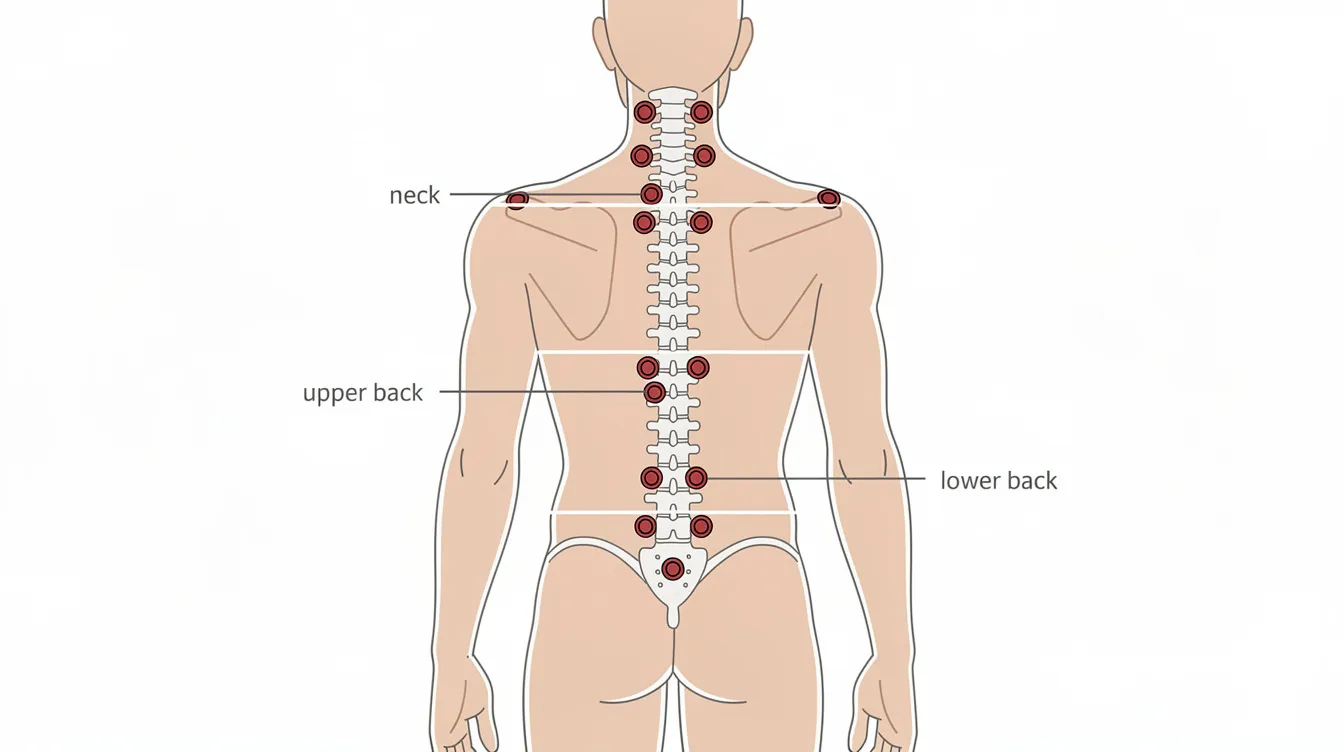
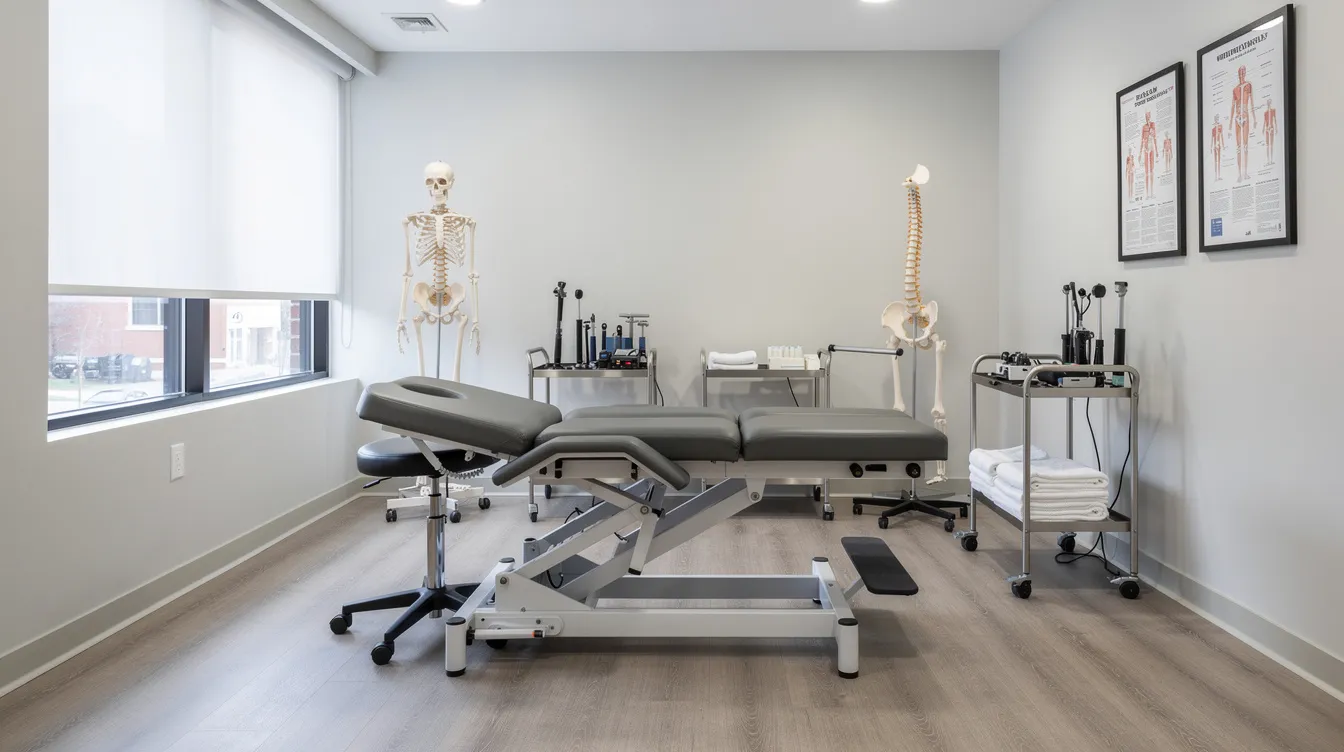
Visual aids such as anatomical diagrams of common trigger point areas, images of the fine needles used in treatment, and before-and-after posture comparisons help patients understand the process. At Everton Chiropractic, Dr Richard often uses these visual references during consultations to show patients exactly where their knots are and how dry needling will target them.
Conclusion and Next Steps
Dry needling is a precise, evidence-based technique that uses thin needles to mechanically disrupt stubborn myofascial trigger points, restore blood flow, and reset overactive muscle fibers toward their normal resting state. For working adults in Singapore who spend long hours sitting, commuting, or performing repetitive tasks, it offers a way to reach deep-seated knots that massage and stretching alone cannot resolve.
Dr Richard at Everton Chiropractic uses dry needling as one component of a comprehensive musculoskeletal care plan that includes spinal adjustments, posture correction, and targeted exercise. This integrated approach addresses both the structural and muscular contributors to pain, giving patients the best chance at lasting relief rather than temporary symptom management.
Your next steps:
-
Book an initial consultation at Everton Chiropractic to assess whether dry needling is suitable for your condition.
-
Prepare a list of your symptoms, work demands, previous treatments, and any relevant medical history to discuss with Dr Richard.
-
Commit to follow-through with suggested exercises and posture changes to maintain and build on results.
Learn more about our dry needling services in Singapore to see how Everton Chiropractic can support recovery from chronic muscle tension and pain.
You may also want to explore related topics such as how spinal adjustments improve posture and movement, neck pain relief strategies for office workers, or core stability and spine health to support your broader wellness goals.
Frequently Asked Questions About Dry Needling in Singapore
These are the most common questions working adults ask Dr Richard before trying dry needling at Everton Chiropractic.
Is dry needling safe when performed by a chiropractor in Singapore?
Dry needling is generally safe when performed by a trained professional following proper protocols. Everton Chiropractic uses single-use sterile needles, follows strict hygiene procedures, and screens every patient for contraindications. Minor side effects such as temporary muscle soreness or mild bruising may occur but typically resolve within 24–48 hours. Serious adverse events are extremely rare and preventable with proper anatomical knowledge and technique.
How is dry needling different from a typical injection?
No medication or fluid is injected during a dry needling treatment-the needle itself is the therapeutic tool, which is why the technique is called “dry.” The needles are also much finer than those used for vaccinations or blood tests, making the experience less intense than most patients expect. This intramuscular stimulation approach relies on mechanical and neurological effects rather than pharmacological ones.
How long does a dry needling session take at Everton Chiropractic?
A full visit typically lasts 30–45 minutes, including assessment, any chiropractic adjustments, and the dry needling session itself. The actual needling component usually takes 10–20 minutes, depending on how many regions are being treated and the complexity of the case. Sessions that combine multiple modalities may run slightly longer.
Will my muscle knots come back after dry needling?
While many patients experience meaningful relief, muscle knots can return if the underlying causes-poor posture, weak stabilising muscles, or sitting for long hours without movement breaks-are not addressed. This is why Dr Richard pairs dry needling with posture correction, spinal alignment, and targeted exercises. The combination of therapies within a structured treatment plan is what produces better movement and lasting change.
Can I continue working or exercising after a session?
Most patients can return to desk work the same day. Some prefer to schedule sessions after work in case of temporary muscle soreness. For exercise, light activity like walking or gentle stretching is encouraged, while high-intensity workouts are best postponed for 24 hours if the treated area feels tender. Dr Richard provides personalised guidance based on your specific treatment and recovery needs.
Is dry needling covered by insurance in Singapore?
Coverage varies between insurers and plans. Dry needling and chiropractic services are not typically covered under government schemes like MediSave or CHAS. However, some private insurance or corporate health plans may reimburse expenses depending on your policy terms. Check with your insurer ahead of time, and note that Everton Chiropractic can provide the necessary itemised documentation to support recovery of costs through eligible claims.
Additional Resources
For personalised advice on whether dry needling is appropriate for your specific condition, contact Everton Chiropractic directly rather than relying solely on online information. Every body is different, and a clinical assessment is the only way to determine the best approach for your situation.
-
Everton Chiropractic Dry Needling Services – Book your initial consultation
-
Massage vs Chiropractic for Neck Pain: Which Is Best? – Compare treatment approaches
-
Best Pillows for Tech Neck – Practical tools for daily neck support
-
Dry needling mechanisms and evidence – Peer-reviewed research on neurophysiological effects
-
Myofascial trigger point science – Clinical review of trigger point pathophysiology and treatment