
Introduction
Chiropractor alignment refers to specific spinal and joint adjustments designed to restore proper joint function, reduce strain on connective tissues, and improve how your body moves and distributes load. This article explains what alignment actually means in a clinical chiropractic setting, how a chiropractor assesses and corrects it, and what patients in Singapore can realistically expect from the process – including costs, session numbers, and outcomes.
The scope here covers spine and joint alignment, posture correction, pain relief, and mobility improvement. It does not cover fractures, infections, tumours, or medical emergencies – those require immediate medical attention and fall outside what chiropractic care addresses. If you are an adult in Singapore dealing with neck pain, back pain, sciatica, postural imbalances, scoliosis, or age-related stiffness, this guide is written for you.
In short: chiropractor alignment is about improving how your spinal joints move and share mechanical load – not permanently “putting bones back in place.” Chiropractic adjustments apply controlled force to spinal joints to restore segmental motion, reduce nerve irritation, and support the body’s natural healing processes.
Here is what you will gain from reading this article:
-
Understand what spinal alignment really means, beyond internet myths and oversimplified explanations.
-
See how a Singapore clinic like Everton Chiropractic actually assesses and corrects alignment step by step.
-
Learn which conditions alignment-focused chiropractic care can help, and which require medical attention instead.
-
Know what a first visit costs roughly and how many chiropractic sessions are typically needed.
-
Discover how alignment work compares with physiotherapy, massage, and other approaches available in Singapore.
Throughout the article, descriptive image suggestions are included so you can visualise each concept clearly.
Understanding Chiropractic Alignment
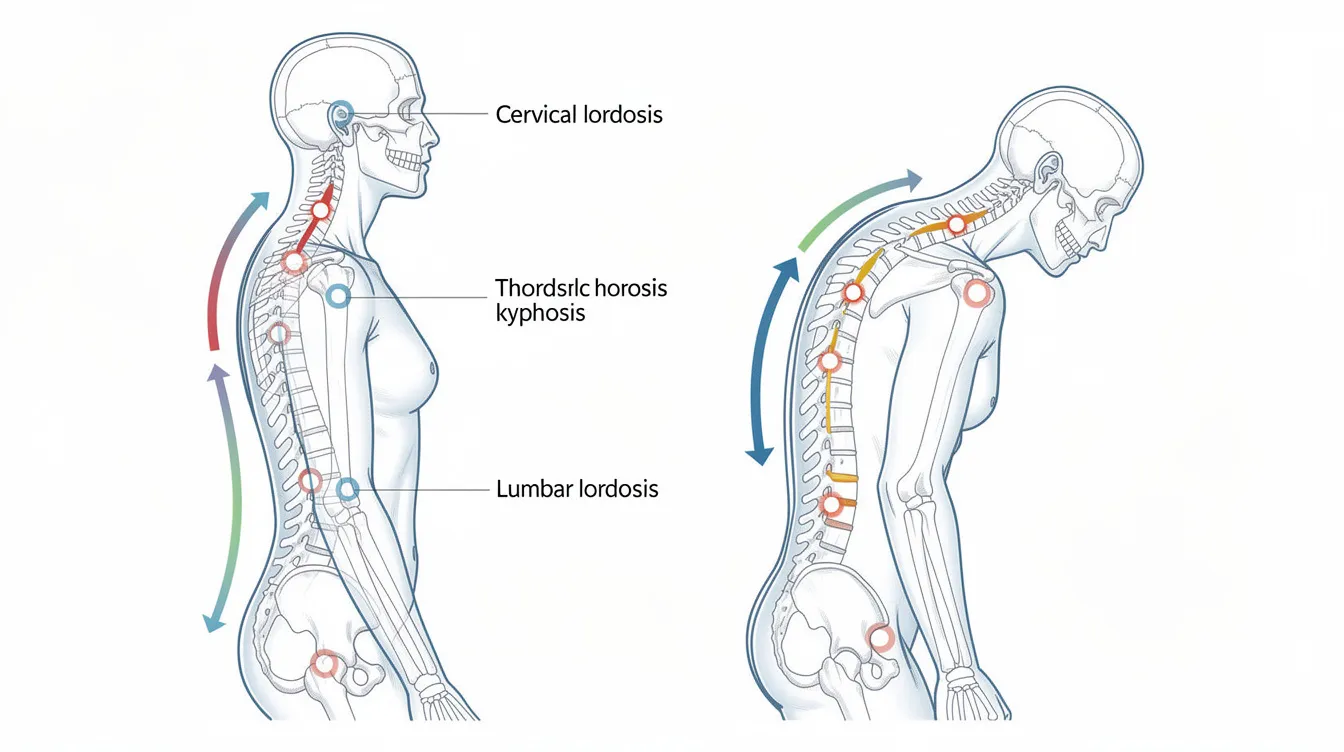
In chiropractic terms, alignment is not about making your spine perfectly straight. It is about how spinal joints move (segmental motion), how the natural spinal curves – cervical lordosis, thoracic kyphosis, lumbar lordosis – maintain optimal load distribution, and how this affects nervous system function. Proper spinal alignment enhances nervous system function, supports muscle balance and joint stability, and allows your musculoskeletal system to work without unnecessary compensation or overload.
Why does this matter for daily life? When spinal alignment is suboptimal, inefficiencies stack up. A forward head posture increases compressive load on cervical facets. A rounded thoracic posture reduces lung capacity and breathing volume. A tilted pelvis alters hip and knee loading, leading to back pain, stiffness, and fatigue. In Singapore, where prolonged periods of desk work, smartphone use during MRT commutes, and carrying young children are common, these alignment stresses accumulate faster than most people realise.
What “Out of Alignment” Really Means
Several terms describe what happens when alignment goes wrong. Misalignment means vertebrae are not ideally positioned or move poorly relative to each other. Subluxation, as defined by the WHO in chiropractic context, refers to “a lesion or dysfunction in a joint or motion segment in which alignment, movement integrity and/or physiological function are altered, although contact between joint surfaces remains intact.” Joint restriction or hypomobility describes segments that do not move freely, forcing surrounding muscles and neighbouring joints to compensate.
A common misconception is that the spine “pops out” and needs to be pushed back in. In reality, vertebrae are held by ligaments, muscles, and connective tissue. Spinal misalignments involve changes in how joints move and load – not dramatic dislocations. Chiropractors aim to restore proper joint function and reduce overload rather than force bones into permanent positions. Misaligned spines can lead to chronic pain and reduced mobility when these dysfunctions persist over time.
Everyday symptoms tied to misalignment include one-sided neck tightness after long phone calls, uneven shoulders visible in a mirror, recurring low back ache after hours of office work, and tension headaches stemming from poor cervical posture. Neck pain can result from spinal misalignments and muscle strains – often both occurring simultaneously.
Imaging such as X-rays can reveal structural alignment (curve angles, disc height, vertebral anomalies), but many functional misalignments are only detectable through movement tests, palpation, and posture assessments. The Chiropractic Association Singapore’s imaging policy emphasises that imaging should be used when clinically indicated – such as for red flags, trauma, or neurological signs – not routinely just to “check alignment.”
How Chiropractors Assess Alignment
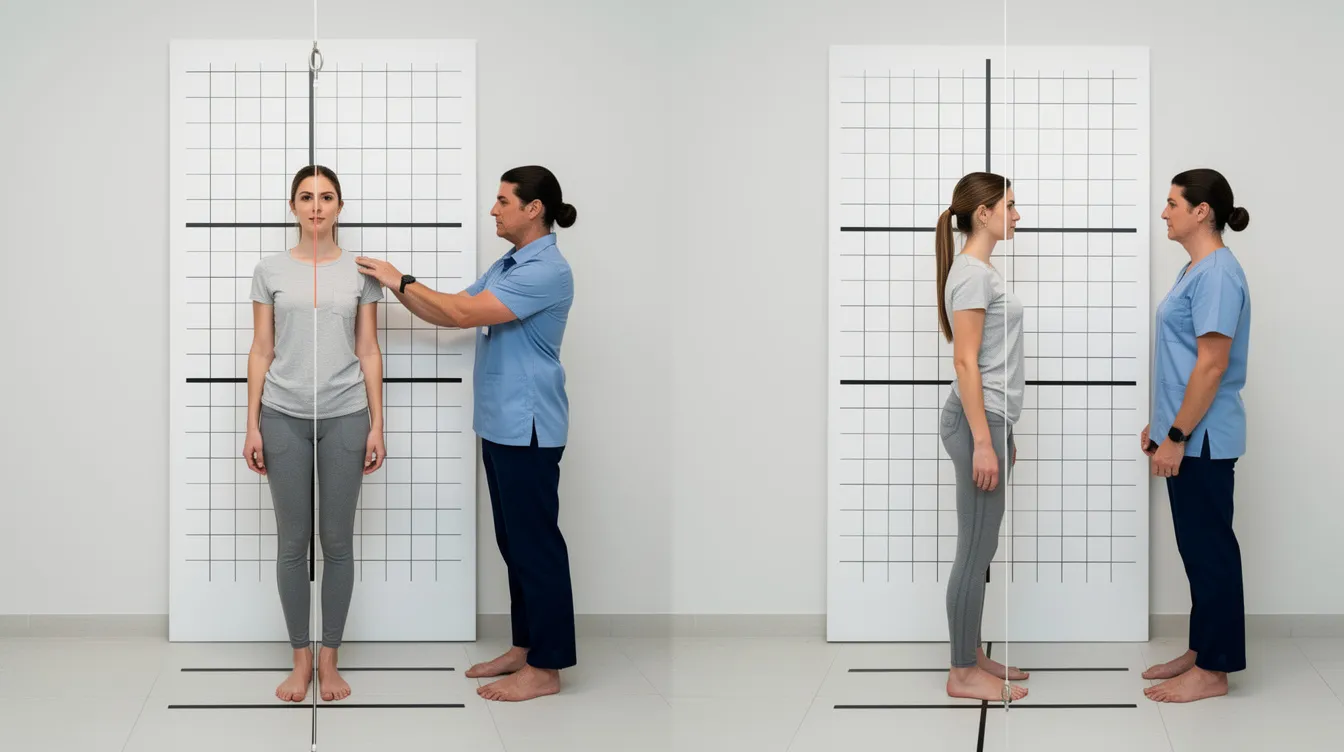
Assessment always comes before any adjustment. Initial consultations in chiropractic involve reviewing medical history and symptoms – a thorough process that forms the foundation for safe, effective care. At a clinic like Everton Chiropractic, a typical assessment includes several key components:
-
Detailed history taking: Pain pattern (onset, location, aggravating and relieving factors), work habits (desk hours, posture, commuting), exercise routine, past injuries or surgeries.
-
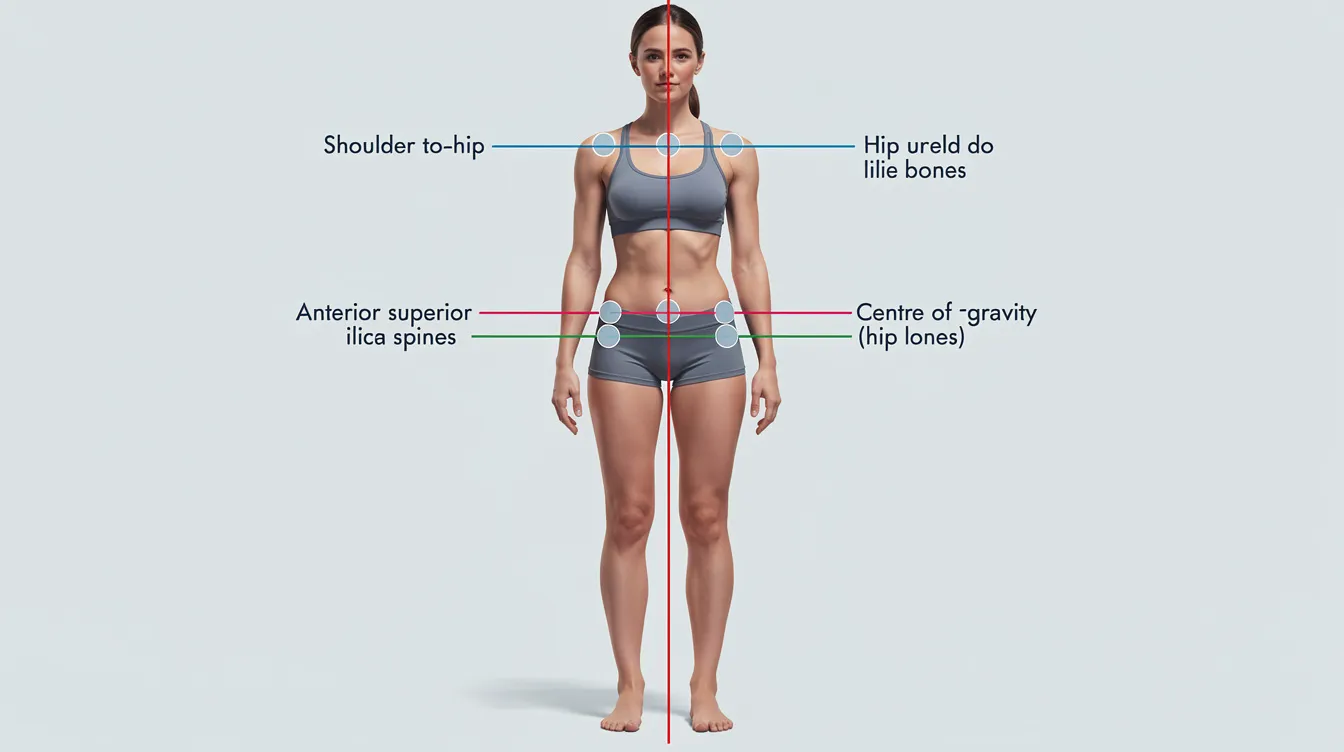
Visual posture analysis: Front and side views to inspect head position, shoulder height, pelvic level, spinal curves, and weight distribution through the feet. Evidence supports the validity of postural evaluation, though reliability improves with standardised methods.
-
Spinal palpation: Both static (feeling for tissue tone and tenderness) and motion palpation (checking joint mobility versus stiffness). Research published in the Journal of Manipulative and Physiological Therapeutics shows that motion palpation has moderate to high evidence for validity in locating dysfunctional segments.
-
Movement testing: Dynamic assessments like bending, twisting, squatting, and gait observation to identify functional limitations.
-
Orthopaedic and neurological tests: To rule out nerve compression, disc herniations, and red-flag conditions requiring medical referral.
-
Imaging: X-rays or MRI used selectively when clinical history or examination suggests serious pathology – not as a routine screening tool.
This evidence-based, safety-focused approach distinguishes a professional evaluation from a simple visual posture check. Hands-on alignment assessment reveals joint restrictions and compensatory patterns that photographs alone cannot detect.

Types of Alignment Chiropractors Work On
With assessment complete, the chiropractor identifies specific alignment targets across different spinal regions and, when relevant, extremity joints. Alignment is three-dimensional: it involves front-to-back curves (sagittal plane), side-to-side shifts (frontal plane), and rotational patterns (axial plane). Because the body operates as a kinetic chain, problems in one region – say the pelvis – can create compensatory issues in the neck or ankles.
Cervical (Neck) Alignment
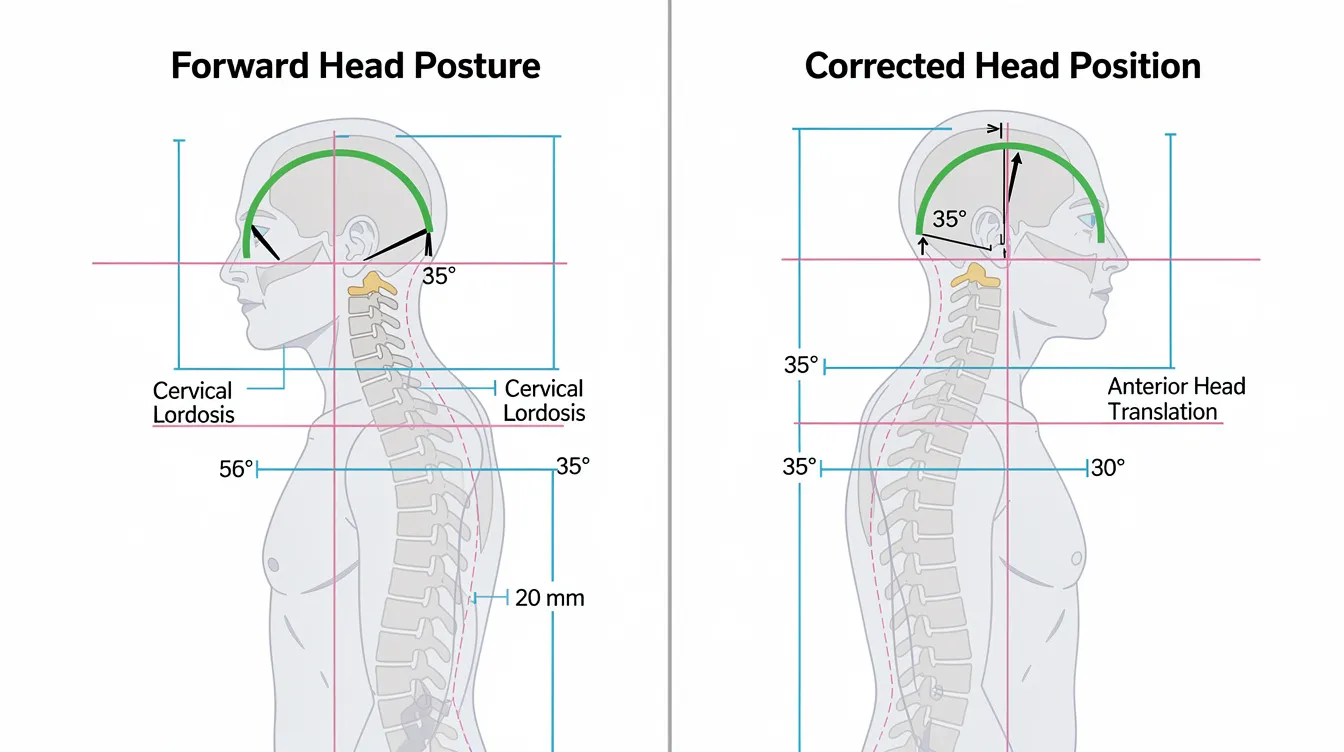
The normal cervical spine has a gentle lordotic curve – a concave arc toward the back of the neck. In Singapore, heavy smartphone and tablet use (often called “tech neck”), low monitor positions, and commuting postures frequently lead to forward head posture and loss of this natural curve.
Consequences include neck pain, tension headaches, disc degeneration, numbness radiating into the arms, and upper back tightness. Spinal manipulation can improve function for some neck pain patients, and chiropractic care offers a drug-free approach to pain management for these issues.
How a chiropractor aligns this region:
-
Specific cervical adjustments (manual or instrument-assisted) to restore segmental motion.
-
Soft tissue therapy on upper trapezius, levator scapulae, and suboccipital muscles to release muscular tension.
-
Home advice on screen height (eye level), ergonomic pillow choice, and sleep position – resources like choosing the right pillow for tech neck can make a meaningful difference.
Research data supports these outcomes: a case series of 64 adults with cervical degenerative disc disease found that approximately 38 treatment visits over 19 weeks produced cervical lordosis improvements from roughly −6° to −19.9°, while neck pain scores dropped from 6.66 to 1.52 on the Numerical Rating Scale. Disc heights also increased measurably.
Neck manipulation requires caution due to potential risks. Qualified chiropractors screen for vascular risk factors, neurological signs, and contraindications before performing cervical adjustments.
Thoracic and Rib Cage Alignment
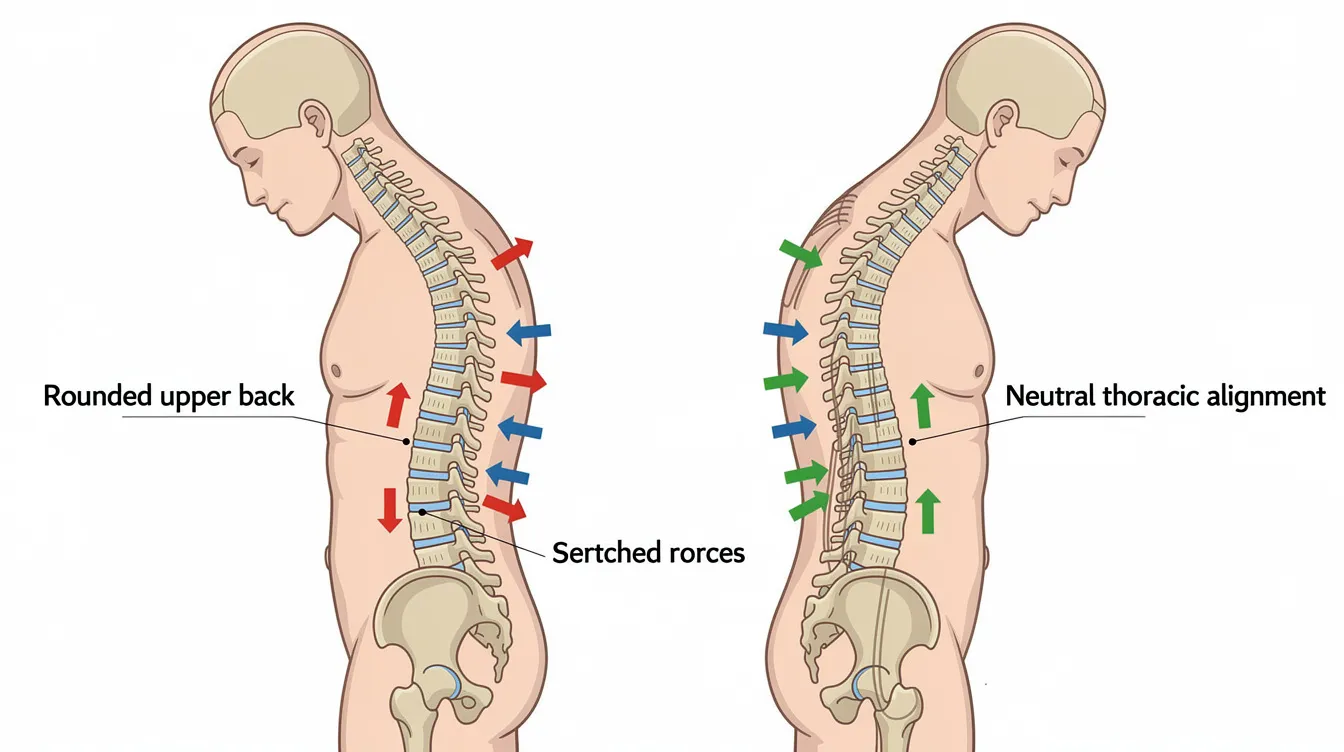
The thoracic spine supports the shoulder girdle, allows rib expansion for breathing, and maintains upright posture. Excess thoracic kyphosis – rounded shoulders, hunched upper back – commonly results from prolonged periods sitting hunched over laptops, long drives, and carrying heavy bags.
Issues linked to poor mid-back alignment include desk-related stiffness, shoulder impingement, mid-back aching after long drives, shallow breathing, and upper back fatigue. Good posture improves lung capacity and overall health, making thoracic alignment directly relevant to energy and well being.
Chiropractic strategies for this region:
-
Thoracic adjustments to stiff segments and costovertebral (rib) joint mobilisations.
-
Extension mobility work – foam roller exercises, thoracic extension over a bench – to counter the effects of prolonged sitting.
-
Scapular stabilisation exercises targeting lower trapezius, rhomboids, and mid-back endurance to hold improved posture throughout the day.
Lumbar, Pelvic and Lower Limb Alignment
The lumbar curve (lordosis) aids load transfer from the upper body to the pelvis and legs. The sacroiliac joints and pelvis form the structural base of the spine, and proper alignment here is essential for everything above and below.
Misalignment in this region connects to:
-
Low back pain during standing, sitting, or lifting.
-
Sciatica-type leg pain from nerve root irritation when lumbar alignment is poor. Chiropractic adjustments can alleviate sciatica pain effectively, and spinal manipulation may improve function for sciatica patients. Chiropractic care is a drug-free approach to managing sciatica.
-
Uneven hips, functional leg length discrepancies, and knee or ankle overload from altered joint mechanics.
At Everton Chiropractic, assessment and correction of this region involves:
-
Pelvic landmark checks (iliac crest levels), leg length tests in prone and supine positions, and gait observation.
-
Adjustments to lumbar and sacroiliac joints, and sometimes extremity joints (knee, ankle, foot) to balance the entire kinetic chain.
-
Core and hip stability exercises to maintain alignment improvements and prevent recurrence.
Lumbar lordosis trials using Chiropractic BioPhysics (CBP) methods have demonstrated lordosis improvements of approximately 7–11° over 30–36 sessions across 10–12 weeks, with results maintained at six-month follow-ups.
From Assessment to Adjustment: How Chiropractor Alignment Sessions Work
Understanding what happens during chiropractic sessions removes uncertainty and helps many patients feel more confident about starting care. At a Singapore clinic like Everton Chiropractic, the first visit typically takes 45–60 minutes and includes a full consultation, physical examination, and often the first adjustment. Follow-up visits are shorter – usually 15–30 minutes – and focus on targeted adjustments, reassessment, and exercise progression.
Step‑by‑Step Alignment Process at Everton Chiropractic
This is a general example of how alignment-focused visits flow. Individual care is always customised based on your specific findings.
-
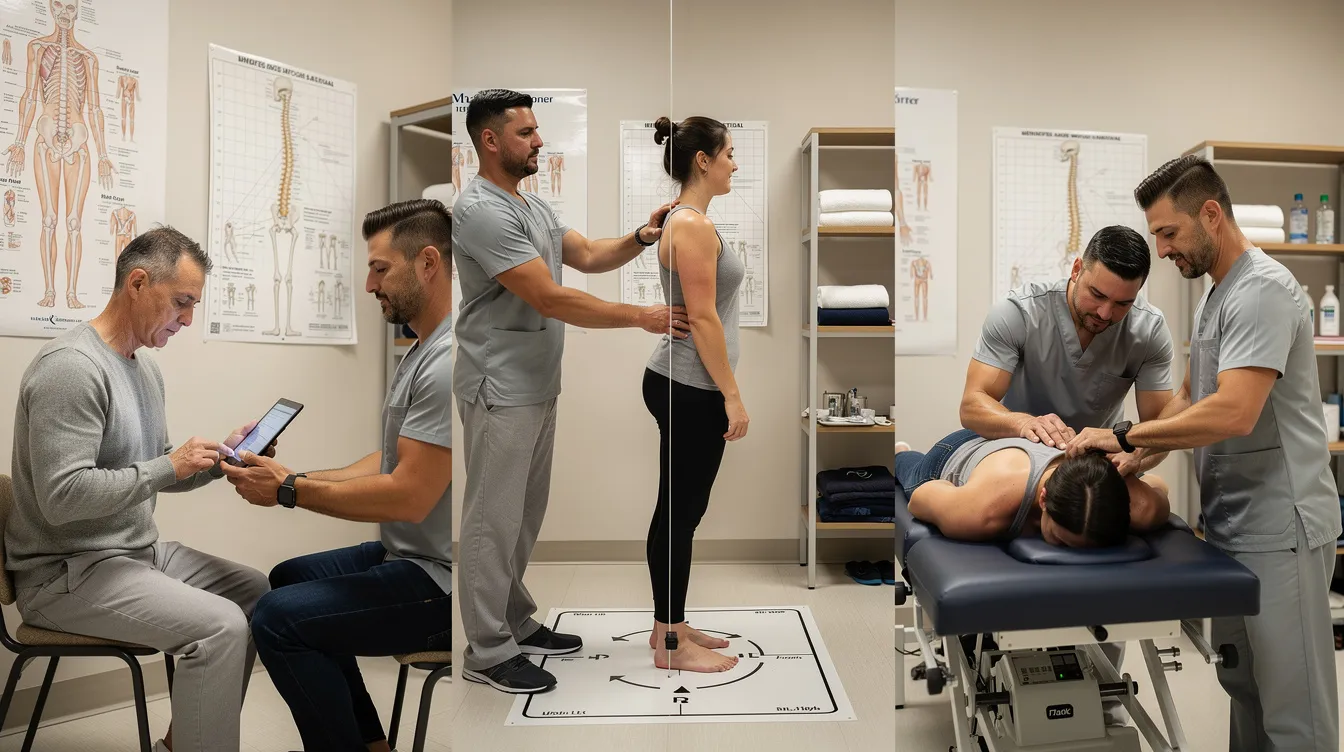
Step 1 – Consultation and history: Discuss pain areas (back or neck pain, knee issues, headaches), posture habits, sport and work demands, and any previous injuries or surgeries.
-
Step 2 – Alignment and movement assessment: Posture photographs from front and side views, joint motion tests, neurological checks, and palpation to identify areas of joint restriction and soft tissue tension.
-
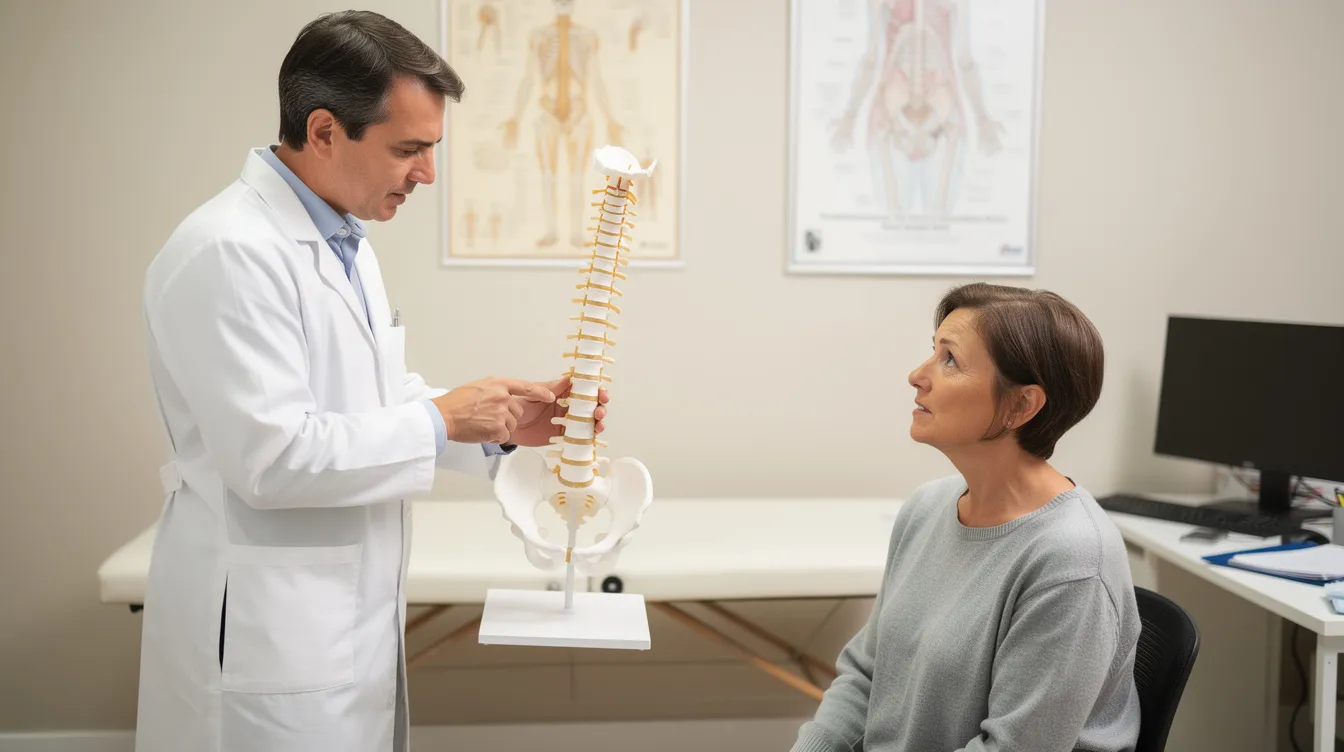
Step 3 – Explanation of findings: Your chiropractor shows how specific misalignment and muscle patterns link to your physical symptoms using spine models or diagrams. This step ensures you understand the underlying causes before any hands-on work begins.
-
Step 4 – First adjustment: Patient positioning on the treatment table, application of controlled force to target joints. Adjustments may produce a popping sound due to gas release – this is normal and explained in detail here. Safety checks and screening are completed before any manual techniques are applied.
-
Step 5 – Reassessment and home advice: Key movements are rechecked, and 1–3 simple alignment-supporting exercises or ergonomic tweaks are prescribed to reinforce gains between visits.
Chiropractors use hands or instruments to apply force during adjustments, and the approach is tailored based on each patient’s comfort level, age, and clinical presentation.
Manual vs Instrument-Assisted Alignment
Modern chiropractic alignment uses two main styles of manual therapy:
-
Manual high-velocity, low-amplitude (HVLA) adjustments: Rapid, controlled thrusts delivered by hand to stiff or restricted joints. These produce the characteristic cavitation sound and are designed to restore proper alignment and segmental motion quickly.
-
Instrument-assisted or low-force techniques: Tools such as the Activator device or drop-table mechanisms deliver precise, gentle force. These methods are often preferred for elderly patients, those with osteoporosis, post-surgical areas, or patients who feel anxious about cracking sounds.
Both approaches aim to restore proper joint function and improve joint mobility – neither attempts to “force bones back into place.” A qualified chiropractor in Singapore selects the technique based on clinical findings, patient preference, and risk factors. Some studies suggest that manual adjustments guided by palpation may outperform instrument methods in certain low back pain scenarios, but both show benefit across a range of conditions.

How Many Sessions Does Alignment Take?
The number of visits depends on several factors: how long the problem has existed (weeks versus many years), severity (mild stiffness versus sciatica affecting walking or sleep), age, activity level, and lifestyle factors.
Realistic ranges based on Singapore practice data:
-
Acute, simpler cases: Many patients experience significant improvement within 3–6 sessions.
-
Chronic posture or scoliosis-related issues: Structured plans over 8–12+ weeks, often involving 2–3 visits per week initially.
-
Structural correction programmes: CBP-based cervical lordosis protocols have used approximately 40 treatments over 16 weeks, producing average lordosis improvements of 14° and forward head translation reductions of approximately 12 mm.
Reassessment points – typically after 4–6 sessions – allow your chiropractor to measure early changes and refine the treatment plan rather than continuing open-ended adjustments indefinitely. Learn more about how often to see a chiropractor for optimal health.
Chiropractor Alignment vs Other Approaches
Singapore offers several options for addressing spinal health and musculoskeletal pain: physiotherapy, massage, TCM tui na, self-stretching routines, and medical pain management. Chiropractic care is often sought for musculoskeletal pain, and understanding how it compares helps you make informed decisions. Many approaches can complement each other – the key is understanding where alignment-focused chiropractic treatment adds unique value.
How Alignment-Focused Chiropractic Compares
|
Criterion |
Chiropractic Alignment |
Physiotherapy |
Massage / TCM Tui Na |
Medical Care |
|---|---|---|---|---|
|
Primary focus |
Joint and spinal alignment, nervous system, posture correction |
Rehabilitation, strengthening, movement retraining |
Muscle relaxation, circulation, soft tissue tension relief |
Medication, injections, surgery, diagnostic imaging |
|
Typical goals |
Restore proper alignment and joint mechanics, reduce nerve interference |
Improve strength, range of motion, functional movement |
Relieve muscle tension, improve blood flow, reduce stress |
Manage acute inflammation, address red-flag pathology |
|
When usually used |
Chronic pain, postural imbalances, spinal stiffness, sports injuries |
Post-injury rehab, post-surgical recovery, mobility limitations |
General tension relief, relaxation, chronic stress management |
Fractures, severe disc herniations, neurological deficits, infections |
|
Alignment correction |
Direct joint and postural realignment via adjustments |
Indirect through exercise and motor control |
Does not directly address joint restriction or curvature |
Surgical correction in severe structural cases |
For a deeper comparison, see our guides on chiropractic care vs. physiotherapy for back pain and TCM vs. chiropractic adjustments for chronic pain.
A Cochrane review on combined chiropractic interventions for low back pain found small improvements in pain and disability, while alignment-specific studies – particularly those using extension traction protocols – suggest that restoring spinal curvature produces longer-term maintenance of pain reduction beyond what exercise or massage alone typically achieves. Best results often come from combining alignment work with exercise, soft tissue therapy, and lifestyle changes.
When Alignment Alone Is Not Enough
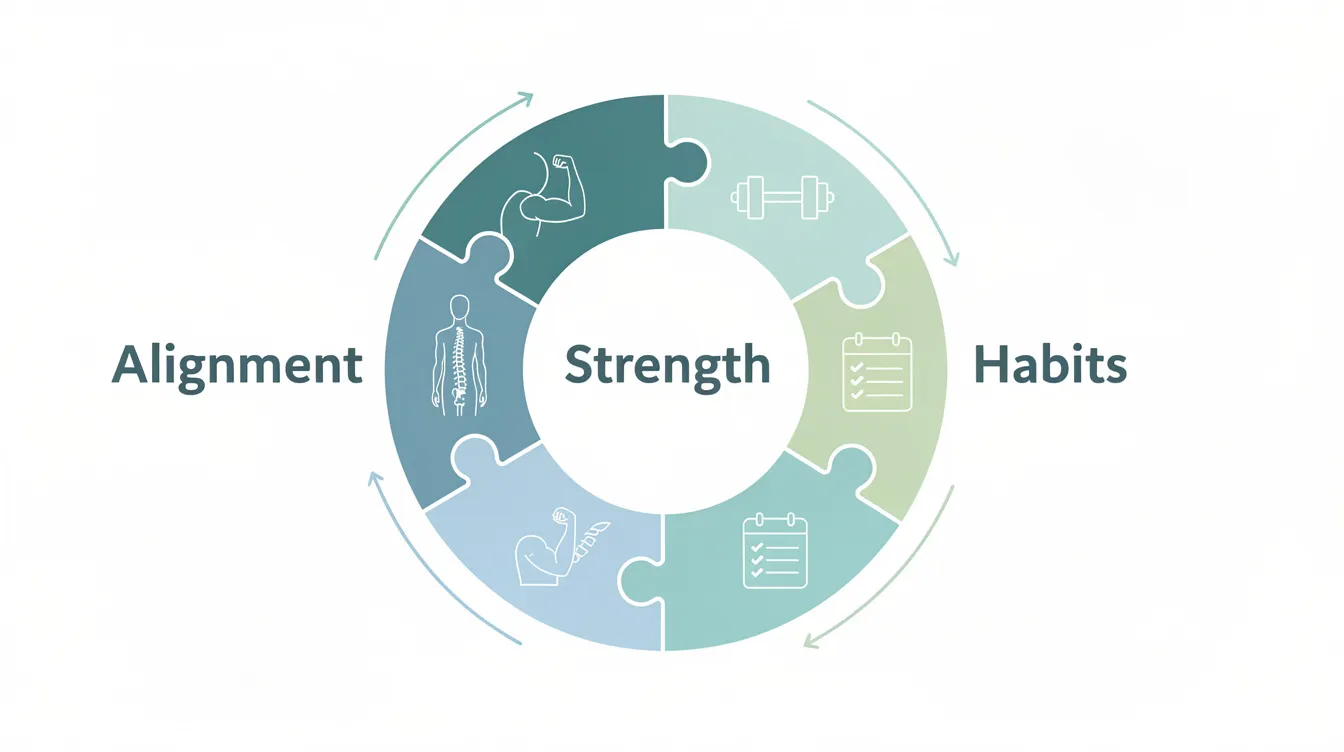
Chiropractic adjustments change joint mechanics, but they do not automatically strengthen weak core muscles, change daily habits like sitting 10+ hours without movement breaks, or reverse structural changes such as severe arthritis or advanced disc degeneration. Alignment is one piece of a comprehensive approach.
At Everton Chiropractic, chiropractic care focuses on integrating alignment with supporting interventions:
-
Corrective exercises and spinal mobility work to build strength and endurance in surrounding muscles.
-
Soft tissue therapy or dry needling when muscle imbalances or fascial restrictions limit alignment improvements.
-
Lifestyle coaching on workstation setup, sleep ergonomics, activity modification, and strategies to manage stress – because chronic stress contributes to muscular tension that undermines alignment gains.
This holistic approach supports not only pain relief but also long term relief, improved sleep quality, and overall well being.
Common Alignment-Related Problems We See in Singapore
Certain alignment patterns appear repeatedly among patients at Everton Chiropractic. These reflect the realities of Singapore life – long office hours, smartphone dependence, active weekend sports, and an aging population.
Tech Neck and Office Posture Pain
The typical scenario: a Singapore office worker spending 8–10 hours daily at a laptop, commuting on the MRT with eyes on a phone, and arriving home with neck stiffness and headaches. Poor posture can lead to musculoskeletal pain, including back and neck pain, and this pattern is one of the most common reasons patients seek chiropractic care.
Alignment findings usually include a straightened or reversed cervical curve, mid-back stiffness, tight chest muscles, and weak mid-back stabilisers. Chiropractic adjustments correct spinal misalignments to improve posture, and the treatment focus includes:
-
Neck and upper thoracic spinal adjustments to restore segmental motion.
-
Posture drills and ergonomic tweaks (monitor at eye height, chair lumbar support, keyboard position).
-
Short movement breaks every 45–60 minutes to interrupt sustained loading.
Chiropractic care enhances muscle balance and strength for better posture over time, and regular chiropractic adjustments help prevent future musculoskeletal problems from re-developing. Chiropractic adjustments can improve energy levels and vitality by reducing the constant muscular effort required to hold a poorly aligned head and neck.

Lower Back Pain and Sciatica
Back pain is a common reason for chiropractic visits, and lower back patterns often include pain with prolonged standing, bending to pick up items, or pain radiating into the buttock or leg pain territory. Typical misalignments involve pelvic tilt, segmental lumbar stiffness, and protective muscle guarding that restricts normal movement.
The alignment-centred approach involves:
-
Targeted lumbar and pelvic adjustments to share load more evenly across joints and alleviate pain.
-
Decompression or flexion-distraction techniques when appropriate – gentle, low-force methods that can reduce disc-related nerve irritation. Chiropractic adjustments can alleviate pressure on nerves, providing meaningful pain relief.
-
Core and hip strengthening to maintain improvements and prevent recurrence.
Red-flag symptoms require immediate medical referral: bowel or bladder changes, fever, sudden weakness in the legs, or unexplained weight loss. Experienced chiropractors screen for these at every visit.
Scoliosis, Aging Spines and Mobility Decline
While chiropractic cannot straighten severe structural scoliosis, alignment care can improve segmental mobility, reduce asymmetric loading and muscle fatigue, and help older adults maintain walking ability and daily function. A healthy spine can enhance mental health and stress management, contributing to emotional well being and quality of life as patients age.
Treatment plans differ based on the individual:
-
Young adults with postural scoliosis: Focus on restoring proper alignment symmetry, strengthening weak-side muscles, and improving joint mobility bilaterally.
-
Middle-aged and elderly patients with degenerative changes: Gentler, instrument-assisted techniques; emphasis on maintaining function rather than aggressive structural correction. Research on cervical disc disease in patients aged 23–77 shows that even older adults can achieve measurable structural and symptomatic gains when care is tailored appropriately.
Chiropractic care can enhance overall quality of life and self-esteem by helping patients maintain independence and active participation in daily activities.

Common Challenges and How to Get Better Alignment Results
Several obstacles can limit the impact of chiropractor alignment. Understanding them – and applying practical solutions – makes the difference between temporary relief and lasting improvement.
Expecting One Adjustment to “Fix Everything”
Chronic alignment issues develop over months or years of accumulated postural stress, muscle imbalances, and repetitive strain. Expecting a single session to reverse all of this is unrealistic. Chiropractic adjustments are considered part of a broader approach to wellness, not a one-time fix.
Solution: Set realistic milestones. Track objective changes at 4-week and 8-week reassessments – range of motion measurements, posture photographs, and activity tolerance. This approach keeps both patient and chiropractor accountable and ensures the treatment plan evolves based on progress.
Not Changing Aggravating Habits
Long sitting without breaks, heavy sports loading without recovery, poor sleep positions, and chronic stress can all undo alignment gains. Restoring joint mobility can help alleviate muscle tension and discomfort, but those benefits erode if the same aggravating patterns continue daily.
Concrete habit changes that support your wellness journey:
-
Stand or walk for 5 minutes every hour during office hours.
-
Follow a basic daily mobility routine – 5–10 minutes morning and evening.
-
Use proper lifting techniques, especially for parents and caregivers picking up children.
-
Address sleep ergonomics: supportive pillow, neutral spine position.
Fear or Misunderstanding of Adjustments
First-time patients in Singapore sometimes worry about cracking sounds, potential pain, or safety. Temporary soreness can occur after chiropractic adjustments but typically resolves shortly – usually within 24–48 hours. Chiropractic adjustments can foster natural healing in the body, and the process supports the body’s natural healing abilities rather than forcing change.
What patients can do:
-
Communicate clearly about comfort levels, past experiences, and any anxiety.
-
Ask the chiropractor to demonstrate lower-force manual techniques or instrument-assisted options first.
-
Start with less intimidating regions (mid-back adjustments are often the most comfortable) to build confidence before moving to the neck or low back.
Proper spinal alignment supports better organ function and circulation, and chiropractic care optimizes nervous system function for overall wellness – benefits that become clearer as patients progress through their care plan.
Conclusion and Next Steps
Chiropractor alignment is about improving how your spine and joints move and share load – supporting posture correction, pain relief, and movement quality. Chiropractors correct spinal misalignments to improve overall health, but lasting change requires pairing alignment work with exercise, strength training, and better daily habits. Chiropractic care supports faster recovery from injuries and training, enhances athletic performance by optimising biomechanics, and promotes promoting wellness across all stages of life.
Practical next steps for readers in Singapore:
-
Self-check three posture markers in a mirror: Is your head forward of your shoulders? Are your shoulders level? Is one hip visibly higher than the other?
-
Track when pain appears: Morning stiffness, post-work aching, or during sports – note the pattern to discuss with a qualified chiropractor.
-
Book an introductory spinal alignment assessment at Everton Chiropractic. A first visit typically includes a full consultation, posture photographs, movement tests, and your first adjustment.
Related topics worth exploring: posture correction strategies, sciatica treatment without surgery, and chiropractic care for seniors in Singapore – each building on the alignment foundation covered here.
FAQs About Chiropractor Alignment in Singapore
These frequently asked questions address common concerns patients raise before booking their first chiropractic appointment.
Is chiropractor alignment safe?
Chiropractic alignment has a strong general safety record when performed by experienced chiropractors trained in screening for contraindications. At Everton Chiropractic, every patient undergoes thorough history taking, orthopaedic and neurological examination, and red-flag screening before any adjustment. Serious adverse events are extremely rare, and when risk factors are identified (such as osteoporosis, vascular disease, or recent trauma), gentler techniques are used or appropriate medical referral is made. In Singapore, chiropractic is classified as Complementary and Alternative Medicine and professional associations set practice standards.
Does chiropractor alignment hurt?
Most patients feel brief pressure, a stretch, or mild discomfort during spinal adjustments, followed by immediate relief or a sense of lightness. Some experience temporary soreness afterwards – similar to post-exercise muscle fatigue – which typically resolves within 24–48 hours. For pain-sensitive or anxious patients, techniques can be modified to use lower force, instrument-assisted delivery, or mobilisation approaches that avoid the cracking sound entirely.
Will chiropractic permanently realign my spine?
Chiropractic adjustments restore proper spinal alignment and mobility by changing how joints move and share load – they do not “lock” vertebrae into permanent positions. Research shows that structural improvements (such as cervical lordosis gains of approximately 14° after 40 treatments) can be maintained with periodic follow-ups of roughly 1–2 visits per month, combined with consistent home exercises and ergonomic habits. Without ongoing self-management, some gains gradually diminish over time – which is why restoring proper alignment is best understood as an ongoing process rather than a one-time event.
How much does an alignment-focused chiropractic visit cost in Singapore?
In Singapore, first visits at chiropractic clinics typically range from S$80–S$200, while follow-up sessions cost approximately S$60–S$130. Comprehensive programmes for more complex or long-term cases may range from S$2,000–S$7,500 over six months. Everton Chiropractic uses transparent pricing without aggressive package pressure – we encourage patients to check current assessment fees online or call the clinic directly.
Can I see a chiropractor for alignment if I already exercise regularly?
Absolutely. Even active people – runners, gym-goers, weekend athletes – can develop alignment and load issues that compromise performance and increase injury risk. Regular chiropractic care reduces the risk of severe injuries in athletes, and chiropractic adjustments can lead to increased power output by optimising biomechanics. Alignment work identifies and corrects compensatory patterns that exercise alone may not address, supporting optimal functioning and musculoskeletal health throughout your training. Chiropractic care enhances athletic performance by optimizing how force transfers through properly aligned joints and a balanced musculoskeletal system.