
Introduction
Prolonged rest is one of the most common-and most counterproductive-responses to chronic joint pain. While resting for a short window after an initial injury makes sense, continuing to avoid movement for weeks or months triggers a cascade of physical changes that actually intensify ongoing pain: muscles weaken, joints stiffen, and the nervous system processes signals differently, amplifying discomfort rather than resolving it.
This article focuses on chronic pain conditions affecting the neck, shoulders, knees, and spine-the very conditions that many patients in Singapore deal with daily due to sedentary desk work, aging, and postural decline. If you’ve been living with persistent musculoskeletal pain and have been told to “just rest,” this is for you. The evidence is clear: rest beyond 48–72 hours often leads to muscle weakness, joint stiffness, and increased pain sensitivity in chronic conditions, making simply resting one of the least effective strategies for lasting relief.
Here’s what you’ll gain from reading this:
-
A clear understanding of why too much rest worsens chronic joint pain instead of helping it
-
The specific biological mechanisms-from muscle deconditioning to nervous system sensitization-that make prolonged inactivity harmful
-
Evidence-based movement therapy approaches that reduce pain and improve function
-
Practical steps to transition safely from rest to targeted movement
-
Guidance on when professional chiropractic care can accelerate your recovery
Understanding Why Rest Becomes Counterproductive in Chronic Pain
Chronic pain lasts for 12 weeks or longer-well beyond the body’s typical tissue healing timeline. During this extended period, the root cause of pain shifts from damaged tissue to a complex interplay of deconditioning, biomechanical dysfunction, and neural sensitization. Rest, which serves the body’s natural healing process during acute injuries, becomes counterproductive because the body requires movement to maintain joint health and functionality.
Movement is essential for circulating synovial fluid that keeps joints lubricated, delivering nutrients via blood flow to cartilage and soft tissue, and maintaining the strength of muscles that support the spine and other load-bearing structures. Without it, the very systems designed to promote healing begin to deteriorate.
Traditional Rest Approach vs Modern Understanding
For much of the 20th century, bed rest was the standard prescription for back pain, joint injuries, and post-surgical recovery. Patients were told to lie flat, avoid movement, and wait for healing to occur. This advice persisted for decades largely unchallenged.
The shift began in the 1980s and 1990s when researchers in sports medicine and rehabilitation demonstrated that long periods of bed rest led to greater morbidity, not less. Studies consistently showed that patients who rested for extended durations experienced worse outcomes than those who began early, controlled movement. By the 2000s, clinical guidelines for conditions like osteoarthritis and chronic back pain had reversed course entirely. A Cochrane review of 21 studies involving 2,372 participants confirmed that exercise-based interventions reduced pain and disability and improved quality of life in people with chronic hip and knee pain. Today, the consensus across orthopedics, physical therapy, and chiropractic care is unequivocal: movement is medicine for chronic conditions.

The Difference Between Acute and Chronic Pain Management
Acute pain arises from a recent injury-a sprain, strain, or sudden overload. For these situations, short-term rest of 24–48 hours, combined with ice and compression, remains appropriate. This brief pause allows initial inflammation to subside and gives damaged tissue a chance to begin repair.
But chronic pain operates under entirely different rules. When pain persists beyond a few weeks and stretches past the 12-week mark, the underlying cause is no longer acute tissue damage. Instead, processes like central sensitization take over-the nervous system amplifies pain signals, maladaptive movement patterns develop, and tissues become deconditioned. Chronic pain can lead to central sensitization of the nervous system, where the brain and spinal cord begin interpreting normal sensory input as threatening. In this state, rest doesn’t calm the system; it removes the very stimulus-movement-that helps recalibrate pain perception. Prolonged inactivity can worsen chronic pain symptoms, creating a self-reinforcing cycle of avoidance, deconditioning, and more pain.
Understanding this distinction is critical because it determines whether rest is your ally or your adversary. With that foundation, let’s examine the specific mechanisms through which excessive rest damages your joints, muscles, and nervous system.
How Prolonged Rest Worsens Chronic Joint Pain
When rest extends from days into weeks, the body doesn’t simply pause-it actively deteriorates. Resting can exacerbate chronic joint pain due to physical deconditioning across multiple systems simultaneously: muscles atrophy, joints lose their natural lubrication and flexibility, and the nervous system may become hypersensitive due to avoidance of movement.
Muscle Deconditioning and Muscle Weakness
Muscle weakness occurs after just a few days of inactivity, and the pace of decline is startling. Research on lower-limb immobilization found that within just 5 days of knee immobilization, quadriceps cross-sectional area dropped by approximately 3.5% and strength fell by roughly 9%. After 14 days, muscle size decreased by about 8% and strength plummeted by approximately 22.9%. A meta-analysis of upper-limb disuse confirmed similar patterns: after approximately 18 days, strength declined by about 18%, while muscle mass loss was around 3–5%.
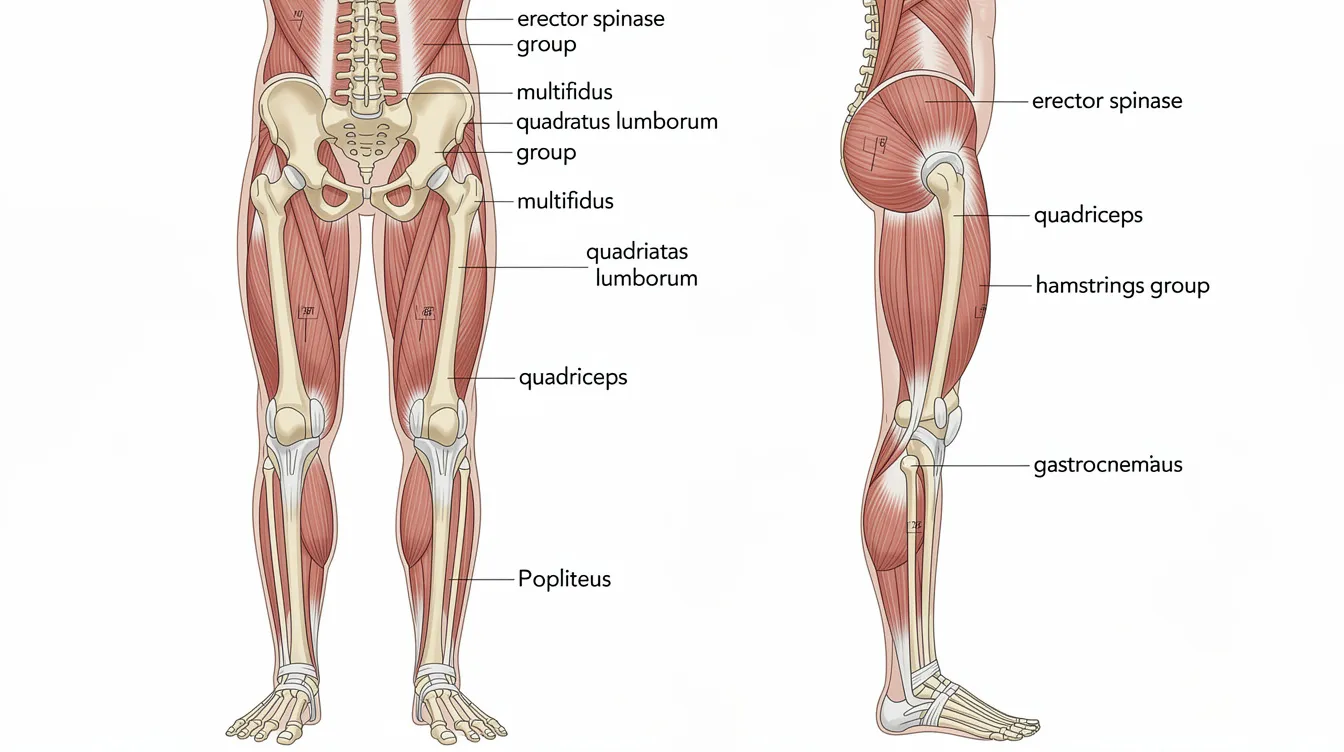
What makes these numbers particularly alarming is that strength losses far outpace size losses, especially early on. During the first week, neuromuscular function deteriorates through reductions in voluntary activation, central motor drive, and contractility-sometimes within the first 48–72 hours. Inactivity results in muscle atrophy and decreases joint support, and once the muscles that support your spine, shoulders, or knees weaken, those joints absorb forces they were never designed to handle alone. Weak quadriceps place greater strain on knee cartilage. Weakened gluteals shift load onto the lumbar spine. Diminished scapular stabilizers increase cervical vertebrae stress-a common driver of neck pain in office workers.
Joint Stiffness and Reduced Mobility
Joint tissues become stiff without regular movement, leading to limited flexibility that progressively worsens. Joints depend on motion to circulate synovial fluid-the viscous liquid that nourishes cartilage and reduces friction. Reduced synovial fluid circulation leads to joint stiffness and pain. Without regular movement, this fluid becomes thicker, adhesions form within the joint capsule, and scar tissue develops.
Animal research published in PAIN demonstrated that even 2 weeks of immobilization induced sensory nerve growth into joint tissue, synovial inflammation, and early pain sensitivity changes. With longer immobilization of 4–6 weeks, cartilage loss and osteophyte (bony outgrowth) formation became pronounced. In daily life, this translates to difficulty climbing stairs, reaching overhead, or turning your neck-activities that many patients once performed without thinking. Joint stiffness increases with prolonged inactivity, and each lost degree of range of motion makes the next movement harder and more painful.
Increased Pain Sensitivity
Perhaps the most insidious consequence of excessive rest is what it does to your nervous system. Lack of movement impairs blood flow and nutrient delivery to joints, but it also fundamentally changes how your brain and spinal cord interpret sensation. Immobilization triggers both peripheral sensitization-involving inflammation and neuropeptide release-and central sensitization, where the spinal cord’s dorsal horn amplifies pain signals.
A study on cast immobilization in rats showed that 4–8 weeks of immobilization led to thermal and mechanical hypersensitivity, with increased expression of CGRP (a pain-signaling neuropeptide) in the spinal dorsal horn-even before the cast was removed. In humans, 4 weeks of forearm cast immobilization caused heightened sensitivity to cold and mechanical stimuli, with symptoms persisting beyond cast removal in some patients. The nervous system essentially learns to produce more pain from less input, and this fear-avoidance cycle-where patients avoid movement because it hurts, leading to more deconditioning, leading to even more pain-becomes self-perpetuating. Excessive resting can create a cycle of worsening chronic pain and stiffness that becomes increasingly difficult to break without proper treatment.
These three mechanisms-muscle deconditioning, joint deterioration, and neural sensitization-work together to ensure that prolonged rest doesn’t just fail to resolve chronic pain; it actively makes it worse. The best solution lies in reversing these processes through targeted movement.
The Science Behind Physical Therapy and Movement Therapy for Chronic Pain
Movement therapy is not about pushing through pain or returning to intense exercise overnight. It is a structured, evidence-based approach that systematically reverses the damage caused by prolonged inactivity. At its core, movement therapy aims to restore joint lubrication and strengthen supporting structures while retraining the nervous system to process signals normally. Regular activity helps restore range of motion and reduce pain perception-not by masking symptoms, but by addressing the root cause of dysfunction.
Targeted Movement Approaches
Different forms of movement therapy serve different purposes, and one of the most effective ways to manage chronic pain is combining several approaches into a comprehensive treatment plan.
Spinal alignment and posture correction address the biomechanical imbalances that develop during periods of inactivity. A 2025 meta-analysis of Global Postural Re-Education found significant pain reduction and function improvement in neck pain patients compared to other exercise approaches. Posture correction is particularly important for spinal structures affected by prolonged desk work-a reality for many Singapore professionals. Learning to correct posture fundamentally changes how forces distribute across your spine and joints.
Progressive loading exercises combat muscle deconditioning through a graded approach. Starting with isometric holds (muscle contraction without joint movement), patients progress to resistance bands, bodyweight exercises, and functional tasks. Physical therapy strengthens muscles that support the spine and other weight-bearing joints, gradually rebuilding the muscular scaffolding that protects joint structures. Low-impact activities can increase pain threshold in chronic pain patients by desensitizing the nervous system through repeated, non-threatening stimulus.
Functional movement patterns target the activities that matter most in daily life-sitting upright at a desk, reaching overhead, squatting to pick something up, climbing stairs. Physical therapy can improve function in knee osteoarthritis patients by strengthening the specific movement chains they use daily. This approach ensures that recovery translates directly to improved quality of life rather than abstract fitness gains.
Pain neuroscience education combined with movement helps break the fear-avoidance cycle. When patients understand that chronic pain often reflects nervous system sensitization rather than ongoing tissue damage, they become more willing to stay active and engage with their treatment. Understanding the difference between “hurt” and “harm” is often the turning point in recovery.
Manual therapy combined with exercise yields the strongest results. A 2025 Cochrane review found that combining manual therapy with exercise produces large reductions in chronic neck pain and moderate improvements in function compared to no treatment. Chiropractic adjustments restore alignment and mobility, while targeted exercises maintain and build upon those gains. For conditions like neck pain and headaches, this combination addresses both the immediate discomfort and its structural causes.
Comparison of Rest vs Movement Outcomes
|
Outcome Measure |
Prolonged Rest |
Targeted Movement Therapy |
|---|---|---|
|
Pain Levels |
Often increased or unchanged; sensitization develops |
Significantly reduced; pain threshold increases |
|
Functional Capacity |
Decreased mobility; loss of daily activities |
Improved daily function; return to normal activities |
|
Muscle Strength |
20–30% reduction within 2–4 weeks |
15–25% improvement over equivalent period |
|
Return to Activities |
Delayed or incomplete; fear-avoidance persists |
Faster, more complete; confidence restored |
|
Nervous System |
Heightened sensitization; amplified pain signals |
Recalibrated signaling; reduced sensitivity |
The data consistently shows that movement therapy addresses the underlying cause of chronic pain while rest merely allows deconditioning to deepen. Gentle movement improves circulation and reduces stiffness, and regular low-impact activities can increase pain threshold-making each subsequent movement easier and less painful. Gentle exercise can increase pain threshold in chronic pain patients, effectively reversing the sensitization that rest amplifies. Movement helps improve blood flow and healing at the cellular level, delivering nutrients to joint cartilage that has been starved during periods of inactivity.

Common Challenges and Solutions
Transitioning from rest to movement when you’re dealing with chronic pain is genuinely difficult. Many patients face real obstacles that, without proper guidance, can derail recovery before it begins.
Fear of Movement Making Pain Worse
Fear-avoidance is the single biggest barrier to recovery. After months of pain, the instinct to protect yourself by avoiding movement feels logical-but it’s working against you. The key is gradual exposure: starting with gentle activity so mild it barely registers as exercise, then systematically increasing intensity as your body adapts.
Pain neuroscience education helps enormously here. When you understand that pain caused by gentle movement in a chronic context typically reflects nervous system sensitivity-not new injury or tissue damage-the fear loses its power. Professional guidance from a chiropractor provides both the accurate diagnosis needed to determine safe starting points and the confidence to begin moving again. Regular chiropractic visits create accountability and ensure progression stays on track.
Not Knowing Which Movements Are Safe
Not all movement is equally beneficial, and poorly chosen exercises can exacerbate biomechanical issues. This is where personalized assessment becomes essential. A comprehensive evaluation identifies which joint conditions are present, which muscles need strengthening, which movement patterns are compensatory, and which areas need mobilization.
For someone with chronic back pain from prolonged sitting, the treatment plan will look entirely different from that of a patient with knee pain from arthritis. Physical therapy can strengthen muscles and improve flexibility, but only when the exercises are matched to the individual’s specific dysfunction. Chiropractic evaluation assesses spinal alignment, postural deviations, and range of motion limitations to create a movement prescription that’s both safe and effective.
Experiencing Initial Discomfort During Movement
Here’s an honest reality: when you begin moving after long periods of inactivity, some discomfort is normal. This is not the same as harmful pain. Healing discomfort tends to be diffuse, temporary (fading within hours), and progressively less intense with each session. Harmful pain is sharp, localized, and worsening.
Proper progression protocols minimize flare-ups. Starting with gentle movement-small-range joint rotations, isometric holds, short walks-and increasing by no more than 10–15% per week gives tissues time to adapt. Gentle movement improves circulation and speeds up healing, and each session builds both physical capacity and psychological confidence. The goal is not to eliminate all discomfort immediately but to regain control of your body’s movement capacity over time.
Conclusion and Next Steps
Rest serves an important purpose after acute injuries, but for chronic pain lasting 12 weeks or longer, it becomes part of the problem. Prolonged rest can worsen chronic pain symptoms through muscle atrophy, joint deterioration, and nervous system sensitization-three processes that feed into each other in a worsening cycle. Movement therapy breaks this cycle by addressing the root cause: it rebuilds strength, restores joint nutrition, recalibrates pain processing, and corrects the postural and biomechanical dysfunction that drives ongoing pain.
Movement helps maintain joint flexibility and reduces pain-not by masking symptoms, but by reversing the physical changes that produce them. The evidence from systematic reviews, controlled trials, and clinical practice all point in the same direction: targeted, progressive, guided movement is the most effective path to lasting relief.
Here’s how to begin:
-
Schedule a comprehensive chiropractic evaluation to get an accurate diagnosis and identify safe movement starting points
-
Begin gentle daily movement within your current pain tolerance-even 5 minutes of joint mobility work counts
-
Document your pain patterns and functional improvements to track progress and adjust your treatment plan
-
Commit to progressive loading-gradually strengthen muscles over a few weeks using resistance bands and bodyweight exercises
-
Invest in pain education-understanding why you hurt changes how you respond to discomfort
If you’re dealing with specific conditions like neck pain, sciatica, or shoulder dysfunction, a personalized treatment approach that combines chiropractic adjustments with targeted movement therapy significantly impacts recovery speed and completeness. Related topics worth exploring include posture correction strategies and ergonomic assessment for your workspace.
Additional Resources
-
Introductory chiropractic consultation: A full evaluation of your spinal alignment, posture, range of motion, and movement quality to build your individualized recovery plan
-
Condition-specific movement guides: Targeted exercise protocols for neck pain, knee osteoarthritis, sciatica, and shoulder pain-each designed around progressive loading principles
-
Pain tracking tools: Simple daily logs to monitor pain levels, functional capacity, and movement tolerance so you and your chiropractor can adjust treatment options in real time
-
Contact Everton Chiropractic to schedule your assessment and begin transitioning from rest to recovery