
Introduction
If you’re about to have your first spinal decompression session, the biggest question on your mind is probably: what will it actually feel like? The honest answer may surprise you. Most patients describe spinal decompression therapy as a gentle stretching sensation – so calming and soothing that many fall asleep on the decompression table before the session is halfway through.
This guide walks you through the complete sensory experience of a decompression session, from the moment you arrive at the clinic to how your body responds in the hours afterward. It’s written specifically for nervous first-timers who want to know exactly what happens at each stage, what physical sensations are normal, and what safety measures keep you comfortable throughout. We won’t cover surgical procedures or invasive procedures here – this is strictly about non-surgical, non invasive spinal decompression.
Most patients do not experience pain during spinal decompression therapy. Instead, patients often feel a gentle pulling or stretching sensation as the computer controlled table creates controlled traction across targeted spinal segments. Patients often describe the sensation as calming and relaxing, and the rhythmic pull-and-release cycles frequently lull people into a meditative state.
By the end of this guide, you’ll understand:
-
Exactly what happens during each phase of a typical session
-
What sensations to expect and which ones signal you should speak up
-
Why the treatment feels safe, controlled, and surprisingly comfortable
-
How your body responds after treatment and across multiple sessions
-
How to prepare for your first appointment so you feel confident walking in
Understanding Spinal Decompression at Everton Chiropractic
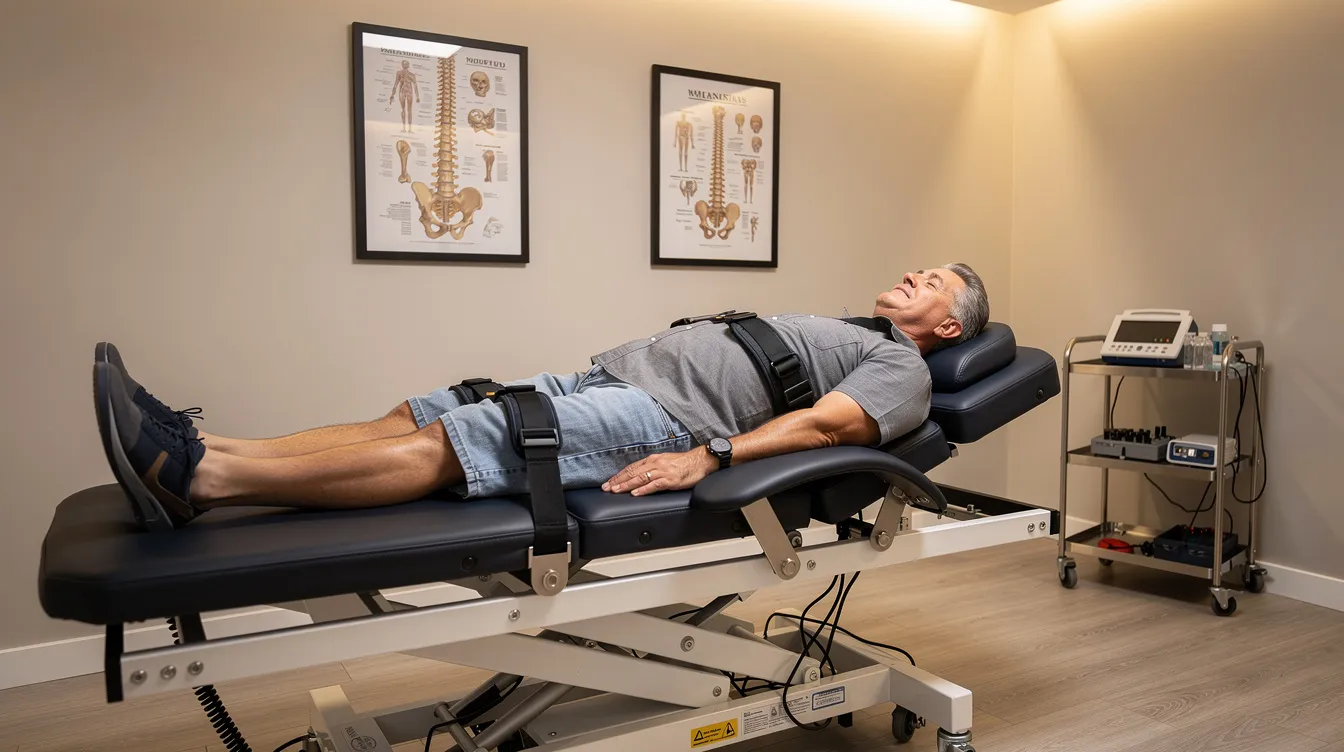
Spinal decompression therapy is a motorized, computer-controlled traction procedure that gently stretches targeted areas of the spine to relieve pressure on compressed spinal discs and nerves. Unlike older static traction methods, modern decompression equipment uses rhythmic pull-and-release cycles – gradually stretching the spine, holding briefly, then relaxing – to reduce intradiscal pressure without triggering the body’s natural muscle guarding response.
The goal is straightforward: create negative pressure within the spinal discs so that bulging or herniated disc material can retract, and so nutrient-rich fluids can flow back into damaged discs to support natural healing. During decompression, gentle traction alternates with relaxation cycles to draw in these fluids. Spinal decompression is non-invasive, controlled, and differs fundamentally from surgical procedures. It’s commonly used to treat herniated discs, sciatica, nerve compression, degenerative disc disease, spinal stenosis, pinched nerves, and chronic back pain.
The Science Behind the Sensation
The gentle pulling feeling patients experience during treatment comes directly from the mechanical traction applied to their spine. As the decompression table creates a controlled pulling force between your upper and lower body, the vertebrae separate slightly – often just millimeters – which reduces pressure on compressed discs and nerves. This is why so many patients describe a sense of elongation or “opening” through the spine.
What makes the sensation therapeutic rather than uncomfortable is the rhythmic cycling. Rather than maintaining constant tension (which would cause your muscles to tighten defensively), the table alternates between pull phases and relaxation phases. This cycling allows muscles to progressively relax rather than guard, which is why the experience feels like a gentle stretch rather than something being forced. The result is a decompression process that most patients find genuinely pleasant.
Safety Features and Comfort Design
Modern computerized decompression tables monitor and adjust force continuously in real-time. Some advanced systems like the DRX series measure motor output 4,000 times per second and correct out-of-tolerance forces 13 times per second, creating a closed feedback loop that responds faster than you can perceive. The table’s safety features ensure the force never exceeds your prescribed level and automatically adjusts if your body shifts position or your muscles tense.
Every session includes an emergency stop mechanism that you can activate at any moment. Spinal decompression should not cause sharp pain; the goal is a pain free, controlled experience, and any significant discomfort should be reported to the practitioner so treatment can be adjusted or paused immediately.
Step-by-Step Walkthrough of Your Session
A spinal decompression session typically lasts 30 to 45 minutes, including setup and post-treatment check-in. Your first session typically lasts around 30 minutes for the actual decompression phase. Here’s precisely what each stage feels like.
Arrival and Preparation (Minutes 1–5)
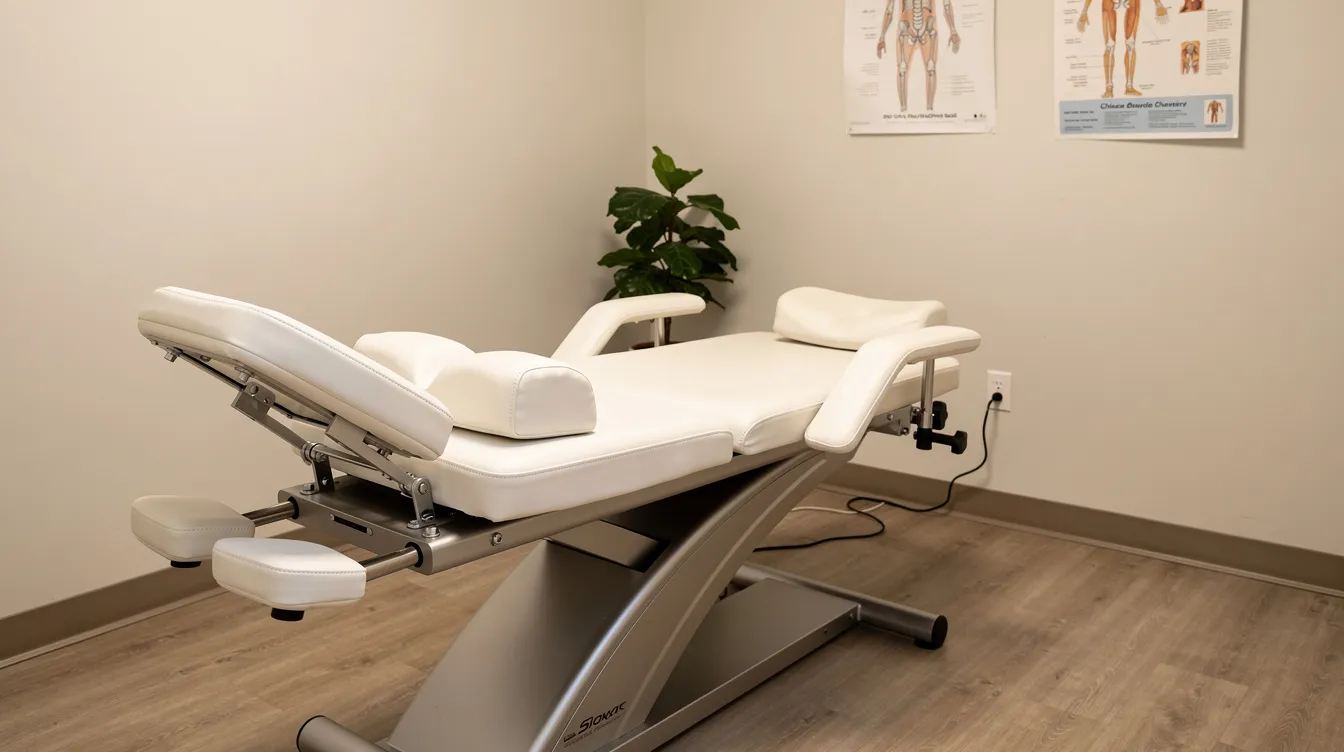
When you arrive at Everton Chiropractic, one of Singapore’s disc centers for spinal decompression and related care, for your first visit, you’ll complete a brief intake that covers your medical history, health history, pain history, current medications, and any previous treatments you’ve tried. Bring any relevant imaging like MRIs or X-rays – these help your healthcare provider understand your condition more precisely. Arrive a few minutes early to complete paperwork.
Wear loose, comfortable clothing for your session – soft stretch pants or shorts and a loose shirt work best. Avoid belts, bulky zippers, or anything that could dig into your skin under the harness. Stay hydrated before your spinal decompression session, as well-hydrated discs respond better to decompression therapy. You’ll discuss your health history during the initial consultation, including your current pain levels and what you’re hoping treatment will address.
Initial Setup and Positioning (Minutes 6–10)
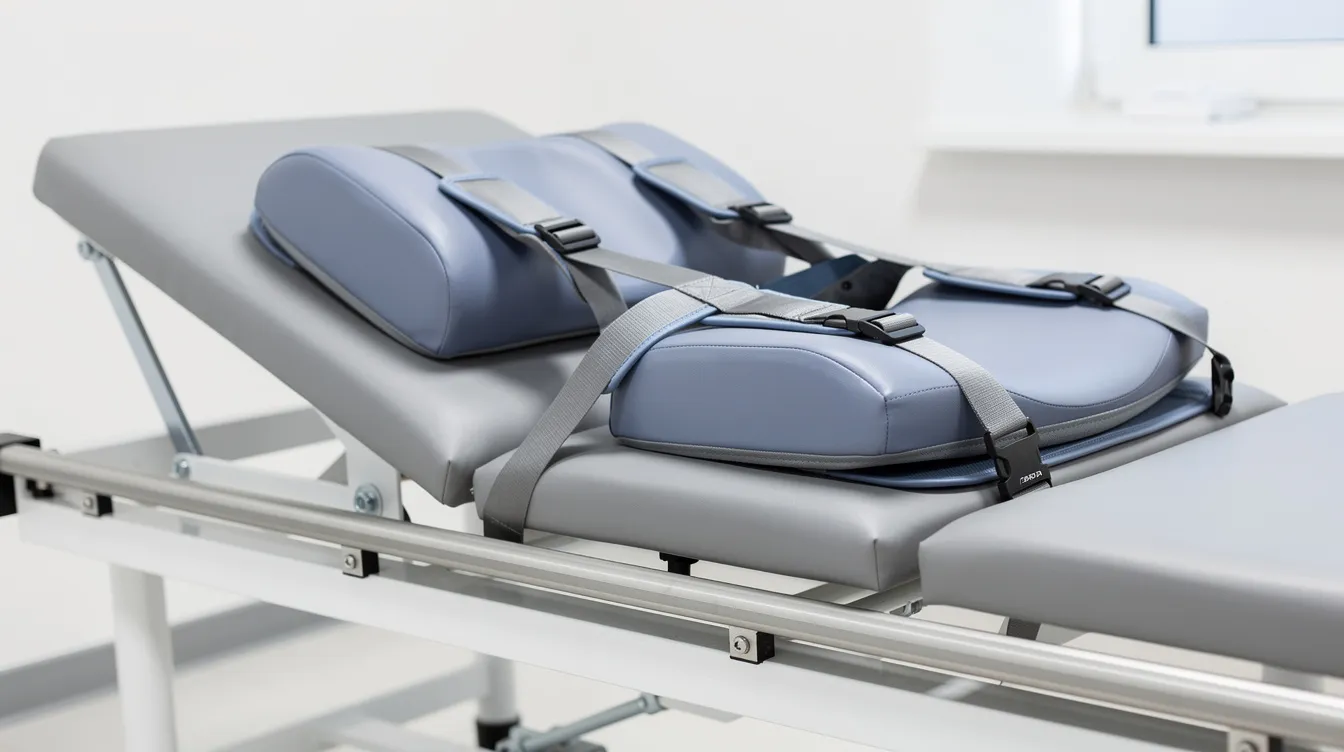
Your therapist will walk you through the decompression table and explain exactly how the harness system works before anything happens. A harness is used to support your body during treatment – for lumbar decompression, it secures around your pelvis; for cervical (neck) treatment, a specialized cradle supports your head and neck.
You’ll lie comfortably on the table – usually face up – and the therapist will position support cushions under your knees or neck to optimize comfort and ensure the traction angle targets the right spinal segments. The harness is snug but not tight; it’s engineered to distribute load evenly and avoid pressure points, so there’s no sensation of being trapped or squeezed.
Before full treatment begins, there’s typically a short test pull at low tension. This lets your therapist see how your body responds and sets the baseline force for your session. You’ll feel a mild, brief stretch – just enough to know something is happening.
Treatment Phase (Minutes 11–25)
This is the core of the session, and it’s where the experience often surprises first-timers with how comfortable it is.
When treatment begins, the table initiates its programmed pull-and-release cycles. The pull phase gradually increases tension over several seconds, holds briefly, then the release phase allows partial relaxation. Sessions typically involve gentle stretching of the spine through these repeated cycles – dozens of them over the treatment period. The decompression table creates a gentle pulling sensation that patients begin to anticipate and relax into.
Here’s what most patients describe feeling as the minutes progress:
-
First few cycles (minutes 11–14): A gentle stretching sensation through the lower back or neck. Mild awareness of tension in the muscles around the spine, especially if those muscles have been tight or inflamed. Nothing sharp – more like a slow, deliberate stretch.
-
Mid-session (minutes 15–20): As cycles continue, muscle relaxation is common during spinal decompression sessions. Breathing naturally deepens. The rhythmic nature of the pull-and-release becomes almost hypnotic. Many patients begin to feel drowsy.
-
Late session (minutes 21–25): By this point, patients often experience emotional relaxation and a meditative state during therapy. Some patients may experience emotional relaxation and a meditative state during therapy. Others simply fall asleep – and that’s completely normal and common. The gentle stretch feels like background sensation rather than something you’re actively aware of.
Muscle relaxation is common during spinal decompression sessions. The gradual nature of the force, combined with the quiet clinical environment, creates conditions that most patients find genuinely restful.
Session Completion (Minutes 26–30)
Towards the end, the machine gradually reduces force and the cycles taper off smoothly. There’s no abrupt stop – the transition feels natural. The therapist removes the harness carefully and helps you sit up slowly.
Post-session, patients may feel a temporary sense of looseness or reduced pressure in the treated area. Many patients describe feeling taller or more upright, as if their spine has gained space. Your therapist will check in – asking how you feel compared to when you arrived and noting any changes – before offering guidance on post-session activity.
Physical Sensations During Decompression Therapy
Individual experiences vary based on your condition, pain levels, and how your body responds to treatment. However, clinical reports and patient feedback reveal remarkably consistent patterns.
Normal Sensations to Expect
Patients often feel a gentle pulling or stretching sensation during spinal decompression – this is the most universally reported experience. You may notice:
-
A gentle stretch through the targeted area of your lower back or neck, as if vertebrae are being slowly separated
-
A sense of elongation or lengthening through the spine
-
Progressive relaxation as muscles release built-up tension over the course of the session
-
Drowsiness or sleepiness from the rhythmic motion and quiet environment
Many patients fall asleep during treatment. This isn’t unusual or a sign that the therapy isn’t working – it’s actually a positive indicator that your muscles are releasing tension and your nervous system is shifting into a relaxed state.
Positive Responses During Treatment
Beyond the baseline stretching sensation, many patients notice additional positive responses:
-
Immediate relief of pressure in problem areas – particularly where nerve compression has been causing radiating pain
-
Warmth or mild tingling in arms or legs as circulation improves or compressed nerves begin to decompress
-
A sense that breathing becomes easier as the spine decompresses and posture improves
These responses vary – some people notice them strongly in their first session, while others experience them gradually over multiple sessions.
What to Communicate vs. What’s Normal
The gentle stretching sensation, mild tension, warmth, tingling, and drowsiness are all normal. You do not need to speak up about these.
However, significant or increasing pain during therapy should prompt immediate contact with the practitioner. Sharp pain, burning sensations, sudden worsening of radiating pain, or new numbness or weakness are not normal responses. These are red flags that mean the force, angle, or approach needs immediate adjustment – or in rare cases, that decompression therapy may not be appropriate for your specific condition. The staff at Everton Chiropractic monitor your responses continuously and will check in with you during treatment, but never hesitate to speak up.
Immediate After-Effects and Recovery
Setting realistic expectations for how you’ll feel after your decompression session helps you respond to your body’s signals appropriately.
First 30 Minutes After Treatment
Post-session, patients may feel a temporary sense of looseness or reduced pressure in the treated area. This “decompressed” feeling is one of the most commonly reported immediate effects. Some patients feel mild lightheadedness or fatigue – similar to how you might feel after a deep massage – from lying still and relaxing deeply for an extended period.
Move slowly when first standing. Your therapist will guide you through sitting up and give you a moment to adjust. Stay hydrated, as water supports the nutrient diffusion into spinal discs that decompression promotes. Decompression therapy promotes natural healing by improving blood flow, and adequate hydration supports this process.
Hours Following Your Session
In the hours after treatment, you may experience:
-
You may feel mild soreness similar to post-exercise after sessions – especially during your first 2–3 treatments. This is caused by stretching of soft tissues and typically resolves within 24 hours.
-
Patients often experience improved mobility after spinal decompression – many notice they can move more freely or sit more comfortably than before the session
-
Some people notice pain relief in areas where radiating symptoms had been present
Avoid heavy lifting, sudden bending, or twisting for the rest of the day. Gentle activity is encouraged. Your Everton Chiropractic team will provide specific activity recommendations based on your condition, which may include gentle movement or stretches to support spinal mobility.
Session-to-Session Progression
With repeated treatments, the stretching and pulling sensation typically becomes less noticeable as muscles adapt and chronic tension decreases. Many patients begin noticing meaningful changes in just a few sessions – particularly reductions in radiating pain and improved ability to sit, walk, or sleep comfortably.
Most patients complete 15 to 30 sessions for optimal results, typically spread over 5–8 weeks. A large retrospective study of 267 patients found average pain scores dropped from approximately 6.9 out of 10 to 2.5, with over 90% reporting pain relief. Functional improvements – walking, daily activities, sleeping – often improve before pain scores dramatically shift. Significant improvements commonly emerge between sessions 8 and 15, though some patients begin feeling changes as early as session 5.
Common First-Timer Concerns and Reassurance
Feeling nervous about a new treatment is completely normal. Here are the concerns we hear most often and what the evidence actually shows.
Fear of Pain or Discomfort
The most common worry is that spinal decompression will hurt – that you’ll feel like you’re being stretched violently or trapped under heavy equipment. Most patients do not experience pain during spinal decompression therapy. The force begins low, increases gradually, and your practitioner confirms your comfort before progressing. Patients often describe the sensation as calming and soothing – a far cry from the “medieval rack” some people imagine. Spinal decompression therapy can relieve chronic back pain, neck pain, and radiating symptoms rather than cause new discomfort.
Worries About Safety
Modern computerized decompression tables are engineered with multiple layers of safety. The computer-controlled feedback loops adjust force thousands of times per second, emergency stop mechanisms give you complete control, and your practitioner monitors the entire session. Patients with contraindications – including spinal fractures, severe osteoporosis, tumors, infection, or pregnancy – are identified during the initial consultation and physical examination before any treatment begins.
Uncertainty About Effectiveness
70 to 80 percent of patients report improvement after treatment. Clinical research supports statistically significant improvements in pain, functional disability, range of motion, and quality of life when decompression is combined with physical therapy. At Everton Chiropractic, your personalized treatment plan is adjusted based on how your body responds – patient feedback directly guides treatment adjustments at every stage, and your progress is tracked session by session to ensure you’re moving toward optimal results.
Conclusion and Next Steps
Spinal decompression therapy is a non surgical treatment that most patients find surprisingly comfortable – far more relaxing than they expected. The experience involves gentle stretching of the spine through rhythmic cycles on a computer controlled table, with safety features that adjust in real-time and ensure you remain in control throughout. Most patients describe it as calming, many fall asleep, and the lasting relief that builds over a full course of treatment can meaningfully restore mobility and reduce chronic pain.
If you’re considering spinal decompression for back and neck pain, here’s how to get started:
-
Book an initial consultation at Everton Chiropractic in Singapore to discuss your condition, pain history, and goals
-
Bring relevant imaging (MRIs, X-rays) and a list of current medications to your first appointment
-
Wear comfortable clothing and arrive hydrated for your first decompression session
Everton Chiropractic also offers related chiropractic care, posture correction, and movement therapy to complement your treatment plan and support long-term spinal health.
Frequently Asked Questions
Will I feel pain during my first decompression session? Most patients do not experience pain during their first spinal decompression session. Patients describe the sensation as a gentle stretching sensation – a slow, controlled pull rather than anything forceful. If you feel sharp or increasing pain at any point, tell your practitioner immediately and treatment will be adjusted.
Is it normal to fall asleep during treatment? Yes – it’s one of the most common responses. The rhythmic pull-and-release cycles, quiet environment, and progressive muscle relaxation create conditions that many patients find deeply calming. Falling asleep is a positive sign that your body is relaxing into the treatment.
What should I wear to my decompression appointment? Wear loose, comfortable clothing – soft stretch pants or shorts and a loose-fitting shirt. Avoid belts, thick seams, or bulky zippers that might press against you under the harness. Remove jewelry that could interfere with positioning.
How soon after treatment can I return to normal activities? You can generally return to normal activities immediately, but avoid heavy lifting, sudden bending, or twisting for the rest of the day. Some mild soreness similar to post-exercise is normal during your first few sessions and typically resolves within 24 hours. Gentle movement and staying hydrated are encouraged.
What conditions does Everton Chiropractic treat with spinal decompression? Spinal decompression at Everton Chiropractic is used to alleviate pain from herniated discs, bulging discs, sciatica, nerve compression, degenerative disc disease, spinal stenosis, and chronic back pain. During your initial consultation, a thorough assessment determines whether decompression therapy is appropriate for your specific condition. Patients with certain contraindications such as spinal fractures, severe osteoporosis, or pregnancy may not be candidates for this treatment.
How many sessions will I need for pain relief? Most patients complete 15 to 30 sessions for optimal results, spread over 5–8 weeks. Many patients begin noticing reducing pain and improved mobility within the first 5–10 sessions. Your personalized treatment plan will be adjusted based on your progress and how your body responds to each session.