Introduction
Sciatica describes radiating nerve pain that travels from the lower back through the buttock and down one leg, and understanding sciatica when is buttock and leg pain serious starts with the red flags: pain is serious when it comes with loss of bowel or bladder control, saddle anesthesia, significant leg weakness, or rapidly worsening neurological symptoms. Those signs can point to a dangerous spinal condition rather than routine nerve irritation and need immediate medical attention to reduce the risk of permanent nerve damage.
For adults in Singapore dealing with sciatica, back pain, posture-related strain, or other musculoskeletal problems—and for proactive or aging adults trying to protect long-term movement and function—this guide helps you tell manageable sciatic nerve pain from symptoms that should not be ignored. It explains how to recognize normal versus serious sciatica symptoms, spot neurological red flags, understand emergencies such as cauda equina syndrome, judge how urgently you should be assessed, and notice risk factors that can raise the chance of complications. It does not replace professional diagnosis or provide specific treatment recommendations.
After reading this article, you will be able to:
-
Distinguish typical sciatica discomfort from symptoms of sciatica that signal danger
-
Identify the specific red flags that warrant emergency care
-
Understand the serious underlying conditions that cause severe symptoms
-
Know the timelines for seeking urgent versus routine professional evaluation
-
Recognize risk factors that increase your chance of complications
Understanding Sciatica Fundamentals
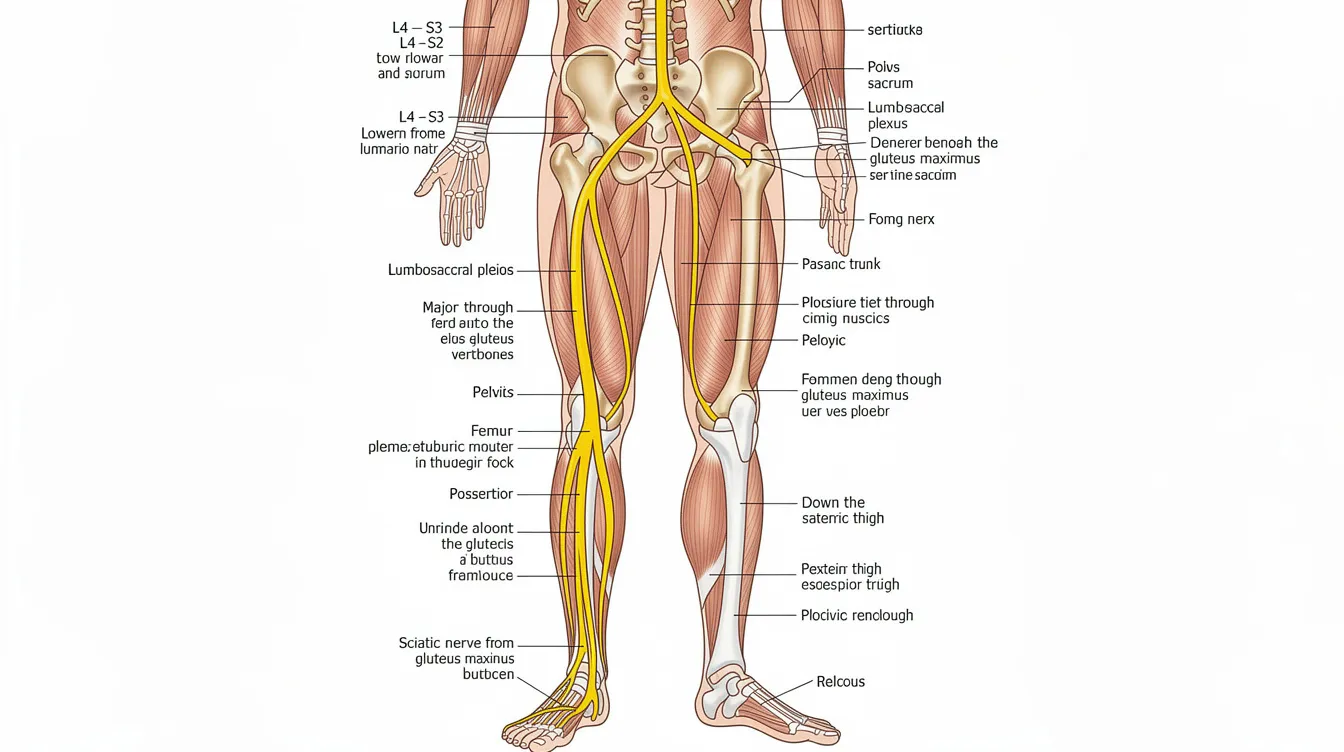
Sciatica is not a disease itself but a symptom indicative of an underlying problem compressing or irritating the nerve roots that form the sciatic nerve. The sciatic nerve is the largest nerve in the body, running from the lower back through the buttocks and down each leg. Understanding its anatomy and the way it produces pain helps clarify why some cases remain mild while others become life-threatening.
What Is the Sciatic Nerve and Sciatica
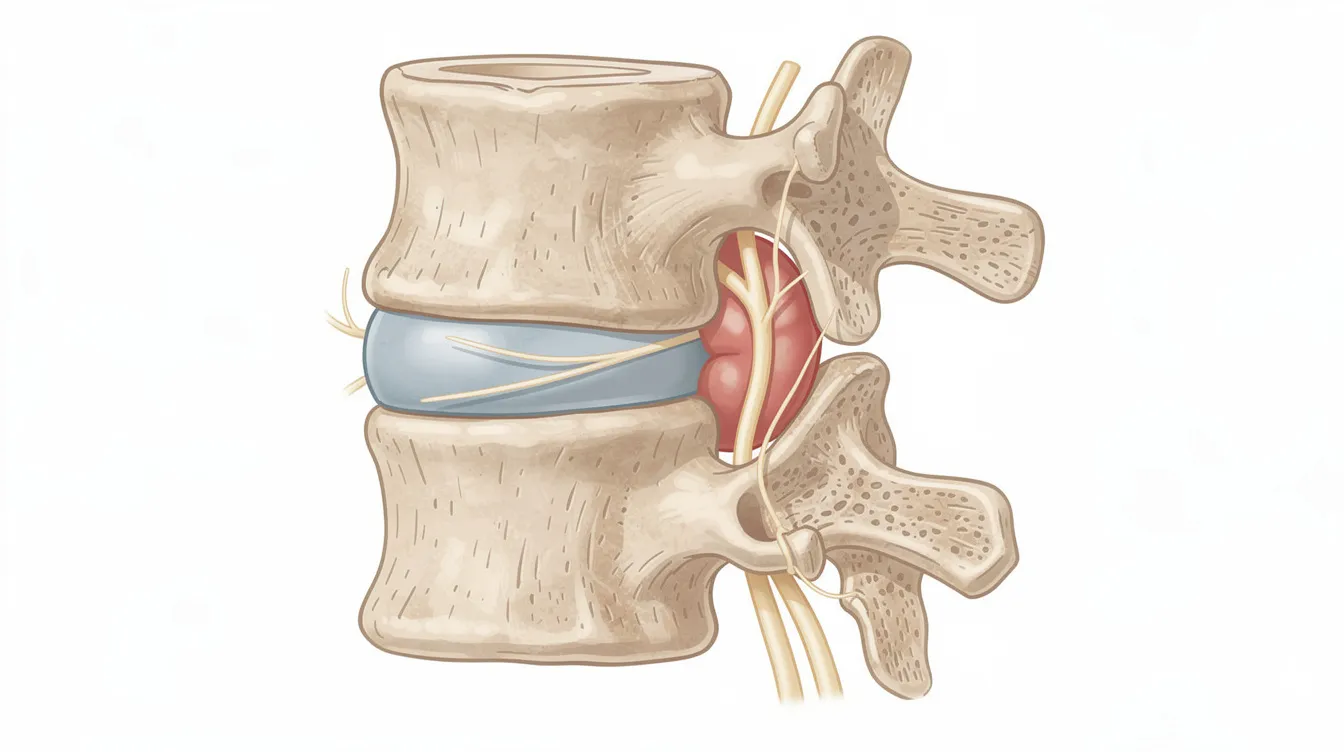
Sciatica occurs when nerve root compression or irritation at the lumbar spine-most commonly at the L4–L5 or L5–S1 levels-sends pain along the sciatic nerve pathway, which helps explain how sciatica occur in many cases. A lumbar herniated disc is a common cause of sciatica, where a spinal disc protrudes into the spinal canal and presses against one or more nerve roots. Other frequent causes include spinal stenosis, which narrows the spinal canal causing nerve compression, and degenerative disc disease, which can lead to sciatica by compressing nerves over time.
The primary symptom is radiating pain that travels from the lower back into the buttock and down one leg. Common sensations of sciatica include shooting pain, electric-shock, or burning feelings. Pain can vary from a mild ache to excruciating discomfort, and it typically worsens with movements like bending, prolonged sitting, or sudden coughing. Numbness or tingling often occurs along the sciatic nerve pathway, and muscle weakness may affect mobility in the affected leg.
A herniated disc is a typical cause of sciatica, but it is far from the only one. Spondylolisthesis occurs when a vertebra slips, pinching nerve roots. Piriformis syndrome can irritate the sciatic nerve, causing pain, when muscle spasms in the piriformis muscle tighten around the nerve in the buttocks. Bone spurs from degenerative changes can also narrow the space available for spinal nerves.
Normal vs. Abnormal Pain Patterns
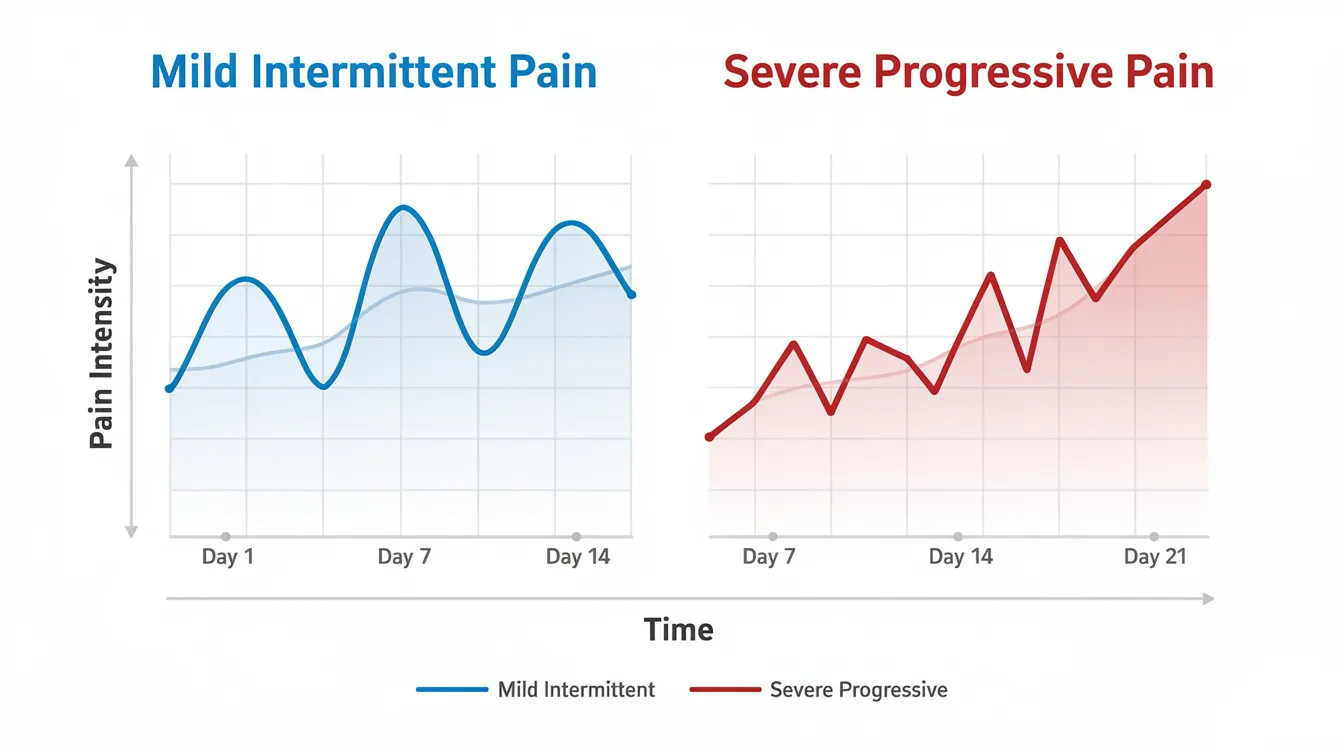
Typical sciatica pain radiates from the lower back down one leg, follows a predictable dermatomal pattern, and responds to rest, position changes, or conservative care like cold or heat therapy. Pain typically starts in the lower back or buttock and shoots downward. It may feel like a burning pain, a sharp jolt, or deep aching. This type of sciatic pain, while uncomfortable, generally improves over days to weeks.
Abnormal pain patterns raise concern. When pain persists beyond several weeks without improvement, gets progressively worse rather than better, or begins affecting both legs instead of just one, the situation shifts from routine to potentially serious. Sciatica pain that worsens despite treatment, causes debilitating pain unrelieved by any position, or comes with associated symptoms like fever or unexplained weight loss demands closer evaluation. Night pain that wakes you regardless of position can also indicate more severe pathology.
The critical distinction is progression. Manageable sciatica fluctuates-it may be pain worse in the morning but better after movement, or aggravated by sitting but relieved by walking. Dangerous sciatica escalates. Recognizing that escalation pattern is the first step toward understanding when your symptoms cross from inconvenient to urgent.
Recognizing Serious Sciatica Symptoms
Beyond the typical ache-to-sharp-pain spectrum, certain neurological symptoms signal that nerve compression has reached a level requiring prompt professional evaluation. These red flags carry high specificity-meaning when they are present, they reliably indicate serious pathology, even though their absence does not guarantee safety.
Neurological Red Flags
Muscle weakness is among the most important warning signs. Emergency medical evaluation is required for sudden or progressive weakness in the legs. When a person begins to experience significant leg weakness-difficulty lifting the foot (foot drop), trouble climbing stairs, or an unstable gait-nerve function is deteriorating. This goes beyond the mild heaviness that sometimes accompanies sciatic pain and represents actual motor nerve damage.
Saddle anesthesia refers to numbness in the groin, inner thighs, and buttocks. Seek medical help for sudden numbness around the genitalia, as this pattern indicates compression of the sacral nerve roots that control sensation in the perineal region. Loss of reflexes at the knee (patellar) or ankle (Achilles) during a physical examination further confirms significant nerve involvement.
A retrospective study of 256 patients with suspected cauda equina syndrome found that 50.78% had neurological deficit and that loss of rectal fullness sensation raised odds of MRI-confirmed compression by approximately tenfold. These findings underscore that neurological symptoms, even seemingly minor sensory changes, should not be dismissed.

Bladder and Bowel Dysfunction
Red flag symptoms include loss of bowel or bladder control. Loss of bowel or bladder control requires urgent medical attention-this is the hallmark of cauda equina syndrome, a condition where the bundle of nerve roots at the base of the spinal cord becomes severely compressed.
Severe symptoms of sciatica can indicate serious conditions like cauda equina syndrome. Up to 92% of CES patients experience bladder dysfunction, which may begin subtly: difficulty initiating urination, inability to sense bladder fullness, or a weak urine stream. These early signs often precede full incontinence. Bowel dysfunction-constipation, loss of rectal sensation, or fecal incontinence-accompanies bladder problems in many cases.
The autonomic nerve fibers controlling these functions run through the same cauda equina nerve bundle. When nerve pressure from a large disc herniation or other space-occupying lesion compresses these fibers, the resulting dysfunction can become permanent if not decompressed surgically within 24 to 48 hours. This timeline makes recognizing bladder and bowel changes in the context of ongoing pain critically important.
Bilateral Symptoms and Severe Muscle Weakness
Sciatica typically affects one leg. Bilateral symptoms can indicate a significant spinal issue. When pain, numbness tingling, or weakness begins appearing in both legs, it suggests that compression has expanded to affect nerve roots on both sides of the spinal canal-a pattern consistent with large central disc herniations or severe spinal stenosis.
In studies of suspected CES, bilateral sciatica was present in approximately 20–30% of cases. Immediate help is needed for significant leg weakness on either or both sides. Progressive bilateral weakness-especially when it develops over hours to days rather than weeks-represents one of the clearest indicators that nerve compression has reached a dangerous threshold and may reflect significant nerve damage.
|
Feature |
Unilateral (One Leg) |
Bilateral (Both Legs) |
|---|---|---|
|
Typical cause |
Single nerve root compression |
Central canal compression |
|
Urgency level |
Routine to urgent |
Urgent to emergency |
|
Common conditions |
Foraminal disc herniation, piriformis syndrome |
Large central herniation, severe stenosis |
|
Associated risk |
Chronic pain, focal weakness |
Cauda equina syndrome, permanent deficits |
|
Bladder involvement |
Uncommon |
More likely |
Emergency Situations and Immediate Action Steps
Certain combinations of sciatica symptoms constitute genuine medical emergencies. Understanding these time-sensitive situations-and acting on them-can mean the difference between full recovery and permanent disability.
Cauda Equina Syndrome Recognition
Cauda equina syndrome is rare, with a population incidence of approximately 0.3 to 0.6 per 100,000 per year, but its consequences are devastating when treatment is delayed. Large central lumbar disc herniation accounts for roughly 45% of CES cases. In a study of 621 confirmed CES cases, initial symptoms included back pain (96%), sciatica (93%), bladder dysfunction (83%), and perineal paraesthesia (81%).
Emergency symptom checklist:
-
Saddle anesthesia-numbness between the legs, around the genitals, or in the buttock area
-
Urinary retention-inability to urinate or inability to feel when the bladder is full
-
Bowel or bladder control loss-incontinence of urine or feces
-
Severe bilateral leg weakness or paralysis
-
Rapidly progressive numbness or weakness developing over hours
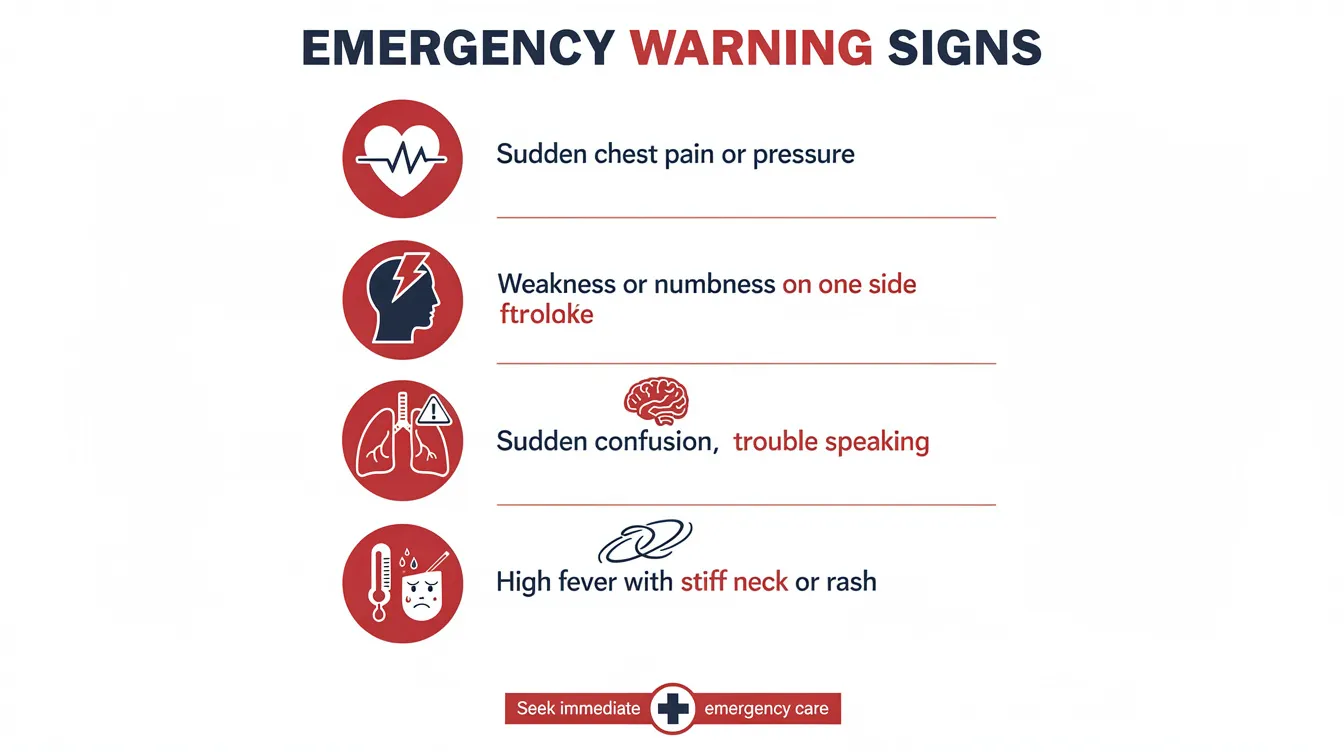
Immediate action steps:
-
Call emergency services or go directly to the nearest emergency department
-
Do not attempt to “wait it out” or self-treat with stretching or manipulation
-
Request urgent MRI-so sciatica diagnosed in this emergency context can be confirmed as underlying nerve compression or CES
-
Surgical decompression ideally occurs within 24–48 hours of symptom onset for best outcomes
Progressive Neurological Decline
Not every serious situation presents as a sudden catastrophe. Some cases involve a gradual but relentless worsening of neurological symptoms over days. Consult a doctor if symptoms worsen despite treatment. When nerve pain escalates rather than plateaus, or when numbness spreads to new areas and muscle weakness deepens, the trajectory itself is the warning sign.
Acute onset CES-developing over hours-tends to carry worse outcomes than insidious progression because the compression is more profound and damage less reversible. However, even gradual decline demands urgent evaluation. Seek help if pain persists beyond one week without improvement, particularly when accompanied by any neurological change.
Assessment of functional decline provides practical guidance: Can you stand on your toes? Can you lift your foot off the ground? Can you feel when someone touches the inside of your thigh? Deterioration in any of these capabilities over a short period warrants urgent imaging and specialist referral.
Trauma-Related Sciatica
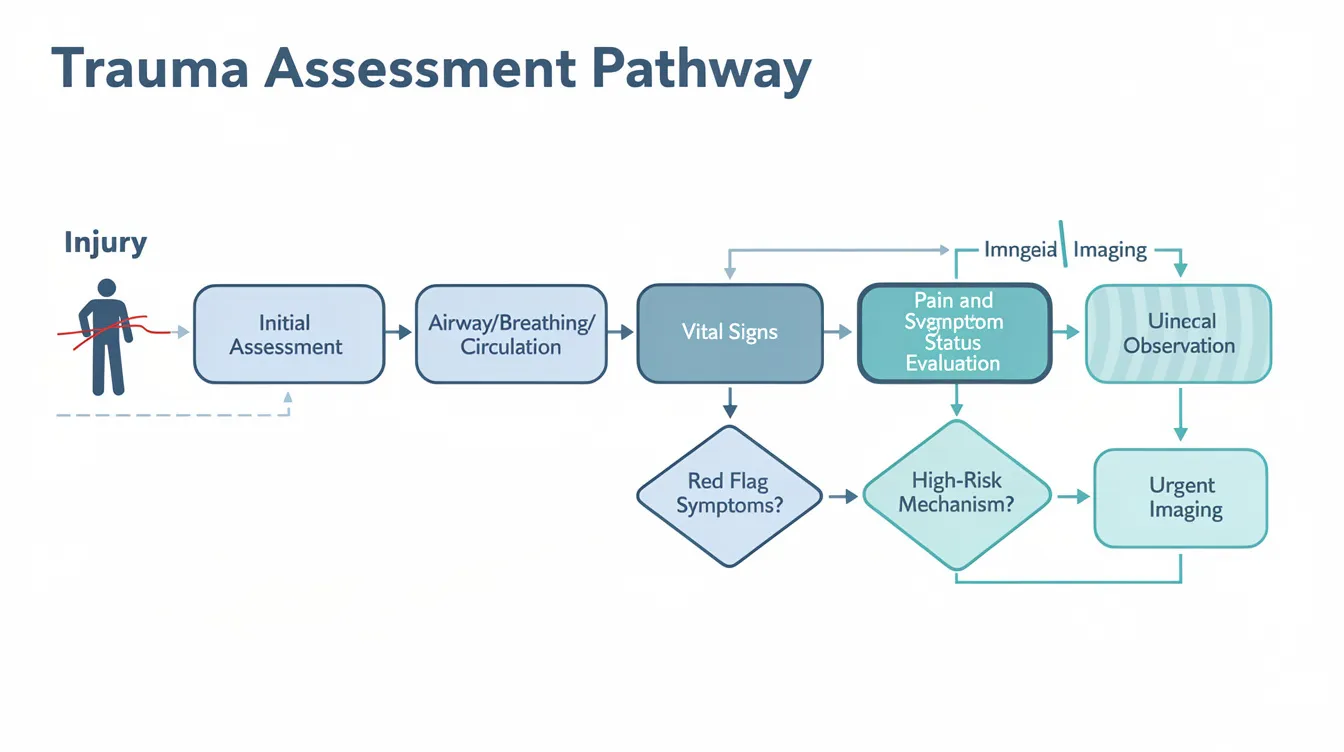
Sciatica following accidents, falls, or significant injuries introduces additional concerns. Vertebral fractures or retropulsed bone fragments can acutely compress the spinal cord or cauda equina. Unexplained weight loss or fever accompanying severe back or leg pain may suggest serious conditions such as spinal infection or malignancy, which become more concerning in the setting of recent trauma.
When sciatica develops after trauma, the possibility of structural spinal damage-fractures, dislocations, or acute disc herniations-elevates the urgency level. These patients require imaging before any manual therapy or spinal manipulation is considered.
Trauma assessment considerations:
-
Mechanism of injury (fall from height, motor vehicle accident, direct spinal impact)
-
Onset timing of neurological symptoms relative to the injury
-
Presence of spinal tenderness or deformity on examination
-
Any history of osteoporosis, cancer, or conditions weakening bone integrity
Common Serious Underlying Conditions
Several specific spinal conditions create the structural circumstances for sciatica to become dangerous. Understanding these conditions helps contextualize why certain symptom patterns carry more weight than others.
Severe Disc Herniation
A lumbar herniated disc is a common cause of sciatica, but not all herniations are equal. Small lateral herniations may compress a single nerve root, producing classic unilateral sciatic nerve pain that often responds to conservative care. Sciatica treatment addresses spinal issues to relieve nerve compression, and in many cases, physical therapy strengthens muscles and improves flexibility enough to alleviate sciatica pain without surgery.
However, large central herniations that occupy a significant portion of the spinal canal can compress multiple nerve roots simultaneously. These are the herniations most commonly responsible for cauda equina syndrome. In severe cases, surgery may be necessary if conservative treatments fail. Surgical options include discectomy and laminectomy procedures performed to relieve pressure on compressed nerves by decompressing the neural elements.
Conservative treatments include physical therapy and medications for manageable disc herniations, and these measures can help alleviate symptoms in appropriate cases. Corticosteroid injections can reduce inflammation around the sciatic nerve as an intermediate step. But when a herniated disc produces progressive deficits or any red flag symptoms, surgical evaluation becomes the priority rather than continued conservative management.
Spinal Stenosis Complications
Spinal stenosis narrows the spinal canal, causing nerve compression that typically worsens with age. The hallmark symptom pattern is neurogenic claudication-leg pain and weakness that worsens with walking or standing and improves with sitting or bending forward. This positional quality distinguishes stenosis from vascular claudication and from typical disc-related sciatica.
When stenosis becomes severe, it can affect multiple nerve roots bilaterally, creating a chronic form of cauda equina compression. Maintaining good posture and spinal health can help manage mild stenosis symptoms, but progressive mobility decline, increasing bilateral leg pain, or emerging bladder symptoms indicate that the narrowing has reached a critical threshold requiring advanced imaging and possible surgical consultation.
Inflammatory Conditions
Infections and inflammatory diseases affecting spinal nerves represent less common but particularly dangerous causes of sciatica. Spinal epidural abscess, discitis (disc infection), and spinal tuberculosis can cause rapid expansion within the spinal canal, compressing neural elements. Primary spinal tumors or metastatic disease can similarly occupy canal space and produce progressive nerve compression.
|
Warning Sign |
Possible Condition |
Urgency |
|---|---|---|
|
Fever with back/leg pain |
Epidural abscess, discitis |
Emergency |
|
Unexplained weight loss |
Malignancy, systemic infection |
Urgent |
|
History of cancer |
Metastatic compression |
Urgent |
|
Immunocompromised state |
Opportunistic infection |
Urgent |
|
Night pain unrelieved by position |
Tumor, infection |
Urgent evaluation |
|
Recent spinal procedure with new symptoms |
Epidural hematoma, infection |
Emergency |
These systemic red flags-fever, weight loss, history of cancer, immunocompromise-should always trigger prompt medical evaluation when occurring alongside ongoing pain or new neurological symptoms.
When to Seek Professional Care and Treatment Options
Knowing the appropriate level of care for your symptoms prevents both dangerous delays and unnecessary emergency visits. The following framework organizes symptom severity into actionable timelines.
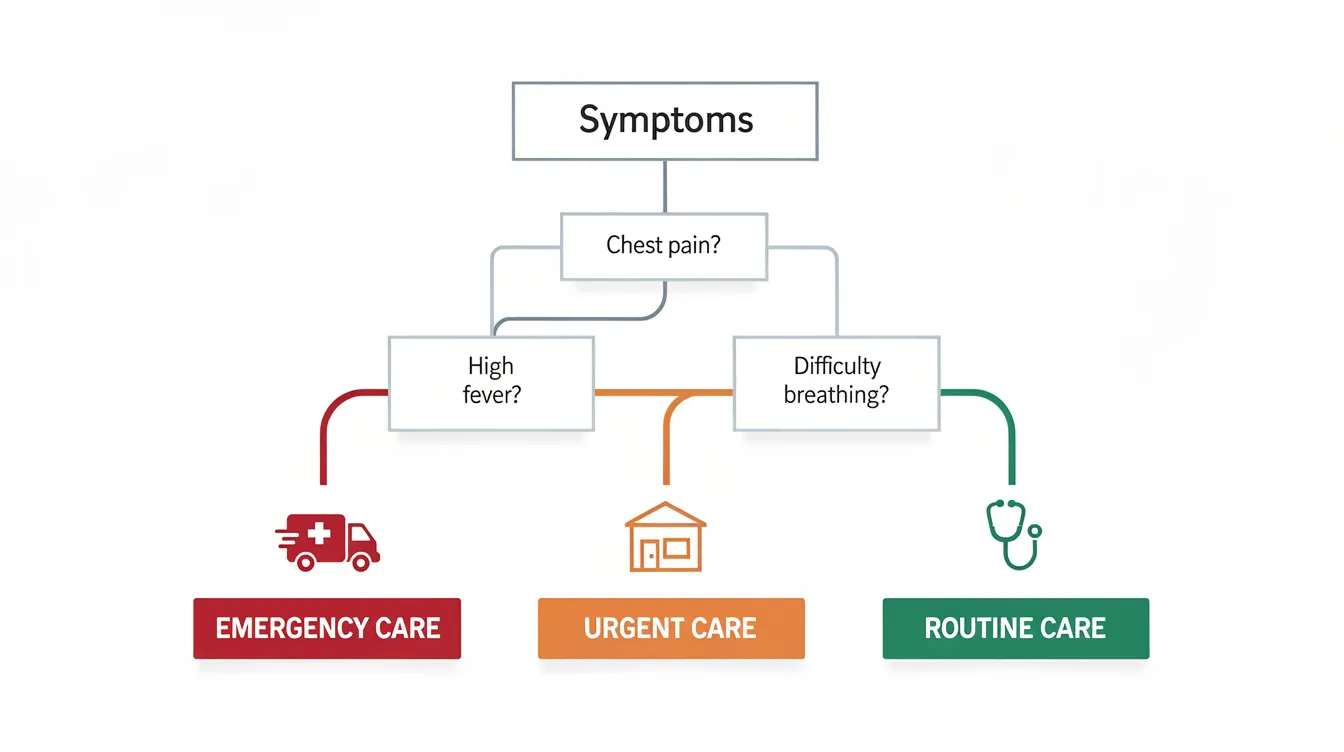
Emergency care (within hours): Any combination of saddle anesthesia, urinary retention or incontinence, bowel or bladder control loss, sudden severe bilateral leg weakness, or rapidly progressive neurological decline. Go directly to an emergency department. Immediate medical attention is non-negotiable for these presentations.
Urgent care (within 24–48 hours): Bilateral sciatica, progressive motor weakness without full red flags, new perineal numbness, or ongoing symptoms that are clearly worsening despite rest. Contact a healthcare professional for urgent evaluation and likely MRI referral. Bilateral symptoms can indicate a significant spinal issue even before full CES develops.
Routine care (within days to weeks): Severe pain without red flags, typical unilateral sciatica, first-episode nerve pain, or symptoms that are bothersome but stable. Sciatica is typically diagnosed through your medical history, a physical examination, and imaging when needed to guide the treatment plan. For appropriate cases, chiropractic evaluation can help relieve symptoms, alleviate discomfort, and manage pain through spinal adjustments and postural correction. Regular chiropractic visits support ongoing spinal health and may help prevent recurrence.
Treatment for piriformis syndrome and sciatica focuses differently, because piriformis syndrome primarily causes localized buttock pain while disc-related cases involve lumbar nerve root compression. Treatment for piriformis syndrome focuses on muscle stretching, relieving pain in the piriformis muscle through targeted exercises, and sometimes manual therapy. Distinguishing piriformis syndrome from lumbar nerve root compression is important because the treatment approaches differ significantly-a point where professional diagnosing sciatica through careful examination proves valuable.
Practical self-monitoring steps:
-
Track whether your symptoms are stable, improving, or worsening over 48–72 hours
-
Test foot strength daily (can you walk on heels and toes without difficulty?)
-
Note any changes in bladder or bowel habits, even subtle ones
-
Document whether nerve pain is spreading to new areas or becoming bilateral
-
Maintain a healthy weight and avoid prolonged sitting to help alleviate pain and reduce risk factors for recurrence
If you are experiencing neck pain alongside your lower back symptoms, or if ongoing pain persists despite initial management, a comprehensive spinal evaluation can help identify whether multiple areas of nerve compression are contributing to your condition.