
Introduction
True chiropractic focuses on restoring alignment, relieving pressure on the nervous system, and improving how your body moves over time, so you can maintain long-term function and the ability to handle daily activities independently without drugs or surgery.
This guide covers the principles behind true chiropractic, the specific conditions it treats, what a visit at Everton Chiropractic looks like step by step, how it compares to quick-fix clinics and other methods, and who in Singapore benefits most. It does not cover surgical procedures or serve as a self-diagnosis tool.
If you are an adult in Singapore dealing with neck, back, shoulder, or knee pain, posture concerns, scoliosis, or age-related stiffness, including common strain across the neck shoulders area, or if you are considering chiropractic treatment for the first time or switching providers, this article is written for you.
By the end, you will know:
-
How to recognize true chiropractic care vs “just adjustments”
-
What to expect from a proper assessment and personalized treatment plan
-
Which spine and posture conditions respond well to chiropractic
-
How Everton Chiropractic delivers true chiropractic care in Singapore
-
Practical next steps for booking and preparing for a first visit
Understanding True Chiropractic
Chiropractic care focuses on diagnosing, treating, and preventing musculoskeletal and nervous system disorders. As practiced worldwide and in Singapore, true chiropractic goes beyond isolated symptom relief; it centers on spinal health, posture, and long-term movement quality. This distinguishes it from general bodywork or massage, which typically address muscle tension without examining joint mechanics, nerve function, or structural alignment.
True chiropractic care combines assessment, precise adjustments, rehab advice, and lifestyle guidance into a single care model. The chiropractor’s role is closer to that of health professionals who diagnose and plan treatment than to a therapist offering a relaxation session.
Core Principles of True Chiropractic Care for Optimal Health
Three principles anchor this approach.
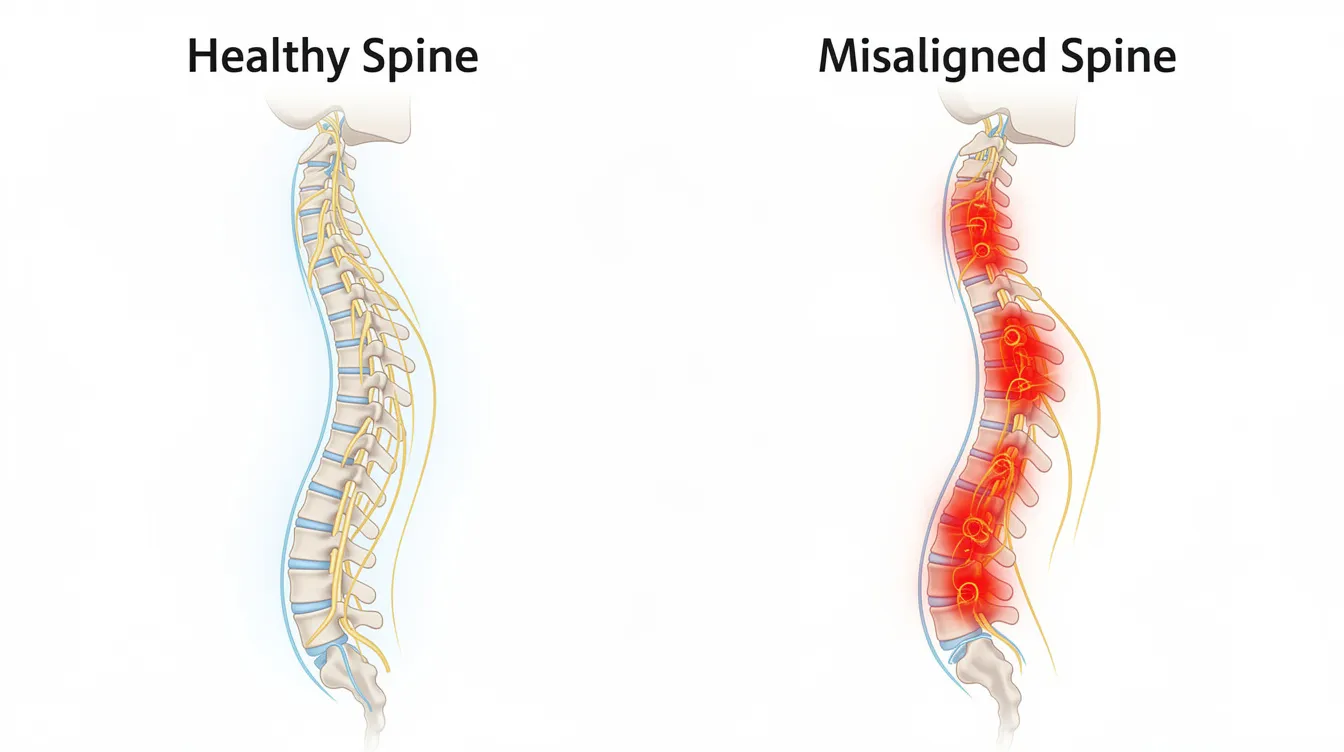
Spinal alignment affects nervous system function. Misalignments can interfere with normal joint movement and nerve communication. When a cervical vertebra loses its normal motion, the surrounding muscles compensate, proprioceptive feedback changes, and pain or numbness can follow. This applies directly to issues like neck pain from desk work, lower back pain from lifting, and sciatica from disc irritation.
Structure influences function. The shape of your cervical, thoracic, and lumbar curves; pelvic alignment; joint mobility or stiffness; and static and dynamic posture all affect how you move, how vulnerable you are to injury, and how well you recover. Poor posture can lead to uneven stress on the spine, which over months or years contributes to chronic discomfort and reduced mobility.
The body possesses a natural capacity to heal itself when structural interferences are removed. When abnormal mechanical strain is corrected, inflammation decreases, neuromuscular control improves, and overload injuries or mild disc irritations can resolve. Chiropractic seeks to optimize the body’s innate capacity to heal, move, and regulate itself. This is the foundation of the drug-free approach that defines chiropractic care.
Evidence-informed practice ties these principles together: current research, clinical experience, and patient preferences guide every decision. A 2006 randomized clinical trial with 102 patients found that active spinal manipulation produced pain-free outcomes in 28% of patients for local pain and 55% for radiating pain, compared to 6% and 20% respectively for simulated manipulation.
What “True” Means in a Singapore Chiropractic Context
In Singapore’s crowded chiropractic market, “true chiropractic” refers to a specific standard of care:
-
Thorough assessments: full case history, posture analysis, orthopedic and neurological tests, X-rays when clinically indicated
-
Personalized, goal-based treatment plans based on clinical findings and the chiropractor’s expertise rather than one-size-fits-all care packages
-
Focus on long-term function and movement, not just short-term pain relief
This matters because Singapore clinics vary widely in approach. Some operate on a high-volume model where patients receive a 3-minute adjustment with minimal assessment. Others, like Everton Chiropractic, are an established clinic that builds relationship-based, planned care around each patient’s specific findings. Chiropractors emphasize assessment, individualized treatment plans, and patient participation as core elements of quality care.
The practical difference shows up in outcomes: better long-term results, lower recurrence of pain, and safer care for older adults or those with complex conditions. True chiropractic emphasizes comprehensive wellness integration beyond manual adjustments.
Understanding these principles makes it easier to see how they apply to real issues like neck pain, back pain, sciatica, and posture problems.
How True Chiropractic Applies to Real-World Problems
Singapore’s urban life creates specific physical demands: long office hours, heavy device use, MRT commuting, caring for children or elderly parents, weekend sports, and the gradual effects of aging. This section covers how true chiropractic addresses the conditions Everton Chiropractic sees most often in clinic.
Neck Pain, Tech Neck, and Headaches
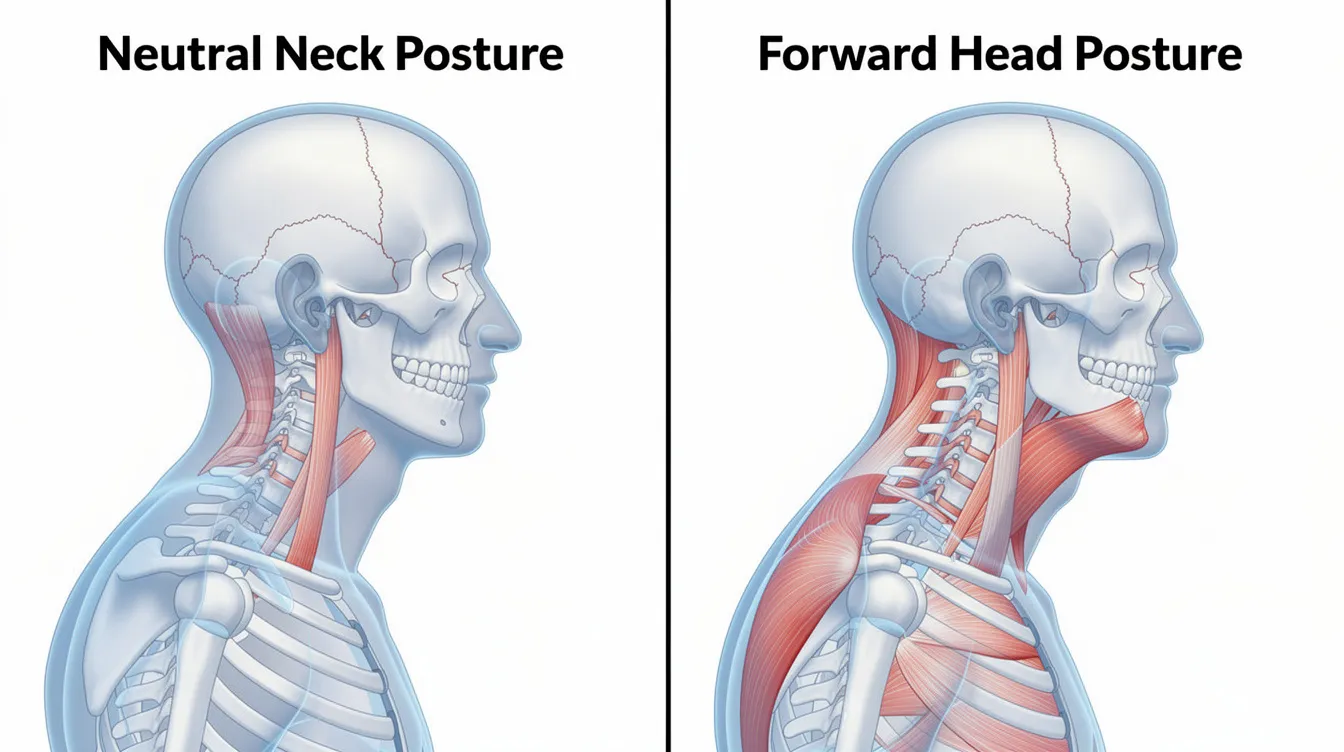
Neck pain is often linked to poor posture and sedentary lifestyles. In Singapore, where prolonged sitting at a desk or over a smartphone is near-universal, forward head posture loads the cervical vertebrae far beyond their neutral capacity. Biomechanical studies show that tilting the head forward by 45 degrees increases the effective load on the cervical spine to roughly 22 kg, compared to about 5 kg in neutral position.
True chiropractic assesses neck issues through postural photos, range of motion testing, muscle palpation for muscle tension patterns, and neurological screening. Cervical X-rays are ordered when red flags or structural anomalies are suspected. A multimodal approach combining spinal manipulation, exercise, and posture advice produces pain reduction comparable to NSAIDs for acute or subacute neck pain (grades I-II), with fewer adverse events.
Care typically includes specific cervical adjustments, thoracic mobilization, ergonomic coaching for desk setup, and home stretches. Chiropractic care aims to reduce physical strain on the neck rather than just mask symptoms. Improvements are often measurable within 4 to 8 visits; full posture correction for chronic tech neck takes months. Regular chiropractic visits can help manage chronic neck pain over time.
Lower Back Pain, Sciatica, and Disc Problems
Lower back pain can result from poor posture habits, lifting children, gym workouts, or long commuting. Prolonged sitting increases strain on the lower back by raising intradiscal pressure compared to standing.
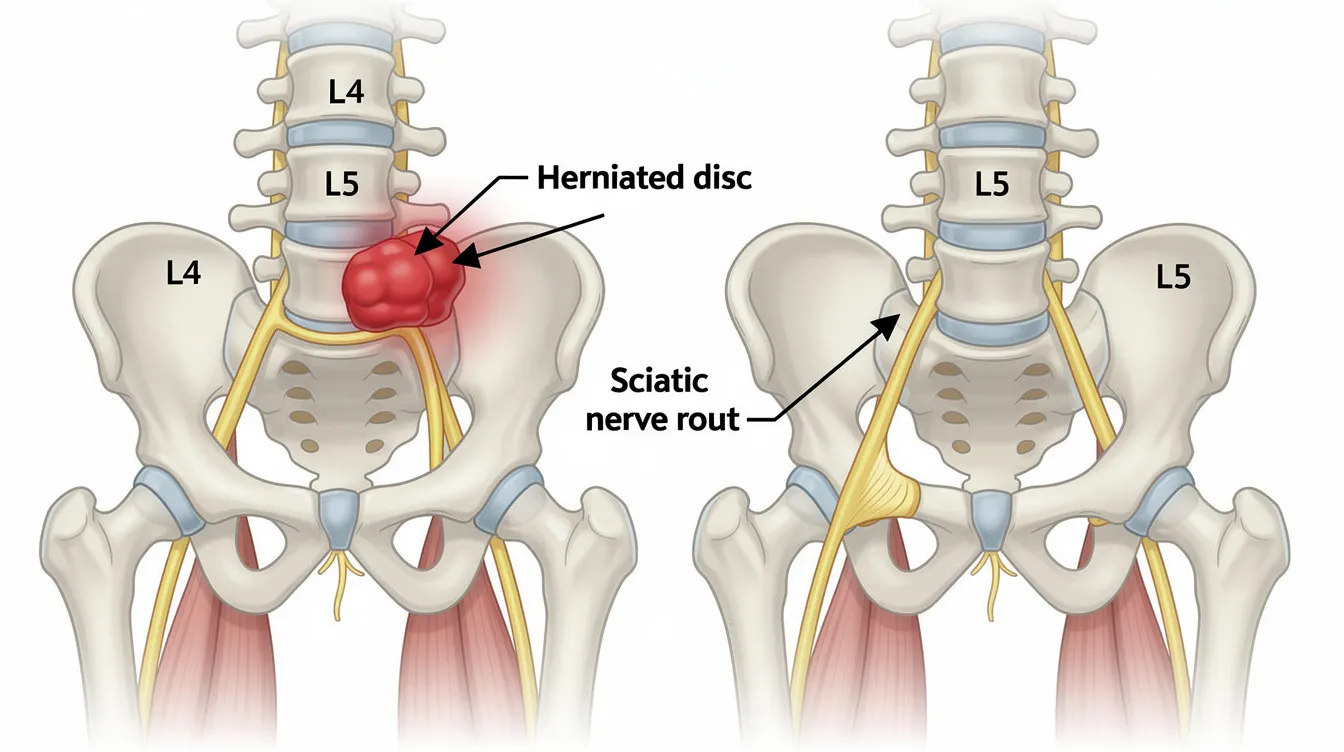
Plain language definitions help here. A “slipped disc” is a misnomer; a disc bulge is a generalized, non-focal extension of disc material, while a herniated disc means focal displacement of disc material beyond the vertebral margin. Sciatica refers to radiating leg pain caused by nerve root compression, often from a herniated disc pressing on the sciatic nerve.
The true chiropractic approach to these conditions differs from a generic adjustment session in several concrete ways:
-
Thorough history-taking including red-flag screening (severe neurological deficits, bowel or bladder dysfunction, unexplained weight loss, trauma history)
-
Leg and reflex testing, orthopedic tests such as the straight leg raise, and imaging referral when clinically indicated
-
Gentle, controlled lumbar and pelvic adjustments calibrated to the patient’s condition, not forceful twisting applied uniformly
-
Core stability and hip mobility exercise guidance as part of ongoing care
A 2010 randomized clinical trial compared spinal manipulation to microdiskectomy surgery in 40 patients with lumbar disc herniation who had failed three months of conservative treatment. At one-year follow-up, both groups showed comparable improvements with no statistically meaningful difference in patient-reported outcomes. This suggests manipulation deserves consideration before surgery in patients without red flags.
When red flags are present, such as severe weakness, loss of bladder control, or progressive neurological deficit, chiropractic care is not appropriate as standalone treatment. Immediate medical or surgical referral is needed.
Posture, Scoliosis, and Aging Mobility
True chiropractic looks beyond pain to posture, spinal curves, and overall function. A published case report documented a 22-degree Cobb angle scoliosis reduced to 1 degree after 16 chiropractic sessions over 3 months, with improvements in shoulder symmetry, pelvic alignment, pain, and mobility. That said, case reports represent low-level evidence. A narrative review of 27 chiropractic-related scoliosis studies from 2000 to 2016 found that only two adhered to SOSORT/SRS standardized outcome reporting, limiting comparability. Severe scoliosis cases require coordinated care with medical specialists.
For aging adults in Singapore, spinal health impacts overall physical resilience. Common concerns include joint stiffness, balance decline, fear of falling, and difficulty climbing stairs or standing from the floor. Chiropractic care emphasizes maintaining mobility and independence over time. Regular chiropractic care can help patients remain active and preserve their ability to manage daily activities over time. Gentle adjustments, mobilization, and balance or mobility exercises are integrated into care plans for this group, with force and technique adjusted for bone density and comorbidities, offering hope for staying mobile with age.
Chiropractic approaches often integrate lifestyle modifications to ensure sustainable health. Improving joint mobility and addressing movement limitations can support an active lifestyle at any age.
-
True chiropractic addresses pain, posture, and long-term function as interconnected goals
-
Chiropractic care enhances mobility and long-term physical function
-
Chiropractic care supports spinal movement and reduces physical strain
What does this process actually look like in a real clinic? The next section walks through a visit at Everton Chiropractic.
True Chiropractic in Practice at Everton Chiropractic
Everton Chiropractic is a Singapore-based clinic led by Dr Richard, who trained in Australia and holds a Doctor of Chiropractic degree. The clinic’s model centers on precision chiropractic care designed to correct posture, relieve pain, and help the body function at its highest level. That model is built around evidence-informed care, personalised plans, and a focus on long-term function and movement rather than quick fixes.
The First Visit: Comprehensive Assessment
-
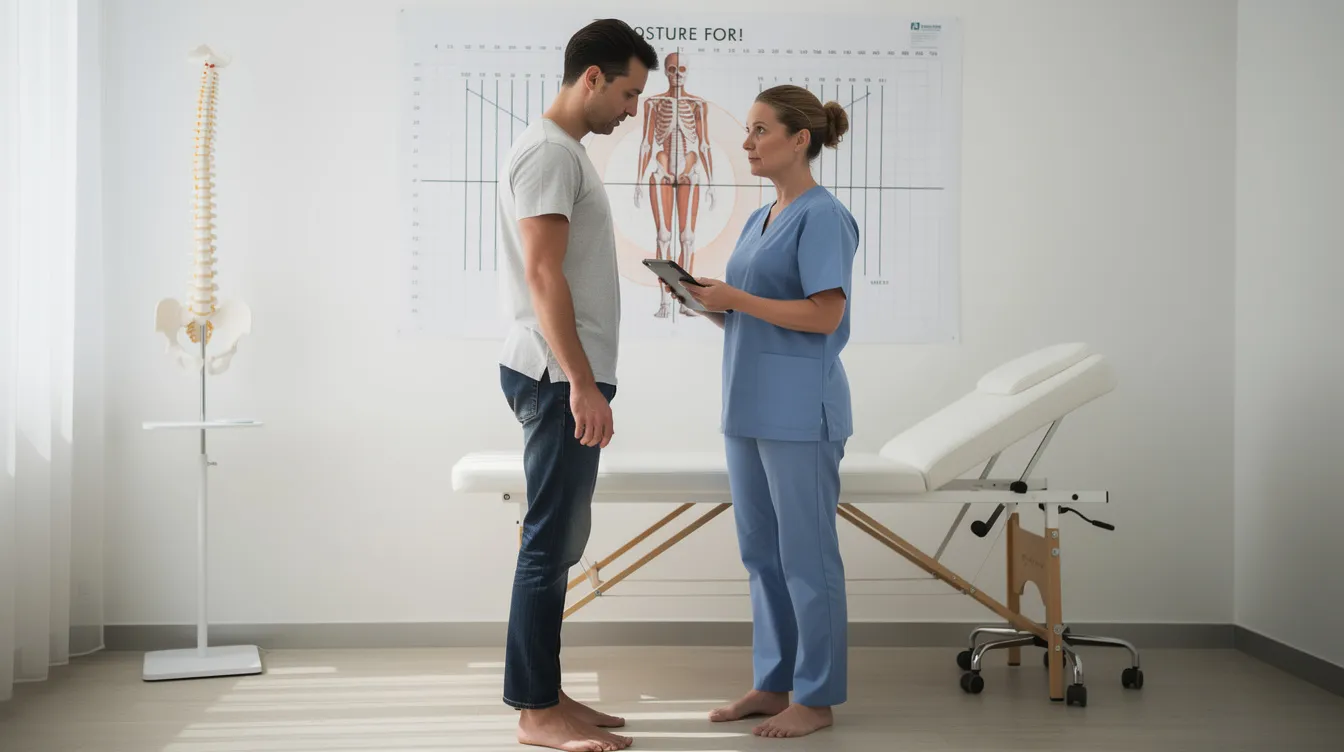
Detailed case history: pain timeline, work demands, daily activities, sports, injuries from the past, and medical conditions are documented to educate patients about likely causes, care options, and red flags. Red-flag screening happens here.
-
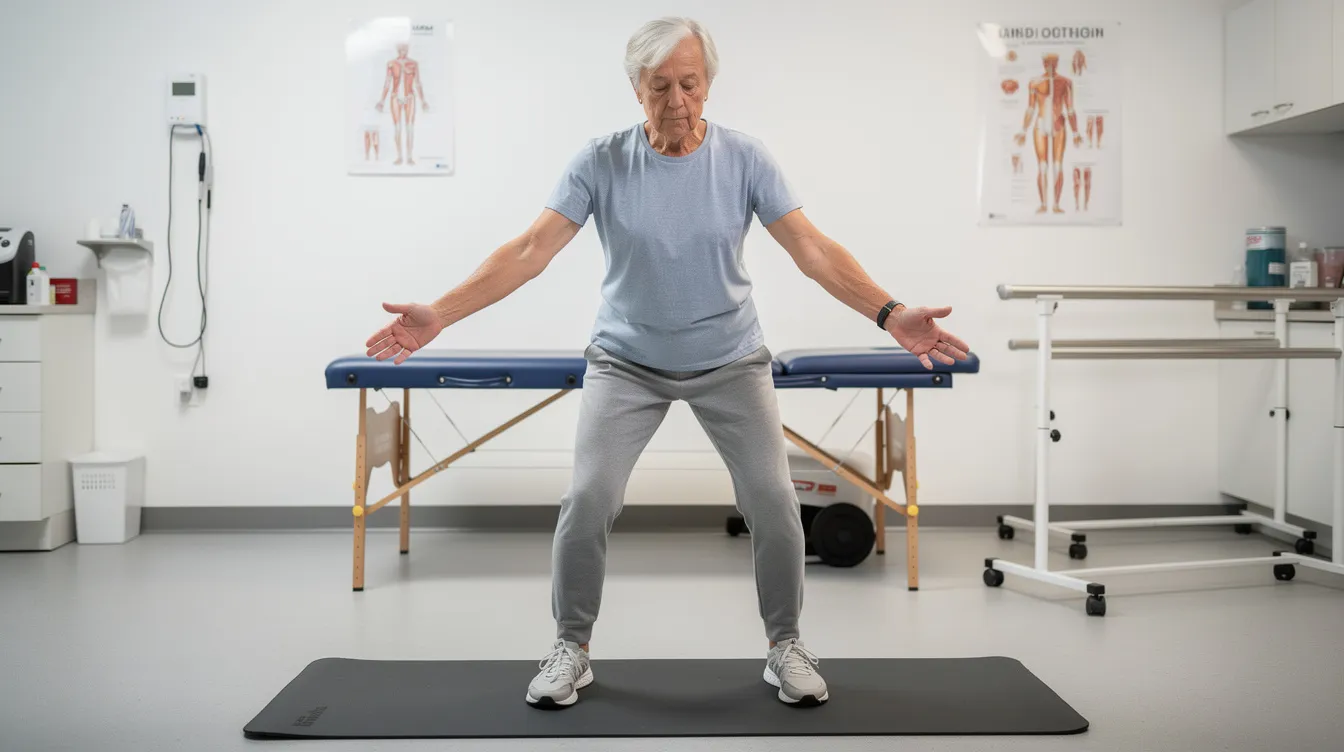
Posture and movement analysis: standing posture photos from the front and side, and simple functional tests like squats and arm raises reveal how the body compensates for imbalances.
-
Orthopedic and neurological tests: reflexes, sensation, motor strength, and nerve tension tests (such as the straight leg raise for sciatica) are performed to identify the source of symptoms.
-
Spine and joint palpation: hands-on assessment of segmental motion, stiffness, hypermobility, and tenderness along the spine and pelvis.
-
Referral for imaging: X-rays or MRI are ordered only when clinically indicated, such as trauma history, red flags, or suspected structural issues like fracture or scoliosis beyond mild curves.
This assessment typically takes longer than the 5 to 10 minutes some high-volume clinics allocate. The depth of this process is what separates true chiropractic from a superficial adjustment session.
Creating a Personalized Care Plan
-
A clear explanation of what was found and what it may mean, drawing on the chiropractor’s individual expertise as well as the assessment results
-
Likely contributing factors (e.g., years of desk work, an old sports injury)
-
Short-term vs long-term goals (e.g., reducing neck pain in the first 3 weeks vs correcting forward head posture over 3 months)
Everton Chiropractic structures care plans around visit frequency in the first 4 to 6 weeks based on condition severity, re-exams at set intervals to track measurable progress, and a transition to maintenance or wellness care for patients who want ongoing support. Structural correction aims to restore normal spinal curves and alignment, and chiropractic care focuses on maintaining movement quality over time.
Communication about expected timelines and costs is transparent. For chronic issues, improvement often takes several weeks to months. Everton Chiropractic does not use high-pressure package sales; the aim is a well-informed decision focused on the best care, not the biggest package, based on clinical findings and realistic expectations.
|
Aspect |
True Chiropractic Plan |
Quick-Fix Symptomatic Care |
|---|---|---|
|
Assessment depth |
Full history, posture analysis, ortho/neuro testing |
Minimal or no assessment |
|
Primary goal |
Function, posture, mobility restoration through best chiropractic treatment |
Pain reduction only |
|
Time frame |
Weeks to months, based on condition |
Single session or short burst |
|
Patient education |
Exercises, ergonomics, lifestyle changes |
Little or none |
|
Reassessment |
Scheduled re-exams with measurable benchmarks |
Rarely performed |
|
Recurrence risk |
Lower, because root causes are addressed |
Higher, because the goal of traditional care stops when pain subsides |
What a Typical Chiropractic Treatment Adjustment Session Looks Like
A standard session at Everton Chiropractic begins with a brief check-in: what has changed since the last visit, any new symptoms or improvements, and how home exercises are going. Clear, helpful communication from the staff and practitioner also supports a smoother visit experience.
The chiropractor then performs targeted adjustments to the spine and relevant joints. Depending on the patient’s age, comfort, and condition, techniques and adjustment services vary within the session. Manual high-velocity, low-amplitude thrusts are used for most adults; instrument-assisted or low-force techniques are used for older patients, those with osteoporosis, or anyone who prefers gentler methods. Each session ends with a review or progression of home exercises, stretches, or posture tips.
Common concerns about the sounds during adjustments deserve a clear answer: the audible pop is gas release from the joint capsule, not bones cracking. Side effects after an adjustment are usually limited to mild soreness or stiffness within 24 to 48 hours, which resolves on its own.
Consistent, well-planned sessions build cumulative improvement. A single adjustment can provide short-term relief, but lasting changes in posture, mobility, and function depend on a series of sessions combined with active patient participation. Exercise programming is integrated with chiropractic care for better outcomes.
How does true chiropractic compare to other treatment options patients in Singapore consider? The next section breaks that down.
True Chiropractic vs Other Treatment Options
Many people in Singapore weigh physiotherapy, TCM, massage, medication, or surgery alongside chiropractic. This section clarifies where true chiropractic fits in a broader care plan; it is not positioned against every other method but as a specific tool with defined strengths.
Chiropractic vs Symptom-Only Approaches
True chiropractic differs from symptom-only approaches in root-cause specificity. Quick symptomatic adjustments at high-volume clinics skip the diagnostic process: no detailed history, no movement analysis, no neurological screening. The patient gets an adjustment, hears a pop, and leaves. Pain may temporarily decrease because joint motion is restored, but without identifying why the joint was restricted, the problem returns.
Painkillers and muscle relaxants used alone suppress discomfort without changing the mechanical cause. A US Evidence-Based Synthesis review found that spinal manipulation provides modest improvements over sham or no treatment for acute back pain, with harms generally limited to temporary soreness. When comparing manipulation to other conservative therapies (exercise, acupuncture), differences in outcomes are small. The advantage of true chiropractic is not that adjustments alone outperform everything else; it is that true chiropractic combines adjustments with assessment, exercises, and lifestyle guidance into an integrated plan.
Occasional massages without addressing root causes relieve muscle tension temporarily. They do not change joint mechanics, posture, or movement patterns.
Holistic chiropractic looks beyond isolated symptoms, combining adjustments with lifestyle guidance. That combination is what drives better long-term outcomes.
Integrating Chiropractic with Medical and Allied Care
Everton Chiropractic operates alongside, not in opposition to, medical and allied care. Concrete examples of integration:
A patient with a lumbar disc herniation sees a spine specialist for MRI interpretation and medication management while receiving chiropractic adjustments and core rehabilitation at Everton. The chiropractor adjusts care based on the specialist’s imaging findings and communicates progress.
An older patient whose balance and mobility have declined works with both a chiropractor for spinal mobility and joint function and a fitness coach for strength training. The chiropractor’s assessment identifies which joints are restricted; the fitness coach builds exercise capacity around those findings.
A worker experiencing both neck and lower back pain from prolonged sitting might use chiropractic for spinal joint restoration and physiotherapy for sport-specific strengthening after recovery.
Chiropractic adjustments offer a non-surgical method for managing musculoskeletal issues. Chiropractic is not a cure-all, but it is a powerful pillar in a preventive, movement-focused strategy when combined with appropriate health advice from other health professionals.
Common Concerns and How True Chiropractic Addresses Them
Hesitations about safety, costs, session frequency, and scientific credibility are common in Singapore. Here are direct answers.
“Is Chiropractic Safe, Especially for My Neck and for Older Adults?”
The WHO’s Guidelines on basic training and safety in chiropractic list absolute contraindications (malignancy in the spine, severe osteoporosis, unstable fracture, spinal cord compression) and relative contraindications (inflammation, hypermobility). When these are screened for and respected, chiropractic treatment has a well-documented safety profile.
Neck manipulation carries a rare but serious risk: vertebral artery dissection, estimated at one to two serious neurological complications per million cervical manipulations based on available literature. At Everton Chiropractic, cervical adjustments are preceded by screening for vascular risk factors, and gentler techniques are used for older patients or those with reduced bone density. Chiropractors address physical strain from sedentary lifestyles while adapting force to each patient’s body.
Normal side effects include mild soreness or stiffness within 24 to 48 hours. If you experience severe headache, dizziness, or weakness after an adjustment, contact the clinic or a doctor immediately.
“How Many Sessions Will I Need and Will I Be Locked into a Package?”
Session count depends on the condition. An acute sprain or strain may resolve in 4 to 8 sessions over 2 to 4 weeks. Chronic postural issues accumulated over years typically require several weeks to months of care with regular reassessments. Long-standing degenerative changes may benefit from ongoing maintenance sessions spaced weeks or months apart.
Some Singapore clinics sell prepaid packages of 20 to 50 sessions costing SGD $3,000 to $7,000 or more, sometimes locking patients in with limited refund policies. Everton Chiropractic emphasizes transparency: recommendations are based on clinical findings, reassessments track measurable progress, and wellness or maintenance care remains an option rather than an obligation. Chiropractic care is not claimable under Medisave or MediShield Life, though some private insurance plans include complementary health riders.
For context on how often visits are needed for different goals, Everton provides visit-frequency guidance based on the specific condition and assessment findings.
“Will Chiropractic Fix Me Without Me Having to Change Anything?”
No. True chiropractic is most effective when the patient participates. That means:
-
Adjusting posture at work and home (desk height, monitor position, phone habits)
-
Performing simple daily exercises and stretches prescribed during sessions
-
Managing weight and stress where relevant to recovery
Chiropractic can improve pain, mobility, and physical function. Improved mobility restores proper range of motion in restricted joints and soft tissues. But if the mechanical causes persist (8 hours of slouching daily, no movement breaks, poor sleep posture), adjustments alone cannot maintain results.
Everton Chiropractic positions itself as a partner in change, providing appropriate health advice and simple, doable home strategies. The clinic’s role is both the responsibility of delivering quality care and educating patients to take responsibility for their own well-being between visits.
Questions are normal and should be welcomed at any point during your care:
-
Ask about credentials and professional association membership
-
Ask about the specific treatment plan timeline and how progress will be measured
-
Ask what risks apply to your specific condition
-
Ask about pricing per visit vs package options
Conclusion and Next Steps
True chiropractic is thorough, spine-centered, function-focused care that fits into a modern Singapore life when delivered with proper assessment, evidence-informed techniques, and active patient participation. It is a natural approach to spinal health that addresses root causes of pain, posture dysfunction, and restricted mobility without drugs or surgery.
Practical next steps:
-
Reflect on your current symptoms (neck, back, sciatica, posture, mobility) and how long they have been present
-
Note any red-flag symptoms requiring immediate medical review: severe weakness, bowel or bladder changes, unexplained weight loss, numbness that is progressing
-
Book an introductory visit at Everton Chiropractic in Singapore; the clinic offers an Intro Visit at $58
-
Prepare for your first visit: bring any existing imaging reports, wear comfortable clothing, and write down your key questions
-
Commit to at least one reassessment period (after 4 to 6 weeks) before evaluating your response to care
Related topics on the Everton Chiropractic site worth exploring: posture correction strategies, spinal mobility improvement, TCM vs chiropractic for chronic pain, and why spinal adjustments restore function.

Additional Resources and Visual Guides
This section provides optional resources and visual aids for deeper understanding.
Internal resources from Everton Chiropractic:
Suggested visual types for patient education:
-
Annotated spine diagram showing cervical, thoracic, lumbar, and sacral regions with common pain areas labeled
-
Before/after posture sequence (front and side views) illustrating realistic improvements over 8 to 12 weeks
-
Infographic showing the true chiropractic care journey at Everton Chiropractic from first visit through active care to maintenance
-
Timeline graphic illustrating typical progress milestones over the first 3 months for chronic postural issues
External references used in this article: WHO guidelines on chiropractic safety, peer-reviewed RCTs on spinal manipulation for back pain and sciatica, and the Chiropractic Association (Singapore) standards for practitioner quality.
Frequently Asked Questions About True Chiropractic in Singapore
These FAQs address the questions patients most often ask Everton Chiropractic about true chiropractic care.
Is True Chiropractic Only for People with Severe Pain?
No. Chiropractic care helps both acute and chronic pain, but is also valuable for posture correction, early stiffness, and preventive mobility care. A 35-year-old desk worker with mild neck and shoulder tension benefits from assessment and early intervention before chronic pain develops. A 60-year-old who wants to keep hiking and caring for grandchildren benefits from mobility preservation and balance work. Chiropractic approaches aim to manage posture before long-term issues develop. Pain relief is the number one reason people first visit, but it is only one outcome of true chiropractic care.
Can I See a Chiropractor If I Already Had an MRI or Saw a Specialist?
Yes. Everton Chiropractic uses existing imaging and medical reports to tailor care. Bringing your MRI or specialist report to your first visit saves time and improves diagnostic accuracy. Chiropractic can complement specialist management when there is clear communication and proper screening. If your specialist has flagged contraindications (e.g., spinal instability, active infection), the chiropractor will respect those limits and adjust the care plan accordingly.
How Soon Will I Feel Results from True Chiropractic Care?
Some patients notice change within the first few sessions; reduced discomfort, better range of motion in the neck or shoulders, improved sleep quality. Chronic or long-standing issues (postural dysfunction accumulated over years, degenerative disc changes) require several weeks to months for measurable improvement. Spinal manipulation can provide modest short-term improvements in pain and function. Consistency and following home exercises and posture advice are what separate patients who recover well from those who plateau.
Does Everton Chiropractic Treat Children or Pregnant Women?
Techniques for paediatric and prenatal populations are modified for safety and comfort, using gentle, low-force methods. For children, especially those flagged for scoliosis screening (adolescent idiopathic scoliosis is detected as early as ages 11 to 12), close coordination with medical providers is standard. For pregnant women, positioning and force are adjusted to accommodate the body’s changes. Inform the clinic of pregnancy or the child’s age when booking so appropriate preparations can be made.
How Do I Book an Appointment with Everton Chiropractic?
-
Phone and online booking are both available through the Everton Chiropractic website
-
The clinic offers appointment times aligned with common Singapore work schedules, including weekday evenings and Saturday mornings; established in 2010, it also brings long-standing clinical experience
-
Arrive 10 to 15 minutes early for your first visit to complete intake paperwork and posture photos
Early, proactive care leads to better and longer-lasting outcomes compared to waiting until pain is severe. If you have been living with discomfort, stiffness, or postural concerns for weeks or months, scheduling an assessment is a practical first step toward recovery and better quality of life.