
Introduction
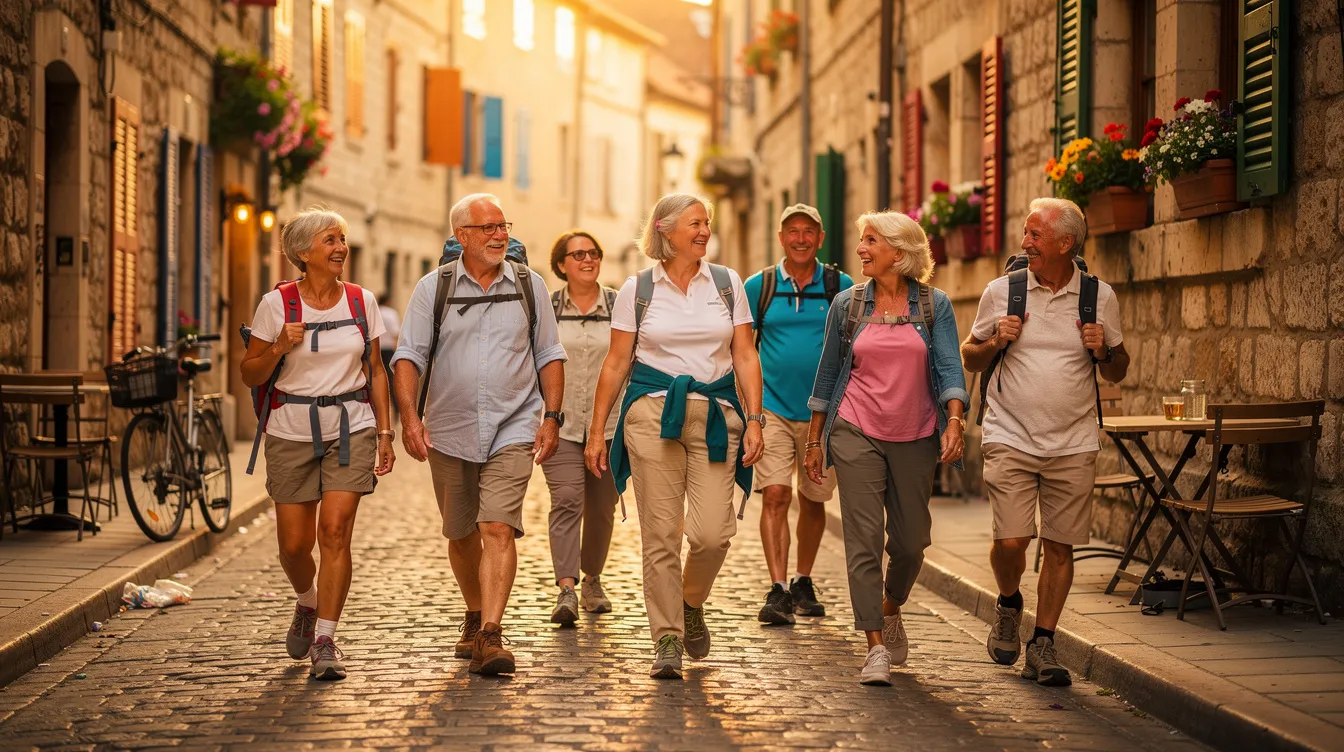
Aging travelers can maintain strong mobility and dramatically reduce fatigue during retirement travel by addressing three interconnected areas: spinal alignment, targeted physical preparation, and strategic trip planning. With 65% of people aged 50+ planning leisure trips in 2024, the desire to explore the world doesn’t fade with age-but the body’s tolerance for prolonged activity often does. The good news is that most of the limitations that force frequent rest stops are preventable or manageable.
This article covers a complete framework for senior travelers who want to travel without being sidelined by fatigue, pain, or stiffness. The scope includes pre-travel physical conditioning (especially spinal health, core strength, and flexibility), smart travel planning strategies (itinerary pacing, accommodation selection, transportation choices, and packing), and in-travel mobility maintenance techniques. While relevant to older adults everywhere, the content is particularly tailored for retirees and aging adults in Singapore-where high life expectancy, tropical climate, and excellent healthcare infrastructure create both opportunities and unique challenges for travelers 55+.
The direct answer: aging travelers can significantly reduce their need for frequent rests through proper spinal alignment maintenance, a 6–8 week targeted mobility exercise program before departure, and strategic travel planning that conserves energy without sacrificing experience. Mobility preparation helps older adults stay active and reduce fatigue during travel.
Here’s what you’ll gain from this article:
-
How to improve travel endurance through biomechanical optimization and spinal health
-
Strategies to reduce back, neck, and joint pain during long journeys
-
Techniques for maintaining good posture under travel stress-during long haul flights, vehicle rides, and walking tours
-
Energy conservation methods covering packing, transport selection, and rest timing
-
A practical roadmap for developing pre-travel mobility conditioning routines
Understanding Mobility Challenges in Senior Travelers
Age-related mobility decline is the single biggest factor that transforms travel from an adventure into an ordeal. Understanding exactly why your body fatigues faster-and what role your spine plays in that process-is the first step toward traveling at a relaxed pace without constant rest stops.
Common Age-Related Travel Limitations
Reduced muscle strength, joint stiffness, and poor posture work together to drain energy during travel activities. From around age 65, older adults typically exhibit decreased strength in hip extensors and knee extensors, reduced ankle dorsiflexion, and limited hip extension during walking. According to research on gait efficiency in older adults, limitations in hip extension alone explained approximately 22% of the extra energy cost older adults expend compared to younger walkers. Wider step width and altered walking cadence added to the metabolic burden.
Walking speed remains fairly stable through middle adulthood at roughly 1.1–1.3 m/s but declines measurably after age 65 and accelerates after 80. While energy expenditure per minute stays roughly steady, the energy cost per meter increases exponentially-meaning each step costs more, fatigue arrives sooner, and rest becomes necessary more often. For senior travelers navigating tourist attractions, train stations, or major cities on foot, this translates directly into shorter active periods and longer recovery times.
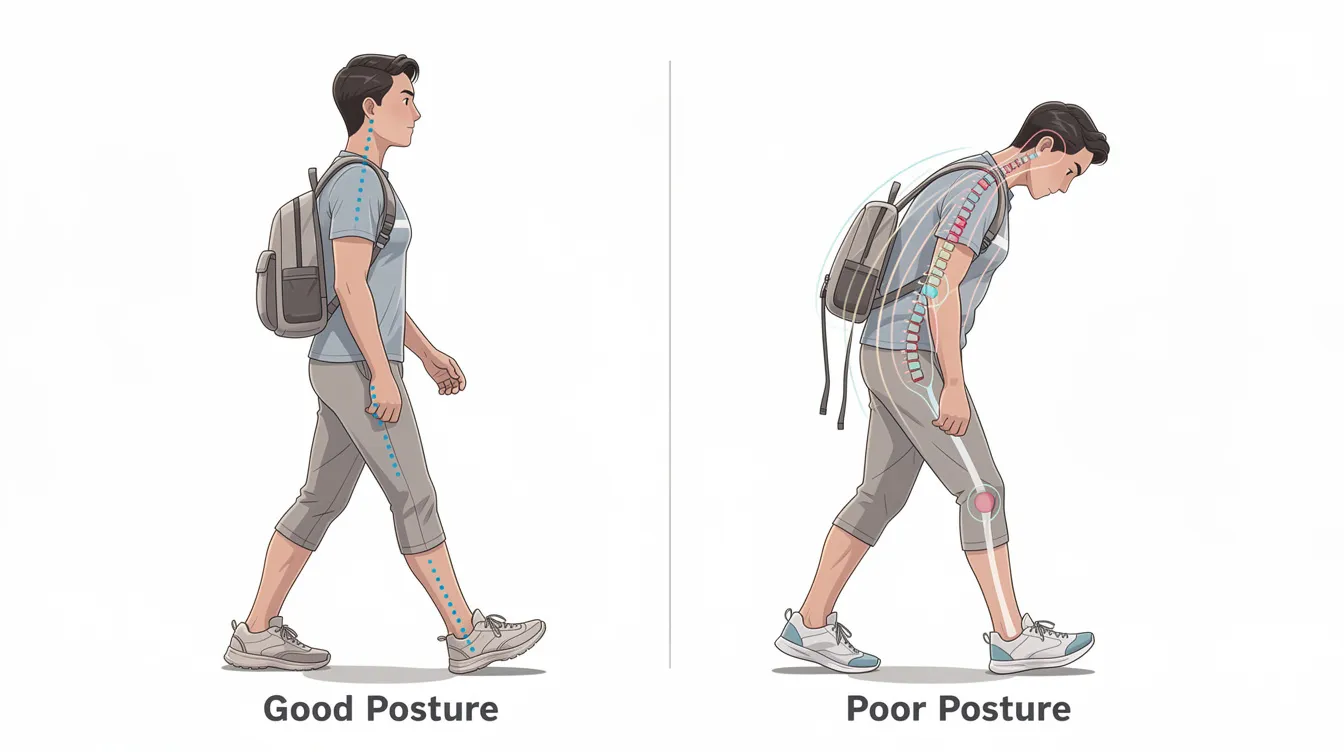
Spinal misalignment compounds these issues. Increased thoracic kyphosis (forward rounding of the upper spine), loss of lumbar lordosis, and forward trunk lean shift the body’s center of gravity forward. This forces increased muscle activation in the lower back, hips, and legs just to stay upright-burning energy before you even begin walking. A 2025 study on sagittal spinal alignment confirmed that age and physical activity level are key drivers of alignment changes, and that fatigue itself further degrades posture during movement.
The Role of Spinal Health in Travel Endurance
Proper spinal alignment is foundational to sustained walking, standing, and sitting-the three activities that dominate any travel day. When lumbar lordosis and thoracic kyphosis exist in balanced relation, loads distribute efficiently across the spine, pelvis, and lower extremities. Misalignment disrupts this balance, forcing compensatory patterns: more hip flexion, greater paraspinal muscle activation, reduced hip extension. Each compensation increases oxygen consumption per step.
The relationship between posture and energy efficiency is direct and measurable. Upright head-over-pelvis alignment minimizes the muscular demand for postural stabilization. Forward head posture and rounded shoulders-common in older travelers, especially those who spend extended periods looking down at phones or maps-increase neck and upper back strain, accelerating fatigue during both walking and prolonged sitting.
Spinal alignment also affects joint loading. Misalignment increases stress on knees and hips, accelerates cartilage wear, and causes earlier onset of pain. Over time, this limits the total volume of walking you can sustain-a critical factor when your travel plans involve exploring multiple destinations on foot. Addressing these issues before departure through posture correction strategies makes a huge difference in how long you can stay active each day.
Understanding these biomechanical realities sets the stage for targeted preparation-which begins 6–8 weeks before your departure date.
Pre-Travel Mobility Preparation Strategies
Older adults should prioritize pre-trip physical preparation to maintain mobility throughout their journey. A structured 6–8 week conditioning program gives your body time to build strength, improve flexibility, and adapt to the demands of travel. Staying active before the trip helps older adults build stamina and arrive at their destination ready for sustained physical activity.
Spinal Alignment and Chiropractic Preparation
Scheduling chiropractic adjustments 4–6 weeks before travel provides enough time for your body to heal and adapt before encountering travel stress. A pre-trip medical check-up is recommended for senior travelers, and seniors should consult a doctor before traveling, especially those with pre existing medical conditions. Consult your doctor before traveling if you have health concerns, and coordinate with your chiropractor to address specific issues like neck pain, lower back pain, or sciatica before departure.
Chiropractic precision assessments evaluate spinal curves, intersegmental motion, neurological signs, gait effects, and posture in both static (standing) and dynamic (walking) positions. Research shows that spinal alignment assessed under rested conditions provides a baseline from which to manage the inevitable alignment deterioration that occurs during fatiguing travel activities. Tailored adjustments relieve restrictions, reduce compensatory stiffness in the hips and pelvis, address nerve impingement, and release trigger points.
Understanding how often to see a chiropractor in the weeks leading up to your trip ensures your physical health is optimized for departure day.
Targeted Exercise Protocol for Travel Readiness
Building walking stamina gradually helps older adults manage physical activity during travel. A 15-minute daily routine over 6–8 weeks, progressively increasing in intensity, can meaningfully improve travel endurance. Here’s how to structure it:
Minutes 1–5: Warm-Up
-
Gentle walking in place or around the room
-
Dynamic leg swings (forward-back, side-to-side)
-
Ankle circles and calf raises
Minutes 5–10: Strength and Flexibility
-
Modified planks or dead bugs for core stabilization
-
Bird dogs for spinal endurance
-
Hip flexor stretches (lunge position)
-
Ankle dorsiflexion mobilization against a wall
Minutes 10–15: Posture and Balance
-
Chin tucks and scapular retractions for neck and upper back alignment
-
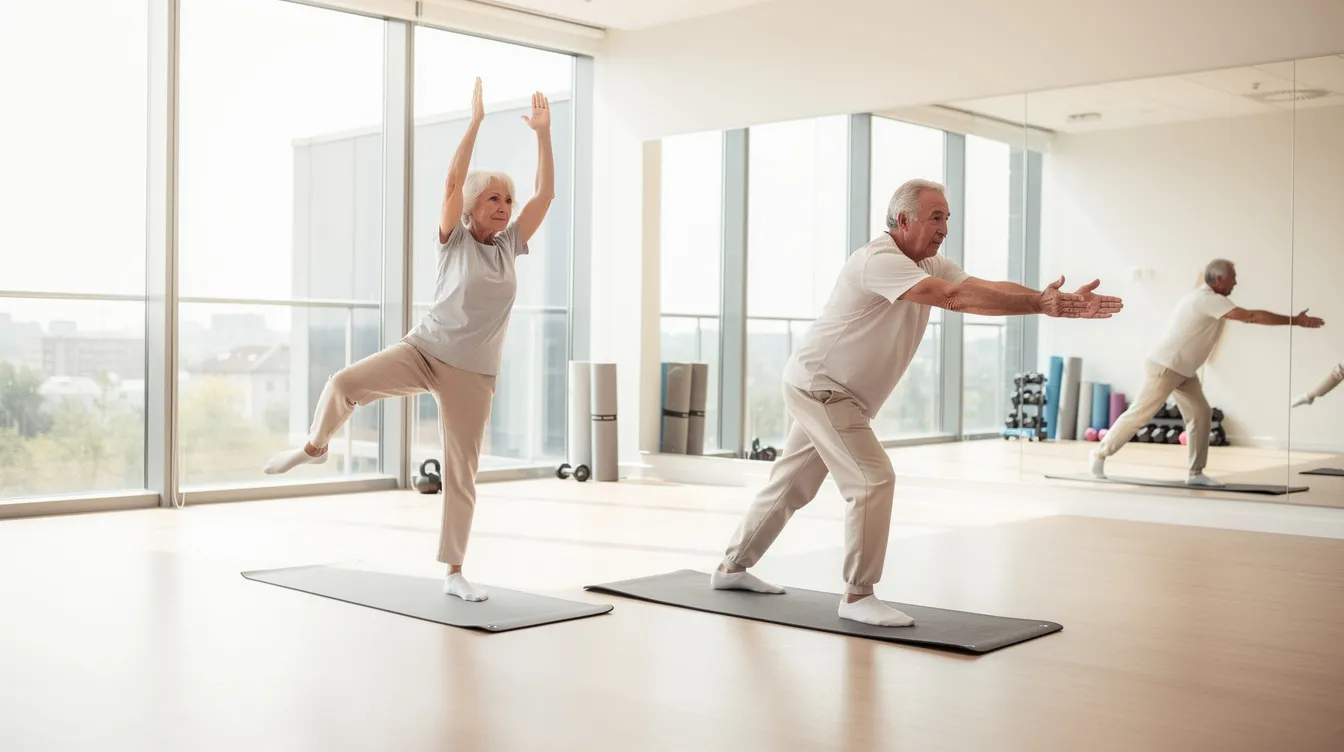
Single-leg balance holds (progress to eyes closed)
-
Trunk alignment drills standing against a wall
For posture correction during long flights and car rides, practice sitting with a lumbar support, maintaining a neutral pelvis, and performing seated spinal twists. Comfortable footwear is important for older adults when traveling-break in supportive walking shoes during your preparation weeks, not on the trip itself.
Movement Pattern Assessment and Correction
Evaluating your walking gait and movement efficiency before travel can reveal energy-wasting patterns that cause premature fatigue. Chiropractors and physical therapists can assess step length, cadence, stance time, hip extension, and trunk flexion-using video capture or gait analysis tools.
Movement dysfunctions such as limited ankle dorsiflexion, hip or hamstring tightness, and pelvic tilt asymmetries respond well to targeted stretching, mobility drills, and sometimes orthotics. Balance and proprioception exercises-standing on uneven surfaces, performing dynamic reaching tasks-reduce the need for extra support or rest during travel by improving stability and confidence on varied terrain.
Singapore-based programs like those offered through ActiveSG senior programmes and ASPIRE55 provide accessible strength, flexibility, and balance training specifically designed for adults over 50.
Smart Travel Planning for Sustained Energy
Physical preparation gets your body ready-but smart travel planning ensures you don’t waste that preparation on an exhausting itinerary. A systematic approach to trip design minimizes physical stress while maximizing experience. Traveling can improve health and well being for seniors when trips are planned with mobility in mind.
Itinerary Design for Mobility Optimization
Scheduling one or two main activities per day can prevent fatigue-this is the single most important planning principle for senior travelers. Here’s a step-by-step process for creating energy-efficient daily schedules:
-
Map your must-see activities for each destination and categorize them as high-intensity (extensive walking, standing, climbing) or low-intensity (seated dining, museums with benches, spa visits, cultural performances)
-
Alternate activity types within each day-place a high-intensity morning activity before a low-intensity afternoon one
-
Schedule rest breaks every 90–120 minutes of continuous activity, which aligns with human fatigue physiology and prevents postural collapse
-
Time walking tours and sightseeing for cooler parts of the day-morning and late afternoon-to conserve energy, especially when traveling to humid destinations
-
Build in full rest days between consecutive active days, particularly when visiting multiple destinations
-
Plan for bathroom access at regular intervals, which is crucial for older travelers
Traveling during off-peak seasons and choosing the right destination for comfort, accessibility, and a relaxed pace avoids crowds and reduces costs, making it easier to move at a slower pace through popular tourist attractions without being jostled or rushed. Off peak seasons also mean shorter queues, less standing time, and greater flexibility with travel dates. Some retirees also prefer places a little off the beaten path because they are less crowded and easier to explore without rushing, which suits slow travel by staying longer in one place instead of moving quickly between stops. Taking micro-breaks can enhance comfort and prevent fatigue while sightseeing-even a five-minute seated pause makes a meaningful difference in total endurance.
Transportation and Accommodation Selection for Medical Emergencies
Your transportation options and accommodation choices directly impact how much energy you have for actual experiences, and flights, trains, private transfers, and public transportation can each change how much walking, standing, and waiting you need to manage. Researching accessibility of hotels and attractions is necessary for comfort. Choosing accessible accommodations helps aging adults travel comfortably.
|
Criterion |
Flights |
Trains |
Private Transfers |
|---|---|---|---|
|
Seated duration |
Extended (2–14+ hrs) |
Variable (1–8 hrs) |
Typically shorter |
|
Legroom/movement |
Limited in economy; better in business class or first class |
Generally more spacious; aisle access easier |
Variable; can stop on request |
|
Boarding difficulty |
High (long walks, queues) |
Moderate (platform access) |
Low |
|
Lumbar support |
Usually poor without your own |
Variable |
Variable |
|
DVT risk |
Higher on long haul flights |
Lower |
Lower |
|
Cost considerations |
Budget airlines cheapest but least comfortable; save money by booking early |
Mid-range; senior discounts often available |
Higher but customizable |
When routes, seating, and walking distances are manageable, public transportation can also be cost-effective and give older travelers a more authentic local experience. Requesting airport assistance beforehand can alleviate travel exhaustion-most airports offer wheelchair services, electric cart transport, and priority boarding for elderly members or those with mobility issues. Travel discounts may also be available through rail passes, transit cards, or age-based concessions, helping retirees save money. Utilizing luggage services can prevent lifting heavy bags at airports and train stations.
Accommodation criteria for spinal health:
-
Mid-firm to firm mattress
-
Adjustable pillow options for neck support
-
Elevator access and minimal stairs
-
Grab bars in bathrooms
-
Good lighting to prevent trips and falls
-
Fitness amenities (pool, gym) for daily mobility maintenance
-
Ground-floor or accessible room options
When you travel internationally, check whether your medical insurance and travel insurance extend to your destination. Travel insurance is essential for covering medical emergencies abroad-comprehensive travel insurance covers medical emergencies and trip cancellations. Medicare generally does not cover healthcare outside the U.S., so travelers from many countries need separate medical coverage. Seniors should purchase travel insurance soon after trip payment to maximize protection, and keep emergency contacts including the country’s embassy readily accessible.
Packing Strategy for Mobility Aids and Support
Packing lighter can simplify travel for older adults. Using lightweight luggage can reduce physical strain for older adults. The principle is simple: every kilogram you carry costs energy that could be spent on experiences. Pack light and be ruthless about what you bring.
Essential mobility aids and ergonomic travel accessories:
-
Lightweight walking poles (collapsible for carry on)
-
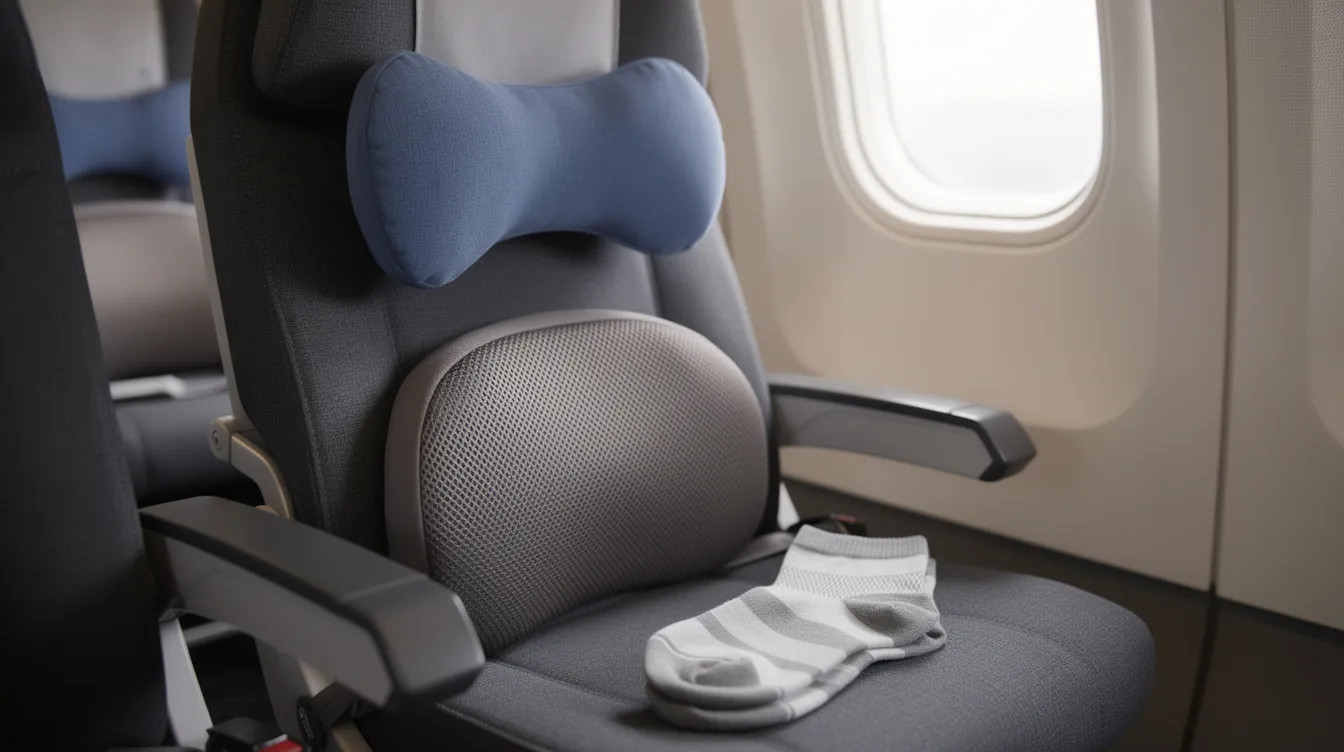
Inflatable lumbar roll for flights and vehicle rides
-
Memory foam travel pillow for neck support
-
Compression socks for circulation during long haul flights
-
Medical alert bracelet with health conditions and emergency contacts
-
Supportive, well-broken-in walking shoes
-
Portable foam roller strips or massage ball
-
Knee braces if needed
Luggage weight distribution packing tips:
-
Use packing cubes to centralize weight
-
Place heaviest items close to the center of rolling luggage
-
Choose a cross-body bag rather than a shoulder bag for day use
-
Distribute weight evenly if using a backpack
-
Consider shipping luggage ahead to your destination in some cases
Posture support checklist:
-
Lumbar cushion
-
Neck pillow
-
Seat wedge for hip angle correction
-
Compression garments
-
Moisture-wicking clothing for comfort
-
Refillable water bottle (maintaining hydration management during travel improves overall comfort-stay hydrated by drinking plenty of fluids while traveling)
Carry an ample supply of prescription medications while traveling, and keep them in your carry on bag rather than checked luggage. Bring documentation for any medical devices you travel with, and check required vaccinations for your destination well in advance of your travel dates. Travel websites and deal newsletters can help retirees compare luggage policies, accessibility details, and last-minute offers before booking. Hydration and healthy snacks can help maintain energy levels during travel.
Traveling with mobility aids can help older adults navigate long distances-don’t view them as a sign of weakness but as tools that extend your active travel time.
Common Mobility Challenges and Solutions
Even with thorough preparation, specific health or mobility issues arise during trips. Here are practical solutions for the most frequent problems aging travelers encounter.
Lower Back Pain During Long Flights
Stretch often during long flights to prevent deep vein thrombosis and reduce lower back stiffness. Stretching can prevent deep vein thrombosis during flights-a genuine medical risk for older travelers on extended flights.
In-flight strategies:
-
Use a lumbar roll or inflatable support behind your lower back
-
Recline your seat slightly when permitted to reduce lumbar disc pressure
-
Avoid crossing your legs, which creates pelvic asymmetry
-
Shift your weight side to side every 15–20 minutes
-
Walk the aisle every 60–90 minutes
-
Perform seated spinal twists, glute squeezes, and knee extensions in your seat
Seat selection: Aisle seats allow easier movement. Bulkhead seats offer more legroom. If travel costs allow, business class or premium economy provides substantially more space. Even a modest legroom upgrade can make a huge difference on flights over four hours. As practical travel advice for longer trips, if you plan to stay in one place for an extended period, booking a long-term accommodation can lower costs and improve comfort by reducing transitions and giving older travelers more time to recover.
Knee and Hip Stiffness from Extended Walking
Joint mobility routines performed in your hotel room each evening can reset stiffness and prepare you for the next day:
-
Hip circles (10 each direction)
-
Gentle knee bends and bodyweight squats to comfortable depth
-
Quad and hamstring stretches (30 seconds each side)
-
Resistance band exercises for hip abductors
-
Warm bath or shower to loosen joints before stretching
Proper walking techniques reduce joint stress: maintain heel-to-toe walking pattern, keep knees soft (never locked), avoid overstriding, and use walking poles on uneven terrain to offload knee joints. Pace yourself to avoid going too fast early in the day. Group tours often set a pace suited to the average participant-don’t hesitate to ask for a slower pace or take breaks when needed. One of the most useful travel tips is to check route length, bench access, and restroom availability before committing to a day of walking.
Neck Pain from Poor Sleep Positions
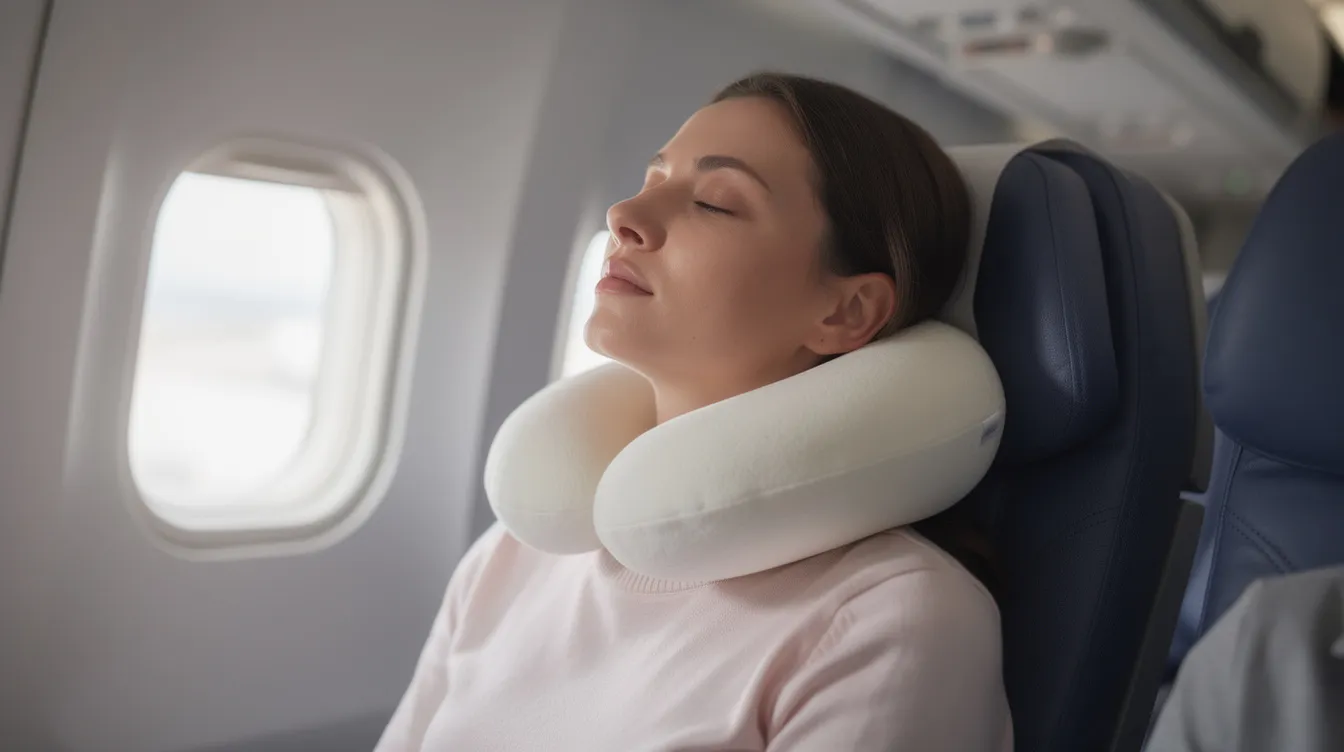
Poor sleep positions in unfamiliar beds, on overnight flights, or on buses cause significant neck stiffness. Understanding the causes and treatment of neck pain helps you prevent it proactively.
Prevention:
-
Use a contoured memory foam travel pillow that maintains cervical lordosis
-
Avoid propping your head too high with stacked hotel pillows
-
On overnight buses or trains, use a breathable neck brace or wrap a scarf for light support
-
Request a pillow menu at hotels when available
Morning recovery routine (5 minutes):
-
Gentle neck tilts: ear to shoulder, 5 each side
-
Slow neck rotations through comfortable range
-
Shoulder rolls: 10 forward, 10 backward
-
Cat-cow stretches on the bed
-
Chest-opener stretches in the doorframe
-
Warm shower directed at neck and upper back
These basic safety tips also help on overnight transport and in unfamiliar hotels: keep your phone, water, and any needed medication within easy reach at night.
Shoulder Pain from Heavy Luggage
Shoulder pain from luggage is entirely preventable with proper technique. Use wheeled suitcases exclusively for checked bags. Lift from the knees when placing bags in overhead bins-or ask for assistance. Avoid dragging heavy shoulder bags through airports; use a waist-strapped duffle or cross-body bag instead.
Shoulder mobility exercises for travel days:
-
Shoulder circles (10 each direction)
-
Wall angels: stand with back against wall, slide arms up and down
-
Scapular squeezes: pull shoulder blades together, hold 5 seconds, repeat 10 times
-
Rotator cuff stretches: cross-arm stretch, doorframe stretch
-
Arm swings before and after travel segments
Conclusion and Next Steps
Retirement travel should expand your world, not be limited by physical constraints. The key strategies for fatigue-free travel are interconnected: pre-travel spinal alignment through chiropractic care, a dedicated 6–8 week exercise routine focusing on core strength, hip mobility, ankle flexibility, and spinal posture-combined with smart travel planning that accounts for itinerary pacing, accessible accommodation, appropriate transportation, and ergonomic support gear. In-trip mobility routines complete the picture, keeping your body responsive and resilient throughout your journey.
Traveling can improve health and well being for seniors. Slow travel-staying longer in fewer places-allows deeper connections with local culture and local traditions while reducing the physical toll of constant movement between destinations. Cooking meals at your accommodation saves money and enhances local experience.
Immediate actionable steps:
-
Schedule a pre-travel chiropractic assessment and posture evaluation 4–6 weeks before your next trip
-
Begin the 15-minute daily mobility exercise routine outlined above
-
Plan your next trip using the energy-efficient itinerary framework-research accessibility, select appropriate accommodation, and map rest breaks
-
Purchase comprehensive travel insurance that covers medical emergencies, medical expenses, and trip cancellations
-
Invest in quality ergonomic travel accessories: lumbar roll, neck pillow, compression socks, and supportive footwear
For those who travel frequently, long-term movement maintenance through regular chiropractic visits and consistent physical activity ensures that every trip builds on the last rather than depleting your reserves. Related topics worth exploring include managing specific conditions like sciatica during travel, retirement planning that incorporates travel health budgets, and mental stimulation through cultural immersion at your destinations.
Ready to prepare your body for your next adventure? Everton Chiropractic offers precision spinal alignment assessments, posture and gait evaluations, and pre-travel consultation services designed to help you create lasting memories without being held back by pain or fatigue.
Additional Resources and Travel Tips
-
Singapore-based mobility programs: ASPIRE55 offers fitness and mobility classes for adults over 50; ActiveSG Senior Programmes provide accessible strength and balance training
-
Ergonomic travel products: Invest in an inflatable lumbar support, contoured memory foam neck pillow, collapsible walking poles, and compression socks rated 15–20 mmHg
-
Pre-trip doctor visits: Schedule a comprehensive check up that covers medication needs review, required vaccinations for your destination, and fitness-for-travel clearance for any pre existing health conditions
-
Emergency preparedness: Wear a medical alert bracelet listing medical conditions and medication needs; carry a card with emergency contacts, medical care preferences, and your country’s embassy contact information at each destination
-
Travel insurance: Purchase coverage that includes medical coverage for medical emergencies abroad, medical expenses, lost baggage, and trip cancellations-especially important for those who travel internationally to many countries