
Introduction
Total health chiropractic in Singapore is an integrated, spine-centred approach designed to support whole-body wellness – not just mask pain until the next flare-up. If you’ve been searching for a chiropractor who looks beyond symptoms and addresses how your spine, posture, and nervous system affect your daily life, this guide explains exactly how that works, what the evidence says, and what to expect when you walk into a clinic like Everton Chiropractic.
This article covers what total health chiropractic actually is, how it differs from short-term symptom care, who it helps in Singapore, the typical first visit experience, realistic timelines and costs, safety considerations, and how to choose a clinic that genuinely delivers long-term results. Whether you’re a desk-bound professional with chronic neck tension, a parent managing lower back pain, or researching options for an aging parent, this guide is for you. It is not a replacement for emergency or surgical care – it focuses on evidence-informed chiropractic care and lifestyle support as practised in Singapore clinics today.
In short: total health chiropractic is a spine- and nervous-system–focused approach that combines spinal adjustments, posture correction, and personalised lifestyle guidance to improve long-term mobility, reduce pain, and restore function – rather than offering one-off relief.
Here’s what you’ll walk away with:
-
A clear understanding of what total health chiropractic is and why it matters for people in Singapore
-
What happens during your first visit, including spinal examination, posture analysis, and care planning
-
Realistic timelines for improvement across common conditions like back pain, sciatica, and shoulder pain
-
Cost and commitment expectations so you can plan with confidence
-
A practical framework for choosing the right chiropractor in Singapore
Throughout this article, suggested images – such as diagrams of spine alignment, posture before/after comparisons, and clinic interior shots – will help you visualise the concepts discussed.
Understanding Total Health Chiropractic
Total health chiropractic is a holistic chiropractic model that goes beyond treating isolated aches. It focuses on spinal alignment, nervous system function, posture correction, and lifestyle modification to support the body’s long-term health. Chiropractic clinics evaluate the spine, posture, and nervous system as interconnected systems, and chiropractors focus on musculoskeletal health and overall wellness rather than treating each symptom as an isolated event.
Why does this matter specifically in Singapore? Up to 80% of people will experience low back pain at least once in their lifetime. Singapore has among the highest age-standardised prevalence rates in ASEAN for low back pain, with figures approximating 7,400–8,500 per 100,000 population. Office-bound work, long MRT commutes, an intense study and work culture, and an aging population all contribute to chronic neck strain, forward-head posture, thoracic stiffness, and lower back issues. Despite this burden, many Singaporeans only seek reactive care – total health chiropractic encourages a shift toward long-term function and prevention.
Before going deeper, here are a few terms you’ll encounter:
-
Vertebrae – the bones forming your spine; misalignments can cause joint dysfunction and discomfort.
-
Intervertebral discs – cushioning structures between vertebrae; degeneration or herniation (commonly called a slipped disc) can irritate nerves.
-
Subluxation / joint dysfunction – segments of the spine that aren’t moving or aligning properly, potentially interfering with nerve output.
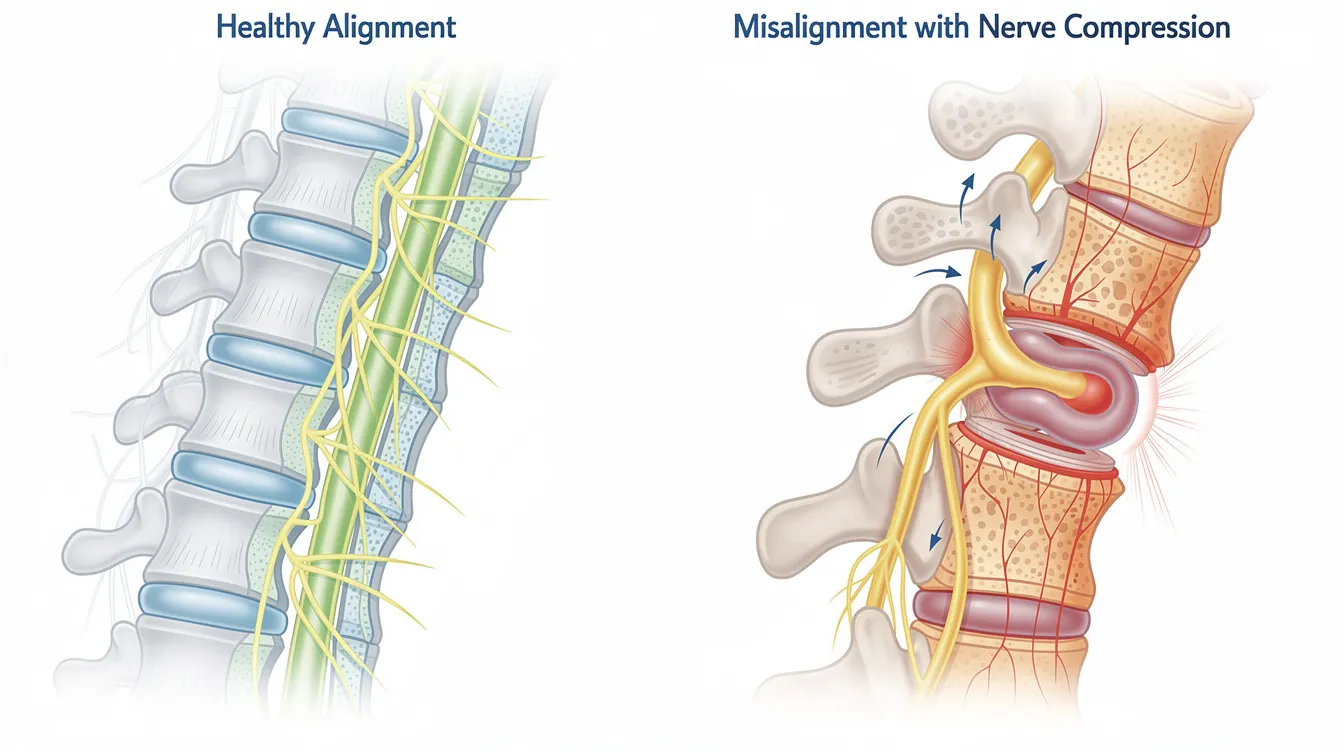
The Core Principles of Total Health Chiropractic
The foundational idea behind total health chiropractic is that the spine functions as the body’s central information highway. Structure affects function: when the spine is aligned and moving well, the nervous system can communicate efficiently, and the body works better. Chiropractic care emphasizes the body’s self-healing capabilities – reduce interference, and healing follows.
Critically, total health chiropractic assesses the entire spine – cervical, thoracic, lumbar, and sacrum – along with the pelvis, rather than just the area where you feel pain. Spinal alignment affects overall body function and health. A restriction in your mid-back can contribute to shoulder pain; a pelvic imbalance can drive sciatica. Chiropractors assess posture, movement, and lifestyle factors to address discomfort at its source.
Posture correction, movement patterns, and ergonomics are integral – not afterthoughts. This makes the approach relevant across different life situations:
-
A desk worker with persistent neck tension and headaches from hours of screen time
-
A parent with chronic low back ache from lifting toddlers and poor sleep posture
-
An older adult experiencing balance issues, stiffness, and declining mobility
-
A weekend athlete dealing with recurring shoulder pain from sports injuries
Each scenario involves different symptoms but shares a common thread: spinal mechanics, nerve function, and daily habits all contribute. Total health chiropractic connects these dots.
How the Spine, Nervous System, and Posture Work Together
Your spine protects the spinal cord and its branching nerves, which control every muscle and organ system. When vertebrae misalign or joints lose their normal motion, the surrounding muscles tighten, nerves can become irritated, and you may experience pain, stiffness, or radiating symptoms like sciatica. Misalignment can lead to chronic pain and discomfort that compounds over time.
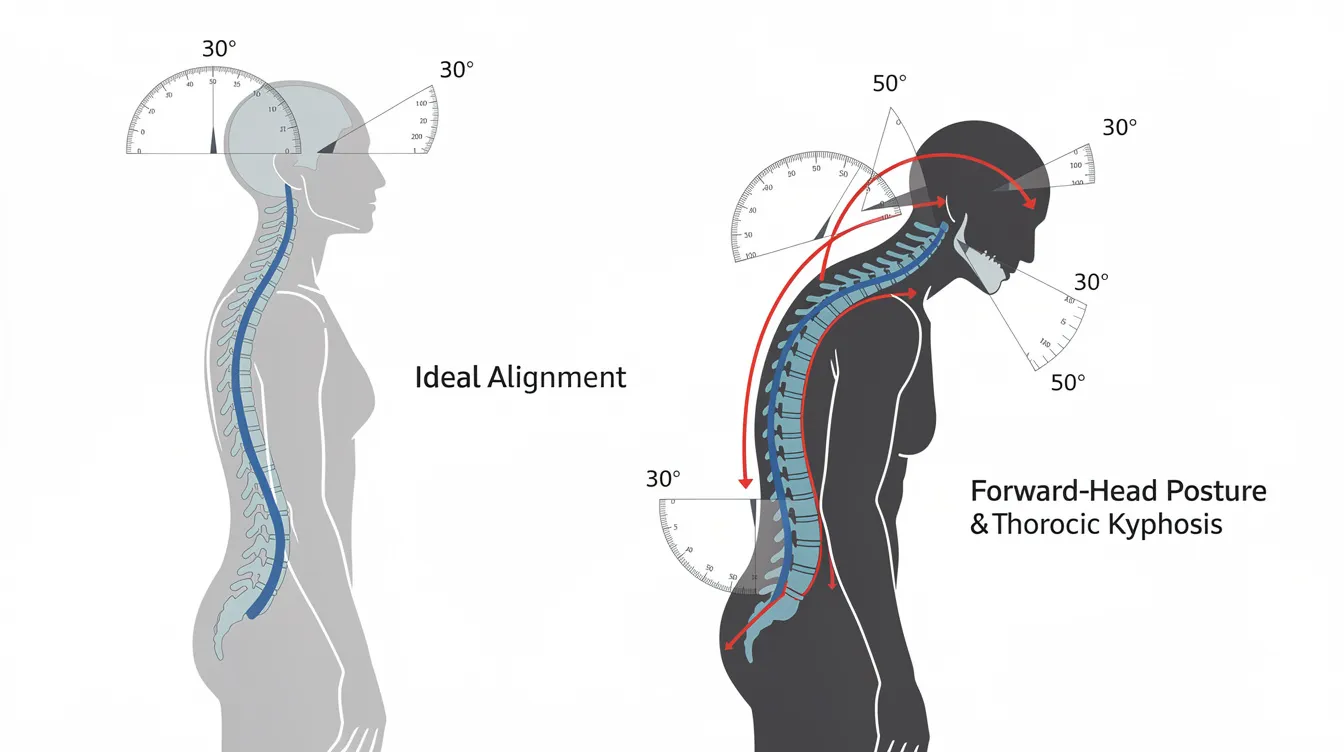
A 2022 systematic review of manual therapy trials involving over 1,500 individuals found moderate-certainty evidence that manual therapy reduces forward head posture, thoracic kyphosis, and pelvic tilt in the short to medium term. A 2026 randomised controlled trial went further, demonstrating that thoracic manipulation plus posture correction improved not only pain and kyphosis angle but also autonomic nervous system measures – heart rate variability and skin response. This suggests that spinal posture changes can have neurological and systemic effects beyond simple pain relief. Chiropractic adjustments promote optimal nervous system communication.
Connect this to common Singapore lifestyles: long hours at a laptop create forward-head posture and upper-back rounding; childcare-related lifting strains the lumbar spine; standing retail or F&B shifts load the lower back and knees unevenly. Back pain can significantly impact daily life activities, and proper posture can enhance overall mobility and comfort.
Everton Chiropractic’s Total Health Philosophy
At Everton Chiropractic, the total health philosophy is built on precision spinal adjustments, posture correction, and personalised home care plans. Led by Dr Richard, an Australia-trained chiropractor, the clinic focuses on long-term movement and function – not “crack and go” symptomatic relief. Chiropractors in Singapore must hold a recognized professional qualification, and Dr Richard’s training from Australia reflects this standard.
The clinic commonly sees patients with neck and lower back pain, sciatica, scoliosis monitoring needs, shoulder pain, knee pain, and age-related stiffness. Chiropractic treatment includes personalized care plans based on assessments, and every patient receives a tailored strategy that evolves as they progress.
Understanding these principles is useful – but patients mainly want to know how care actually works in practice. Let’s explore that next.
Total Health Chiropractic in Practice
The concepts above translate directly into what happens inside a Singapore chiropractic clinic. Total health chiropractic is applied through careful assessment, tailored care plans, and active collaboration between chiropractor and patient. Here’s how it plays out across different conditions and goals.
Conditions Total Health Chiropractic Commonly Addresses
Neck pain is one of the most frequent reasons people visit a chiropractor in Singapore. Chiropractors conduct spinal examinations for neck pain assessment, and patients may receive spinal X-rays for neck pain evaluation when clinically warranted. Chiropractic care can provide immediate relief for neck pain, and neck pain management includes hands-on care and rehabilitation exercises. Chiropractors use tailored exercises to manage neck pain alongside adjustments.
Headaches often connect to cervical spine tension and forward-head posture. Neck pain and headaches chiropractor care addresses both the structural cause and the symptom pattern.
Lower back pain affects a huge proportion of Singapore’s population. Chiropractors conduct spinal examinations for back pain assessment, and spinal X-rays may be recommended for back pain diagnosis. Chiropractic care can help improve chronic back pain, and patients often experience immediate relief from back pain after treatment. Chiropractic care improves spinal range of motion, which makes everyday activities – bending, lifting, even sitting – more comfortable.
Sciatica is characterized by pain along the sciatic nerve, and symptoms include pain, numbness, and weakness radiating down the leg. Sciatica can result from a herniated disc or spinal stenosis. Chiropractors assess sciatica through spinal examinations and tests, looking at lumbar alignment and nerve involvement. Treatment for sciatica may involve physical therapy and exercises alongside spinal adjustments. Lumbar extension traction, used in Chiropractic BioPhysics® protocols, has shown improved outcomes for chronic low back pain and discogenic radiculopathy when lordosis is restored.
Shoulder pain can result from sports injuries or repetitive strain. Chiropractors assess shoulder pain through range of motion tests, and chronic shoulder pain affects daily activities significantly. Shoulder pain can be treated with tailored exercises, and X-rays may be used to diagnose shoulder pain issues when necessary. Thoracic spine stiffness frequently contributes to shoulder mechanics problems.
Knee pain affects millions of adults worldwide. Knee pain can result from injuries or chronic conditions, and proper assessment is crucial for effective knee pain treatment. Chiropractic care can help alleviate knee pain symptoms by addressing pelvic and lower extremity biomechanics.
Scoliosis requires monitoring and management rather than cure in most adult cases. Spinal X-rays may be required for scoliosis assessment, and chiropractors assess spinal range of motion for scoliosis treatment. Chiropractors use various techniques for scoliosis management, and scoliosis treatment may include tailored exercises for strength. It’s important to note that systematic review evidence shows manual therapy did not significantly improve scoliosis in the frontal plane – honest expectations matter here.
Posture issues including forward head posture, thoracic hyperkyphosis, and pelvic tilt respond well to corrective care. Posture correction can improve spinal alignment, and posture correction techniques can reduce chronic pain symptoms. Digital posture analysis is used for assessment at clinics like Everton Chiropractic.
Age-related mobility decline is increasingly common in Singapore’s aging population. Chiropractic care helps elderly patients stay mobile and comfortable. Chiropractors assess spinal range of motion for aging patients, and chiropractic techniques can improve mobility in older adults. Gentle care is tailored for elderly patients to enhance daily life.
What “Total Health” Means Beyond Pain Relief
Total health chiropractic aims for outcomes that extend well beyond pain scores. Patients report improvements in sleep quality, increased energy, better balance, and greater confidence in movement. Proper spinal alignment can improve range of motion, and patients report immediate changes in movement after chiropractic sessions. Lifestyle wellness includes physical activity and proper nutrition, and chiropractic care can enhance overall lifestyle wellness.
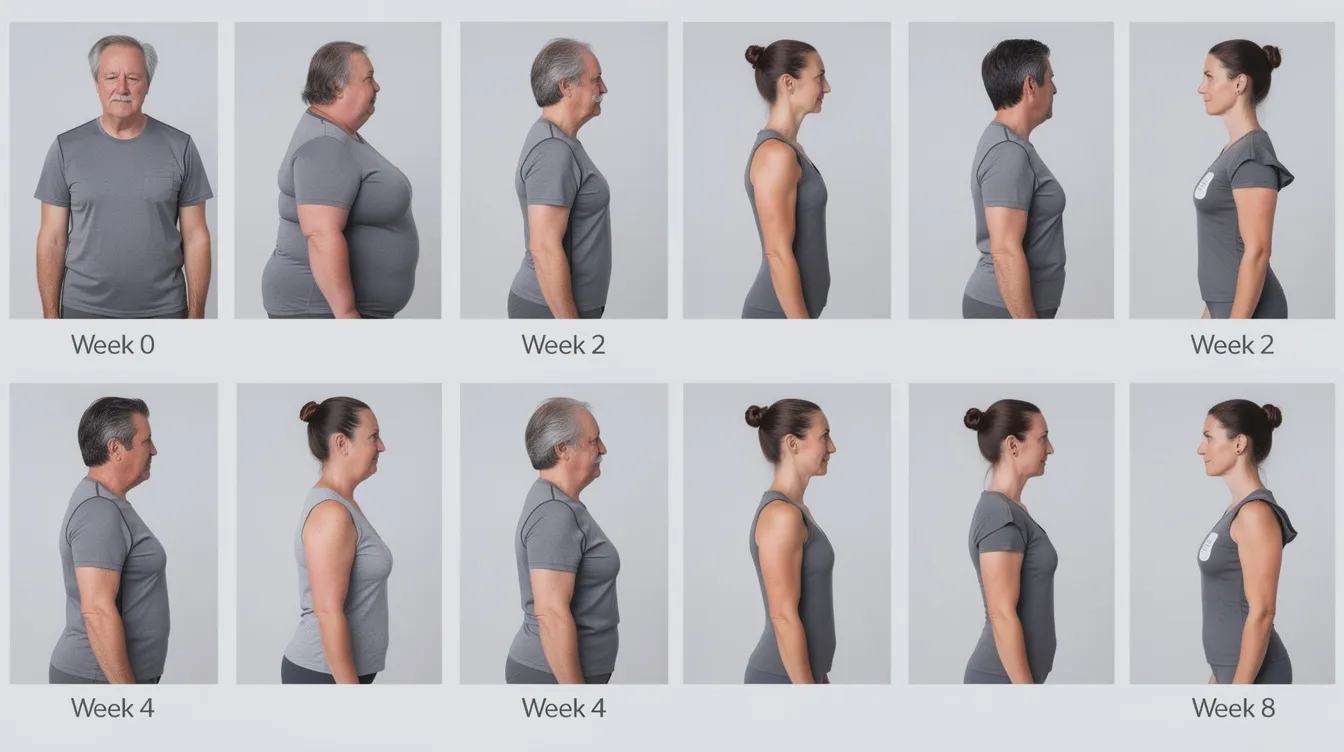
Consider a 45-year-old executive who came in with chronic mid-back tension and headaches. After six weeks of corrective care, she noticed not just less pain but better focus at work, deeper sleep, and the ability to sit through long meetings without fidgeting. Her posture scans showed measurable improvements in thoracic kyphosis.
Or a 60-year-old retiree whose goal was simply to play on the floor with his grandchildren. Through targeted lumbar and pelvic adjustments, mobility drills, and core stability exercises, he regained the confidence to get up and down without pain. Regular exercise improves physical and mental health outcomes, and adequate sleep is crucial for maintaining lifestyle wellness. Stress management techniques contribute to lifestyle wellness as well – and all of these connect to how well your spine functions.
Everton Chiropractic’s Role in a Total Health Plan
Everton Chiropractic partners with patients across three phases: initial crisis care (reducing acute symptoms), corrective care (restoring alignment and function), and maintenance/preventive visits (sustaining gains long-term). Modern healthcare increasingly views chiropractic and traditional medicine as complementary, and the team at Everton collaborates with other health providers when necessary – GPs for blood tests, orthopaedic consults for surgical questions – while keeping focus on chiropractic’s core strengths.
This structured approach starts with a clear, thorough first visit and a plan you can understand from day one.
From First Visit to Long-Term Care: How Total Health Chiropractic Works
The patient journey at Everton Chiropractic is designed for clarity and safety at every stage. Here’s what the end-to-end process looks like, from the moment you walk in to long-term maintenance.

Your First Visit at Everton Chiropractic
Your first visit at Everton Chiropractic is structured to gather comprehensive information before any care begins. Here’s what to expect:
-
Detailed history-taking – your chiropractor asks about when pain began, triggers, past injuries, work habits, exercise, sleep, and goals. This conversation frames everything that follows.
-
Spinal examination – including range of motion testing, neurological and orthopaedic tests, muscle tone assessment, leg length comparison, and palpation of the spine. Spinal examinations include range of motion testing to identify restrictions and dysfunction. Chiropractors use physical and postural evaluations to assess patients thoroughly.
-
Digital posture analysis – a scan or photographic assessment that documents your alignment objectively, providing baseline measurements to track progress.
-
X-rays when clinically indicated – diagnostic imaging may be used to identify spinal misalignments. X-rays may be used to assess spinal alignment, but are only recommended when findings warrant them – not as a blanket requirement.
Spinal adjustments are performed to restore joint motion and alignment, but no one is adjusted until they understand what’s happening. Consent, clear explanations, and patient comfort come first. If you’re nervous, the team will walk you through each step before proceeding. Total Health Chiropractic has been operating for 16 years in Singapore, and clinics with this longevity understand the importance of building trust from the very first interaction.
Creating a Personalised Total Health Plan
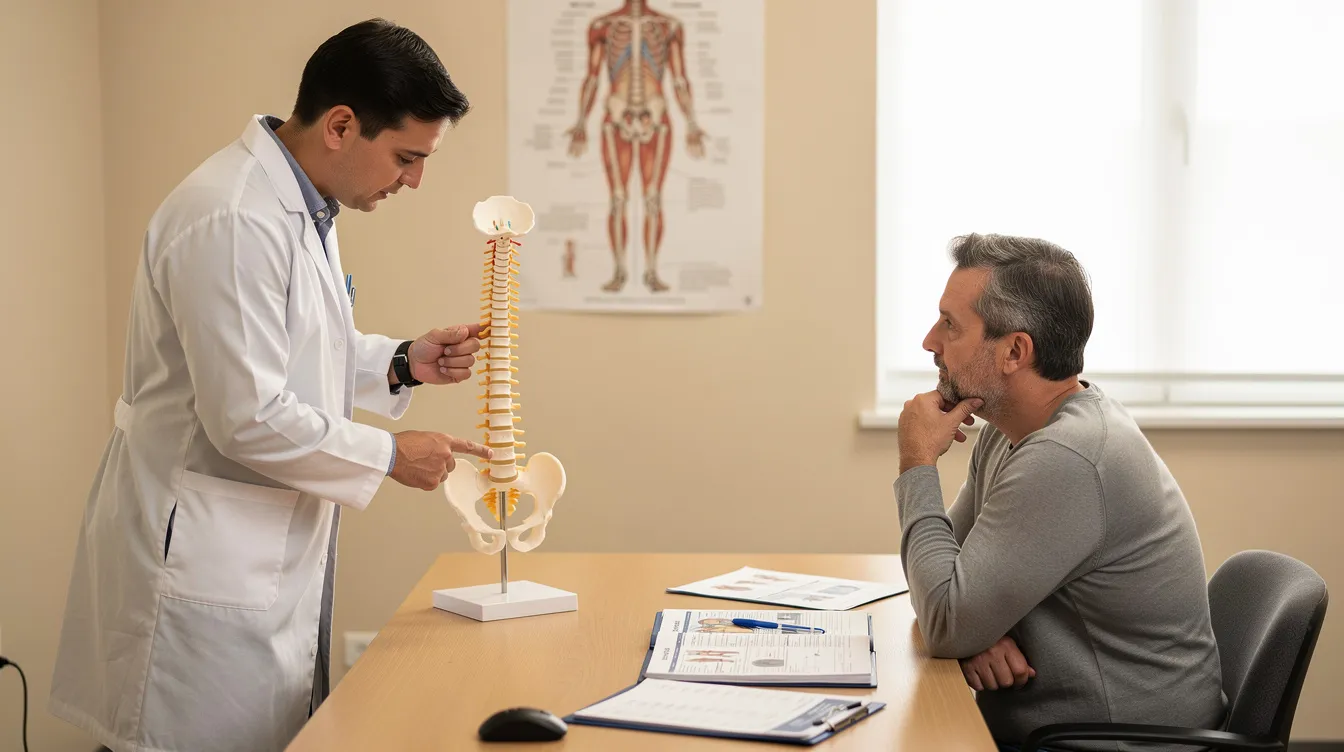
After your initial assessment – typically at a second visit – your chiropractor reviews all findings: X-rays (if taken), posture analysis results, and examination notes. They connect these findings directly to your symptoms, explaining what’s happening structurally and how it relates to how you feel.
Care plans are then structured in phases:
-
Weeks 1–6: More frequent visits (typically 2–3 times per week) for initial correction. This is the intensive phase where the biggest changes happen.
-
Re-assessment: Around 4–6 weeks, progress is measured – pain levels, range of motion, posture metrics. Adjustments to the plan are made based on objective findings.
-
Tapering: As stability improves, visit frequency reduces. Many patients move to once weekly, then fortnightly, then monthly maintenance.
Plans are tailored to your goals and life constraints. Whether you want to run a marathon, carry your children without pain, or simply avoid future flare-ups, the timeline reflects what’s realistic for your situation, work schedule, and family commitments. Chiropractic treatment includes personalized care plans based on assessments – there is no one-size-fits-all protocol.
What a Typical Adjustment Session Looks Like
A standard adjustment visit follows a focused structure:
-
Quick check-in: How have you felt since the last visit? Any new symptoms, changes in activity, or improvements in movement?
-
Posture or movement re-test: A brief assessment to identify what’s improved and what still needs attention.
-
Adjustments: Spinal adjustments restore function using techniques appropriate for your body and condition. Common methods include Diversified-style manual adjustments, instrument-assisted techniques, and drop-table methods. Spinal manipulation is not the only method used in chiropractic care – the chiropractor selects what works best for you.
-
Home-care reminders: Brief coaching on stretches, mobility drills, or ergonomic adjustments to reinforce clinical progress.
Spinal manipulation can cause temporary soreness or stiffness – this is normal and typically resolves within 24–48 hours. Chiropractic care includes tailored exercises for lasting strength, ensuring that the work done in the clinic carries over into your daily life.

Home Care, Lifestyle, and Ergonomics
Total health chiropractic requires active participation between visits. Home stretches, strength work, posture habits, and movement breaks are essential – improving spinal mobility safely is something you practise daily, not just during appointments. Chiropractors provide ergonomic coaching for daily habits, and chiropractors may recommend exercises for posture improvement that integrate seamlessly into your routine.
For Singapore life specifically:
-
Laptop height: Elevate your screen to eye level using a stand or stack of books – especially in HDB home offices
-
MRT posture: When standing, distribute weight evenly and avoid looking down at your phone for the entire ride
-
School bags: For parents, check that children’s bags sit centred with both straps – asymmetric loading creates early spinal habits
-
Movement breaks: Set a timer for every 45 minutes of sitting and stand, stretch, or walk for 2–3 minutes
Everton Chiropractic supports patients between visits with guidance on correcting posture and practical tips tailored to local living conditions. Chiropractors use tailored exercises to enhance mobility as part of a comprehensive home care programme.
Progress is rarely perfectly linear – and that’s normal. Let’s look at how total health chiropractic compares to other options so you can make an informed decision.
Making Sense of Options: Total Health Chiropractic vs Other Approaches
Singaporeans have many options for managing musculoskeletal issues: physiotherapy, Traditional Chinese Medicine (TCM), massage, medication, and surgical consultations. Understanding where total health chiropractic fits helps you decide what combination – if any – makes sense for your situation.
How Total Health Chiropractic Compares to Other Care Options
|
Criterion |
Total Health Chiropractic |
Short-Term Symptom-Based Care |
Purely Passive Therapies (Massage, TCM) |
|---|---|---|---|
|
Primary focus |
Spine alignment, posture, nervous system function |
Pain reduction for current episode |
Muscle relaxation, symptom relief |
|
Typical duration |
Weeks to months of corrective care, then maintenance |
A few sessions until pain subsides |
Ongoing as needed |
|
Patient involvement |
High – home exercises, posture habits, lifestyle changes |
Low to moderate |
Low – treatment is done to you |
|
Posture/spine emphasis |
Central to care |
Minimal |
Not typically addressed |
|
Preventive potential |
High – aims to reduce recurrence |
Low – re-injury common |
Moderate for stress/tension |
|
Cost pattern (6–12 months) |
Front-loaded then tapering |
Episodic spikes with each flare-up |
Steady ongoing cost |
For a deeper comparison, explore how chiropractic care compares to physiotherapy for back pain and how TCM and chiropractic adjustments differ for chronic pain.
Research shows spinal manipulation plus lordosis restoration yielded better outcomes over standard physiotherapy for chronic low back pain cases where spinal curve loss was a factor. However, not all health conditions are suitable for chiropractic treatment – severe cases like acute disc herniation with neurological deficit or spinal stenosis with red-flag signs require medical or surgical evaluation first.
Choosing the Right Chiropractor in Singapore for Total Health
When evaluating clinics, use this checklist:
-
Assessment process: Does the clinic conduct a thorough spinal examination, posture analysis, and neurological tests – or jump straight to treatment?
-
Transparent explanation: Are X-ray findings and posture results explained clearly? Do you understand why care is recommended?
-
Realistic timelines: Does the chiropractor give specific expectations for visit frequency, milestones, and when to reassess?
-
Function focus: Is the plan built around restoring movement and posture – or just reducing pain scores?
-
Communication comfort: Do you feel heard? Can you ask questions without being rushed?
-
Credentials: Chiropractors hold a recognized qualification in chiropractic care. Since chiropractic in Singapore is not statutorily regulated by MOH but self-regulated through professional associations, verify membership in bodies like the Alliance of Chiropractors or Chiropractic Association Singapore.
Everton Chiropractic meets these criteria through its structured assessment process, evidence-informed care, transparent pricing (introductory visit at SGD 58), and clear emphasis on long-term outcomes. Ask any clinic you’re considering: “How will you measure my progress beyond pain levels?”
Common Challenges and How Total Health Chiropractic Addresses Them
Starting chiropractic care can raise legitimate questions. Here are the most common concerns people in Singapore have – and honest, practical answers.
“I’m Nervous About the ‘Cracking’ Sounds”
The popping sound during an adjustment is called cavitation – a release of gas from the joint fluid when the joint is moved. It’s a normal byproduct, not an indicator of success or danger. Many effective adjustments produce no sound at all. Understanding what actually happens during an adjustment can ease anxiety significantly.
For patients who prefer quieter techniques – especially elderly or anxious individuals – instrument-based methods, drop-table techniques, and gentle mobilisation are available. Every adjustment begins with consent and a clear explanation. You’re always in control.
“Will I Need to Come Forever?”
This is perhaps the most important question to address transparently. The answer: no – but some patients choose ongoing maintenance because it works for them.
Care typically begins with an intensive corrective phase (2–3 visits per week for 4–6 weeks), then tapers as your spine stabilises. Re-assessments determine when frequency reduces. In published CBP case reports, patients achieved ~14° improvement in cervical lordosis and ~12 mm reduction in forward head posture over approximately 40 treatments in 16 weeks, then maintained results with about 1.5 visits per month over 1–2 years.
In a high-stress, sedentary city like Singapore, periodic maintenance makes practical sense – similar to dental check-ups – but continuation is always the patient’s choice. For guidance on visit frequency, see how often to see a chiropractor for optimal health.
“I’ve Tried Many Therapies and Still Hurt”
If you’ve bounced between massage, painkillers, and generic exercises without lasting relief, the frustration is understandable. Total health chiropractic differs by addressing structure, movement, habits, and lifestyle together – not just one piece at a time. Chiropractic care can help improve chronic pain conditions by looking at the underlying biomechanics, not just the symptom.
Be realistic: long-standing problems rarely resolve overnight. For forward head posture, research shows approximately 18 sessions over 6 weeks to achieve measurable correction, with results maintained at 3 months. For lumbar lordosis restoration, timelines extend to 3–6 months of regular treatment with periodic reassessment. Chronic or multi-site cases may require 9–12 months. These are honest numbers – not marketing promises.
Chiropractic techniques can aid in rehabilitation from sports injuries as well, though the approach looks different from acute pain cases. The key is matching the treatment intensity and timeline to the complexity of your condition.
Managing Expectations for Aging-Related Issues
For older adults and their caregivers: total health chiropractic aims for realistic, meaningful goals. Chiropractic care helps elderly patients maintain mobility, and gentle care is tailored for elderly patients to enhance daily life. The goal isn’t reversing decades of degeneration – it’s maintaining independence, improving walking tolerance, reducing fall risk, and supporting the ability to perform daily tasks comfortably.
In posture-focused trials with elderly participants, CBP-based care was superior to exercise alone in maintaining forward head posture improvement at 3 months. Improvements in balance scores were noted as secondary outcomes – directly relevant to fall prevention.
With the right expectations, consistent participation, and a supportive team, total health chiropractic can be a strong pillar in long-term wellbeing at any age.
Conclusion and Next Steps
Total health chiropractic is an integrated approach to spine, posture, and movement that supports long-term wellness for people in Singapore. It’s not a quick fix – it’s a structured process that addresses why your body hurts, not just where.
Everton Chiropractic delivers this through thorough assessment, tailored care plans, lifestyle support, and a philosophy that rejects the idea that physical decline is simply “normal aging.” Whether you’re dealing with neck pain, sciatica, shoulder pain, or want to explore how better spinal alignment could impact your overall health, the starting point is the same: a proper evaluation and an honest conversation.
Your next steps:
-
Self-check your posture in a mirror from the side – note where your ear sits relative to your shoulder and hip
-
Track your pain and stiffness for one week – note what makes it better or worse, and how it affects your daily activities
-
Book a first visit at Everton Chiropractic (introductory visit at SGD 58) for a comprehensive spinal examination and posture analysis
-
Bring your questions and goals to the appointment – the more specific, the better your chiropractor can tailor your plan
-
Explore related topics that connect to your situation, whether that’s tech neck relief for office workers or understanding the difference between massage and chiropractic for neck pain
If you’re ready to understand what’s really going on with your spine and start working toward lasting improvement, reach out to Everton Chiropractic via their website or email to schedule your introductory visit.
Additional Resources for Total Health and Chiropractic Care
To support your journey between visits – or before you even book one – here are practical resources worth exploring:
-
8 Best Ways to Correct Posture – actionable tips you can start today, no equipment needed
-
Daily mobility routine – even five minutes of targeted stretching in the morning makes a measurable difference to spinal stiffness throughout the day
-
Workstation ergonomics checklist – screen height, chair adjustment, keyboard position, and movement break timing for Singapore’s office workers and home-based professionals
-
Core Stability and Spine Health Guide – understanding how your core supports your spine long-term
Everton Chiropractic publishes educational content – blog posts, guides, and practical tips – targeted to common local issues like MRT commuting posture, HDB home office setups, and managing tension from Singapore’s demanding work culture.
You don’t have to implement everything alone. A good chiropractor partners with you over time for realistic, sustainable change – and that’s exactly what a total health approach is designed to deliver.