
Introduction
There are 21 scientifically-backed hidden connections between your spine, muscles, posture, and the frequent migraines that disrupt your daily life. If you experience recurring migraine headache episodes and have tried medication after medication without lasting relief, the root cause may not be inside your skull – it may be running down your cervical spine.
This guide covers the spinal health, postural, and musculoskeletal factors that trigger migraines, focusing specifically on connections most people – and many healthcare providers – overlook entirely. It does not cover purely neurological causes requiring medical intervention such as stroke symptoms, vision loss, or difficulty speaking, which always warrant immediate medical attention. The target audience is Singapore adults experiencing frequent migraines, particularly those with desk jobs, heavy mobile phone use, or poor posture who want answers beyond pain medicine.
The direct answer: Poor spinal alignment creates a cascade of 21 interconnected issues that trigger migraines through nerve compression, blood flow disruption, and chronic muscle tension in the head and neck. Addressing these connections at their source – rather than masking headache pain with certain medications – is the key to meaningful, lasting relief.
Here’s what you’ll gain from this guide:
-
Identification of your specific migraine triggers among 21 documented spinal and postural connections
-
A clear understanding of how your cervical spine directly influences migraine pain
-
Practical correction methods you can begin implementing today
-
Guidance on when to seek professional chiropractic care
-
Prevention strategies tailored for Singapore office workers and mobile device users
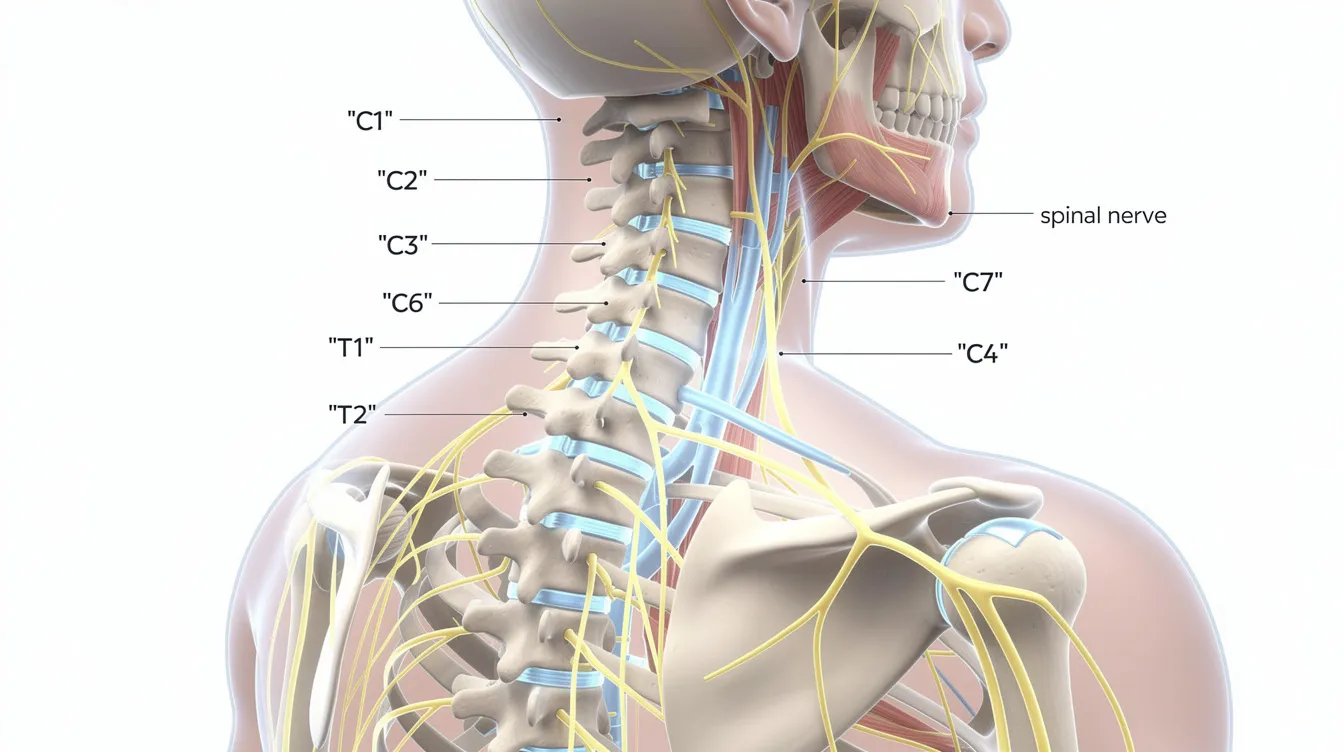
Understanding Frequent Migraines, Migraine Symptoms, and Spinal Health
Chronic migraine can occur with 15 or more headache days per month, as defined by the International Classification of Headache Disorders (ICHD-3). This is fundamentally different from an occasional bad headache. Migraine attacks can last from 4 to 72 hours and frequently involve nausea, migraine aura, sensitivity to light, and tingling or numbness. Migraine affects one in five women and one in 16 men, and frequent migraines are linked to various health issues including depression, anxiety, and chronic pain conditions.
What most people don’t realize is that the musculoskeletal system – particularly the neck, upper back, and jaw – plays a central and often unrecognized role. Many migraine sufferers report neck pain and stiffness as a common symptom, yet clinical approaches typically focus on neurovascular or hormonal explanations, overlooking the structural causes that may be perpetuating the cycle. Chronic pain conditions are more frequent among migraine sufferers, and many migraine triggers involve a combination of factors instead of a single cause.
The Spine-Brain Connection
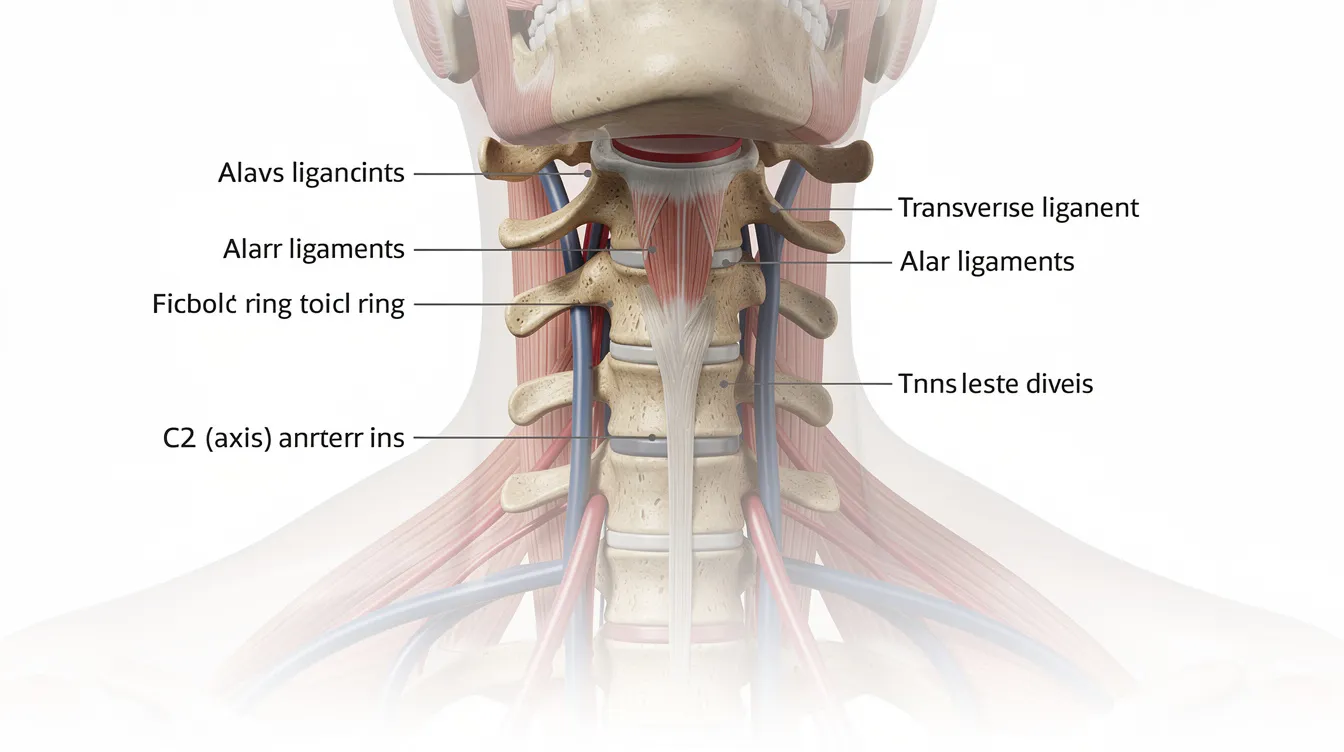
Your upper cervical spine – the C1 (atlas) and C2 (axis) vertebrae – sits in intimate proximity to your brainstem, major arteries, venous sinuses, and cerebrospinal fluid (CSF) pathways. This region is essentially the bridge between your nervous system and your brain. When these vertebrae are misaligned, even subtly, they can distort or compress the vertebral arteries and alter CSF flow dynamics.
The critical mechanism at play is the trigeminocervical complex. Upper cervical nerves (C1-C3) and trigeminal nerve afferents converge in this complex, meaning that nociceptive signals – pain signals – from your neck structures can directly activate or amplify migraine pathways. When you feel that familiar tension creeping from your neck into your temples, this convergence is exactly what’s happening.
Observational pilot studies of atlas realignment have shown improvements in intracranial compliance, reductions in venous outflow pulsatility, and measurable changes in CSF dynamics that correlated with reduced migraine days.
Why Traditional Treatments Miss the Mark: Medication Overuse Headaches
Symptom-only approaches – triptans, NSAIDs, Botox injections, and other abortive therapies – target downstream manifestations of migraine pain. They address the headache itself but not the upstream contributors: joint mechanics, nerve irritation, postural dysfunction, or chronic muscle tension in the soft tissues of your neck and shoulders. Medication overuse headaches occur if painkillers are taken over 14 days a month, creating a vicious cycle where the treatment itself can worsen migraines.
A meta-analysis of musculoskeletal impairments in migraineurs found that these patients consistently demonstrate reduced cervical range of motion, forward head posture, increased neck pain, and decreased spinal mobility – phenomena largely ignored in traditional neurology-based treatment paradigms. Structural or postural issues persist and create recurring migraine patterns when the root cause remains unaddressed. This is why lifestyle changes and treatment of comorbid conditions can improve migraine management far more effectively than medication alone.
Understanding these structural connections leads us to the 21 specific hidden links that may be driving your migraines.
The 21 Hidden Connections Revealed
Now that the spine-brain connection is established, let’s systematically break down every documented pathway through which your musculoskeletal system can trigger migraines. These 21 connections are grouped into three categories: cervical spine misalignments, muscle tension and trigger points, and postural and lifestyle factors. Most frequent migraine sufferers have multiple active connections operating simultaneously.
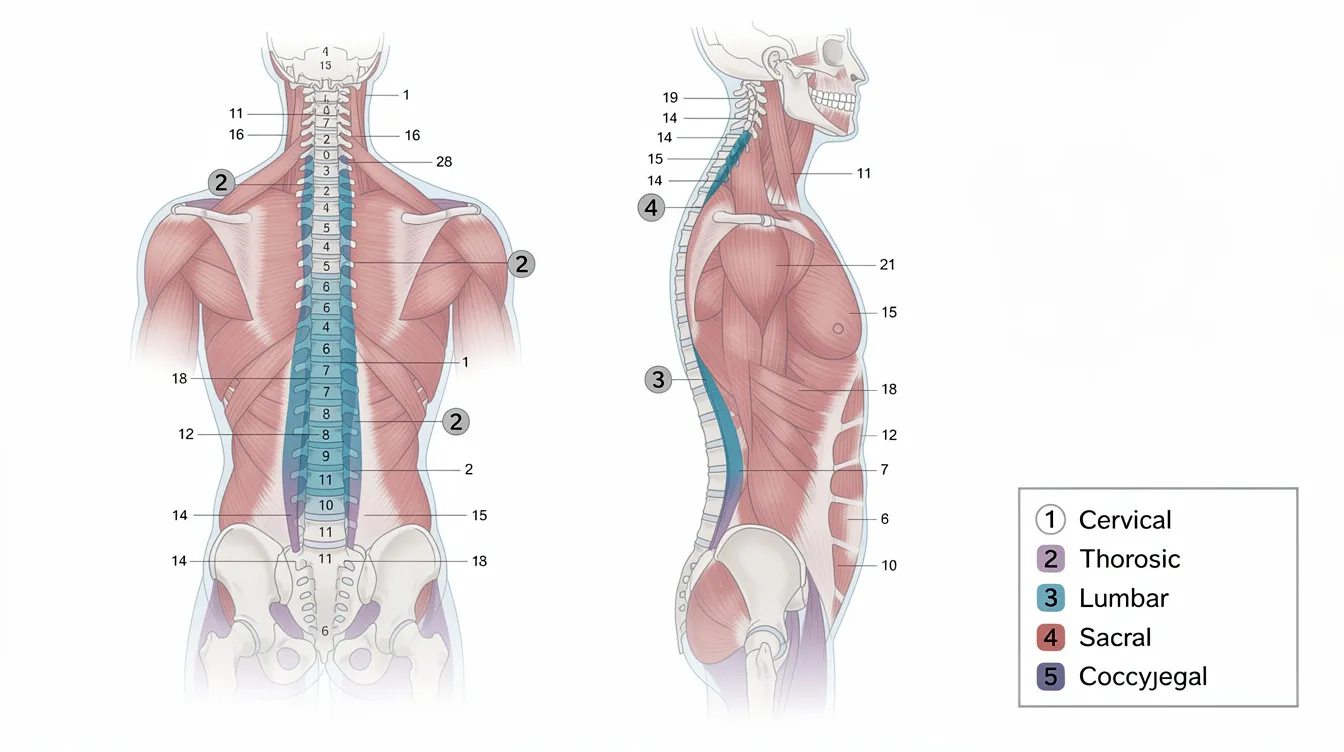
Cervical Spine Misalignments (Links 1-7)
1. C1 (Atlas) Misalignment The atlas vertebra, sitting directly beneath your skull, is the most consequential single structure for migraine sufferers. A pilot study using the NUCCA (National Upper Cervical Chiropractic Association) protocol on migraineurs demonstrated clinically significant reductions in headache days, alongside MRI-measured changes in intracranial compliance. While average group changes weren’t statistically significant due to small sample size, individual responders showed dramatic benefits.
2. C2 (Axis) Rotation or Dysfunction The atlanto-axial joint (AAJ) between C1 and C2 is commonly implicated in cervicogenic headache, which produces symptoms similar to migraine. Pain from AAJ dysfunction can refer to the occipital region, periorbital area, vertex, and forehead – essentially mimicking severe migraine patterns. Injection case series targeting this joint confirm that its irritation directly contributes to headache pain.
3. Lower Cervical Vertebral Compression (C3-C7) A retrospective cohort study of 27,930 people with cervical spondylosis found they had a substantially higher migraine incidence over approximately six years: 5.16 vs. 2.09 per 1,000 person-years in controls, with an adjusted hazard ratio of approximately 2.03. Those with cervical spondylotic myelopathy – more advanced degeneration that can include bone spurs – had even greater increased risk (HR ~2.19). This confirms that structural degenerative changes in the lower cervical spine significantly contribute to migraine development.
4. Loss of Cervical Lordosis Your cervical spine should maintain a gentle C-shaped curve (lordosis). Loss of this curve – often caused by forward head posture from extended screen time – fundamentally changes the biomechanics of your upper neck. A cadaveric biomechanical study showed that forward head posture increases extension at the occiput-C1 and C1-C2 segments, shortens suboccipital muscles, and reduces the suboccipital triangle area by approximately 18.7%, increasing tension on nerves like the greater occipital nerve.
5. Craniocervical Joint Dysfunction Both the AAJ and the occipitoatlantal (OA) joints can develop dysfunction that produces headache patterns overlapping significantly with migraine. These joints sit at the critical juncture where your skull meets your spine, and their irritation feeds directly into the trigeminocervical complex. Steroid injection case series confirm that joint-level inflammation here generates pain indistinguishable from migraine in many patients.
6. Atlas-Axis Misalignment with Vascular Compression In rare cases, misalignment of the first cervical vertebra can cause mechanical compression of the vertebral arteries. A documented case report of a 75-year-old patient showed resolution of migraines and other symptoms – including signs suggestive of vertebral artery compression – following chiropractic adjustment. This represents the more extreme end of how cervical misalignment can disrupt blood flow and trigger migraine headache episodes.
7. Intracranial Compliance Changes Atlas correction studies using PC-MRI imaging before and after intervention have shown altered cerebral venous outflow patterns, decreased pulsatility, and changes in CSF flow at the C1 vertebra. These measurable changes in how your brain manages fluid dynamics directly contribute to migraine improvement, suggesting that your cervical alignment influences brain physiology in ways far more profound than most people realize.
Muscle Tension and Trigger Points (Links 8-14)
The neck muscles and surrounding soft tissues harbor myofascial trigger points (MTrPs) – hyperirritable spots within taut muscle bands that refer pain to distant locations, including across your head and temples. These trigger points are remarkably prevalent in migraine sufferers and can both trigger migraines and amplify their intensity.
8. Suboccipital Muscle Trigger Points The small muscles at the base of your skull are among the most significant migraine contributors. Research confirms that many migraineurs have active MTrPs in suboccipital muscles that generate referred pain throughout the head, directly contributing to increased pain intensity, duration, and frequency. These muscles are particularly vulnerable to strain from prolonged mobile phone use and computer work.
9. Upper Trapezius Trigger Points Your upper trapezius – the large muscle spanning from your shoulder blades to the base of your skull – is one of the most commonly affected muscles in migraine patients. RCTs have demonstrated that soft tissue treatment and deactivation of upper trapezius trigger points reduced frequency, severity, and intensity of migraine attacks. This muscle bears the brunt of stress-related tension and poor posture, making it a critical link for office workers.
10. Sternocleidomastoid (SCM) Involvement The SCM muscles – the prominent bands running along the front of your neck – produce trigger points that reproduce headache pain in frontal, temporal, and even orbital regions. A 2026 RCT found that deactivation of SCM trigger points through dry needling and soft tissue therapy reduced medication use and improved pain parameters. Cell phone usage is a primary culprit, as holding your phone between ear and shoulder or looking down for long periods overloads these muscles and creates additional strain.
11. Scalene Muscles The scalene muscles along the sides of your neck contribute to headache through chronic tension and trigger point activation. While fewer direct studies exist specifically for scalenes and migraine, these muscles are consistently included in multimodal soft tissue treatment protocols that successfully reduce trigger point pain and headache frequency. Shallow chest breathing – a common consequence of stress – increases accessory muscle use including the scalenes, elevating tension throughout the neck.
12. Temporalis and Masseter (Jaw Muscles) Active trigger points in the temporalis and masseter muscles correlate with greater migraine duration and intensity. Patients often report jaw clenching, TMJ dysfunction, and facial tension during migraine attacks. Studies comparing migraineurs and controls found that active MTrPs in temporalis and masseter are highly prevalent among those who develop migraine, making jaw tension both a risk factor and an amplifier.
13. Splenius Capitis and Cervicis These posterior neck muscles frequently develop trigger points and chronic tension in migraine patients, especially under sustained postural strain. EMG research shows that migraineurs with active trigger points in splenius capitis and upper trapezius demonstrate altered muscle activation patterns during low-load flexion tasks – meaning these muscles are essentially misfiring even during simple daily movements, perpetuating the pain cycle.
14. Levator Scapulae and Deep Facial Muscles The levator scapulae – running from your upper shoulder blades to your upper cervical spine – contributes to neck and occipital tension that feeds into migraine pathways. Combined with facial muscle involvement (masseter and temporalis), these muscles create referred pain networks spanning from the base of the skull across the temples and forehead. They are repeatedly identified in soft tissue treatment meta-analyses as contributing factors in chronic migraine.
Postural and Lifestyle Factors, Including Cell Phone Usage (Links 15-21)
The final seven connections address the daily habits and environmental factors that create cumulative physical strain on your spine, ultimately causing pain and triggering migraine cycles. These are the connections most within your immediate control.
15. Forward Head Posture This is perhaps the single most impactful postural factor. A study comparing 39 migraineurs with 44 controls found that migraine patients had dramatically increased forward head positioning: fleche cervicale (forward head translation) was approximately 57.7 mm vs. 40.0 mm in controls. This poor posture was directly correlated with neck disability and headache impact scores. Every hour spent looking down at mobile devices pushes your head further forward, increasing the load on cervical structures. To practice good posture is not merely cosmetic advice – it’s migraine prevention.
16. Rounded Shoulders and Thoracic Kyphosis The same study found that thoracic kyphosis was significantly greater in the migraine group (~57.39° vs. 38.21°). Rounded shoulders and increased upper back curvature create a cascading postural chain effect: the thoracic curve increases, the cervical spine compensates with forward translation, and the suboccipital muscles shorten – directly connecting this postural issue to Links 4, 8, and 15 simultaneously.
17. Jaw Clenching and TMJ Stress Bruxism – chronic jaw clenching, often unconscious – increases tension throughout the temporalis, masseter, and SCM muscles. Stress is a known trigger for migraine attacks, and jaw clenching is one of the most common physical manifestations of that stress. This creates a feedback loop: stress triggers clenching, clenching activates trigger points, and trigger points trigger migraines.
18. Sleep Position Sleep changes can trigger migraine attacks, and sleeping with your neck unsupported or in awkward rotation exacerbates cervical joint strain and activates trigger points. Chronic migraines may result from unrecognized sleep disorders, and the physical positioning during sleep directly impacts whether your cervical spine recovers or accumulates additional strain overnight.
19. Ergonomic Setup Desk jobs with prolonged screen time, low monitors, and poorly adjusted chairs are among the most common causes of sustained cervical flexion and upper trapezius/SCM overload. A 2025 RCT demonstrated that cervical stabilization exercise training – even delivered via telerehabilitation – significantly reduced migraine pain, disability, and forward head posture while improving cervical mobility. If you’re spending eight or more hours daily at a poorly configured workstation, your ergonomic setup is actively causing pain and worsening your neck.
20. Exercise Habits Poor neck and upper back muscle endurance and motor control imbalance lead to muscle fatigue and weakened deep neck flexors. When these stabilizing muscles fail, compensatory overuse of superficial muscles (SCM, upper trapezius) increases tension and trigger point formation. EMG studies show altered activation patterns in migraineurs: lower normalized RMS in neck flexors and higher in extensors during simple tasks. Regular physical activity targeting these muscle groups is essential prevention. Migraines tend to worsen in sedentary individuals precisely because of this muscle imbalance.
21. Breathing Patterns, Stress, and Autonomic Factors Shallow chest breathing increases accessory muscle (scalenes, SCM) use, elevating baseline tension in muscles already predisposed to trigger point formation. Stress causes sustained muscle holding that creates MTrPs. Stress also increases sympathetic nervous system drive, which interacts directly with the trigeminovascular system – the primary pathway for migraine initiation. Dehydration may trigger migraine attacks, and barometric pressure and weather changes represent additional environmental factors that compound these autonomic vulnerabilities. Effective stress management is therefore not optional for migraine sufferers – it’s a core treatment strategy.

Advanced Assessment and Chiropractic Solutions
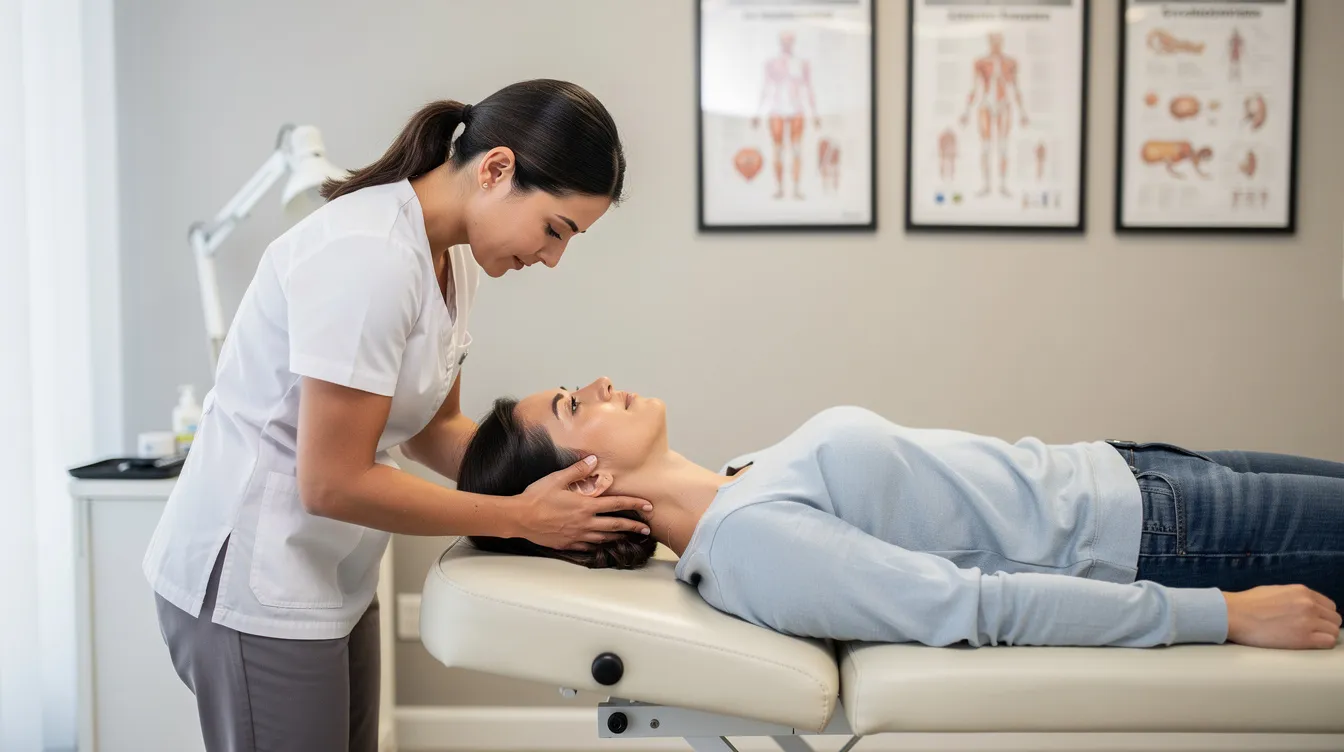
With all 21 connections identified, the question becomes: which ones are active in your case, and how do you address them? Chiropractic care focuses on spinal alignment and posture correction, and chiropractors treat musculoskeletal issues like neck and back pain that underlie many of these 21 links. A comprehensive professional assessment is the most effective way to determine your specific pattern.
Professional Spinal Assessment Process
A comprehensive evaluation is needed when migraines are frequent (≥4 days per month), when you notice neck pain consistently preceding or accompanying attacks, or when medication alone provides inadequate relief. Preventive treatment may include daily oral medication or monthly injections, but understanding structural contributors gives you more options. Here’s what a thorough spinal assessment involves:
-
Postural analysis – Evaluation of standing and sitting posture, measuring craniovertebral angle (tragus to C7) and forward head translation. Clinical cutoffs: CVA below ~37.3–37.8° and forward translation exceeding ~15.9 cm in sitting are considered abnormal.
-
Active range of motion testing – Cervical flexion, extension, lateral flexion, and rotation compared to normative values, noting where mobility is restricted.
-
Segmental joint mobility assessment – Identifying stiffness or hypomobility in upper cervical segments (occiput-C1, C1-C2) and lower segments (C3-C7).
-
Muscle function testing – Cranio-cervical flexion test for deep neck flexor endurance, assessment of muscle activation patterns, and strength testing of key stabilizing muscles.
-
Trigger point mapping – Systematic palpation for active myofascial trigger points in suboccipital, SCM, upper trapezius, and temporalis muscles, including pressure pain threshold measurement and reproduction of headache referral patterns.
-
Neurological screening – Ruling out red flag causes, imaging if structural anomalies are suspected, and assessment of sensation and reflexes if nerve root or vascular involvement is a concern. Migraine with aura increases the risk of cardiovascular diseases, making thorough screening especially important.
Self-evaluation checklist – While professional assessment is recommended, ask yourself: Do you notice neck stiffness before migraines? Does your headache pain start at the base of your skull? Do you clench your jaw during stress? Is your screen time exceeding 6 hours daily? Does phone usage consistently precede episodes? Tracking migraine days in a diary can help manage triggers and identify which of the 21 connections are most relevant to you.
Chiropractic Treatment Approaches
Different treatment approaches target different connections among the 21 identified links. Here’s how they compare:
|
Treatment Type |
Target Connections |
Expected Timeline |
Evidence for Migraines |
|---|---|---|---|
|
Spinal adjustments (upper cervical) |
Links 1-7 (cervical misalignment) |
4-12 weeks for initial improvement |
Case studies show significant reduction in migraine days; one patient with 12-year chronic migraines achieved complete recovery over 3 months of Atlas Orthogonal care |
|
Soft tissue therapy / trigger point release |
Links 8-14 (muscle tension/TrPs) |
2-6 weeks for measurable change |
RCTs show reduced frequency, severity, and medication use; improvements lasting up to one month post-intervention |
|
Postural correction programs |
Links 15-16 (FHP, kyphosis) |
6-12 weeks for structural change |
RCT demonstrated significantly improved craniovertebral angle and reduced migraine disability |
|
Exercise therapy (cervical stabilization) |
Links 13, 14, 20 (muscle imbalance) |
4-8 weeks with consistent practice |
Telerehab RCT showed greater improvements in pain frequency, intensity, duration, and cervical mobility |
|
Ergonomic guidance + lifestyle modification |
Links 17-21 (daily habits) |
Immediate implementation, cumulative benefit |
Supports all other interventions; prevents recurrence |
Evidence suggests that combining spinal manipulation with dry-needling or trigger point release and exercise therapy yields greater clinical improvements than any isolated modality. In patients whose stress, behavior patterns, or medication reliance help sustain migraine cycles, multimodal care may also include psychological support such as CBT, motivational interviewing, or support groups. RCTs show a combined approach produced mean reductions of approximately 2.05 headache days per month, 1.35 severity points, and 19.35 hours of total monthly headache duration. Chiropractic adjustments can alleviate tension headaches and migraines, and chiropractic care may improve overall movement and function.
The most important insight is that addressing all relevant connections – not just one or two – produces the most sustainable results. A patient who receives spinal adjustments but continues to spend 8 hours daily with poor posture and chronic stress will likely see migraines return.
Common Challenges and Solutions
Addressing the root causes of frequent migraines through structural and musculoskeletal approaches isn’t always straightforward. Here are the most common obstacles patients encounter.
Skepticism About Chiropractic Care
Many migraine sufferers – particularly those who have tried numerous treatments – are understandably skeptical. The evidence base is growing but nuanced: while a systematic review of spinal manipulative therapy alone showed very low certainty evidence for isolated manipulation, combined approaches (adjustment + soft tissue therapy + exercise) demonstrate significantly stronger results. Genetic factors contribute to migraine susceptibility in families, and some patients find their family members respond differently to treatment. The key is understanding that chiropractic care works best as part of a comprehensive, multi-modal approach – not as a standalone magic fix. If you’re considering whether professional care is right for you, understanding how often to see a chiropractor helps set realistic expectations.
Inconsistent Results from Treatment in Chronic Migraine
Migraine is associated with mental health disorders like depression and anxiety, and these chronic conditions can influence treatment response. Inconsistent results typically occur when patients address only a subset of their active connections. Someone who receives excellent upper cervical care (Links 1-7) but ignores their trigger points (Links 8-14) or continues damaging postural habits (Links 15-21) will see partial, inconsistent improvement. The solution is a comprehensive approach: combine adjustments with lifestyle changes, stress management, adequate hydration, and a balanced diet – which can help reduce migraine frequency. Skipping meals can lead to migraine attacks, and hormonal changes can trigger migraine attacks in women, so addressing these other symptoms and risk factors simultaneously is essential. Epilepsy and migraines have a bidirectional relationship, and migraines frequently co-occur with neurological and immune disorders, so coordinating with other healthcare providers may be necessary for complex cases.
Difficulty Maintaining Postural Changes
This is the most common challenge for Singapore office workers. After years of poor posture, your body’s default patterns are deeply ingrained, and maintaining corrections requires conscious effort and environmental support. Practical solutions include:
-
Set hourly reminders on your phone to check posture and take micro-breaks (digital wellbeing features and specific apps can help; some third party apps or other apps designed for this purpose track time spent in poor positions)
-
Position your monitor at eye level and keep your keyboard at elbow height to prevent neck flexion
-
Use a headset or earbuds instead of holding your mobile phone against your shoulder during calls
-
Limit continuous phone use to under one hour before taking a movement break
-
Practice cervical stabilization exercises for 10-15 minutes daily – the evidence shows these produce measurable improvements even when delivered remotely
-
Consider a posture corrector as a training tool while building new habits
For Singapore specifically, where long commutes on public transport often mean extended periods looking down at mobile devices, being conscious of head position during travel is a simple but effective intervention to prevent neck pain, and prolonged downward phone use is increasingly a public health concern because of its widespread effects on pain, function, and daily life.
Conclusion and Next Steps
Frequent migraines rarely have a single cause. They stem from an interconnected web of 21 spinal, muscular, and postural factors – from C1 atlas misalignment and trigger points in your suboccipital muscles to forward head posture from daily phone usage and the breathing pattern changes driven by chronic stress. Migraine can affect quality of life and productivity, but understanding these hidden connections gives you a concrete roadmap for addressing the physical strain at its source rather than simply masking each bad headache with pain medicine.
Your immediate action steps:
-
Schedule a professional spinal assessment – Identify which of the 21 connections are active in your case. A consultation at Everton Chiropractic can map your specific pattern and create a targeted treatment plan.
-
Implement ergonomic changes today – Adjust your monitor height, check your chair setup, and reduce sustained mobile phone use in neck-flexed positions.
-
Begin gentle cervical stabilization exercises – Deep neck flexor activation and controlled range-of-motion work can begin improving muscle balance within weeks.
-
Start a migraine diary – Track headache days, noting preceding neck pain, jaw tension, sleep quality, stress levels, food additives consumed, and time spent on mobile devices. Hormonal changes can increase migraine frequency in women, so tracking cycle-related patterns is equally important.
-
Address lifestyle factors – Prioritize sleep hygiene, hydration, regular physical activity, and stress management techniques including diaphragmatic breathing.
If you’re experiencing other forms of spinal issues alongside your migraines – such as chronic neck pain, sports injuries, or age-related mobility concerns – these conditions often share the same structural roots and respond well to coordinated care. Family history of migraine, along with health conditions like sleep disorders and other medical conditions, should be discussed during your diagnostic criteria evaluation.
Everton Chiropractic offers comprehensive spinal assessments designed to identify the specific connections driving your migraines and develop a personalized treatment approach combining adjustments, soft tissue therapy, and postural correction.
Additional Resources
-
Migraine trigger tracking sheet – Record daily headache frequency, intensity (1-10), duration, preceding neck symptoms, jaw tension, sleep quality, dietary triggers (including aged cheeses, many foods with food additives, and flashing lights exposure), and barometric pressure/weather changes
-
Ergonomic setup guide for Singapore office workers – Monitor at eye level, 20-26 inches from face; chair supporting natural lumbar curve; feet flat on floor; keyboard at elbow height; phone at eye level during text messages and browsing
-
Daily cervical spine exercises (10-15 minutes) – Deep neck flexor activation (chin tucks), gentle cervical rotation stretches, upper trapezius and levator scapulae stretches, scapular retraction exercises, and diaphragmatic breathing practice
-
Key research references – Cervical spondylosis and migraine cohort study, Atlas realignment pilot study, Trigger point prevalence in migraineurs, Forward head posture and migraine