Consistent, prioritized recovery is the single most modifiable factor that preserves performance, reduces injury risk, and keeps you active as you age. Not training volume. Not supplements. Recovery. The research is clear: adaptation happens during rest, not during the workout itself. If you skip recovery, you are not just tired — you are accumulating damage faster than your body can repair it.
Start here, today:
- Eat a meal with carbohydrates and protein within 45 minutes of finishing your workout
- Rehydrate with at least 150% of body mass lost after exercise (weigh yourself before and after; for every kilogram lost, drink 1.5 liters).
- Protect one sleep habit tonight: same bedtime, dark room, no screens 30 minutes before
These three steps alone will outperform most recovery gadgets on the market.
Table of Contents
- Why does recovery matter more as you age?
- What are the non-negotiable recovery foundations?
- How do you periodize recovery alongside training?
- What does the 2026 evidence say about recovery tools?
- How does chiropractic care support recovery and longevity?
- A 7-day micro recovery plan for aging active adults
- What are the red flags that recovery is failing?
- Key Takeaways
- Recovery is not optional at any age
- Evertonchiropractic: recovery-focused care for active adults
- Selected sources and further reading
- FAQ
Why does recovery matter more as you age?
Training breaks tissue down; effective rehabilitation often requires professional guidance, such as sportblessures fysiotherapie in Almere, to support proper recovery. Recovery builds it back stronger. Without adequate rest, training produces net loss, not gain. That is not a metaphor — it is the physiology. Muscle protein synthesis, glycogen restoration, inflammation resolution, and nervous-system downregulation from high-cortisol to rest-and-digest all happen during recovery windows, not during the session itself.
Dr. Karin VanBaak of CU Sports Medicine puts it plainly: athletes must transition from a stress state back to a rest-and-digest state between workouts to allow proper healing and strength gains. Skip that transition repeatedly, and the consequences compound.
Insufficient recovery raises the risk of overtraining syndrome, acute injuries like tendonitis and bone stress fractures, chronic soft-tissue damage, and immune compromise. For aging adults specifically, the cost is higher. Sarcopenia — the age-related loss of muscle mass — accelerates when recovery is poor. Muscle fibers decrease in size over time, placing greater load on remaining tissue and slowing repair rates. A 25-year-old can get away with one bad recovery week. A 50-year-old cannot.
Key risks of poor recovery:
- Overtraining syndrome: persistent fatigue, performance plateau, mood disruption
- Acute injuries: tendonitis, shin splints, bone stress reactions from repetitive load
- Immune suppression: higher susceptibility to illness during heavy training blocks
- Accelerated sarcopenia: muscle loss outpacing repair in older adults
What are the non-negotiable recovery foundations?
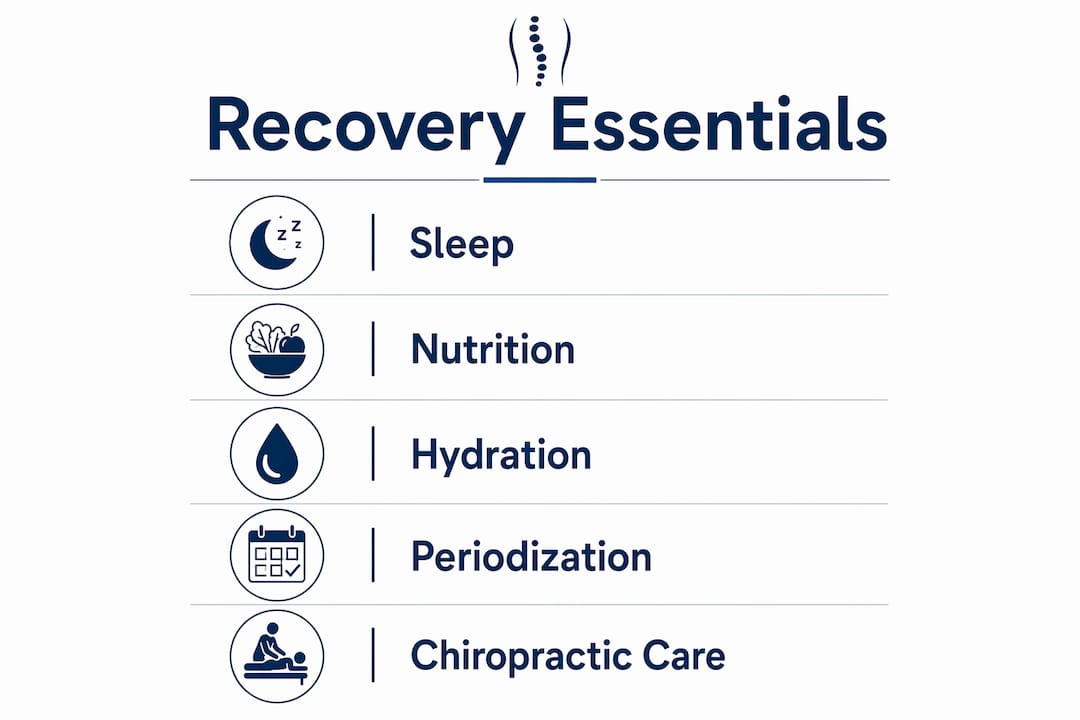
Sleep, nutrition, and hydration account for the majority of recovery potential. Get these right before spending a dollar on any device or therapy. This is not a preference — it is the evidence-based hierarchy.
Nutrition targets
The updated 4Rs framework recommends refueling with carbohydrates at a moderate rate per kilogram of body mass per hour for up to four hours post-exercise to restore glycogen. Pair that with protein to drive muscle repair. For a 70 kg athlete, that means roughly 84 g of carbohydrates in the first hour after training.
| Nutrient | Target | Timing | Example foods |
|---|---|---|---|
| Carbohydrates | ~1.2 g/kg/hr for up to 4 hrs | Start within 45 min | Rice, banana, oats, sweet potato |
| Protein | 20 g per meal | Within 2 hrs post-exercise | Eggs, Greek yogurt, chicken, cottage cheese |
| Pre-sleep protein | Casein-rich option | 30–60 min before bed | Cottage cheese, casein shake, milk |
Older adults with reduced appetite can split portions: a smaller immediate snack (banana + yogurt) followed by a full meal within two hours.
Hydration
Rehydrate adequately after exercise, replenishing more fluid than lost, with sodium included when rapid replacement is needed. Sodium helps retain fluid rather than losing it through urine. A sports drink or salted food alongside water works well.
Sleep
Sleep is where growth hormone peaks and cortisol drops. Aim for 7–9 hours. Consistency in sleep timing matters as much as duration — irregular schedules disrupt the hormonal recovery window even when total hours look adequate.
How do you periodize recovery alongside training?
Recovery must be planned across the training year, not improvised when you feel beaten up. Jason Pullara of Training & Conditioning frames it well: recovery becomes a proactive driver of resilience when it is aligned with training structure, not treated as a reactive afterthought.
A practical weekly structure for aging active adults:
- Monday: Moderate training session. Post-session nutrition within 45 minutes. 7–9 hours sleep.
- Tuesday: Active recovery. 20–30 minutes walking, swimming, or yoga. Mobility work.
- Wednesday: Hard session (strength or intervals). Full refueling protocol. Prioritize sleep.
- Thursday: Light activity or full rest based on subjective fatigue score.
- Friday: Moderate session. Post-session protein and carbs.
- Saturday: Longer or higher-intensity session if feeling recovered. Monitor carefully.
- Sunday: Full rest or gentle movement. Reflect on the week’s fatigue signals.
Monitoring signals to watch:
- Subjective fatigue: rate yourself 1–10 each morning before training
- Sleep quality: waking unrefreshed two or more nights in a row is a flag
- Performance: a 5–10% drop in output across two sessions signals accumulated fatigue
- Mood and motivation: persistent low drive often precedes injury
- Appetite: sudden loss of appetite during heavy training is a stress marker
Pro Tip: If your morning fatigue score is 4 or below on a 10-point scale for two consecutive days, replace the planned hard session with active recovery. Do not push through — the adaptation you are protecting is already at risk.
Because fatigue types differ, match your recovery to the stress: neuromuscular fatigue from heavy lifting needs tissue restoration and load reduction; metabolic fatigue from long cardio needs carbohydrate refueling and light movement.
What does the 2026 evidence say about recovery tools?
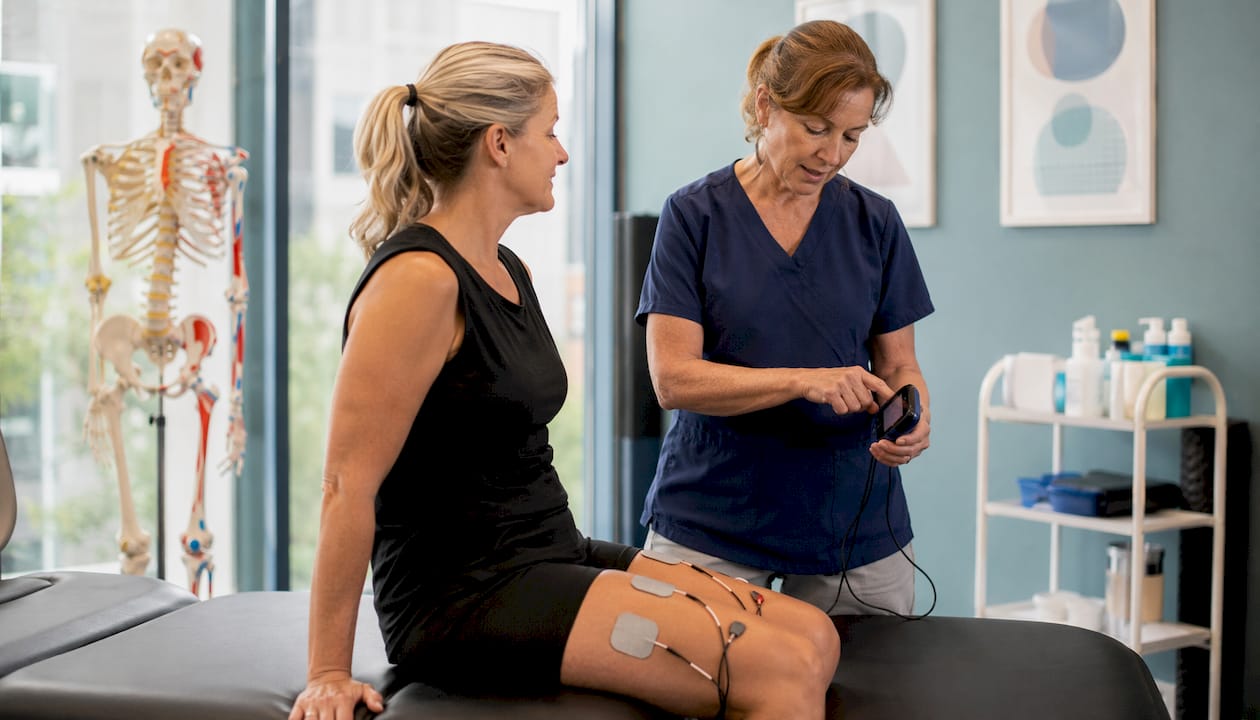
Tools are the icing, not the cake. A 2026 network meta-analysis of post-exercise recovery strategies found modality-specific benefits worth knowing about — but only after foundations are covered.
| Modality | Best evidence for | Aging athlete note |
|---|---|---|
| Far-infrared therapy | CMJ (neuromuscular power) restoration | Low joint stress; suitable for most ages |
| Intermittent negative pressure | Reducing creatine kinase (CK) levels | Specialized; clinic-supervised recommended |
| Cold compression | Reducing perceived muscle soreness | Useful post-competition; avoid during strength phases |
| Compression garments | Endurance recovery, lactate clearance | Easy to use; low risk |
| Contrast water therapy | Endurance performance recovery | Accessible; avoid if cardiovascular concerns |
| Massage / massage guns | Psychological recovery, soreness perception | Combine with active recovery for best effect |
One critical caution: training stress is hormetic by nature. Chronic suppression of inflammation — through repeated ice baths or excessive anti-inflammatory use — can blunt the adaptation signal your body needs to get stronger. Use cold therapy strategically, not daily, and avoid it during dedicated strength-building phases.
How does chiropractic care support recovery and longevity?
Targeted chiropractic care improves joint mechanics, reduces pain, and helps you maintain the training consistency that long-term athletic health requires. When movement is restricted or pain interrupts sleep and training, recovery stalls regardless of how good your nutrition is.
Evertonchiropractic integrates recovery directly into clinical care through:
- Mobility restoration: spinal and joint adjustments to restore range of motion and reduce compensatory loading patterns
- Soft-tissue techniques: targeted work on restricted fascia and muscle tissue to support faster repair
- Neuromuscular re-education: retraining movement patterns after injury or chronic pain to reduce re-injury risk
- Return-to-activity planning: staged progressions that keep you moving without overloading healing tissue
- Co-management guidance: sleep posture, nutrition timing, and load management advice integrated with hands-on care
Seek a chiropractic assessment when you notice persistent range-of-motion loss after two weeks, recurring minor injuries in the same area, pain that disrupts sleep for more than three nights, or training setbacks that do not resolve with standard recovery. These are not signs to push through — they are signals that the recovery system needs clinical support. Shockwave therapy is one additional modality Evertonchiropractic offers for stubborn soft-tissue issues that are slowing recovery.
A 7-day micro recovery plan for aging active adults
A balanced 7-day micro plan preserves adaptation while reducing injury risk. Try it for 4–6 weeks, then reassess your fatigue scores and performance markers.
- Day 1 (Moderate strength): Post-session: rice + chicken within 45 min. Sleep target: 8 hrs. Mobility: hip flexor and thoracic rotation stretches.
- Day 2 (Active recovery): 25-min walk or swim. Foam rolling: quads, calves, upper back. Hydration focus.
- Day 3 (Hard session): Full refueling protocol (carbs + protein). Pre-sleep: cottage cheese. Sleep: 8 hrs minimum.
- Day 4 (Rest or light yoga): Rate morning fatigue. If score is below 5, full rest. Spinal mobility exercises for 10 minutes.
- Day 5 (Moderate cardio): Post-session snack within 45 min. Compression garments if legs are sore.
- Day 6 (Longer session or sport): Monitor output. If performance drops more than 10%, cut session short. Cold compression post-session if soreness is high.
- Day 7 (Full rest): Reflect on week. Adjust next week’s load based on fatigue signals.
Scaling for older adults or those with chronic conditions:
- Reduce hard session intensity by 20% if joint pain is present
- Replace impact cardio with swimming or cycling on active recovery days
- Add an extra rest day if sleep quality was poor for two or more nights
- Consult Evertonchiropractic before progressing load if you have a history of spinal or joint issues
What are the red flags that recovery is failing?
Spot these early. Waiting until you are injured means weeks of lost training, not days.
- Persistent performance decline: output drops across three or more consecutive sessions without an obvious cause
- Chronic soreness: muscles that never fully recover between sessions, lasting more than 72 hours
- Sleep disruption: waking frequently, difficulty falling asleep, or feeling unrefreshed despite adequate hours
- Mood changes: irritability, low motivation, or anxiety that is new or worsening during a training block
- Repeated minor injuries: the same tendon, joint, or muscle keeps flaring — a sign of accumulated load without adequate repair
- Appetite loss: not wanting to eat during heavy training is a stress-response flag, not a willpower issue
What to do:
Immediately cut training volume by 30–50% and prioritize sleep and nutrition for 48–72 hours. If symptoms persist beyond one week, schedule a clinical assessment. Managing overuse injuries early prevents them from becoming chronic. If pain is present, do not self-manage beyond three days without professional input.
Key Takeaways
Recovery is the central driver of athletic longevity: prioritize sleep, nutrition at ~1.2 g carbs/kg/hr, and 150% rehydration before adding any supplemental tools.
| Point | Details |
|---|---|
| Foundations first | Sleep, nutrition, and hydration deliver the majority of recovery gains before any tool adds value. |
| Carb and protein timing | Refuel with ~1.2 g carbs/kg/hr for up to 4 hours post-exercise; add protein for muscle repair. |
| Rehydration target | Drink 150% of body mass lost after exercise, with sodium for rapid fluid retention. |
| Periodize recovery | Schedule deloads, active recovery days, and monitor morning fatigue scores to guide adjustments. |
| Evertonchiropractic | Offers personalized recovery assessments, spinal care, and soft-tissue therapy to support consistent, pain-free training. |
Recovery is not optional at any age
The conventional wisdom treats recovery as passive: rest when you are tired, ice when you hurt. That framing misses the point entirely. Recovery is a skill, and like any skill, it requires deliberate practice and structure.
What most people underestimate is how quickly the cost of poor recovery compounds with age. A 30-year-old can absorb two bad recovery weeks and bounce back. A 55-year-old doing the same thing is looking at a month of subpar performance, a higher injury probability, and a real risk of losing the training consistency that took years to build. The math changes. The strategy has to change with it.
The other thing worth saying plainly: no recovery gadget fixes a sleep deficit. The 2026 meta-analysis showing far-infrared therapy’s benefits for neuromuscular power is genuinely useful information — but only for someone who is already sleeping seven hours and eating enough carbohydrates. Using a device to paper over a foundational gap is one of the most common and expensive mistakes active adults make.
The athletes who stay active into their 60s and 70s are not the ones with the best genetics. They are the ones who learned to treat recovery as seriously as training, built a support system around it, and got clinical help early when something was not resolving on its own.
Evertonchiropractic: recovery-focused care for active adults
Staying active as you age is not just about training harder. It is about recovering smarter, and having the right clinical support when your body needs more than rest alone can provide.
Evertonchiropractic, led by Dr. Richard, offers a recovery-integrated approach to chiropractic care built specifically for active adults who want to keep moving without chronic pain getting in the way. The clinic provides spinal adjustments to restore mobility, targeted soft-tissue and shockwave therapies for stubborn recovery issues, and personalized chiropractic treatment plans that account for your training load, injury history, and long-term goals. For those dealing with persistent pain that is slowing recovery, the clinic’s approach to chronic pain care addresses the root cause rather than masking symptoms.
Book a recovery assessment with Evertonchiropractic to get a clear picture of what is limiting your recovery and a practical plan to address it.
Selected sources and further reading
The following sources informed the evidence base for this article:
- 4Rs Framework of Sports Nutrition (2025): Primary source for post-exercise carbohydrate (~1.2 g/kg/hr) and rehydration (150% body mass lost) targets.
- UCHealth Today: Rest and Recovery for Athletes: Clinical perspective on overtraining risks, immune compromise, and the cortisol-to-rest-and-digest transition.
- Frontiers in Physiology: 2026 Network Meta-Analysis: Modality-specific efficacy data for far-infrared, intermittent negative pressure, and cold compression.
- Training & Conditioning: Multipronged Recovery Approach: Framework for periodizing recovery across the training year; source for the recovery pyramid concept.
- MDPI Sports: Foundations vs Supplemental Interventions: Evidence that sleep, nutrition, and hydration are the primary recovery drivers before tools are layered on.
- Expert Statement on Recovery and Hormesis: Caution on chronic anti-inflammatory use blunting training adaptation.
- PMC Review: Specificity of Fatigue: Explains why neuromuscular, metabolic, structural, and psychological fatigue each require different recovery responses.
FAQ
How much does recovery actually affect long-term athletic performance?
Recovery is where adaptation occurs. Without it, training produces cumulative damage rather than strength gains, and the risk of overtraining syndrome, injury, and immune suppression rises significantly with age.
What is the most important recovery habit for aging athletes?
Sleep is the single highest-leverage recovery habit. It drives growth hormone release, cortisol reduction, and tissue repair — and no supplemental tool replicates what consistent, quality sleep provides.
How do I know if I need chiropractic support for recovery?
Seek assessment when pain disrupts sleep for more than three nights, range of motion does not return within two weeks, or the same injury keeps recurring. Evertonchiropractic offers recovery-integrated assessments to identify what is limiting your progress.
Can I use ice baths and cold therapy every day?
Daily cold therapy during strength-focused training phases can blunt adaptation by suppressing the inflammatory signal needed for muscle growth. Use cold compression strategically, particularly after competition or high-soreness events, not as a daily habit.
How long does it take to see results from a structured recovery plan?
Most active adults notice meaningful improvements in energy, soreness, and training consistency within 4–6 weeks of consistently applying the foundational recovery habits: sleep, post-workout nutrition, and adequate hydration.
Recommended
- Faster Recovery from Sports Injuries: A Guide for Singaporean Athletes – Everton Chiropractic
- How Chiropractic Speeds Recovery Time: 2026 Guide – Everton Chiropractic
- How Chiropractic Supports Return to Sport Safely – Everton Chiropractic
- Chiropractic Benefits for Performance: Athletes’ Guide – Everton Chiropractic