How chiropractic care directly reduces fall risk
Falls are the leading cause of injury among adults 65 and older in the United States. Chiropractic care addresses this risk through a multimodal approach: spinal manipulative therapy (SMT), targeted exercise, balance training, and lifestyle guidance work together to reduce the physical vulnerabilities that lead to falls.
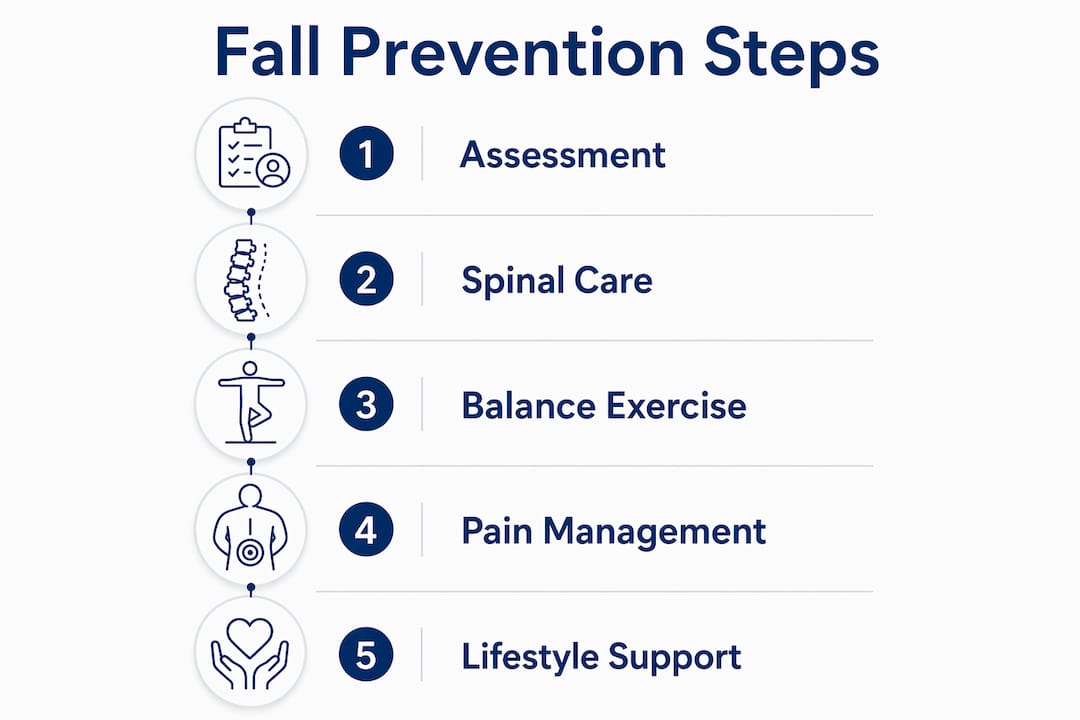
- Chiropractors assess musculoskeletal health, gait, and neurological function to identify fall risk early
- SMT improves sensorimotor function and proprioception, the body’s ability to sense its own position
- Pain reduction from adjustments leads to steadier movement and more confident gait
- Exercise prescriptions build lower extremity strength and core stability
- Coordination with physicians, physical therapists, and other providers rounds out a complete prevention plan
A portion of older adults in the U.S. use chiropractic care annually, a figure aligned with Healthy People 2020 fall prevention objectives. The benefits of chiropractic for seniors extend well beyond back pain relief.
How chiropractic evaluations assess fall risk factors
A thorough chiropractic evaluation does more than check for spinal misalignment. It builds a complete picture of why a patient might fall.
- Fall history review: frequency, circumstances, and any resulting injuries
- Medication review to flag polypharmacy and sedative drug use that raise fall risk
- Physical exam covering balance, gait mechanics, joint range of motion, and neurological reflexes
- Screening for vision problems, muscle weakness, and vestibular dysfunction
- Validated clinical tools, such as the Berg Balance Scale, to stratify risk objectively
The most important modifiable risk factors for falls include impaired mental status, psychotropic medications, polypharmacy, environmental hazards, poor vision, lower extremity weakness, and impairments in balance and gait. Chiropractors are trained to screen for all of them. That breadth of assessment is what separates a chiropractic fall prevention visit from a routine adjustment.
Strengthening and conditioning through chiropractic care
Muscle weakness, particularly in the legs and core, is one of the most direct predictors of a fall. Chiropractic care addresses it through structured exercise programs, not just hands-on treatment.
- Lower extremity strengthening targets the quads, glutes, and calves that stabilize every step
- Core stability work supports the spine and pelvis, reducing compensatory movements that throw off balance
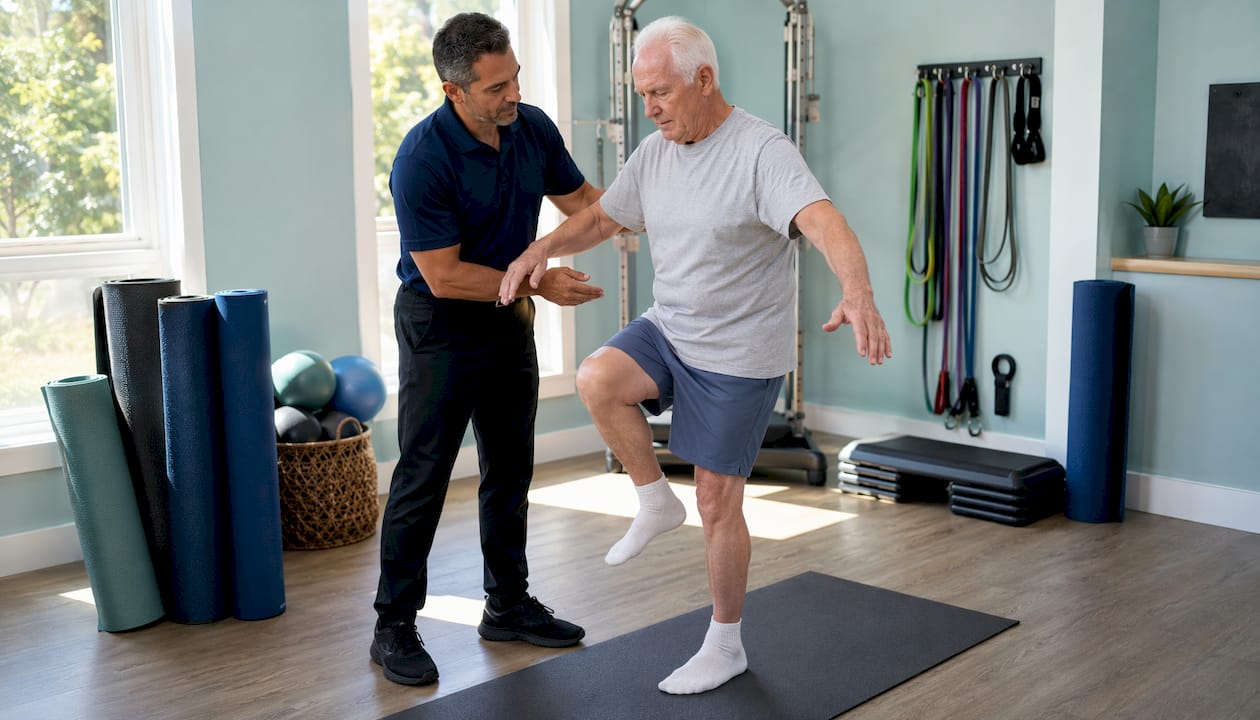
- Proprioceptive training, standing on unstable surfaces or single-leg exercises, retrains the nervous system’s position sense
- Spinal adjustments improve range of motion, making it easier to perform and sustain conditioning exercises
Structured exercise combined with SMT shows moderate evidence for fall reduction, and balance exercises specifically have been shown to reduce falls and fall-related fractures across multiple reviewed studies. Long-term adherence matters most. A six-week program that stops at week seven loses most of its protective effect.
Pro Tip: Ask your chiropractor for a written home exercise plan. Patients who practice balance drills between clinic visits tend to maintain their gains far longer than those who rely on in-office sessions alone.
Chiropractic strategies to improve stability and balance
Stability depends on three systems working together: the joints, the muscles, and the nervous system. Chiropractic care targets all three.
- SMT improves sensorimotor function and multisensory integration, which are the neurological processes that keep you upright
- Targeted joint mobilizations reduce stiffness in the ankles, knees, and hips that restrict normal movement patterns
- Vestibular awareness exercises help patients whose dizziness stems from inner ear or cervical spine dysfunction
- Combining manual therapy with balance training produces better outcomes than either approach alone
Neck pain is a modifiable fall risk factor that often goes unaddressed. Neck pain distorts proprioceptive input from the cervical spine to the brain, disrupting the postural signals that keep balance intact. Chiropractic treatment for cervicogenic dysfunction can restore that signaling pathway, which is one reason neck adjustments show up in fall prevention protocols alongside the more expected lumbar work.
Managing pain and refining mobility to reduce fall risks
Pain changes the way people move. An older adult with chronic low back pain shortens their stride, shifts their weight unevenly, and avoids certain movements entirely. Each of those compensations raises fall risk.
- Spinal adjustments reduce pain, which directly improves gait mechanics and walking confidence
- Cervicogenic dizziness, a type of vertigo linked to neck dysfunction, responds to chiropractic manipulation and can significantly affect balance
- Improved joint function means patients move more freely and with less hesitation on uneven surfaces
- Chiropractic care linked to lower opioid use among Medicare patients reduces the sedation-related fall risk that comes with pain medication
Pain is an independent risk factor for falls in older adults. Treating it through spinal adjustments rather than sedating medications addresses the root cause without adding a new hazard.
Lifestyle and environmental factors addressed in chiropractic fall prevention plans
A chiropractor’s job does not end at the adjustment table. Effective fall prevention requires changes at home and in daily habits.
- Nutritional counseling supports bone density and muscle mass, both of which decline with age and increase fall severity
- Home safety advice covers removing trip hazards, improving lighting, and adding grab bars in bathrooms
- Physical activity guidance is matched to the patient’s current capacity, encouraging movement without overexertion
- Referrals to occupational therapists, physical therapists, or community fall prevention programs fill gaps that chiropractic care alone cannot cover
Multimodal chiropractic care combining SMT with exercise and nutritional counseling outperforms single-factor interventions for fall prevention. The lifestyle and spinal wellness connection is well documented: patients who address sleep, nutrition, and activity alongside their spinal care recover faster and stay stable longer.
What the research says about chiropractic care and fall prevention
The evidence base is growing, and the most recent data is encouraging.
A 2024 matched retrospective cohort study published in Cureus followed 1,666 older adults receiving SMT and 1,666 matched controls over 13 months. The fall rate was 3.8% in the SMT group versus 5.4% in the non-SMT group, a relative risk of 0.71 (p=0.0319). That is a meaningful gap, though the researchers note that limb fracture rates did not differ significantly between groups, which tempers the clinical interpretation.
| Evidence Area | Finding | Source Type |
|---|---|---|
| SMT and fall rate | 3.8% vs. 5.4% fall rate over 13 months | Matched cohort study |
| Sensorimotor function | Improved balance-related neurological markers after SMT | Clinical research |
| Multimodal care | Superior outcomes vs. single-factor interventions | Systematic review |
| Cervicogenic dizziness | Neck pain as modifiable fall risk; SMT shows benefit | Literature overview |
| Safety in older adults | No serious adverse events reported in older cohorts | Clinical safety data |
Key finding: A systematic review following PRISMA guidelines identified 21 eligible studies, including 10 randomized controlled trials, on multimodal chiropractic care and fall-related outcomes. Most measured balance and gait markers rather than actual fall frequency, pointing to a clear gap that future randomized trials need to fill.
Expert consensus from the American Chiropractic Association and World Federation of Chiropractic recognizes chiropractors as having a key role in reducing fall risk in aging populations. The current evidence supports that position, with the caveat that larger, well-powered trials measuring actual fall incidence are still needed.
Ready to address your fall risk?
At Evertonchiropractic, Dr. Richard builds personalized care plans that go beyond pain relief to address the balance, strength, and mobility factors that matter most for staying on your feet. Whether you’re managing chronic back pain, recovering from a recent stumble, or simply want to stay active as you age, evidence-informed chiropractic care can be part of your strategy.
Explore chronic pain and fall risk or learn how nerve pain relief can restore the mobility you need to move safely and confidently.
Key Takeaways
Chiropractic care reduces fall risk in older adults by combining spinal manipulation, targeted exercise, pain management, and lifestyle guidance into a single, coordinated plan.
| Point | Details |
|---|---|
| SMT lowers fall rate | Older adults receiving SMT had a 3.8% fall rate vs. 5.4% in matched controls over 13 months. |
| Multimodal care wins | Combining SMT with exercise and nutritional counseling outperforms any single intervention for fall prevention. |
| Neck pain is a risk factor | Cervicogenic dysfunction distorts proprioception; chiropractic treatment can restore postural signaling. |
| Pain drives instability | Reducing pain through adjustments improves gait mechanics and lowers compensatory movement patterns. |
| Lifestyle changes matter | Home safety advice, nutrition, and physical activity guidance are standard parts of a chiropractic fall prevention plan. |
FAQ
How does chiropractic care help prevent falls in older adults?
Chiropractic care reduces fall risk by improving balance, proprioception, and gait through spinal manipulation, targeted exercise, and pain management. A 2024 cohort study found a fall rate of 3.8% in older adults receiving SMT versus 5.4% in matched controls.
Is chiropractic treatment safe for seniors with osteoarthritis or bone loss?
Clinical safety data consistently shows no serious adverse events in older adults receiving spinal manipulation and mobilization, even when degenerative changes are present. Chiropractors adjust technique and force based on each patient’s condition.
What chiropractic techniques specifically target balance problems?
SMT, joint mobilization, vestibular awareness exercises, and proprioceptive training are the primary tools. Neck manipulation is particularly relevant for patients whose balance issues stem from cervicogenic dizziness.
How many chiropractic visits are needed to reduce fall risk?
No single standard applies, but fall prevention benefits are cumulative and require ongoing care including assessments, exercise, and lifestyle changes. Even in the 2024 cohort study, over half of patients attended only a single SMT session, suggesting some benefit accrues early.
Can chiropractic care work alongside physical therapy for fall prevention?
Yes. Chiropractors routinely coordinate with physical therapists, physicians, and occupational therapists to build comprehensive fall prevention plans that address every modifiable risk factor.