Introduction
Severe physical trauma and falls do more than break bones or tear ligaments-they shatter the deep-seated trust you once had in your own body. That instinctive confidence to step off a curb, lift a bag of groceries, or turn your head without bracing for pain can vanish in a single moment of impact. Rebuilding that confidence requires specialized post-trauma rehabilitation that addresses the whole person: body, mind, and nervous system together.
This guide covers the physical rehabilitation, psychological support, and movement-based recovery strategies that form the foundation of effective rehabilitation after severe trauma or a significant fall. It is written for trauma survivors navigating their own recovery journey, family members seeking to understand how to help, and healthcare professionals looking for evidence-based frameworks. Whether you experienced a motor vehicle collision, a fall from height, a sports injury, or a surgical complication, the principles here apply across trauma types. What this guide does not cover is acute emergency medical care or surgical decision-making-those belong with your emergency and surgical teams.
Rebuilding body confidence after severe trauma involves gradual physical rehabilitation combined with psychological support, starting with basic safe movement patterns and progressively advancing to complex daily activities and functional tasks under professional guidance.
By the end of this guide, you will understand:
-
How trauma disrupts both physical abilities and psychological self assurance, and why both must be addressed
-
The three-phase rehabilitation framework that structures your ongoing recovery from stabilization through functional independence
-
Evidence-based treatment options-including chiropractic care, movement therapy, and cognitive behavioral approaches-that promote healing and reduce fear
-
Practical strategies for overcoming common obstacles like kinesiophobia, recovery plateaus, and emotional overwhelm
-
How to build a support system that sustains progress and prevents re-injury
Understanding Trauma’s Impact on the Nervous System and Body Confidence
Body confidence is the internal trust and assurance in your physical capabilities-the belief that your body can move, bear weight, absorb impact, and perform daily tasks without catastrophic failure. It operates largely below conscious awareness until it is lost. After severe trauma, this trust fractures along multiple dimensions: physical, psychological, and social. Effective rehabilitation recognizes that restoring body confidence means rebuilding each of these dimensions, not simply healing tissue.
In England alone, approximately 45,000 people face major trauma annually, and trauma can lead to mobility issues and pain that persist well beyond the initial injury. Understanding the full scope of trauma’s impact is the first step toward meaningful recovery.
Physical Manifestations of Lost Body Confidence
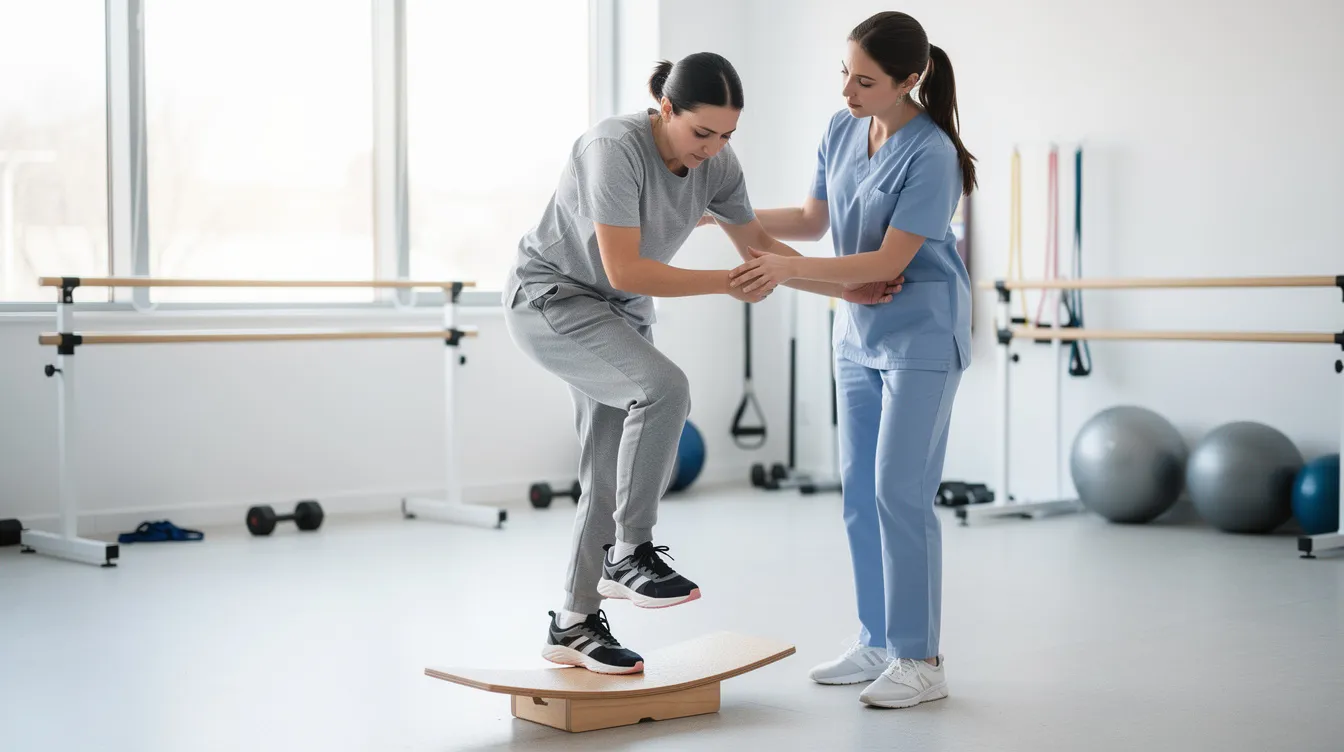
When the body sustains severe trauma, it activates protective mechanisms that were designed for short-term survival but often persist long after the acute danger has passed. Muscle guarding-where muscles around an injured area remain chronically contracted-restricts range of motion and creates compensatory movement patterns. A person who fractured a hip may unconsciously shift weight to the opposite leg for months, creating imbalances in the pelvis, spine, and shoulders that compound the original injury.
These protective patterns frequently manifest as postural compensations. After motor vehicle collisions resulting in cervical acceleration-deceleration injuries, for example, patients often develop loss of normal cervical lordosis, anterior head translation, and altered vertebral alignment. Research using Chiropractic BioPhysics® methods has demonstrated that these structural shifts are measurable and, importantly, correctable-with treatment over approximately 9 weeks achieving roughly 80% re-establishment of cervical lordosis toward pre-injury alignment and a 23.7% drop in Neck Disability Index scores.
Physical therapy restores muscle function and strength after injury, but the body’s altered movement patterns and postural misalignments can undermine those gains if left unaddressed. The physical manifestations of lost confidence are not merely cosmetic-they change how forces travel through your skeleton, how your joints articulate, and how your brain maps your body’s position in space, fundamentally disrupting body awareness.
Psychological Barriers to Movement Recovery
The psychological impact of severe trauma often runs deeper and lasts longer than the physical injuries themselves. Kinesiophobia-the irrational and debilitating fear of movement or re-injury-affects many individuals recovering from trauma. Measured with tools like the Tampa Scale for Kinesiophobia (TSK), scores above 40 consistently associate with significant fear-avoidance beliefs, decreased physical control, and increased disability in chronic pain populations.
Psychological issues like anxiety and depression are common post-trauma, and physical recovery can be hindered by emotional distress after trauma. Catastrophic thinking patterns-where a person imagines worst-case scenarios from ordinary movements-create a vicious cycle: fear leads to avoidance, avoidance leads to deconditioning, deconditioning leads to genuine weakness and instability, which reinforces the fear. Recovery from trauma often includes addressing emotional reactions such as anxiety alongside the physical healing process. Psychological assessment should also screen for more serious responses such as self-harm after trauma.
Among older adults who experience hip fractures, research following 56 patients over 12 months found that while functional independence improved significantly, the correlation between physical function gains and confidence improvements was surprisingly low. This finding underscores a critical point: psychological barriers to movement require their own targeted interventions. Physical recovery alone does not automatically restore the mental health dimensions of body confidence.
These physical and psychological dimensions are deeply intertwined-the body’s stress responses feed anxiety, and anxiety amplifies the body’s protective guarding. This is precisely why the rehabilitation process must address both simultaneously.
The Post-Trauma Physical Rehabilitation Journey
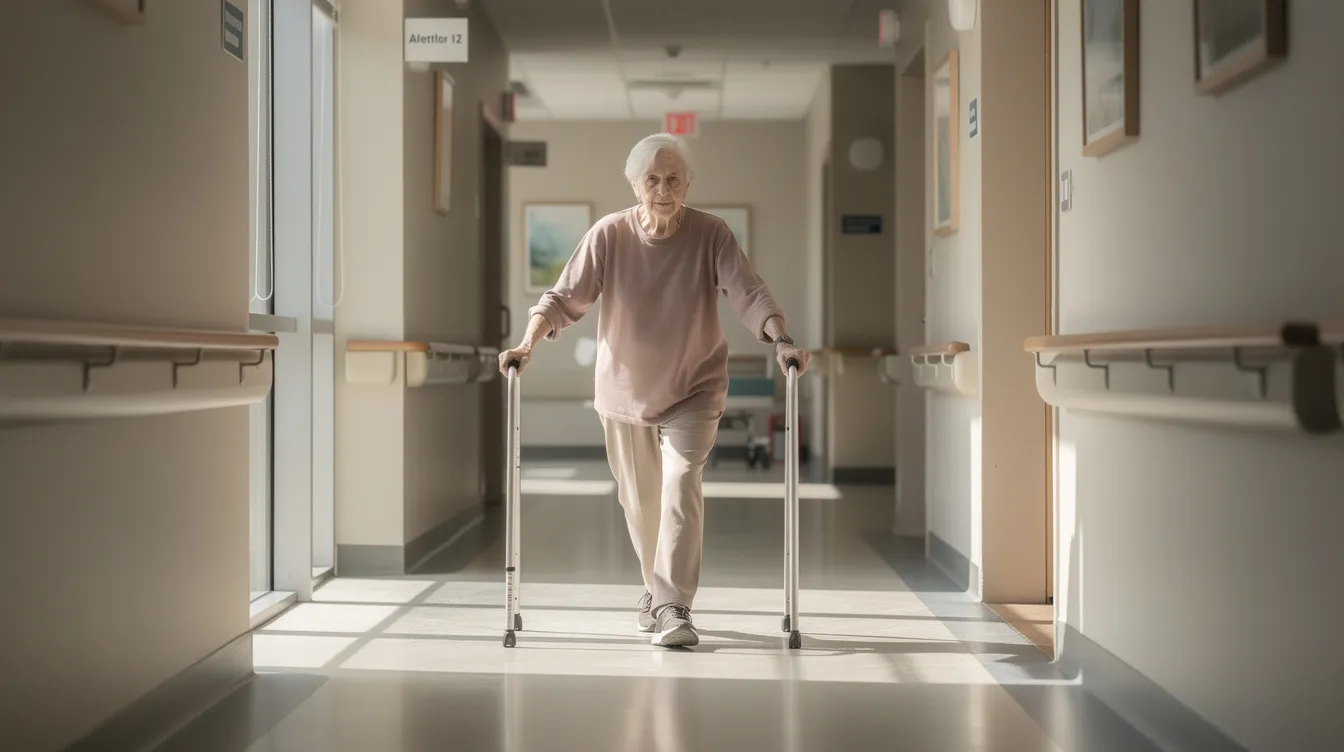
Given that trauma disrupts both structure and psychology, the most effective rehabilitation follows a phased framework that systematically rebuilds physical capacity and movement confidence together. Post-trauma rehabilitation integrates mental, emotional, and physical care across clearly defined stages, each with specific goals and measurable outcomes. Trauma recovery involves establishing safety and stabilization first, then progressively building complexity. Rehabilitation guidance emphasizes tailored goals and progressive exercise matched to each individual’s readiness.
Phase 1: Safety and Stabilization (Weeks 1-4)
The first phase prioritizes establishing a supportive environment where healing can begin without additional harm, and steady encouragement helps patients feel safe enough to begin movement again. Pain management takes precedence-manual therapy alleviates pain and promotes healing in recovery, and gentle interventions like soft tissue mobilization, controlled breathing, and positioning strategies help reduce the acute stress responses that keep the nervous system in a hypervigilant state.
During this phase, healthcare professionals conduct thorough assessments that go beyond the injury itself. Effective rehabilitation starts with understanding the whole person, not just the diagnosis. This means evaluating pre-existing conditions, psychological readiness, bone health, nutritional status, and social support. Chiropractic radiologists have developed consensus-based criteria for traumatic cervical spine instability that include both clinical signs (neurological deficits, pain on motion) and radiographic criteria (vertebral displacement thresholds), ensuring that any movement introduced is structurally safe.
Rehabilitation needs vary based on individual pre-existing conditions, and personalized rehabilitation plans improve recovery outcomes for individuals. Early rehabilitation can enhance emotional wellbeing and confidence, even when the movements are as simple as controlled breathing, gentle neck rotations, or supervised weight-shifting in a seated position. Mindfulness and deep breathing help regulate difficult emotions after trauma, making them valuable tools from the very first week. Grounding techniques can help maintain presence during recovery when anxiety or flashbacks arise.
Phase 2: Progressive Loading and Movement Retraining (Weeks 5-12)
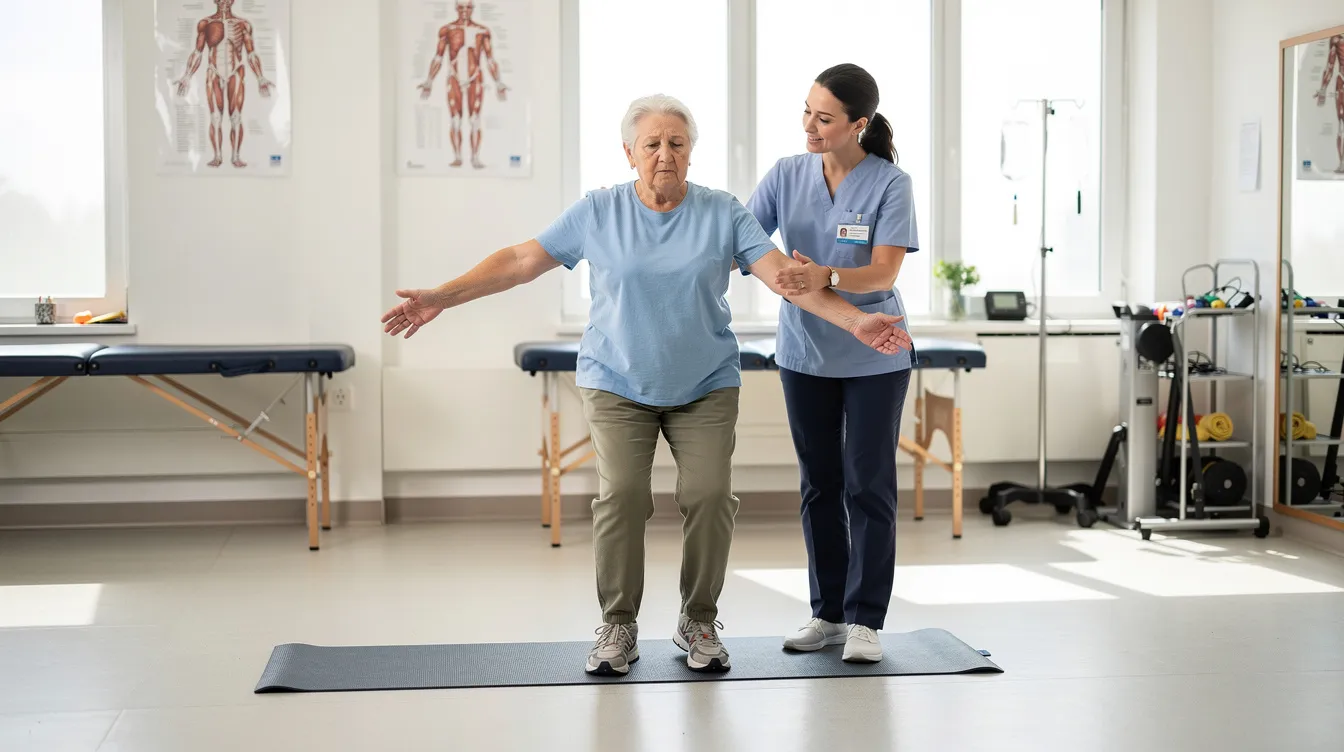
As acute pain subsides and structural safety is confirmed, Phase 2 introduces systematic new movement challenges. This phase is where the real work of rebuilding body awareness begins. Weight-bearing exercises enhance mobility and muscle mass post-injury, and the focus shifts to neuromuscular control-teaching the body to move efficiently and safely under gradually increasing loads.
Physical activity should focus on function rather than appearance during rehabilitation. Rather than targeting aesthetic outcomes, exercises are designed around daily tasks: standing from a chair, stepping over obstacles, carrying objects, turning in confined spaces. Aerobic exercises improve rehabilitation outcomes after traumatic injury, and even low-intensity walking programs contribute meaningfully to cardiovascular health and movement confidence during this phase.
Gradual reintroduction of feared movements is important for overcoming trauma. Graded exposure therapy typically begins during this phase, systematically desensitizing the fear of specific movements through controlled, hierarchical exposure. In a randomized controlled trial with 120 athletes recovering from ACL reconstruction, those receiving graded exposure showed a 35.3% reduction in kinesiophobia scores compared to 22.7% in standard care-and achieved a substantially higher return-to-sport rate of 68.9% versus 45.0%.
Psychological support helps manage anxiety and depression post-injury, and this phase benefits enormously from integrating cognitive behavioral strategies with physical therapy. Spinal mobility exercises, posture correction work, and strength training progress week by week, with rehabilitation plans regularly updated to reflect progress and changing needs.
Phase 3: Functional Integration and Confidence Building (Weeks 13-24)
The final phase bridges the gap between clinical rehabilitation and real life. Advanced movement patterns-reaching overhead, carrying uneven loads, navigating stairs at normal speed, bending to ground level-are practiced in contexts that mirror daily routines, helping patients regain trust in their body during everyday activities. For some individuals, this phase includes return to sport, martial arts, or occupational activities requiring complex coordination.
Rehabilitation helps regain confidence after trauma or injury, and this phase is where that confidence crystallizes into genuine self assurance. Celebrating small milestones helps build confidence during recovery-completing a full grocery shopping trip independently, walking the dog without pain, or returning to work represent meaningful small victories that reinforce progress.
Many patients plateau around 3-4 months post-injury despite early rehabilitation gains. Research demonstrates that introduction of structural alignment correction and treatment of previously unaddressed components-neuromuscular control, proprioception, spinal alignment-can restart progress even after months of stagnation. A retrospective case series found that patients who had plateaued with standard rehabilitation achieved measurable improvements when structural spinal correction was introduced alongside continued therapeutic exercise.
Rehabilitation improves quality of life by restoring independence, and by the end of this phase, the goal is not just physical recovery but a renewed sense of capability and autonomy. Home-based maintenance programs, ongoing support strategies, and continued psychological awareness become the foundation for long-term wellbeing.
Key points from the three-phase approach: Safety first, progressive challenge second, functional independence third. Each phase builds on the previous one, and skipping phases risks re-injury or psychological setback. The transition from Phase 3 into long-term maintenance requires understanding which specific therapeutic techniques deliver the best outcomes-which brings us to the evidence.
Evidence-Based Techniques for Rebuilding Body Confidence
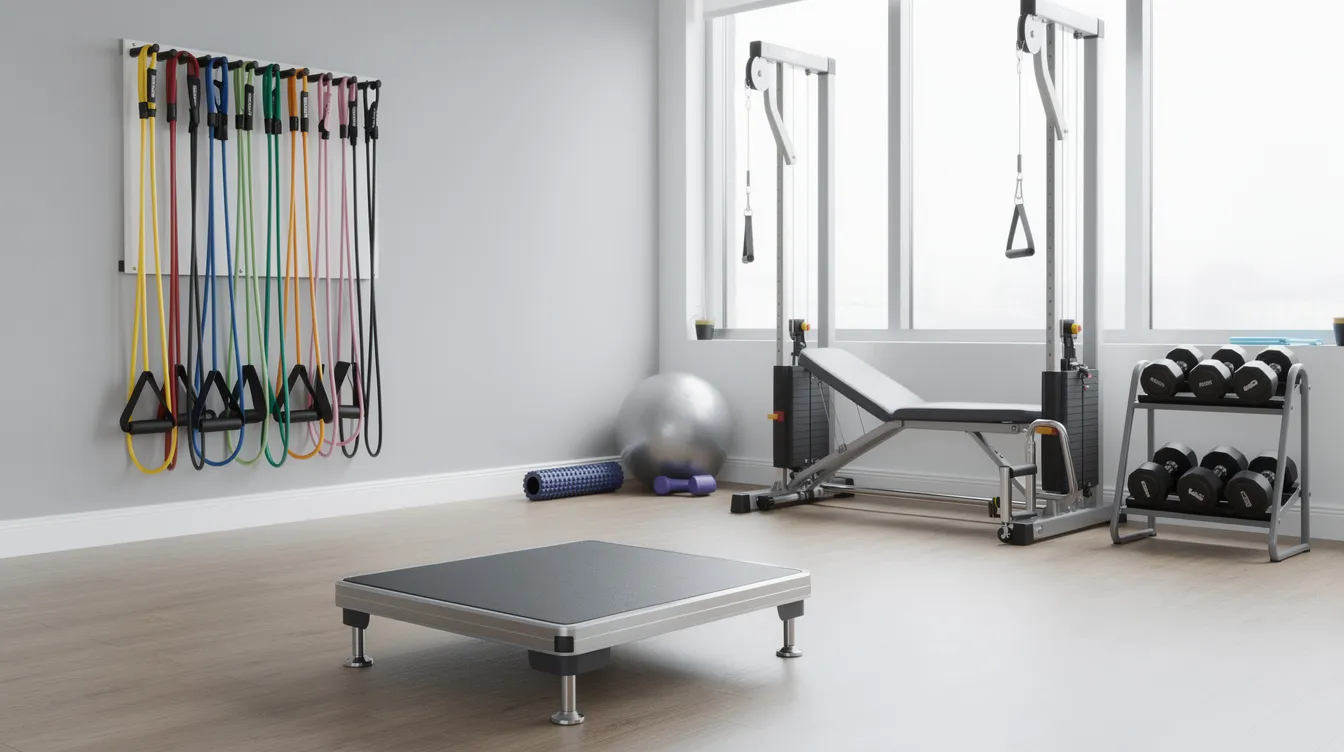
Building on the phased rehabilitation framework, specific therapeutic interventions have strong evidence for restoring both physical function and movement confidence. The most effective approaches combine structural correction, movement-based therapy, and psychological interventions in a holistic approach tailored to individual needs.
Chiropractic Care and Spinal Alignment Restoration
Chiropractic care is most beneficial when trauma has disrupted spinal alignment, creating postural compensations that perpetuate pain and limit movement confidence. This applies particularly to motor vehicle collision injuries, falls that impact the spine, and any trauma producing neck pain, headaches, or altered posture.
Personalized care plans enhance comfort and confidence during recovery. A typical chiropractic rehabilitation progression follows these steps:
-
Comprehensive assessment including clinical examination, functional movement screening, and radiographic analysis when warranted to identify structural misalignments, instability markers, and baseline measurements
-
Precision adjustments targeting specific vertebral segments-upper cervical low-force instrument-assisted adjustments have shown improvement in neck pain and functional disability within two weeks when atlas alignment changes exceed 30% post-adjustment
-
Therapeutic spinal exercises and traction designed to retrain posture and restore natural spinal curves-mirror-image exercises specific to each patient’s misalignment pattern
-
Progressive functional movement integration combining adjusted spinal mechanics with strength training, balance work, and activity-specific movement patterns
-
Monitoring progress through re-assessment using radiographic measurements, disability indices, pain scales, and functional outcome scores at regular intervals
A compelling case study illustrates this progression: a professional rugby player with 20 documented concussions and post-concussion syndrome underwent 30 sessions of cervical spinal alignment correction. His cervical lordosis improved from −13.5° to −37.4°, and head translation reduced from −22.7 to −11.3 mm. Follow-ups at two and six years showed maintained alignment and reduced concussion incidence-demonstrating that structural correction can produce lasting results.
Tailored rehabilitation plans address unique medical needs and therapy goals, and determining how often to see a chiropractor depends on the severity of structural displacement, the phase of recovery, and individual response to treatment. Physical activity helps regulate the nervous system after trauma, and when combined with chiropractic alignment work, the results are often greater than either approach alone.
Movement Therapy Comparison Table
Different therapeutic approaches suit different trauma types, fear levels, and recovery goals. The following comparison helps readers understand which approach may best address their specific situation:
|
Criterion |
Manual Therapy (Chiropractic/Mobilization) |
Exercise Therapy (Strength, Balance, Neuromuscular) |
Cognitive Behavioral Approaches (CBT/Exposure) |
|---|---|---|---|
|
Best suited for |
Structural misalignment, spinal trauma, persistent pain with postural origin |
Deconditioning, balance deficits, fall prevention, general weakness |
High kinesiophobia, catastrophic thinking, psychological trauma, PTSD |
|
Effectiveness for confidence building |
High-measurable structural changes provide visible evidence of progress; reduces pain that undermines confidence |
High-direct functional improvements (walking faster, lifting more) build practical confidence |
Very high-directly targets fear beliefs and avoidance patterns that are the core of lost confidence |
|
Time to noticeable results |
Symptom relief within weeks; structural alignment changes over 8-12 weeks |
Function and balance improvements visible in 6-12 weeks |
Psychological gains may appear within weeks; sustained improvement over 3-6 months |
|
Suitability for older adults |
Appropriate with low-force techniques; requires screening for osteoporosis and instability |
Highly suitable-12-week programs for elderly fallers show significant improvements in balance (p=0.003), strength (p=0.004), and fear reduction (p=0.02) |
Effective-Cognitive Behavioral Therapy (CBT) is effective for PTSD treatment and fear management in all age groups |
|
Evidence base |
Strong case series; limited large RCTs; Cochrane reviews support short-to-medium term pain and disability reduction |
Strong RCT evidence across multiple populations; well-established protocols |
Strong RCT evidence; NICE guidelines emphasize as essential in complex trauma rehabilitation |
|
Limitations |
Not suitable for unstable fractures or severe instability; radiographic access required for alignment work |
Psychological fears may persist if not explicitly addressed; compliance-dependent |
Requires trained therapists; may trigger distress if poorly staged; does not address structural issues |
The synthesis is clear: no single approach addresses all dimensions of lost body confidence. The most robust outcomes emerge when structural correction, movement-based rehabilitation, and psychological interventions work together. Seniors often regain confidence through personalized rehabilitation plans that combine elements from multiple columns based on their specific presentation.
For older adults who have experienced falls, a 12-week exercise program targeting balance, strength, and flexibility demonstrated statistically significant improvements across all measured domains compared to controls. Meanwhile, a randomized controlled trial among 110 total knee arthroplasty patients (mean age 67) found that a home-based functional exercise program aimed at managing kinesiophobia over 6 months produced superior improvements in disability, pain, fear-avoidance beliefs, and quality of life-with effects persisting 6 months after the intervention ended.
Supportive strategies include mindfulness and stress-reducing activities alongside these primary interventions, and body awareness practices can help reconnect with bodily sensations after trauma. The key is matching the right combination of techniques to each person’s specific barriers.
Common Challenges and Solutions in Confidence Rebuilding
Even with the best treatment plan, rebuilding body confidence after severe trauma is not a linear process. Nearly every person encounters predictable obstacles. Recognizing them early and having clear strategies transforms potential setbacks into manageable phases of the healing process.
Fear of Re-injury During Movement
Fear of re-injury is the single most common barrier to regaining confidence, and for many individuals it persists long after tissues have healed. This is not weakness-it is a normal protective response from a nervous system that has learned to associate movement with danger.
The solution lies in graded exposure therapy combined with education and professional supervision. Rather than pushing through fear or avoiding movement entirely, graded exposure creates a hierarchy of feared activities and systematically works through them from least to most threatening. Research consistently shows that graded exposure is more effective than graded activity alone or avoidance in reducing fear and disability. Practicing self-compassion aids in the healing process after trauma-acknowledging that fear is a normal stress response, not a personal failing, helps individuals engage more fully with exposure work. Emotional support is crucial for trauma recovery, and involving family members in understanding the graded exposure process helps create a home environment that reinforces clinical progress.
Plateau in Physical Recovery Progress and Monitoring Progress
Recovery plateaus are frustrating but expected. Many patients experience significant early gains followed by weeks or months of seemingly stalled progress, particularly around the 3-4 month mark. This does not mean recovery has ended.
The actionable solution involves reassessment of the treatment plan with your healthcare professionals. Key strategies for rebuilding body confidence include setting small achievable goals that break through the perception of stagnation. Often, plateaus indicate that an underlying component-structural alignment, neuromuscular control, or unresolved psychological fear-has not been adequately addressed. Introducing new therapeutic challenges, addressing persistent neck or spinal issues, or adding a modality not previously tried (such as proprioceptive training or cognitive behavioral work) frequently restarts momentum. Rehabilitation plans should be regularly updated to reflect progress and changing needs, and monitoring progress through objective measures like the Tampa Scale, Falls-Efficacy Scale, or Neck Disability Index helps distinguish genuine plateaus from perceived ones.
Loss of Motivation, Emotional Overwhelm, and Emotional Support
Trauma recovery involves stages of emotional processing and integration, and it is entirely normal to feel overwhelmed, discouraged, or emotionally exhausted during the recovery journey. Mood disorders, PTSD symptoms, anxiety, and depression commonly co-occur with physical trauma recovery and can dampen the motivation needed for consistent rehabilitation effort.
The solution focuses on three elements: small achievable goals, celebration of incremental progress, and integration of psychological support with physical therapy. Achievable milestones in rehabilitation boost emotional confidence-tracking gains, even minor ones, provides tangible evidence of moving forward. Support groups reduce feelings of isolation for trauma survivors and offer community connection with others who understand the experience. Trauma-informed care emphasizes safety, trust, and empowerment, and seeking out healthcare providers who practice this approach makes a meaningful difference. Family involvement enhances emotional support during rehabilitation, and involving family in the process creates a broader support system that sustains effort through difficult periods. Self care practices-adequate sleep, nutrition, stress management, and social connection-form the foundation upon which rehabilitation efforts succeed.

Conclusion and Next Steps
Rebuilding confidence in your body after severe trauma or a fall is achievable through systematic, professionally guided rehabilitation that addresses physical, psychological, and functional dimensions simultaneously. The evidence is clear: personalized care that combines structural correction, progressive movement therapy, and psychological support produces better outcomes than any single approach alone. Rehabilitation helps seniors regain independence after health setbacks, athletes return to sport, and everyday people reclaim the daily routines that define quality of life.
The healing process takes time-typically months rather than weeks-and follows a path marked by genuine progress, occasional plateaus, and renewed strength on the other side. What matters most is that you begin, that you seek qualified guidance, and that you address both the physical and emotional dimensions of your recovery.
Your immediate next steps:
-
Schedule an initial assessment with a qualified healthcare professional who can evaluate both your structural alignment and psychological readiness for rehabilitation-look for providers who take a trauma-informed, whole person approach
-
Begin gentle, supervised movement practice appropriate to your current phase-even controlled breathing and basic weight-shifting count as meaningful starting points that promote healing
-
Build your support system by involving family, connecting with others who have navigated similar recoveries, and considering occupational therapy or psychological counseling as complements to physical rehabilitation
-
Track your progress using simple, consistent measures-pain levels, movements you can perform, distances you can walk-so that small victories become visible evidence of your ongoing recovery
Related topics worth exploring as you progress include long-term postural maintenance strategies, fall prevention programs for older adults, and the emerging role of technology-aided rehabilitation tools including virtual reality exposure therapy and AI-guided spinal imaging assessment.
Additional Resources
Professional Assessment Tools Referenced in This Guide:
-
Tampa Scale for Kinesiophobia (TSK) – measures fear of movement and re-injury
-
Falls-Efficacy Scale International (FES-I) – evaluates confidence in performing daily activities without falling
-
Activities-Specific Balance Confidence Scale (ABC) – assesses balance confidence across 16 activities
-
Neck Disability Index (NDI) – tracks functional limitations related to neck pain
Recommended Home Practices for Each Recovery Phase:
-
Phase 1: Diaphragmatic breathing, gentle cervical range of motion (if cleared), seated weight-shifting, mindfulness practice
-
Phase 2: Progressive walking programs, resistance band exercises, standing balance challenges, journaling about movement experiences and fears
-
Phase 3: Functional task practice (stair climbing, carrying loads, bending/reaching), community-based exercise classes, strength training progression
For Consultation in Singapore: Everton Chiropractic offers comprehensive spinal assessments, alignment correction, and rehabilitation programs designed to address both the structural and functional components of post-trauma recovery. Singapore’s aging population faces particular challenges with fall-related injuries, and seeking care from providers experienced in both chiropractic alignment work and evidence-based rehabilitation ensures a holistic approach to your recovery journey.
Trauma-informed care emphasizes safety, trust, and empowerment-seek providers who embody these principles, whether in chiropractic care, physical therapy, psychology, or occupational therapy. Your recovery is not just about returning to where you were before-it is about discovering new possibilities for how your body can move, function, and thrive.