
Introduction
Spinal decompression therapy is one of the most effective non surgical approaches for maintaining disc health and preventing the return of back pain, neck pain, and sciatica – but most patients stop treatment the moment their pain decreases, which often allows chronic pain patterns to return. That reactive mindset is precisely what leads to relapses. Shifting from acute pain relief to proactive, long-term spinal health requires a fundamentally different approach: maintenance decompression.
This article covers how regular decompression therapy sessions serve as preventative medicine rather than just crisis intervention. It is written for adults in Singapore who have recovered from spinal conditions – herniated discs, degenerative disc disease, spinal stenosis, or chronic back pain – and want to stay pain-free. If you are currently in acute pain and seeking initial treatment guidance, this content addresses what comes after that phase.
Regular maintenance decompression, when combined with lifestyle modifications, physical therapy, and measures such as core strengthening, ergonomic adjustments, and weight management, can substantially lower recurrence rates. Success rates for decompression therapy range from 70–90%, and patients report lasting relief 12–48 months post-treatment when they commit to a structured prevention plan.
By the end of this article, you will understand:
-
Why spinal relapses occur and how decompression prevents them
-
Specific maintenance protocols based on your risk profile
-
How to integrate decompression with lifestyle factors for lasting spinal health
-
Evidence-based strategies for long term spinal health preservation
-
Solutions for common barriers to consistent preventative care in Singapore
Understanding Spinal Relapse Prevention
A spinal relapse is a recurring episode of back pain, neck pain, or sciatica after a period of recovery or remission. For patients who have experienced disc herniation, relapse means reherniation at the same spinal level – something that occurs in roughly 5–11% of post-surgical cases, with rates climbing significantly when modifiable risk factors like smoking, high BMI, or early return to intense activity go unaddressed.
The difference between preventative and reactive care in chiropractic practice is substantial. Reactive care waits for pain to return before intervening – a cycle that often leads to progressive disc degeneration, increased nerve compression, and eventually more invasive procedures. Preventative care, by contrast, maintains spinal function and structural integrity during pain-free periods, reducing the likelihood that a relapse ever occurs.
The Relapse Cycle in Chronic Lower Back Pain and Spinal Conditions
Singapore’s work environment creates a particularly challenging landscape for spinal health. According to Singapore’s Workplace Safety and Health Institute, work-related musculoskeletal disorders – including back injuries – account for approximately 60% of occupational disease cases, driven by awkward posture, repetitive loading, heavy lifting, and prolonged static sitting. Psychosocial stress in high-demand, low-control work settings further correlates with self-reported back pain.
When spinal compression goes untreated between episodes, a predictable cycle emerges: initial injury → partial recovery → gradual loss of disc height → increased pressure on spinal discs → nerve irritation → pain recurrence. Each cycle typically worsens the underlying condition. Prolonged sitting affects lumbar discs negatively and should be interrupted regularly – yet many Singapore professionals sit for 8–10 hours daily with minimal movement breaks.
Spinal Decompression Therapy as Preventative Medicine
Spinal decompression therapy works by creating negative pressure within spinal discs, which helps retract herniated or bulging discs, promotes nutrient exchange in spinal discs, and restores disc hydration and height. Biomechanical research confirms that controlled unloading can reduce intradiscal pressure at L4/5 by approximately 25%, leading to decreased disc bulging and lesser nerve root compression affecting spinal nerves.
When applied as maintenance rather than acute treatment, this process relieves pressure on an ongoing basis and helps reduce pressure on affected discs and nerves – preserving the structural gains achieved during the treatment phase. A meta-analysis of non-surgical treatment for symptomatic lumbar disc herniation found that about 63% of patients demonstrated regression of herniation under conservative care. Regular decompression helps maintain these gains rather than allowing gradual re-compression over time.
Preventing relapses in spinal issues requires active rehabilitation and spinal decompression working together – not decompression in isolation.
Long-Term Maintenance Decompression Protocols
The shift from treatment-focused to prevention-focused decompression therapy is where most patients and clinics fall short. During the acute phase, patients typically require 12–20 sessions over 4–6 weeks, with each spinal decompression session lasting 30–45 minutes. But what happens after pain relief is achieved determines whether that relief becomes lasting or temporary.
Long-term follow-up data from percutaneous lumbar disc decompression illustrates the stakes clearly: at one year, approximately 47% of patients had greater than 50% leg pain reduction, but by eight years that figure dropped to roughly 29%. Many patients experience lasting pain relief after decompression therapy – but only with sustained maintenance.

Maintenance Session Frequency
The frequency of maintenance decompression depends on your risk profile, medical history, and daily physical demands:
Monthly sessions for general prevention – For healthy adults without a history of significant spinal conditions, one session every 6–8 weeks is typically sufficient to maintain disc health, preserve spinal alignment, and catch early signs of compression before symptoms develop. Most patients in this category use maintenance as insurance against the cumulative effects of desk work and daily stress.
Bi-weekly sessions for patients with history of disc issues – Those who have recovered from herniated discs, bulging discs, sciatica, or prior spinal surgery face elevated relapse risk. Meta-analytic data shows that smoking (OR ~2.0), high BMI, diabetes, and Modic type II changes all significantly increase recurrence probability. For these patients, sessions every 2–4 weeks during the first few months after completing acute treatment, transitioning to every 4–6 weeks for ongoing prevention, is advisable. A history of spinal fusion may make decompression unsuitable, so these cases need specialist review before any maintenance schedule is assigned.
Weekly sessions for aging adults maintaining mobility – Adults 55 and older experience decreased disc hydration, progressive degeneration, and reduced structural resilience. More frequent maintenance – monthly to twice monthly – combined with spinal mobility work helps preserve the spinal canal dimensions and foraminal space that protect against lumbar spinal stenosis and nerve pressure.
Understanding how often to see a chiropractor for optimal health can help you determine the right schedule for your situation.
Customized Prevention Plans
A personalised treatment plan accounts for occupation, activity level, age, and anatomical risk factors:
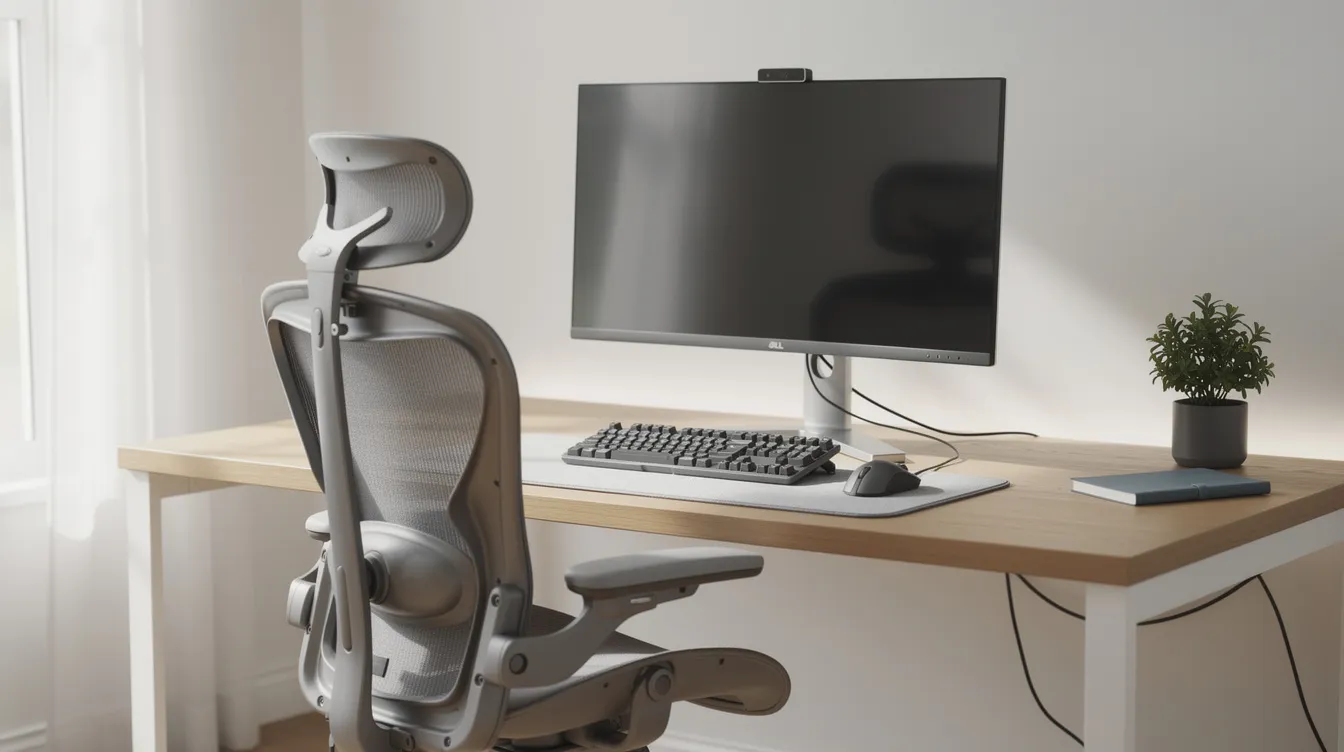
Office workers requiring posture-focused protocols – Singapore’s desk-bound professionals face sustained spinal compression from prolonged sitting, forward head posture, and screen-related strain. Their maintenance decompression focuses on cervical and lumbar regions, paired with posture correction strategies, ergonomic workplace adjustments, and physical therapy to improve movement retraining and postural recovery. Addressing ergonomic factors can support long-term back health far beyond what decompression alone achieves.
Active adults needing performance maintenance – Athletes and physically active individuals need maintenance that preserves overall spinal function under load. Their treatment plan emphasises maintaining disc spacing during high-demand periods, with session frequency increasing around competition seasons or heavy training blocks. Gradual increase in activity and load management are important for preventing injury in this population.
Seniors focusing on mobility preservation – For older adults, the priority is maintaining functional independence. Decompression therapy is often paired with core stabilization exercises for better results, emphasising gentle strengthening and balance work alongside spinal traction, especially when age-related wear or facet joint syndrome calls for a customised maintenance approach. Many patients experience improved mobility and flexibility long-term when maintenance is consistent.
Integration with Lifestyle Factors
Decompression maintenance alone is insufficient. The evidence is clear: lasting spinal health requires integration with daily habits.
Ergonomic workplace setup in Singapore offices – Proper chair support with lumbar roll, monitor at eye height, keyboard at elbow height, and standing breaks every 30–45 minutes. Low-impact movement encourages circulation and aids in disc hydration without stress on the spine.
Exercise routines complementing decompression – The WHO recommends structured exercise for managing chronic low-back pain. Effective spinal health maintenance focuses on movement restoration and progressive loading. Core strength, glute activation, hip mobility, and flexibility training all support the structural benefits achieved through decompression. Decompression therapy is often paired with core stabilization exercises for better results – these are not optional additions but essential components. Diaphragmatic breathing engages core muscles and supports spinal stability, serving as a foundation for more advanced core work.
Stress management in high-pressure environments – Singapore workplace data connects psychosocial stress with musculoskeletal pain recurrence. Stress management, sleep hygiene, and adequate recovery are integral to relapse prevention.
Nutrition and hydration – Adequate hydration is essential for spinal disc health as intervertebral discs depend on water for their shock-absorbing function. Nutrition plays a vital role in maintaining soft tissue and bone integrity, and maintaining general physical activity and healthy weight are critical for back health.
Evidence-Based Prevention Strategies
The research supporting preventative decompression for long-term spinal health continues to grow. While direct randomised controlled trials on maintenance decompression specifically are still limited, converging evidence from biomechanics, clinical outcomes, and risk factor studies provides a strong foundation for prevention protocols.
Spinal decompression therapy is a non-invasive treatment option that eliminates risks associated with surgical procedures. Patients can return to normal activities immediately after treatment, and decompression therapy can be safely repeated without increasing risks. Spinal decompression therapy does not require anesthesia or incisions – making it practical for ongoing maintenance in a way that surgical intervention never could be.
A currently active clinical trial (NCT06525896, “RESTORE”) is comparing non surgical spinal decompression versus sham treatment over 20 sessions, with biomechanical and MRI outcomes measured at six months. This study may provide more rigorous evidence about the structural effects that underpin maintenance benefits.
Maintenance Decompression Procedure
Prevention-focused sessions differ from treatment sessions in intensity, goals, and supplementary care:
-
Assessment of current spinal alignment and function – Each maintenance visit begins with evaluation of posture, range of motion, nerve function, and any emerging symptoms. Diagnostic imaging is used periodically for patients with prior disc pathology or anatomical risk factors to track structural changes over time.
-
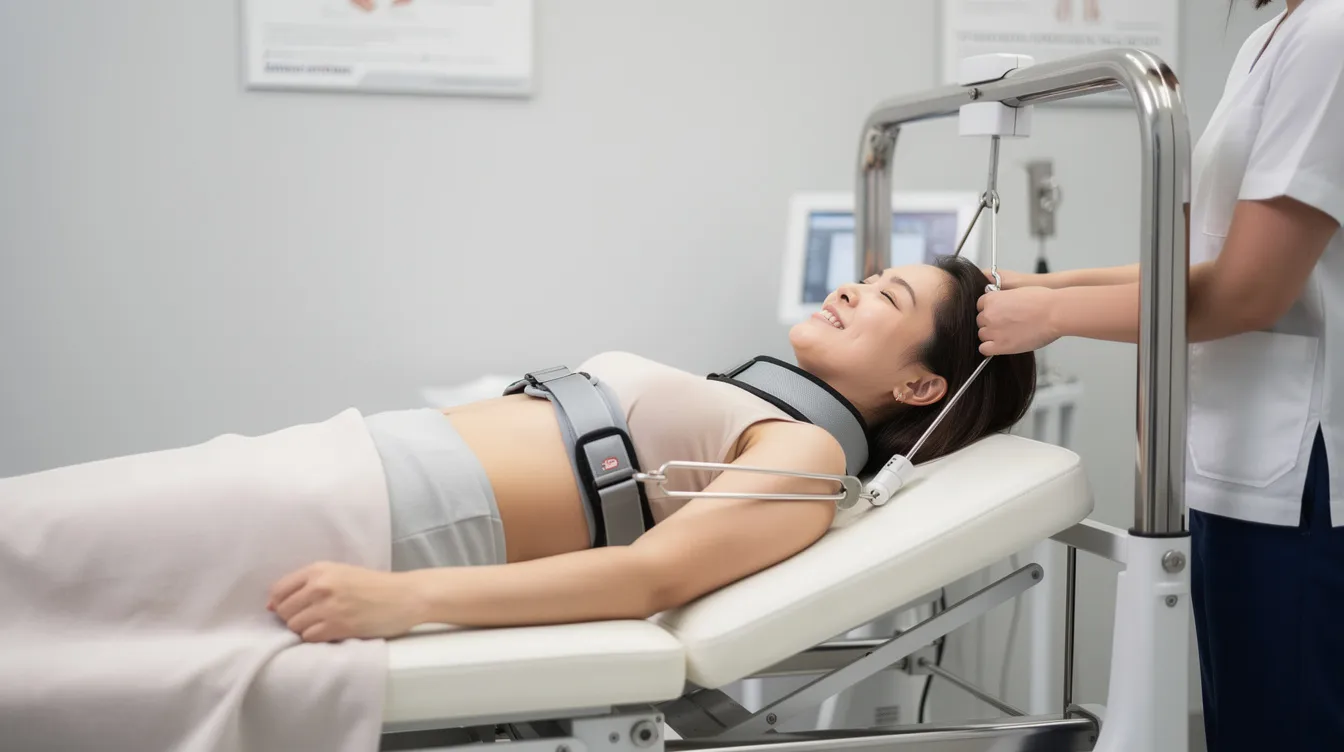
Gentle decompression targeting maintenance of disc height – Patients lie on a specialized table secured with harnesses. The treatment creates negative pressure within spinal discs using a computerized traction table to reduce pressure on discs and irritated nerves during maintenance care. Decompression therapy uses a computerized traction table that gently stretches the spine at calibrated force levels, tailored to body weight and pathology location. Each decompression session typically lasts 30–45 minutes, with the decompression cycle itself running approximately 15–20 minutes. Decompression therapy can improve disc hydration and height while promoting increased blood flow and nutrient exchange.
-
Post-session movement education and home care instructions – Manual therapy can aid recovery when combined with exercise, not as a standalone therapy. Patients receive updated home exercises, stretching protocols, and ergonomic reminders. Chiropractic adjustments may complement the decompression session for patients who benefit from spinal manipulation.
-
Progress tracking for prevention effectiveness – Pain levels, functional capacity, and mobility metrics are recorded using standardised scales (VAS, ODI) every few months. Patients notice improvements not just in pain reduction but in how maintenance sessions help relieve pain while improving movement quality and resilience to daily stressors.
Patients often report 71–90% success rates with decompression therapy, and many patients experience lasting pain relief after completing a well-structured programme. Spinal decompression can help avoid the need for surgery, and long-term use may delay or eliminate the need for surgical intervention entirely.
Prevention Protocol Comparison
|
Protocol Type |
Session Frequency |
Target Population |
Prevention Focus |
|---|---|---|---|
|
Standard Maintenance |
Monthly (every 6–8 weeks) |
General wellness, low-risk adults |
Disc health preservation, spinal alignment |
|
Enhanced Prevention |
Bi-weekly to monthly |
History of herniated or bulging discs, prior surgery |
Relapse risk reduction, nerve pressure relief |
|
Senior Wellness |
Weekly to bi-weekly |
Adults 55+ with degenerative changes |
Mobility maintenance, severe stenosis prevention |
Selecting the appropriate protocol depends on individual risk factors: age, BMI, smoking status, presence of Modic changes, diabetes, prior recurrence history, and occupational demands. A spine specialist can conduct risk stratification using these variables to determine how many sessions and what frequency will provide the most effective prevention.
Patients report improved mobility after spinal decompression therapy, and decompression therapy effectively alleviates sciatica symptoms in maintenance dosing by reducing pressure on the sciatic nerve. Conditions like spinal stenosis can benefit from decompression therapy at maintenance frequencies, while degenerative disc disease responds well to spinal decompression over sustained periods. Failed back surgery syndrome may also improve with decompression therapy as part of a long-term maintenance programme.
Note that traction methods should not routinely be used for chronic back pain due to limited evidence – maintenance decompression is most justified for patients with identified structural pathology, specific risk factors, or demonstrated benefit during a prior treatment phase. It works best as part of a comprehensive approach rather than an isolated modality.
Common Prevention Challenges and Solutions
Even patients who understand the value of preventative care face real obstacles to maintaining consistency. Here are the most common barriers and practical solutions.
Scheduling Consistency in Busy Singapore Lifestyle
Singapore professionals routinely work 45–50+ hour weeks, making regular health appointments difficult to prioritise. The solution lies in treating maintenance sessions like any other essential appointment – scheduled in advance and protected. Clinics offering flexible scheduling including weekend and evening options make consistency achievable. Maintenance sessions, unlike acute treatment, can also be somewhat flexible in timing: shifting a session by a few days has minimal impact on outcomes.
Cost Concerns for Long-Term Preventative Care
Long-term preventative care requires ongoing financial commitment, which can feel difficult to justify when you are pain-free. Consider this perspective: a single relapse episode requiring a full treatment course of 12–20 sessions plus potential pain medications, diagnostic imaging, and lost work productivity far exceeds the cost of monthly maintenance. Package pricing for maintenance sessions helps manage costs predictably. In Singapore’s healthcare system, exploring insurance coverage and integrated health spending accounts for complementary therapies is worthwhile.
Spinal decompression offers significant pain relief when used proactively, and the economics strongly favour prevention over repeated acute treatment cycles. Alternative treatments for chronic conditions can accumulate far greater lifetime costs than structured maintenance.
Motivation for Asymptomatic Prevention
The biggest challenge: when pain has resolved, motivation to continue treatment naturally wanes. Education is the primary solution. Understanding that spinal decompression treats herniated and bulging discs at a structural level – not just masking symptoms – helps patients see maintenance as protecting an investment rather than treating a problem. Spinal decompression therapy reduces nerve compression and pain even before symptoms become noticeable.
Tracking progress with objective measures (flexibility tests, posture assessments, periodic imaging) provides tangible evidence of maintained spinal health. Patients who see their disc height preserved on imaging or their mobility scores stable are far more likely to continue. Spinal decompression therapy promotes nutrient exchange in spinal discs – a process that supports natural healing on an ongoing basis, whether or not pain is present.
Patients with concerns about tech-related neck strain or those wanting to understand what happens during chiropractic adjustments can explore these resources for additional context on maintaining spinal health between decompression sessions.
It is worth noting contraindications: patients with severe osteoporosis, spinal fractures, spinal instability, recent spinal surgery, spinal fusion, spinal implants, blood clots, or spinal cord pathology should not undergo decompression without careful specialist evaluation. Decompression is not appropriate for every patient, and a thorough medical history review is essential before beginning any maintenance programme.
Conclusion and Next Steps
Maintaining spinal health through regular decompression is fundamentally about shifting your relationship with your spine – from reactive crisis management to proactive structural preservation. The evidence supports that non surgical spinal decompression, when combined with core strengthening, ergonomic modifications, weight management, and stress reduction, creates durable protection against relapse. Decompression therapy gently stretches the spine, restores disc height, and helps relieve pressure on nerve roots – benefits that compound over time with consistent maintenance.
The spine is a load-bearing structure that degrades under neglect and thrives under consistent care. Just a few sessions cannot replace a sustained commitment to spinal health, but they can be the foundation for lasting relief and back pain relief that endures for years.
Immediate next steps:
-
Schedule a maintenance assessment – Even if you completed treatment months or years ago, a current evaluation of your spinal column health establishes your baseline and risk profile
-
Implement a home care routine – Begin core stabilisation exercises, diaphragmatic breathing, daily stretching, and ergonomic adjustments immediately
-
Establish a regular prevention schedule – Work with your chiropractor to set a maintenance frequency based on your risk factors, occupation, and history
Related topics worth exploring: posture correction and daily habits for maintaining alignment, workplace wellness strategies for reducing tech neck and neck pain, and safe approaches to improving spinal mobility as you age.
Additional Resources
Home maintenance exercises between decompression sessions:
-
Core stabilisation: dead bugs, bird-dogs, modified planks – performed 3–4 times weekly
-
Hip mobility: 90/90 stretches, hip flexor lengthening – daily, especially after prolonged sitting
-
Diaphragmatic breathing: 5 minutes daily to engage deep core musculature and support spinal stability
-
Low-impact cardiovascular activity: walking, swimming, cycling – 150 minutes weekly per WHO guidelines
Ergonomic guidelines for Singapore office environments:
-
Monitor positioned at arm’s length, top of screen at eye level
-
Chair with adjustable lumbar support; feet flat on floor or footrest
-
Standing breaks every 30–45 minutes; brief walking or stretching
-
Keyboard and mouse at elbow height to reduce upper back and shoulder strain
Prevention tracking methods:
-
Monthly self-assessment of pain levels using a 0–10 scale
-
Quarterly flexibility and posture checks with your chiropractor
-
Annual functional movement screening to identify emerging imbalances
-
Periodic imaging (as recommended) for patients with prior disc pathology to track disc height and spinal canal dimensions