
Introduction
How many cervical decompression sessions do you really need before feeling relief? It’s the first question nearly every patient asks when they’re considering spinal decompression therapy for neck pain, and the answer matters because it shapes your time, budget, and expectations. The short version: most people begin to notice some relief within 3–6 sessions, but a complete corrective programme typically runs 10–20 sessions over 5–10 weeks, depending on what’s happening in your cervical spine.
This article focuses specifically on non surgical spinal decompression as delivered in a chiropractic clinic setting – the kind of care we provide at Everton Chiropractic in Singapore – rather than hospital-based surgical procedures like laminectomy or discectomy or other conservative care options such as physical therapy. If you’re an adult dealing with persistent neck pain, a bulging disc, tech neck from long office hours, or radiating arm symptoms and you’re wondering how big a commitment decompression therapy really is, this is written for you.
Most patients notice symptom relief after 3 to 6 sessions of cervical decompression, and many patients notice relief within the first week or two. However, lasting structural change – the kind that keeps pain from returning – usually requires a full treatment plan of 10–20 sessions, sometimes more for severe cases with herniated discs or long-standing degeneration.
Here’s what you’ll gain from reading further:
-
A realistic range of how many sessions most people actually need, broken down by severity.
-
How cumulative healing cycles work over time and why relief builds gradually rather than arriving all at once.
-
What milestones to track each week – including posture photos and simple movement tests – so you can see progress beyond just pain levels.
-
How Everton Chiropractic typically structures a 10–20 session cervical decompression plan in Singapore.
-
Questions to ask your chiropractor before committing to a care plan.
Understanding Cervical and Spinal Decompression Therapy
Cervical decompression therapy involves mechanical traction to alleviate pressure on spinal structures in your neck. In plain terms, it’s a controlled, gentle stretching of the cervical spine designed to relieve pressure on compressed discs and irritated nerves. Spinal decompression therapy is a non-invasive treatment option – there’s no surgery, no anaesthesia, and no hospital stay. It’s one of the most common conservative treatments for neck pain that hasn’t responded to rest, medication, or basic stretches alone.
People seek cervical decompression for a range of issues: chronic neck stiffness, tension headaches, a herniated disc or bulging disc causing arm numbness, or posture-driven strain from spending 8–10 hours a day at a laptop. Understanding what the therapy actually does inside your body makes it much easier to see why it requires multiple sessions – and why judging it after a single visit misses the point entirely.
How Cervical Decompression Actually Works
During a spinal decompression session, you lie on a decompression table while a machine applies gentle, controlled traction to your cervical vertebrae. This creates separation – just millimetres – between the bones, which generates negative pressure inside the disc. That negative pressure acts like a vacuum, drawing fluid and nutrients back into damaged or dehydrated discs while reducing the mechanical load on compressed nerves.
The benefits are cumulative. Each session adds a bit more disc hydration, a bit more nerve space, and a bit more relaxation of the overworked muscles surrounding the spine. A single session won’t resolve a herniated disc or reverse years of poor posture; decompression therapy works through repetition over weeks, much like orthodontic braces gradually shift teeth into alignment through repeated, gentle force over time. True disc healing, such as reducing internal disc pressure, takes time and multiple sessions.
A spinal decompression session lasts about 30 to 45 minutes. Patients lie on a decompression table during the session, and the therapy involves gentle stretching of the spine. Many patients feel relaxed and may even fall asleep during treatment – though it’s also normal for patients to report feeling sore after their first session as the body adjusts to the new mechanical stimulus.
Types of Non Surgical Cervical Decompression You Might Encounter
In a Singapore chiropractic clinic like Everton Chiropractic, cervical “decompression” may be delivered through several methods:
-
Mechanical cervical traction – performed on a specialised decompression table or device with precisely controlled force and duration.
-
Manual traction and chiropractic adjustments – hands-on techniques to restore joint mobility and alignment.
-
Soft tissue work and posture correction exercises – supporting the neck through strengthening muscles and improving daily movement habits, sometimes overlapping with physical therapy-style rehabilitation while remaining part of a chiropractic care plan.
This article focuses on non surgical, clinic-based programmes. Surgical decompression (such as anterior cervical discectomy or laminectomy) is a completely different procedure with its own recovery time – initial recovery from spinal decompression surgery lasts a few weeks, with full recovery extending over months. We won’t cover surgical options here beyond this brief mention.
Regardless of which non-surgical method is used, the healing timelines and session ranges follow similar principles – which brings us to the specific numbers.
So, How Many Cervical Decompression Sessions Do You Really Need?
Let’s get to the concrete numbers. The number of cervical decompression sessions can vary significantly for different patients, but the ranges below reflect what we consistently see at Everton Chiropractic and what Singapore clinics report across typical caseloads.
These are typical ranges based on clinical patterns, not guarantees. A proper examination – and sometimes imaging – is needed to determine the right treatment plan for your specific situation.
Typical Spinal Decompression Session Ranges for Neck Decompression
Most spinal decompression programs require 12 to 24 sessions. Treatment plans for cervical decompression may vary from 6 to 24 sessions based on individual needs, while standard treatment courses often span 15 to 30 sessions over several weeks. Sessions are typically spread over four to eight weeks, with patients often starting with several sessions per week (usually 2–3) before tapering.
Here’s how this breaks down by severity:
|
Condition Severity |
Typical Sessions |
Timeline |
Visit Frequency |
|---|---|---|---|
|
Mild / recent (tech neck, postural strain, minor stiffness) |
8–12 sessions |
2–4 weeks |
2–3× per week |
|
Moderate (bulging disc, recurring headaches, long-standing poor posture) |
12–18 sessions |
4–6 weeks |
2–3× initially, tapering to 1× |
|
Severe (herniated disc with arm symptoms, spinal stenosis, degeneration) |
16–24+ sessions |
6–10+ weeks |
3× initially, phased approach |
At Everton Chiropractic, we often recommend an initial “trial of care” – typically 6–8 sessions – to confirm your body is responding before committing to the full plan. This approach respects both your time and your budget while giving us enough data to determine whether decompression is the right fit.
When Most People Start to Feel Relief
Meaningful improvement in symptoms can take 6 to 10 sessions or longer, but here’s what patients typically experience along the way:
-
Sessions 3–6 (week 1–2): Many patients notice some change in pain or stiffness – less acute discomfort, slightly easier neck movement, improved sleep. Most patients notice symptom relief after 3 to 6 sessions. Many patients notice improvement within the first week of therapy.
-
Sessions 8–12 (weeks 3–4): More consistent, day-to-day relief. Decreased frequency of headaches, less reliance on medication, improved concentration during work.
-
Sessions 12–20 (weeks 5–10): Structural and posture changes become visible – how the neck looks and moves shifts measurably. This is where posture correction gains become lasting.
Some patients may experience pain relief before nerve symptoms improve during treatment. If you started with arm numbness alongside neck pain, the neck pain often settles first while the numbness resolves more gradually over several weeks.
Symptoms may improve gradually, not immediately after treatment. Different conditions may respond at different rates to cervical decompression therapy. At Everton Chiropractic, we set clear expectations at the start so you know exactly which early wins to look for – and when to expect them.
Why You Can’t Judge Results from Just 1–2 Sessions
One or two spinal decompression sessions usually aren’t a fair trial. Discs heal slowly, nerves calm gradually, and years of ingrained posture patterns don’t reverse overnight. Sessions typically create negative pressure inside the disc, but a single session of this process is not enough to produce stable change in a compressed or herniated disc.
Think of it like going to the gym once versus following a six-week programme. You might feel slightly different after day one – maybe a bit looser, maybe a bit sore – but real, measurable change in strength and body composition comes from consistency over weeks. Decompression follows the same logic.
At Everton Chiropractic, we assess progress over a defined cumulative healing cycle (typically the first 4–6 weeks), not visit by visit in isolation. This approach gives the body enough time to respond and gives us enough data to make sound clinical decisions about your care.
What Shapes Your Personal Session Count?
The number of cervical decompression sessions you need isn’t arbitrary. The severity and complexity of the condition affect the number of required sessions, and a combination of clinical findings plus personal factors will determine whether you land closer to 10 sessions or 20+.
Clinical Factors: What We Find in Your Neck
Several structural and neurological findings move the dial:
-
Severity and type of disc involvement: A small bulging disc causing local neck ache typically responds faster than a large herniated disc with radiating arm symptoms or sciatica-like pain patterns.
-
Spinal degeneration or arthritis: Osteoarthritic changes in the cervical spine – more common in patients over 50 – can slow the healing process and may require modified intensity.
-
Spinal stenosis: Narrowing of the spinal canal adds complexity and often means more sessions with more careful pacing.
-
Duration of symptoms: Patients with longer-standing symptoms may require more sessions for relief. A neck problem present for weeks responds very differently from one that has persisted for years.
-
Neurological signs: Numbness, weakness, or grip strength issues indicate nerve involvement that demands a longer, more carefully staged treatment plan.
The underlying cause of neck problems can affect the recovery timeline and treatment strategy. Advanced or long-standing issues usually need the full 16–24 session range and closer monitoring throughout.
Personal and Lifestyle Factors
Your body and daily habits play a significant role in recovery time:
-
Age and healing capacity: Younger patients often see faster progress in treatment outcomes. Older adults still respond well, but may need additional sessions.
-
Daily posture demands: If you’re spending 8–10 hours hunched over a laptop, the forces straining your neck between sessions can slow progress considerably.
-
Stress and workload: High stress increases muscle tension around the cervical spine, which can counteract some of the gains from each session.
-
Activity level: Patients who exercise regularly tend to have better circulation and tissue resilience, supporting faster recovery.
-
Overall health and lifestyle choices: Habits between sessions, like poor ergonomics and smoking, can prolong recovery. Diabetes, smoking, and poor circulation all impair tissue repair. Overall health and lifestyle factors can influence recovery timelines in chiropractic therapy.
Patients who actively modify their workstation, invest in a supportive pillow, and follow home exercises consistently often progress faster and need fewer sessions in total.
The Role of Consistency and Attendance
Missed or irregular sessions can stretch what should be a 10–12 session plan into a longer, less effective process. Cervical decompression works best when early visits are stacked close together – ideally 2–3 times per week for the first 3–4 weeks – so the cumulative effects of disc hydration, nerve calming, and muscle relaxation build on each other before the body regresses.
At Everton Chiropractic, we design care plans with realistic scheduling for people working in Singapore’s busy office environment. We know that getting to the clinic three times a week is a commitment, and we schedule accordingly – but we also communicate clearly when spacing visits too far apart will compromise your spinal decompression therapy results.
How a 10–20 Session Cervical Decompression Plan Typically Unfolds
This section walks through a typical timeline so you can picture what each phase of chiropractic care feels like, from the first visit to the end of the initial programme. The details below reflect Everton Chiropractic’s approach, though actual plans are always customised based on findings from your assessment.
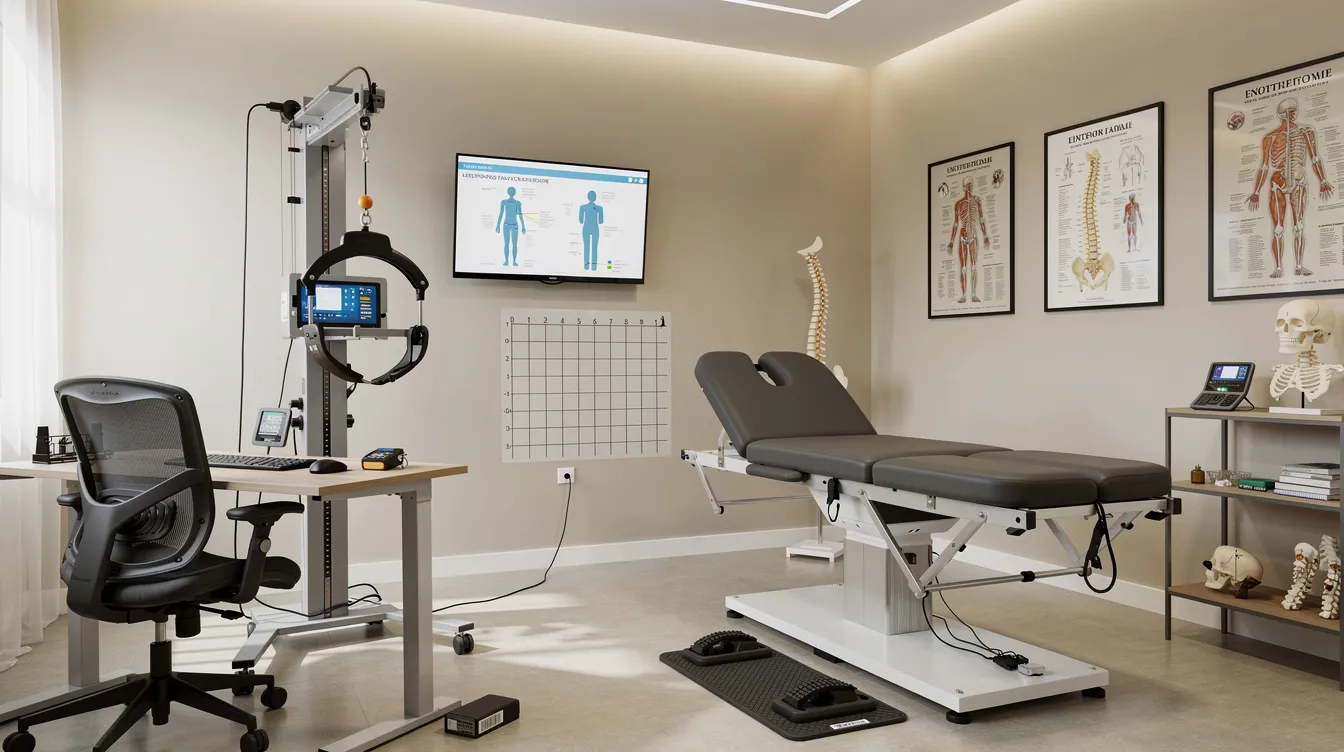
Phase 1: Assessment and Early Relief (Sessions 1–4)
The first phase focuses on understanding your condition and beginning to promote healing:
-
Comprehensive consultation: History-taking, neurological and orthopaedic tests, and a thorough posture analysis.
-
Baseline measurements: Pain scores, range of motion testing, grip strength evaluation, and initial posture photos from side and front angles.
-
First decompression sessions: Low-intensity traction on the decompression table, focused on gently creating space between cervical vertebrae and calming irritated nerves.
Patients often report feeling sore after their first session, but by sessions 3–4, many begin to notice small changes – slightly less neck tension, marginally better sleep, or a subtle decrease in headache frequency. These early signals tell us the body is responding.
Phase 2: Cumulative Healing and Function Gains (Sessions 5–12)
This is the phase where most patients feel the biggest shift. Spinal decompression therapy reduces pressure on spinal discs through repeated sessions, and by this stage the cumulative effect becomes noticeable in daily life:
-
Continued decompression with gradually increasing parameters (duration, hold time, angle) as tolerated, combined with specific chiropractic adjustments to improve spinal mobility.
-
Introduction of home exercises: Simple stretches and posture drills tailored to desk workers or heavy smartphone users, serving a support role similar to physical therapy between visits.
-
Progress check around sessions 8–10: Re-testing range of motion, pain levels, and strength, plus updated posture photos for comparison.
During this period, many patients report better concentration at work, less reliance on pain medication, smoother movement when checking blind spots while driving, and noticeably fewer headaches. Patients often report less pain after spinal decompression therapy reaches this cumulative stage. Spinal decompression therapy promotes healing of bulging discs through this repeated mechanical stimulus over several weeks.
Phase 3: Stabilisation and Posture Correction (Sessions 13–20+)
Not everyone needs this phase. But for moderate-to-severe or long-standing cases, it’s where lasting change is secured:
-
Reduced visit frequency: Typically once weekly or once every 10 days, allowing the body to adapt and hold its gains between sessions.
-
Strengthening focus: More emphasis on deep neck flexor and shoulder stabiliser exercises, along with ergonomic coaching and habit changes.
-
Before-and-after comparison: Side-by-side posture photos and functional tests showing structural improvements over the full programme.
This phase moves you from merely “less pain” to “better posture and resilience.” Full recovery from spinal decompression therapy can take several months for complex cases, but the goal of this phase is to lower the chance that symptoms quickly return once you transition to maintenance care.
Tracking Your Spinal Decompression Therapy Results: Beyond Just Pain Levels
Judging the success of your decompression programme only by daily pain levels can be misleading. Pain often fluctuates day-to-day based on sleep, stress, and workload – none of which reflect what’s actually changing in your spine. Deeper healing is better tracked with a small set of objective measures.
At Everton Chiropractic, we use visual and functional tracking tools – including standardised posture photographs – to help patients see progress across their 10–20 session journey.
Using Posture Photos to See Change Over Time
Posture photos are one of the most powerful tools for demonstrating progress that patients might not feel day-to-day:
-
How they’re taken: Standardised angles (front, side, and sometimes back) at the first visit, then again around sessions 8–10 and sessions 16–20.
-
What we look for: Forward head position relative to the shoulders, shoulder height symmetry, overall cervical curve, and degree of upper back rounding.
-
Why they matter: These images make subtle changes visible – for example, the head moving 1–2 centimetres back over the shoulders, or a measurable reduction in forward slouch. This is especially useful when pain is already improving but structural correction still has room to progress.
Worth checking: ask your chiropractor to show you and explain these comparisons at your review sessions, not just store them in the file. Seeing the visual difference is one of the best results-tracking tools available.
Functional Milestones to Look For Each Week
Beyond photos, there are practical, everyday benchmarks you can monitor at home:
-
How far you can comfortably turn your head when reversing a car or checking blind spots.
-
Neck fatigue level after a full day at the computer – does it hit by 2 pm or last until 6 pm?
-
Headache frequency and intensity across a week compared to the week before.
-
Sleep quality and ability to find a comfortable pillow position without waking with stiffness.
-
Changes in arm tingling, numbness, or weakness if those were present at the start.
Consider keeping a simple 1–10 score log or brief weekly notes. Over 10–20 sessions, the trend becomes obvious even when individual days fluctuate.
Regular Re-Assessments with Your Chiropractor
Patients should be reassessed after the initial treatment sessions to ensure progress. At Everton Chiropractic, progress checkpoints are built into every plan – typically at sessions 6–8 and again around sessions 12–16. These checkpoints include:
-
Re-testing movement range, grip strength, and nerve function.
-
Reviewing posture photos side-by-side with baseline images.
-
Comparing pain scores and functional milestones.
-
Adjusting visit frequency, traction parameters, or techniques based on how you’ve responded.
If there is minimal change after a reasonable trial – say, 8–10 sessions with good attendance – the plan will be re-evaluated. This might mean modifying the approach, adding complementary therapies or physical therapy, or discussing imaging and referral options. No responsible chiropractor should ask you to continue indefinitely without demonstrable progress.
Common Challenges and How to Handle Them
While most patients do experience relief from cervical decompression, there are predictable obstacles that can affect how many sessions you ultimately need. Knowing about them in advance helps you plan around them.
“I Don’t Feel Anything Yet After a Few Visits”
Not feeling dramatic change in the first 2–3 sessions is completely normal, especially for chronic neck pain that has been building for months or years. The body often needs several sessions of cumulative decompression before perceptible shifts occur.
What to do:
-
Discuss your expectations with your chiropractor around session 4–6.
-
Review whether you’re following home advice – posture corrections, stretches, icing or heat application.
-
Focus on early signs of progress beyond pain: small improvements in mobility, slightly better sleep quality, or less stiffness in the morning. These are often the first indicators that the process is working.
Scheduling and Time Constraints
Frequent visits – 2–3 times per week – can be challenging in Singapore’s demanding work culture. The schedule matters, but it doesn’t have to be impossible:
-
Cluster visits before or after work, or during lunch breaks if your clinic is centrally located.
-
If you need to stretch the calendar slightly, discuss this with your chiropractor so the gaps don’t become too large to maintain momentum.
-
Use simple at-home neck care routines and exercises to support longer gaps between visits when unavoidable; these can also help support your progress between visits, much like physical therapy principles often do.
Cost Concerns Over 10–20 Sessions
A complete cervical decompression plan is an investment, and cost anxiety can tempt patients to stop at session 6 when the plan called for 15. Stopping too early risks incomplete recovery and returning symptoms.
How to manage this:
-
Ask your chiropractor to clearly outline the projected number of sessions and the clinical reasoning behind it before you begin.
-
Discuss phased plans – for example, a 6–8 session trial with a formal review, then a decision about the next block – rather than committing blindly to 20 sessions.
-
Consider the long-term cost of unmanaged neck issues: ongoing medication, lost work productivity, potential escalation to more invasive procedures. A structured programme of 12–20 sessions often costs far less than surgery or years of ad-hoc treatment.
Conclusion and Next Steps
Most people begin to feel some relief from cervical decompression within 3–6 sessions – often within the first week or two. Lasting improvements in posture, nerve symptoms, and overall function usually require a full 10–20 session plan tailored to the individual. The “right” number for you depends on what’s found in your neck, your lifestyle choices and daily habits, and your consistency with the treatment schedule.
Here are your next steps:
-
Book a cervical spine assessment with a chiropractor – such as Everton Chiropractic – to understand your starting point and get clarity on what’s driving your symptoms.
-
Ask for a clear explanation of the recommended number of sessions and what specific improvements you should expect by weeks 2, 4, and 8.
-
Commit to tracking your progress with pain scores, simple movement tests, and posture photos so you can see the cumulative changes rather than guessing.
-
Reassess at the end of the initial healing cycle (usually 8–12 sessions) to decide collaboratively on the next phase of care.
From here, you may also want to explore related topics like correcting your posture for long-term neck health, setting up an ergonomic workstation to reduce strain between visits, or understanding how often to see a chiropractor for ongoing maintenance once your initial programme is complete.
Frequently Asked Questions About Cervical Decompression Sessions
Below are the most common follow-up questions patients ask about how many cervical decompression sessions are needed and what to expect throughout the process.
How many cervical decompression sessions are typical for neck pain?
Most neck pain patients fall in the 10–20 session range. Spinal decompression programs typically require 12 to 24 sessions. Mild, recent-onset cases may resolve closer to 8–12 sessions, while more complex disc or nerve issues – such as herniated discs or spinal stenosis – often require 16–24 sessions spread across several weeks to achieve best results.
How often should I come in for cervical decompression?
Two to three times per week is typical at the start of a treatment plan. This higher frequency early on helps stack the cumulative benefits of each session. As symptoms stabilise and posture improves – usually by sessions 8–12 – frequency often tapers to once weekly or less.
Can one or two decompression sessions fix my neck?
No. While you may experience short-term relief or a pleasant sense of relaxation after a single session, one or two visits are rarely enough for lasting change. A herniated disc, long-standing postural strain, or nerve compression requires repeated mechanical stimulus over weeks to achieve meaningful, durable improvement. Decompression therapy works through repetition, not one-off visits.
Is cervical decompression safe for older adults?
When properly assessed and adapted, cervical decompression can be safe and effective for older patients. However, the intensity, force, and session count may need to be modified to account for factors like arthritis, reduced bone density, or spinal degeneration. A thorough initial examination – including neurological testing and a review of any existing imaging – helps ensure the procedure is appropriate.
Do I need an MRI before starting cervical decompression?
An MRI is not always mandatory, but it can be very helpful if there are red-flag symptoms such as severe arm weakness, significant numbness, loss of coordination, or a history of trauma. The imaging helps your chiropractor determine the exact nature and severity of the issue – whether it’s a bulging disc, herniated disc, spinal stenosis, or something else – and tailor the treatment plan accordingly. If you have existing scans, bring them to your first visit so they can be reviewed alongside your physical examination.