Introduction
A healthy central nervous system is one of the most important factors in maintaining long-term mobility and the confidence to keep moving well, whether you’re 35 or 75. The central nervous system plays a central role in movement and confidence by allowing your brain and spinal cord to communicate efficiently with your muscles, joints, and balance systems. When that communication breaks down, mobility suffers, pain increases, and confidence often starts to erode.
This article explains how your nervous system controls movement, why central nervous system health shapes long-term mobility outcomes, and which practical steps—including chiropractic care, lifestyle changes, and preventive strategies—can protect nervous system function and help improve performance over time. It is written for adults in Singapore dealing with neck pain, back pain, stiffness, or early signs of mobility decline, as well as those who want to stay active, independent, and proactive about long term health. Because the nervous system sits behind coordination, balance, posture, and physical control, protecting it is closely tied to preserving quality of life as you age.
The direct answer: A healthy nervous system supports long-term mobility and confidence by preserving the neural pathways that coordinate movement, maintain balance, and keep communication between the brain and body reliable. When those pathways stay healthy, everyday activity feels safer, smoother, and more sustainable over the long term.
Here’s what you’ll gain from reading this:
-
A clear understanding of how your central nervous system controls mobility, balance, and coordination
-
Evidence-based insight into how nervous system decline affects independence and confidence
-
Practical strategies for preserving nerve function through chiropractic adjustments, exercise, and lifestyle changes
-
Guidance on when to seek chiropractic care for nervous system optimization
Understanding Your Central Nervous System
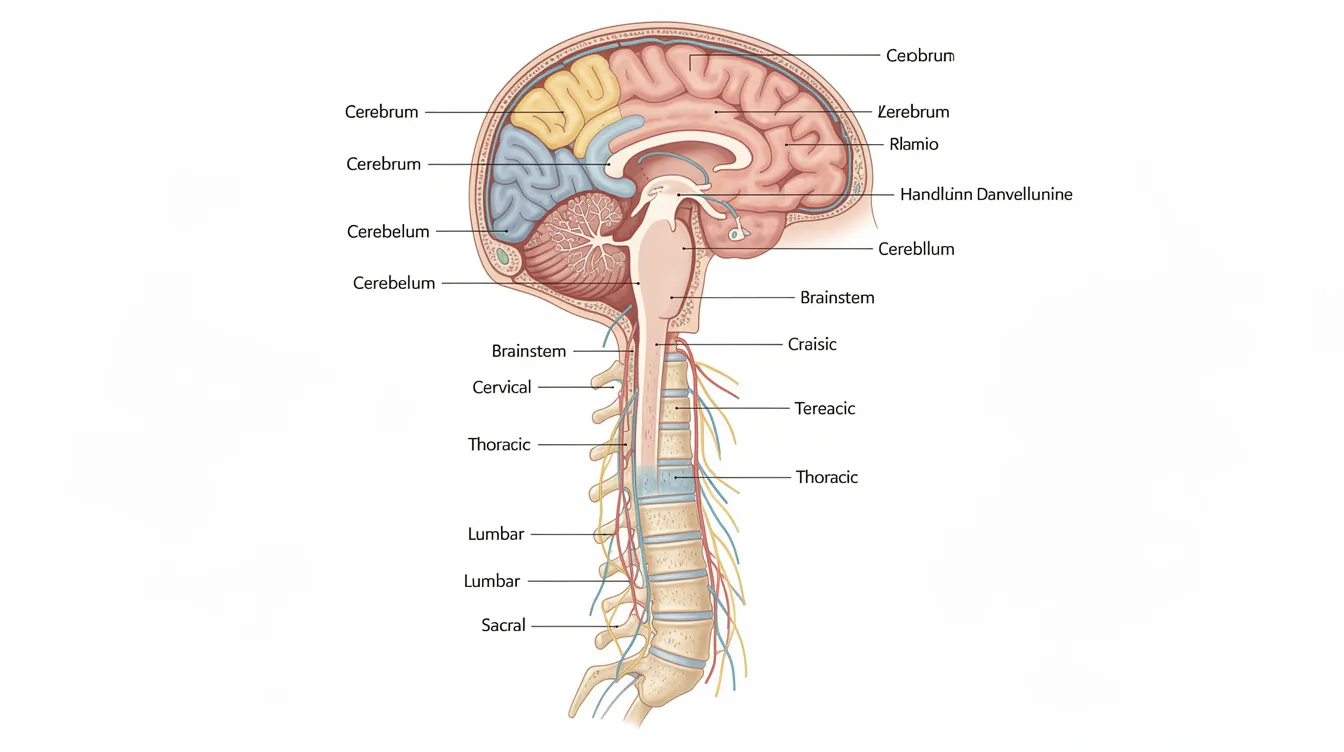
The central nervous system consists of your brain and spinal cord-two structures that together serve as the command centre for your entire body. Every voluntary movement, every reflex, every sensation of pain or position in space is processed through this system. The CNS processes sensory information and translates it into motor actions, making it the foundation of all bodily functions related to movement.
For adults dealing with chronic pain, stiffness, or declining mobility, understanding how the nervous system works isn’t just academic-it’s the key to understanding why you hurt, why you move differently than you used to, and what can actually be done about it. The central nervous system plays a significant role in everything from muscle activation to balance responses to joint health.
Brain-Body Communication Pathways
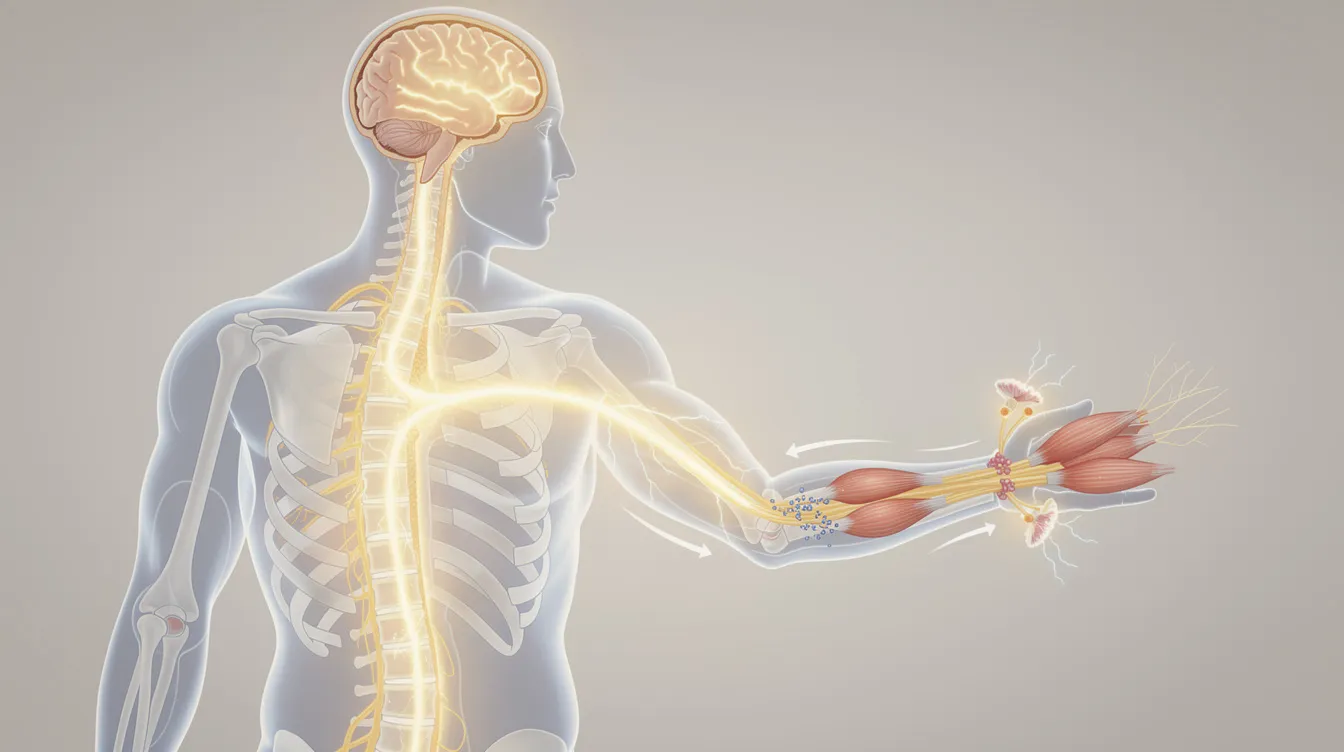
Neural signals originate in your brain’s motor cortex and travel downward through upper motor neurons in the brainstem into the spinal cord. From there, lower motor neurons carry those electrical signals to specific muscles, telling them when to contract, how forcefully, and for how long. Simultaneously, sensory neurons in your muscles, tendons, and joints send signals back to the brain, providing constant feedback about position, stretch, and tension.
Efficient communication within these neural pathways is crucial for smooth movement. When nerve cells transmit information without interference, you move precisely and effortlessly-reaching for a cup, stepping off a curb, turning your head to check traffic. When these pathways are disrupted by spinal misalignments, compression, or degeneration, the electrical signals travel more slowly or inaccurately, and your movement becomes less coordinated, less efficient, and often painful.
Spinal Cord as the Information Highway
Your spinal cord functions as the central highway connecting your brain to the rest of your body. Protected within the vertebral column, it carries both motor commands downward and sensory feedback upward through distinct neural tracts-dorsal columns for proprioception and fine touch, spinothalamic tracts for pain and temperature, and spinocerebellar pathways for unconscious coordination data.
Any disruption along this highway-whether from disc herniation, vertebral misalignment, or age-related degeneration-can delay or distort signal transmission. In chiropractic practice, these disruptions are often associated with spinal misalignments that reduce intervertebral space, compress nerve roots, or alter the movement of spinal segments. This affects local mechanoreceptors and degrades the reflexive stabilisation systems that keep you upright and balanced. Research has shown that aging leads to loss of white matter integrity in both brain and spinal cord, decreased conduction velocity, and reduced synaptic density-all of which hamper the complicated processes underlying movement control.
Understanding your spine as a neural structure, not just a skeletal one, fundamentally changes how you approach spinal health-and explains why the next section on mobility outcomes matters so much.
The Direct Impact on Long-Term Mobility
The connection between nervous system health and mobility is not theoretical-it’s measurable and well-documented. A major review on aging and the CNS estimated that by age 70, roughly 35% of adults have gait abnormalities, and by age 85, the majority do. These abnormalities correlate directly with higher fall risk, loss of independence, and hospitalisation. Regular physical activity preserves mobility and reduces the risk of mobility disability, making the case for proactive nervous system care compelling.
Balance and Coordination Preservation
Balance depends on your central nervous system integrating information from three sensory systems: vision, the vestibular apparatus in your inner ear, and proprioceptors throughout your muscles and joints. The CNS integrates information from these sensory systems to aid in balance and movement. When any of these inputs degrade-or when the brain’s ability to process them deteriorates-balance suffers.
Proprioception is particularly vulnerable to spinal dysfunction. The nerves branch out from the spinal cord through intervertebral foramina, and compression or irritation at these exit points degrades the body’s awareness of limb position and joint angle. Research from Singapore using the Timed Up and Go (TUG) test found that functional mobility declines measurably with age, with adults over 55 showing higher TUG times predictive of disability within three years. Physical activities like balance exercises strengthen neural pathways and improve movement efficiency, offering a direct countermeasure.
Consistent chiropractic care improves balance and coordination in aging adults, and chiropractic care can reduce the risk of falls in older adults-both critical outcomes for anyone wanting to remain active and independent.

Muscle Strength and Movement Control
Strength and power depend on the nervous system’s ability to activate muscle groups. It’s not just about muscle size-your brain must recruit the right motor units, in the right sequence, at the right intensity. When nerve function is impaired, the body compensates by over-activating certain muscles while under-recruiting others, leading to fatigue, inefficiency, muscle tension, and pain.
Physical activity reduces excess neural inhibition in the central nervous system, allowing muscles to fire more effectively. A narrative review covering 2000-2020 found that spinal manipulation can improve motor function, reduce stiffness, and reduce spasticity in populations with neurological deficits. Improved spinal alignment supports healthier neuromuscular coordination, which translates to better overall function in daily activities-from carrying groceries to climbing stairs.
Joint Health and Range of Motion
Joints don’t operate in isolation from the nervous system. Neural input determines muscular tone around each joint, controls reflexive stabilisation, and regulates the protective guarding responses that limit range of motion when the nervous system perceives threat or instability. When the nervous system is compromised, joints load improperly, creating uneven wear, cartilage degeneration, and progressive restriction.
Chiropractic treatment can reduce stiffness and improve range of motion by addressing the root causes of joint dysfunction at the neural level. A systematic review examining manual therapies and gait found that 12 out of 20 studies reported significant improvements in parameters like step length, walking speed, and lower-extremity sagittal range of motion following treatment. Regular adjustments support healthy cartilage and reduce inflammation, helping preserve joint function over time.
Proper spinal alignment reduces stress on joints and tissues, which is why addressing spinal health isn’t just about the spine-it’s about protecting every joint in your entire body. This physical capability directly feeds into something equally important: your confidence.
Building Confidence Through Nervous System Optimization
Physical capability and psychological well-being are inseparable. When pain is reduced and movement becomes reliable, people regain trust in their bodies-and that trust translates into greater participation in daily, social, and professional life. A conditioned nervous system releases endorphins and reduces stress responses, creating a positive feedback loop between physical health and mental health.
Pain-Free Movement and Daily Activities
For many adults in Singapore, chronic pain-whether from neck pain, back pain, or joint pain-is the primary barrier to confident movement. When every turn of the head or bend at the waist triggers discomfort, people naturally restrict their activity. This fear-avoidance cycle worsens both mobility and mental well-being.
Chiropractic treatment may help reduce pain while improving mobility, and a 2017 review found spinal manipulation improved back pain for 6 weeks. Patients report improved mobility after consistent chiropractic adjustments, enabling confident participation in everyday activities. For office workers dealing with tech neck and associated stiffness, a healthy nervous system-supported by proper spinal alignment and reduced neural irritation-also supports nervous system work during prolonged sitting and daily tasks, which can mean more comfortable extended sitting, less discomfort when using public transport, and less anxiety about physical tasks.
Notably, patients using chiropractors were 90% less likely to rely on opioids, demonstrating that chiropractic care reduces reliance on pain medications and provides a pathway to pain relief without invasive treatments.
Maintained Independence with Aging
Confidence in mobility is associated with improved cognitive function and brain health-meaning that staying physically active doesn’t just protect your body, it protects your mind. As functional decline accelerates after age 60, ensuring nervous system resilience can meaningfully delay the onset of dependence.
Data from Singapore’s Queenstown intrinsic capacity study (~4,274 participants) found that locomotion deficits grew from approximately 16.8% overall to roughly 45% in adults aged 60–79, and a striking 74.5% in those aged 80 and above. Importantly, Singaporeans aged 40–59 already showed 19.1% prevalence of at least one capacity deficit, confirming that preventive strategies targeting CNS health should begin well before retirement age.
Chiropractic care helps preserve mobility and joint function with age, and patients report better movement and independence with regular chiropractic visits. This maintained capability fuels the confidence to live without fear of activity restrictions.
Enhanced Quality of Life Indicators
The benefits extend beyond movement itself. Chiropractic care can improve sleep quality and energy levels, and a recent randomised controlled trial combining chiropractic care with physical therapy showed measurable improvements in resting-state brain activity (via EEG), sleep architecture, anxiety reduction, and overall quality of life over four weeks.
|
Indicator |
Compromised Nervous System |
Healthy Nervous System |
|---|---|---|
|
Pain levels |
Chronic pain, physical tension |
Reduced pain, improved comfort |
|
Sleep quality |
Disrupted, unrestorative |
Deeper, more restorative sleep |
|
Daily mobility |
Restricted, compensatory patterns |
Fluid, confident movement |
|
Fall risk |
Elevated, reduced balance |
Lower risk, better coordination |
|
Independence |
Progressive dependence |
Sustained autonomy |
|
Stress response |
Heightened cortisol, anxiety |
Regulated, endorphin-supported |
These quality of life improvements aren’t coincidental-they reflect tangible neurophysiological changes that accompany proper nervous system care. The question then becomes: what specific strategies actually work?
Practical Strategies for Central Nervous System Health
Evidence-based approaches to nervous system health combine hands-on treatment with active patient participation. A healthy central nervous system enhances neuroplasticity and motor control, meaning that the right interventions can actually improve your nervous system’s function-not just maintain it. Neuroplasticity allows the CNS to adapt and reorganize in response to practice and experience, which is why consistent effort yields compounding results.
Chiropractic Spinal Alignment
Chiropractic adjustments enhance spinal motion and nerve communication by restoring proper movement and positioning to vertebral segments. When spinal segments move correctly, nerve roots exit freely through intervertebral foramina, mechanoreceptors in facet joints function optimally, and the nervous system receives accurate proprioceptive input.
Here’s how the process works:
-
Comprehensive assessment – A licensed chiropractor conducts a physical exam, reviews your medical history, performs posture analysis, spinal segment motion testing, and mobility and balance assessments
-
Targeted spinal adjustments – High-velocity, low-amplitude (HVLA) techniques or mobilisations address specific segments where joint motion restriction is identified
-
Neurological response – Spinal adjustments can improve overall nervous system function by restoring afferent feedback, reducing nerve root irritation, and normalising muscular tone
-
Progressive care – Regular chiropractic care enhances spinal alignment over time, with each session building on previous improvements
A 2012 study found spinal manipulation more effective than medication for certain pain conditions, and a Cochrane review updated January 2026 confirmed that spinal manipulative therapy produces statistically significant short-term pain reduction and moderate improvement in function for chronic low back pain compared to no treatment. Chiropractic adjustments may stimulate endorphin release for pain relief, and chiropractic care may influence parasympathetic nervous system activity-meaning it can positively affect autonomic nervous system functions beyond just pain.
Regular chiropractic care improves coordination and reflexes over time, and chiropractic adjustments can enhance the body’s automatic functions. Patients receiving chiropractic treatment report fewer pain medications needed, and regular chiropractic visits can lead to sustained relief from chronic pain conditions.

Posture Correction and Movement Education
Poor posture is one of the most common conditions affecting nervous system function in modern life. Prolonged sitting with improper ergonomics places compressive loads on intervertebral discs and narrows neural foramina, leading to chronic irritation, adaptive muscular tension, and compensatory patterns that further strain CNS communication.
A 2017 case study showed significant posture improvement after chiropractic care, and regular chiropractic adjustments enhance spinal alignment and posture. Chiropractic care reduces strain on muscles and ligaments from poor posture, while chiropractic treatment may help correct poor posture through a combination of spinal adjustments and movement re-education. Proper posture practices combined with proper ergonomics at workstations help maintain the benefits of treatment between visits.
Chiropractic adjustments improve spinal alignment and posture, and chiropractic adjustments can improve joint motion and posture naturally-addressing both the structural and neurological components simultaneously. Chiropractic care helps maintain optimal spinal positioning, ensuring that the nervous system has the best possible environment to function.
Lifestyle Modifications for Nervous System Support
Beyond chiropractic treatment, several lifestyle factors directly influence how well your nervous system performs:
Exercise: Aerobic activity, resistance training, and balance exercises increase white matter integrity, delay neural atrophy, and support neurotransmitter levels. Physical activities like balance exercises strengthen neural pathways and improve movement efficiency.
Nutrition: A diet rich in Vitamin B12 supports central nervous system health, and a well balanced diet including omega-3 fatty acids and antioxidants helps reduce oxidative stress on nerve cells. Proper glycaemic control prevents peripheral neuropathy that can impair the peripheral nervous system and somatic nervous system function.
Stress and sleep management: Physical stress and psychological stress both elevate cortisol, diminishing restorative sleep phases and reducing synaptic regeneration. Better sleep quality directly supports the nervous system’s repair processes, and strategies to reduce stress-including regular exercise, mindfulness, and chiropractic care-keep the nervous system healthy and functioning optimally.
Blood circulation: Adequate blood circulation delivers oxygen and nutrients to neural tissue, and exercise combined with proper spinal alignment ensures that nerve tissue receives the support it needs.
Common Challenges and Chiropractic Solutions
Many of the nervous system disruptions that undermine mobility and confidence follow predictable patterns-particularly in Singapore’s urban, desk-bound population. Understanding these patterns helps identify the root causes early.
Cervical Spine Issues Affecting Balance
Neck pain and cervical spine dysfunction don’t just cause local discomfort-they disrupt the dense network of proprioceptors in the upper cervical region that are critical to balance and spatial orientation. Chronic headaches and tension headaches frequently accompany cervical misalignment, and the resulting nervous system disruption can cause dizziness, unsteadiness, and reduced confidence in movement.
Cervical spine manipulation may decrease neck pain short-term, and chiropractic care can provide lasting relief from chronic neck pain. By restoring proper cervical alignment, the nervous system receives accurate positional information from the neck’s mechanoreceptors, improving balance responses and reducing the symptoms that erode confidence. Soft tissue therapy may complement spinal adjustments to address surrounding muscular tension.
Lower Back Problems Limiting Movement
Lumbar spine dysfunction affects the nerve roots that control leg strength, coordination, and sensation. When these nerves are compromised-as in sciatica or lumbar disc herniation-pain signals overwhelm normal motor commands, leading to guarded movement, reduced stride length, and fear of activity. Chiropractic care can reduce overall treatment costs for back pain while delivering meaningful improvements in function.
Chiropractic adjustments can improve mobility and flexibility in the lumbar region, and regular chiropractic care helps preserve joint function and mobility. By addressing the spinal source of nerve compression rather than merely masking symptoms with pain medications, chiropractic treatment targets the neurological origin of the problem. This approach aligns with complementary and integrative health principles increasingly recognized by organisations like the American Chiropractic Association and the National Center for Complementary and Integrative Health.
Aging-Related Nervous System Changes
As the central nervous system ages, it loses conduction velocity, synaptic density, and key neurotransmitters like dopamine and acetylcholine. Singapore census data reveals that among residents aged 65 and above, 8.0% are unable to perform or have great difficulty with mobility tasks. These changes don’t arrive suddenly-they accumulate over decades of wear, poor posture, and insufficient neural stimulation.
Beginning preventive care in your 40s and 50s can forestall the intrinsic capacity decline evident by your 60s. Regular chiropractic care, combined with exercise and nutritional support, preserves the neuroplastic capacity that keeps your nervous system adaptable. Maintaining a healthy central nervous system dictates brain and spinal cord communication with muscles-and that communication is what keeps you moving confidently through every decade of life.
Conclusion and Next Steps
Your nervous system isn’t just a component of your health-it’s the infrastructure upon which mobility and confidence are built. From the electrical signals that activate your muscles to the proprioceptive feedback that keeps you balanced, every aspect of how you move depends on central nervous system health. The evidence is clear: nervous system decline begins earlier than most people realise, but it responds to proactive intervention at every age. Chiropractic care, combined with movement education, exercise, proper nutrition, and stress management, offers a comprehensive approach to keeping this critical system functioning at its best.
Take these steps now:
-
Schedule a chiropractic evaluation – A qualified chiropractor can assess your spinal alignment, nerve function, balance, and mobility to establish baseline measurements
-
Assess your current symptoms – Note any recurring stiffness, chronic conditions, balance difficulties, tingling, or numbness that may indicate nervous system compromise
-
Begin daily posture awareness – Whether at your desk or on the MRT, conscious positioning of your spine protects nerve pathways throughout the day
-
Start a movement routine – Even 20 minutes of daily walking, balance exercises, or resistance training supports nervous system health and improves sports performance
Related topics worth exploring include specific spinal conditions, optimal chiropractic visit frequency, and exercise programs designed specifically for nervous system health and better health outcomes.
Additional Resources
-
Everton Chiropractic neck pain and headache services for spinal assessment and treatment
-
Posture correction guide with practical strategies for daily implementation
-
Cochrane Review on spinal manipulative therapy for chronic low back pain – peer-reviewed evidence supporting chiropractic care
-
NIH National Library of Medicine resources on neurological effects of spinal manipulation