
If you’re dealing with sciatica, a short list of everyday habits is almost certainly making it worse: sitting for long stretches without moving, lifting with a rounded back, twisting under load, deep hamstring stretches, sleeping on a saggy mattress, long car rides, more than a day or two of bed rest, smoking, carrying extra body weight, and heels over about 1.5 inches. Fix those first, before anything else.
Each one shares a common thread. They either jam extra pressure onto the discs in your lower back, compress the nerve root directly, or trigger the kind of muscle spasm that turns a manageable ache into a shooting pain down your leg.
The list to work from right now:
- Sitting for long periods without standing or moving
- Lifting with your back rounded instead of hinging at the hips
- Twisting your spine while bent forward, especially under load
- Aggressive hamstring stretches or forward-fold yoga poses during a flare
- Heavy lifting without a warmup
- Sleeping on a mattress or couch that doesn’t support your spine’s natural curve
- Extended car trips without breaks
- Bed rest beyond a short initial period
- Smoking
- Carrying excess body weight, particularly around the midsection
- Wearing heels higher than approximately one and a half inches
Most flares respond to changing these habits within days to a few weeks. But some symptoms mean you shouldn’t wait that long.
If you lose control of your bladder or bowels, notice progressive weakness in your leg or foot, or feel numbness spreading across your inner thighs and groin (saddle anesthesia), stop reading and get emergency care. These can signal cauda equina syndrome, a rare but serious complication that needs same-day treatment.
Key Takeaways
Sciatica flares are driven less by bad luck and more by a small set of repeatable habits, sitting too long, lifting wrong, smoking, carrying excess weight, and wearing unsupportive shoes, that increase disc pressure or nerve irritation.
| Point | Details |
|---|---|
| Move every 20 minutes | Break up sitting and standing to reduce disc pressure buildup during the day. |
| Fix your lift, not just your load | Hinge at the hips and keep objects close instead of bending with a rounded back. |
| Skip deep stretches during a flare | Swap hamstring-dominant stretches for walking and gentle glute activation until symptoms settle. |
| Address smoking and excess weight | Both accelerate disc degeneration and inflammation that make nerves more reactive. |
| Get evaluated at Evertonchiropractic if self-care stalls | A movement assessment identifies your specific triggers and builds a personalized recovery plan. |
Table of Contents
- The Everyday Habits That Trigger Sciatica Flare-Ups
- Why These Activities Actually Worsen Sciatica
- Safer Daily Habits That Prevent Sciatica Flare-Ups
- When to See a Clinician for Sciatica
- How Clinicians Address the Root Cause, Not Just the Pain
- A Note From Everton Chiropractic on Managing Sciatica
- Get Hands-On Help for Sciatica That Isn’t Improving
- Sources
- FAQ
The Everyday Habits That Trigger Sciatica Flare-Ups
Here’s the full breakdown of what tends to set sciatica off, and what actually works instead.
1. Sitting for long, unbroken stretches
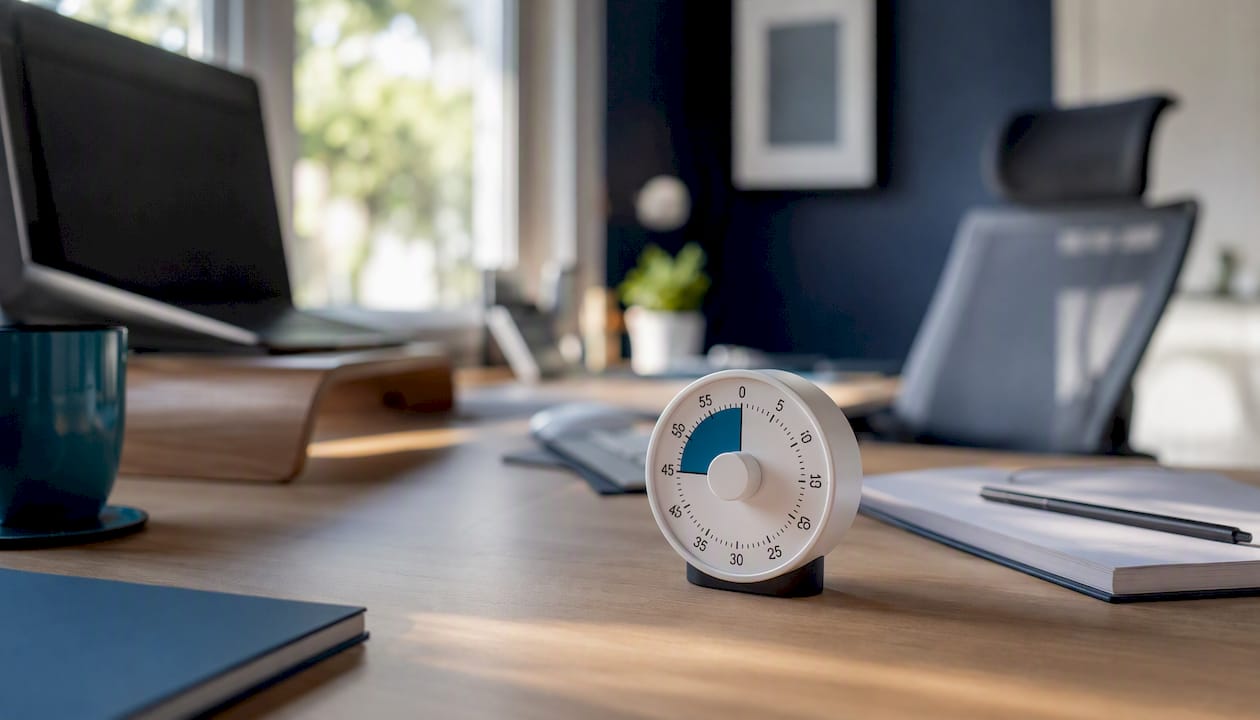
Sitting loads your lumbar discs more than standing does, and the longer you stay slumped, the more that pressure builds against the nerve roots exiting your spine. MedlinePlus recommends avoiding sitting longer than about 20 minutes at a stretch. Set a timer, stand up, and walk to the printer or refill your water bottle. Even 30 seconds of movement resets the pressure.
2. Slouched or rounded posture
Rounding your lower back, whether at a desk or on a couch, flattens the natural curve of your spine and pushes disc material backward toward the nerve. A lumbar support cushion or a chair adjusted so your hips sit slightly above your knees keeps that curve intact. Small workstation tweaks make a real difference here, and Everton Chiropractic’s guide to sitting with sciatica covers specific chair and desk setups worth trying.
3. Lifting with a rounded back
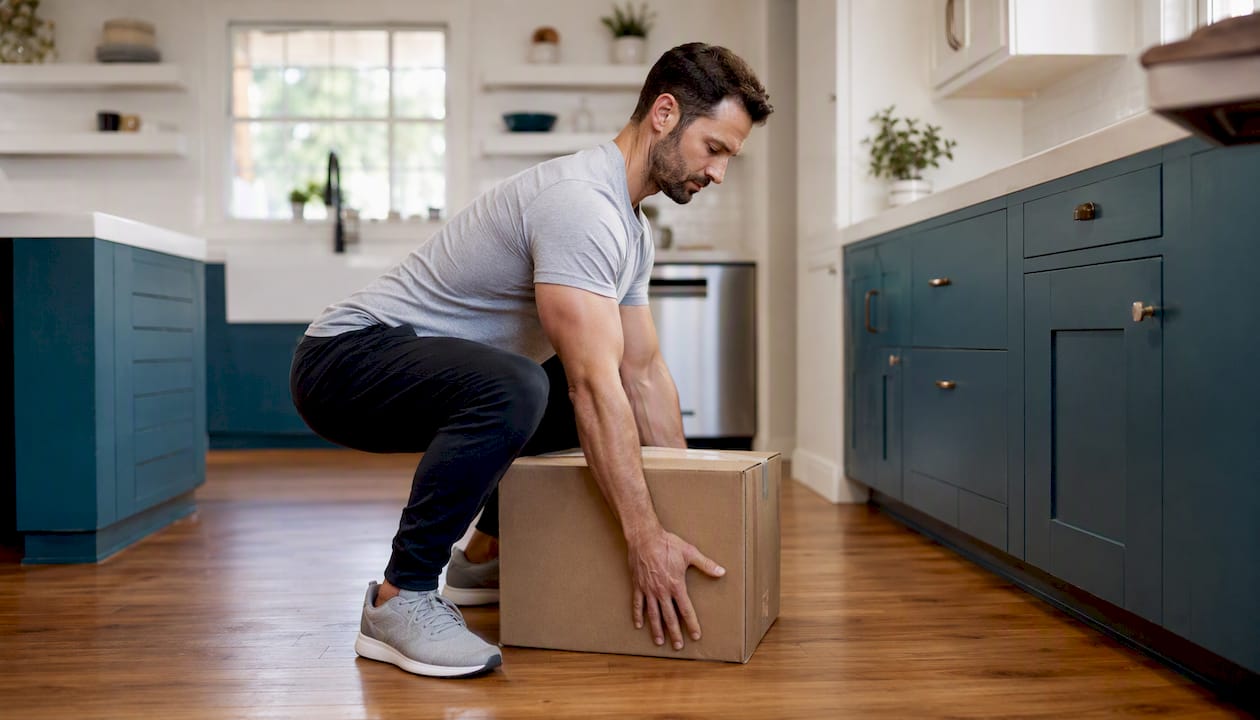
Bending straight over to grab something heavy multiplies the load on your lumbar discs several times over compared to hinging at the hips. Bend your knees, keep the object close to your body, and drive up through your legs. This is one of the most fixable habits on this list, and it costs you nothing to change.
4. Twisting while bent forward
Combining forward flexion with rotation, think reaching into the back seat of a car or twisting to grab a box off a low shelf, is one of the more reliable ways to trigger a disc-related flare. Turn your whole body toward the object instead of rotating just your spine.
5. Deep hamstring stretches and certain yoga poses
Aggressive forward folds and straight-leg hamstring stretches can pull on an already irritated sciatic nerve rather than release it, especially during an active flare. Swap them for gentle walking or glute activation work until symptoms calm down. This is one of the most common sciatica mistakes people make with good intentions, since stretching feels like it should help.
6. Heavy lifting without a warmup
Cold muscles and stiff joints don’t absorb load well. A few minutes of walking and light hip movement before you lift anything heavy, even groceries, primes the tissue and reduces the odds of a spasm.
7. An unsupportive mattress or couch
A mattress that sags in the middle lets your spine curve into positions it wasn’t built to hold for eight hours straight. Harvard Health points to simple fixes like a pillow between the knees for side sleepers or a pillow under the knees when lying on your back. Everton Chiropractic’s sleep position guide goes deeper on setup.
8. Extended car trips without breaks
Sitting still in a vibrating seat for hours combines two problems at once: static disc pressure and low-grade vibration that can aggravate an irritated nerve. Stop every 60 to 90 minutes, get out, and walk for a few minutes.
9. Bed rest beyond 48 hours
It feels logical to rest a painful back completely. It’s also one of the more common sciatica mistakes, because prolonged inactivity leads to deconditioning and slower recovery. Clinical guidance from NCBI supports keeping bed rest brief and returning to gentle movement early.
10. Smoking
Nicotine reduces blood flow to spinal discs and interferes with their ability to repair themselves, accelerating the kind of degeneration that leads to nerve compression. Harvard Health lists smoking cessation among the more effective long-term changes you can make.
11. Carrying excess body weight
Extra weight adds direct mechanical load to the lower back and also drives low-grade inflammation that makes nerve tissue more reactive to compression. Even modest weight loss tends to ease the load on the joints and discs doing the heavy lifting.
12. High heels over about 1.5 inches
Heels shift your weight forward and force your lower back into extra curvature to compensate, which changes how load moves through your spine. Harvard Health specifically flags heels above roughly 1.5 inches as worth avoiding while symptoms are active. Swap them for a supportive flat or a low block heel.
Pro Tip: If your job requires heels or long sitting, keep a pair of flats under your desk and set a recurring phone alarm for movement breaks. The habit only works if it’s easier than the alternative.
Why These Activities Actually Worsen Sciatica
The mechanics behind this list aren’t complicated once you see the pattern.
- Flexion and sitting increase disc pressure. Bending forward or sitting slouched pushes the gel-like center of a disc backward, toward the nerve roots it sits next to.
- Structural issues do the actual compressing. Cleveland Clinic identifies herniated discs and bone spurs pressing on lumbar nerve roots as the most frequent underlying cause, which is why lifting and twisting hurt so much when a disc is already compromised.
- Muscle spasm creates its own pain loop. An irritated nerve or a strained muscle in the lower back and hip can spasm defensively, which itself compresses tissue further and refers pain down the leg.
- Smoking and poor circulation choke off disc nutrition. Discs rely on diffusion for nutrients since they have almost no direct blood supply, so anything that reduces circulation slows their ability to recover.
- Excess weight drives systemic inflammation. Beyond the added mechanical load, research on body weight and spine health links obesity to inflammatory markers that make nerves more sensitive to compression.
Twisting and improper lifting connect most directly to that first mechanism, disc pressure, while smoking and excess weight work more slowly through circulation and inflammation. Not every trigger affects every person the same way. One person’s flare-up might come entirely from sitting; another’s might trace back to footwear or an old mattress. Track your own symptom pattern rather than assuming the whole list applies equally to you.
Safer Daily Habits That Prevent Sciatica Flare-Ups
Once you know what to avoid, the next question is what to do instead. Here’s a routine built around swaps rather than restrictions.
Morning: Start with five minutes of gentle mobility work, pelvic tilts, cat-cow stretches, and a short walk, before you sit down for breakfast or check email. This wakes up the tissue before you ask it to hold a position for hours.
Midday: Build in a 10 to 20 minute low-impact aerobic window, brisk walking works well, along with a 20-minute movement break for every stretch of desk time. Everton Chiropractic’s guide to moving better with sciatica breaks down which aerobic and strength options tend to help most.
Afternoon: Add light core activation, think gentle planks or bird-dogs rather than sit-ups, to support the spine without loading it in flexion. A stable core takes pressure off the discs during everyday bending and twisting, and Everton Chiropractic’s core stability guide walks through safe progressions.
Evening: Wind down with restorative positions, knees to chest or a supported child’s pose, and set up your sleep surface: pillow between the knees for side sleepers, a pillow under the knees for back sleepers.
Exercises to avoid during an active flare: stiff-leg deadlifts, full forward bends, burpees, high-incline sprinting, and heavy rowing, all flagged as aggravating for sciatica when done without proper progression, according to SpineHealth. Safer options: walking, swimming, stationary cycling with the seat set high enough to avoid excessive hip flexion, and supine pelvic tilts.
Pro Tip: Start low and go slow when you reintroduce activity after a flare. A 10-minute walk that leaves you feeling fine beats a 40-minute session that sets you back a week.
When to See a Clinician for Sciatica
Most flares improve with the changes above within days to a few weeks. If you’ve made these adjustments consistently for four to six weeks with no improvement, or if symptoms are getting worse rather than better, it’s time to get evaluated rather than keep waiting it out.
Some symptoms don’t wait for a scheduled appointment.
Loss of bladder or bowel control, progressive weakness in your leg or foot, or sudden, severe numbness across your inner thighs and groin all warrant emergency care the same day symptoms appear.
On a first visit, a clinician typically works through a few steps:
- A movement and posture assessment to identify which positions provoke your symptoms
- Strength and reflex testing to check for nerve involvement
- A short-term pain management plan, which may include manual therapy or activity modification
- A referral for imaging or physical therapy if your presentation suggests something beyond a routine flare
Everton Chiropractic’s guide to sciatica treatment options covers what a typical care pathway looks like in more detail if you want to know what to expect before booking anything.
How Clinicians Address the Root Cause, Not Just the Pain
Conservative, active care is the standard first approach for sciatica, not surgery and not indefinite rest. Clinical guidance published through NCBI supports this: most people improve with activity modification, targeted exercise, and manual therapy, and an interprofessional team approach tends to produce better outcomes than any single intervention alone.
That’s the model behind what a chiropractor or physical therapist actually assesses. It’s not just “does this hurt here.” A proper evaluation looks at posture, movement quality through the hips and spine, core stability, and how your daily habits, sitting, lifting patterns, footwear, feed into the symptoms you’re describing. Everton Chiropractic’s comparison of chiropractic and physiotherapy approaches breaks down how these disciplines overlap and differ for sciatica cases specifically.
Imaging or a surgical referral generally comes into play only when red-flag symptoms appear, when pain is severe and unresponsive to weeks of conservative care, or when there’s clear progressive weakness. Otherwise, the evidence favors sticking with movement-based, hands-on care first.
Most sciatica cases never need surgery. The cases that do almost always show clear warning signs first, which is exactly why tracking your symptoms and getting evaluated early matters more than pushing through and hoping it resolves on its own.
A Note From Everton Chiropractic on Managing Sciatica
We see the same pattern constantly: a patient who’s already tried to “push through” a flare for weeks before booking an appointment, usually after making one or two of the mistakes covered above without realizing it. Our approach starts with figuring out which specific habits and movement patterns are driving your symptoms, then building a plan around your actual daily life rather than a generic exercise sheet. Sciatica recurs when the underlying movement pattern never gets addressed, which is why we focus as much on posture and movement quality as on the immediate pain.
Get Hands-On Help for Sciatica That Isn’t Improving
If you’ve cut out the triggers above and you’re still stuck, a self-guided approach has its limits. Evertonchiropractic offers something a checklist can’t: a movement assessment that pinpoints exactly which habits, joints, or posture patterns are keeping your sciatica flared, followed by a plan built around your specific case rather than a generic stretching routine.

A typical visit includes a spinal and movement assessment, targeted adjustment where appropriate, and a personalized rehab plan you can actually follow given your job and daily routine. This fits office workers stuck sitting all day, athletes dealing with a flare from heavy lifting, and anyone who’s tried the self-care basics without lasting relief. If that’s where you are, explore long-term pain relief approaches at Evertonchiropractic and book an assessment to get a plan built around your actual triggers.
Sources
- Sciatica prevention and coping — Harvard Health
- Sciatica — Cleveland Clinic
- Clinical management guidance — NCBI Bookshelf (NBK507908)
This article is general information, not a substitute for advice from a qualified doctor. Consult a qualified healthcare professional about your own circumstances before acting on anything here.
FAQ
How do you heal a sciatic nerve?
Most sciatic nerve irritation improves with activity modification, gentle movement, and reducing the triggers that compress the nerve, like prolonged sitting or improper lifting, rather than through any single quick fix. Conservative care, including manual therapy and targeted exercise, is the recommended first-line approach for most cases.
Does sciatica go away on its own?
Many mild to moderate cases improve within days to a few weeks with self-care and activity changes. If symptoms haven’t improved after four to six weeks, or if they’re getting worse, it’s time to see a clinician rather than keep waiting.
How should you sit if you have sciatica?
Sit with your hips slightly higher than your knees, use lumbar support to maintain your spine’s natural curve, and stand up every 20 minutes to relieve disc pressure. Evertonchiropractic’s guide to sitting with sciatica covers specific chair and desk adjustments that help.
How do you stop sciatica from coming back?
Address the habits most likely to trigger a recurrence, prolonged sitting, poor lifting mechanics, smoking, excess weight, and unsupportive footwear, while building consistent core and mobility work into your routine. A movement assessment at a clinic like Evertonchiropractic can identify which specific patterns put you at ongoing risk.