
Introduction
A chiropractor in Singapore helps you identify and address the root cause of musculoskeletal pain – neck stiffness from desk work, low back pain that won’t quit, sciatica shooting down your leg, or posture that’s gradually worsening – through hands-on spinal adjustments, soft tissue therapy, and rehab exercises, all without medication or spinal surgery. In 2026, chiropractic care in Singapore is widely available, focusing on musculoskeletal and nervous system disorders, and you can book directly without a GP referral. Your first visit typically lasts 45–60 minutes and includes a thorough chiropractic assessment, a physical exam, and a clear explanation of findings in plain language before any treatment begins.
This guide is written for adults in Singapore experiencing musculoskeletal pain, postural problems, or age-related stiffness who are considering seeing a chiropractor for the first time. It covers how chiropractic works, what conditions respond well, what a first appointment at Everton Chiropractic looks like step by step, realistic costs and insurance realities, and how to find the right chiropractor for your specific needs. This is informational content – not a substitute for emergency medical care or specialist consultation when red-flag symptoms are present.
Here is what you will learn:
-
How chiropractic care works to restore spinal alignment, reduce nerve irritation, and support the body’s natural healing processes
-
The most common conditions treated by a chiropractor in Singapore – from neck pain and headaches to scoliosis and sports injuries
-
What happens during your first visit and follow-up sessions at Everton Chiropractic, including how progress is measured
-
Realistic fee ranges, insurance coverage (including MediShield Life and MediSave status), and how to avoid package pressure
-
A practical checklist for choosing a good chiropractor based on credentials, communication, and techniques
Throughout this article, you will find example visuals – clinic environment photos, posture comparison images, and simple anatomical diagrams – to make each concept clear and easy to follow.
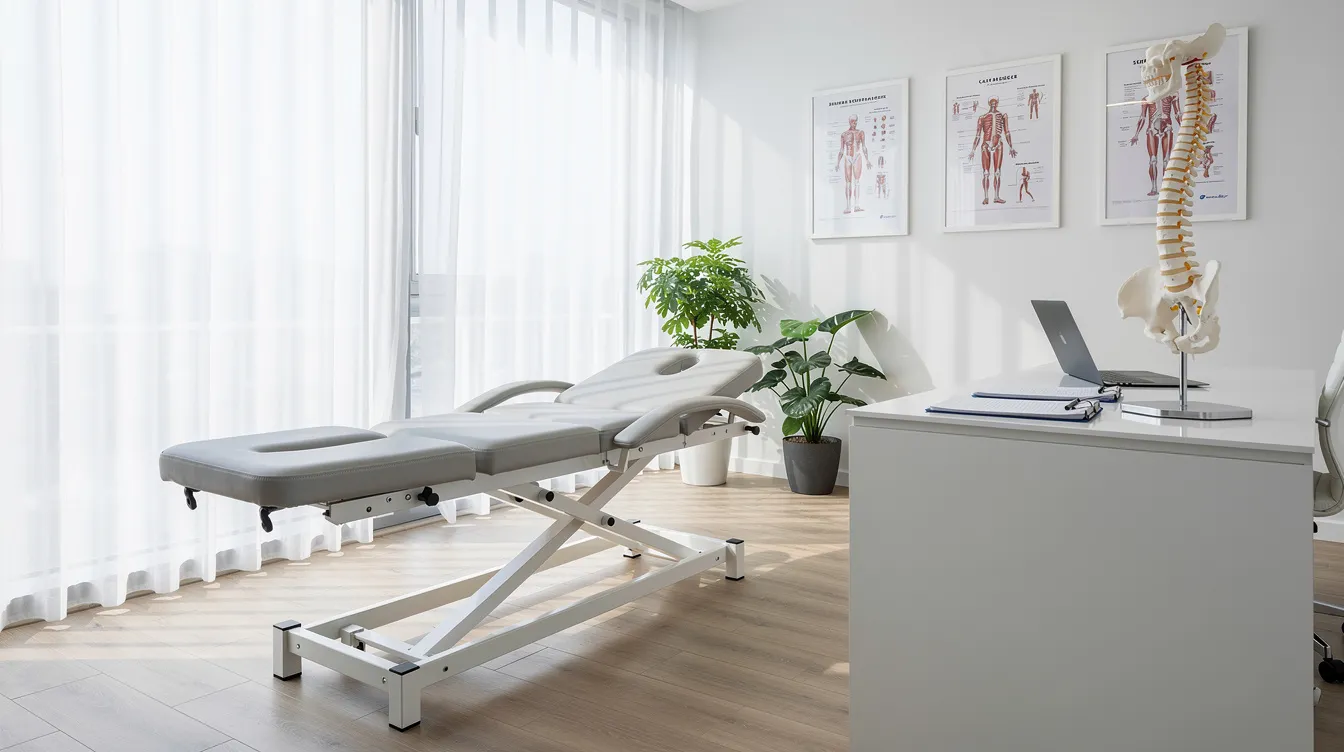
Understanding Chiropractic Care in Singapore
Chiropractic care is a hands-on healthcare discipline focused on the musculoskeletal system – particularly the spine – and how its alignment affects your nervous system, movement, and overall health. Rather than relying on drugs or surgery, chiropractors use spinal adjustments to restore joint mobility, reduce nerve irritation and muscle spasms, and help the body recover naturally. The goal is to find and correct the root cause of your pain or dysfunction, not just mask symptoms.
In Singapore’s healthcare landscape in 2026, chiropractic sits alongside general practitioners, orthopaedic specialists, and physiotherapists as one option for managing pain and movement problems. Chiropractic is considered a complementary and alternative healthcare service in Singapore, which means it operates outside the mainstream medical registration framework but serves a well-established role. Many patients choose to see a chiropractor first when their pain is related to posture, repetitive strain, or joint stiffness – situations where a non-invasive, drug-free approach makes practical sense before considering more intensive medical intervention.
At Everton Chiropractic, the focus is on precision spinal adjustments, postural assessment, and long-term functional improvement. This means care goes beyond short-term symptom relief: each patient receives personalised chiropractic care that includes movement coaching, corrective exercises, and ergonomic guidance designed to keep results lasting.
How Chiropractic Works: Spine, Nerves, and Movement
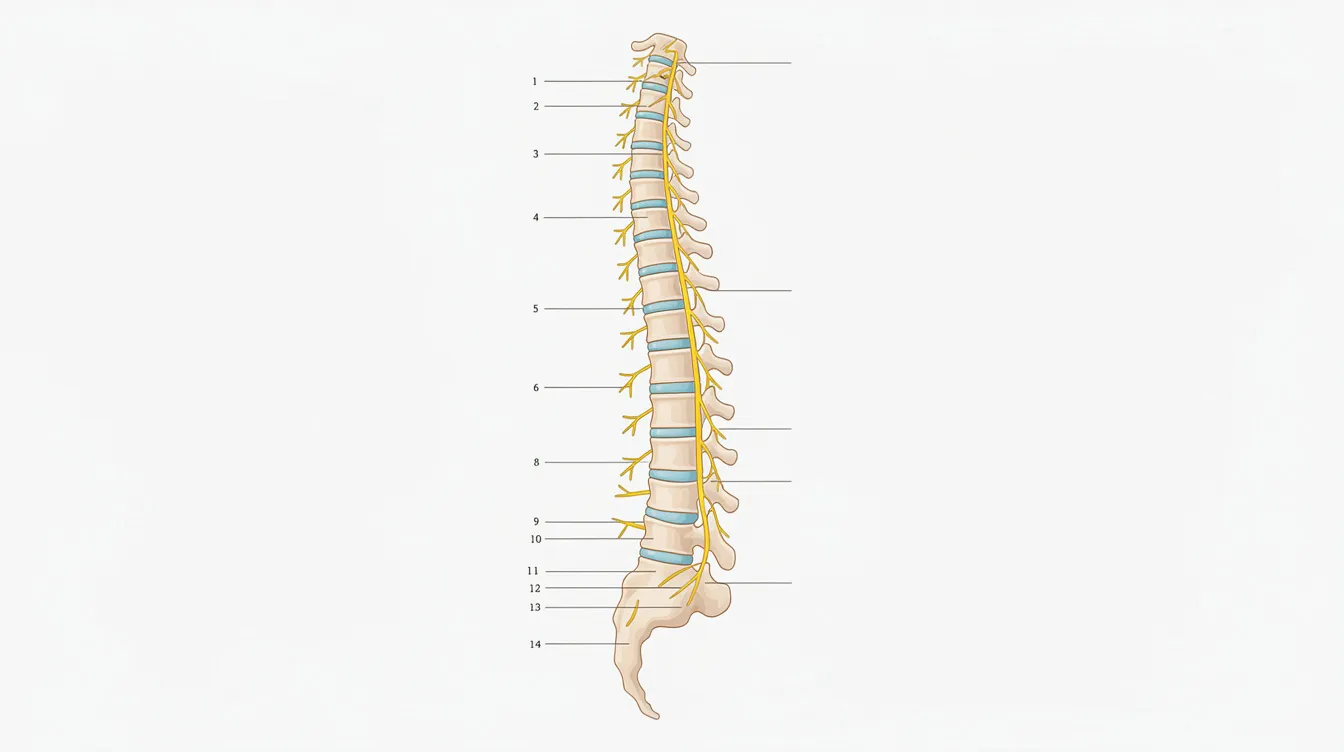
Your spine is the structural core of your body and the protective highway for your central nervous pathway. When spinal joints become restricted or misaligned – through poor posture, repetitive stress, past injuries, or degeneration – the result can be nerve irritation, muscle tension, reduced mobility, and pain. Misaligned spines can lead to nerve irritation and pain that shows up not only in the back but also in the neck, shoulders, knees, and as headaches or sciatic symptoms radiating down the leg.
A chiropractic adjustment is a controlled, specific force applied to a joint that has become restricted. Chiropractors use spinal adjustments to restore joint mobility, improve nerve function, and allow surrounding muscles to relax. For example, a desk worker with chronic neck pain from forward head posture may have restricted joints in the cervical spine and upper back; targeted adjustments combined with soft tissue work and posture retraining can progressively restore comfortable movement. Similarly, an older adult with a stiff lower back may benefit from gentle mobilisation that improves flexibility without aggressive force. Proper spinal alignment enhances overall bodily functions and supports the body’s capacity for recovery.
Techniques vary depending on the patient and the condition. Manual high-velocity, low-amplitude adjustments are the most well-known – these are the controlled movements that sometimes produce a popping sound. But chiropractors also use low-force techniques, which are preferred for gentle chiropractic care, along with instrument-assisted adjustments, soft tissue therapy, and rehab exercises. At Everton Chiropractic, techniques are selected based on patient comfort, age, and clinical findings, not applied as a one-size-fits-all protocol.
Regulation, Training, and Safety in Singapore
Chiropractic services in Singapore are self-regulated through professional associations rather than governed by a specific government licensing act. Chiropractic services are not licensed under the Private Hospital and Medical Clinics Act in Singapore, which means there is no statutory registration board equivalent to the Singapore Medical Council for chiropractors. However, the Chiropractic Association Singapore (TCA(S)) maintains a professional register of practitioners who meet international educational standards, and membership signals compliance with ethical, educational, and advertising benchmarks. Using professional registries like The Chiropractic Association (Singapore) aids in finding qualified chiropractors, and this is an important first step for patients doing their research.
In terms of chiropractic education, chiropractors in Singapore must hold internationally accredited Doctor of Chiropractic degrees. This typically involves a 4–5 year professional degree combining rigorous training in anatomy, physiology, pathology, radiology, diagnosis, and clinical internships – comparable in duration and depth to many medical programmes. Look for chiropractors with active membership in the Chiropractic Association to verify these credentials.
On safety: chiropractic is generally recognized as safe when performed by qualified practitioners. Common side effects include mild soreness lasting 24–48 hours, which typically resolves on its own. Serious adverse events are extremely uncommon in chiropractic care. The WHO’s 2023 guidelines on chronic low back pain include spinal manipulative therapy among recommended non-surgical options, provided care is delivered by well-trained practitioners and is person-centred. Best practice includes screening for red flags – suspected fractures, tumours, progressive neurological deficits – and adapting techniques for patients with osteoporosis, pregnancy, or other conditions. Patients with certain conditions should consult their doctor before chiropractic care.
At Everton Chiropractic, cautious screening is standard. Every new patient is assessed for contraindications before any adjustment, and referral to a GP, orthopaedic specialist, or hospital is recommended whenever certain symptoms require medical assessment rather than chiropractic treatment.
Why People See a Chiropractor in Singapore
Understanding the basics of how chiropractic works makes it easier to see why specific conditions respond well to this approach. At Everton Chiropractic, most adults present with pain or mobility issues driven by work posture, sports injuries, or aging – but long-term goals often extend beyond pain relief to better function, prevention, and overall well being.
Common Pain Conditions Treated
Chiropractors assess and treat musculoskeletal concerns such as back or neck pain and stiffness. Here are the conditions most commonly seen at a chiropractic clinic in Singapore:
-
Neck pain and stiffness: Chiropractors treat neck pain as a common condition, especially in Singapore where long hours on laptops and smartphones drive forward head posture and cervical spine restriction. Assessment involves checking joint mobility, muscle tightness, and nerve function. Chiropractic care is particularly beneficial for managing neck and back pain caused by desk jobs, and targeted adjustments combined with posture retraining can significantly alleviate discomfort.
-
Lower back pain and sciatica: Lower back pain is a primary reason people seek chiropractic care. Globally, approximately 1 in 13 adults had low back pain in 2020, and the number continues to rise. Chiropractors assess for disc involvement, nerve root compression, and joint restriction. Spinal decompression therapy relieves pressure on spinal discs, and combined with adjustments and movement-based rehabilitation, many patients experience meaningful improvement – particularly when a slipped disc or sciatic nerve irritation is involved.
-
Shoulder and upper back pain: Chiropractic care can help alleviate shoulder pain linked to thoracic spine stiffness, scapular dysfunction, or compensation patterns from desk posture or gym strain. Treatment includes adjustments, soft tissue therapy, and corrective exercises targeting shoulder stabilisers and upper back mobility.
-
Knee pain: Chiropractors address knee pain through rehabilitation techniques, particularly when it is related to alignment issues, gait dysfunction, or compensations from hip or back problems. A thorough assessment identifies whether the knee itself or structures higher up in the chain are driving the issue.
-
Headaches and migraines: Chiropractic care effectively manages headaches and migraines, especially cervicogenic headaches that originate from dysfunction in the upper cervical spine. Adjustments to the neck and upper spine, combined with posture correction and soft tissue work, can reduce frequency and intensity.
For each of these conditions, the chiropractic assessment at Everton Chiropractic identifies the root cause – not just the area of pain – and builds a care plan that addresses both the immediate symptoms and the underlying dysfunction.

Posture Problems and Scoliosis
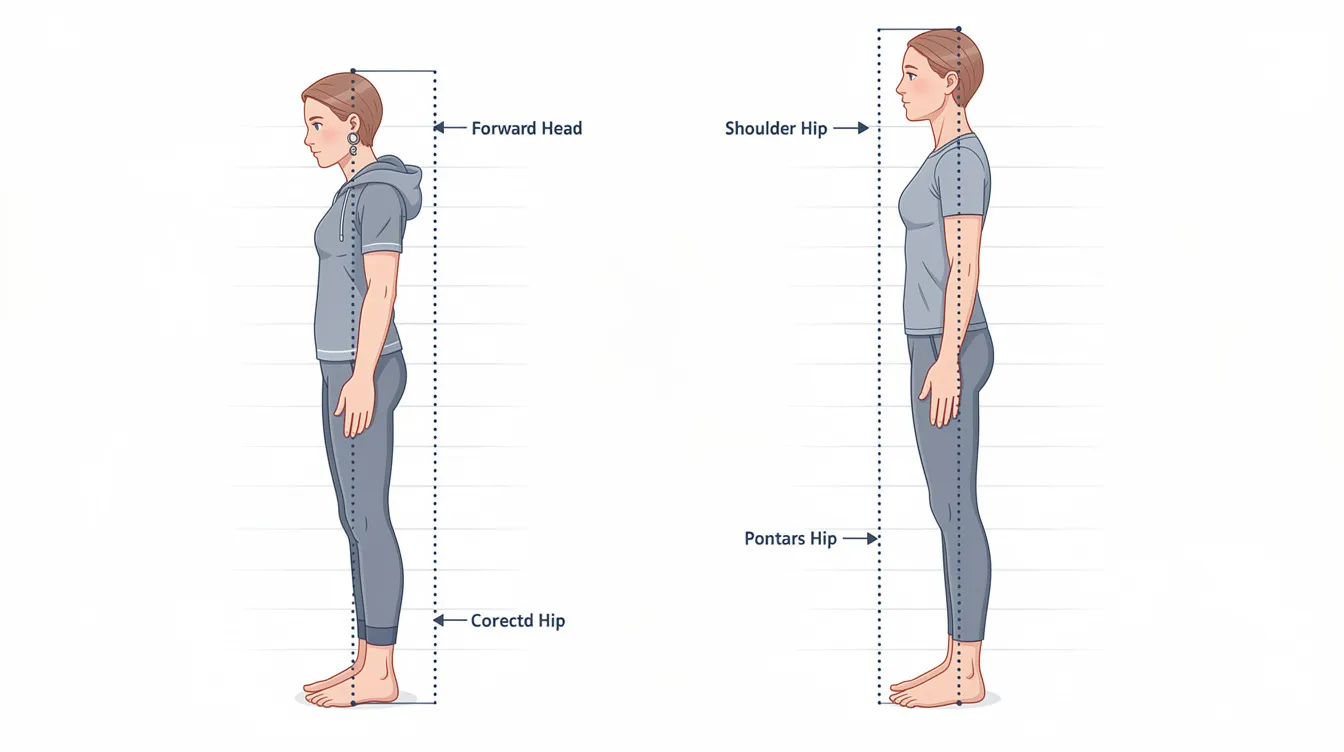
Modern life in Singapore creates significant posture challenges. Prolonged sitting in offices, heavy study loads for students, and constant device use all contribute to forward head posture, rounded shoulders, and swayback. These are not merely cosmetic concerns – sustained poor posture changes how load is distributed through the spine and can lead to chronic pain, stiffness, and accelerated degeneration.
At Everton Chiropractic, postural assessment is a core part of every initial evaluation. This includes front and side posture photos, plumb line alignment checks, and movement tests to identify exactly where restrictions and imbalances exist. Based on findings, care is tailored to correct specific patterns – for instance, a combination of thoracic spine adjustments, posture correction exercises, and ergonomic guidance for your workstation.
Scoliosis management is a focus of chiropractic services, particularly for teens and young adults with mild to moderate spinal curves. While chiropractic cannot “cure” a significant structural scoliosis, it can help with pain reduction, improved posture and breathing, functional mobility, and potentially slowing progression when combined with targeted exercises. Successful chiropractic treatment can improve posture and joint mobility, and for scoliosis patients, this translates to better daily function and comfort.
Aging, Mobility, and Long-Term Function
Many patients in their 50s to 70s in Singapore seek chiropractic to maintain an active lifestyle – walking comfortably, travelling, gardening, caring for grandchildren. Age-related issues that chiropractors commonly see include spinal degeneration (osteophytes, disc height loss), joint arthritis, reduced flexibility, and balance impairments. These conditions develop gradually and often respond well to consistent, gentle care.
For older adults, Everton Chiropractic uses a modified approach: low force techniques, instrument-assisted adjustments, slower treatment progressions, and careful attention to co-morbidities such as osteoporosis. Exercises emphasising core stability, balance, and gentle strengthening are central to maintaining function between visits. The goal is not to restore the spine of a 20-year-old but to optimise what the body has – reducing pain, maintaining mobility, and supporting independence.

What to Expect When You Visit a Chiropractor in Singapore
Knowing what happens step by step makes the experience far less daunting. Here is how a typical first visit and ongoing care at Everton Chiropractic works in 2026 – designed to be practical, reassuring, and centred on patient control.
Your First Chiropractic Assessment
A thorough initial assessment is typically part of chiropractic treatment. Your first visit typically lasts 45–60 minutes and follows a clear sequence:
-
Detailed health history: You will discuss your symptoms, pain areas, work demands, sports or hobbies, medical history, past injuries, prior surgeries, and any current medications. Your health history helps the chiropractor understand the full picture, not just the symptom.
-
Physical exam: This includes a postural assessment (front and side photos), range-of-motion testing, orthopaedic tests for specific joint or disc involvement, and neurological checks such as reflexes, sensation, and muscle strength.
-
Review of existing imaging: If you have recent X-rays or MRIs, these are reviewed. Routine imaging is not always required – it is only ordered when clinical findings suggest red flags or when imaging will meaningfully change the treatment approach.
-
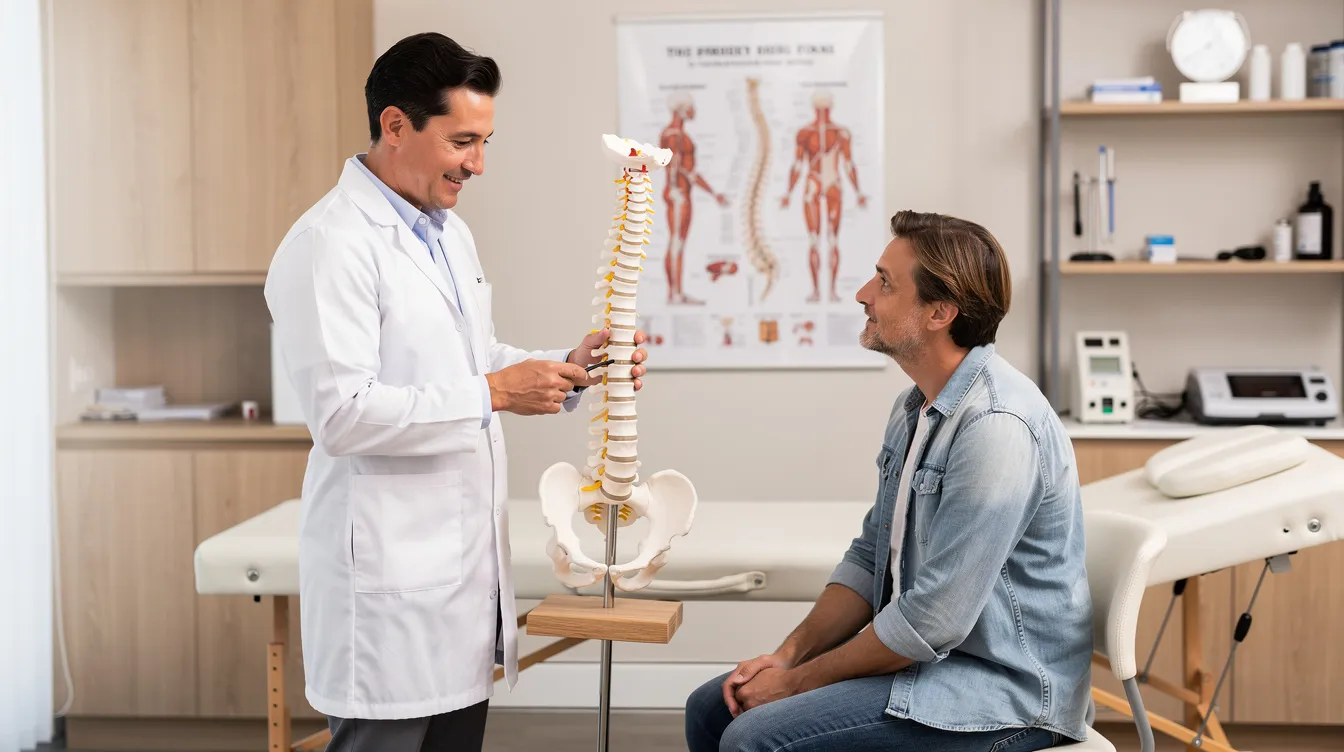
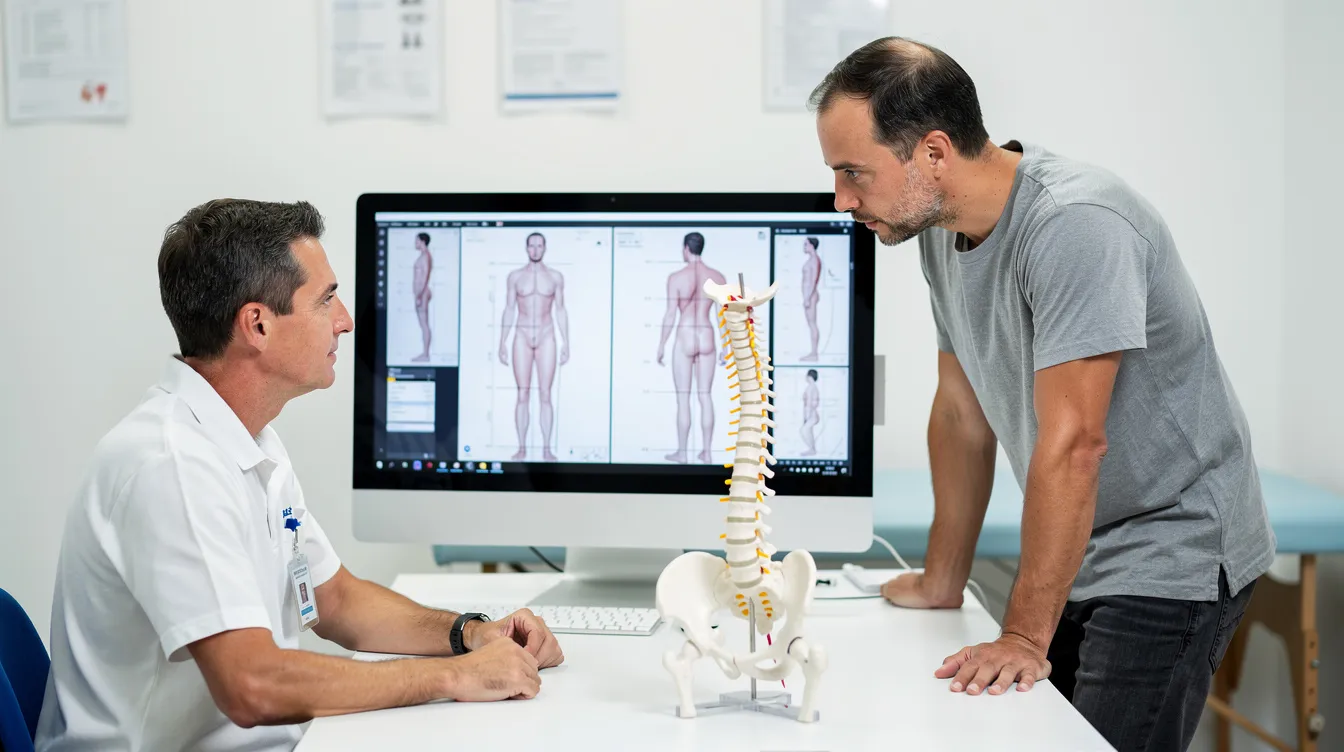
Explanation of findings: Using spine models and simple diagrams, the chiropractor explains what is happening in your spine and body, what is contributing to your pain, and what the proposed care plan involves. Chiropractors should explain treatment plans in understandable terms – you should leave the appointment understanding your condition clearly.
First visit fees can include consultation and treatment, though some clinics separate these. At Everton Chiropractic, the initial assessment is thorough and transparent, with no obligation to commit to further care on the spot.
Your First Adjustment and Early Care Plan
Before any hands-on care begins, Everton Chiropractic explains exactly which techniques will be used and why, ensuring informed consent and comfort. Gentle, low-force options are always available – especially for patients who are nervous about the adjustment process or who have conditions requiring extra caution.
A typical first adjustment session might include:
-
Specific spinal adjustments targeting restricted joints identified during assessment
-
Soft tissue therapy to release tight muscles contributing to pain or limited movement
-
Simple home exercises – such as chin tucks for neck posture or hip stretches for low back tension
-
Ergonomic advice for desk setup, sleeping position, or daily movement habits
Chiropractic care often includes manual spinal or joint adjustments, but the treatment is always tailored. Chiropractic adjustments restore proper spinal alignment, and the early care plan is structured around your response: for acute pain, visits may be 2–3 times per week in the first 1–2 weeks, reducing as symptoms improve. For chronic or long-standing issues, progression is slower but steady. A typical acute case often shows meaningful improvement within 4–8 sessions.

Follow-Up Visits and Measuring Progress
Follow-up sessions are shorter – typically 15–30 minutes – and focused. Each visit includes a brief check-in on how you have responded since the last session, re-testing of key movements, targeted adjustments, and progression of exercises as your body improves.
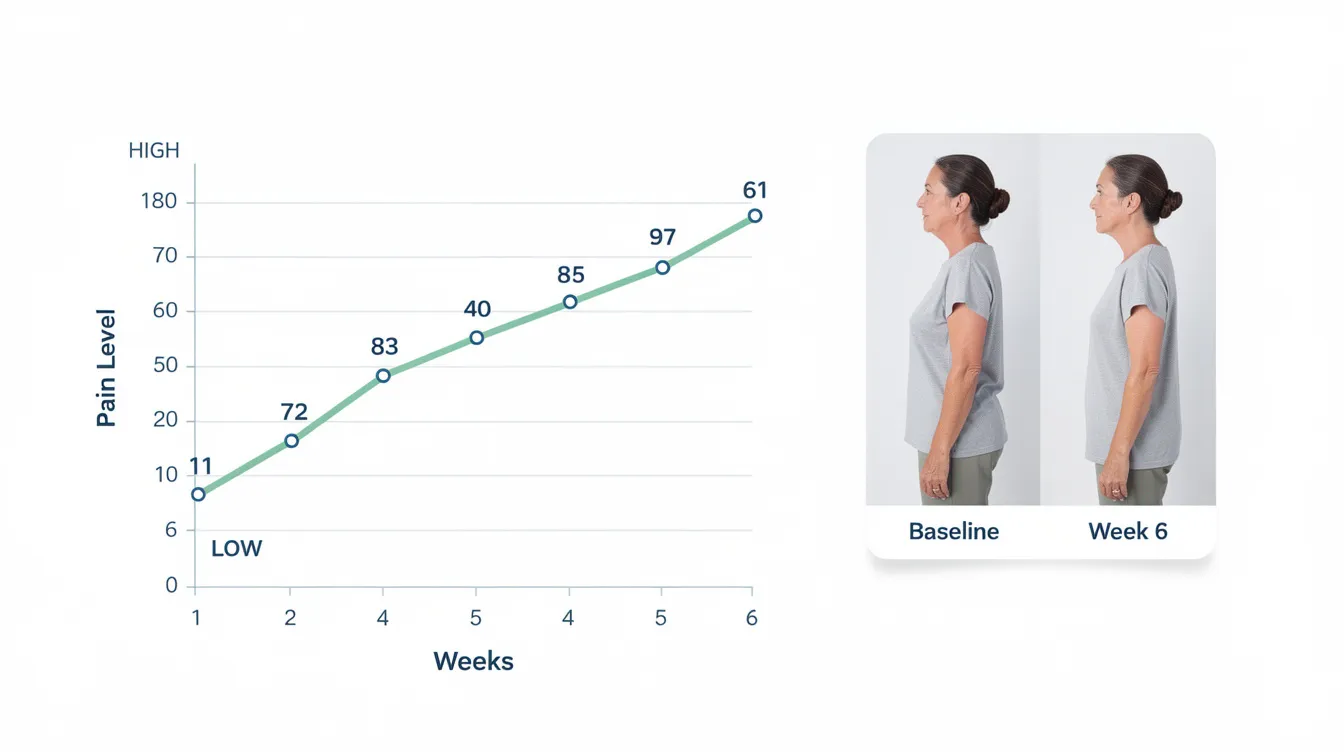
Everton Chiropractic tracks improvement using objective markers: pain scores (0–10 numeric rating scale), posture re-photography at regular intervals (usually every 4–6 weeks), flexibility and strength tests, and functional goals that matter to you – such as sitting through a full workday without discomfort, walking 30 minutes pain-free, or returning to your sport.
Treatment length varies by condition, duration of symptoms, and lifestyle factors. Care is personalised rather than locked into rigid long-term packages. At Everton Chiropractic, the care plan is reviewed regularly – if you are improving as expected, visit frequency is tapered. If progress stalls, the approach is adjusted. Consumers should be wary of clinics pushing large prepaid packages without proper assessments; transparent per-visit pricing and flexible plans are a hallmark of ethical chiropractic practice.
Implementing Chiropractic Care in Your Life
Chiropractic adjustments create an opportunity for change – but lasting results depend on what you do between visits. This section covers how to combine chiropractic with daily habits to maintain spinal alignment, prevent recurring pain, and work toward optimal health. Everton Chiropractic supports patients with lifestyle and movement coaching designed for real life in Singapore, not just the treatment room.
How to Prepare and Make the Most of Each Visit
Whether it is your first appointment or you are restarting care after a gap, a small amount of preparation significantly improves each session:
-
List your main symptoms, goals (e.g., carry your child without pain, sit at work comfortably), and any questions before the appointment.
-
Bring previous scans or reports, plus a list of medications, past injuries, and prior surgeries – your medical history helps the chiropractor make safe, informed decisions.
-
Wear or bring loose, comfortable clothing that allows easy movement during the physical exam and adjustment.
-
Arrive a few minutes early to complete intake forms calmly, including consent and health history documentation.
-
After the visit, follow through on recommended stretches, posture changes, and the follow up schedule – consistency is the first step to real improvement.
Integrating Chiropractic with Exercise and Daily Habits
Chiropractic care at Everton Chiropractic is complemented by practical lifestyle adjustments:
-
Simple strengthening and mobility exercises: Core activation, hip stabilisers, and shoulder mobility drills are commonly prescribed. These do not require gym access – most take 10–15 minutes at home. Core stability work is especially important for maintaining results between visits.
-
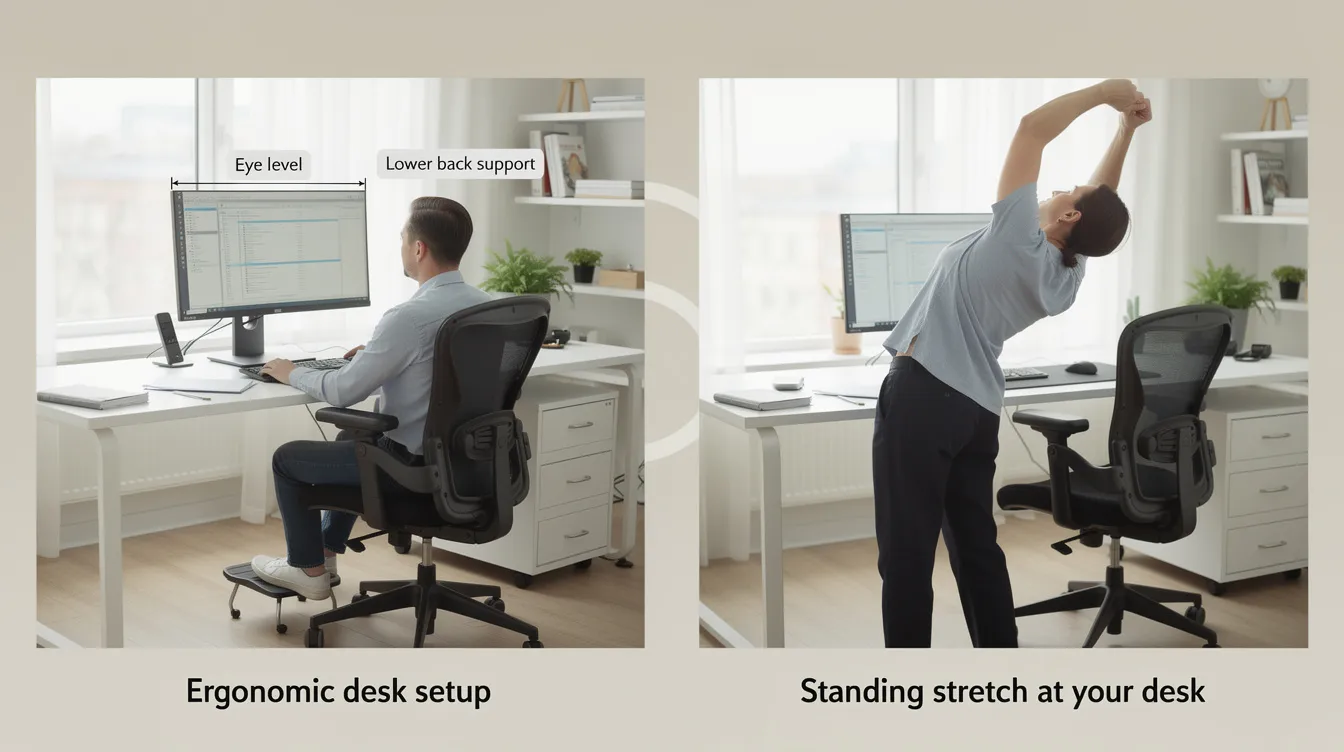
Workstation changes: Monitor at eye height, lumbar support in your chair, keyboard and mouse at elbow level, and scheduled micro-breaks every 30–45 minutes to stand, stretch, and reset posture.
-
Sleep posture and support: Side sleeping with a supportive pillow that maintains cervical spine alignment is generally recommended for neck and back pain. Choosing the right pillow can make a significant difference.
For example, a 9-to-6 office worker might combine 1–2 chiropractic sessions per week initially with a daily 10-minute home routine of chin tucks, cat-cow stretches, and glute bridges, plus hourly posture resets at the desk. As pain reduces and function improves, visit frequency drops and the home programme becomes the primary maintenance tool.
Chiropractic vs Other Options in Singapore
Singapore offers multiple pathways for managing pain and movement problems. Understanding how chiropractic compares helps you make an informed decision:
|
Factor |
Chiropractic |
Physiotherapy |
TCM (Acupuncture/Tuina) |
Medical (GP/Orthopaedic) |
|---|---|---|---|---|
|
Primary focus |
Spinal alignment, joint mobility, nervous system |
Rehabilitation, movement retraining, exercise |
Energy flow, meridians, pain relief |
Diagnosis, medication, surgery |
|
Main tools |
Spinal adjustments, soft tissue therapy, rehab exercises |
Exercise prescription, manual therapy, modalities |
Needles, manual bodywork, herbs |
Imaging, medication, injections, surgery |
|
Best suited for |
Spinal/joint pain, posture correction, nerve-related issues |
Post-surgical rehab, sports injuries, strength deficits |
Chronic pain, stress-related tension |
Acute injury, severe pathology, systemic disease |
|
Drug-free |
Yes |
Yes |
Yes |
No (medication commonly used) |
These approaches are not mutually exclusive. Everton Chiropractic works alongside GPs and physiotherapists when combination care makes the most sense – for instance, referring to a specialist when severe neurological deficits suggest a need for medical imaging or surgical consultation, or co-managing recovery with physiotherapy after a sports injury. Chiropractors in Singapore can provide non-invasive management for pain and discomfort, and knowing when to refer is a sign of a responsible practitioner.
For a deeper comparison of specific approaches, Everton Chiropractic has published detailed guides on physiotherapy vs chiropractic for back pain and TCM vs chiropractic adjustments for chronic pain.
Common Challenges and How Chiropractic Clinics Address Them
Many Singapore residents hesitate before booking their first chiropractic appointment. Common barriers include cost uncertainty, fear of the “cracking” sensation, confusion about how long treatment takes, or pressure to commit to expensive packages. Here is how Everton Chiropractic addresses each concern directly.
Concern 1: Is Chiropractic Safe and Will It Hurt?
During an adjustment, you may feel localised pressure, a brief stretch, and sometimes a popping sound – this is simply gas releasing from the joint, not bones cracking. Most patients report relief and improved mobility after the session, not increased pain. Common side effects include mild soreness lasting 24–48 hours, similar to what you might feel after a new exercise – this temporary discomfort typically resolves quickly. Serious adverse events are extremely uncommon in chiropractic care.
At Everton Chiropractic, safety is built into every visit: thorough screening for red-flag conditions, adaptation of techniques for pregnant patients, seniors, or those with osteoporosis, and clear communication throughout the adjustment process. If you feel any discomfort during treatment, you can always ask the chiropractor to use gentler, low force alternatives. The Webster Technique, for example, optimizes pelvic alignment during pregnancy using specialised positioning that is safe and comfortable. Always communicate openly – report your full health history, any unusual post-treatment reactions, and never hesitate to ask questions.
Concern 2: Cost, Packages, and Insurance in Singapore
Chiropractic fees in Singapore vary by clinic and experience. In 2026, typical market ranges are:
-
Initial consultation and assessment: SGD 120–200
-
Follow-up adjustment sessions: SGD 80–150
-
Premium or specialised sessions (e.g., spinal decompression, neurological assessment): SGD 180–300+
Package deals offering 20–40 pre-paid sessions can total SGD 3,000–7,000+. While packages reduce per-session cost, they require significant upfront commitment. Everton Chiropractic takes a transparent approach to pricing, with clear per-visit fees and no pressure to purchase large packages before a proper assessment has established whether you actually need long-term care. Family discounts and reduced rates for children are available at many clinics – it is worth asking.
On insurance: chiropractic is not covered by MediSave or MediShield Life. Because chiropractic is classified as a complementary healthcare service, public insurance schemes do not extend to routine chiropractic services. However, some insurance plans cover chiropractic sessions partially – particularly employer-sponsored or private health plans. Check with your insurer before starting care, and ask whether a referral letter is needed for reimbursement.
Concern 3: How Many Sessions Will I Need?
This is one of the most frequently asked questions, and the honest answer depends on several key factors: the nature of your condition (acute versus chronic), severity, how long symptoms have been present, your work and lifestyle demands, and how consistently you follow home exercise and posture advice.
At Everton Chiropractic, expectations are set on day one and reviewed periodically – typically with a formal re-assessment at 4–6 weeks. Acute conditions (e.g., a recent low back strain from lifting) often show meaningful improvement within 4–8 sessions. Chronic or complex cases – such as a 10-year history of desk-related neck pain or moderate scoliosis – may require several months of consistent care, including home exercise components, before results stabilise. The care plan is flexible and adjusts based on your actual progress, not a predetermined number of visits.
For guidance on visit frequency for different conditions, Everton Chiropractic offers detailed recommendations based on common clinical scenarios.
Conclusion and Next Steps
A chiropractor in Singapore offers a non-invasive, drug-free approach to managing pain, correcting posture, and maintaining mobility – whether you are dealing with acute low back pain, chronic neck stiffness from desk work, age-related joint degeneration, or postural issues like scoliosis. Evidence-based guidelines, including the WHO’s 2023 recommendations, support spinal manipulative therapy as part of a broader, person-centred approach to musculoskeletal health. Choosing an evidence-informed, patient-centred clinic like Everton Chiropractic means receiving personalised chiropractic care grounded in thorough assessment, transparent communication, and a genuine commitment to long-term function – not just quick fixes.
Here are your next steps:
-
Decide if your symptoms – neck pain, low back pain, sciatica, shoulder pain, poor posture, headaches, or stiffness – are suitable for a chiropractic assessment.
-
Gather any past imaging or medical reports and write down your main goals and questions.
-
Book an introductory assessment at Everton Chiropractic and plan time for the full 45–60 minute first visit.
-
Commit to a trial period of care and home exercises to fairly assess your results before deciding on ongoing management.
You can continue learning about specific topics – including how to improve spinal mobility safely, scoliosis management, office ergonomics, and senior mobility – on the Everton Chiropractic website.

FAQs About Seeing a Chiropractor in Singapore
These concise FAQs address common quick questions Singapore patients ask Everton Chiropractic before booking.
Do I need a referral to see a chiropractor in Singapore?
No GP referral is required. You can book directly with Everton Chiropractic or any chiropractic clinic. However, some private insurance plans may request a referral letter from a doctor for reimbursement purposes – check with your insurer before your first appointment.
Is a chiropractor a medical doctor in Singapore?
Chiropractors hold a Doctor of Chiropractic degree – an internationally accredited professional qualification requiring 4–5 years of specialised training – but they are not medical doctors. They do not prescribe medication or perform surgery. Chiropractors specialise in the musculoskeletal system and spinal health, and they work alongside GPs, orthopaedic specialists, and physiotherapists when broader medical care is needed. Users are advised to check the qualifications and professional membership of chiropractors before treatment.
How soon will I feel better after starting chiropractic care?
Many patients notice some change within 1–3 visits – often improved mobility or reduced pain intensity. However, lasting improvement typically requires several sessions combined with home exercises and lifestyle adjustments. Chronic conditions that have been present for months or years take longer to respond than acute injuries. Everton Chiropractic reviews your progress formally at 4–6 weeks and adjusts the care plan accordingly.
Is chiropractic safe during pregnancy and for older adults?
Yes, when provided by appropriately trained chiropractors who use modified techniques and positioning. For pregnant patients, methods like the Webster Technique optimise pelvic alignment safely. For older adults, low-force and instrument-assisted techniques reduce risk while still delivering benefit. Everton Chiropractic screens every patient for conditions such as osteoporosis, vascular concerns, or other factors that require technique modification, and refers to medical specialists when necessary.
How do I choose the right chiropractor in Singapore for my condition?
Use this concise checklist:
-
Verify qualifications: Confirm the chiropractor holds a recognised Doctor of Chiropractic degree from a CCE-accredited institution and is a registered chiropractor with a professional body such as the Chiropractic Association Singapore.
-
Ask about experience: Ensure the practitioner has experience with your specific issue – whether sciatica, scoliosis, sports injuries, or office-related neck pain.
-
Assess communication: A good chiropractor explains findings and treatment in plain language, uses models or diagrams, and invites your questions.
-
Check pricing transparency: Look for clear per-visit fees, no pressure to commit to large prepaid packages before assessment, and realistic expectations about session numbers.
-
Consider convenience: Clinic location relative to your MRT line, workplace, or home matters for consistency – the best results come from attending your visits regularly.
Chiropractic techniques vary; ask about the methods used during your initial call or consultation so you know what to expect before committing.