
Introduction
World Spine Day 2026 falls on 16 October, and for Singapore residents – from primary school students to working adults to retirees – it is a timely reminder that spinal health shapes every part of everyday life. This article lays out 10 practical daily habits for a healthier spine tailored specifically to how people in Singapore sit, commute, study, work, and sleep.
This guide is written for everyone aged 5 to 95: children carrying heavy school bags, office workers spending hours at a desk in the CBD, caregivers lifting toddlers, and seniors navigating HDB staircases. The focus is on non-surgical, low-cost strategies you can start today, with clear guidance on when to seek professional chiropractic or medical help. Topics outside this scope – surgical interventions, medication protocols, and condition-specific rehabilitation plans – are best discussed with your healthcare professionals directly.
The best way to celebrate World Spine Day 2026 in Singapore is to adopt healthy habits – 10 simple daily changes to how you sit, stand, sleep, move, and work – and to get your spine checked early if you experience pain or postural issues.
By the end of this article, you will:
-
Understand what World Spine Day 2026 and the theme “Spine Health for Life” mean for Singapore residents.
-
Learn 10 concrete, daily spine-friendly habits you can start immediately at home, school, and work.
-
Recognise early warning signs of spinal problems such as neck pain, lower back pain, sciatica, and posture changes.
-
See how chiropractic care at Everton Chiropractic can support and maintain these habits long term.
-
Know where to find more resources, including a detailed guide on lower back pain.

Understanding World Spine Day and Spine Health in Singapore
World Spine Day is observed on 16 October annually, making 16 October 2026 this year’s date to raise awareness about spinal pain and disability worldwide. Organised by the World Federation of Chiropractic, the campaign encourages people across the globe to prioritize spinal health through prevention, education, and early professional care. For Singapore, a city where prolonged sitting, dense urban commutes, and high academic workloads define daily routine, the day carries particular weight.
Spinal pain is remarkably common here. Up to 80% of people will experience low back pain at some point. Among Singapore office workers, a study of 324 respondents found 73.4% reported pain in at least one body part – neck pain at 46%, shoulder pain and low back pain each at 42%. Low back pain is a leading cause of disability worldwide, and one in four adults suffers from back pain during their lives. Around 100 crores globally suffer from back pain issues, making spinal conditions a massive public health concern that touches every age group.
In practical terms, spine health means having good spinal alignment, full mobility, healthy nerve function, and pain-free movement throughout the day. It is not merely about avoiding injury – it is about maintaining the body’s central support structure so you can work, play, care for family, and stay independent as you age.
The subsections below break down the spine’s role, the most common spinal issues seen locally, and why daily prevention matters far more than waiting for pain to force your hand.
The Role of Your Spine in Everyday Life
Your spine is a column of 33 vertebrae divided into cervical (neck), thoracic (mid-back), lumbar (lower back), sacrum, and coccyx regions. It performs three essential jobs: it supports your body weight, enables a wide range of movement, and protects the spinal cord – the main communication highway between your brain and the rest of your body. Spinal health is fundamental to mobility and independence at every age.
Consider a typical day in Singapore. You sit on the MRT for 30 minutes, spend 8 hours at a desk, carry shopping bags from NTUC FairPrice, lift a toddler, or climb the stairs to your HDB flat. Every one of these actions relies on a well-functioning spine. When alignment is off or supporting muscles are weak, even simple tasks become uncomfortable.
Good spinal alignment also influences energy levels, concentration at work, sports performance, and – for older adults – the ability to stay active and independent. The spine supports not just physical movement but overall well being, making it the one structure you cannot afford to neglect.
Common Spine Problems Seen in Singapore
At Everton Chiropractic, the most frequent complaints mirror Singapore’s lifestyle patterns:
-
Neck pain – driven by excessive smartphone use, forward head posture, and prolonged laptop work without ergonomic adjustments. Sedentary behavior contributes to back and neck strain in modern lifestyles, and Singapore’s screen-heavy culture amplifies this risk. For a deeper look, see our guide on curing tech neck for office workers.
-
Lower back pain – the single most common complaint, frequently linked to prolonged sitting, poor lumbar support, physical inactivity, and improper lifting techniques. Prolonged sitting can contribute to back pain, and spinal pain contributes heavily to healthcare costs both here and globally.
-
Sciatica and radiculopathy – radiating leg pain, tingling, or numbness caused by compressed lumbar nerves, often from disc issues or spinal misalignment.
-
Shoulder tension and upper back stiffness – commonly secondary to desk posture and thoracic rounding.
-
Scoliosis and postural curvature in youths – exacerbated by heavy backpacks and rapid growth spurts.
-
Age-related stiffness and degeneration – Singapore crossed into super-aged status in 2026, increasing the prevalence of disc degeneration, osteoarthritis, and reduced bone density.
Contributing factors specific to Singapore include prolonged air-conditioned office environments that stiffen muscles, long commutes with extended seated periods, heavy schoolbags, suboptimal ergonomic setups in small HDB flats, and sleeping on mattresses that are either too soft or too firm.
Critically, these problems often start as small, reversible issues – mild stiffness, occasional aches, slight posture changes. Without intervention, they can progress to chronic pain, structural degeneration, or nerve compromise. Timely chiropractic care and consistent everyday habits can prevent that progression, which is exactly what the next section addresses.
World Spine Day 2026 in Singapore: From Awareness to Daily Action
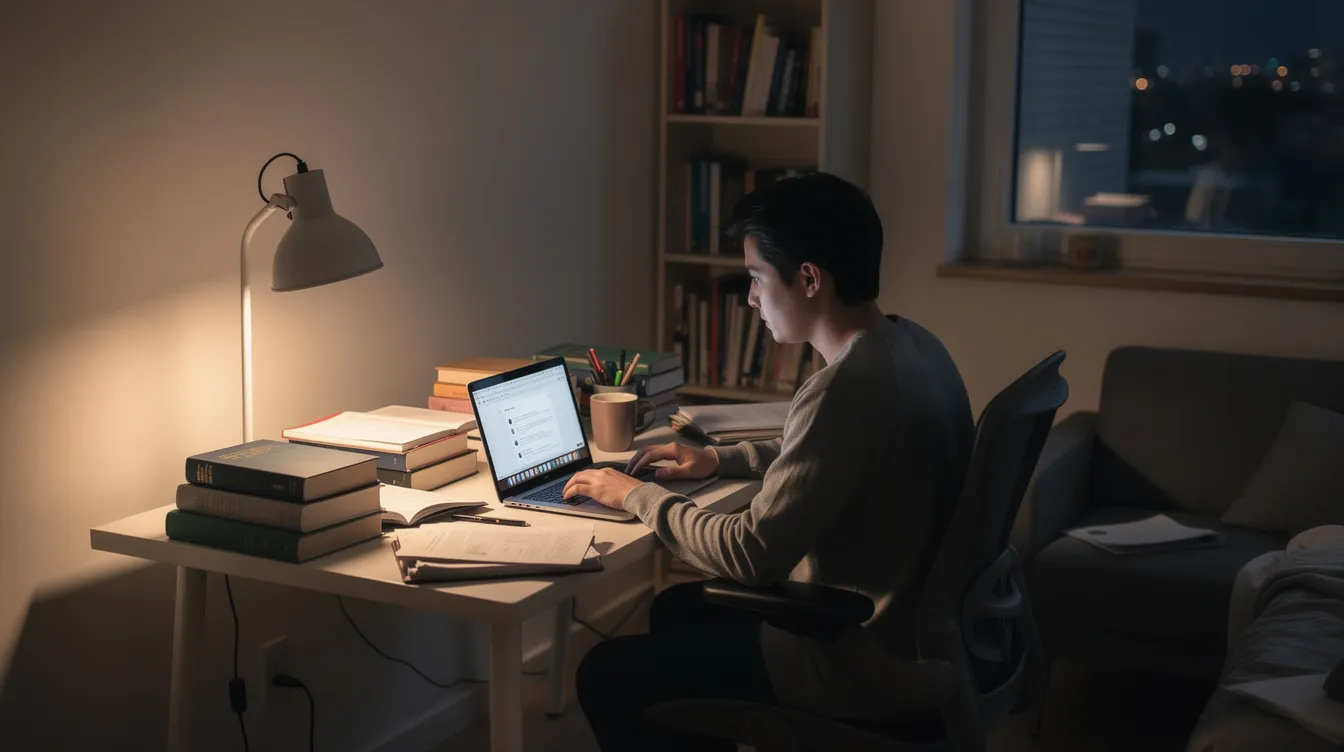
This year’s theme – “Spine Health for Life” – shifts the focus from one-day awareness to lifelong prevention. World Spine Day promotes awareness of spinal health and disability, but the real impact comes from what happens on the 364 days that follow. Building sustainable healthy habits is the most effective management strategy for a population where spinal disorders touch nearly every household.
Across Singapore, schools, workplaces, and health providers may mark World Spine Day with posture screenings, ergonomic talks, movement challenges, and campaign activities. Everton Chiropractic supports this initiative and sees its role as helping patients build spine-healthy routines that last well beyond October. The initiative offers movement resources and practical support that encourage gradual, personalised habit-building through posture assessment, spinal adjustments, and exercise guidance.
The core of this article is 10 specific daily habits designed for Singapore’s lifestyle, suitable for ages 5 to 95.
How “Spine Health for Life” Relates to Singapore’s Lifestyle
Singapore’s work culture is intense. Long office hours, high study loads, and multigenerational households mean that drastic lifestyle overhauls are rarely sustainable. What works is adopting simple micro-habits – small, repeatable actions stacked onto routines you already follow.
The “Spine Health for Life” theme connects to every age group differently. Parents can model good posture and healthy movement for their children. Students can protect their growing spines with better bag choices and study setups. Working adults can reverse the damage of desk strain through movement breaks and ergonomic adjustments. Seniors can preserve mobility and reduce fall risk through gentle exercises and regular check-ups.
Each of the 10 habits below is small on its own but powerful when done daily, forming a protective daily routine for the spine.
Overview of the 10 Daily Habits
Here is a quick preview of the 10 habits covered in detail below:
-
Do a 30-second posture check, 3 times a day
-
Build movement breaks into long sitting periods
-
Set up a spine-friendly work or study station
-
Use your phone and devices without “text neck”
-
Strengthen your core with 5 minutes of daily exercises
-
Lift and carry smarter
-
Sleep in positions that support your spine
-
Stay hydrated and nourish your spine
-
Manage stress before it becomes muscle tension
-
Schedule regular spine check-ups
Each habit fits into typical Singapore days – office hours, school schedules, family time – and requires no special equipment or gym membership. These are general wellness tips to encourage people toward a healthier spine; they are not a substitute for personalised medical or chiropractic advice, especially if pain is severe or persistent.
10 Daily Habits for a Healthier Spine in Singapore
These 10 habits are practical, low-cost changes that anyone in Singapore can integrate into home, school, and work routines. They address the most common risk factors for spinal issues – prolonged sitting, poor posture, weak core muscles, improper lifting, and delayed professional care.
For each habit, you will find:
-
What the habit is and why it helps the spine
-
Simple, Singapore-specific examples of how to do it
-
Who benefits most (children, office workers, seniors, or everyone)
Habit 1: Do a 30-Second Posture Check, 3 Times a Day
Maintaining good posture is the simplest way to reduce unnecessary load on your spine. A posture check takes about 30 seconds: align your ears over your shoulders, relax your shoulders down from your ears, and make sure your lower back is gently supported – whether you are sitting or standing. Changing positions frequently can benefit spinal health, and a brief audit three times daily prevents hours of poor alignment from accumulating.
Singapore-specific examples: Tie your posture checks to cues you already have – tapping your EZ-Link card at the MRT gantry, sitting down for your lunch break, and getting into bed at night. At your desk, make sure the top of your monitor sits at eye level and your back touches the chair.
This habit benefits everyone: students hunched over textbooks, office workers at their desk, and seniors reading or watching TV. If you find it difficult to hold proper posture comfortably, it may be a sign that your spinal alignment needs professional attention. Chiropractic adjustments help restore alignment so that correct posture feels natural rather than forced.
Habit 2: Build Movement Breaks into Long Sitting Periods
Spinal discs are avascular – they have no direct blood supply and rely on movement to absorb nutrients and expel waste. Prolonged sitting compresses discs, stiffens muscles, and is strongly linked to both lower back and neck pain. Taking breaks from sitting supports spine health, and regular movement reduces stiffness and muscle tension.
Aim to stand or walk for 2–3 minutes every 30 to 45 minutes during office work, lessons, or TV time. Specific ideas: walk to the pantry to refill your water bottle instead of keeping a jug at your desk; take the stairs for one or two floors in your HDB block or office building; alight one MRT stop earlier once a day and walk the rest.
Regular movement prevents stiffness and muscle tension, keeping your spine mobile and nourished. For seniors, ensure safe walking surfaces and use handrails on stairs. Walking is a low-impact exercise beneficial for spinal health and is accessible to nearly everyone.
Habit 3: Set Up a Spine-Friendly Work or Study Station
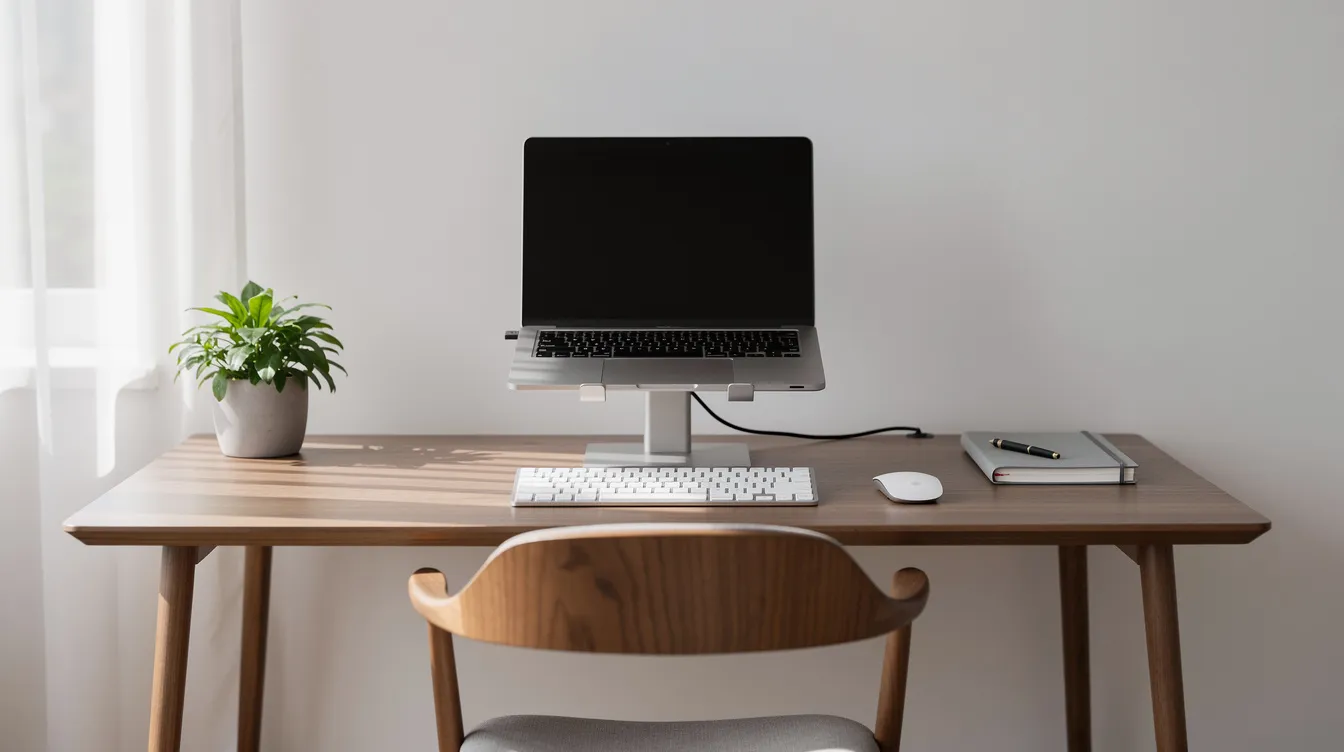
Good workstation ergonomics help prevent poor posture and injury. The key principles are straightforward: position your screen at eye level (the top of the monitor should sit just below your eye line), use a chair that provides lumbar support, keep your feet flat on the floor, and position your elbows at approximately 90 degrees.
In a typical HDB flat, space is limited. You can adapt with a laptop stand or a stack of books to raise the screen, a rolled towel behind the lower back for lumbar support, and an external keyboard and mouse so your arms rest comfortably. Children sharing tables for homework and tuition benefit from adjustable chair heights or seat cushions.
For adults working from home or in CBD offices, these adjustments take minutes to implement but pay dividends daily. During consultations, Everton Chiropractic can provide personalised ergonomic advice based on your specific setup and posture patterns.
Habit 4: Use Your Phone and Devices Without “Text Neck”
“Text neck” describes the sustained forward and downward bending of the neck during smartphone or tablet use. When neck flexion exceeds 20–30 degrees for extended periods, it increases load on the cervical spine and contributes to neck pain and upper back tension. Research shows that holding a smartphone at approximately 30 degrees of shoulder flexion produces lower discomfort and better muscle balance compared to higher flexion angles.
Practical fixes: Hold your phone at chest or eye level rather than in your lap. Use a phone stand when watching videos at home. Set periodic reminders to look up and roll your shoulders. On the MRT, rest your elbows on a bag on your lap to bring the screen higher.
Interestingly, a recent study found that cervical flexion during phone use was not the strongest predictor of neck pain when sleep quality and physical activity levels were controlled – posture is part of a larger cluster of risk. This reinforces why all 10 habits work together, not in isolation.
Habit 5: Strengthen Your Core with 5 Minutes of Daily Exercises
Your core muscles – abdominals, obliques, lumbar stabilisers, glutes, and hip muscles – act as a muscular corset for the spine. When they are strong, they reduce the load on lumbar vertebrae and discs, improve balance, and support proper posture throughout the day. Engaging in daily core-strengthening exercises stabilizes the spine, and strength training improves muscle capacity and overall physical function.
Safe, low-impact exercises suitable for most ages and fitness levels include:
-
Glute bridges – lie on your back, knees bent, lift hips
-
Bird-dog – on hands and knees, extend opposite arm and leg
-
Wall sits – back flat against wall, knees at 90 degrees
-
Modified planks – on forearms and knees for beginners
These can be done in the small living space of an HDB flat with no equipment. Five minutes a day is enough to make a meaningful difference. For a comprehensive guide, see our article on core stability and spine health. If you have existing back or neck pain, get personalised guidance before starting – the wrong exercise done incorrectly can aggravate symptoms.
Habit 6: Lift and Carry Smarter (From Groceries to School Bags)
Improper lifting techniques can lead to back injuries, and heavy lifting with a rounded back is one of the fastest ways to strain lumbar discs and muscles. The rules are simple: bend at the hips and knees (not the waist), keep the load close to your body, avoid twisting while carrying, and ask for help with heavier items.
Common Singapore scenarios:
-
Carrying bags of rice, water bottles, or vegetables from NTUC FairPrice or the wet market – split weight evenly between two bags.
-
Parents lifting toddlers – squat down, bring the child close, then stand using leg muscles.
-
Children’s school bags – choose backpacks with two wide, padded straps; keep load under 10–15% of the child’s body weight; use both straps, never one.
Teaching children proper lifting and carrying habits early protects their growing spines and builds awareness that lasts into adulthood.
Habit 7: Sleep in Positions That Support Your Spine
You spend roughly a third of your life in bed, and sleep position affects the natural curves of the spine. A scoping review found that side-lying posture is generally protective against waking spinal symptoms, while back-sleeping can also be supportive with the right pillow setup.
Key adjustments:
-
Side-sleepers: place a pillow between the knees to keep the pelvis aligned; choose a pillow height that keeps the neck in a neutral line with the rest of the spine.
-
Back-sleepers: use a pillow that supports the cervical curve without pushing the head too far forward; a small pillow or rolled towel under the knees can reduce lumbar pressure.
-
Avoid sleeping on your stomach, which increases lumbar lordosis and forces the neck into a twist.
Mattress firmness matters. A medium-firm mattress tends to offer better spinal support. Overly soft surfaces cause sagging at the hips; overly hard surfaces push load onto bony prominences. If replacing your mattress is not immediately possible, a quality mattress topper can help compensate.
Habit 8: Stay Hydrated and Nourish Your Spine
The intervertebral discs are largely made of water, which is crucial for their function. Hydration is important for maintaining the cushioning of spinal discs – when you are dehydrated, discs lose height and shock-absorbing capacity. Singapore’s heat and humidity can mask dehydration, especially when people rely on sweetened drinks.
Realistic strategies: Carry a water bottle during your commute. Choose water or unsweetened tea with hawker meals. Aim for at least 8 glasses of water per day, adjusting for activity level and climate.
A balanced diet supports bone health and overall muscle function. Nutrients critical for spine health include calcium (dairy, tofu, ikan bilis), vitamin D (especially important for people who spend most of their day indoors), protein for muscle repair, and omega-3 fatty acids for inflammation management. Older adults benefit particularly from adequate calcium and vitamin D to maintain bone density and reduce osteoporosis risk. Maintaining a healthy weight also reduces unnecessary load on the lumbar spine.
Habit 9: Manage Stress Before It Becomes Muscle Tension
Mental stress triggers chronic contraction in the neck, upper trapezius, and paraspinal muscles, reducing blood flow and increasing pain sensitivity. Research indicates that low sleep quality and low physical activity are stronger predictors of neck pain than cervical flexion posture alone – meaning stress management and an active lifestyle are not optional extras but essential components of spine care.
Quick daily techniques:
-
1–2 minutes of deep breathing at your desk before a meeting or after a stressful call
-
A short walk through a neighbourhood park or along a park connector after work
-
Gentle neck and shoulder stretches before bed
Singapore has abundant green spaces – park connectors, community gardens, and rooftop gardens – that provide accessible venues for brief stress-reducing movement. Even a 10-minute walk through a park can lower muscle tension and improve how your spine feels at the end of the day.
Habit 10: Schedule Regular Spine Check-Ups, Not Just Emergency Visits
Many people wait until pain is severe or daily function is compromised before seeking help. By then, what started as mild stiffness may have progressed to chronic spinal conditions. Regular physical activity supports muscle and bone health, but habits alone cannot detect underlying alignment issues, early scoliosis in children, or degenerative changes in older adults.
A preventive spine check at Everton Chiropractic typically includes a detailed history, posture assessment, spinal and neurological examination, and – if indicated – referral for imaging. Early detection means simpler, shorter, and more effective management.
Around World Spine Day 2026, consider booking a spine assessment – whether you are symptom-free and want to stay that way, or you have been ignoring a nagging ache for months. For children, regular checks during growth spurts can catch scoliosis and postural issues early. For seniors, they help preserve mobility and reduce fall risk. Learn more about how often to see a chiropractor for ongoing care.

Putting the 10 Habits into a Realistic Singapore Daily Routine
Knowing the 10 habits is one thing. Fitting them into a packed Singapore schedule is another. The most effective approach is to bundle habits onto routines you already follow – your commute, your coffee break, your bedtime – rather than treating them as separate tasks. Below are three examples showing how different people can weave these habits through a typical day.
Example: Office Worker in the CBD or Business Parks
|
Time |
Activity |
Habits integrated |
|---|---|---|
|
7:30 AM |
MRT commute |
Posture check at gantry tap-in; hold phone at chest level |
|
9:00 AM |
Arrive at desk |
Adjust monitor height, check lumbar support |
|
10:30 AM |
Mid-morning |
Stand up, walk to water cooler (movement break + hydration) |
|
12:30 PM |
Lunch break |
Posture check; short walk to a nearby park or hawker centre |
|
3:00 PM |
Afternoon |
Stand during a virtual meeting; stretch shoulders |
|
6:00 PM |
Leave office |
Alight one MRT stop early and walk |
|
9:00 PM |
Home |
5-minute core exercises; posture check before bed |
|
10:30 PM |
Bedtime |
Side-sleep with pillow between knees |
Use calendar reminders or a posture app to prompt movement breaks. If you experience recurring neck or back pain despite these adjustments, it is a clear sign to schedule a spine assessment.
Example: Primary or Secondary School Student
A student’s day includes lessons, co-curricular activities, and possibly tuition – long stretches of sitting with a heavy bag in tow. Key habit integrations:
-
Morning: Adjust school bag so both straps sit on the shoulders, load under 15% of body weight.
-
Recess: Walk around, stretch, avoid sitting the entire break.
-
Class: Sit with feet flat, back against chair; do a quick posture check when the teacher starts a new topic.
-
After school / tuition: Use a proper desk and chair rather than studying on the bed or couch; place tablet on a stand.
-
Evening: 5-minute stretching or core exercises; device use at chest level with time limits.
Parents and caregivers play a key role in modelling these habits and monitoring posture and spine curvature during growth spurts. A chiropractic assessment can help detect scoliosis or alignment issues early, when intervention is most effective.
Example: Active or Retired Senior in Singapore
Seniors can apply modified versions of each habit to preserve independence and reduce fall risk:
-
Morning: Gentle tai chi or walking at a neighbourhood park – regular physical activity supports muscle and bone health.
-
Mid-day: Seated core exercises such as seated marches or chair-supported bird-dogs; safe lifting technique when carrying shopping bags.
-
Afternoon: Hydration with water throughout the day; a balanced diet rich in calcium and protein.
-
Evening: Deep breathing or gentle stretches before bed; proper sleep positioning on a medium-firm mattress with supportive pillows.
-
Quarterly or biannually: Schedule spine check-ups to monitor for degenerative changes and maintain mobility.
Maintaining mobility helps seniors move comfortably and efficiently, and regular check-ups are among the most important habits for this age group.
Comparing Self-Care, Chiropractic, and Other Spine Care Options
Daily habits form the foundation, but they work best alongside appropriate professional care when needed. This section compares three broad approaches so you can see how they complement each other rather than compete.
When Daily Habits Are Enough – and When They’re Not
Self-care habits are suitable when you experience mild stiffness, occasional discomfort after a long day, or want to stay active and prevent future issues. Most low back pain resolves within approximately 6 weeks with consistent self-management.
Seek professional assessment when you notice:
-
Pain persisting beyond 4–6 weeks despite consistent self-care
-
Radiating leg pain, numbness, or tingling (possible sciatica)
-
Weakness in a limb
-
Pain following a fall, accident, or trauma
-
Bladder or bowel dysfunction, saddle numbness (medical emergency)
-
Unexplained weight loss, fever, or night sweats alongside back or neck pain
For recurrent lower back pain, our detailed resource on lower back pain explains causes, warning signs, and treatment options in depth.
Choosing the Right Support: At-Home Habits vs Chiropractic vs Other Care
|
Criterion |
Self-Care (10 Habits) |
Chiropractic (Everton Chiropractic) |
Other Care (Physio, GP, Orthopaedic) |
|---|---|---|---|
|
Focus |
Prevention, daily maintenance |
Spinal alignment, posture correction, pain relief, movement restoration |
Rehabilitation, diagnosis, medication, surgery referral |
|
Best for |
Mild issues, ongoing wellness |
Recurring or moderate spinal issues, posture problems, alignment concerns |
Acute injury, red-flag symptoms, post-surgical rehab |
|
Pros |
Free, daily, empowering |
Targeted hands-on care, personalised exercise plans, no medication |
Broad diagnostic tools, imaging, specialist referral |
|
Limitations |
Cannot correct structural misalignment or diagnose conditions |
Does not replace medical care for fractures, infections, or surgical conditions |
May be less focused on long-term spinal alignment habits |
Most people benefit from a blend: consistent daily habits as the baseline, with professional support scaled to their needs. For a more detailed comparison, see our article on chiropractic care vs. physiotherapy.
Common Challenges in Keeping a Healthy Spine – and How to Solve Them
Busy schedules, fatigue, and confusion about what exercises are “right” often derail good intentions. Below are the most frequent obstacles we hear from patients at Everton Chiropractic, along with straightforward solutions.
“I’m Too Busy to Add New Habits”
Solution: Stack habits onto routines you already have. A posture check while waiting for the lift takes 10 seconds. A calf stretch in the kopi stall queue takes 20 seconds. A 5-minute core session before your evening shower replaces no other activity. Focus on 1–2 changes at a time and build from there – adopting simple micro-habits beats ambitious plans that last three days.
“I’m Not Sure If My Pain Is Serious”
Solution: Typical muscle soreness after a long day usually improves with rest, gentle movement, and the habits above. Red-flag symptoms – numbness, progressive weakness, bladder or bowel changes, night pain unrelieved by rest, or recent trauma – warrant prompt professional assessment. When in doubt, err on the side of an early check-up. Everton Chiropractic can assess whether chiropractic care is appropriate or whether referral to a GP or specialist is needed.
“My Posture Keeps ‘Slipping Back'”
Solution: Postural muscles and spinal alignment need time to adapt. Weeks or months of consistent reminders, corrective exercises, and professional adjustments are often necessary before good posture becomes automatic. Use a posture app, set phone reminders three times a day, and ask your chiropractor for personalised corrective exercises that target your specific weak points.
“Exercise Hurts My Back or Neck”
Solution: Stop any movement that causes sharp pain immediately. Start with the gentlest spine-friendly exercises – glute bridges, wall sits, deep breathing – and progress gradually. If even gentle exercises provoke discomfort, there may be an underlying issue (disc problem, joint irritation, muscle imbalance) that needs assessment. Tailored plans from Everton Chiropractic can help rebuild strength safely without aggravating existing conditions.
Conclusion and Next Steps for World Spine Day 2026
World Spine Day 2026 is an opportunity for every Singapore resident – from students to seniors – to commit to 10 small, daily habits that protect spinal health for life. Spinal pain is common, but it is not “normal” to live with it. Early, proactive care through consistent everyday habits and timely professional support makes a measurable difference.
Your next steps:
-
Choose 2–3 of the 10 habits to start today – posture checks, movement breaks, and phone positioning are the easiest entry points – and add more over the coming weeks.
-
Check your work or study setup and make at least one ergonomic improvement: raise your screen, add lumbar support, or switch to a proper chair.
-
If you have recurring neck or lower back pain, schedule a spine assessment at Everton Chiropractic rather than waiting for the problem to worsen.
-
Share these World Spine Day tips with family, colleagues, and friends to support a culture of taking care of spinal health across Singapore.
For more detailed guidance, explore our resource on lower back pain or learn about how spinal adjustments improve posture, pain, and movement.
Additional Resources on Spine Health in Singapore
-
Everton Chiropractic’s Lower Back Pain Guide – a comprehensive resource covering causes, symptoms, and treatment options for Singapore residents: Read here.
-
World Spine Day official site – learn about global campaign activities, educational materials, and how health professionals worldwide mark the day: worldspineday.org.
-
HealthHub Singapore (Low Back Pain) – government health resource with self-management advice and guidance on when to seek medical help: healthhub.sg.
-
Local community activities – look for active ageing programmes, walking groups at neighbourhood parks, and tai chi sessions at community centres, all of which support an active lifestyle and spine health.
Everton Chiropractic is available for personalised guidance, workplace ergonomic talks, and school spine health education sessions around World Spine Day and throughout the year. Contact the clinic to learn more.
Frequently Asked Questions (FAQs)
When is World Spine Day 2026, and why is it important in Singapore?
World Spine Day 2026 falls on 16 October 2026. The year’s theme is “Spine Health for Life,” emphasising that prevention and daily habits matter more than reactive treatment. In Singapore, it is especially relevant because of the city’s ageing population (super-aged status reached in 2026), high rates of sedentary desk work, and widespread smartphone use – all of which increase the risk of spinal disorders. The day serves as a reminder to raise awareness, adopt healthy habits, and seek early professional care.
What are the easiest daily habits I can start today for better spinal health?
The simplest starting points are: (1) a 30-second posture check three times a day tied to existing routine cues, (2) movement breaks every 30–45 minutes of sitting, (3) holding your phone at chest or eye level instead of in your lap, and (4) sleeping on your side or back with proper pillow support. These require no equipment, no gym, and minimal time. Small steps are effective – consistency matters far more than intensity.
How do I know if I should see a chiropractor or a doctor for my back pain?
Mild, activity-related stiffness or soreness that improves with rest and movement is typically suitable for chiropractic care and self-management. See a GP or specialist first if you experience red-flag symptoms: bladder or bowel dysfunction, progressive weakness or numbness, severe pain after a fall, unexplained weight loss, or fever alongside spinal pain. Everton Chiropractic can help triage your condition during an initial assessment and will refer you to the appropriate healthcare professionals if needed.
Is chiropractic care safe for children and seniors in Singapore?
Yes, when delivered by trained and registered health professionals, chiropractic care is safe for both children and seniors. Techniques are adapted based on age, body size, and condition – gentle, low-force methods are used for children and older adults. Common reasons children seek care include posture concerns, scoliosis monitoring, and school bag–related discomfort. Seniors typically present for mobility preservation, pain management, stiffness, and fall-risk reduction.
How long does it take to see improvement once I start these 10 habits and chiropractic care?
Some people feel relief from mild symptoms within days to weeks of adopting consistent daily habits and beginning chiropractic care. However, structural and postural changes take longer – typically several weeks to months of consistent effort. Rehabilitation and lasting improvement require patience. The combination of daily habits and regular professional support delivers a better quality of results than either approach alone. The key facts are simple: start early, stay consistent, and adjust your plan as your body responds.