
Introduction
Walking places forces of 2–3 times your body weight through your knee joints with every step, and poor foot mechanics during walking can turn those loads into knee stress. In the biomechanics of walking, foot problems such as overpronation, supination, and altered foot angles change how force travels up the kinetic chain, creating misalignment, overloading specific knee compartments, and contributing to walking-related knee pain, cartilage wear, and even osteoarthritis over time.
This article covers the biomechanical chain linking your feet to your knees, explains how specific foot dysfunctions create distinct patterns of knee pain, and provides practical strategies for identifying and correcting these issues within the broader clinical context of gait abnormality assessment, without shifting into non-musculoskeletal causes of unsteadiness. It is written for adults dealing with walking-related knee pain during daily activity, exercise, or stairs who want to understand the mechanical cause of the problem rather than just mask symptoms, because correcting the source can matter more than chasing symptoms when repeated walking loads keep stressing the joint.
Poor foot mechanics during walking create abnormal forces that travel up the kinetic chain, causing misalignment and increased stress on knee joints. This guide will show you how that foot-to-knee relationship works, how to spot likely issues through simple self-assessment, and which evidence-based corrections—footwear changes, exercises, and gait modifications—can improve comfort and function.
By the end of this article, you will:
-
Understand how the foot-to-knee kinetic chain works during walking
-
Recognize the specific foot dysfunctions that lead to knee pain
-
Identify your own walking pattern issues through practical self-assessment
-
Learn evidence-based correction strategies including footwear, exercises, and gait modifications
-
Know when professional evaluation is necessary for lasting relief
Understanding Walking Biomechanics
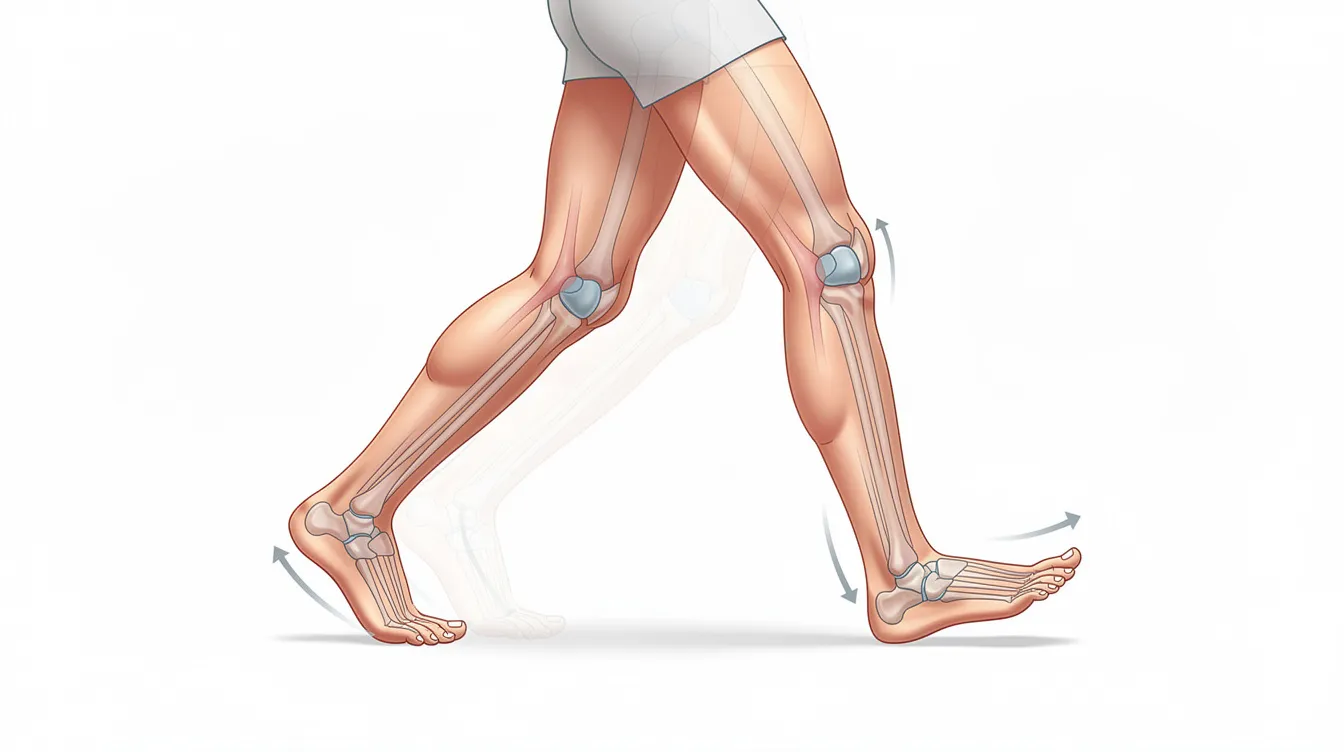
The human body operates as a kinetic chain – a connected series of joints and muscles where movement at one segment directly affects every segment above and below it. Biomechanics studies how body parts work together during movement, and walking biomechanics specifically examines the forces, angles, and timing that make up each step. When these elements work harmoniously, your knees absorb and distribute load efficiently. When they don’t, the result is abnormal gait, compensatory stress, and ultimately pain, as foot bones work with muscles and joints to transfer load during walking.
The Gait Cycle and Foot Function
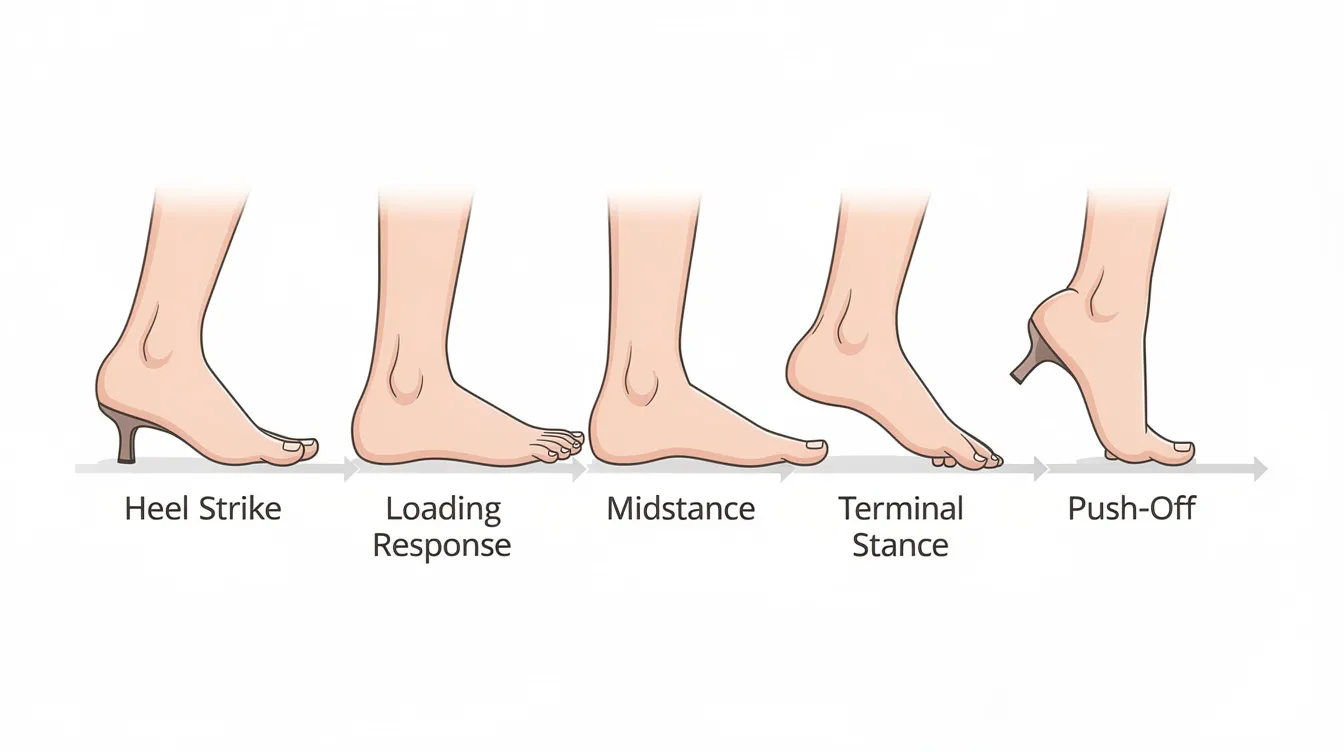
Every walking step follows a predictable cycle divided into two main phases: stance (when your foot is on the ground, approximately 60–65% of the cycle) and swing (when your foot moves forward through the air).
During heel strike (initial contact), your foot ideally contacts the ground in a slightly supinated position, then immediately begins to pronate inward to absorb impact. This controlled pronation is essential – it acts as your body’s natural shock absorber. Rigid or overly flexible feet can decrease shock absorption, sending unmitigated forces directly into your ankles and knees.
At midstance, your full body weight passes directly over the supporting foot. Your arch should lower modestly as the foot pronates, distributing pressure evenly across the ground. The tibia rotates internally in response to this pronation, and the knee must accommodate this rotation while bearing peak loads.
During push-off (terminal stance to toe-off), the foot should resupinate and stiffen to create a rigid lever for propulsion. The same mechanics also affect higher-load tasks such as a jump. Your toes engage, your calf muscles contract, and energy transfers forward. Poor mechanics here – such as continued overpronation – reduce efficient push-off and alter the knee flexion and extension torque demands.
Ground reaction forces influence the loading on the knee during walking at every phase, and dynamic movement patterns during gait are significant in assessing knee loading.
The Kinetic Chain Connection
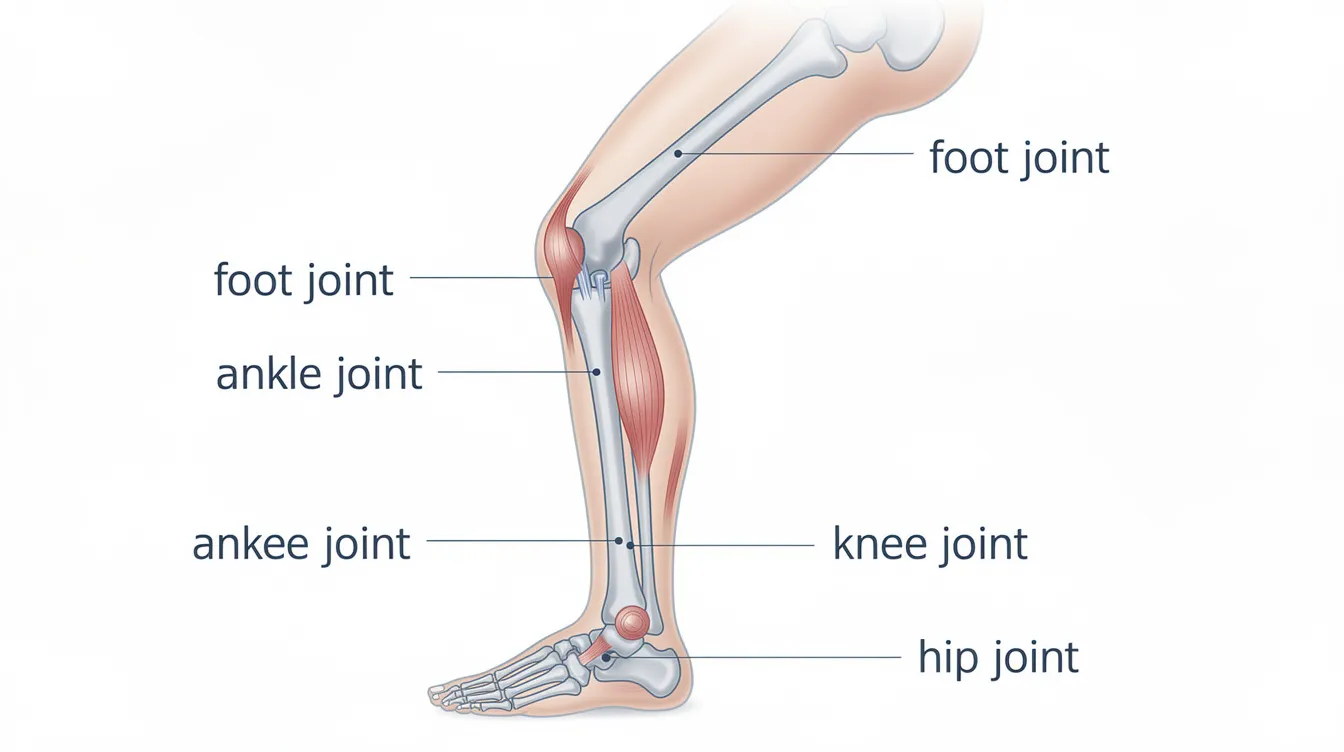
Forces generated at foot contact don’t stay at the foot. They travel upward through the ankle, knee, hip, pelvis, and spine in a predictable sequence. When your foot pronates normally at heel strike, the tibia rotates internally by a controlled amount. The knee absorbs this rotation. The femur responds. The hip accommodates. Each joint in the chain shares the workload.
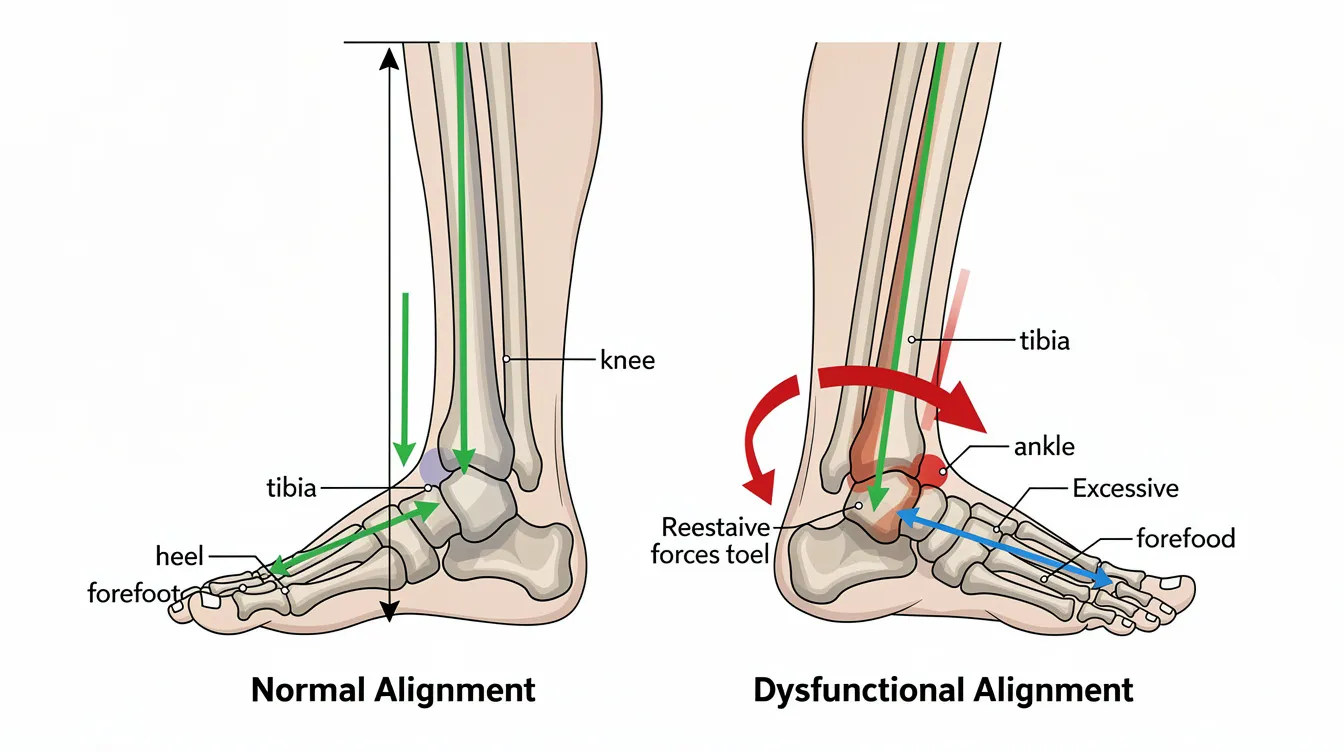
When foot mechanics are faulty, this orderly distribution breaks down. Excessive internal rotation at the tibia – caused by overpronation – forces the knee into positions it isn’t designed to sustain repetitively. The muscles around the knee, hips, and ankles must compensate, creating fatigue, imbalances, and eventually injury. Poor biomechanics can lead to knee pain and discomfort precisely because no single joint operates in isolation.
This is why treating knee pain without examining foot function often fails. The source of the problem and the location of the pain are frequently not the same place – a concept central to understanding why rest alone rarely resolves mechanical knee pain.
Common Foot Mechanical Dysfunctions and Abnormal Gait
With normal walking mechanics established, specific dysfunction patterns become easier to recognize. Each type of foot dysfunction creates a different cascade of forces through the kinetic chain, and altered foot mechanics are common in individuals with knee disorders. Understanding which pattern applies to you is the first step toward effective treatment.
Overpronation During Walking
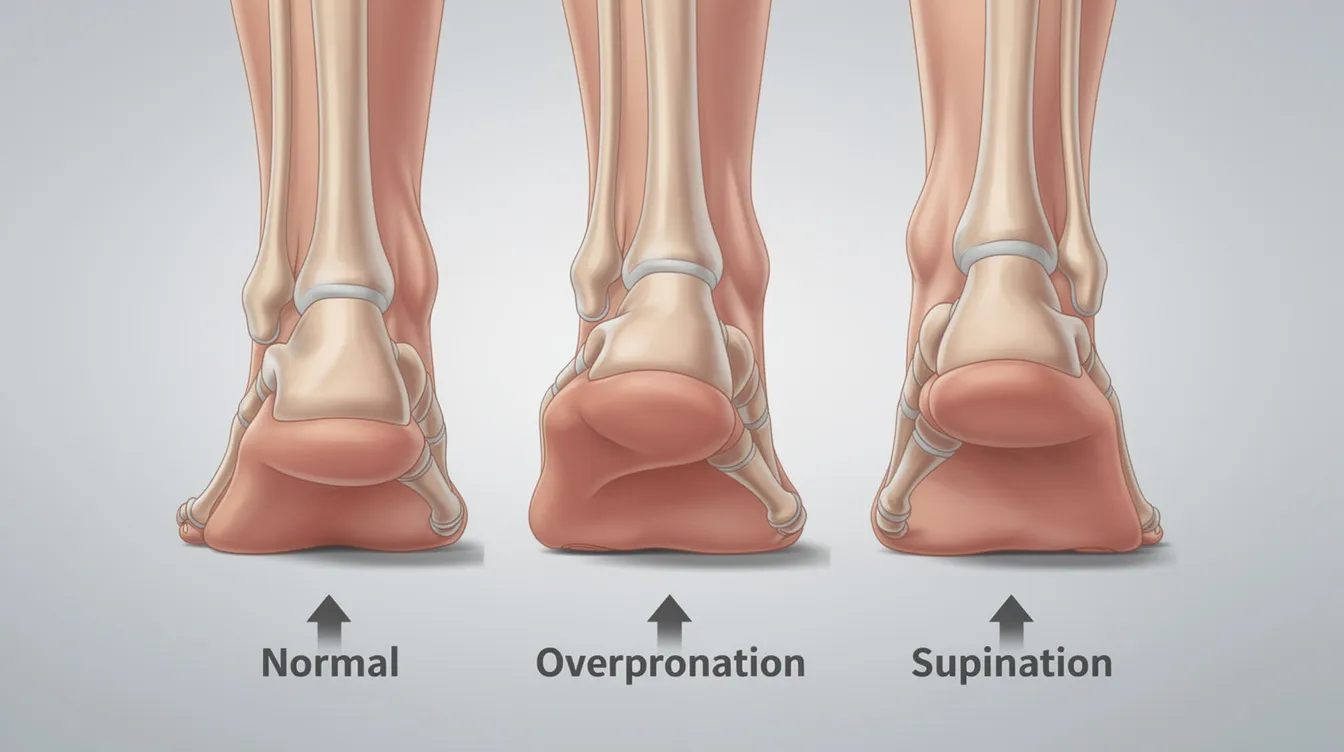
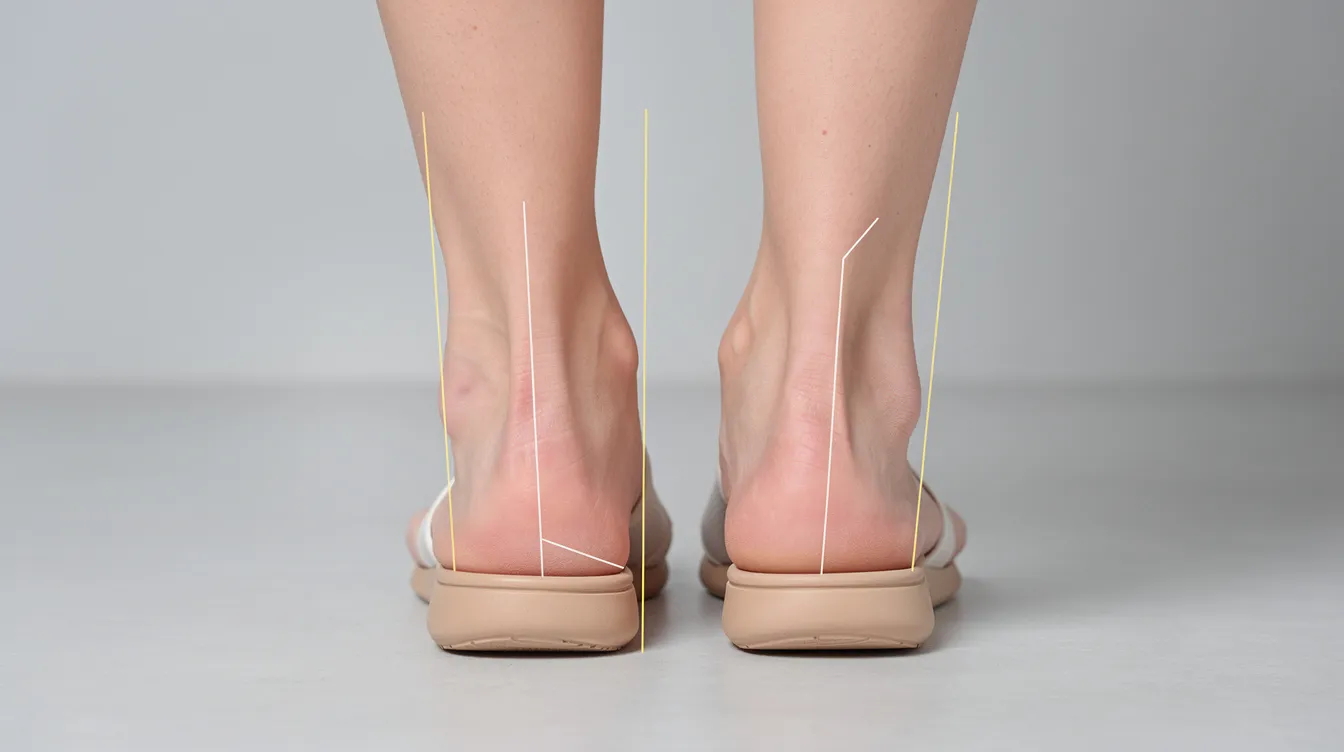
Overpronation occurs when the foot rolls excessively inward after heel strike, well beyond what’s needed for natural shock absorption. Overpronation causes excessive inward foot rolling during walking, and the arch flattens more than it should, causing the tibia to rotate internally for too long during the stance phase.
This prolonged internal tibial rotation pushes the knee into a relative valgus position – a “knock-kneed” alignment that increases compressive forces on the medial (inner) side of the knee. Flat feet can lead to overpronation and knee strain, and overpronation increases strain on the knees with every step. Over thousands of daily steps, this medial overload can accelerate cartilage wear, irritate soft tissues, and contribute to early osteoarthritis. Excessive pronation can lead to knee valgus and increased medial knee stress.
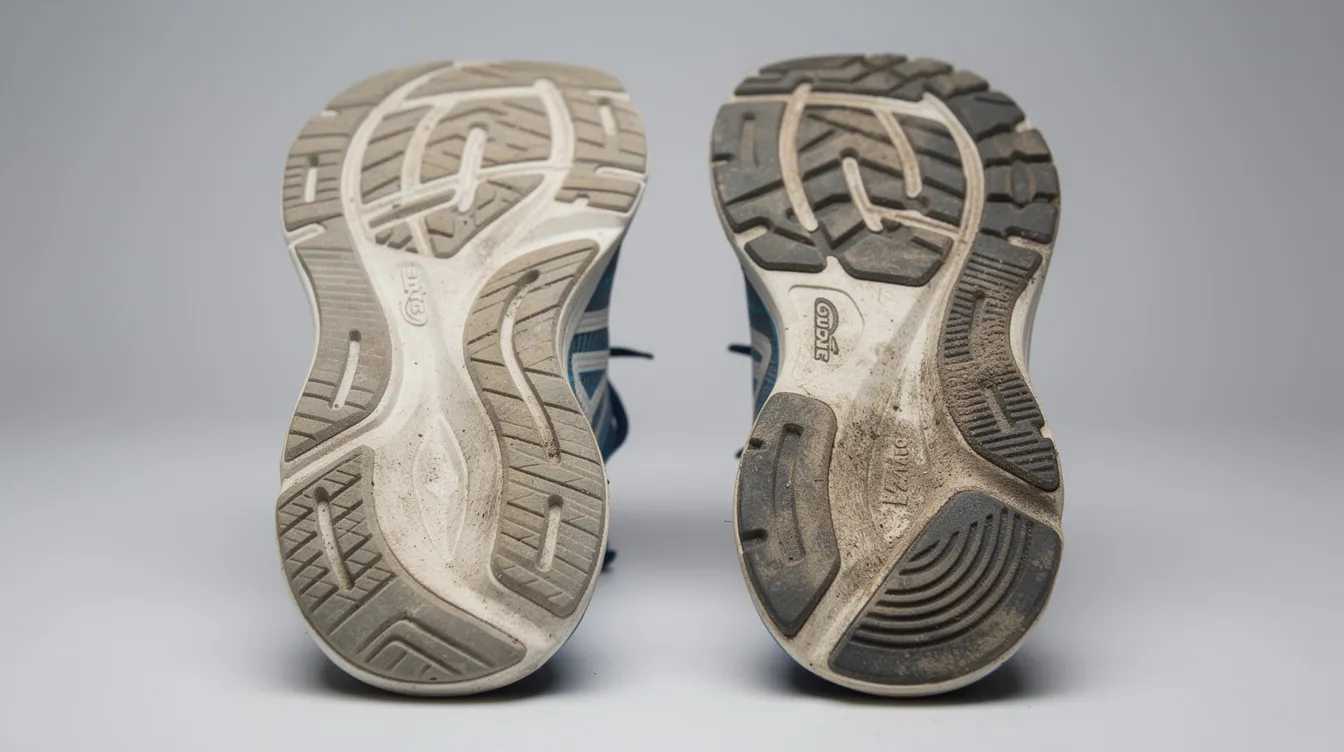
You may notice overpronation if you see uneven wear on the inner edge of your shoe soles, if your feet visibly collapse inward when you stand or walk, or if the inner knee feels sore after longer walks or repeated daily loading.
Supination and Underpronation
Supination occurs when the foot rolls outward excessively, failing to pronate adequately after heel strike. High arches may cause supination, increasing knee pain risk. The foot remains rigid rather than adapting to the ground surface, and shock absorption is dramatically reduced. Excessive supination leads to decreased shock absorption in the knee.
With supination, forces shift laterally. The outer structures of the knee – lateral ligaments, the iliotibial band, and the lateral compartment – bear disproportionate load. Research has shown that supinated foot posture correlates with reduced ankle dorsiflexion and increased knee adduction moment, both of which compromise joint function. Compensatory movements due to limited ankle motion can increase knee loading significantly.
Supinators typically notice wear on the outer edge of their shoe soles and may experience stiffness or discomfort when descending stairs.
Toe-Out Gait Patterns
The foot progression angle – how much your feet point inward or outward relative to your direction of travel – has a measurable effect on knee loading. A toe-out walking pattern (feet angled outward) is common and often develops from hip muscle imbalances, habitual posture, or structural factors.
Toe-out gait alters the ground reaction force vector relative to the knee, affecting the knee adduction moment – a key predictor of medial compartment loading and osteoarthritis risk. A 2024 study found that increasing toe-in foot progression (rotating the foot inward by approximately 5–10°) reduced the first peak knee adduction moment during walking, stair descent, and sit-to-stand tasks in both individuals with and without knee osteoarthritis.
Overpronation and supination can cause uneven pressure on knees, but foot angle patterns add another layer of complexity. Knee pain can result from an imbalanced gait created by any combination of these factors; for example, a toe-out foot angle paired with overpronation can increase inward collapse and shift knee loading, while a toe-in angle with supination can concentrate stress differently through the joint.
How Poor Foot Mechanics Create Knee Pain
Now that the specific dysfunction patterns are clear, the critical question is: what exactly happens inside the knee when foot mechanics go wrong? Poor foot alignment can cause knee pain through several distinct but often overlapping mechanisms, each creating characteristic symptoms and locations of discomfort.
Abnormal Force Distribution
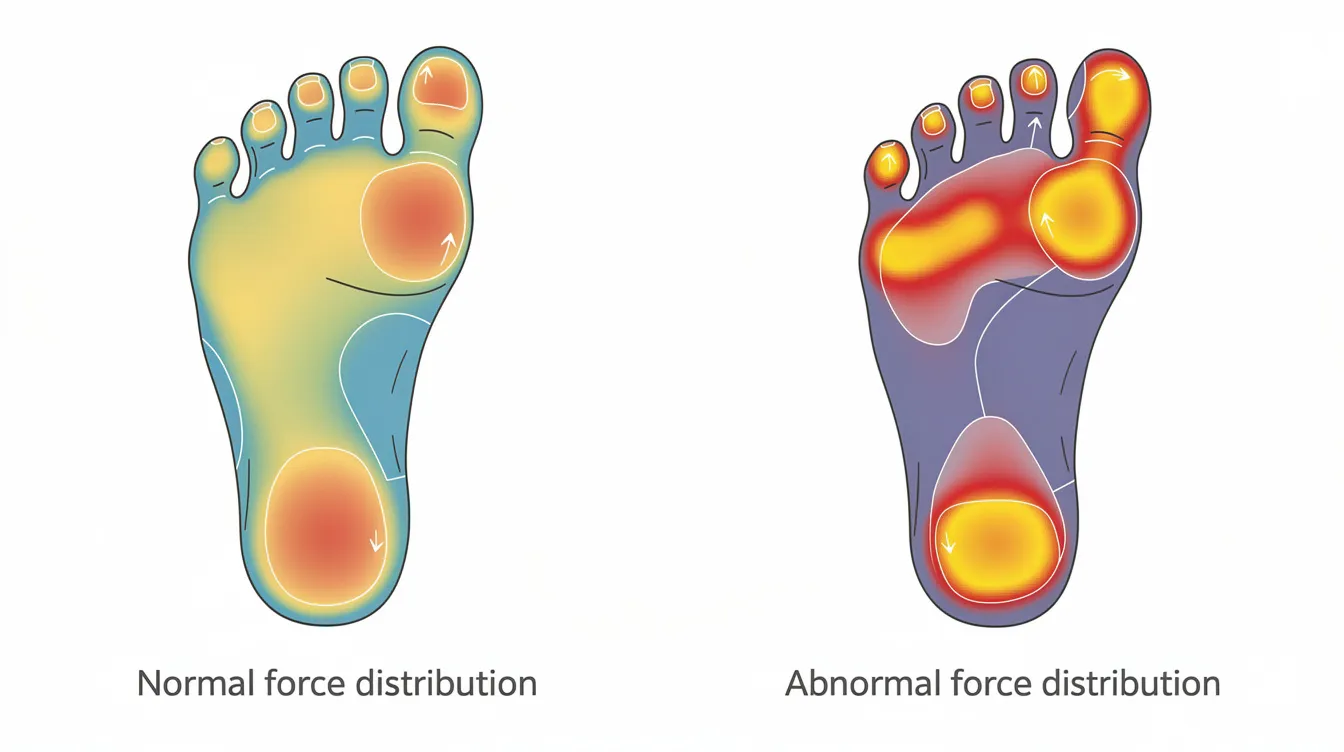
When poor foot mechanics alter normal weight-bearing patterns during walking, forces through the knee redistribute in predictable ways:
-
Increased medial knee compression from overpronation – Excessive tibial internal rotation shifts load to the inner compartment. The medial cartilage and meniscus bear more pressure than designed, leading to progressive wear. Having a varus thrust during walking increases the odds of reporting medial knee pain approximately 3.84-fold.
-
Excessive lateral forces from supination patterns – When the foot fails to pronate adequately, forces travel along the outer leg. Lateral knee structures absorb disproportionate stress, and the iliotibial band may become irritated. Imbalanced load distribution increases risks of foot injuries and proximal joint damage.
-
Altered patellofemoral tracking from rotational changes – Poor foot mechanics can result in improper patella tracking. Internal or external tibial rotation changes the alignment of the kneecap relative to the femoral groove, creating sharp pain at the front of the knee during walking, stair climbing, or prolonged sitting.
-
Compensatory muscle activation patterns creating imbalances – Weak foot or hip muscles can allow the knee to move into a valgus position. When the feet don’t manage forces effectively, the quadriceps, hamstrings, and hip abductors must work harder to stabilize the knee, leading to muscle fatigue, altered movement, and further joint stress.
Specific Knee Pain Patterns
Different foot dysfunctions produce recognizable patterns of knee pain. The table below summarizes these connections to help you identify your specific pattern:
|
Foot Dysfunction |
Knee Pain Location |
Typical Symptoms |
|---|---|---|
|
Overpronation |
Medial (inner) knee, along medial joint line |
Pain during midstance and stair descent; swelling or tightness medially; inner shoe sole wear |
|
Supination / Underpronation |
Lateral (outer) knee, sometimes anterior (front) |
Stiffness; discomfort descending stairs; outer shoe sole wear; limited ankle mobility |
|
Toe-Out Gait |
Medial compartment overload; patellofemoral discomfort |
Pain during walking and stair descent; medial or anterior knee pain |
|
Abnormal Heel Strike |
Anterior knee; patellofemoral pain |
Sharp pain upon weight acceptance; audible heavy heel strike; inefficient shock absorption |
Altered knee adduction moment contributes to knee osteoarthritis over time, and abnormal foot mechanics can lead to increased pain or osteoarthritis progression. Studies show that knee joint contact forces during walking reach approximately 2–3 times body weight, making even small alignment deviations consequential when multiplied across thousands of daily steps.
Walking gait modifications can reduce knee adduction moment, which is why identifying your pattern matters – the correction approach differs depending on the underlying dysfunction.
Common Challenges and Solutions
Understanding the biomechanics is valuable, but applying that knowledge requires practical solutions for real-world challenges. Below are the most common obstacles people face when dealing with walking-related knee pain from poor foot mechanics.
Identifying Your Own Foot Dysfunction with Gait Analysis
Gait analysis evaluates walking patterns for abnormalities, but you can begin assessment at home before seeking professional evaluation. Gait analysis may involve testing coordination, balance, and vision, and a clinician may also assess whether a broader gait abnormality is present, but simpler self-checks offer useful starting information:
-
Shoe wear patterns: Check the soles of well-worn shoes. Uneven wear on the inner edge suggests overpronation; wear concentrated on the outer edge indicates supination. Neutral mechanics produce relatively uniform wear across the sole.
-
Standing posture check: Stand barefoot and observe your arches. If they collapse significantly when bearing weight, you likely overpronate. If they remain high and rigid, supination may be present. Consider how this relates to your overall posture.
-
Walking video analysis: Have someone film you walking from behind and from the side. Look for excessive ankle rolling, knee caving inward (valgus), or feet pointing noticeably outward.
-
Functional tests: Perform a single-leg squat in front of a mirror. If your knee dives inward, your foot collapses, or you feel unsteady, these are signs of poor biomechanics affecting the entire lower chain.
Gait analysis can help identify issues leading to chronic pain, and abnormal gait can lead to symptoms like unsteadiness and dizziness beyond just knee discomfort. If symptoms suggest more than a musculoskeletal issue, further evaluation may also consider the brain or spinal cord.
Persistent Pain Despite Rest
One of the most frustrating aspects of walking-related knee pain is that rest alone rarely resolves it. Mechanical dysfunctions persist regardless of how long you stay off your feet. The moment you resume walking, the same abnormal forces return. Poorly supportive footwear can exacerbate foot collapse and knee strain, compounding the problem each time you walk.
Professional assessment is essential for persistent symptoms. A chiropractor, podiatrist, or physical therapy provider can perform detailed gait analysis, assess foot posture using validated tools like the Foot Posture Index (FPI-6), evaluate ankle dorsiflexion range, hip abductor strength, and identify the specific biomechanical factors driving your knee pain. Improving biomechanics can reduce knee pain more effectively than rest or medication alone. Consider scheduling regular evaluations to monitor progress.
Finding Appropriate Footwear and Custom Orthotics
Footwear selection should match your specific foot dysfunction pattern:
-
For overpronation: Look for motion-control or stability shoes with firm medial arch support. These help limit excessive inward rolling and reduce internal tibial rotation. Wedged insoles with medial posting have been shown to reduce knee adduction moment in some patients with osteoarthritis.
-
For supination: Choose shoes with extra cushioning and flexible midsoles that allow natural foot adaptation to the ground. Avoid rigid, structured shoes that further limit the foot’s ability to pronate.
-
For toe-out patterns: Footwear alone may not correct this – gait retraining with slight toe-in positioning (guided by a professional) has demonstrated measurable reductions in knee loading.
Custom orthotics can alleviate knee pain when off-the-shelf solutions aren’t sufficient. They are particularly valuable for individuals with structural foot issues – such as significant flat feet or rigid high arches – where standard shoes cannot adequately control foot mechanics. Proper foot alignment helps prevent future knee injuries and reduces cumulative stress on the joints over time.
However, over-correction carries risk. Making the foot overly stiff or overusing orthotics can suppress natural foot muscle function, and modifying gait too aggressively can shift load to other joints. Professional guidance ensures corrections are appropriately calibrated.
Conclusion and Next Steps
Poor foot mechanics are frequently the root cause of walking-related knee pain – not merely a contributing factor. Overpronation drives medial knee compression, supination reduces shock absorption and overloads lateral structures, and altered foot angles change knee loading patterns in measurable ways. Because the body operates as a kinetic chain, what happens at your feet dictates what your knees experience with every step.
The good news is that these mechanical issues are identifiable and correctable. Take these immediate steps:
-
Perform a self-assessment – Check your shoe wear patterns, film yourself walking, and note where your knee pain concentrates relative to the dysfunction patterns described above.
-
Evaluate your footwear – Determine whether your current shoes provide appropriate support for your foot type, and replace poorly supportive or worn-out shoes.
-
Seek professional evaluation – If knee pain persists despite footwear changes, consult a chiropractor or podiatrist for comprehensive gait analysis and personalized correction strategies. Addressing the underlying biomechanical cause is far more effective than managing symptoms alone.
Related topics worth exploring include hip alignment and postural health, core stability’s role in lower body mechanics, and how neck and spinal alignment can influence your overall movement patterns from the top of the kinetic chain down.
Additional Resources
Self-Assessment Checklist for Foot Dysfunction:
-
Examine shoe soles for uneven wear patterns (inner vs. outer edge)
-
Observe arch height during standing (collapsed vs. rigid)
-
Film rear-view walking video to check for ankle rolling or knee caving
-
Perform single-leg squat to assess dynamic knee alignment
-
Note foot angle during natural walking (toe-out vs. straight)
Walking Exercises for Improving Foot Mechanics:
-
Towel scrunches and marble pickups to strengthen intrinsic foot muscles
-
Calf raises and eccentric heel drops for ankle stability and mobility
-
Hip abductor strengthening (side-lying leg raises, banded walks) to control femoral alignment
-
Ankle dorsiflexion stretches to maintain adequate range of motion
-
Single-leg balance exercises to improve coordination and proprioception
When to Seek Professional Chiropractic Evaluation:
-
Knee pain that returns with walking despite rest and footwear changes
-
Visible foot collapse or rigid arches that don’t respond to exercises
-
Pain during stairs, slopes, or prolonged standing that limits daily activities
-
History of recurrent knee injuries, arthritis, or progressive joint discomfort
-
Desire for a comprehensive gait analysis and personalized biomechanical correction plan