
Key Takeaways
Understanding how our tropical climate impacts movement can help you stay comfortable throughout the year. These essential points outline the relationship between weather and your musculoskeletal system.
- Barometric pressure changes often trigger minor tissue expansion, leading to increased joint sensitivity.
- Indoor air conditioning creates temperature fluctuations that can cause muscles to stiffen and joints to ache.
- Regular, low-impact movement remains essential for maintaining synovial fluid circulation even during humid months.
- Targeted adjustments to your daily routine can significantly reduce weather-induced discomfort.
- Consultation with a qualified professional ensures you have a clear plan for long-term musculoskeletal wellness.
The physiological link between humidity and joint discomfort
Barometric pressure drops and tissue expansion
When we witness sudden weather shifts in Singapore, the atmospheric air pressure often fluctuates significantly. For many patients at Everton Chiropractic, these patterns mimic the sensations associated withweather-linked joint pain as the surrounding pressure drops. This change allows the tissues in our joints to expand ever so slightly, which creates subtle tension that sensitive nerve endings may register as discomfort.
How humidity influences synovial fluid viscosity
High humidity levels can complicate how our bodies manage thermal regulation throughout the day. When the air is saturated with moisture, it may impede the efficiency with which our joints maintain optimal internal fluid consistency. This environmental stress can sometimes lead to reduced mobility or a generalized feeling of heaviness, especially after long commutes via MRT to your office in the CBD.
The role of hydration in maintaining joint health during hot spells
Staying hydrated is vital for proper joint lubrication and overall tissue resilience in a tropical climate. Dehydration can exacerbate existing stiffness, making it harder to move comfortably when you are on the go. Focus on consistent water intake to support yourjoint health and keep your body functioning smoothly regardless of the heat outside.
How air conditioning affects your musculoskeletal health
The shock of moving between extreme heat and cold
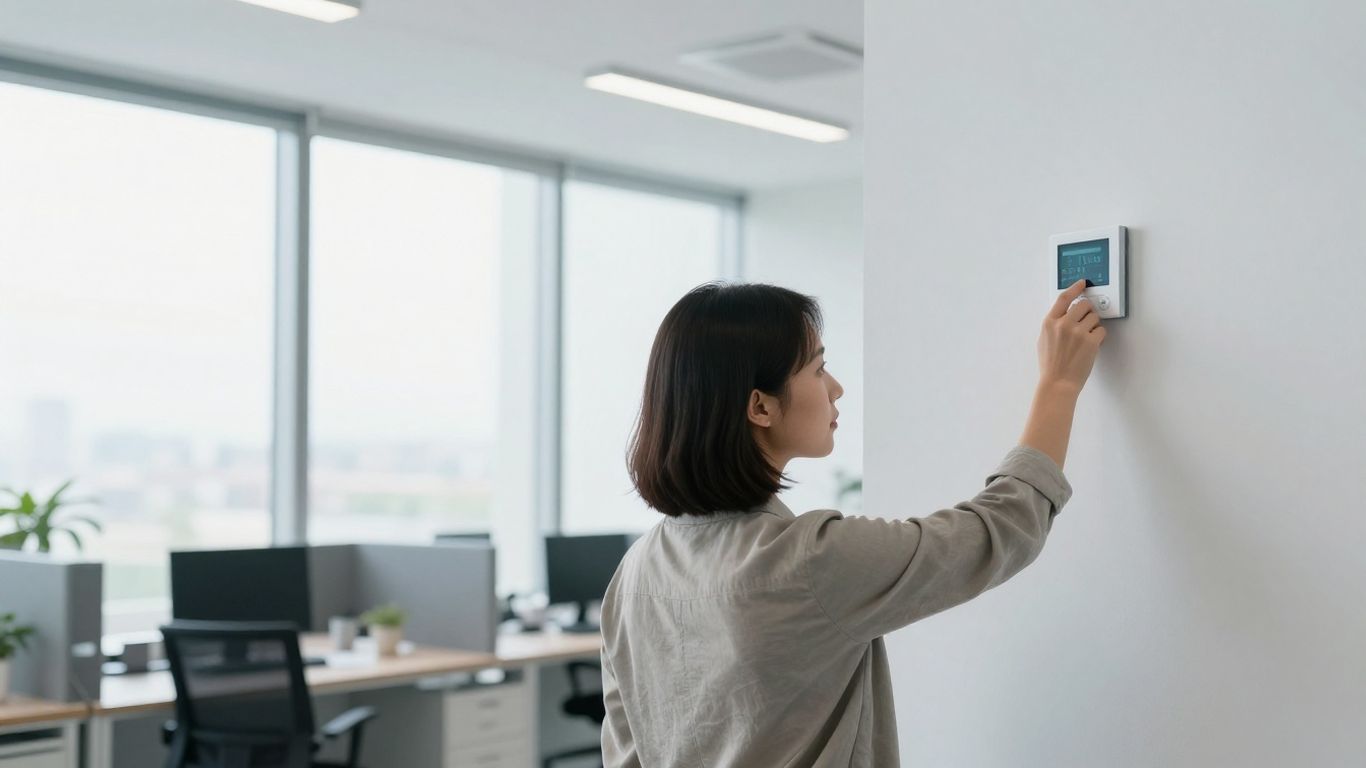
Transitioning rapidly from the sweltering outdoor heat of an HDB corridor or outdoor mall into an aggressively chilled office environment can shock the musculoskeletal system. This thermal spike forces muscles to contract instantly in a defensive attempt to conserve heat, which reduces flexibility. Frequent exposure to these rapid shifts often leads to localized tightness that individuals may initially mistake for chronic strain.
Prolonged exposure to indoor drafts and joint cooling
Many office environments feature localized vents that direct focused streams of cold air onto a desk area for hours at a time. This continuous draft can chill specific joint regions, leading to increased stiffness by the end of the work day. It is essential to manage your workspace or use light layers to ensure your joints remain at a comfortable, consistent temperature.
Balancing office temperatures to prevent stiffness
Finding a comfortable middle ground is key to protecting your joints while working. If you feel that your workspace environment is contributing to aches, consider these adjustments to maintain better physical comfort during your shifts.
| Adjustment Strategy | Benefit | Recommended Action |
|---|---|---|
| Layering Apparel | Thermal Consistency | Wear a light cardigan or scarf |
| Desk Positioning | Draft Avoidance | Redirect airflow away from joints |
| Regular Stretching | Fluid Circulation | Perform gentle movements hourly |
Small changes in your desk setup often yield immediate improvements in how your body handles prolonged climate control in the workplace.
The impact of climate on physical activity levels
Why extreme heat discourages routine movement
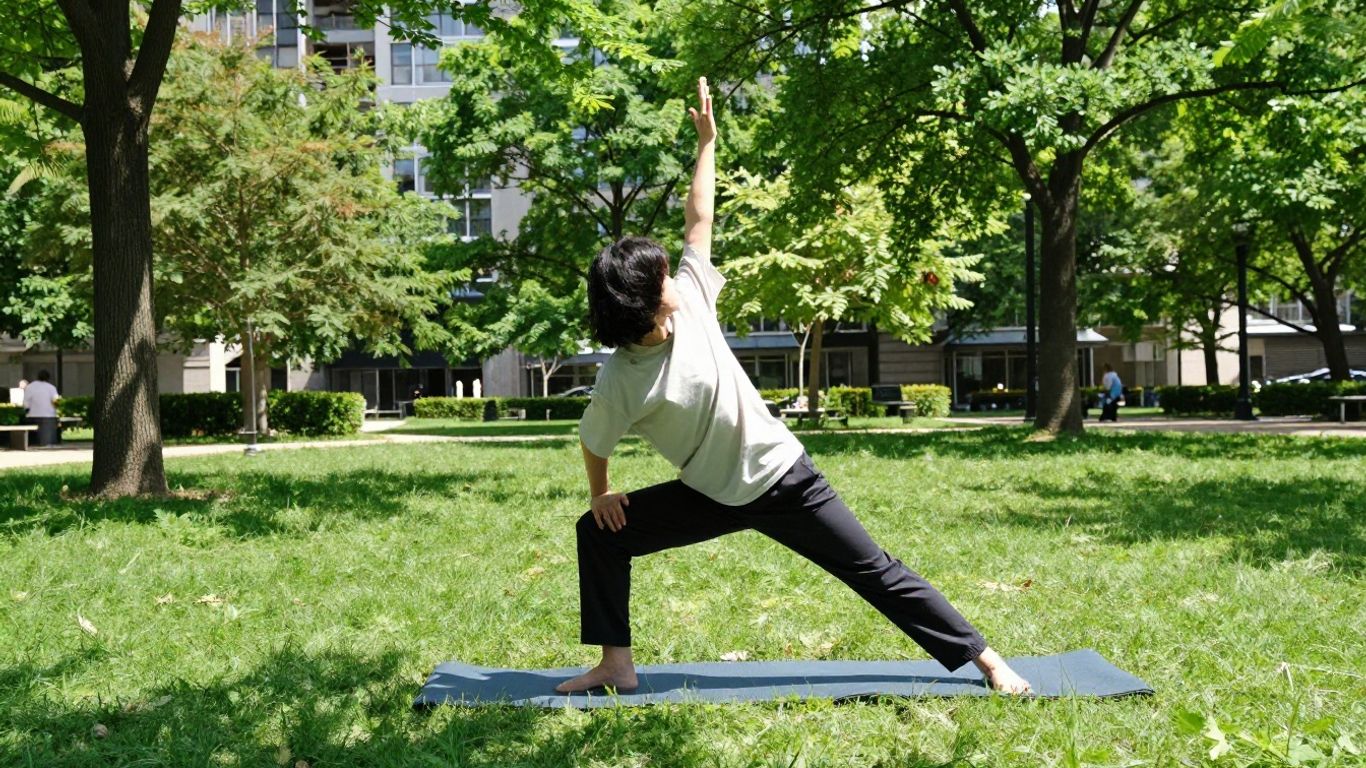
High temperatures and intense sun in the afternoon can make the idea of outdoor exercise unappealing. This leads many people to avoid their usual walks or routines, which can inadvertently result in longer periods of inactivity. Staying sedentary during these times can contribute to a loss of natural joint lubrication over the long run.
The risks of sedentary behavior on joint lubrication
Movement serves as the primary mechanism for nourishing the cartilage in our joints through the movement of synovial fluid. When we stop moving for extended periods, we disrupt this essential process, which creates a noticeable difference in how we feel upon standing up. Adopting a proactive approach to joint health can help mitigate these risks.
Finding the right time of day for low-impact exercises
Choosing when to move is just as important as the type of exercise you select for your daily routine. Consider these times to avoid the peak heat of the day:
- Aim for early mornings near the East Coast Park to enjoy cooler breezes.
- Schedule indoor sessions during peak afternoon heat to maintain your consistency.
- Utilize evening hours for gentle yoga or stretching as the city cools down.
- Focus on low-impact activities like swimming to keep joints moving comfortably.
Incorporating these windows for activity ensures you remain consistent with your fitness goals without overexerting your body in the intense tropical sun.
Lifestyle strategies for managing weather-induced stiffness
Incorporating mobility routines in air-conditioned environments
Your mobility routine should be adaptive to your environment, focusing on keeping joints warm even in colder office settings. Consider simple movements such as shoulder rolls or seated leg extensions to keep the blood flowing and prevent stagnation. These brief interventions are effective ways for patients of Everton Chiropractic to manage daily stiffness.
Dietary adjustments to combat inflammation in tropical climates
What we consume daily plays a massive role in our systemic inflammation levels, especially when external stressors are high. Incorporating fresh, whole ingredients can help manage your body’s internal responses and keep tissues feeling responsive. Focusing on anti-inflammatory nutrients provides your body with the support it needs to recover from daily exertion.
Proper footwear for navigating humid urban terrains
Whether you are walking through the busy streets of Outram or navigating transit interchanges, your choice of footwear impacts your joint alignment. Poorly supportive shoes can transmit unnecessary stress upward through the ankles and knees, which feels exaggerated in a humid environment. Choose footwear that offers adequate support and cushioning to help your body manage urban navigation more effectively.
Expert approaches to chronic pain relief Singapore
Non-invasive therapies for recurring weather-linked pain
Addressing chronic pain requires a multifaceted strategy that looks at both lifestyle and physical alignment. At Everton Chiropractic, we focus on identifying these underlying structural issues that may be aggravated by humidity. Professional guidance can help you navigate discomfort through non-invasive techniques designed to improve your quality of life.
Monitoring symptoms in high-humidity seasons
Keeping a simple log of when you experience the most stiffness can be helpful for identifying patterns related to local weather shifts. This self-assessment allows you to communicate better with your provider and pinpoint which conditions affect you most severely. By staying aware, you can refine your routine to anticipate and mitigate potential flare-ups before they become disruptive.
When to consult a specialist for persistent joint issues
If you find that your joint discomfort persists despite your best efforts to adjust your lifestyle, it is time to seek professional support. Persistent pain should not be considered a normal part of life or an unavoidable consequence of local weather patterns. A consultation regarding your symptoms can provide the clarity needed to address your concerns and establish a sustainable path to recovery.
Conclusion
While our tropical weather and modern indoor comforts create unique challenges for musculoskeletal wellness, these factors do not have to dictate your daily comfort level. By understanding the physiological triggers of stiffness, staying consistent with movement, and making intentional adjustments to your environment, you can effectively manage the impact of the climate. Incorporating professional care and staying mindful of your body’s signals allows you to maintain an active, fulfilling lifestyle in Singapore with ease and confidence.
Frequently Asked Questions
Does high humidity cause joint pain directly?
Humidity itself is often a secondary factor that works in tandem with changes in barometric pressure, which can cause tissues to react and expand for some individuals.
Are the joints in the knees more sensitive to weather than others?
Weight-bearing joints like the knees often appear more sensitive because they are constantly subject to movement and can be more susceptible to slight changes in fluid dynamics.
Should I use heat or cold for weather-related joint stiffness?
Generally, heat is often preferred for stiffness related to cold indoor environments, while cold therapy may be used for managing inflammation if there is acute swelling present.
Can diet truly help with weather-linked discomfort?
Managing your intake of inflammatory foods can help lower your system’s overall sensitivity, which potentially reduces the intensity of the signals you feel during weather shifts.
Is it normal to feel stiffer after moving from a hot outdoor area to a cold office?
Yes, this is a common physical response where muscles contract rapidly to protect against sudden temperature changes, which can definitely exacerbate existing feelings of stiffness.
How often should I perform mobility exercises during the workday?
Aiming to move or stretch at least once every hour is a good practice to ensure synovial fluid remains circulated and your tissues do not fully settle into stiffness.
When should I consider professional help for my joint pain?
You should seek professional guidance if your joint discomfort interferes with your daily activities, prevents you from sleeping, or persists for an extended period without improvement.