Key Takeaways
A stiff neck often eases with gentle self-care, but certain symptoms call for prompt medical attention. The right approach depends on how it began and how you feel overall.
- Common triggers include muscle strain, prolonged posture, and an awkward sleeping position.
- Keep moving gently and try a comfortable heat or cold pack; avoid forceful stretching.
- Check medication labels and ask a pharmacist or clinician if you have health conditions or take other medicines.
- Seek urgent care for severe symptoms, major injury, fever with significant illness, or new weakness or numbness.
- Arrange an assessment if the pain worsens or does not start improving.
What can cause a stiff neck
Neck stiffness can follow everyday strain, but it can also appear with an injury or an underlying health problem. The circumstances and accompanying symptoms can help guide what to do next, though they cannot confirm a cause on their own. A stiff neck overview can offer further general background, and strain and sprain basics explain how these common soft-tissue injuries differ.
Muscle strain from sleep, posture, or overuse
Muscles may become sore and tight after a night in an unfamiliar position, hours of looking down at a screen, or repetitive activity. Stress and holding the head still for a long time can also contribute. A familiar pattern of mild stiffness after sleep or prolonged sitting may settle, but do not assume that every new bout has the same cause.
Injuries and conditions that may need medical assessment
A fall, collision, or sudden force can injure the neck and deserves more caution than ordinary morning stiffness. Some health conditions, including infections or problems affecting nerves, may also involve neck pain. If unsteadiness on stairs is a separate concern, stairlift planning is a home-safety matter rather than a treatment for neck symptoms.
How symptoms can offer clues without confirming a cause
Where the discomfort travels and what comes with it can help determine whether self-care is reasonable or an assessment is needed. These clues are not a diagnosis, but they can help you describe what is happening. For example, stiffness after a long day at a desk is different from pain after an accident, even though both may limit movement.
| What you notice | What it may suggest | A sensible next step |
|---|---|---|
| Tightness after sleep or desk work | Possible muscle strain or prolonged posture | Try gentle movement and monitor symptoms |
| Pain after a fall or collision | Possible injury | Seek medical advice, especially if pain is severe |
| Tingling, numbness, or weakness | Possible nerve involvement | Arrange prompt clinical assessment |
| Fever with a severe headache or feeling very unwell | A potentially serious illness | Get urgent medical help |
The pattern can help you explain your symptoms, but it cannot rule a serious cause in or out. If you are uncertain, especially after an injury or with symptoms beyond neck stiffness, get advice from a health professional.
Home care for a stiff neck
For mild stiffness without warning signs, a few careful changes may make everyday movement more comfortable. The aim is to stay gently active and avoid adding strain, not to force the neck into a particular position. If symptoms are severe, follow an injury, or come with other concerning signs, seek medical advice instead of relying on home care.
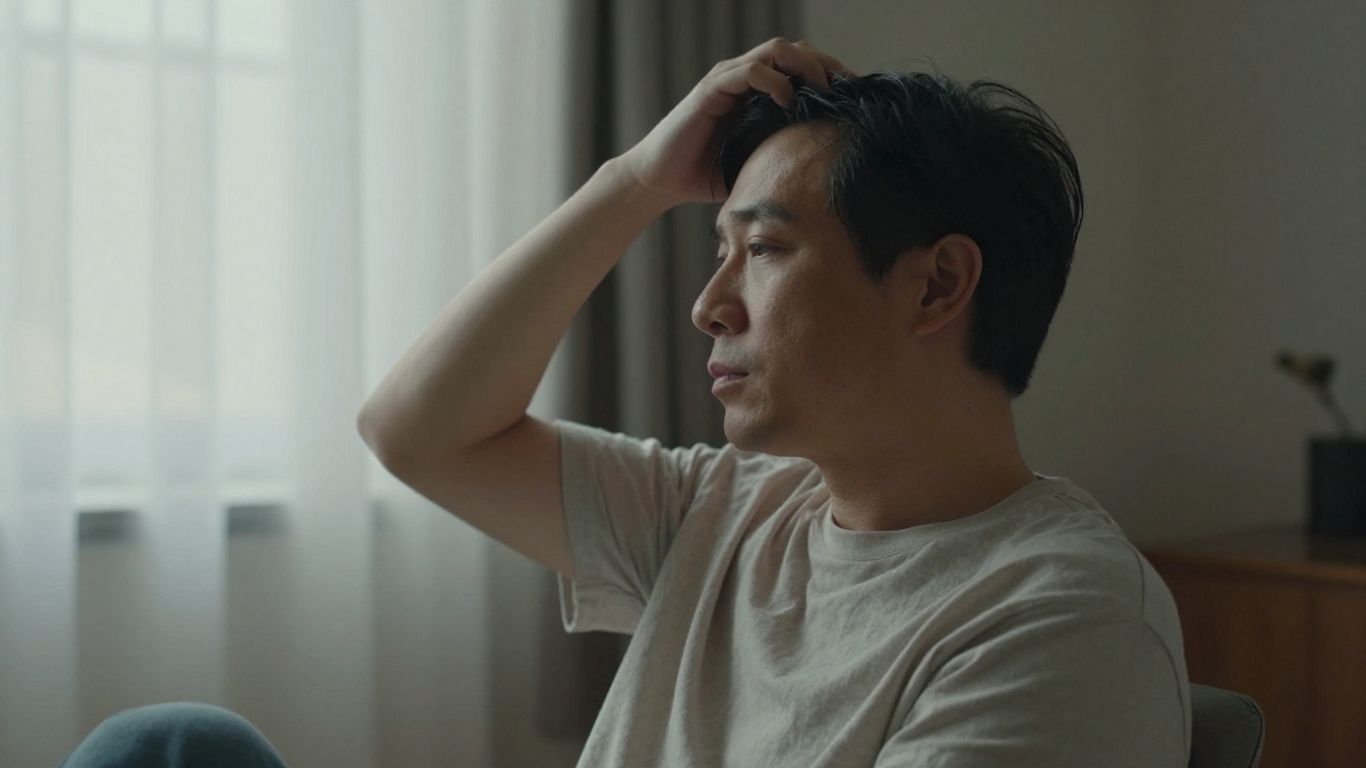
Use gentle movement instead of prolonged bed rest
When movement is tolerable, slowly turning or tilting your head within a comfortable range can help you avoid becoming more stiff. Take breaks from one position and return to ordinary light activities as you feel able. Stop if a movement sharply increases pain, causes dizziness, or brings on tingling or weakness.
A brief, low-key routine can be easier to manage than one long stretching session. Keep each movement easy and let comfort guide the range:
- Turn your head gently to one side, then return to center.
- Tip one ear slightly toward a shoulder without pulling on your head.
- Roll your shoulders slowly forward and back.
- Pause or stop if symptoms worsen or new symptoms appear.
These are gentle options, not exercises that need to be pushed through. If a movement does not feel comfortable, leave it out and ask a clinician for guidance.
Try heat or cold and see which feels more comfortable
A wrapped cold pack or a comfortably warm compress may ease soreness for some people. Use a cloth barrier, keep the temperature moderate, and remove the pack if your skin becomes uncomfortable. A household heater is a separate home-comfort topic; a guide to auxiliary heaters is not advice about treating neck pain.
Choose the option that feels soothing rather than applying either one for a long time or directly to bare skin. Heat or cold may offer comfort, but it does not establish why your neck is stiff or replace an assessment when one is needed.
Adjust sleep position and support your neck
Try to sleep in a position that lets your head rest in line with your body, using a pillow that feels supportive without forcing your neck sharply upward or downward. There is no single pillow that works for everyone. If you wake with recurring stiffness, note whether your position or pillow seems to make it worse and adjust gradually.
Avoid forceful stretching and neck cracking
Strong pulling, sudden twisting, and attempts to crack the neck can aggravate pain, particularly when an injury or another cause has not been ruled out. Gentle movement should remain within a comfortable range. Stop rather than pushing through sharp pain, and seek professional advice if ordinary motion remains difficult.
Over-the-counter pain relief
Some people consider nonprescription medicine for short-term discomfort, but the safest choice depends on their health and other medicines. Follow the package directions and do not take more than the labeled amount. If you are unsure what is appropriate, a pharmacist or clinician can help you check before taking anything.
When acetaminophen may be an option
Acetaminophen may be an option for pain relief for some adults when taken as directed. It can also be included in combination medicines, so check each label to avoid accidentally taking it from more than one product. Ask a pharmacist or clinician whether it is suitable if you have liver disease, drink substantial alcohol, or have other concerns about its use.
How NSAIDs such as ibuprofen may help
Nonsteroidal anti-inflammatory drugs, or NSAIDs, such as ibuprofen may help with pain for some people. They are not suitable for everyone and can have risks, including stomach, kidney, or bleeding-related concerns. Use only as directed on the label and avoid combining medicines in the same class unless a health professional advises you to.
Check labels, health conditions, and medication interactions
Before taking a medicine, read the active ingredients, directions, warnings, and maximum daily amount. Your other prescriptions and over-the-counter products matter too. A product intended for one symptom may share an ingredient with another medicine you already use, making a quick label check worthwhile.
When to ask a pharmacist or clinician before taking medicine
Ask first if you are pregnant, have a long-term health condition, take regular medication, or have had a reaction to pain relievers. A pharmacist can review labels and possible interactions; a clinician can consider your symptoms and health history. Do not use pain relief to delay care for severe symptoms or a possible injury.
When to seek medical care
Most mild neck stiffness can be watched briefly while you try gentle self-care, but not every episode should be managed at home. The timing and urgency depend on the severity, any injury, and symptoms elsewhere in the body. When in doubt, particularly if symptoms are changing quickly, contact a health professional for advice.

Get urgent help for severe symptoms or a major injury
Seek urgent medical help after a significant fall, collision, or other major injury, especially if pain is severe or movement is very limited. Urgent assessment is also appropriate for sudden weakness, difficulty walking, or severe symptoms that are rapidly worsening. Do not try to stretch or manipulate a neck that may have been seriously injured.
Recognize signs that may point to infection or nerve problems
A stiff neck alongside fever, a severe headache, confusion, or feeling very unwell needs prompt medical attention. New numbness, tingling, or weakness in an arm or hand may also require assessment, especially if it is worsening. These symptoms have different possible causes, so it is safer to get medical advice than to rely on a home remedy.
Arrange an appointment if pain worsens or does not improve
Make an appointment if the pain is getting worse, keeps returning, disrupts sleep or daily activities, or does not begin to improve with gentle care. If you are unsure how long to wait, ask a clinician rather than extending self-treatment indefinitely. A health professional can help decide what assessment or next step is appropriate.
What to expect during an evaluation
A clinician may ask when the stiffness began, whether there was an injury, what makes it better or worse, and whether you have other symptoms. They may check movement and perform an examination suited to your situation. If considering chiropractic services, Everton Chiropractic provides chiropractic services in Singapore; an assessment can help determine whether that kind of care is appropriate or whether another medical evaluation is needed.
Treatments a clinician may recommend
Treatment depends on the likely cause, how severe the symptoms are, and what an examination finds. Some cases call for simple changes and time, while others need a more specific plan or further assessment. Chiropractic care is one possible service to discuss when appropriate, not a substitute for urgent medical evaluation when warning signs are present.
Physical therapy and guided exercises
A clinician may recommend physical therapy or exercises suited to your symptoms and ability to move comfortably. Guided work can help you learn what movements to try and how to progress without forcing the neck. If exercises increase pain or bring on new symptoms, pause and check back with the professional who recommended them.
Prescription medicines for selected cases
If nonprescription options are unsuitable or symptoms need a different approach, a clinician may consider prescription medicine in selected cases. The choice depends on your health history, other medicines, and the suspected cause. Ask about possible side effects and how long to use a medicine, and follow the prescriber’s directions.
Imaging and other tests when symptoms warrant them
Scans or other tests are not needed for every stiff neck. A clinician may consider them when the history or examination raises a concern, such as a significant injury or particular nerve symptoms. The purpose is to answer a clinical question; the decision depends on the individual situation.
Why treatment depends on the underlying cause
A sore muscle after an awkward night and neck pain following a major injury should not be approached as though they were identical. A clinician weighs the pattern of symptoms, relevant health history, and examination findings before recommending care. Everton Chiropractic offers chiropractic services; whether that service fits a person’s needs is a matter for individual assessment and discussion with an appropriate health professional.
How to reduce the chance of another stiff neck
Small adjustments to daily habits may reduce repeated strain, though they cannot prevent every cause of neck pain. Notice the positions and activities that leave you stiff, then make changes that are comfortable and realistic to maintain. The goal is a supportive routine, not perfect posture held rigidly all day.
Set up screens and workspaces to support neutral posture
Place screens where you can look ahead without repeatedly bending your neck, and keep frequently used items within easy reach. Adjust your chair and work surface so your shoulders can rest comfortably rather than being held tense. If you manage digital materials for a workplace, Xcan.it provides dynamic QR code management, a separate tool from neck-health guidance.
Take movement breaks during long periods of sitting
Change position regularly instead of staying fixed at a desk or looking down at a device for a long stretch. Stand, walk briefly, or move your shoulders and neck gently if that feels comfortable. A short pause from a task—whether reading a Chess album review, for instance—can also be a reminder to reset your posture.
Build neck and shoulder strength gradually
If you want to work on strength, start with manageable activity and increase it gradually. A physical therapist or clinician can suggest exercises that suit your symptoms and movement. Avoid turning a prevention routine into a source of new pain; stop and ask for advice if discomfort becomes persistent or worsens.
Choose a pillow and sleeping position that feel supportive
A comfortable position that keeps your head from being sharply tilted may help you wake with less stiffness. Pillow needs vary, so pay attention to how you feel in the morning rather than assuming a particular style is necessary. Make one change at a time so you can tell whether it seems to help.
Conclusion
A stiff neck often responds to gentle movement, comfortable positioning, and careful symptom monitoring. Avoid forceful stretching, use medicines thoughtfully, and seek medical care when symptoms are severe, follow an injury, or fail to improve. A clinician can help identify the next step when the cause or safest treatment is unclear.
Frequently Asked Questions
How long does a stiff neck usually last?
Mild stiffness may improve over several days, but the course varies with the cause. Seek advice if it worsens, keeps returning, or does not begin to improve.
Should I use heat or ice for a stiff neck?
Either may feel soothing for some people. Use a cloth barrier and moderate temperatures, and stop if your skin becomes uncomfortable.
Is it better to rest or keep moving?
For mild symptoms, gentle movement within a comfortable range is generally preferable to staying in bed for a prolonged period. Stop movements that worsen pain or bring on new symptoms.
Can I crack my neck to relieve stiffness?
Avoid forceful twisting or cracking, particularly when the cause is unknown or an injury is possible. Choose gentle motion and ask a clinician if stiffness persists.
When is a stiff neck an emergency?
Seek urgent medical help for severe symptoms, a major injury, or stiffness with signs such as fever and feeling very unwell, confusion, new weakness, or difficulty walking.
Can over-the-counter medicine help a stiff neck?
Some nonprescription pain relievers may help certain people, but suitability depends on health conditions and other medicines. Follow the label and check with a pharmacist or clinician if uncertain.
When should I make an appointment for neck pain?
Arrange an assessment if pain worsens, interferes with everyday activities, recurs, or does not start improving. Seek care sooner for an injury or concerning symptoms.