
Key Takeaways
Adopting a weekend warrior lifestyle often leads to physical strain due to inconsistent training load. To maintain your health and performance, it is vital to balance activity with recovery.
- Understand how sudden spikes in intensity stress your tissues.
- Differentiate between normal muscle soreness and chronic pain.
- Prepare for specific terrains like the asphalt at East Coast Park.
- Incorporate consistent exercise routines to avoid injury.
- Prioritize professional care when pain persists beyond rest.
Understanding the risks of being a weekend warrior
Many busy professionals in Singapore treat their bodies like machines that only activate on Saturday and Sunday. After spending the week in an office near the CBD or commuting on the MRT, pushing your limits on the weekend can shock your system. At Everton Chiropractic, we frequently see patients who struggle with the physical demands of these sudden transitions. Balancing a sedentary work life with high-intensity weekend bursts requires a strategic approach to maintain long-term physical health.
The physiological impact of intermittent physical activity
When you jump from sitting all week to a half-marathon, your muscles and tendons struggle to keep pace. The sudden shift in metabolic demand without the benefit of weekday maintenance places undue stress on the body’s support structures. Consistency, rather than intensity, serves as the true foundation for staying active as you navigate your busy life.
Why sudden spikes in weekend intensity cause injuries
Sudden changes in training load are often the catalyst for soft tissue issues. If you do not provide your body with the adaptation time it needs, the sudden leap in effort can cause damage. Many people find that common knee injuries become a risk when they abruptly increase their mileage or speed on trails.*
Differentiating between muscle fatigue and acute injury
It is helpful to distinguish between the temporary fatigue of a workout and an injury that needs attention. Normal muscle soreness usually fades with rest, while acute pain—often felt at the joint or along a tendon—suggests something more structural. Being mindful of these cues early allows for better management of your overall physical performance.
The cumulative effect of long hours on the body
The desk-bound lifestyle common in Singapore, especially for those commuting from HDB estates to Outram, contributes to tight hips and shortened hamstrings. When you start running on the weekend with these pre-existing physical limitations, your overall movement patterns become less efficient. This lack of mobility can lead to compensation patterns that eventually cause trouble.
Navigating terrain at East Coast Park and MacRitchie

Running across these popular spots demands respect for the surface beneath your feet. While the flat stretches at East Coast Park are inviting, they require different mechanical adjustments than the winding paths in MacRitchie Reservoir. Understanding how to handle these environments ensures you get the most out of your outdoor sessions without straining your joints.
Coping with long-distance asphalt runs at East Coast Park
Asphalt is a unforgiving surface that magnifies every impact through your legs. For long sessions on the flat paths of East Coast, keeping a steady, light cadence helps mitigate the repetitive shock. It is an ideal setting to practice controlled landing patterns, which protects your ankles and knees over longer efforts.
Managing uneven forest trails and elevation at MacRitchie Reservoir
The unpredictable nature of trail running at MacRitchie requires immense ankle stability and core awareness. The elevation changes shift the load onto different parts of your legs, often surprising those accustomed to the flat city pavements. Engaging your stabilizer muscles is necessary for injury prevention during these climbs.
Selecting appropriate footwear for different outdoor environments
Your choice of footwear should reflect the terrain you frequent most. A shoe optimized for the flat asphalt of running routes may not offer the stability needed for the rocky forest floor at MacRitchie. Regularly inspect your gear, as worn-out treads can lead to significant changes in how your feet strike the ground.
Adapting your running gait for varying surfaces
Adjusting your stride frequency based on the ground helps you stay efficient regardless of conditions. On slippery or uneven forest trails, shortening your stride keeps your center of gravity stable. This simple adjustment reduces the risk of stumbling and helps you maintain energy throughout your run.
Strategies for preventing common sports injuries
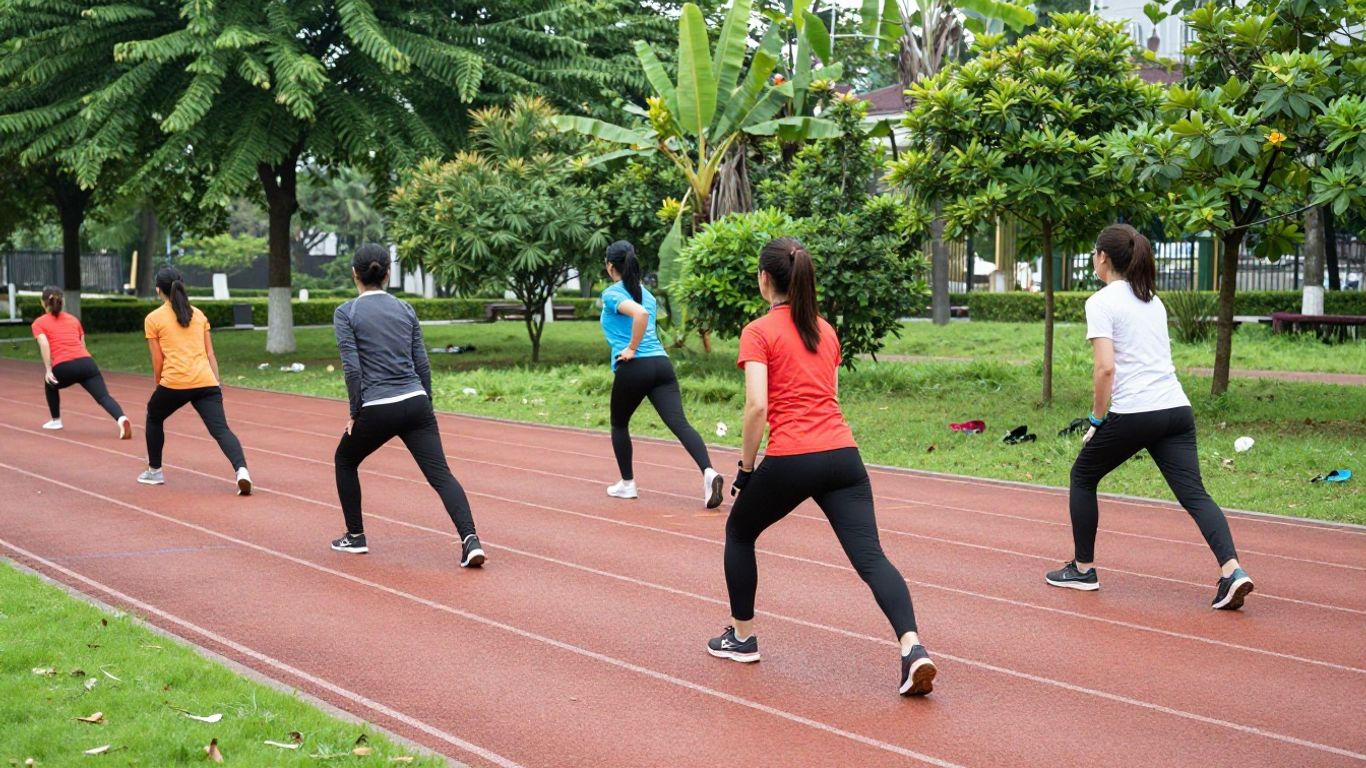
Prevention starts with how you treat your body throughout the entire work week. Many individuals find that small, consistent actions lead to better health outcomes than occasional breakthroughs. By focusing on targeted strengthening, you provide your joints with the support they need to handle the impact of weekend activities.
Strengthening essential muscle groups for joint stability
To build a more resilient frame, target your glutes and core, as these are the primary drivers of stable movement. Dr. Richard Chew emphasizes that strong muscles take the load off your joints during high-impact activities. Consistent efforts in these areas will yield better results than any single surge of intensity.
Implementing progressive overload instead of weekend breakthroughs
You should carefully manage how much you do, ensuring your body has time to adapt to new demands. The following list helps you structure your movement to avoid common pitfalls during training.
- Incorporate short, light jogs into your routine on Wednesday.
- Increase your total mileage by no more than 10 percent weekly.
- Focus on quality of form rather than total distance moved.
- Engage in low-impact movement, such as swimming, on alternate days.
Monitoring training volume to avoid debilitating overuse
Keeping track of your total training volume helps you spot when you are pushing too far before a minor ache becomes a chronic running injury. It is better to back off early than to force through pain, which often leads to time off from the sport entirely. Use a simple log to monitor how your body responds to the current load.
Incorporating consistent cross-training during the work week
Complementing your runs with cycling or yoga keeps your cardiovascular system healthy without repetitive impact. This variety ensures your musculoskeletal system isn’t under the same stress every day. At Everton Chiropractic, we find that a holistic approach to movement significantly improves recovery time and overall joint health.
Managing running knee pain during weekend sessions
Identifying the origin of discomfort is the first step toward effective management and recovery. Whether you suffer from general soreness or specific symptoms of runner’s knee, recognizing the patterns can help you make informed decisions about your activity levels.
Identifying common symptoms of runner’s knee
Runner’s knee often manifests as dull, aching pain behind or around the kneecap. It frequently occurs after a period of running, squatting, or taking stairs, often peaking intensity when you return home to your HDB. If you notice persistent discomfort that doesn’t resolve after a day of rest, it is worth paying closer attention to your mechanics.
Immediate self-care protocols for managing acute knee pain
When acute pain strikes, taking immediate steps can prevent the situation from worsening. The standard approach for managing active discomfort effectively is outlined in the table below:
| Action Step | Purpose and Goal |
|---|---|
| Rest | Allow inflammatory mediators to reduce naturally |
| Ice Application | Constrict local blood vessels to limit acute swelling |
| Elevation | Aid lymphatic drainage to decrease local fluid retention |
By following this method, you provide your body with the environment it needs to begin the repair process without further aggravation.
When to seek professional medical intervention for chronic issues
If pain becomes a regular companion after your weekend runs, seeking a professional opinion is a wise step. A skilled clinician can look for underlying imbalances in your movement or alignment that simple rest won’t solve. Early intervention often means the difference between a minor setback and long-term joint damage.
Balancing necessary activity modification with recovery
Modifying your activity does not mean stopping movement entirely. Transitioning to low-impact exercises allows you to maintain your fitness levels while providing your joints the relief they require. It is a proactive way to keep moving forward while respecting your body’s current limitations.
Optimizing your weekend prep and recovery
Dynamic stretching routines for pre-run activation
Dynamic stretches that involve movement are far better for pre-run performance than static holds. Leg swings and lunges help prepare your tendons for activity by increasing blood flow to the muscles. This preparation is essential for protecting your tissue before you even arrive at the park.
Post-exercise cooldowns to improve muscle recovery
Taking time to cool down slowly brings your heart rate down and helps manage cellular waste products in your muscles. Walking for five minutes after your run allows your body to transition out of its high-performance state. This simple act reduces stiffness and helps you feel better on Monday morning.
Hydration and nutrition strategies for long outdoor sessions
For those long runs, managing your fuel and water intake is just as important as the running itself. Staying hydrated throughout the week, not just on the morning of the run, ensures your tissues remain supple. Proper nutrition supports the energy requirements of your muscles throughout the entire weekend effort.
The importance of restorative sleep in biological tissue repair
Sleep is when your body does its most significant repair work after you have pushed yourself to the limit. Without adequate rest, your tissues cannot rebuild efficiently, which makes the next session risky. Treat your sleep as an integral part of your training plan to optimize your results.
Conclusion
Consistent care and smart activity management are the keys to staying active as a weekend warrior in Singapore. By respecting your body’s need for gradual adaptation and seeking professional support from experts like Dr. Richard Chew, you can enjoy your runs at East Coast Park or MacRitchie for years to come. Remember that listening to your body today saves you from potential setbacks tomorrow.
Frequently Asked Questions
Why do my knees feel sore only after a long run?
Long runs increase the cumulative load on your joints, which can stress tissues that haven’t adapted to that specific volume. This soreness often indicates that your current muscular support is unable to handle the distance you are covering without creating excessive friction.
Is running every weekend without any weekday activity bad?
Running exclusively on weekends without any form of physical preparation during the week significantly increases your risk of overuse injuries. Muscles and tendons thrive on regular, moderate loads rather than intermittent, high-stress bursts, making consistent movement vital for injury prevention.
Does walking count as recovery training?
Yes, walking is an excellent form of active recovery that keeps your muscles engaged while avoiding high-impact stress. It aids circulation, which brings necessary nutrients to recovering tissues, making it a perfect component of your active, preventative lifestyle.
How long should I rest if I feel sharp knee pain?
If you experience sharp, localized knee pain, it is advisable to stop running immediately and rest for at least several days. Persistent or worsening pain warrants an evaluation by a medical professional to ensure there is no structural damage that requires targeted care.
Can proper footwear solve all my running injuries?
Proper footwear is a crucial element for support and comfort, but it cannot solve injuries caused by training errors or existing muscle imbalances. Shoes should be viewed as one part of a broader strategy that includes good form, appropriate volume, and strength training.
Are there specific stretches I should avoid before running?
It is best to avoid long, static stretches—like holding a hamstring stretch for thirty seconds—before a run, as they can temporarily reduce muscle power. Stick to dynamic movements like leg swings that wake up your muscles without overstretching the fibers while they are still in a resting state.
How can I tell if my knee pain is just normal soreness?
Normal muscle soreness typically feels like a dull ache that affects both legs similarly and subsides within a day or two of rest. In contrast, knee pain that is structural or overuse-related is often sharp, asymmetric, or persistent, lingering long after your workout has finished.