Getting hurt while playing sports is never fun, especially when you’re trying to stay in shape here in Singapore. Whether it’s a sudden twist or just the wear and tear from training, injuries can really set you back. But the good news is, with the right approach, you can bounce back faster and stronger. This guide is all about helping Singaporean athletes understand their injuries and find the best ways to recover, including when a sports chiropractor in Singapore might be the right choice for you.
Key Takeaways
- Sports injuries can be acute (sudden) or chronic (gradual), and knowing the difference helps in treatment.
- Active recovery and proper rehabilitation are key to getting back to your sport quickly and safely.
- Non-surgical options like physiotherapy and sometimes injections can be very effective.
- See a specialist if conservative treatments aren’t working or if the injury is severe.
- A sports chiropractor in Singapore can help address biomechanical issues and aid in your overall recovery strategy.
Understanding Sports Injuries In Singapore
Sports injuries are a pretty common thing here in Singapore, especially with how active everyone is. Whether you’re hitting the courts for a game of basketball, pounding the pavement for a run, or trying out a new fitness class, your body can take a hit. These injuries aren’t just for the pros; they happen to everyday folks who enjoy staying fit.
Defining Sports Injuries
Basically, a sports injury is any kind of damage to your muscles, ligaments, tendons, bones, or joints that happens while you’re playing a sport or exercising. It’s your body’s way of telling you something’s gone wrong, often due to a sudden impact, doing too much too soon, or just not having the right technique. Ignoring these signals can lead to bigger problems down the road, like long-term pain or even permanent issues.
Acute Versus Chronic Injuries
Injuries tend to fall into two main camps: acute and chronic. Acute injuries happen suddenly. Think of a sharp twist of your ankle during a football match or a sudden pull in your hamstring while sprinting. These are usually the result of a specific event. Chronic injuries, on the other hand, develop over time. These are often called overuse injuries. They happen because of repetitive stress on a particular part of your body, like the pain you might feel in your elbow from too much tennis or your knees from constant running without enough rest. It’s like a slow build-up of wear and tear.
Here’s a quick look at how they differ:
- Acute Injuries:
- Sudden onset
- Caused by a specific incident (fall, twist, blow)
- Examples: Sprains, strains, fractures
- Chronic Injuries:
- Gradual onset
- Caused by repetitive stress or overuse
- Examples: Tendinitis, stress fractures, shin splints
Common Injury Mechanisms
So, how do these injuries actually happen? There are a few main ways.
- Direct Impact: This is straightforward – a direct blow from another player or an object. Think of getting tackled in rugby or hitting your head.
- Twisting or Pivoting: These movements put a lot of stress on your joints, especially the knees and ankles. Basketball and netball players often experience this.
- Overuse: Doing the same motion over and over again without giving your body enough time to recover. This is common in sports like running, swimming, or gymnastics.
- Landing: How you land after a jump can make a big difference. Poor landing mechanics can put excessive strain on your joints, leading to injuries.
Understanding these common ways injuries occur is the first step in figuring out how to prevent them. It’s about being aware of the risks associated with your chosen activity and taking steps to protect yourself.
Knowing the types of injuries and how they happen is really important for any athlete in Singapore. It helps you take the right steps to avoid them in the first place and, if something does happen, to get the right help quickly. For more on common injuries, you can check out common sports injuries.
Navigating Recovery Pathways
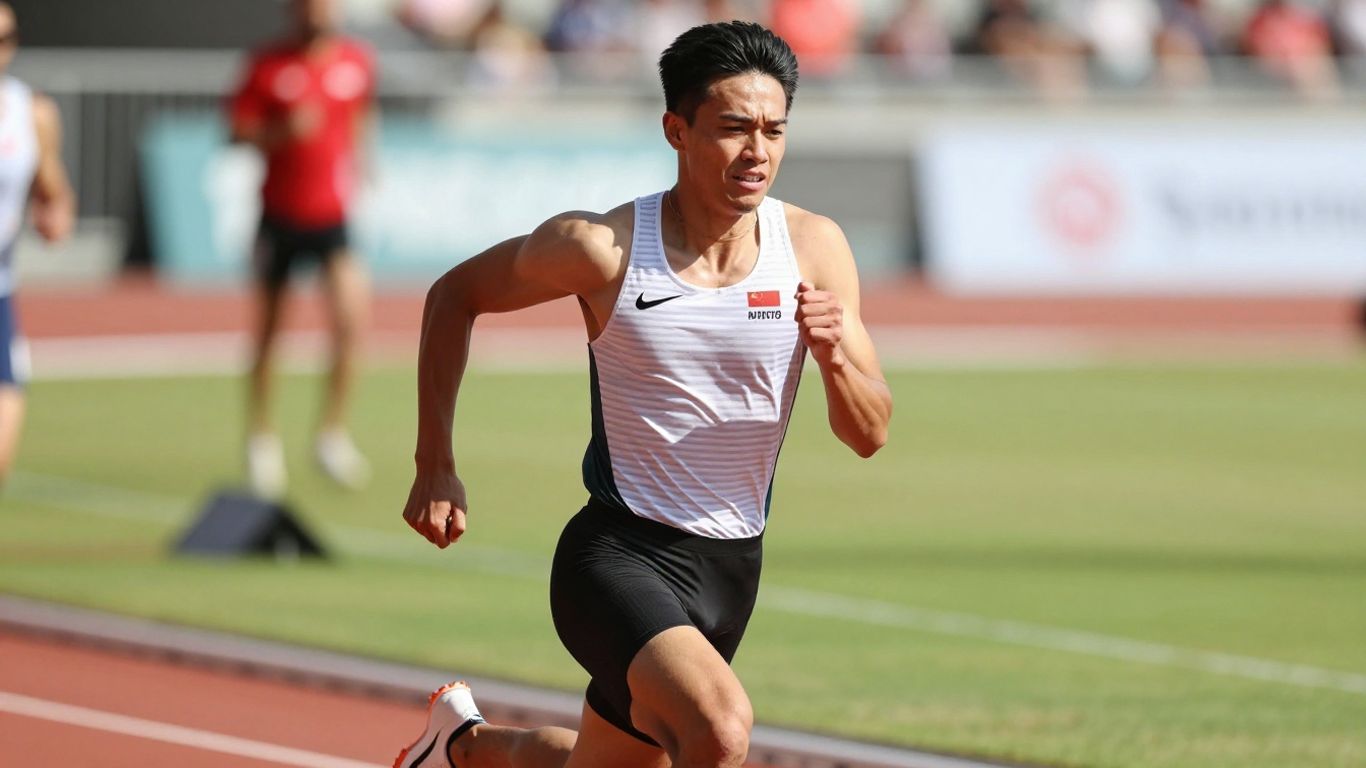
Training hard is only part of the equation when you’re an athlete in Singapore. How you bounce back after a tough session or game is just as important, if not more so. True athletic growth doesn’t just happen when you’re pushing your limits; it happens when your body gets the chance to repair and rebuild. This means recovery isn’t just about taking a day off; it’s an active process.
The Importance of Active Recovery
Think of active recovery as giving your body a helping hand to get back on its feet faster. When you work out intensely, your muscles get tiny tears, and waste products like lactic acid build up. If you just sit around, this stuff can linger, making you sore for longer and increasing your chances of getting hurt. Active recovery, on the other hand, helps flush out those waste products and gets fresh, oxygen-rich blood flowing to your muscles. This speeds up healing and gets you ready to go again sooner. It’s about working smarter, not just harder.
- Accelerated Muscle Repair: Helps mend those microscopic tears in your muscle fibers more quickly.
- Enhanced Metabolic Clearance: Efficiently removes lactic acid and other metabolic byproducts.
- Improved Blood Circulation: Boosts the flow of oxygen and nutrients to tired tissues.
Proper recovery is an investment in your athletic future. It’s not a luxury; it’s a necessity for anyone serious about their sport and their long-term health.
Accelerated Muscle Repair
When you injure yourself, your body kicks into repair mode. Certain recovery techniques can really speed this up. For instance, therapies that increase blood flow and reduce inflammation can help deliver the building blocks your body needs to fix damaged tissues. This means less time spent feeling stiff and sore, and more time actually training and competing. It’s about getting your muscles back to their best condition so you can perform at your peak.
Enhanced Metabolic Clearance
After intense exercise, your body produces waste products that can make you feel fatigued and sore. Getting rid of these efficiently is key. Techniques that promote circulation, like gentle movement or specific therapies, help to clear out this metabolic ‘junk’ from your muscles. This process is vital for reducing post-exercise soreness and getting your energy levels back up quickly. It’s like cleaning up your workspace so you can get back to productive work faster. For athletes looking to optimize their physical condition, exploring options like physiotherapy can be very beneficial.
Here’s a quick look at how different recovery elements can help:
| Recovery Element | Primary Benefit |
|---|---|
| Gentle Movement | Aids circulation, flushes waste |
| Hydration | Supports cellular function |
| Nutrition | Provides building blocks for repair |
| Targeted Therapies | Reduces inflammation, speeds healing |
Consistent application of these strategies is what truly makes a difference over time, building a more resilient body ready for whatever you throw at it. This consistent approach is what helps prevent minor issues from becoming major setbacks, keeping you in the game longer. You can find specialized help for these recovery needs at places like Rapid Physiocare.
Non-Surgical Treatment Options
When you’re dealing with a sports injury, the first thought might be surgery, but honestly, there are a lot of ways to get better without going under the knife. These non-surgical routes can be super effective, especially for common issues like strains, sprains, and even some early-stage joint problems. The goal is to get you back in the game safely and soundly.
Physiotherapy and Manual Therapy
This is often the cornerstone of recovery. Physiotherapy involves a structured plan designed to restore your strength, flexibility, and function. Think of it as a guided journey back to full movement. Your physio will likely use a mix of techniques:
- Therapeutic Exercises: These are specific movements to rebuild muscle strength and endurance, improve balance, and get your joints moving properly again. They’re tailored to your exact injury.
- Manual Therapy: This is where the hands-on work comes in. Techniques like massage, joint mobilization, and stretching can help release tight muscles, improve blood flow, and reduce pain. It feels good, too!
- Education: A big part of physio is teaching you about your injury, how to manage it day-to-day, and what to avoid. This knowledge is power.
For many athletes, getting expert sports physiotherapy services is the most direct path to recovery after a knee injury or similar issues.
Bracing and Activity Modification
Sometimes, your body just needs a little extra support while it heals. Bracing can provide that stability, especially for ligament injuries. It’s not about stopping you from moving, but about protecting the injured area as you gradually increase your activity. Your healthcare provider will advise on the type of brace and when to use it.
Activity modification is just as important. This means adjusting your training or daily activities to avoid aggravating the injury. It might mean taking a break from high-impact exercises or changing how you perform certain movements. It’s about working smarter, not harder, during the healing phase.
Injection Therapies for Healing
For certain types of injuries, especially those involving inflammation or where tissue regeneration is key, injections can play a role. These aren’t your everyday pain relief shots; they’re often aimed at promoting healing.
- Corticosteroid Injections: These are primarily used to reduce inflammation and provide significant pain relief. They can be very effective for conditions like tendinitis or bursitis, giving you a window to start physiotherapy without being sidelined by pain.
- Platelet-Rich Plasma (PRP) Injections: This involves using your own blood components to stimulate healing. Platelets contain growth factors that can help repair damaged tissues. It’s a more natural approach to speeding up recovery.
- Hyaluronic Acid Injections: Often used for joint issues like osteoarthritis, these injections help lubricate the joint, reducing pain and improving movement.
It’s important to remember that these are often used in conjunction with other treatments, not as a standalone fix. The right injection therapy can significantly speed up your return to sport. Some clinics, like Oxford Cartilage Sports, focus on these advanced regenerative treatments.
While surgery is sometimes necessary, a significant number of sports injuries can be effectively managed with non-surgical interventions. The key is a personalized approach that combines appropriate therapies, rest, and a gradual return to activity. Don’t underestimate the power of conservative care; it’s often the most direct route back to peak performance.
These non-surgical options are designed to get you back to your best, minimizing downtime and helping you avoid future problems. Always discuss these choices with your doctor or physiotherapist to figure out the best plan for your specific situation.
When To Seek Specialist Care
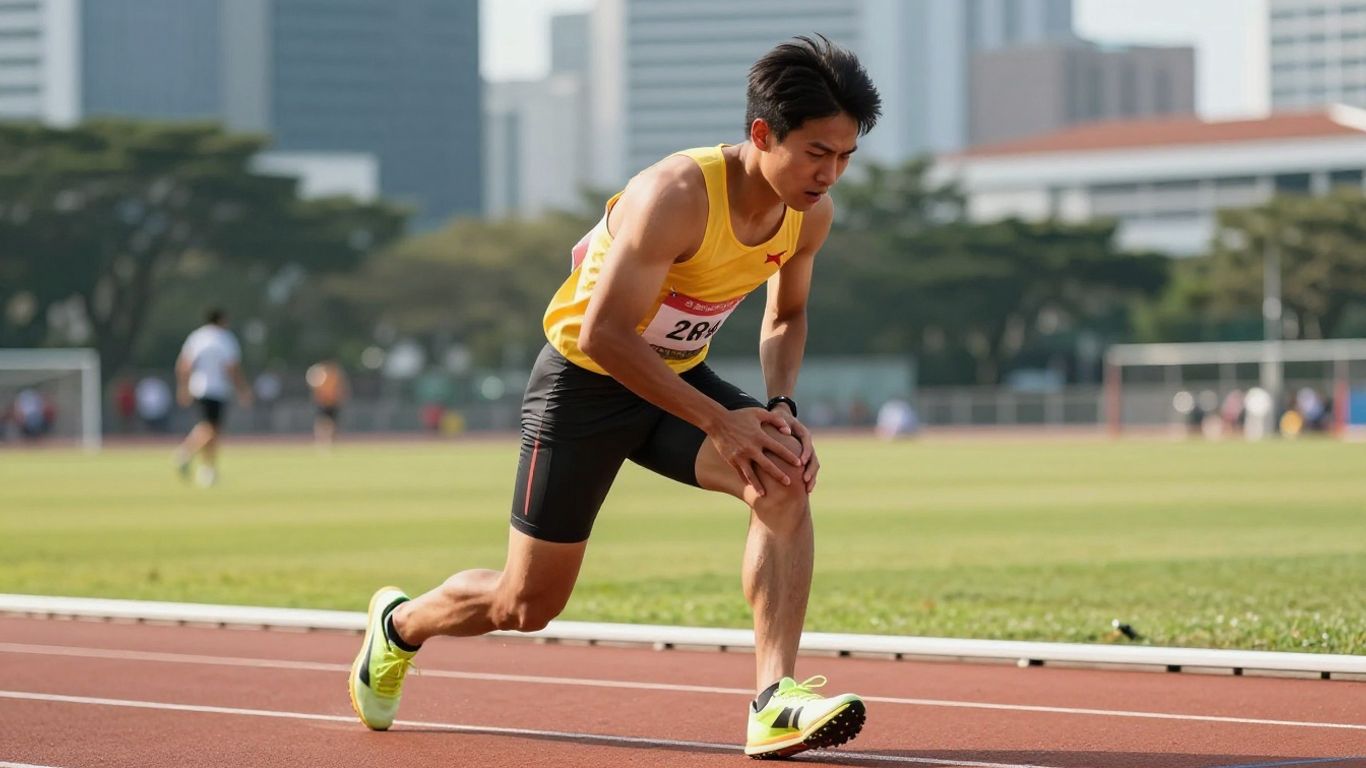
Sometimes, you can manage a sports tweak at home. You know, rest, ice, maybe some ibuprofen. But there are definitely times when you need to get a professional opinion. Ignoring certain signs can turn a minor issue into a long-term problem, and nobody wants that. Don’t push through pain that feels different or worse than usual.
Recognizing the Need for a Sports Injury Specialist
So, how do you know if it’s time to call in the cavalry? A good rule of thumb is if your pain isn’t getting better after a week or two of basic care, or if it’s really intense from the get-go. Significant swelling, bruising, or a feeling of instability in the joint are also red flags. If you can’t put weight on it, or if it feels like it’s just not moving right, that’s a sign something more serious might be going on. Think about it: if you’ve had a nasty fall or a sudden twist and things just don’t feel right, it’s worth getting checked out by someone who knows sports injuries inside and out. They can help figure out if it’s just a bad sprain or something that needs more attention, like a potential ligament tear.
When Conservative Treatment Isn’t Enough
Let’s say you’ve been doing all the right things – resting, doing your rehab exercises, maybe even seeing a physio – but you’re still not seeing the progress you’d expect. If you’re still experiencing pain, stiffness, or a lack of mobility after a few months of consistent, appropriate care, it might be time to consider other options. This is especially true if you’re aiming to get back to a high level of sport. Sometimes, what seems like a simple issue can have underlying complexities that require a different approach. If conservative methods aren’t getting you back to your game, a specialist can assess if surgery or a more advanced treatment plan is needed.
The Role of Imaging in Diagnosis
When you see a specialist, they’ll likely do a thorough physical exam. But sometimes, that’s not enough to see the whole picture. That’s where imaging comes in. Things like X-rays can show bone fractures, while MRIs are fantastic for looking at soft tissues like ligaments, tendons, and cartilage. Ultrasound can also be useful for certain conditions. These tools help the doctor get a clear, detailed view of what’s happening inside, which is super important for making the right diagnosis and planning the best treatment. It takes the guesswork out of it, really. For example, an MRI can confirm if you’ve torn your ACL, which is something you can’t usually tell just by feeling around. Getting a proper diagnosis is the first step to recovery.
Optimizing Your Return To Sport
Getting back into your sport after an injury isn’t just about feeling better; it’s about getting back to playing at your best, safely. This phase is super important, and rushing it can lead to more problems down the line. Think of it as the final stretch of your recovery journey, where you build back confidence and capability.
Completing Rehabilitation for Full Function
Just because the pain is gone doesn’t mean you’re fully healed. Rehabilitation is a structured process designed to bring your body back to its pre-injury state. This involves a series of exercises that gradually increase in intensity and complexity. You’ll work on restoring strength, flexibility, and balance, making sure all the parts of your body are working together smoothly again. It’s vital to stick with your rehab plan until your therapist or doctor says you’ve met all the functional goals. This might include specific drills that mimic the movements you do in your sport.
Preventing Re-Injury Through Proper Protocols
One of the biggest fears after an injury is getting hurt again. To avoid this, you need to follow specific protocols. This often means continuing with certain exercises even after you’ve returned to play. It’s about building resilience and making sure the injured area can handle the demands of your sport. This could involve strengthening exercises, proper warm-up and cool-down routines, and listening to your body’s signals. For example, athletes returning to sports that involve a lot of cutting and pivoting need to pay extra attention to their knee and ankle stability.
Achieving Pre-Injury Performance Levels
Getting back to your sport is one thing, but playing at the level you were before the injury is another. This requires a dedicated effort to regain lost strength, speed, and agility. Sometimes, athletes can even surpass their previous performance levels by addressing underlying issues that may have contributed to the injury in the first place. This might involve working on your biomechanics or improving your overall fitness. Objective measures can help track progress, ensuring you’re not just feeling ready, but are actually performing at your peak.
Returning to sport is a phased process. It’s not a switch you flip. Each stage builds upon the last, ensuring that your body is progressively prepared for the stresses of competition. Skipping steps here is like trying to build a house on a shaky foundation – it’s bound to cause trouble later.
Here’s a general idea of what completing rehabilitation might look like:
- Phase 1: Pain and Inflammation Control: Focus on reducing swelling and pain, gentle range of motion exercises.
- Phase 2: Restoring Mobility and Strength: Gradually increasing movement, starting basic strengthening exercises.
- Phase 3: Sport-Specific Training: Introducing drills that mimic your sport’s movements, improving balance and coordination.
- Phase 4: Return to Play: Gradual reintroduction to practice and competition, with close monitoring.
Making the right decisions about when and how to return to sport is key. Working with professionals who understand the demands of your specific sport can make a huge difference in your long-term success and preventing future injuries.
Expert Sports Chiropractor Singapore Services
Chiropractic Care for Athletes
When you’re pushing your body to its limits, aches and pains are almost inevitable. But what if there was a way to not just manage these issues, but to actively improve your body’s ability to perform and recover? That’s where sports chiropractic care comes in. It’s not just about cracking backs; it’s a targeted approach to help athletes function better. Chiropractors focus on the relationship between your spine, joints, and nervous system, and how that impacts your overall athletic performance. They look at how your body moves and identify areas that might be holding you back or putting you at risk for injury. Think of it as fine-tuning your body’s mechanics so it can handle the demands of your sport more effectively. It’s about getting you back in the game, faster and stronger.
Addressing Biomechanical Issues
Many sports injuries don’t just happen out of nowhere. Often, they stem from underlying biomechanical issues – the way you move, your posture, or imbalances in your muscles. A sports chiropractor in Singapore can help pinpoint these problems. They’ll watch how you move, maybe even during a specific sport-related action, to see where things aren’t quite right. This could be anything from how your foot strikes the ground when you run to how your shoulder moves when you throw. Identifying these biomechanical flaws is key because fixing them can prevent future injuries and improve your efficiency. For instance, correcting an issue with your gait might reduce stress on your knees, preventing pain down the line. It’s about making smart adjustments to your body’s mechanics.
Here are some common biomechanical issues chiropractors address:
- Muscle Imbalances: One set of muscles being too tight or too weak compared to another.
- Joint Restrictions: Stiff joints that limit your range of motion.
- Poor Posture: How you hold your body, even when not actively playing.
- Altered Gait Patterns: The way you walk or run.
- Asymmetrical Movement: One side of your body not working the same as the other.
Integrated Recovery Strategies
Chiropractic care doesn’t have to be a standalone treatment. The best recovery plans often involve a mix of different approaches. A sports chiropractor can work alongside your physiotherapist or other healthcare providers to create a more complete recovery strategy. They might use manual therapy techniques to restore joint mobility, recommend specific exercises to strengthen weak areas, or provide advice on how to modify your training to avoid aggravating your injury. The goal is to create a synergy between different treatments, speeding up your healing process and getting you back to your sport safely. This integrated approach means you’re not just treating the symptom, but addressing the root cause and building a more resilient body. For athletes looking for a faster healing process, integrating chiropractic visits can make a significant difference.
Recovery isn’t just about resting; it’s about actively helping your body heal and adapt. A good sports chiropractor helps identify and correct the underlying issues that contribute to pain and poor performance, rather than just treating the immediate discomfort. This proactive approach is what makes it so effective for athletes aiming to get back to their peak condition.
These specialists can help with a variety of issues, from sprains to chronic tightness, and play a role in preventing future problems. They offer specialized care tailored to the unique demands placed on an athlete’s body, helping you recover from sprains and manage tightness.
Wrapping Up Your Recovery Journey
So, we’ve talked a lot about getting back in the game after an injury. It’s not just about resting up, though that’s part of it. Really, it’s about actively helping your body heal so you can get back to doing what you love, whether that’s running the marathon or just enjoying a weekend game with friends. Remember, listening to your body and giving it the right care makes a huge difference. Don’t just push through the pain; figure out what’s going on and get the support you need. With the right approach, you’ll be back on track, stronger and ready for whatever comes next. Keep moving, keep healing, and keep playing.
Frequently Asked Questions
What’s the main difference between a sudden injury and one that happens over time?
Sudden injuries, like a twisted ankle during a game, happen all at once. They’re often painful right away and might cause swelling. Injuries that happen over time, like shin splints from running too much, develop slowly. You might notice the pain getting worse gradually with activity.
What should I do right after I get hurt playing sports?
The first thing to do is RICE: Rest the injured part, apply Ice to reduce swelling, use Compression with a bandage, and Elevate the injured area above your heart. If the pain is bad or you can’t put weight on it, it’s a good idea to see a doctor soon.
Do all sports injuries need surgery?
Not at all! Many sports injuries can get better with rest, ice, physical therapy, and other non-surgical methods. Surgery is usually for more serious problems, like a complete tear of a ligament or a broken bone that’s out of place.
How can I avoid getting hurt again after I recover?
It’s super important to finish all your physical therapy, not just when the pain stops. Keep doing exercises to stay strong, warm up properly before playing, and ease back into intense activity. Also, make sure your technique is good to avoid putting too much stress on your body.
How long does it usually take to recover from a sports injury?
Recovery times can really vary. A minor sprain might heal in a few weeks, but a serious injury like a torn ACL could take many months. Your doctor or physical therapist will give you a better idea based on your specific injury and how well you heal.
Can I get back to playing my sport just as well as before I got hurt?
Yes, most athletes can get back to their old performance level if they complete their rehabilitation properly. This means getting your strength back, passing certain tests, and feeling confident that your body is ready. It might take a bit longer for sports that involve a lot of quick turns and jumps.