
Ever get that nagging headache that just won’t quit? You might be quick to blame stress or lack of sleep, but what if the real culprit is how you’re sitting or standing? It turns out, our everyday posture plays a much bigger role in head pain than we often realize. From hunching over phones to slouching at desks, bad posture can put a real strain on your neck and shoulders, leading to all sorts of discomfort. But the good news is, understanding this link is the first step to finding relief. We’ll explore how your posture might be causing your headaches and what you can do about it, including options for posture correction in Singapore.
Key Takeaways
- Poor posture, especially forward head posture from device use, puts extra strain on neck muscles and can lead to headaches.
- Tension headaches, migraines, and even jaw pain (TMJ disorders) can be triggered or worsened by bad posture.
- Maintaining good posture is vital for overall neck and spinal health, preventing pain, stiffness, and potential nerve issues.
- Simple changes like adjusting your workspace, taking breaks, and doing specific exercises can help correct posture and prevent headaches.
- For persistent headaches, seeking professional help, like from a physical therapist in Singapore, can provide personalized posture correction and lasting relief.
Understanding The Link Between Poor Posture And Headaches
Ever get a headache after a long day hunched over your phone or computer? You might blame stress or eye strain, but your posture could be the real culprit. It’s a connection many people overlook, yet it’s surprisingly common. The way you hold your body significantly impacts the muscles and nerves in your head and neck.
The Mechanics Of How Slouching Causes Head Pain
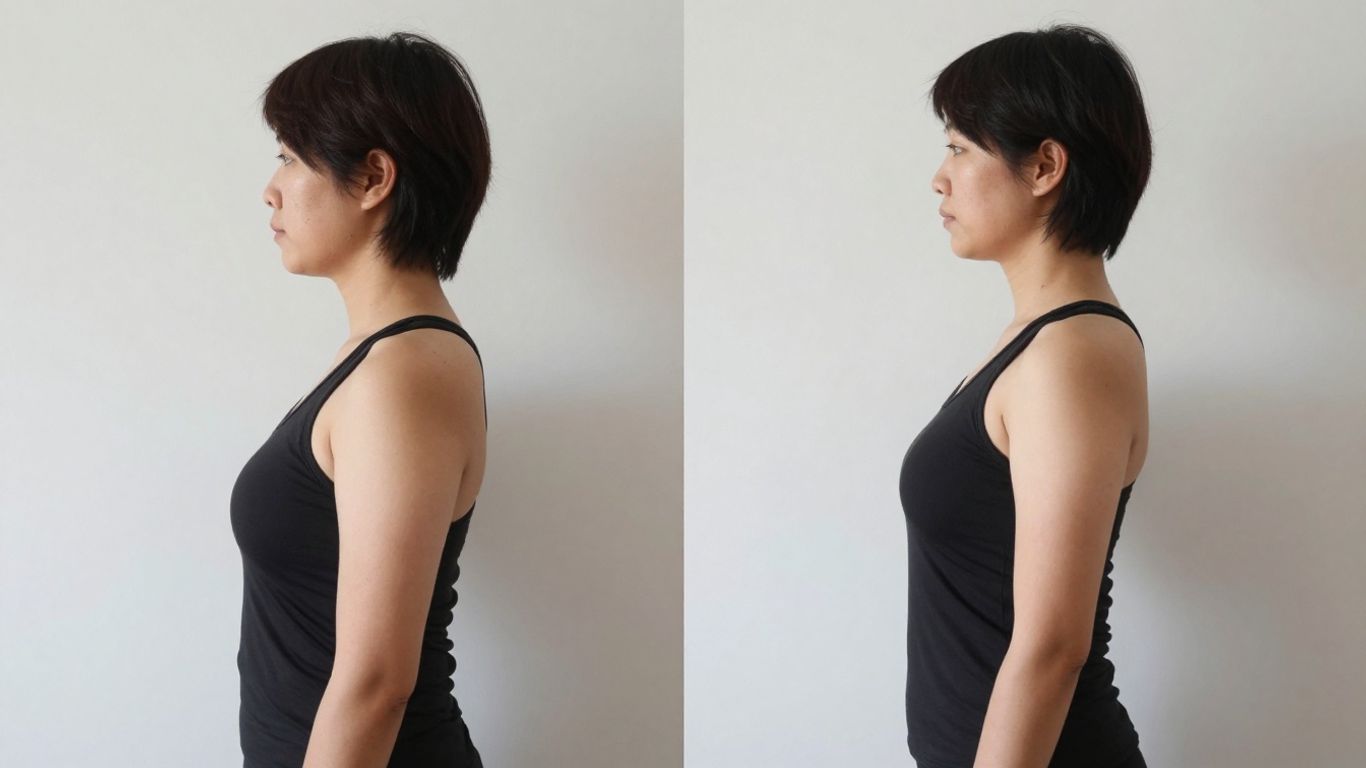
When you slouch, especially with your head jutting forward – a posture often called "tech neck" – you’re putting a lot of extra strain on the muscles at the base of your skull. Think of it like this: for every inch your head moves forward from its natural position, you’re adding about 10 pounds of extra weight your neck muscles have to support. This constant tension can lead to muscle fatigue, restricted blood flow, and even nerve irritation, all of which are prime triggers for headaches.
Forward Head Posture: A Modern Epidemic
In our digital age, forward head posture is practically an epidemic. We spend hours looking down at screens, whether it’s for work, entertainment, or staying connected. This habit puts unusual stress on your neck, shoulders, and upper back. It’s not just about discomfort; this misalignment can contribute to chronic headaches and other issues over time. Addressing and correcting poor posture is key to alleviating this persistent head pain [676d].
Recognizing Posture-Related Headache Patterns
So, how do you know if your headache is linked to your posture? Look for these signs:
- Pain Location: Often felt on both sides of the head, like a tight band, or at the base of the skull.
- Timing: Headaches that appear or worsen after prolonged sitting, driving, or screen time.
- Relief: Pain that eases up when you move, stretch, or lie down.
- Accompanying Symptoms: Neck stiffness, soreness, or a "crick" in the neck often go hand-in-hand with these headaches [95b5].
Paying attention to when your headaches start and stop can reveal a lot about their cause. If you notice a pattern related to your daily activities and how you’re holding yourself, it’s a strong indicator that posture might be the underlying issue.
Common Headache Types Triggered By Bad Posture
Tension Headaches And Their Postural Roots
Ever get that feeling like a tight band is squeezing your head? That’s often a tension headache, and guess what? Your posture might be a major player. When you slouch or let your head drift forward, the muscles in your neck and upper back get all bunched up and strained. This constant tension builds pressure, and that pressure can easily turn into a dull, persistent ache, usually on both sides of your head or at the back. It’s like your muscles are screaming for a break from holding you in an awkward position all day. Correcting your posture can really cut down on how often these pop up.
Migraines Exacerbated By Slouching
Migraines are a whole different beast, but bad posture can definitely make them worse. Spending hours hunched over a phone or computer, a common issue we call "tech neck," puts a lot of stress on the base of your skull. This can irritate nerves and trigger those intense, often one-sided migraines that can last for days. It’s not just about the screen time itself; it’s about how you’re holding your head and neck while you’re doing it. If you’re prone to migraines, paying attention to your posture might be a key step in managing them.
TMJ Disorders And Jaw Pain From Poor Alignment
Your jaw joint, called the temporomandibular joint (TMJ), connects your jaw to your skull. When your head is pushed too far forward, it can put extra strain on your jaw muscles. This tension can lead to TMJ disorders, which often come with headaches, jaw pain, and even neck pain. It’s a bit of a domino effect: poor head and neck alignment messes with your jaw, and that can cause a cascade of pain, including those annoying headaches. If you find yourself clenching your jaw or experiencing pain around your ears, your posture could be the culprit. Addressing your alignment might bring some much-needed relief to your jaw and head. Jaw pain relief can sometimes start with simple posture checks.
The Impact Of Posture On Neck And Spinal Health
It’s easy to think of posture as just how you look when you’re standing or sitting, but it’s so much more than that. The way you hold your body has a direct effect on your neck and spine, and when that alignment is off, things can start to go wrong.
Neck Pain and Stiffness From Awkward Positions
When you’re hunched over a desk or constantly looking down at your phone, your neck is put in a really unnatural position. This isn’t what your neck was designed for. Over time, this can lead to muscles in your neck becoming tight and sore. You might feel that familiar stiffness, especially in the morning, or a persistent ache that just won’t quit. It’s like holding a heavy weight out in front of you all day – eventually, your muscles will protest. This constant strain can really affect your neck muscles and their function.
Pinched Nerves And Their Connection To Posture
Sometimes, this misalignment can actually press on nerves. Imagine a hose that’s been kinked; the water flow gets disrupted. It’s similar with your nerves. When your vertebrae (the bones in your spine) aren’t lined up correctly, or if a disc bulges, it can put pressure on the delicate nerves that run through your neck and spine. This can cause some pretty unpleasant sensations like burning, tingling, or numbness that might shoot down your arm. It’s a clear sign that something is out of place and needs attention.
How Poor Posture Affects Spinal Discs
Your spine has these spongy discs between each vertebra that act like shock absorbers. They’re pretty important for keeping your spine healthy and allowing you to move freely. When you slouch or have that forward head posture, the pressure on these discs isn’t distributed evenly. This can cause them to wear down faster or even bulge or herniate over time. Think of it like constantly sitting on one side of a cushion; it’s going to get flattened and damaged. Maintaining good posture is key for overall spinal health.
The cumulative effect of poor posture isn’t just about looking less put-together. It’s about creating a cascade of physical problems that can impact your daily life, from persistent pain to more serious nerve issues. Addressing your posture is a proactive step towards a healthier, more comfortable you.
Here are some common issues that arise:
- Muscle Imbalances: Some muscles get overworked and tight, while others become weak and stretched out. This imbalance is a common cause of injury.
- Joint Strain: The joints in your neck and spine can experience extra stress, leading to discomfort and reduced mobility.
- Reduced Flexibility: Over time, stiffness can set in, making everyday movements more difficult and painful.
- Increased Risk of Injury: Weakened muscles and stressed joints make you more susceptible to strains and sprains, even from simple activities.
Preventing Headaches Through Posture Correction Singapore
Ergonomic Adjustments For Your Workspace
Spending hours at a desk can really do a number on your body, especially your neck and head. It’s easy to slouch without even realizing it, and that’s often where the headache trouble starts. Making your workspace work for you is a big step. Think about your monitor – is it at eye level? If not, you’re probably craning your neck, which is a recipe for pain. Using stands for laptops or even books can help bring things up to where they should be. Also, keep frequently used items close by so you aren’t constantly reaching and twisting. Small changes to your desk setup can make a significant difference in preventing those nagging headaches.
Mindful Movement And Regular Breaks
It sounds simple, but just getting up and moving around can be a game-changer. Try the 20-20-20 rule: every 20 minutes, take a 20-second break to look at something 20 feet away. This not only helps your eyes but also gives you a chance to reset your posture. Simple stretches for your neck and shoulders can also work wonders. Don’t underestimate the power of a quick stretch before stiffness sets in. It’s about building awareness and making movement a regular part of your day, not just an afterthought. If you’re looking for tailored advice on movement and posture, a place like Movementlab.sg can offer expert guidance.
Setting Up A Dedicated And Supportive Workstation
When you’re working from home, it’s tempting to perch on the couch or even work from bed. But honestly, that’s a fast track to bad posture and, you guessed it, headaches. Try to set up a proper workstation, even if it’s just a corner of a room. A good chair that supports your back is key. You can even use a rolled-up towel behind your lower back for extra support. The goal is to create a space where you can maintain a neutral spine alignment without even thinking about it. This kind of setup helps reduce the strain on your neck and shoulders, which directly impacts headache frequency. For those seeking a more holistic approach to pain relief and alignment, exploring options like osteopathy might be beneficial. Osteopathy offers a holistic approach to treating conditions like tension headaches.
Here are a few quick tips for your workstation:
- Monitor Height: Top of the screen at or slightly below eye level.
- Chair Support: Ensure your back is supported, especially the lower curve.
- Breaks: Schedule short, frequent breaks to stand and stretch.
- Reach: Keep essential items within easy arm’s reach to avoid twisting.
Paying attention to how you sit and work throughout the day is more important than you might think. It’s not just about comfort; it’s about preventing pain that can really disrupt your life. Making conscious adjustments to your environment and habits is a proactive way to manage and prevent posture-related headaches.
Strategies For Effective Posture Correction
So, you’ve realized your posture might be the culprit behind those nagging headaches. The good news is, you don’t always need a fancy setup or a personal trainer to start making things better. It’s often about making small, consistent changes to your daily habits. Making conscious adjustments throughout your day can significantly reduce strain and prevent pain.
Simple Exercises For Neck And Shoulder Relief
When you’re stuck at a desk or staring at a screen for hours, your neck and shoulders really take a hit. Doing a few simple movements can make a world of difference. Try these:
- Chin Tucks: Sit or stand tall. Gently nod your head forward as if trying to make a double chin, keeping your neck straight. Hold for a second, then relax. Repeat 10-15 times.
- Shoulder Rolls: Roll your shoulders forward in a circular motion for 10 repetitions, then reverse and roll them backward for another 10.
- Neck Tilts: Slowly tilt your head towards one shoulder, feeling a gentle stretch. Hold for 15-20 seconds, then repeat on the other side. Be careful not to force it.
These little movements help release tension and remind your muscles what a more relaxed position feels like. You can do them anytime, anywhere.
The Importance Of Neutral Spine Alignment
Think of your spine like a well-built tower. If it’s leaning too much in one direction, the whole structure gets stressed. For your spine, ‘neutral’ means it has its natural curves, not flattened out or excessively arched. When you’re sitting, this looks like your ears, shoulders, and hips being roughly in line. Your lower back should have a slight inward curve, and your upper back a gentle outward curve. Maintaining this neutral spine alignment is key to distributing weight evenly and reducing pressure on your neck and head.
When you’re working, try to keep your computer monitor at eye level. This way, you’re not constantly looking down, which really strains your neck. Using a stand for your laptop or even a stack of books can help achieve this. Also, make sure your feet are flat on the floor and your back is supported by your chair. If your chair doesn’t offer enough support, a small rolled towel behind your lower back can work wonders.
Developing Posture Awareness With Reminders
It’s easy to forget about your posture when you’re focused on tasks. That’s where reminders come in handy. Setting up simple alerts can help you check in with yourself throughout the day. You could use your phone’s alarm, a sticky note on your monitor, or even a specific app designed for posture prompts. The goal is to create a habit of checking in: Are your shoulders hunched? Is your head jutting forward? Just a quick mental scan every hour can make a big difference over time. This consistent awareness is the first step toward lasting change and can help prevent those posture-related headaches from creeping back in. If you’re struggling to find relief, consider looking into physical therapy assessment for personalized guidance.
When To Seek Professional Posture Correction

Sometimes, even with the best intentions and a solid effort to improve your posture on your own, those nagging headaches just don’t seem to go away. You’ve tried adjusting your workspace, taking more breaks, and even doing those little neck stretches, but the pain persists. It’s a sign that maybe it’s time to bring in the pros.
Identifying Persistent Or Worsening Headaches
If your headaches are becoming a regular feature in your life, showing up more often, feeling more intense, or lasting longer than usual, it’s definitely worth paying attention to. This is especially true if the pain starts to interfere with your daily activities, making it hard to focus at work or enjoy your free time. Don’t just tough it out; persistent pain is your body’s way of telling you something needs a closer look.
The Role Of Physical Therapists In Posture Assessment
This is where a physical therapist can really make a difference. They’re trained to look at how your body moves and how it’s aligned. A physical therapist can perform a detailed postural assessment to pinpoint exactly what’s going on. They’ll figure out if your slouching, forward head posture, or other alignment issues are the real culprits behind your headaches and neck pain. It’s not just about guessing; they have the skills to diagnose the root cause.
Personalized Treatment Plans For Lasting Relief
Once a physical therapist has a clear picture of your situation, they can create a treatment plan that’s made just for you. This isn’t a one-size-fits-all approach. It might include specific exercises to strengthen weak muscles and stretch tight ones, manual therapy to help release tension, and advice on how to adjust your daily habits. The goal is to not only relieve your current pain but also to give you the tools and knowledge to prevent those posture-related headaches from coming back. For persistent discomfort, physical therapy can be a game-changer in correcting imbalances and improving your overall well-being.
Putting It All Together
So, we’ve talked about how hunching over your phone or sitting all day can really mess with your neck and shoulders, leading to those annoying headaches. It’s not just in your head – literally! The good news is, you don’t have to live with this pain. Making small changes, like setting reminders to check your posture or adjusting your workspace, can make a big difference. And if things are really stubborn, don’t hesitate to chat with a doctor or a physical therapist. They can help you figure out exactly what’s going on and get you back to feeling good, pain-free.
Frequently Asked Questions
How does slouching actually cause a headache?
When you slouch, especially by leaning your head forward, you put extra strain on the muscles in your neck and at the base of your skull. Imagine holding a bowling ball – that’s kind of how much extra weight your neck has to support for every inch your head juts forward. This constant tension can lead to tight muscles, reduced blood flow, and even irritate nerves, all of which can trigger a headache.
What is ‘tech neck’ and how is it related to headaches?
‘Tech neck’ is a term for the pain and strain in your neck, shoulders, and upper back that comes from looking down at phones, tablets, or computers for long periods. This forward head posture puts a lot of stress on your neck. This ongoing stress can cause muscle tension and headaches, similar to how slouching does.
Are tension headaches always caused by bad posture?
Not always, but bad posture is a very common trigger for tension headaches. These headaches often feel like a tight band around your head or a dull ache in your neck and the back of your head. When your neck and shoulder muscles are constantly tense from poor posture, it can easily lead to this type of head pain.
Can poor posture make migraines worse?
Yes, it can. For some people, the muscle tension and stress caused by bad posture, especially forward head posture, can trigger migraines or make them more severe. The pressure on certain points in the neck and head from slouching can set off a migraine episode for those who are prone to them.
What are some simple things I can do at my desk to improve my posture?
Make sure your computer screen is at eye level so you don’t have to look down. Sit up straight with your feet flat on the floor and your back supported by your chair. Try to avoid cradling your phone between your head and shoulder. Also, remember to take short breaks every 30-60 minutes to stand up, stretch your neck and shoulders, and move around a bit.
When should I see a doctor or physical therapist for posture-related headaches?
If your headaches are very frequent, severe, or don’t get better even after you try to improve your posture and take breaks, it’s a good idea to seek professional help. A physical therapist can check your posture, figure out what’s causing the problem, and give you specific exercises and advice to fix it and prevent future headaches.