That sharp pain shooting down your leg, often starting in the lower back? That’s likely sciatica. It can really mess up your day, making it tough to sit, stand, or even sleep. Lots of people deal with this, and finding real relief can feel like a challenge. But what if the answer isn’t more pills or surgery? This article looks at what causes sciatica and how seeing a lower back pain chiropractor in Singapore might be the way to go for lasting relief.
Key Takeaways
- Sciatica is pain that follows the path of the sciatic nerve, usually caused by pressure on the nerve from things like a slipped disc or tight muscles.
- Chiropractic care focuses on the spine’s alignment to relieve pressure on the sciatic nerve, aiming for the root cause of the pain.
- Techniques like spinal adjustments, decompression therapy, and massage can help reduce nerve pressure and muscle tension.
- Choosing a lower back pain chiropractor in Singapore offers a drug-free way to manage pain and improve how your spine works.
- Combining chiropractic treatment with lifestyle changes, like better posture and exercises, can help prevent sciatica from coming back.
Understanding Sciatica and Its Causes
What Is Sciatica?
Sciatica isn’t really a condition on its own, but more like a symptom that tells you something’s up with your sciatic nerve. This nerve is the longest one in your body, stretching all the way from your lower back, through your hips and buttocks, and down each leg. When this nerve gets irritated or squeezed, it can cause a whole lot of discomfort. The pain often feels like a sharp, burning sensation, but it can also be a dull ache that shoots down your leg. Sometimes, you might also feel tingling, numbness, or even weakness in the affected leg. It’s your body’s way of signaling that there’s pressure somewhere along that nerve’s path.
Common Triggers of Sciatic Nerve Pain
So, what actually causes this nerve to get aggravated? A few things can lead to sciatica. Often, it’s related to issues in your lower spine. Think about things like a herniated disc, where the soft center of a spinal disc pushes out and presses on the nerve. Spinal stenosis, which is a narrowing of the spinal canal, can also pinch the nerves. Sometimes, it’s not a disc problem at all, but rather muscle tightness, like piriformis syndrome, where a muscle in your buttock irritates the sciatic nerve. Even bone spurs or injuries to the spine can be culprits. Basically, anything that puts pressure on the nerve roots in your lower back or the sciatic nerve itself can trigger that familiar pain.
Here are some common causes:
- Herniated or bulging discs
- Spinal stenosis (narrowing of the spinal canal)
- Degenerative disc disease
- Piriformis syndrome (tight muscle in the buttock)
- Sacroiliac (SI) joint dysfunction
- Spondylolisthesis (vertebra slipping forward)
It’s important to remember that sciatica is a symptom, not the root problem. Finding out exactly what’s causing the pressure on your sciatic nerve is the first step toward getting real relief.
Symptoms Indicating Sciatica
Recognizing sciatica is usually pretty straightforward once you know what to look for. The most obvious sign is pain that starts in your lower back or buttock and travels down the back or side of your leg. This pain can range from mild to severe. You might also experience:
- A tingling or "pins and needles" sensation in your leg or foot.
- Numbness in the leg or foot.
- Muscle weakness in the affected leg, making it hard to walk or stand.
- A sharp, shooting pain that can make it difficult to move.
- Pain that gets worse when you sit for long periods or when you try to stand up from a seated position.
If you’re experiencing these symptoms, especially if they’re persistent or worsening, it’s a good idea to get it checked out. Early intervention can make a big difference in managing the pain and preventing further issues. Understanding these signs can help you seek appropriate care, like consulting with a chiropractor for lower back pain in Singapore.
How Chiropractic Care Addresses Sciatica

When sciatica strikes, it feels like a fire alarm going off in your lower back and down your leg. It’s easy to just want the pain to stop, but what’s really going on? Chiropractic care looks at the whole picture, figuring out why that sciatic nerve is so unhappy in the first place. It’s about fixing the underlying issue, not just putting a bandage on the pain.
The Chiropractor’s Approach to Sciatica
Think of your spine as the central highway for your nervous system. If there’s a traffic jam or a pothole on that highway, things get disrupted, and that’s often where sciatica pain starts. A chiropractor’s first step is to figure out exactly where that disruption is happening. They’ll ask questions, check your posture, and see how you move. It’s a detective job, really, to pinpoint what’s pressing on your sciatic nerve. This careful evaluation is key to understanding the root cause of your discomfort.
Personalized Treatment Plans for Sciatic Relief
Nobody’s sciatica is exactly the same, so why would the treatment be? After figuring out what’s causing your pain, your chiropractor will put together a plan just for you. This isn’t a one-size-fits-all situation. They’ll consider your specific symptoms, your health history, and what your body needs to heal.
Here’s a look at what might be included:
- Spinal Adjustments: Gentle, controlled movements to realign the spine and ease nerve pressure.
- Soft Tissue Work: Techniques to relax tight muscles that might be squeezing the nerve.
- Therapeutic Exercises: Specific movements to strengthen supporting muscles and improve flexibility.
- Lifestyle Advice: Tips on how to sit, stand, and move to avoid aggravating your condition.
Focus on Root Causes, Not Just Symptoms
It’s tempting to just want the pain to go away immediately, and chiropractors aim for that too. But their main goal is to address why the pain is happening. If a disc is out of place, or a muscle is too tight, simply masking the pain won’t solve the problem long-term. Chiropractic care aims to correct the structural issues that are irritating the sciatic nerve. By doing this, they help your body heal itself and reduce the chances of sciatica coming back. This approach is often preferred because it’s a drug-free pain relief method that works with your body’s natural healing abilities.
Effective Chiropractic Techniques for Sciatica Relief
When sciatica strikes, finding relief is the top priority. Chiropractic care offers a range of hands-on methods designed to tackle the root causes of your discomfort, rather than just masking the pain. It’s about getting your body working better so that nerve can calm down.
Spinal Adjustments to Reduce Nerve Pressure
This is probably what most people think of when they hear "chiropractic." A spinal adjustment, or manipulation, involves a chiropractor using controlled force to move a joint in your spine. When a vertebra is out of place, it can pinch or irritate the sciatic nerve. By gently realigning these bones, the pressure on the nerve is lessened, which can bring significant pain relief. It’s a precise technique aimed at restoring proper movement and function to your spine. This can help improve mobility and decrease inflammation around the affected nerve.
Spinal Decompression Therapy for Disc Issues
Sometimes, sciatica is caused by a bulging or herniated disc pressing on the sciatic nerve. Spinal decompression therapy is a specialized treatment that gently stretches the spine. This creates more space between your vertebrae, allowing discs to retract and reducing pressure on the nerve. It’s a non-invasive way to help your discs heal and alleviate that nagging sciatic pain. This method is particularly helpful for sciatica stemming from disc problems.
Trigger Point Therapy for Muscle Tension
Tight muscles, especially in the glutes and lower back, can also contribute to sciatica. Trigger points are like little knots in your muscles that can refer pain. Trigger point therapy involves applying pressure to these tight spots to release them. This can help reduce muscle spasms and the overall tension that might be aggravating your sciatic nerve. It’s a targeted approach to muscle-related pain.
Ultrasound and Cold Therapy for Inflammation
Chiropractors often use other modalities to speed up healing and reduce pain. Ultrasound therapy uses sound waves to create gentle heat deep in the tissues, improving blood flow and easing muscle spasms. Cold therapy, on the other hand, is used to reduce inflammation and numb sore areas, offering immediate relief. These therapies are often used alongside adjustments to provide a more complete treatment plan for sciatica.
Benefits of Seeking a Lower Back Pain Chiropractor in Singapore
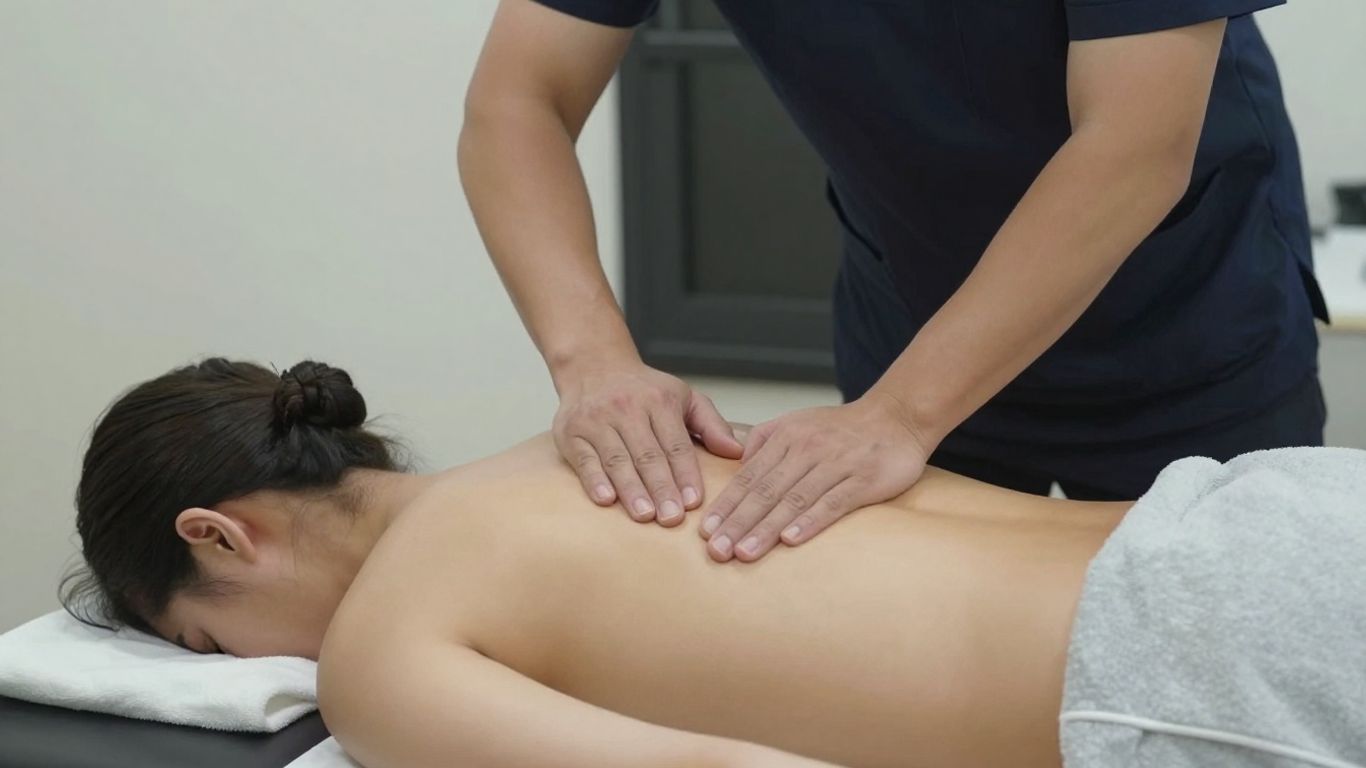
When you’re dealing with sciatica and lower back pain, it’s easy to feel stuck. You just want the pain to stop, right? Well, a chiropractor can offer a different path to feeling better, one that doesn’t involve a lot of pills or scary procedures.
Drug-Free and Non-Invasive Pain Relief
One of the biggest draws of chiropractic care is its natural approach. Instead of just covering up the pain with medication, chiropractors work to fix the underlying issues causing your discomfort. They use hands-on techniques to help your body heal itself. This means you can get relief without the side effects that sometimes come with pain relievers. It’s about getting to the root of the problem, not just managing symptoms.
Improved Spinal Alignment and Mobility
Sciatica often happens because something in your spine is out of place, putting pressure on that sciatic nerve. Chiropractors are experts at identifying these misalignments. Through careful adjustments, they can help put your spine back into better alignment. This not only reduces pressure on the nerve but also helps your whole spine move better. Think of it like getting a rusty hinge oiled – everything just starts working more smoothly. This improved spinal balance can really make a difference in how you move day-to-day. Chiropractic adjustments improve spinal balance.
Reduced Risk of Recurring Sciatica
It’s not just about fixing the immediate pain; it’s about preventing it from coming back. By addressing the root causes, like poor posture or spinal imbalances, chiropractors help build a stronger foundation for your back. They might also give you exercises and tips on how to move better in your daily life. This proactive approach can significantly lower your chances of experiencing sciatica flare-ups down the road. It’s about long-term spinal health, not just a quick fix.
Holistic Approach to Long-Term Spinal Health
Chiropractors look at your whole body, not just your sore back. They consider how your lifestyle, daily activities, and even stress might be contributing to your pain. This means they create a treatment plan that’s just for you. It’s not a one-size-fits-all situation. They aim to improve your overall well-being and help you maintain a healthy spine for years to come. Regular chiropractic visits contribute to overall well-being.
Here’s a quick look at what you can expect:
- Assessment: A thorough check of your spine and posture.
- Treatment: Targeted adjustments and therapies to relieve nerve pressure.
- Guidance: Advice on exercises, ergonomics, and lifestyle changes.
Many people find that consistent chiropractic care helps them not only manage their sciatica but also feel generally healthier and more energetic. It’s a way to take better care of your body from the inside out.
When to Consult a Chiropractor for Sciatica
So, you’re dealing with that familiar, nagging pain that starts in your lower back and shoots down your leg. It’s easy to just try to push through it, right? But sometimes, that pain is your body’s way of telling you something needs attention. Ignoring persistent sciatica can lead to more significant issues down the road. If you’re experiencing symptoms that just aren’t getting better on their own, it might be time to consider professional help.
Recognizing the Signs of Sciatic Nerve Irritation
Sciatica isn’t just a simple ache; it’s a specific type of pain caused by irritation or compression of the sciatic nerve. You might feel it as a sharp, shooting pain, a burning sensation, or even numbness and tingling that travels down your leg. It often feels worse when you sit for long periods, try to stand up, or even when you cough or sneeze. Sometimes, it can also cause weakness in the leg or foot, making everyday movements feel difficult.
Here are some common indicators that it’s time to seek help:
- Pain that radiates from your lower back down one leg.
- Numbness or tingling sensations in your leg or foot.
- Pain that intensifies with prolonged sitting or standing.
- Limited mobility or difficulty moving your leg or foot.
- A general feeling of weakness in the affected leg.
The Importance of Early Intervention
Think of it like a small leak in your roof. You can ignore it for a while, but eventually, it’s going to cause more damage. Sciatica is similar. While some cases resolve on their own, others can worsen if left unaddressed. Early intervention means you’re more likely to get relief faster and prevent the condition from becoming chronic. It’s about catching the problem before it really takes hold and makes your life significantly more difficult. Getting a proper diagnosis and starting treatment sooner rather than later can make a big difference in your recovery time and overall outcome. If other treatments, like over-the-counter pain relievers or heat packs, aren’t cutting it, it’s definitely a sign to explore other options, like chiropractic care for sciatica.
Finding a Lower Back Pain Chiropractor in Singapore
When you decide it’s time to see a chiropractor, you’ll want to find someone who understands the nuances of lower back pain and sciatica. Look for practitioners who focus on identifying the root cause of your discomfort, not just masking the symptoms. A good chiropractor will take a detailed history, perform a thorough examination, and then develop a treatment plan tailored specifically to you. They often combine adjustments with other therapies and lifestyle advice to help you get back to feeling like yourself. Don’t hesitate to ask questions about their experience with sciatica and their approach to treatment. Remember, finding the right professional is key to getting effective relief and improving your long-term spinal health.
Lifestyle Adjustments for Sciatica Management
Beyond the adjustments a chiropractor makes, there are things you can do every day to help manage sciatica and keep it from coming back. It’s not just about fixing the problem; it’s about building habits that support your spine.
Ergonomic Changes for Daily Activities
Think about how you spend your day. Small tweaks can make a big difference. When you’re sitting, especially for long stretches, make sure your chair supports your lower back. A pillow or a rolled-up towel can help if your chair isn’t quite right. Try to get up and move around every 30 minutes or so. Even a quick walk to the water cooler or a few stretches at your desk can prevent stiffness from setting in. When you’re lifting things, remember to bend your knees and keep your back straight. Let your legs do the work, not your back. This simple change can prevent a lot of strain.
Recommended Exercises for Spinal Health
Staying active is key, but you need to do the right kind of activity. Gentle exercises can strengthen the muscles that support your spine and improve flexibility, which helps take pressure off the sciatic nerve. Here are a few types of movements that are often recommended:
- Core Strengthening: Exercises that build up your abdominal and back muscles provide a natural brace for your spine.
- Stretching: Focus on hamstrings and hip flexors, as tightness in these areas can contribute to sciatica.
- Low-Impact Aerobics: Activities like walking or swimming are great for circulation and overall fitness without jarring your spine.
It’s important to start slowly and listen to your body. If something causes pain, stop. Consulting with your chiropractor or a physical therapist can help you find exercises that are safe and effective for your specific situation. You can find more information on exercises that help with sciatica here.
Posture and Movement Awareness
How you stand, sit, and even sleep can impact your sciatica. Being mindful of your posture throughout the day is a continuous effort. When standing, try to distribute your weight evenly on both feet and avoid locking your knees. When you sleep, try sleeping on your side with a pillow between your knees to keep your spine aligned. If you sleep on your back, a pillow under your knees can help. It’s about making conscious choices to protect your back, even when you’re not actively thinking about it.
Making these lifestyle adjustments isn’t a one-time fix. It’s about integrating healthier habits into your daily life. These changes, combined with professional chiropractic care, can significantly reduce pain and prevent future flare-ups. Remember, avoiding prolonged inactivity is also important for recovery [09f6].
Wrapping Things Up
So, if you’re dealing with that annoying sciatica pain or just general lower back discomfort, remember that there are options out there. Chiropractic care offers a way to get to the bottom of what’s causing the problem, instead of just putting a band-aid on it. By focusing on your spine and how it affects your nerves, chiropractors can help ease that pain and get you moving better. It’s not a magic fix, and everyone’s different, but for many, it’s a solid path to feeling more comfortable and getting back to your usual self. Don’t just live with the pain; see what a chiropractor might be able to do for you.
Frequently Asked Questions
What exactly is sciatica?
Sciatica is basically a pain that shoots down your back, through your hips and buttocks, and then down one of your legs. It happens when the big sciatic nerve, which is the longest nerve in your body, gets squeezed or irritated. Think of it like a pinched wire causing a problem.
What causes sciatica pain?
Lots of things can cause sciatica! Sometimes it’s a slipped disc in your spine, or maybe your spine has gotten a bit out of whack. Other times, tight muscles in your lower back or hips can press on the nerve. Even a bone spur can be the culprit.
How can a chiropractor help with sciatica?
Chiropractors are like detectives for your spine. They figure out what’s pressing on your sciatic nerve and use gentle adjustments to fix it. This helps get your spine lined up right, which takes the pressure off the nerve and lets your body start healing naturally. It’s all about finding the root of the problem, not just covering up the pain.
What kind of chiropractic treatments are used for sciatica?
Chiropractors have a few tricks up their sleeves! They might do spinal adjustments to realign your back, or use something called spinal decompression to gently stretch your spine if a disc is the issue. They can also work on tight muscles with trigger point therapy and use things like cold packs or ultrasound to calm down swelling and pain.
Is chiropractic care safe for sciatica?
For most people, yes! Chiropractic care is a safe and natural way to deal with sciatica. It doesn’t involve surgery or strong medicines. Chiropractors use careful, controlled movements to help your spine and nerves get back to normal. It’s a non-invasive approach focused on healing.
How long does it take to feel better with chiropractic care?
Everyone is different, so it really depends on what’s causing your sciatica and how bad it is. Some people start feeling better after just a few visits, while others might need a bit more time and consistent care. The good news is that chiropractors focus on long-term health to help prevent it from coming back.