
Key Takeaways
Understanding why your knee makes noise is the first step toward effective joint management. This guide highlights the common origins of joint sounds and how to distinguish harmless sensations from potential injury indicators.
- Crepitus is the medical term for the various snapping, popping, and clicking sounds heard in joints.
- Stair climbing increases load on the kneecap, often amplifying normal physiological joint noises.
- Painless clicking is usually benign, while clicking accompanied by swelling warrants professional evaluation.
- Maintaining muscle strength, particularly in the quads and glutes, is essential for reducing joint stress.
- Professional diagnostic assessments help identify whether joint sounds relate to soft tissue movement or structural damage.
Understanding the mechanics of knee clicking
Many individuals notice strange noises when they put their joints to work, particularly during everyday activities. At Everton Chiropractic, we often hear patients voice concerns about these sounds. Understanding that a knee click is frequently a normal physiological event rather than a sign of immediate injury can provide great reassurance.
Defining crepitus and joint noise
Crepitus refers to the audible or palpable sensations of clicking, grinding, or popping that occur when joints move. These sounds often originate from the interaction of different tissues, such as tendons passing over bony structures or the physiological release of nitrogen gas within the joint fluid. Most people will experience some form of crepitus during their lives, and it is rarely a reason for alarm by itself.
Why stair climbing increases joint pressure
When navigating stairs, the forces exerted on the patellofemoral joint are significantly higher than during level walking. This increased load can cause structures like tendons and ligaments to shift slightly more than usual as the knee bends under weight. While this pressure is a normal part of functional movement, it often highlights joint noise that might otherwise remain silent during less demanding daily tasks.
The difference between painless clicking and painful symptoms
Distinguishing between functional noises and symptoms of distress is crucial for proactive care. A sound occurring without any associated discomfort or limitation in movement is typically considered benign and safe to ignore. However, when a sound coincides with a sharp pain or discomfort, it may indicate that the underlying structures are experiencing friction or irritation that requires professional attention.
Common causes of knee clicking during movement
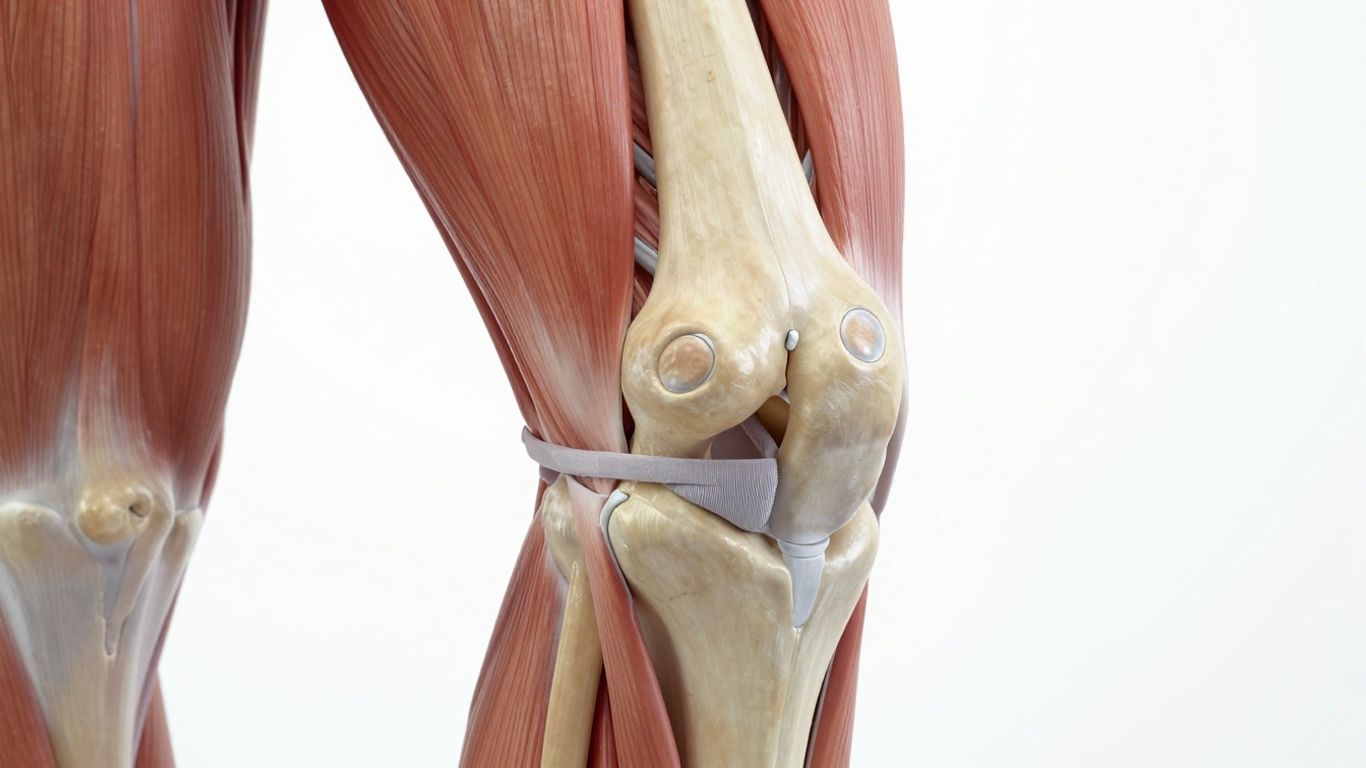
Anatomical variations and daily habits play a significant role in how our knees behave during routine actions. Various factors, from simple air bubbles to the way muscles interface with bone, contribute to these sounds. Understanding these triggers is essential for anyone looking to maintain their long-term joint health and mobility.
Patellofemoral pain syndrome
This condition involves irritation behind the kneecap, often where the surface of the patella meets the femur. Excessive tracking deviations during movement can cause audible snapping or grinding sensations. Managing this usually involves identifying biomechanical imbalances that influence how the kneecap moves within its groove.
Meniscus tears or cartilage irregularities
Though not all clicks indicate injury, those that result from a tear in the meniscus or roughened cartilage surfaces can be quite distinct. When a flap of tissue interferes with the smooth articulation of the joint, you might hear a clunking sound or feel a momentary catch. These structural irregularities often require clinical assessment with specialized imaging for clarity.
Gas bubbles and joint cavitation
Joints are lubricated by synovial fluid, which naturally contains dissolved gases like nitrogen. Rapid changes in joint pressure can force these gases to form bubbles, which then collapse or burst through a process called cavitation. This phenomenon happens frequently in the knee joint and is universally recognized by the medical community as a non-harmful event.
Tight musculature and soft tissue snapping
When muscles or their associated tendons, such as the IT band, become tight, they can create audible snaps. As you flex or extend your leg, these taut bands of tissue can roll over a bony prominence and release suddenly. This is a common experience among athletes or individuals with limited flexibility who have not maintained their soft tissue health.
When to be concerned about your knee click
While most clicking remains harmless, there are specific situations where a physical response becomes necessary. Monitoring your symptoms over time helps you recognize when a pattern deviates from your normal baseline. Paying close attention to how your body communicates through pain or functional shifts ensures that small issues do not escalate into chronic limitations.
Identifying red flag symptoms
Persistent aching, severe sharpness, or a feeling of joint instability are primary indicators that something beyond simple cavitation may be occurring. If you notice these symptoms appearing consistently, it is best to err on the side of caution. A proactive approach helps catch potential inflammatory or structural issues before they impact your ability to walk or perform daily tasks.
Signs of swelling and inflammation
Joint swelling, particularly after activity, alerts you that the internal structures are under excessive stress. Inflammation changes the internal pressure of the knee and can cause the joint to feel tighter or less mobile. If you see visible puffiness along with audible sounds, consider reducing high-impact activities while you investigate the underlying cause.
Differentiating occasional clicks from chronic issues
Occasional popping during a deep squat or while climbing stairs is generally unremarkable if it does not signal a change in your health. Chronic clicking, however, follows a repetitive pattern every time you take a step, suggesting a consistent mechanical interference. Tracking these occurrences can provide valuable context for your healthcare provider during a consultation.
The role of locking or giving way
If you experience a sensation of your knee "locking" in place or unexpectedly "giving way," seek advice from a professional immediately. These responses involve the structural integrity of the knee and are distinct from simple crepitus. Such events often signify that a mechanical obstacle is interfering with standard motion and needs specific clinical attention.
Diagnostic approaches for knee issues
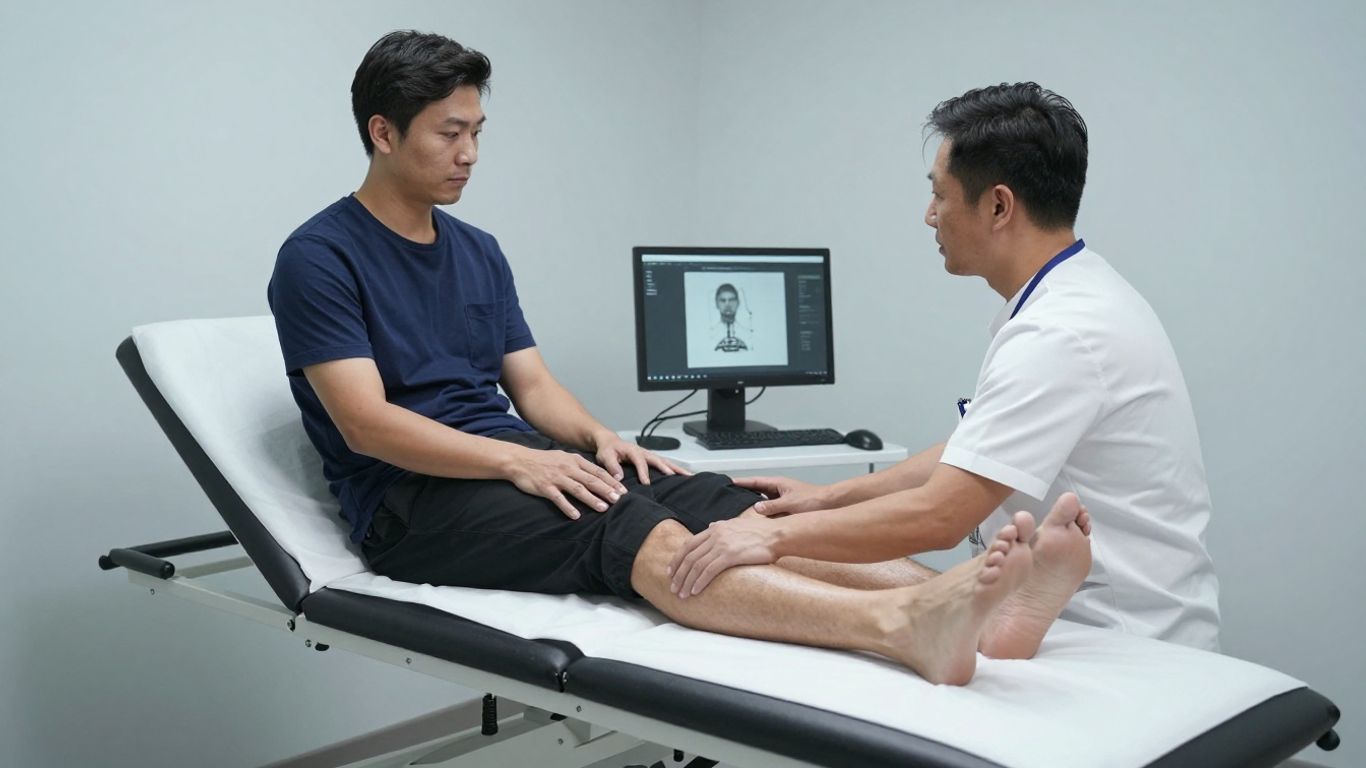
Effective diagnosis begins with a thorough understanding of your movement patterns and history. Dr. Richard Chew at Everton Chiropractic may perform a physical assessment to observe how your knee responds to various movements. This systematic approach filters out benign noises and identifies the precise source of any functional concerns.
Physical assessment by a healthcare provider
During a standard consultation, a practitioner will palpate the joint to identify areas of tenderness and sensitivity. They often perform specific orthopedic tests to isolate the motion of the meniscus, ligaments, or the tracking of the patella. This direct observation is essential to determine if the noise is related to muscular tightness or joint instability.
Evaluating range of motion and stability
Standard clinical assessments include looking at the range of motion and checking for laxity in the ligaments. This involves comparing the affected knee to the healthier side to identify any functional asymmetry. By testing stability under controlled conditions, practitioners can see if the joint provides secure support during the natural gait cycle.
Diagnostic imaging options such as X-rays and MRIs
When physical tests suggest underlying structural problems, diagnostic imaging offers a clearer picture of the interior of the knee. The following table illustrates what common imaging modalities can typically reveal regarding knee discomfort:
| Imaging Type | Focus Area | Primary Utility |
|---|---|---|
| X-ray | Bone Structure | Reveals arthritis or fractures |
| MRI | Soft Tissue | Views meniscus and ligaments |
| Ultrasound | Dynamic Tissue | Shows tendon tracking in motion |
Using these tools, professionals can visualize the integrity of your cartilage and deeper connective tissues. This step-by-step diagnostic process ensures that you receive a targeted care plan rather than a generalized solution for your specific knee discomfort.
Managing and preventing knee discomfort
Empowering yourself through knowledge and movement is the best approach to long-term joint health. Everton Chiropractic is dedicated to providing customized care plans that emphasize functional strength and proper joint mechanics. By following a structured prevention strategy, you significantly reduce the likelihood of experiencing chronic or painful knee issues.
Targeted strengthening for the quadriceps and glutes
Strong support structures reduce the burden placed on the knee joint during vertical movement. If your quads and glutes are not effectively absorbing the load, your knees often take the extra stress, leading to increased noise and potential sensitivity. Incorporating the following movements into your routine can bolster your joint stability:
- Glute bridges to support hip alignment
- Step-ups using controlled, steady tempo
- Wall sits to build endurance in the quadriceps
- Lateral leg raises to engage core stabilizers
Incorporating flexibility work for improved joint mechanics
Flexible muscles and fascia allow for a full, unobstructed range of motion, reducing the likelihood of soft tissue snapping. Regular stretching targeting the hamstrings and hip flexors helps maintain natural alignment, ensuring that the tendons glide smoothly without catching. Gentle, consistent flexibility work keeps your joints performing at their best.
When to consult a physical therapist
If you fail to see improvements after lifestyle adjustments, or if your symptoms worsen, a physical therapist can provide specialized guidance. They are experts in rehabilitating movement patterns and can help you re-train your muscles to support the knee correctly. Early intervention often simplifies the recovery process and prevents long-term joint wear.
Proper warm-up strategies for stair climbing
Applying a light warm-up before performing repetitive climbing can prime the tissues for load. Simple movements like walking, gentle squats, or knee extensions on flat ground increase blood flow to the area, warming up the synovial fluid and loosening the surrounding muscles. This process ensures your joints are prepared for the increased demands of your daily climbing routines.
Lifestyle adjustments for long-term knee health
Living in a way that respects your joint health serves as a foundation for active aging. Small, consistent shifts in how you approach your day have a cumulative effect on how your knees function. By balancing your activity levels and choosing supportive environments, you create an ideal scenario for comfort and sustained mobility.
Managing body weight to reduce joint load
Joints are mechanical structures that respond significantly to the weight they must support over time. A balanced approach to maintaining a healthy weight reduces the wear and tear on your cartilage, helping to keep joints comfortable during heavy-duty tasks like climbing stairs. This simple factor often makes the biggest difference in reducing daily stiffness.
Selecting supportive footwear for daily activities
Proper arch support and cushioning in your shoes play a massive role in shock absorption. When your gait is supported by stable footwear, the forces traveling up your leg from the ground are better distributed. Taking the time to select shoes that provide the right stability for your specific foot structure can significantly lower the impact on your knees.
Balancing rest with low-impact physical activity
Rest and activity often exist in a synergistic cycle that keeps joints healthy. While complete inactivity can lead to stiffness, high-impact stressors can also overwhelm the system. By alternating your more rigorous exercise days with low-impact activities like swimming or cycling, you give your knees a chance to recover while keeping your muscles conditioned and strong.
Conclusion
Understanding why your knee clicks while walking up stairs clarifies the role of simple joint mechanics versus potential injury. Most clicking is a normal part of how gas bubbles and tissues interact within the joint, particularly during load-bearing activities. By focusing on smart muscle maintenance, weight management, and professional diagnostic support when discomfort occurs, you can effectively manage your joint health. Consistency in your movement habits, alongside early intervention from providers when symptoms emerge, ensures that you can maintain full mobility and confidence in your stride for years to come.
Frequently Asked Questions
Is it normal for my knees to click every time I walk up stairs?
Yes, audible clicking is common for many people. If it is painless and does not interfere with your movement, it is often just a result of normal anatomical movement or gas bubbles and is typically not a cause for alarm.
Can I fix a clicking knee with diet and exercise?
Exercise helps significantly by strengthening the muscles that support your knee, which can reduce joint noise and stress. While diet supports overall inflammatory health, targeted functional strength training is the most direct way to improve how your joints handle weight.
Does knee clicking mean I will develop arthritis?
Not necessarily. Many people have noisy, clicky knees that remain healthy throughout their lives without ever developing arthritis. Arthritis is a specific condition, and clicking is just one of many symptoms, not an automatic indicator of future disease.
Should I avoid the stairs if my knees are clicking?
There is no reason to avoid stairs entirely just because of a click. However, if the clicking is accompanied by pain, it is a signal to consult a professional before you continue high-load activities. Modified movement or physical therapy can often make stair climbing comfortable again.
How long does it take for knee clicking to go away?
There is no fixed duration because clicking isn’t always something that disappears. If the sound results from anatomical structures shifting, it may persist without being harmful. If it stems from muscle tightness or weakness, it can often be reduced through consistent strength and flexibility routines over several weeks.
Are there specific exercises I should avoid if my knees click?
Exercises that involve high impact or heavy, uncontrolled movements might aggravate the situation if the clicking is painful. Focus on low-impact activities until your joint feels stable. It is always wise to seek personalized advice from a professional to ensure your workout intensity matches your current joint health.
When does clicking become an emergency?
Clicking itself is almost never an emergency. Seek professional help only if the clicking is followed by sudden, sharp pain, a locked joint that cannot bend or straighten, significant swelling that develops shortly after movement, or the feeling that the knee will collapse during weight-bearing activities.