Key Takeaways
- Prioritizing proper spinal alignment in your office setup is essential for reducing chronic back pain among desk workers.
- High-quality ergonomic chairs allow for fine-tuned adjustments that accommodate the unique curvature of your lower back.
- Dynamic features such as tilt tension and adjustable depth help maintain mobility and blood flow during long work sessions.
- Material selection should be guided by Singapore’s humid climate to ensure comfort and long-term durability.
- Investing in professional seating and ergonomic fitting services creates a sustainable workspace that supports your long-term health.
1. Lumbar support and spinal health
At Everton Chiropractic, we frequently see patients struggling with discomfort rooted in poor habitual posture at their desks. The way you sit throughout your day in a CBD office or a home workspace directly impacts the integrity of your spine. Choosing a chair that offers robust lumbar support is the first step toward correcting the patterns that lead to long-term spinal issues.
Effective support should align with the natural inward curve of your lower back, preventing the slump that typically happens after a few hours of intensive work. When the lower back is properly braced, the weight distribution shifts off the spinal discs and onto the frame of the seating structure. This simple shift is vital for those who feel the cumulative effect of gravity and poor posture by the end of each workday.
Patients often find that after upgrading their seating, the nagging ache at the base of their spine begins to dissipate. It is not just about the cushion itself but about how the chair supports the natural physiology of the human body. By ensuring your spine remains in a neutral position, you provide the environment required for recovery and injury prevention, which is the cornerstone of our practice’s philosophy at Everton Chiropractic.
2. Customizability of armrests for neck and shoulder comfort
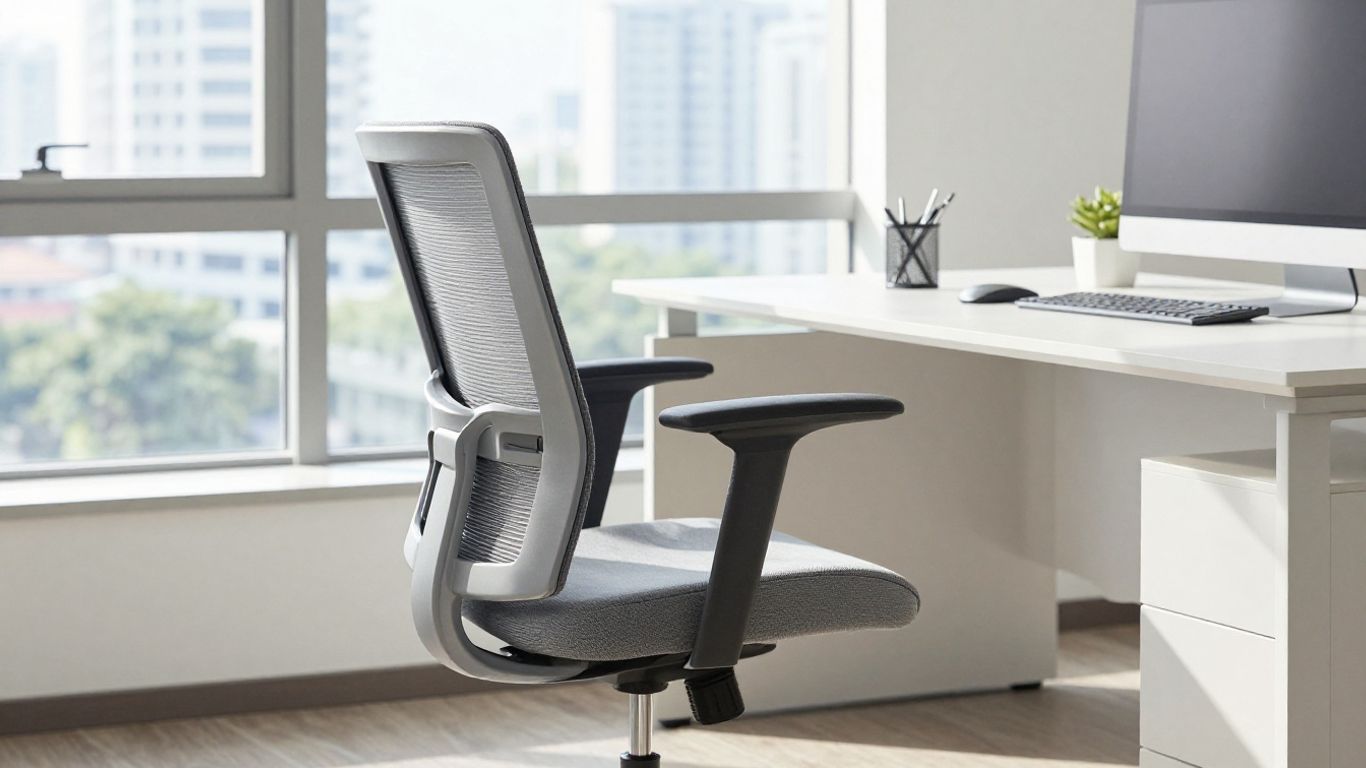
Many patients report shoulder tension that radiates up into the neck, often caused by arms that are unsupported or positioned too high. When your arms dangle or rest at an unnatural angle, the trapezius muscles carry unnecessary strain throughout the entire day. Customizability for armrests is essential because it allows your elbows to maintain a relaxed angle that keeps your shoulders from shrugging involuntarily.
When setting up your station, you should aim for your elbows to be at roughly ninety degrees while your forearms are rested comfortably. If you constantly find yourself reaching for a mouse or keyboard that is too far away, no amount of adjustment will save you from developing recurring muscle fatigue in the upper back. The goal is to bring the chair’s support mechanism to your body rather than forcing your body to adapt to a rigid chair design.
Consistent adjustments are key, especially if you share equipment or sit for varying tasks. Take a moment each morning to ensure your armrests align with your desk height. This small habit reduces the constant muscle activation required for stability, preventing the chronic tightness that brings so many office workers to our clinic looking for relief from repetitive stress symptoms.
3. Tilt tension and dynamic movement mechanisms
Sitting still for hours is one of the most unnatural things we do in a modern office environment. Dynamic movement is critical, and a chair with an active tilt mechanism allows you to shift your center of gravity without locking into a static, harmful position. This allows the backrest to follow your natural motion, providing constant support as you lean forward to type or recline to read.
Tilt tension should ideally be adjustable, meaning you can tune how much force is required to push the backrest back. If the tension is too loose, you may feel like you are tipping; if it is too stiff, you will likely avoid using the mechanism altogether. Finding the right resistance encourages a subtle "micro-movement" that keeps your core muscles engaged and your spinal fluids circulating throughout the mid-afternoon fatigue.
By incorporating these movements, you mitigate the stiffness that builds up in the joints. Our focus at Everton Chiropractic is on long-term wellness, and we often see that those who move more frequently in their chairs report significantly better mobility at the end of a long work week. Keeping the body in motion even while seated is an effective way to protect your long-term health.
4. Seat depth and hip position considerations
Proper seat depth is perhaps the most overlooked element of a healthy office setup, regardless of whether you are working in an HDB flat or a high-rise office downtown. If your seat pan is too deep, you will find yourself sliding forward to reach the front edge, which pulls your back away from the lumbar support you actually need. Conversely, a shallow seat provides insufficient support for your thighs, leaving them unsupported and under stress.
To ensure your seat is set up for success, consider the following parameters for your daily routine:
- Adjust the seat depth so there is about a two-finger gap between the edge of the seat and your knees.
- Ensure your feet are planted firmly on the ground or a footrest to maintain hip stability.
- Keep your hips slightly higher than your knees to encourage an open angle for pelvic comfort.
Following these steps provides a stable foundation for the rest of your posture. You can evaluate your current chair against these standards using the data below, which categorizes how common chair features facilitate better hip health.
| Feature | Influence on Posture | Recommendation |
|---|---|---|
| Adjustable Depth | Excellent | Essential for all heights |
| Seat Pan Contour | Good | Improves blood circulation |
| Waterfall Edge | Moderate | Reduces thigh pressure |
When your hips are properly supported, you create a chain reaction of stability that extends from your lumbar spine all the way to your neck. It essentially grounds your seating experience, making it easier to maintain an upright position without conscious effort.
5. Material breathability for the Singapore climate
In our tropical climate, heat dissipation is as much an ergonomic factor as alignment. There is nothing more distracting than sitting in a chair that traps heat and moisture, forcing you to shift constantly to find a cooler spot. That kind of shifting leads to fidgeting, crossing legs, and generally poor posture that compounds over months of daily use.
Breathable mesh materials have become popular for good reason, as they allow for constant airflow that keeps you cool even during the hottest afternoons. When you are comfortable, you are far less likely to adopt awkward, slouching positions that are subconsciously meant to alleviate discomfort. A chair that stays cool helps you maintain focus, which naturally leads to better posture habits throughout your long working hours.
Maintenance also matters in humid environments, so look for high-grade synthetic materials that do not trap allergens or moisture. When you choose materials based on the local climate, you reduce the physical stressors that lead to distraction and fatigue. At Everton Chiropractic, we view your chair as a piece of equipment that should actively prevent discomfort before it requires a professional fix.
6. Neck support features for prolonged desk work
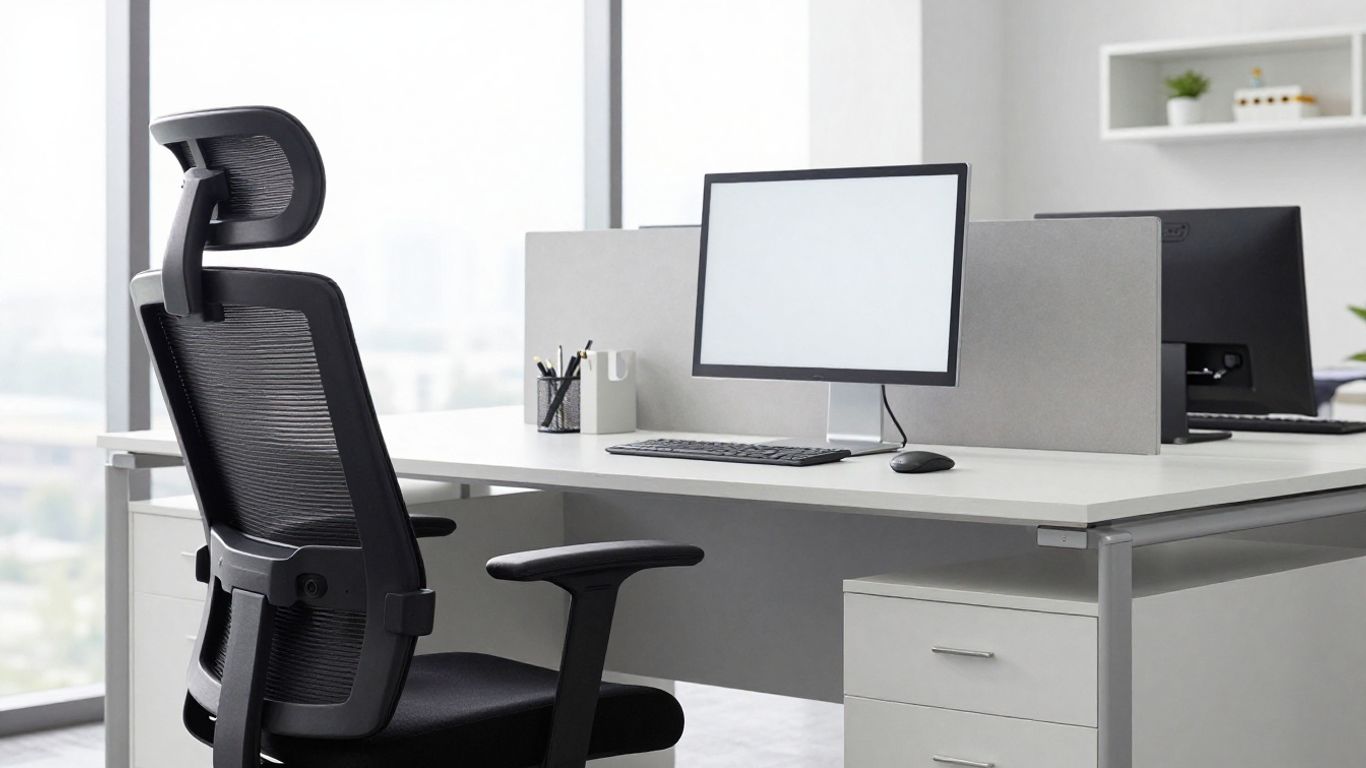
Neck support is often misunderstood; it does not necessarily mean resting your head against a pillow all day, but rather providing a gentle guide for your cervical spine. For many patients who deal with persistent neck tension, we recommend implementing small ergonomic changes that include a headrest properly positioned at the base of your skull. This keeps the cervical spine aligned with the thoracic vertebrae, which reduces the load on your neck muscles.
When you work on a screen, your eyes should be aligned with the top third of your display. If your head is constantly looking down or straining forward, no amount of neck support in a chair will be able to correct the forward head posture. The chair’s primary role is to anchor your shoulders and upper back, providing the base you need to keep your head in a neutral, healthy position.
We encourage patients to check their screen height and chair alignment annually. Many sources suggest looking for best office chairs to find systems that integrate headrests seamlessly. When the backrest, headrest, and your screen height all work in harmony, you can avoid the "tech neck" that characterizes modern professional work habits.
7. Stability foundations and floor-friendly casters
Your chair is only as good as the foundation it sits on, and stability is paramount for feeling secure. If your base feels wobbly or your casters catch on the flooring, you will make subtle, micro-adjustments in your body weight to compensate. These tiny compensatory movements can eventually result in muscle imbalance, which is precisely what we aim to help you avoid at Everton Chiropractic.
Casters must be appropriate for your specific flooring, whether you have polished concrete, hardwood, or low-pile office carpeting in your workspace. Using inappropriate casters creates unnecessary resistance, which requires more effort to move your chair and can disrupt the natural flow of your work day. Smooth movement ensures you can reach for documents or transition between tasks without straining your spine.
Stability is also reinforced by the weight capacity and construction of the chair’s frame. A solid build gives you the confidence to sit back and lean into the support provided by the chair’s backrest. When you feel unstable, you tend to hover on the edge of the seat, which is a recipe for back strain. Always prioritize a base that handles your weight and your floor type while providing a balanced, level platform.
8. Local warranty and ergonomic fitting services
It is often wise to invest in services that help you fit your chair to your specific proportions. An ergonomic chair can be an excellent piece of hardware, but it is only effective if it is adjusted to suit your torso length, height, and reach. Many local suppliers offer fitting consultations that help you optimize these settings upon delivery, similar to the precision we apply to chiropractic care for our patients.
Warranty support is also critical for long-term usage, as components like gas lifts and tension springs can see significant wear after years of use. A local warranty means that if a part fails, you are not stuck with an unusable chair that leaves your back unsupported for weeks at a time. It provides peace of mind that your investment in your health is protected against manufacturing defects.
Take the time to evaluate the support network behind your purchase. Whether you are dealing with a local retailer or a specialized ergonomic supplier, having on-the-ground support is a significant advantage. This professional oversight ensures your equipment remains part of your health toolkit, rather than becoming a piece of broken furniture that is destined for the bin.
9. Adjustability range for varying body types
Ergonomic chairs are not one-size-fits-all, and the adjustability range should be a key factor in your selection. Someone at five feet tall needs a very different chair geometry than someone at six-foot-two. If the adjustment range is too narrow, you will end up in a chair where your feet don’t touch the floor or your lumbar support hits your mid-back, both of which are common triggers for clinical back pain.
A wide range of adjustability allows you to make precise changes as your work needs evolve. For example, you might need a different backrest angle for intense typing versus when you are leaning back to take a phone meeting. The more versatile the chair, the more likely you are to actually make those adjustments throughout the day. A chair that feels locked into one position rarely serves the diversity of tasks a modern worker faces.
If you find yourself frequently feeling cramped or stretched out at your desk, it is a sign that your current chair lacks the range needed for your specific body type. At Everton Chiropractic, we encourage our patients to test the limits of their chair’s adjustment range. If you feel like your body is fighting the chair, it is time to look into models that provide a wider scope of configuration settings.
10. Assessing long-term value for back pain prevention
When we discuss the cost of an ergonomic chair, it is helpful to weigh it against the long-term impact on your comfort and mobility. The benefits of prevention extend far beyond the chair itself, as maintaining a pain-free life allows you to work more effectively and enjoy your evenings without being plagued by spinal discomfort. Viewing an ergonomic tool as an investment in your productivity and health is the correct perspective.
Quality chairs retain their mechanical integrity over many years, whereas standard office chairs often lose their tension and padding within a few seasons. The cost-per-year of a well-engineered chair is surprisingly low when you consider how many hours of your life are spent in it. For residents in Singapore dealing with the intensity of urban work, this is one of the most practical preventative measures you can take for your daily well-being.
Lastly, ensure that your choice is informed by your body’s specific needs rather than brand slogans. If a chair doesn’t feel right after a week of adjustment and proper placement, it may simply not be the right interface for your unique anatomy. Finding a chair that genuinely supports your posture is a process that rewards patience and careful assessment of your own physical requirements.
Conclusion
Prioritizing an intentional workspace by choosing the right seating and adjusting it to your specific body is one of the most effective strategies for long-term back pain prevention. By integrating proper lumbar support, adaptable armrests, and dynamic movement, you turn your chair from a passive object into an active health tool. Stay consistent with your ergonomics, listen to what your body tells you, and treat your physical health as the foundation for your overall success.
Frequently Asked Questions
Can an ergonomic chair completely stop my back pain?
While a high-quality chair is a critical piece of your health toolkit, it acts as a support system rather than a medical cure for existing structural issues.
How often should I adjust my chair during the workday?
It is beneficial to make minor adjustments to your tilt, armrest position, or seat depth whenever you feel yourself beginning to slump or stiffen.
Is a mesh chair better than a padded chair for my back?
Both styles can be effective, but mesh is often preferred in humid climates for airflow, while padding provides firmer weight distribution for some users.
What should I do if my chair is as expensive as a high-end model but still hurts?
Discomfort often stems from incorrect setup or insufficient adjustment for your specific height, so re-check your desk-to-chair ratios before deciding it is the wrong model.
Can using a footrest actually help with back pain?
Yes, a footrest ensures your legs remain at an optimal angle and helps stabilize your pelvis, which is essential for maintaining proper lumbar support.
Does expensive always mean better when choosing a chair?
Not necessarily, as the best chair is the one that fits your unique body type and work habits better than any other option on the floor.
What is the most important setting to get right first?
Always start by adjusting your seat height and depth to ensure your feet are flat on the floor and your weight is evenly distributed.