Key Takeaways
- Understanding the structural components of the spine is essential for identifying the causes of a visible neck hump.
- Consistent postural habits, often linked to modern technology use, are a primary driver of spinal changes.
- Chiropractic interventions focus on mobilization and alignment to restore natural function.
- Integrating exercises and ergonomic adjustments provides the best support for long-term spinal health.
- Professional assessment is necessary to distinguish between simple posture issues and more complex bone conditions.
Understanding the anatomy of a Dowager’s Hump
Many individuals notice a visible rounding at the base of their neck and wonder if it stems from muscle, bone, or fat. This condition is often referred to as a Dowager’s Hump, though it is medically categorized by alterations in the thoracic spine’s curve. Understanding your body’s structure helps clear the confusion surrounding this common aesthetic and physical concern.
Defining the thoracic kyphosis
Kyphosis describes the natural, backward-bending curvature of the upper back that every person possesses. In a healthy spine, this arc remains within a specific range to support the weight of the head and torso. When hyperkyphosis occurs, that natural curve becomes exaggerated, leading to the pronounced hump that many people notice when looking in the mirror.
Differentiating between fatty deposits and actual spinal curvature
Patients often worry that a lump is a permanent formation of adipose tissue, whereas it is frequently the result of bone shifting caused by forward head posture. While fatty tissue can accumulate in the area due to complex medical conditions, the majority of cases seen at Everton Chiropractic are structural. A physical examination helps clarify whether the issue is primarily soft tissue-based or related to the underlying skeletal arrangement.
Common symptoms that accompany a neck puff
Beyond the cosmetic appearance of a hump, many people experience secondary physical sensations resulting from their posture. These symptoms can be subtle at first but may impact daily comfort if left unaddressed. Common indicators include:
- Persistent tightness in the muscles surrounding the shoulder blades.
- A recurring dull ache at the base of the skull or neck.
- Reduced confidence in maintaining an upright standing position.
- Frequent sensations of fatigue in the upper back after computer work.
- A feeling of stiffness or resistance during neck rotation.
How chiropractic care addresses spine mechanics
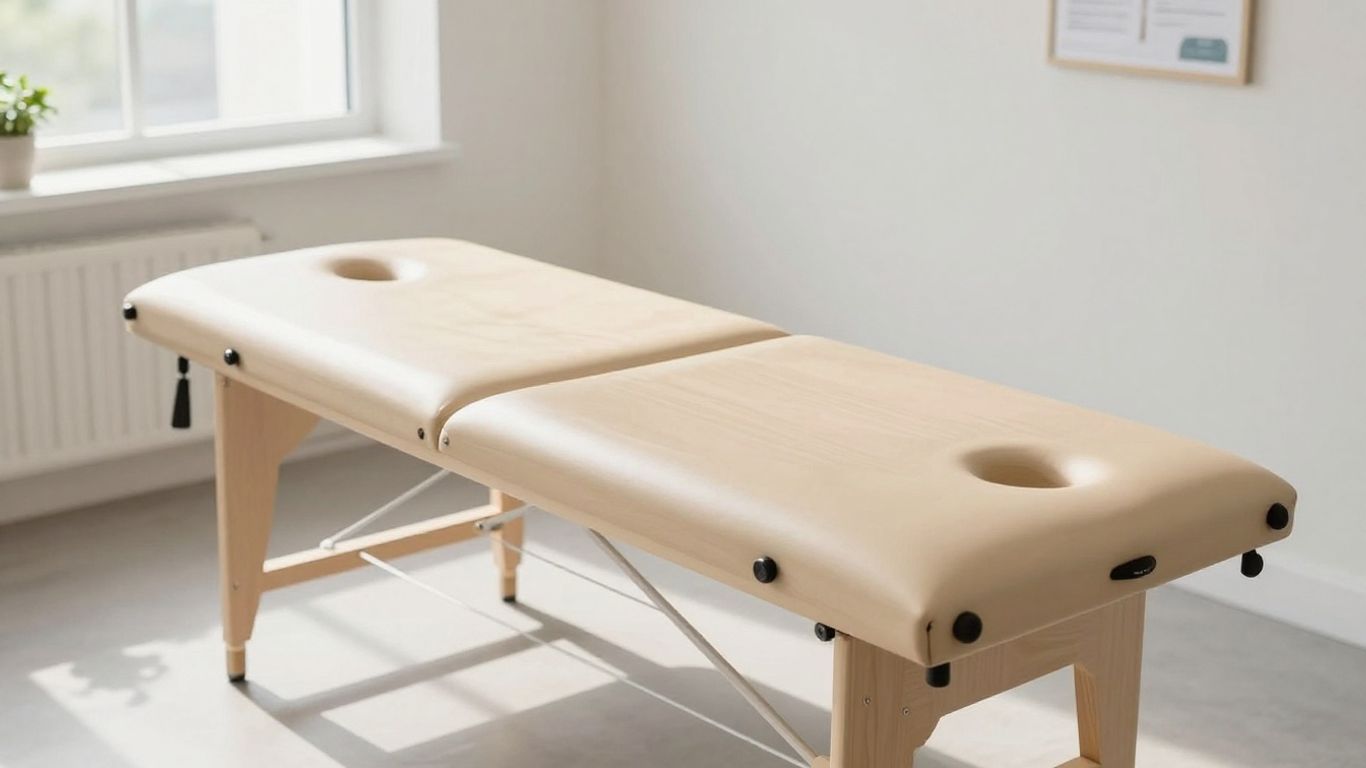
Addressing spinal mechanics requires a systematic approach to identify where the joints have lost their natural motion. The team at Everton Chiropractic focuses on restoring the structural balance of the upper back to alleviate strain. By working directly with the spine, we can help improve how your body bears weight throughout the day.
The impact of vertebral subluxations on posture
The spine consists of intricate segments that must remain aligned to function optimally, even slight shifts can disrupt your overall stance. We categorize the functional status of these regions in our care process:
| Spinal Region | Function | Impact of Misalignment |
|---|---|---|
| Cervical | Supports head weight | Causes tension and headaches |
| Thoracic | Stabilizes rib cage | Leads to rounded back appearance |
| Lumbar | Supports trunk mass | Results in compensatory lower back pain |
Chiropractic techniques used for thoracic mobilization
Thoracic mobilization techniques involve directed, gentle forces to encourage the spine to return toward its healthy shape. These methods are designed to increase the flexibility of the segments that have become locked due to long-term habits. As these areas regain mobility, the muscular guarding that created the hump begins to relax.
Improving cervical spine alignment and range of motion
Proper cervical placement is fundamentally connected to thoracic health, as the head position heavily influences upper back curvature. Dr. Richard Chew uses specialized protocols to ensure the neck and upper back work in harmony. This focus helps decrease the forward-leaning habit that many patients develop while working at desks.
Diagnosing the root cause of your neck puff
Identifying the specific triggers for your spinal changes is the foundation of an effective care plan. A comprehensive look at your daily environment often reveals clear patterns that lead to postural degradation. We believe that clarity in the diagnosis leads to better outcomes for every patient.
Assessing postural habits and workstation ergonomics
Your environment profoundly influences your skeletal health, especially if you spend hours engaged in repetitive tasks. Observing how you hold your phone or how your screen is positioned provides clues regarding the pressure placed on your thoracic vertebrae. Simple, proactive changes at your desk can be the first step in preventing a Dowager’s Hump.
Differentiating between soft tissue issues and structural bone conditions
It is vital to distinguish between a simple muscle imbalance and structural shifts that may involve the bone itself. While muscle tension is common, other factors like osteoarthritis or chronic forward leaning can create more permanent changes. Understanding these differences ensures that your approach to health is both safe and targeted.
The importance of physical exams and imaging for treatment planning
Professional evaluation, including clinical observation and diagnostic imaging, provides a baseline for your progress. These diagnostics allow us to visualize the current state of your spinal curves and monitor changes over time. Every case report we review underlines the value of having a distinct, evidence-based plan tailored to your specific spinal anatomy.
Complementary treatments for lasting results

While adjustments are a vital component of postural health, they work best when paired with personal commitment to physical activity. Strengthening the supporting structures of the back allows your body to hold its alignment more naturally between visits. Our team provides guidance on activities that prioritize health and functional improvement.
Therapeutic exercises to strengthen the rhomboids and upper back
The rhomboids are muscles located between your shoulder blades that play a major role in pulling your shoulders back. When these muscles are weak, the chest tends to collapse and the shoulders round forward, which makes the hump more visible. Focusing on strengthening the posterior chain is a key strategy for keeping your shoulders in a healthy, neutral position throughout your day.
Soft tissue therapy for releasing chronically tight neck muscles
Chronic tension often causes the muscles around the base of the neck to tighten, pulling the head into a forward posture. Soft tissue therapy helps to manually release this tension, allowing the soft structures to loosen and providing the spine with more space to realign. This process is essential for breaking the cycle of discomfort that keeps patients stuck in poor habits.
Incorporating daily stretching routines to open the chest
Tight chest muscles often pull the shoulders forward, restricting the ability to stand tall and maintain a healthy posture. Implementing a gentle, daily stretching routine helps open the front of the body, creating the necessary space for the shoulders to sit properly. Consistently performing these stretches encourages the muscles to adapt to a more upright, natural position.
Expectations for treatment outcomes and timelines
Healing the spine is a gradual process that relies on consistency rather than overnight fixes. Patients should anticipate that real changes in posture require time and dedication to the recommended care intervals. Setting clear expectations helps you stay focused on your long-term health goals.
Understanding the difference between postural correction and management
Correcting a posture issue involves active phases of treatment to help the spine adjust, while management focuses on maintaining those gains. Once an improvement is achieved, Everton Chiropractic serves as a partner in ensuring that habits do not cause the condition to relapse. This shift from active correction to lifelong maintenance is a standard part of our wellness journey.
Setting realistic milestones for consistent chiropractic care
Milestones are important measures of your progress, such as reduced neck stiffness or improved ease in maintaining an upright stance. We review these regularly to ensure the treatment plan remains aligned with your body’s unique response. Celebrating these small victories keeps motivation high as you work toward your healthier posture.
Recognizing when a referral to an orthopedic specialist is necessary
Sometimes, a condition may require extra eyes from a different specialist, especially if the underlying cause involves advanced bone changes. If your progress stalls or your symptoms suggest a condition outside the scope of usual care, we will prioritize directing you to an orthopedic expert. Our commitment is always to your health above all else.
Essential lifestyle habits for better spinal health
Creating health requires more than once-a-week visits; it demands attention to the small details of your daily routine. By making conscious adjustments to your habits, you protect the work done during your sessions. These lifestyle shifts build a foundation for lasting vitality.
Ergonomic adjustments for remote work and mobile device use
Most people unknowingly compromise their posture during the day, whether through laptop use or looking down at their phones. Positioning your mouse, keyboard, and monitor at neutral heights removes the strain that necessitates constant forward-leaning. Simple changes, such as elevating your screen to eye level, can have a profound impact on your long-term comfort.
Practicing mindful movement to combat sedentary behavior
Sitting for extended periods can cause the postural muscles to switch off or shorten, contributing to a rounded back and neck puffiness. Mindful movement means breaking up these sedentary cycles with short walks or brief, intentional resets every half hour. These quick micro-breaks keep the joints lubricated and the muscles engaged throughout the day.
Maintaining long-term spinal health through targeted rest and hydration
The discs in your spine rely on hydration and movement to stay healthy and flexible, providing the cushion needed for daily life. Sufficient rest allows these spinal structures to recover from the stresses accumulated during your waking hours. Prioritizing these basic wellness elements is the most effective way to protect your spine’s future for years to come.
Conclusion
Addressing a visible hump in the upper spine is a multi-faceted process that requires patience, professional guidance, and consistent personal habits. By focusing on root causes through professional care and maintaining mindful daily routines, you can make significant strides toward improved posture and comfort. We remain dedicated to helping you achieve these results through targeted, patient-centered support that addresses your unique concerns.
Frequently Asked Questions
Can a Dowager’s Hump be reversed naturally?
While severe structural curves may be permanent, many people can significantly reduce the visibility of the hump and improve their spinal position through a combination of professional care and targeted exercises.
How often should one see a chiropractor for posture issues?
Frequency is determined after a thorough assessment of your specific condition, but most patients start with a series of appointments designed to establish a foundation for improvement before transitioning to maintenance.
Are there specific pillows that help with neck posture?
Using a pillow that provides adequate support for the neck curve without forcing the head into a forward tilt can help improve comfort and quality of rest, though posture is primarily a daytime habit.
Is this condition strictly related to older age?
Although historically associated with older adults, the increase in screen time and sedentary work has contributed to younger individuals developing thoracic posture issues earlier in life.
Does this condition cause breathing difficulties?
Chronic, advanced forward-leaning postures can restrict the expansion of the chest wall, potentially affecting lung capacity and making deep breaths feel more difficult for some individuals.
Should I avoid lifting weights if I have a neck hump?
Strength training is often beneficial for postural support, provided the exercises are selected to emphasize the upper back and chest opening rather than movements that encourage further rounding.
How long until I see physical changes in my posture?
Visible changes depend on the duration and intensity of the spinal shift, but many patients feel a reduction in muscle tension and an improved sense of alignment within weeks of consistent professional intervention.