
Key Takeaways
Chronic lower back pain can have several causes, and its effects may extend beyond the back itself. A clinician can help assess symptoms and discuss an approach that fits your situation.
- Pain lasting for months may fluctuate and affect sleep, movement, or daily activities.
- Muscle, joint, disc, nerve, and wider health or lifestyle factors may contribute.
- Evaluation often starts with your history, symptoms, and a physical exam; imaging is not always needed.
- Treatment may include gradual activity, physical therapy, medicines, or selected procedures, depending on the person.
- Seek urgent care for serious warning signs, and arrange a routine appointment if pain persists or limits daily life.
What chronic lower back pain means
Chronic lower back pain is pain in the lower part of the back that continues or recurs over time. It can have more than one contributor, and the experience differs from person to person. Understanding the pattern and how it affects daily life can help guide a useful conversation with a clinician.
How chronic pain differs from short-term back pain
Short-term back pain often improves over days or weeks, while chronic pain lasts for months or keeps returning. The time course alone does not identify the cause or mean that damage is steadily worsening. People may find it helpful to read a general lower back pain overview alongside advice from a clinician who can consider their own circumstances.
Pain can rise and settle, sometimes without a clear trigger. A change in intensity does not necessarily mean a new injury, but a marked change or new symptom is worth discussing with a health professional.
Common symptoms and patterns
People describe lower back pain in different ways: a dull ache, sharp discomfort, stiffness, or pain that comes and goes. It may be more noticeable after sitting, bending, lifting, or staying in one position. Some people also feel pain in the buttock or leg, which may warrant an assessment for nerve involvement.
Keeping track of when symptoms appear and what affects them can add useful detail to an appointment. A short history and symptom overview may also help readers understand the persistent nature of the condition, though it cannot determine what is causing an individual’s pain.
How pain can affect sleep, movement, and daily life
Ongoing pain may make it harder to sleep comfortably, move with confidence, or keep up with work and household tasks. Worry about triggering pain can also lead someone to avoid activities they previously managed. The effects can vary from day to day, so changes in daily function matter alongside a pain score.
A clinician may ask which activities have become difficult, what remains manageable, and whether sleep or mood has changed. These details help describe the impact without assuming that every person with chronic pain faces the same limitations.
Possible causes and contributing factors
Chronic lower back pain is a symptom, not a diagnosis, and its source is not always obvious. It may involve muscles, joints, discs, nerves, or a combination of factors. The sections below describe broad possibilities, but an individual assessment is needed to make sense of a particular pattern.

Muscle, joint, and disc-related conditions
Muscles and other soft tissues can become strained or sensitive, while joints in the spine may contribute to stiffness or pain. Changes involving a disc can also be associated with back symptoms, although findings on a scan do not always explain how much pain someone feels. More than one structure may be involved, and sometimes no single cause is identified.
It can help to describe what movements or positions affect the pain rather than trying to diagnose the source at home. A back pain causes and relief guide offers general information, but it cannot replace an individual clinical assessment.
Nerve irritation and pain that travels down the leg
When a nerve in the lower back is irritated or compressed, pain may travel into the buttock or leg. People may also notice tingling, numbness, or weakness. The location and pattern of these symptoms, and whether they are changing, can help a clinician decide what evaluation is appropriate.
Pain down the leg does not by itself confirm a specific diagnosis. Tell a clinician about any new weakness, sensory changes, or difficulty walking, especially if these symptoms are worsening.
Health, work, and lifestyle factors that may play a role
Physical demands, long periods in one position, disrupted sleep, stress, and general health can shape how back pain is experienced and managed. These factors do not mean that pain is imagined or that a person is to blame. They can be part of a wider picture to explore when symptoms continue.
A helpful discussion considers both the body and the circumstances around it. The aim is to identify practical supports and suitable next steps, rather than reduce a complex problem to one habit or single cause.
How chronic lower back pain is evaluated
An evaluation usually begins with listening: when the pain started, how it has changed, and what makes it better or worse. A clinician may ask about health history, daily activities, and symptoms elsewhere in the body, then perform an exam. This information helps guide whether further testing or a particular kind of care should be considered.
What to expect during a medical history and exam
A clinician may ask about the pain’s location, duration, intensity, and effect on everyday activities. They may also ask about prior injuries, health conditions, medicines, and symptoms such as tingling or weakness. During an exam, they may observe movement and check strength, sensation, or other features relevant to the reported symptoms.
If you are considering chiropractic services, Everton Chiropractic is a practice in Singapore, and Dr. Richard Chew is its Principal Chiropractor. You can ask any clinician how an assessment fits with your overall care and what signs would prompt a different evaluation.
When imaging or other tests may be considered
Scans and other tests are not automatically needed for every person with persistent back pain. A clinician may consider them when the history or examination raises a particular concern, symptoms change, or a test could help guide a decision. The reason for testing should be explained so you can understand what the result might—and might not—tell you.
The following distinctions can make a discussion about tests more concrete:
| Situation | What a clinician may consider | What to clarify |
|---|---|---|
| Symptoms without concerning changes | Whether an exam and follow-up are enough for now | Which changes should prompt another visit |
| New or changing symptoms | Whether additional assessment is appropriate | How the change affects the next step |
| A test could guide care | Whether imaging or another test would be useful | What decisions the result could inform |
A scan finding is only one piece of information and may not map neatly to pain or function. Ask how a proposed test relates to your symptoms and whether its result is likely to change the care plan.
How clinicians assess function and possible warning signs
Clinicians may ask how far you can walk, whether you can manage usual tasks, and whether pain is affecting sleep or work. They also look for warning signs that could point to a condition needing prompt attention. The overall pattern is usually more informative than one isolated detail.
If symptoms are substantially limiting your life or changing quickly, say so plainly. A chronic back pain causes and recovery overview may provide background on why pain can persist, but decisions about warning signs and care belong in a conversation with a qualified professional.
Treatment options to discuss with a clinician
Treatment depends on symptoms, health history, preferences, and what an evaluation finds. For many people, care involves more than one step and may change over time. Discuss the likely benefits, limits, and risks of each option before deciding what to try.
Physical therapy and gradual exercise
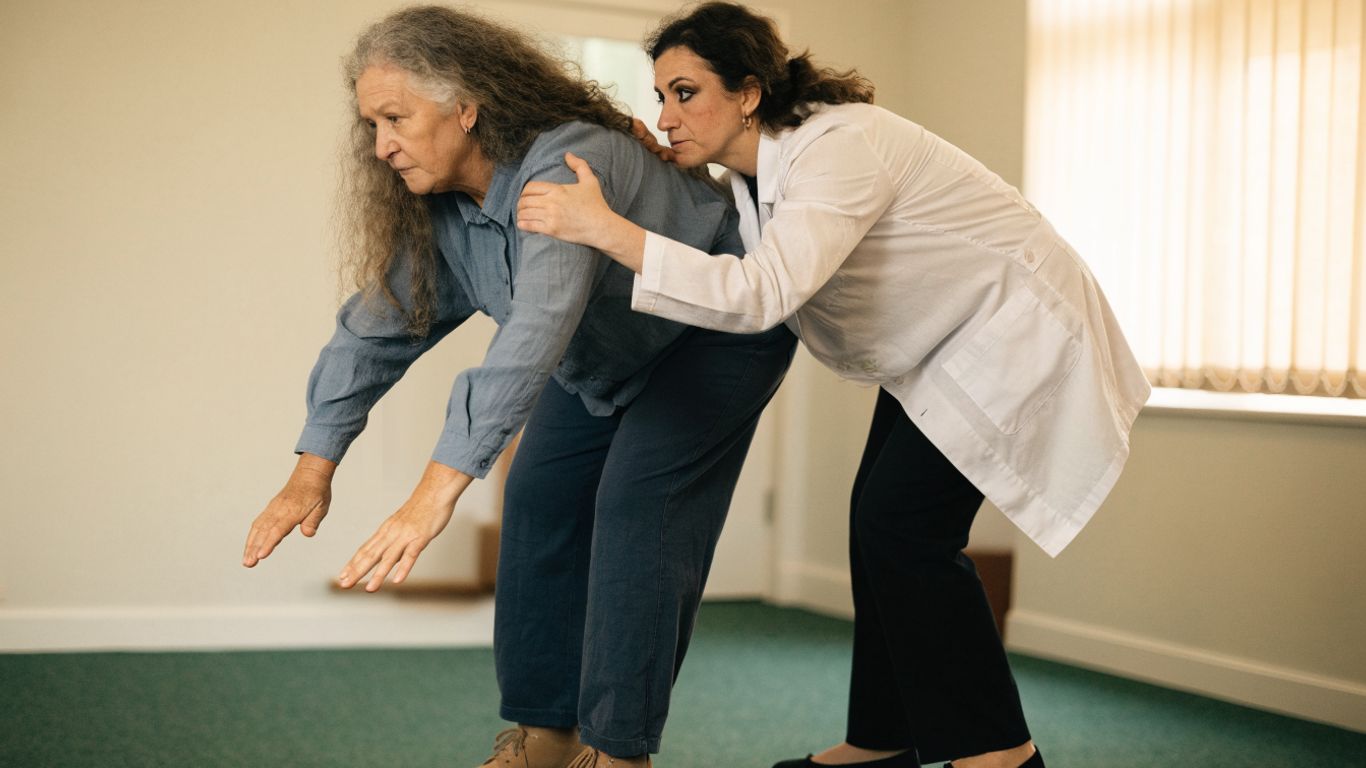
A physical therapist may help someone build strength, mobility, and confidence with activities at a pace suited to their abilities. A plan can be adjusted if a movement causes a flare, rather than treating discomfort as proof that all activity should stop. Ask how to progress safely and what to do if symptoms change.
Everton Chiropractic offers chiropractic services in Singapore. If you are exploring that type of care, ask how it would fit alongside other recommendations and whether it is appropriate for your symptoms; a clinician can discuss the available options with you.
Medicines and their potential risks
Medicines may be considered to help manage symptoms, but the right choice depends on personal health factors and other medicines a person takes. Some options can have side effects or risks, especially when used for extended periods. Check with a clinician or pharmacist about safe use, interactions, and when to stop or seek advice.
Avoid starting, combining, or changing medicines based only on general information. If a medicine is not helping or causes an unwanted effect, tell the prescriber so the plan can be reviewed.
Injections, procedures, and surgery in selected cases
Injections, other procedures, or surgery may be considered in selected situations, depending on the diagnosis and how symptoms affect function. They are not necessary for everyone with chronic lower back pain, and each has potential benefits and risks. A clinician can explain what problem a procedure is intended to address and what alternatives may be available.
Everton Chiropractic is a Singapore chiropractic practice led by Principal Chiropractor Dr. Richard Chew. If you are considering chiropractic care, discuss your symptoms and other treatment with an appropriate clinician so that decisions reflect your full health picture.
Managing symptoms in everyday life
Daily strategies can support a care plan, though they do not replace an evaluation when one is needed. Small adjustments may make work, rest, and movement more manageable. It can take some trial and error to find changes that suit your routine.
Pacing activity and returning to movement
When pain has interrupted normal routines, trying to do everything at once can be discouraging. Instead, consider breaking tasks into manageable portions and increasing activity gradually as tolerated. A simple plan can help make that approach more practical:
- Choose one everyday activity to resume or maintain.
- Set a manageable starting point rather than aiming for your previous maximum.
- Take planned breaks before fatigue or discomfort becomes overwhelming.
- Increase the duration or effort gradually, adjusting if symptoms flare.
The aim is steady participation, not pushing through severe or unfamiliar symptoms. If activity repeatedly worsens pain or function, talk with a clinician about adapting the plan.
Adapting work, sleep, and daily routines
Changing positions regularly, adjusting a workstation, or dividing heavier chores may reduce the strain of a demanding routine. For sleep, a comfortable position and a consistent wind-down routine may help, though no single mattress or posture works for everyone. Note which changes make a difference and keep the ones that are practical.
If pain is affecting your ability to work, rest, or manage basic tasks, mention those limits at an appointment. Specific examples—such as needing extra breaks or waking frequently—are often more useful than a general statement that things are difficult.
Supporting pain care with stress-management strategies
Stress and poor sleep can make it harder to cope with persistent pain, while pain itself can add stress. Relaxation practices, paced breathing, or support from a mental health professional may help some people manage the strain. These approaches do not mean the pain is only psychological; they are possible additions to broader care.
Choose strategies that feel realistic, and give them time rather than expecting an immediate change. If stress, low mood, or worry is becoming difficult to manage, let a healthcare professional know.
When to seek medical care
Persistent pain deserves attention when it continues to interfere with ordinary activities, changes in character, or leaves you uncertain about what is safe. Some symptoms call for urgent evaluation rather than a routine appointment. When in doubt about a severe or rapidly changing problem, contact local medical services for guidance.
Symptoms that call for urgent attention
Seek urgent medical care for new loss of bladder or bowel control, numbness around the groin or saddle area, or rapidly worsening weakness in the legs. Severe pain after a significant injury, or back pain accompanied by serious illness symptoms, also warrants prompt attention. These examples are not a complete list, so trust a clinician’s advice when you are concerned.
Do not wait for a routine visit if symptoms are sudden, severe, or rapidly progressing. Emergency services can help determine the appropriate response in an urgent situation.
When persistent pain warrants a routine appointment
Arrange a routine appointment if pain lasts for weeks, keeps returning, or interferes with sleep, work, movement, or daily tasks. An appointment is also useful if self-management has not helped or you are unsure which activities or treatments are suitable. A clinician can review the pattern and discuss next steps with you.
A chronic low back pain overview can offer general background on symptoms, evaluation, and treatment. Use it as a starting point for questions, not as a way to diagnose yourself.
Preparing questions and information for a clinician
Before an appointment, note when symptoms began, where they travel, what affects them, and how they limit your routine. Bring a list of medicines and relevant health history, and mention any changes in strength, sensation, sleep, or bladder and bowel function. Preparing a few questions can help you leave with a clear understanding of the plan.
Some other site resources address unrelated practical topics, not back pain: ecommerce customer service outsourcing, planning for medical-device power outages, New Zealand health insurance choices, ethical SEO practices, and reusable party supplies. They are not medical guidance; keep your appointment focused on your health concerns and the questions relevant to your care.
Conclusion
Chronic lower back pain can affect people in different ways, and there is no single explanation or plan that suits everyone. Paying attention to symptoms and daily function, then discussing them with a clinician, can help you understand possible next steps. Seek urgent care for serious warning signs and ask for support when pain continues to limit your life.
Frequently Asked Questions
How long does lower back pain need to last to be considered chronic?
Chronic pain generally describes pain that persists or recurs over months, rather than resolving over a short period. A clinician can help interpret the duration alongside symptoms and health history.
Can chronic lower back pain improve?
Some people find that symptoms and daily function improve with time and an appropriate care plan. Progress varies, and a clinician can help review options if pain persists or changes.
Does chronic back pain always mean there is a serious injury?
No. Ongoing pain can have many contributors, and duration alone does not identify a serious injury. A clinical assessment can help determine whether further evaluation is needed.
Should everyone with chronic lower back pain get an MRI?
No. Imaging is not automatically needed for everyone. A clinician may consider it when the history or examination suggests it could help clarify a concern or guide a decision.
Is walking safe when I have chronic lower back pain?
That depends on your symptoms and health situation. Many people discuss gradual movement with a clinician, especially if pain limits activity or walking brings on new or worsening symptoms.
When is lower back pain an emergency?
New loss of bladder or bowel control, numbness around the groin or saddle area, or rapidly worsening leg weakness can require urgent attention. Severe symptoms after an injury also warrant prompt assessment.
What should I bring to an appointment about back pain?
Bring notes about when the pain began, what affects it, how it changes, and how it affects daily tasks. A list of medicines, relevant health history, and questions about treatment options can also help.