
Introduction
Current clinical guidelines from the American College of Physicians, the World Health Organization, and other major bodies do recommend spinal manipulation-the core technique in chiropractic care-as one evidence-based, non-drug option for managing low back pain in adults. If you have been wondering whether chiropractic treatment for lower back pain is supported by serious medical evidence or just anecdotal claims, the short answer is that international clinical guidelines consistently include it among first-line noninvasive treatments, particularly when combined with exercise therapy and patient education.
This article focuses specifically on adult non-specific lower back pain-acute low back pain (lasting under four weeks), subacute (four to twelve weeks), and chronic low back pain (beyond twelve weeks)-and what major clinical guidelines published between 2017 and 2024 actually say about chiropractic and spinal manipulative therapy. Paediatric care, neck pain, and conditions caused by serious pathology such as cancer or infection fall outside our scope. The target reader is a busy working adult in Singapore dealing with recurrent or persistent back pain and trying to decide whether chiropractic care is a credible option compared to medication, physical therapy, or simply waiting it out.
Here are the key takeaways you will gain from this article:
-
What major guidelines say: The ACP, WHO, NICE, and regional bodies all position spinal manipulation as a conditional or recommended non-pharmacological option for low back pain.
-
Where chiropractic fits versus other options: It sits alongside exercise, physiotherapy, and psychological therapies-not above or below them-within a multimodal care framework.
-
What guideline-consistent chiropractic treatment looks like in practice: Time-limited, goal-oriented chiropractic sessions combined with structured exercise and lifestyle change.
-
When to avoid chiropractic and see a doctor instead: Red-flag symptoms that require urgent medical evaluation.
-
How Everton Chiropractic applies these recommendations: A care pathway grounded in current evidence and guideline principles.
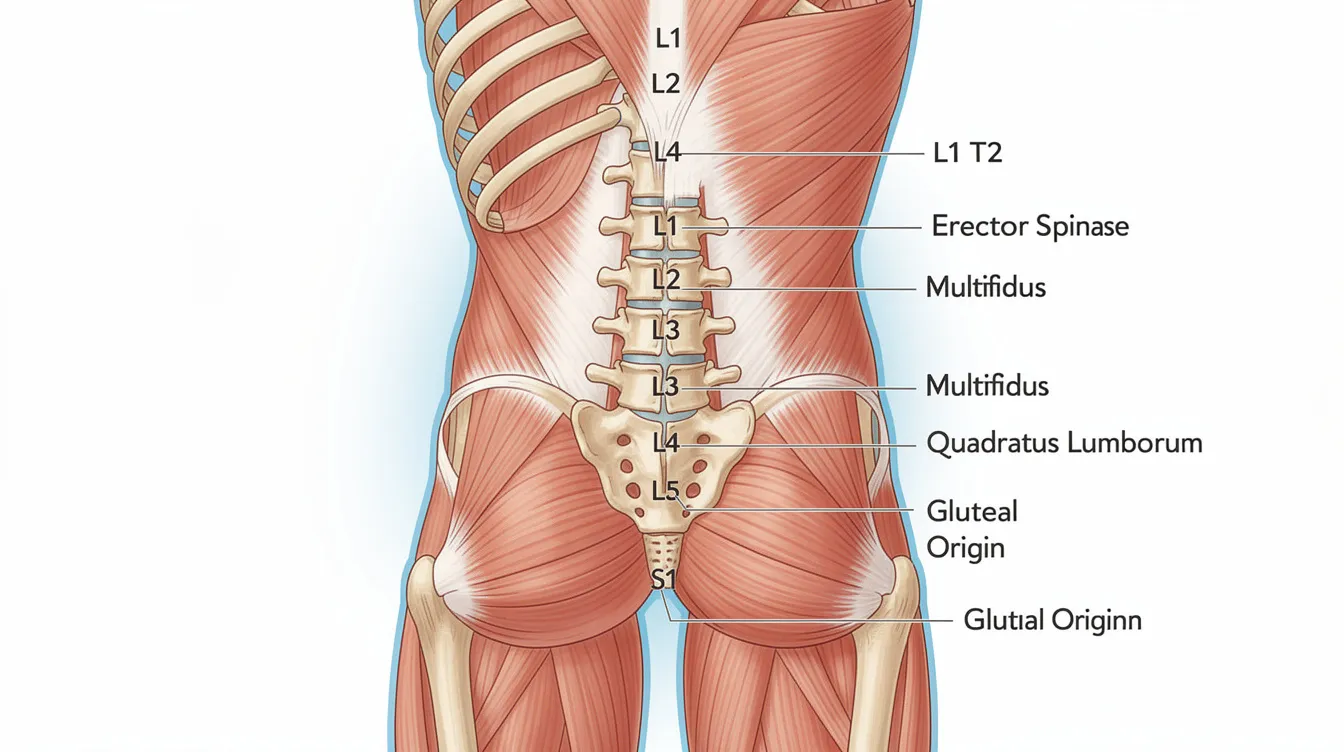
Understanding Clinical Guidelines for Lower Back Pain
Before examining what guidelines say about chiropractic, it helps to understand what clinical guidelines are, who develops them, and why lower back pain has attracted so much guideline attention worldwide.
What Are “Clinical Guidelines” in Spine Care?
A clinical practice guideline is a systematically developed set of recommendations designed to help health care providers and patients choose appropriate care for a specific condition. Unlike personal opinions or individual case reports, guidelines are built on systematic reviews of randomised controlled trials, randomized trials, meta-analyses, and expert consensus panels that include physicians, physiotherapists, chiropractors, and patient representatives.
The strength of each recommendation is graded using frameworks like GRADE (Grading of Recommendations, Assessment, Development, and Evaluation), which assesses both the certainty of the evidence and the balance of benefits versus harms. This is why you will see phrases like “conditional recommendation” or “moderate evidence” in guideline language-they indicate how confident the panel is, not whether the treatment works at all.
Guidelines are updated periodically as new high quality trials and Cochrane reviews are published. For lower back pain specifically, there have been significant updates between 2017 and 2024, with the WHO releasing its first guideline on chronic primary low back pain in December 2023 and a major Cochrane review on spinal manipulative therapy updated in early 2026. At Everton Chiropractic, these guidelines serve as the default starting point for every care plan-not rigid rules, but the strongest available foundation for clinical decisions.
Why Lower Back Pain Gets Special Attention
Lower back pain is the leading cause of disability worldwide. The World Health Organization estimates that around 619 million people globally had low back pain in 2020, a number projected to rise to approximately 843 million by 2050. In 2021, 9.4% of the global population experienced activity-limiting low back pain. In Singapore specifically, up to 80% of people experience lower back pain at some point in life, with most cases improving within about six weeks with appropriate self-management.
The vast majority of back pain seen in clinical practice is “non-specific”-meaning there is no fracture, cancer, infection, or inflammatory arthritis causing pain. Muscle strains are the most common cause of lower back pain, though other contributors include herniated discs, osteoarthritis (a degenerative joint disease affecting the lower back), spinal stenosis (which narrows the spinal canal, causing nerve pressure), sciatica (which occurs when the sciatic nerve is compressed or irritated), and spondylolisthesis (where one vertebra slips onto another, causing pain). It is precisely for this broad category of non-specific mechanical back pain that spinal manipulation, exercise, and patient education are most strongly recommended.
Because of this enormous burden on working adults’ productivity, sleep quality, and quality of life, international bodies have invested heavily in producing detailed low back pain guidelines-and where chiropractic care fits within those guidelines is the focus of the next section.
What Major Guidelines Actually Say About Chiropractic and Lower Back Pain
The wording varies between organisations, but the core message is remarkably consistent: major clinical guidelines advise starting with non-pharmacological treatments for lower back pain, and spinal manipulation is named as one of those treatments. Below is what each influential guideline actually states, followed by a comparative summary table.
American College of Physicians (ACP) 2017 Guideline
The ACP 2017 guideline on non-radicular low back pain, published in Ann Intern Med by the clinical guidelines committee, remains one of the most cited pain guidelines globally. Chiropractic care is recommended by the American College of Physicians for low back pain-specifically, the guideline strongly recommends that clinicians and patients select non-drug therapies first for acute low back pain and subacute episodes. Spinal manipulation is listed alongside superficial heat, massage, and acupuncture as an appropriate first option.
For chronic low back pain, the ACP recommends non-pharmacologic treatments as the initial approach: exercise therapy, multidisciplinary rehabilitation, mind-body therapies (yoga, tai chi, mindfulness-based stress reduction), cognitive behavioural therapy, acupuncture, and spinal manipulation. The American College of Physicians recommends spinal manipulation for low back pain before resorting to skeletal muscle relaxants or opioid medications. The guideline from the internal medicine body notes that evidence quality is often low to moderate, and effect sizes tend to be small to modest-but the risk profile of these noninvasive treatments is far more favourable than long-term medication or more invasive therapies.
World Health Organization (WHO) 2023 Guideline on Chronic Primary Low Back Pain
In December 2023, the World Health Organization published its first guideline specifically for chronic primary low back pain-defined as pain lasting more than three months without serious underlying disease, which constitutes approximately 90% of chronic low back pain presentations in primary care.
WHO suggests spinal manipulation may be offered for chronic primary low back pain, delivered by trained and credentialed practitioners such as chiropractors, as part of a comprehensive care package. This is a conditional recommendation, meaning the panel concluded that benefits likely outweigh risks for most patients, but shared decision-making between clinician and patient is essential. The guideline also promotes a biopsychosocial approach that considers psychological factors in treatment, discourages routine opioid use and unnecessary imaging, and emphasises active self-management and rehabilitation as key components of care.
Other Influential Guidelines (NICE, Australian, and Regional)
The UK’s National Institute for Health and Care Excellence (NICE) guideline NG59 for low back pain and sciatica supports manual therapy-including spinal manipulation, mobilisation, and massage-but only as part of a treatment package that also includes exercise. NICE does not recommend manual therapy in isolation. This aligns with the broader guideline principle that spinal manipulation should not be viewed as a stand-alone treatment.
Australian guidelines from bodies such as NSW Health similarly place spinal manipulation alongside physical therapy and structured exercise as first-line conservative options for acute pain episodes. While Singapore’s Agency for Care Effectiveness (ACE) guideline does not explicitly name chiropractic, its conservative-first pathway-discouraging routine imaging, recommending 4–6 weeks of conservative management before considering MRI-is fully consistent with international clinical guidelines that include chiropractic care among recommended therapeutic interventions.
Guideline Comparison at a Glance
|
Criterion |
ACP 2017 |
WHO 2023 |
NICE NG59 |
|---|---|---|---|
|
Recommends SMT/manual therapy? |
Yes, as a first-line non-drug option |
Yes, conditional recommendation |
Yes, but only within a treatment package |
|
Context |
Acute, subacute, and chronic low back pain |
Chronic primary low back pain (>3 months) |
Low back pain and sciatica in adults 16+ |
|
Evidence certainty |
Low to moderate |
Low to very low for some outcomes |
Low to moderate |
|
Required accompaniments |
Lists alongside other non-drug options |
Exercise, education, psychological support |
Must be combined with exercise |
|
Imaging guidance |
Avoid routine imaging early |
Discourages routine imaging |
No imaging without red flags |
|
Opioid stance |
Only after failure of other options |
Discourages routine opioid use |
Avoid opioids for chronic LBP |
The guidelines talk more about “spinal manipulation” and “non-pharmacological care” than specific professional titles-so understanding exactly how chiropractic fits within this terminology is important.
How Chiropractic Fits Within Evidence-Based Lower Back Pain Care
Guidelines recommend “spinal manipulative therapy” and “manual therapy.” Here is how those terms map onto what chiropractors actually do, and what the evidence shows about patient outcomes.
Spinal Manipulation vs “Chiropractic Care”
Spinal manipulation is a specific manual technique involving a high-velocity, low-amplitude thrust applied to spinal joints. It is the core intervention studied in most randomised controlled trials and systematic reviews cited by guidelines. Chiropractic adjustments are a non-invasive treatment option for back pain, and they represent the most recognisable component of chiropractic treatment-but they are not the only one.
In practice, chiropractors also deliver joint mobilisation (lower-velocity passive movements within the joint’s range), soft tissue therapy, exercise prescription, ergonomic advice, and education about pain self-management. Many of these components are separately and independently recommended in guidelines. Current guidelines support a multimodal approach to treating lower back pain, and combined chiropractic interventions that blend spinal adjustments with exercise and education reflect this multimodal principle more accurately than spinal adjustments alone.
Guideline-consistent chiropractic care is not about endless adjustments. It is about time-limited, goal-driven episodes of care where spinal adjustments restore function and are paired with active strategies that help the patient manage their condition independently. Proper spinal alignment can alleviate lower back pain, and chiropractic adjustments improve spinal alignment and range of motion-but the durable benefits come from combining these with rehabilitation.
What the Evidence Shows: Benefits and Limits
The Cochrane 2026 review on spinal manipulative therapy for chronic low back pain is the most comprehensive analysis to date: 76 studies involving 11,866 participants. Compared to no treatment, SMT produced approximately 14 points of pain reduction and 12.9 points of functional improvement on a 0–100 scale at one month. Compared to sham treatment, the differences were smaller-about 7 points for pain and 8.8 for function. Cochrane reviews show spinal manipulation improves pain and function moderately. When compared to other active conservative treatments such as exercise or physiotherapy, differences tend to be small, suggesting that the choice between these options can reasonably be guided by patient preference, access, and cost effectiveness.
Spinal manipulation can provide modest short-term relief for some patients, and spinal manipulation may reduce inflammation and promote healing. Chiropractic care may alleviate lower back pain through spinal manipulation, and spinal manipulation can improve range of motion and reduce inflammation. However, expectations should be realistic. Many episodes of acute low back pain improve naturally within a few weeks, so treatments aim to speed recovery and restore function rather than “cure” all future recurrences. A 2023 study on targeted versus non-targeted spinal manipulation found no significant difference in pain or disability whether manipulation was directed at a specific vertebral level or applied more generally-moderate evidence suggesting that clinical effectiveness depends more on appropriately dosed, safe delivery than on pinpoint precision.
Long-term outcomes beyond three to six months are less robust. Evidence supports short-term benefit most clearly, and maintenance care beyond a few months should be re-evaluated if there is no clear functional improvement-consistent with guideline principles that discourage open-ended passive care.
Risks and Safety in Context
For lower back spinal manipulation in otherwise healthy adults, adverse events are typically mild and short-lived. For uncomplicated mechanical low back pain, spinal manipulation is generally considered a non-drug option before invasive procedures. The Cochrane review found frequent minor side effects-soreness, muscle tension, temporary increase in pain, and fatigue-but no serious adverse events in controlled trials of SMT for chronic low back pain. Chiropractic adjustments may help improve overall health and well-being when delivered safely within appropriate clinical boundaries.
Rare but serious complications do exist, including worsening of large herniated discs or, very rarely, cauda equina syndrome. This is why thorough screening during a physical examination is critical. Populations needing extra caution or medical co-management include individuals with osteoporosis, spinal fractures, cancer history, inflammatory arthritis, severe spinal stenosis, or progressive neurological symptoms. Spinal misalignments can lead to chronic pain conditions, but the approach to correcting them must be adapted to the patient’s overall health profile.
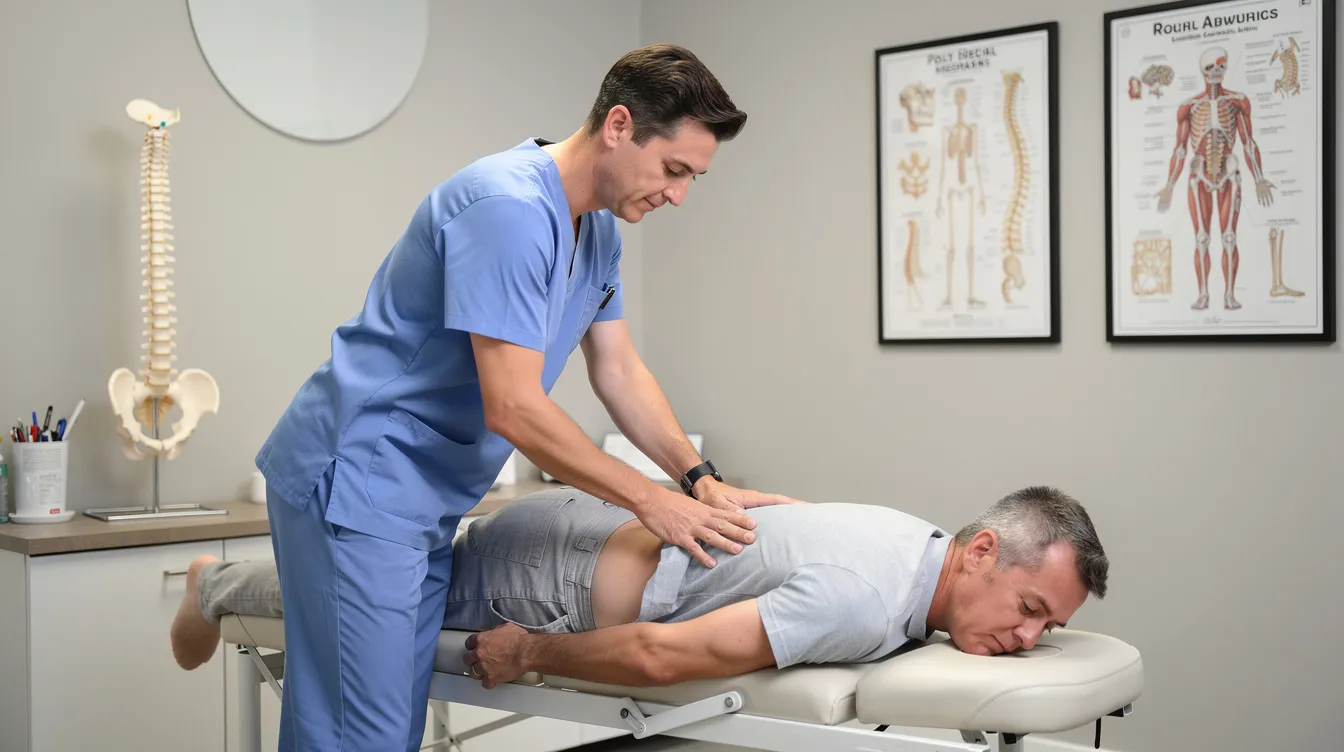
Guidelines do not simply say “manipulate the spine.” They specify when to use which types of care, for how long, and when to stop or refer-which brings us to what a guideline-consistent care pathway actually looks like in practice.
What Guideline-Consistent Chiropractic Care Looks Like in Practice
Evidence-based chiropractors organise care around guideline principles: early active management, limited passive care, a focus on functional improvement, and clear review points. Here is how that translates into real clinical practice at Everton Chiropractic.
Typical Care Pathway for Lower Back Pain
For a new adult patient presenting with mechanical low back pain, the first visit centres on thorough triage:
-
Comprehensive history: Onset, duration, aggravating and relieving factors, medical history, previous treatments, occupation, and psychosocial risk factors.
-
Physical examination and neurological screening: Assessing movement, reflexes, sensation, and muscle strength. Specific attention is paid to red flags-significant trauma, unexplained weight loss, fever, night sweats, bladder or bowel changes, saddle anaesthesia, or progressive leg weakness.
-
Clinical decision on imaging: Routine imaging is not recommended for uncomplicated low back pain according to guidelines. Most guidelines discourage routine imaging for nonspecific lower back pain without red flags. X-rays and MRI are reserved for patients with specific indications such as suspected fracture, cancer, or failed conservative care after 4–6 weeks-consistent with ACP, NICE, and Singapore ACE guideline recommendations.
-
Early intervention: Education about pain, reassurance that most patients recover well, advice to remain active, and-where appropriate-one or two sessions of manual therapy or spinal manipulation for acute pain relief. Prolonged bed rest is actively discouraged.
Management of lower back pain includes monitoring progress and treatment response at every stage, with clear criteria for when to escalate, modify, or conclude care.
Recommended Frequency and Duration of Chiropractic Visits
Guidelines rarely prescribe exact visit counts, but practice-based guidance and research provide useful frameworks. For acute low back pain, a typical pattern involves one to three chiropractic sessions per week over two to four weeks, followed by reassessment. For chronic low back pain, treatment may extend longer-perhaps eight to ten sessions over four to six weeks-but always with defined goals (e.g. return to work activities, ability to sit for meetings without significant pain) and periodic review.
Frequency is individualised based on pain severity, disability level, treatment response, and patient goals. It is never a one-size-fits-all package. If there is no meaningful improvement in pain or function after about four to six weeks, the care plan should be re-evaluated: this might mean modifying the approach, broadening therapeutic interventions to include psychological support, or arranging medical referral. You can read more about how often to see a chiropractor for a deeper discussion of visit frequency in different scenarios.
Combining Adjustments with Exercise, Education, and Lifestyle Change
Guidelines consistently recommend a multimodal approach: manual therapy plus supervised exercise and active self-management. Guidelines recommend combining manual therapies with active recovery strategies because passive treatment alone does not produce durable results. Chiropractic care should be integrated with education and self-management strategies for the best long-term outcomes.
At Everton Chiropractic, exercise prescription typically includes:
-
Core strengthening: Strengthening core muscles supports the spine and reduces injury risk. Targeted activation of deep stabilisers complements spinal adjustments.
-
Hip and spinal mobility work: Specific stretches can improve flexibility and manage back pain. Improving spinal mobility helps patients move with less guarding and fear.
-
Graded return to activity: Progressive loading and movement rather than avoidance. Regular exercise is recommended to prevent recurring lower back pain.
Educational messages are tailored to working adults: staying active between visits, understanding that pain does not equal damage, workplace ergonomics for desk jobs, posture correction, and sleep positioning. Chiropractors advise lifestyle changes alongside exercise for back pain management-an approach that guidelines emphasise active self-management and rehabilitation as key components of recovery.
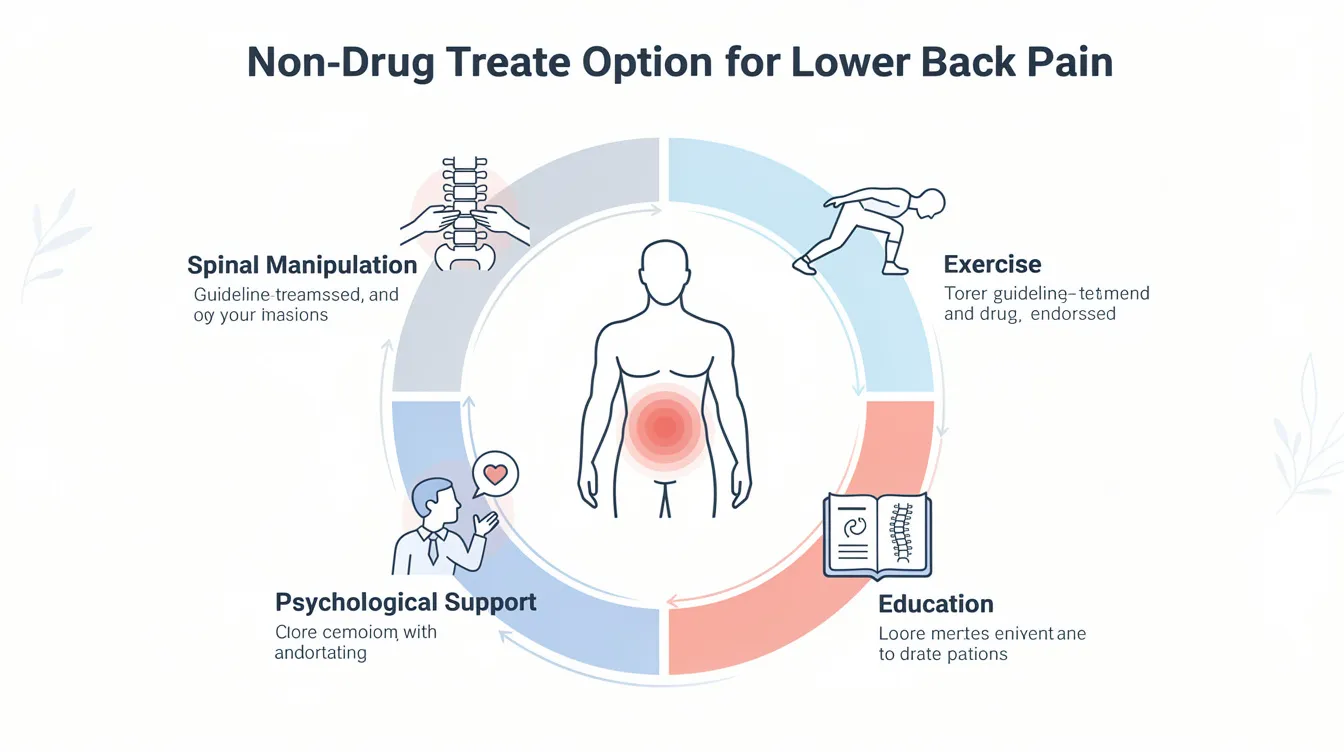
Common Challenges and How Guidelines Suggest Handling Them
Even with evidence-based care, everyday patient concerns-fear of movement, busy work schedules, and confusion about when to see a doctor-arise regularly. Here is how clinical guidelines inform practical solutions.
Problem 1: Wanting a Quick Fix in a Busy Work Life
Working adults in Singapore often seek immediate pain relief or hope that a single chiropractic adjustment will resolve their back pain permanently. While spinal manipulation can deliver short-term pain relief, guidelines make clear that durable functional improvement requires active participation. The guideline-aligned approach is to combine short-term symptom relief through manual therapy with a structured home exercise programme and realistic timelines-typically several weeks for meaningful recovery.
Practical tip: even five to ten minutes of prescribed movement routines integrated into an office or remote-work day can accelerate progress and reduce reliance on clinic visits.
Problem 2: Fear of Movement and Reliance on Passive Care
Fear of bending, lifting, or exercising-sometimes called kinesiophobia-is one of the strongest risk factors for transitioning from acute pain to chronic pain. Guidelines recommend reassurance, graded exposure to movement, and avoidance of long-term dependence on passive treatments alone. Guidelines promote a biopsychosocial approach that considers psychological factors in treatment, recognising that beliefs about pain strongly influence recovery.
At Everton Chiropractic, we coach patients to safely resume activities using step-by-step progression rather than advising them to “rest until it’s gone.” Chiropractors recommend exercises to strengthen back muscles and rebuild confidence in movement-an approach that pain research consistently supports as more effective than prolonged rest.
Problem 3: Confusion About When to See a Doctor Instead of a Chiropractor
Not all back pain is appropriate for chiropractic care. Key red flags that require urgent medical evaluation include:
-
History of cancer combined with new back and neck pain or unexplained weight loss
-
Fever, night sweats, or signs of infection
-
Significant trauma (e.g. a fall or accident)
-
Loss of bladder or bowel control
-
Progressive leg weakness or saddle anaesthesia
-
Severe or worsening neurological symptoms
Guidelines recommend immediate medical referral when these signs are present. Reputable manual therapists and chiropractors do not treat these conditions independently. At Everton Chiropractic, we coordinate with GPs, orthopaedic specialists, and other health care providers when red-flag findings emerge during assessment-because guideline-consistent care means knowing when not to treat as much as knowing when to treat.
Conclusion and Next Steps
Current international clinical guidelines-from the American College of Physicians to the World Health Organization to NICE-do recommend spinal manipulation and chiropractic care as one evidence-based, non-drug option for non-specific low back pain. The recommendation is conditional, not absolute: evidence supports modest short-term benefits in pain and function, particularly when chiropractic treatment is combined with exercise, education, and active self-management. Major guidelines advise starting with non-pharmacological treatments for lower back pain, and the chiropractic profession is well positioned to deliver this kind of care when it follows guideline principles.
Guideline-consistent care is structured, time-limited, reassessed regularly, and focused on functional improvement rather than indefinite passive treatment.
Your next steps:
-
Note red flags: If you have any of the warning signs listed above, see a doctor first.
-
Keep moving: Avoid prolonged bed rest. Gentle activity and walking are safe for most patients with mechanical back pain.
-
Prepare questions: Before seeing any provider-chiropractor, physiotherapist, or GP-ask about treatment goals, expected duration, and how progress will be measured.
-
Consider an evidence-based assessment: If you are a working adult in Singapore with recurrent lower back pain, an assessment grounded in current guidelines can help clarify your best options. Learn more about causes and symptoms of lower back pain here.
-
Explore related topics: You may also find value in reading about chiropractic care versus physiotherapy for back pain or what actually happens during a chiropractic adjustment.
Additional Resources and Visual Aids
For readers who want to explore the primary sources behind this article, here are the major guidelines and reviews referenced:
-
ACP 2017 Guideline: American College of Physicians, “Noninvasive Treatments for Acute, Subacute, and Chronic Low Back Pain,” Annals of Internal Medicine, 2017.
-
WHO 2023 Guideline: World Health Organization, “WHO Guideline for Non-Surgical Management of Chronic Primary Low Back Pain in Adults in Primary and Community Care Settings,” December 2023.
-
NICE NG59: National Institute for Health and Care Excellence, “Low Back Pain and Sciatica in Over 16s: Assessment and Management,” 2016 (updated 2020).
-
Cochrane Review (2026): “Benefits and Risks of Spinal Manipulative Therapy for Chronic Low Back Pain,” Cochrane Database of Systematic Reviews, 2026.
-
Singapore ACE Guideline (2026): Agency for Care Effectiveness, “When to Order MRI for Low Back Pain,” updated June 2026.
Chiropractic-led care vs medication-first care:
|
Aspect |
Guideline-consistent chiropractic-led care |
Medication-first approach |
|---|---|---|
|
Primary focus |
Active rehabilitation, function restoration |
Symptom suppression |
|
Typical interventions |
Spinal manipulation + exercise + education |
NSAIDs, muscle relaxants, opioids |
|
Common risks |
Mild soreness, temporary muscle tension |
GI side effects, dependency risk (opioids), drowsiness |
|
Guideline support |
Recommended as first-line by ACP, WHO, NICE |
Medication positioned as second-line in most guidelines |
|
Long-term strategy |
Self-management, prevention, lifestyle change |
Often requires ongoing prescriptions |
Frequently Asked Questions About Chiropractic and Lower Back Pain Guidelines
These FAQs address the most common questions Singaporean working adults ask about chiropractic and low back pain guidelines, with answers grounded in current evidence.
Is chiropractic actually recommended in modern medical guidelines for lower back pain?
Yes. Spinal manipulation-the primary technique delivered by chiropractors-is recommended by the ACP 2017 guideline, the WHO 2023 guideline, and NICE NG59 as a non-pharmacological treatment option for non-specific low back pain. Clinical guidelines prioritize non-drug therapies for managing low back pain, and chiropractic care is consistently included among those options. It is usually listed as one of several evidence-based choices rather than the only option, and it is best combined with exercise and education for optimal results.
How many chiropractic sessions do guidelines suggest for lower back pain?
Guidelines rarely specify exact visit counts. Instead, they emphasise short, focused treatment episodes with reassessment around four to six weeks. Practice-based guidance suggests approximately two to twelve sessions for acute episodes and potentially more for chronic low back pain-but always with clear functional goals and periodic review. The previous systematic review literature and clinical compass recommendations indicate that frequency should be individualised based on severity, response, and patient goals.
Are long-term “maintenance” chiropractic plans supported by evidence?
The evidence on maintenance care is mixed. Some randomised trials suggest a modest reduction in pain days with ongoing visits, but this comes at the cost of significantly more chiropractic sessions. Guidelines emphasise active self-management over indefinite passive care. Any long-term plan should be periodically reviewed for clear functional benefit and aligned with patient preference-not presented as mandatory.
Do I need an X-ray or MRI before seeing a chiropractor for lower back pain?
For uncomplicated, non-specific low back pain, routine imaging is not recommended for uncomplicated low back pain according to guidelines. Most patients do not need imaging in the first four to six weeks. Imaging becomes appropriate when there is serious trauma, suspected fracture or cancer, progressive neurological signs, or when conservative care has failed. At Everton Chiropractic, we follow these principles and do not send every new patient for imaging.
Is chiropractic safe if I have a desk job and mild chronic lower back pain?
For most otherwise healthy adults with mechanical low back pain from prolonged sitting, guideline-consistent chiropractic care is generally safe. The most common side effects-temporary soreness or fatigue-resolve quickly. Full disclosure of your medical history, medications, and any prior imaging findings allows the chiropractor to screen for conditions such as osteoporosis, inflammatory arthritis, or spinal stenosis that might require modified or alternative care. 80% of people experience lower back pain at some point in life, and for the majority, evidence-based conservative management including chiropractic is both safe and effective.