
Key Takeaways
Lower back pain often improves with time and sensible, gradual care, but the right approach depends on symptoms and health history. A clinician can help tailor the plan when pain is severe, persistent, or accompanied by warning signs.
- A medical evaluation usually starts with symptoms, health history, and a physical examination.
- Imaging is not routinely needed for every episode; a clinician considers it when results could guide care.
- Gentle activity, comfortable movement, and short-term heat or cold may help with mild pain.
- Exercise, physical therapy, and other treatments can be considered according to a person’s needs.
- Seek urgent care for new bladder or bowel problems, numbness around the groin, or significant leg weakness.
How lower back pain is assessed
Lower back pain can have many causes, and its intensity alone does not reveal what is driving it. Assessment looks at the whole picture: how symptoms began, what makes them better or worse, and whether they affect movement or daily tasks. People searching for “treatment lower back pain” may find that a careful evaluation is a more useful starting point than choosing a treatment by symptom alone.
What to expect during a medical evaluation
A clinician will usually ask when the pain began, where it is felt, whether it travels into a leg, and how it has changed over time. They may ask about recent activity, past episodes, medical conditions, and medicines, then examine movement, strength, sensation, and other relevant signs. Being specific about what you can and cannot do helps make the discussion practical.
When imaging or other tests may be useful
Scans and other tests are not automatically necessary for a new episode of lower back pain. A clinician may consider them if symptoms suggest a specific condition, if warning signs are present, or if the result could change the next steps. These general back pain symptoms and treatment information can provide context, but an online overview cannot determine whether an individual needs testing.
The decision often depends on the clinical question rather than pain alone. This table summarizes how a clinician might think about common situations; it is not a diagnostic tool.
| Situation | Possible next step | Why it may matter |
|---|---|---|
| Mild pain without warning signs | Initial care and observation | A scan may not change early care |
| New or worsening nerve symptoms | Clinical assessment | The examination can guide further evaluation |
| Signs of a serious underlying problem | Prompt testing may be considered | Results may affect urgent care |
| Pain that persists despite an initial plan | Reassessment | The plan or need for testing may change |
The choice depends on the person’s symptoms and examination. If a test is suggested, ask what it is intended to clarify and how its result would affect treatment.
How symptoms and health history shape treatment
Pain that stays in the lower back may call for a different plan from pain that travels down a leg or comes with tingling or weakness. Other health conditions, previous episodes, work demands, and personal preferences also matter. Clinicians may use those details to weigh options and set a pace that feels manageable, rather than assuming one approach fits everyone.
Self-care strategies for mild lower back pain
For mild pain without concerning symptoms, simple adjustments can make daily life easier while the back settles. Comfort measures work best as part of a gradual return to ordinary activity, not as a test of endurance. The following suggestions are general; stop an activity that sharply worsens symptoms and seek advice if pain is severe or changing.

Keep moving with gentle activity
Staying gently active is often preferable to prolonged bed rest. Short walks or familiar light tasks can help maintain ordinary movement, provided they do not sharply increase pain. There is no need to push through a flare; start at a comfortable level and adjust according to how you feel afterward. This gentle exercise for back pain overview discusses movement options and when professional guidance may be useful.
Use heat or cold for short-term comfort
Some people find a wrapped heat pack soothing; others prefer a cold pack, especially after a recent strain. Apply either for a short period and protect the skin with a cloth rather than placing a very hot or frozen pack directly against it. Comfort is the aim, not numbing the area or forcing a particular routine. If a sensation changes or the skin becomes irritated, stop using the pack.
Adjust sleep positions and daily movements
There is no single sleep position that works for everyone, so look for one that feels comfortable and lets you rest. When getting out of bed, turning onto your side before pushing up may feel easier than sitting straight up. Small changes to daily tasks can reduce unnecessary strain while you remain active.
A few low-effort adjustments may be easier to try than a complete change in routine. Consider these options and keep the ones that feel useful:
- Change position regularly during long periods of sitting.
- Keep frequently used items within easy reach.
- Break heavier tasks into shorter parts, with pauses between them.
- Ask for help with a lift that feels unsafe or sharply painful.
These are starting points, not strict rules. Choose one change at a time and notice whether it makes movement or rest more comfortable.
Treatments provided by health professionals
If symptoms are limiting daily life, not improving, or difficult to manage alone, a health professional can discuss additional options. The choice depends on the assessment, the person’s goals, and what is safe for their health. Treatment may involve movement-based care, hands-on approaches, or selected procedures; none is automatically right for every episode.
Physical therapy and guided exercise
A physical therapist may help someone build a gradual exercise plan and practice movements suited to their current ability. The aim is to improve function and confidence with activity, while adjusting the plan if symptoms flare. A clinician can help set a safe starting point, particularly if pain travels into a leg or movement is significantly limited.
Manual therapies and other non-drug options
Some people consider hands-on care as one part of a broader plan, alongside activity and guidance on movement. The potential benefits, limitations, and risks should be discussed with a qualified practitioner, especially when a person has other health conditions or new neurological symptoms. Everton Chiropractic is a chiropractic practice in Singapore offering chiropractic services; that description does not determine whether a particular approach is suitable for an individual.
Injections and procedures for selected cases
Injections or other procedures may be considered for selected situations after a clinician has assessed the symptoms and likely cause. They are not a routine answer to every episode of lower back pain, and the possible benefits and risks vary by procedure. Ask what problem a proposed procedure is intended to address, what alternatives are available, and what recovery may involve.
Medication options and safety
Medicines may help some people manage pain enough to sleep or keep up with ordinary activities, but they are not risk-free. The safest option depends on medical history, other medicines, and individual circumstances. A pharmacist or clinician can help weigh the likely benefit against possible harms and explain when to stop or seek help.
Over-the-counter pain relievers
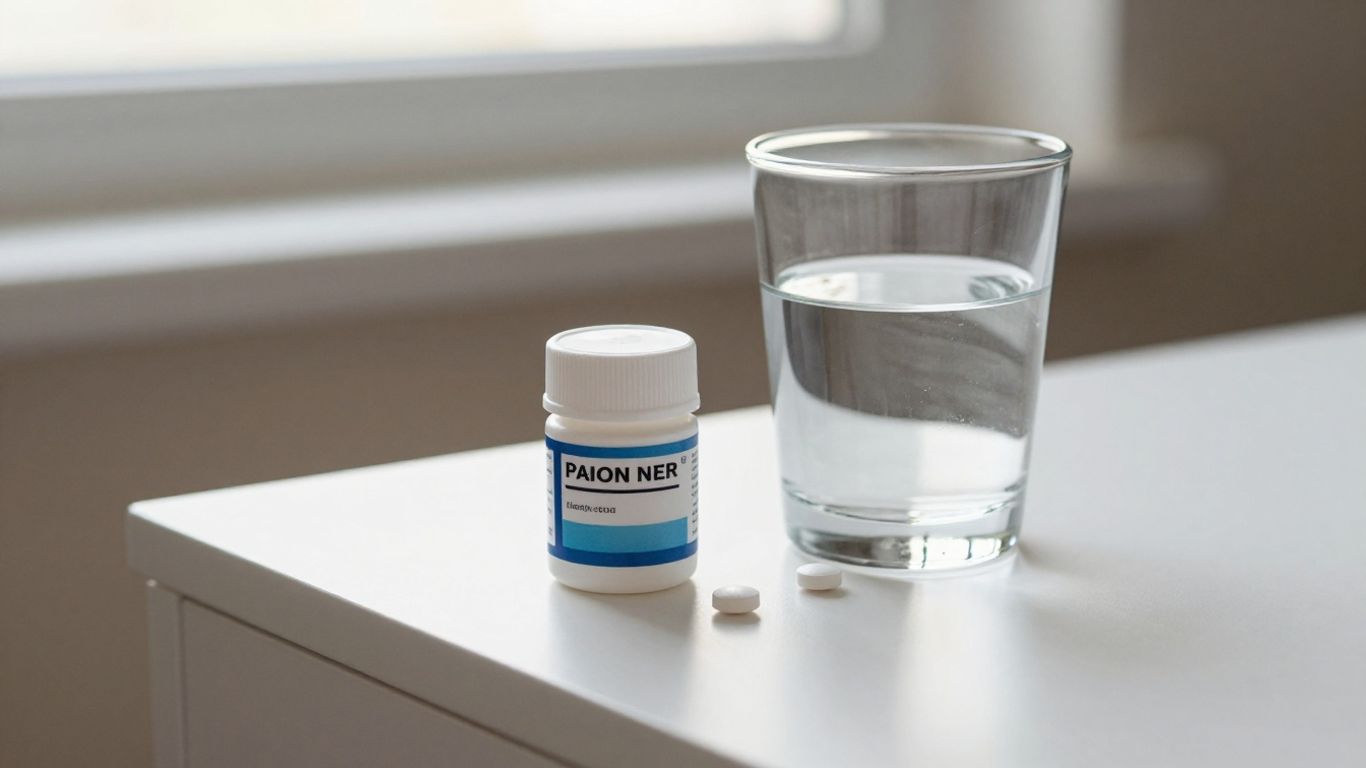
Some people use nonprescription pain relievers, but suitability depends on factors such as other health conditions, allergies, pregnancy, and medicines already being taken. Follow the package directions and avoid combining products with the same active ingredient. If you are unsure which option is appropriate, ask a pharmacist or clinician before taking it.
Prescription medicines and muscle relaxants
A clinician may discuss prescription medicines in particular circumstances, taking into account the kind of symptoms and a person’s medical history. Some medicines can cause sleepiness or other effects that make driving or operating equipment unsafe. Ask how long a medicine is intended to be used, what changes to watch for, and what to do if it does not help.
Risks, interactions, and safe use
Checking the label is especially important when taking more than one product, since ingredients can overlap. Share a complete list of medicines and supplements with a pharmacist or clinician, and mention relevant conditions such as kidney, stomach, or heart problems. Do not exceed the recommended amount or use someone else’s prescription; seek prompt advice if you experience a concerning reaction.
Treatment approaches for acute and persistent pain
A recent episode and pain that keeps returning may call for different priorities. Early care often focuses on staying as comfortable and active as possible while watching how symptoms change. When pain persists, the plan may need more attention to strength, function, sleep, and the impact on everyday life.
What may help during a new episode
For a new episode without warning signs, many people begin with gentle activity and practical comfort measures rather than stopping all movement. Avoiding tasks that clearly aggravate symptoms for a short time may help, while gradually returning to usual activities as comfort allows. Guidance on managing acute low back pain can offer general context, but it cannot replace assessment when symptoms are concerning or worsening.
Building strength and function over time
When symptoms persist or recur, a gradual exercise plan may help someone regain confidence with everyday movement. Progress can be uneven; a temporary increase in discomfort does not necessarily mean that all activity should stop, but a marked or lasting worsening deserves review. A clinician or physical therapist can help adapt activities to ability and goals. Other at-home back pain strategies may also be useful as general ideas, not a substitute for individualized advice.
Setting realistic goals for recovery
Recovery is not always a straight line, so goals that focus on function can be more useful than waiting for every sensation to disappear. For example, someone might aim to walk a little farther, return to a usual household task, or sleep more comfortably. Write down what has improved and what remains difficult; those details can help guide a follow-up conversation.
When to seek medical care
Most episodes do not require emergency treatment, but certain symptoms need immediate attention. New neurological changes, signs of serious illness, or pain after a major injury should not be managed with self-care alone. If you are uncertain, contact a health professional and describe what has changed.
Symptoms that need urgent attention
Seek urgent medical care for new loss of bladder or bowel control, difficulty passing urine, numbness around the groin or inner thighs, or significant or worsening weakness in a leg. These symptoms can signal a serious problem and need prompt assessment. Urgent evaluation is also appropriate after major trauma or when back pain occurs with severe illness, such as fever and feeling very unwell.
When persistent pain warrants an appointment
Arrange an appointment if pain is not improving, keeps returning, interferes with sleep or routine activities, or travels down a leg with persistent numbness or tingling. A clinician can review the course of symptoms and decide whether further assessment or a change in the plan is needed. Seek help sooner if symptoms worsen or new warning signs appear.
How to prepare for a conversation with a clinician
Before an appointment, note when the pain started, where it travels, what makes it better or worse, and how it affects daily activities. Bring a list of medicines and supplements, along with questions about options, risks, and follow-up. For local context, Everton Chiropractic offers chiropractic services in Singapore, and its Principal Chiropractor is Dr. Richard Chew; a practitioner can discuss whether chiropractic care is appropriate for an individual situation.
When sorting through search results, keep clinical guidance separate from unrelated material such as legacy campaign games, backlink purchasing, or online legal consultations. Pages about Google Maps reviews and responding to reviews are also outside the scope of back-pain care. These topics do not help diagnose or treat symptoms, so rely on a qualified health professional for personal medical advice.
Conclusion
Lower back pain care usually starts with understanding the symptoms and choosing a safe, practical next step. Gentle movement and comfort measures may suit mild episodes, while persistent, severe, or changing symptoms deserve professional guidance. Seek urgent care for warning signs, and work with a clinician to shape a plan around your health, needs, and daily life.
Frequently Asked Questions
How long does lower back pain usually last?
It varies. Many new episodes improve over days or weeks, but pain that persists, worsens, or repeatedly returns is a good reason to speak with a health professional.
Should I stay in bed when my lower back hurts?
Prolonged bed rest is generally not a useful default. If symptoms allow, try comfortable, gentle movement and return gradually to ordinary activities; seek guidance if movement sharply worsens pain.
Is heat or cold better for lower back pain?
Either may offer short-term comfort, and people respond differently. Use a cloth barrier, limit exposure, and stop if your skin becomes irritated or uncomfortable.
Do I need an X-ray or MRI for lower back pain?
Not necessarily. A clinician considers imaging when symptoms or examination findings suggest it could clarify a problem or change care; it is not automatically needed for every episode.
Can lower back pain cause pain down a leg?
Yes, pain can travel from the lower back into the buttock or leg, sometimes with tingling or numbness. New or worsening weakness, or other urgent warning signs, needs prompt medical assessment.
When should I seek urgent care for back pain?
Seek urgent care for new bladder or bowel control problems, difficulty urinating, numbness around the groin, significant leg weakness, or severe symptoms after major trauma. Fever with feeling very unwell also warrants prompt medical attention.
What should I tell a clinician about my back pain?
Share when it began, where it is felt, whether it travels, what affects it, and how it changes your activities or sleep. Mention health conditions and medicines, and ask what signs should prompt follow-up.