
Introduction
The chiropractic meaning, at its core, is straightforward: it is a healthcare profession dedicated to diagnosing, treating, and preventing disorders of the spine, nervous system, and musculoskeletal system through hands-on, non-invasive methods. If you’ve ever wondered what “chiropractic” actually means beyond the buzzwords and the cracking sounds, this article gives you the full, evidence-based picture.
Chiropractic care is not folk medicine, and it is not bone-cracking theatre. It is a university-trained, clinically structured discipline where practitioners use spinal manipulation, soft tissue therapy, rehabilitative exercises, and patient education to address musculoskeletal pain and restore function. This article focuses on what chiropractic means in modern, evidence-informed practice – not a deep dive into 19th-century history or a side-by-side comparison of every manual therapy that exists.
If you are an adult in Singapore dealing with back pain, neck pain, posture problems, or declining mobility and you are unsure what chiropractic really involves or whether it is safe, this article is written for you.
Here is what you will learn:
-
The true definition and meaning of chiropractic in evidence-based terms
-
How chiropractic treatment helps common conditions like low back pain, tech neck, sciatica, and headaches
-
What actually happens during a chiropractic session at Everton Chiropractic
-
Safety considerations and regulation of chiropractic in Singapore
-
How to decide if chiropractic care is the right option for your situation
Throughout, you will find suggested images and diagrams to help visualise spinal alignment, posture, and treatment techniques.
Understanding the True Meaning of Chiropractic
The word “chiropractic” comes from two Greek roots: cheir, meaning “hand,” and praktikos, meaning “done by hand.” That etymology captures the essence of the chiropractic profession – it is a discipline built around skilled, manual treatment of the body’s joints, spine, and surrounding tissues.
In modern practice, the Chiropractic Association Singapore defines chiropractic as “a healthcare profession concerned with the diagnosis, care, and management of mechanical disorders of the neuromusculoskeletal system, as well as effects on nervous system and general health.” This is not a fringe practice. It is a structured, science-informed approach to musculoskeletal disorders that prioritises drug-free, non-invasive care.
What chiropractic is NOT: it is not bones being violently “cracked back into place.” The popping sound you may hear during a chiropractic adjustment is cavitation – a rapid release of gas bubbles in joint fluid – not bones grinding or breaking. Chiropractic is also not a replacement for emergency medicine, and it is not a cure-all for diseases unrelated to the musculoskeletal system. It is focused, specific, and evidence-driven.
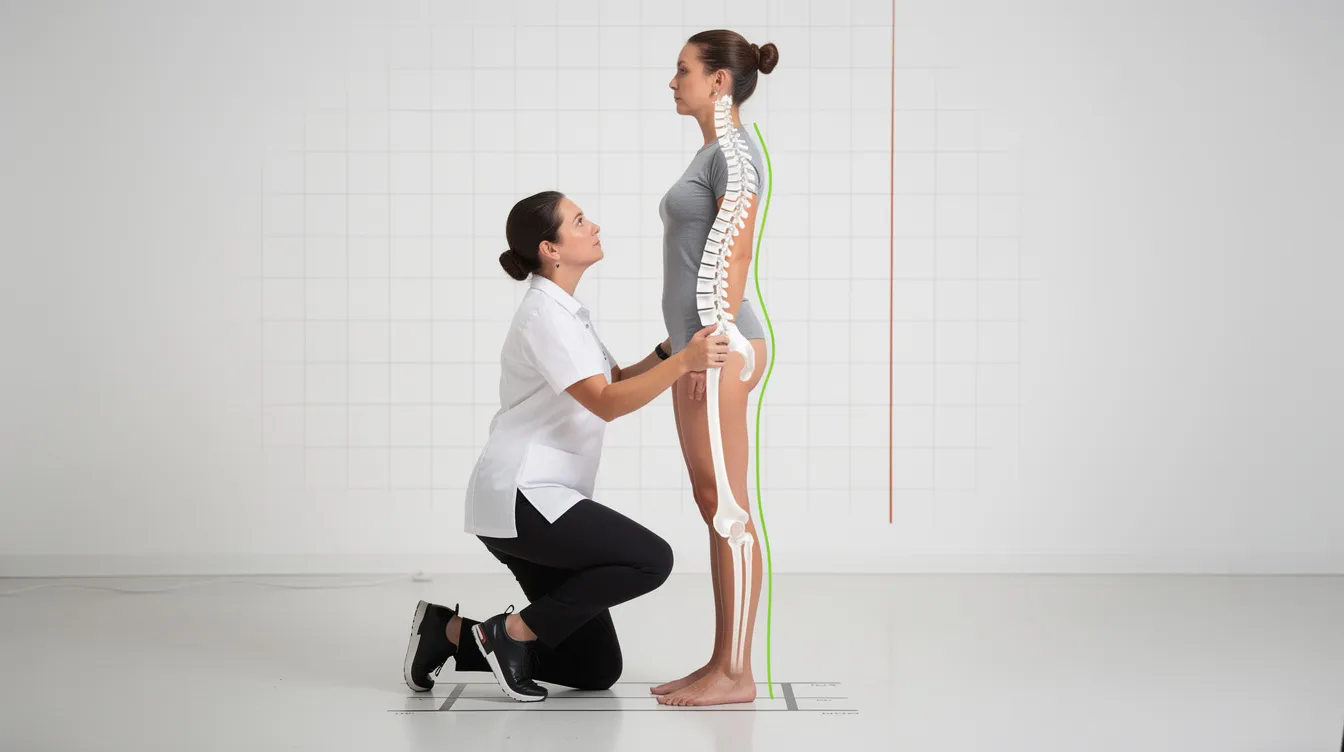
Chiropractic as a Healthcare Profession
Chiropractic is a primary-contact healthcare profession, meaning patients do not need a referral from another doctor to seek care. Chiropractors receive at least seven years of education, covering anatomy, neurology, biomechanics, radiology, diagnosis, manual therapy techniques, rehabilitation, and supervised clinical internships. This level of training parallels other health care disciplines like physiotherapy in depth and rigour.
The chiropractor’s role involves assessing, diagnosing, and managing musculoskeletal pain and functional problems. When conditions fall outside their scope – such as fractures, infections, or systemic disease – chiropractors refer patients to medical doctors or specialists. At Everton Chiropractic, doctors are internationally trained and centre their practice on evidence-based assessment and care, ensuring that clinical expertise guides every decision.

Chiropractic as a Focus on the Spine and Nervous System
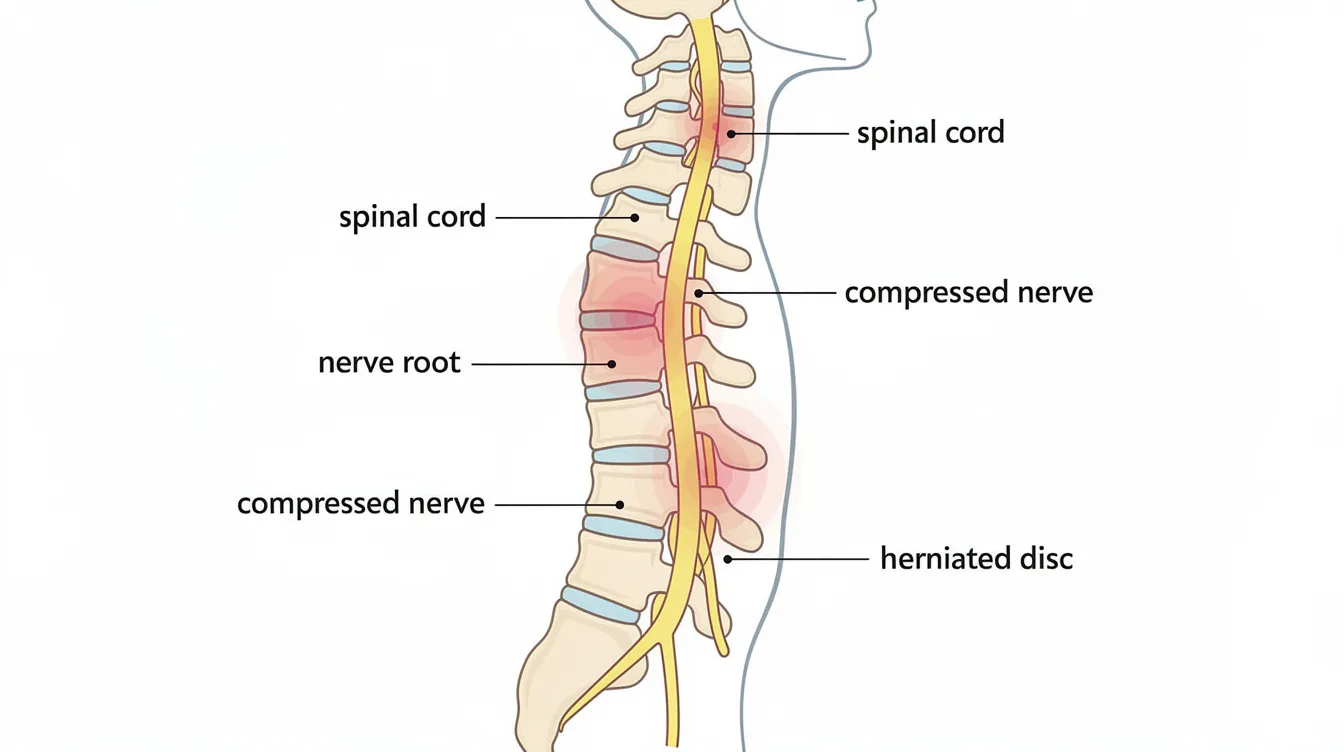
In daily practice, chiropractic meaning is closely tied to how spinal joints, muscles, and discs affect the nervous system. The spine houses and protects the spinal cord as the main communication pathway between the brain and body. When spinal joints become restricted, misaligned, or loaded poorly – through injury, repetitive strain, or sustained poor posture – this can irritate nerves and soft tissue, producing pain, muscle tension, reduced mobility, and headaches.
The central nervous system controls all body functions, and proper spinal alignment enhances nervous system function. This is why chiropractors assess spinal alignment to improve overall health, not just to address the site of pain.
For Singapore residents, the relevance is immediate. Long desk hours, heavy device use, extended commutes, and sedentary lifestyles contribute directly to forward head posture, rounded shoulders, and lower back stress. Chiropractic care addresses posture issues caused by prolonged sitting, and poor posture can lead to vertebral subluxations over time – subtle shifts in joint position that alter movement and nerve function. By restoring healthy spinal mobility and joint motion, chiropractic aims to let the nervous system function more efficiently.
How the Meaning of Chiropractic Has Evolved
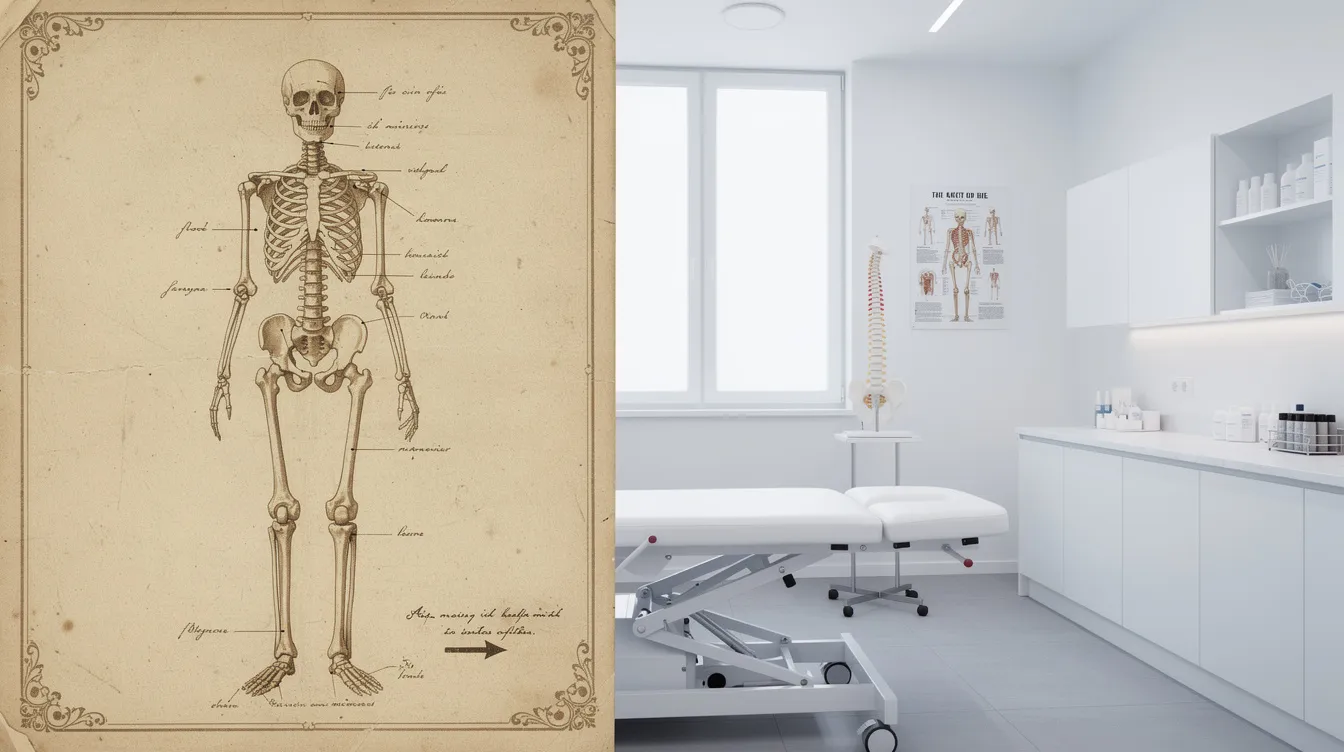
Chiropractic was founded by D.D. Palmer in the 1890s. Early chiropractic theory posited that “subluxations” interfered with “innate intelligence” – a metaphysical concept of vital energy. These ideas have been largely refined and, in many cases, discarded.
Modern chiropractic has shifted toward biomechanical and neurological models. Today, practitioners understand joint dysfunction, restricted motion, tissue loading, and nerve irritation as the mechanisms behind pain and disability. The profession now emphasises the biopsychosocial model – recognising that biological, psychological, and social factors all influence pain and recovery.
Clinics like Everton Chiropractic practice an evidence-informed model, integrating current research with clinical experience and patient goals. Understanding this evolution helps make sense of what actually happens during chiropractic care and why it involves far more than “back cracking.”
What Chiropractic Means in Everyday Practice
To a patient walking into a Singapore clinic, the conceptual meaning of chiropractic becomes tangible through hands-on care, structured assessments, and personalised treatment plans designed to relieve pain and improve movement. What follows is a walkthrough of the core elements: assessment, spinal adjustments, complementary techniques, and education.
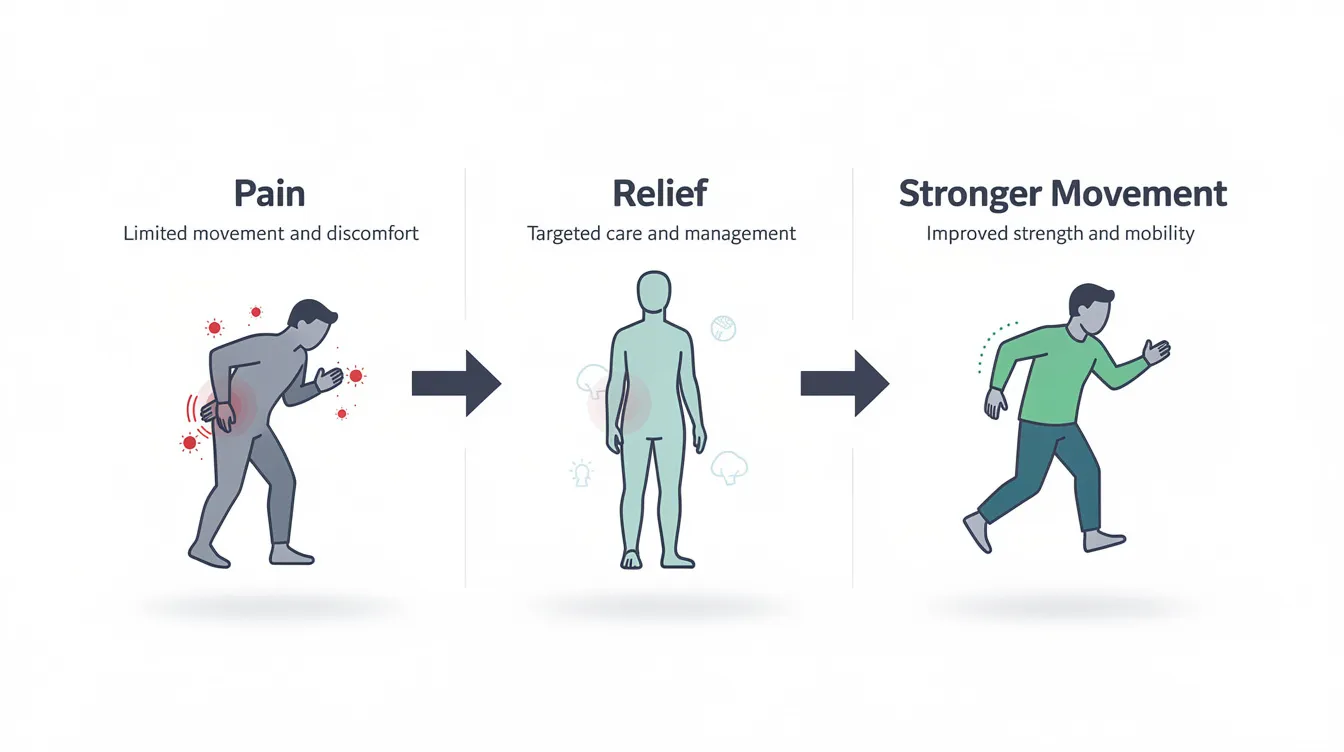
Chiropractic meaning, in practical terms, is about better movement, less pain, and improved function – and every treatment session is structured to serve those goals.
Comprehensive Assessment and Diagnosis
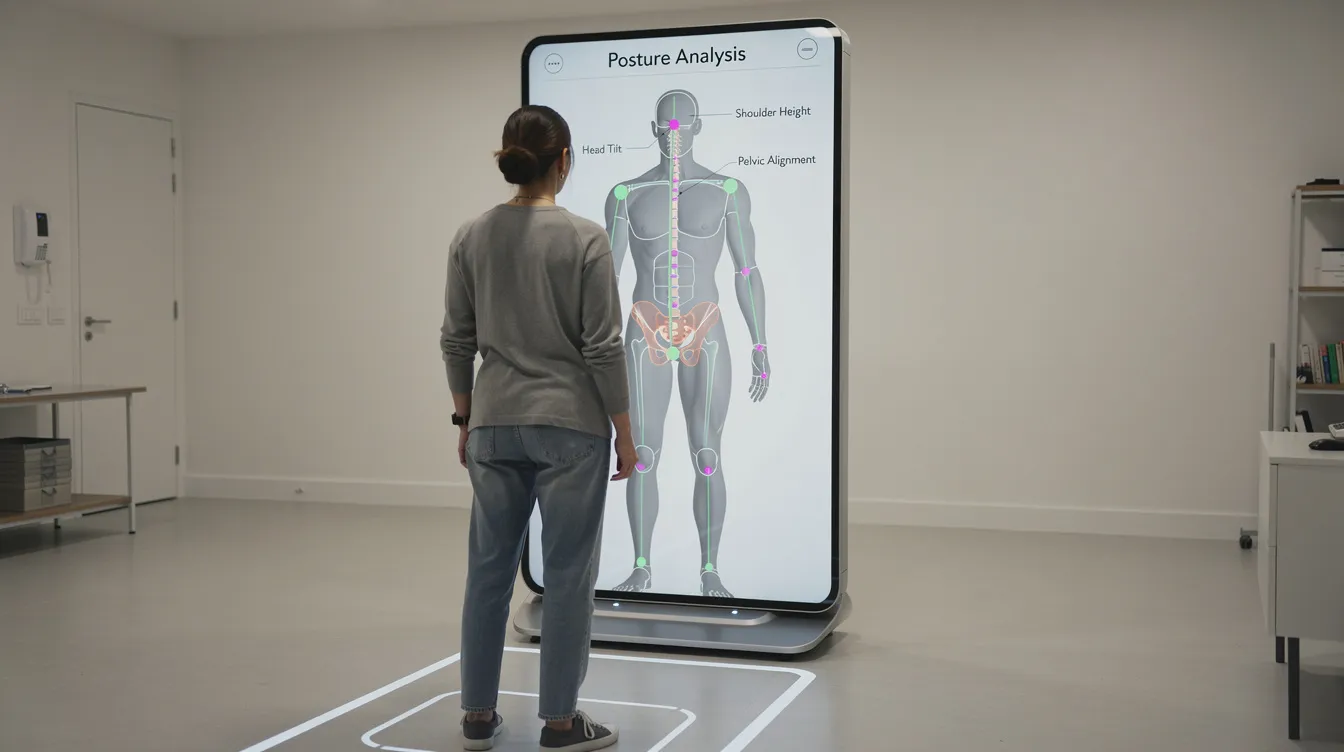
A typical first visit at Everton Chiropractic begins with a detailed health history, posture examination, and a series of orthopedic and neurological tests. When appropriate, diagnostic imaging such as x-rays or MRI referrals may be ordered to rule out red flags or clarify the diagnosis.
The chiropractor uses this data to determine whether the problem is mechanical – involving joints, discs, or muscles – nerve-related, or something that requires medical referral. Accurate diagnosis is central to the modern meaning of chiropractic: it is not about treating symptoms in isolation, but about understanding root causes. For instance, distinguishing between referred pain, radiculopathy (nerve root compression), facet joint involvement, and simple muscle spasm changes the entire treatment approach.
Spinal Adjustments: What They Actually Are
A spinal adjustment – the primary method of chiropractic treatment – is a precise, controlled force applied to a specific spinal joint to restore motion, reduce nerve irritation, and relieve pain. Spinal manipulation is the most recognized chiropractic technique and the most common chiropractic treatment worldwide.
The “popping” sound that sometimes accompanies an adjustment is cavitation: a rapid release of gas within the joint fluid. It is not bones grinding, and it is not a sign of damage. Spinal adjustments can be delivered manually (with hands) or through instrument-assisted techniques using handheld adjusting tools. Techniques are always adapted based on the patient’s age, size, and condition – lower force for elderly patients, children, or those with conditions like osteoporosis.
Chiropractic adjustments help restore joint mobility and reduce pain. Chiropractors use spinal manipulation to restore joint mobility, and spinal manipulation therapy restores joint mobility and function. When performed by trained chiropractors in a clinical setting like Everton Chiropractic, the process is comfortable and safe.

Beyond Adjustments: Soft Tissue, Exercise, and Posture Coaching
Chiropractic treatment involves more than spinal adjustments alone. Complementary methods are integral to how chiropractors manage pain and dysfunction:
-
Soft tissue therapy: Chiropractors may use soft tissue therapy to relieve muscle tightness. Techniques such as trigger point release, myofascial release, and targeted massage address muscle tension in the surrounding tissues of the spine and joints.
-
Rehabilitative exercises: Chiropractors recommend rehabilitative exercises to support treatment. These include corrective exercises for posture, movement retraining, and strengthening programmes designed for the patient’s specific needs. Core stability exercises are a frequent component.
-
Posture and lifestyle coaching: Education is a core part of chiropractic meaning. For Singapore office workers, this means practical advice on desk ergonomics, sleeping positions, and device-use habits. Chiropractors provide lifestyle advice to enhance posture and support the healing process long term.
-
Spinal traction or decompression: Used in specific cases to gently stretch the spine and relieve pressure on compressed discs or nerves.
At Everton Chiropractic, patients often receive tailored home exercise programmes to maintain improvements and prevent recurrence – because lasting relief depends on what happens between visits, not just during them.

Conditions That Clarify What Chiropractic Really Means
The conditions most commonly treated by chiropractors bring the meaning of chiropractic into sharp focus:
-
Mechanical low back pain: Pain arising from joints, discs, and muscles without systemic cause. 50% of chiropractic patients seek treatment for low back pain, and research supports spinal manipulation for modest improvements in pain and function in certain conditions. Chiropractic care is recognized for treating low back pain effectively.
-
Neck pain and tech neck: Forward head posture, stiff neck, and muscle tension from prolonged screen time. 23% of chiropractic patients seek treatment for neck pain. For targeted strategies, see this guide to neck pain relief for office workers.
-
Sciatica: Compression or irritation of lumbar nerve roots causing radiating leg pain, numbness, or tingling. Chiropractors treat sciatica, shoulder pain, and knee pain through spinal and joint mechanics.
-
Tension headaches and migraines: Often arising from neck joint dysfunction or chronic muscle tension. Chiropractic care is effective for tension headaches and migraines.
-
Shoulder and knee pain: Joint pain and mechanical dysfunction addressed through manipulation, mobilisation, and exercise.
-
Scoliosis: Milder curves managed through posture work, movement, and exercise – severe cases are referred to specialists.
-
Age-related stiffness and mobility decline: Chiropractic adjustments improve joint mobility and reduce stiffness for older adults who want to maintain independence in walking, bending, and daily activities.
Consider two real-world scenarios. A 35-year-old IT professional in Tanjong Pagar with chronic neck stiffness and occasional headaches from desk and device work benefits from cervical adjustments, soft tissue release, ergonomic advice, and a structured exercise plan over six to eight weeks. A 60-year-old retired caregiver with lower back pain affecting walking and bending receives spinal manipulation for relief, exercises to strengthen the core and improve hip mobility, and optional maintenance check-ups afterward.
The key point: chiropractic meaning is deeply practical – better movement, less pain, and improved function in daily life.

How Chiropractic Works in Detail: From First Visit to Long-Term Care
Now that the meaning of chiropractic is clear both conceptually and practically, this section details how a care journey typically unfolds. This is not a rigid formula, but a common structure: assessment, initial relief, corrective care, and optional maintenance.
The Chiropractic Care Process at Everton Chiropractic
The care journey at Everton Chiropractic generally follows this pathway:
-
Pre-visit: Book online, complete the intake form, and gather any relevant information – past imaging, medical reports, or referral letters from other physicians.
-
First appointment: A detailed consultation covering your health history, physical examination, posture and movement assessment, and neurological and orthopedic tests. Findings are explained in clear, jargon-free language.
-
Report of findings: The chiropractor explains the diagnosis, involved structures, how lifestyle habits contribute, and proposes a treatment plan with expected timeline and transparent costs – without high-pressure package selling.
-
Initial care phase: More frequent visits aimed at reducing pain, improving mobility, and stabilising the acute issue. This is where most people experience the most noticeable relief.
-
Corrective and strengthening phase: Less frequent visits with greater emphasis on exercise, posture retraining, and lifestyle adjustments to solidify gains and address underlying imbalances.
-
Maintenance or review-based care: Optional, lower-frequency check-ins for those who want to maintain spinal health – particularly valuable for desk-bound workers and older adults seeking to preserve mobility and well being.
Chiropractic care can accelerate healing from injuries and help patients avoid unnecessary reliance on drugs or surgery by addressing mechanical dysfunction early and thoroughly.
What Chiropractic Means Compared with Other Therapies
Understanding how chiropractic differs from related professions helps clarify its distinct meaning:
|
Criterion |
Chiropractic |
Physiotherapy |
Osteopathy |
|---|---|---|---|
|
Primary focus |
Spinal joint alignment, nervous system function |
Exercise rehabilitation, movement retraining |
Broad manual treatment of muscles, joints, soft tissues |
|
Main tools |
Spinal adjustments, manipulation, soft tissue work |
Exercise, modalities (ultrasound, electrical stimulation) |
Manual palpation, manipulation, stretching |
|
Typical patient goals |
Pain relief, posture correction, joint mobility |
Recovery from injuries, surgical rehab, function restoration |
Pain relief, tissue balance, mobility |
|
Drug/surgery involvement |
Drug free, non invasive |
Non-surgical, sometimes co-managed with medical teams |
Non-surgical, manual focus |
Chiropractic differs from conventional medicine which often uses drugs and surgery. Meanwhile, chiropractic integrates with other forms of healthcare for comprehensive patient management. In Singapore, patients often see more than one type of provider over time, and chiropractors at Everton Chiropractic are open to collaborating with GPs and physiotherapists when beneficial. For a more detailed comparison, see this article on physiotherapy vs chiropractic decompression.
Interpreting Research and Evidence in Plain Language
What does research actually say about chiropractic treatment? Here is a plain-language summary:
-
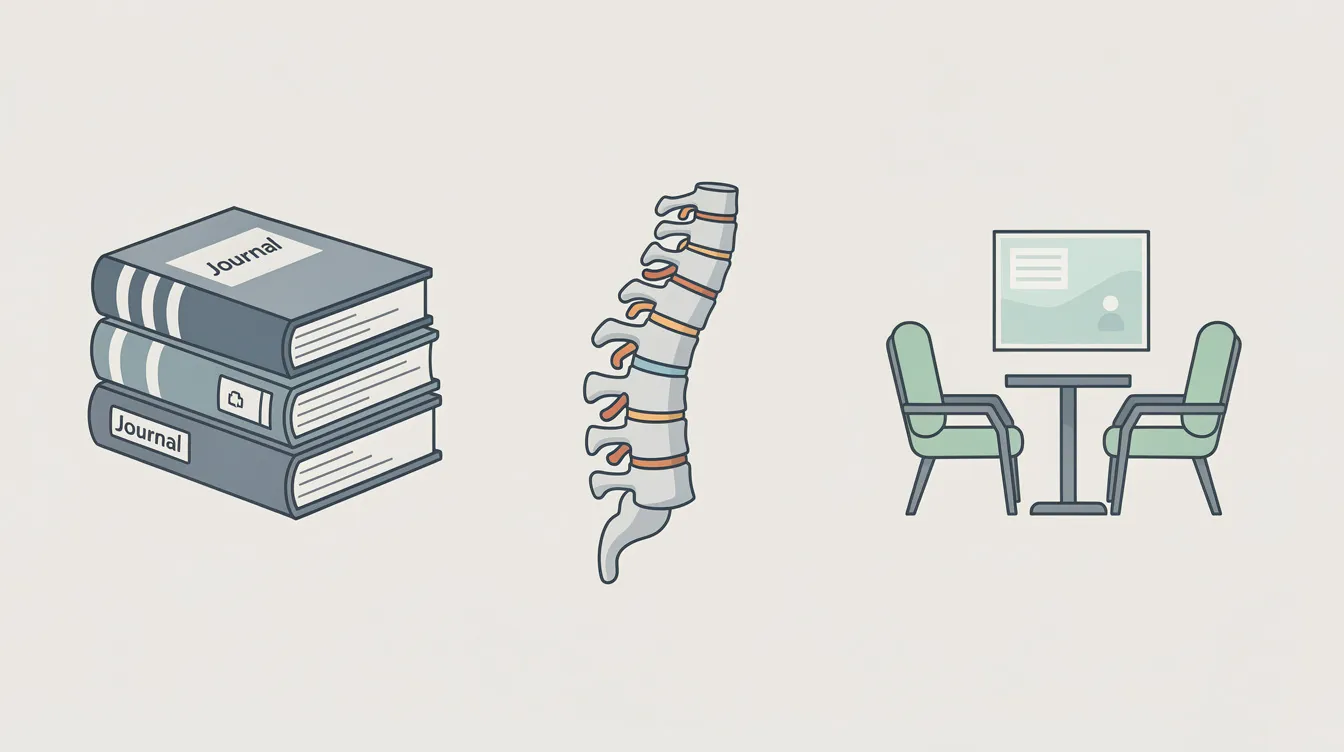
Low back pain: A Cochrane review of 76 randomised controlled trials involving 11,866 participants found that spinal manipulative therapy produces small to moderate improvements in pain and function for chronic low back pain compared to sham or no treatment. Effect sizes are generally modest, and certainty of evidence ranges from low to moderate.
-
Neck pain and headaches: Growing evidence supports spinal manipulation for neck pain and cervicogenic headaches, though data is less extensive than for low back pain.
-
Multimodal care: Research increasingly shows that combining spinal manipulation with exercise, education, and posture coaching produces better outcomes than manipulation alone.
-
Global guideline endorsement: Clinical practice guidelines in the UK (NICE), US (ACP), and Denmark recommend non-pharmacologic, non-invasive treatments including manual therapy and spinal manipulation as first-line treatment options for acute and chronic low back pain.
-
Scale of use: Almost 2.7 million patients in Ontario alone use chiropractic care annually, reflecting broad acceptance of the profession globally.
“Evidence-based chiropractic” means combining the best available research with clinical expertise and patient preferences. Everton Chiropractic follows current guidelines – conservative care first for back pain, with referral to invasive options only when appropriate.
Common Misunderstandings About the Meaning of Chiropractic (and the Real Story)
Misconceptions can make people hesitant to try chiropractic care, especially in health cultures like Singapore’s where complementary and alternative medicine is sometimes viewed with caution. This section takes the most common myths and decodes what chiropractic really means in each context.
“Chiropractic Just Cracks Bones”
The myth: chiropractic involves dramatic twisting and violent bone cracking, and that is all it is.
The reality: adjustments are precise joint movements targeting specific spinal joints and surrounding tissues. The goal is controlled movement restoration – returning a joint to its optimal position and range of motion. The cracking sound is cavitation, not bones being hammered into place like Lego pieces.
At Everton Chiropractic, practitioners use both manual and gentler, low-force techniques, chosen based on the patient’s age, condition, and comfort level. Mobilisation is a gentler technique for joint movement, and instrument-assisted methods are available for patients who prefer minimal force.

“Chiropractic Is Not Safe”
Common concerns in Singapore include fear of paralysis, stroke, or severe injury from neck adjustments. These fears are understandable, but the evidence paints a reassuring picture.
Most temporary adverse effects of chiropractic treatment are mild and short-lived – muscle soreness, brief increase in pain, or fatigue. These resolve within a day or two in most cases. Serious adverse events are extremely rare, particularly when patients are properly screened. Chiropractic treatment is recognized as safe for musculoskeletal issues when performed by trained practitioners.
At Everton Chiropractic, safety protocols include thorough history taking, red-flag screening (checking for signs of infection, cancer, severe osteoporosis, or neurological deficits), and diagnostic imaging when necessary. Conditions that may be unsuitable for certain techniques – such as fractures, active cancer, or severe bone thinning – are identified early, and patients are referred to medical specialists when needed. Forces and techniques are always tailored, especially for seniors or those with underlying conditions.

“You Have to See a Chiropractor Forever”
This belief often stems from stories of aggressive package selling and pressure to commit to years of care. It is not how ethical chiropractic practice works.
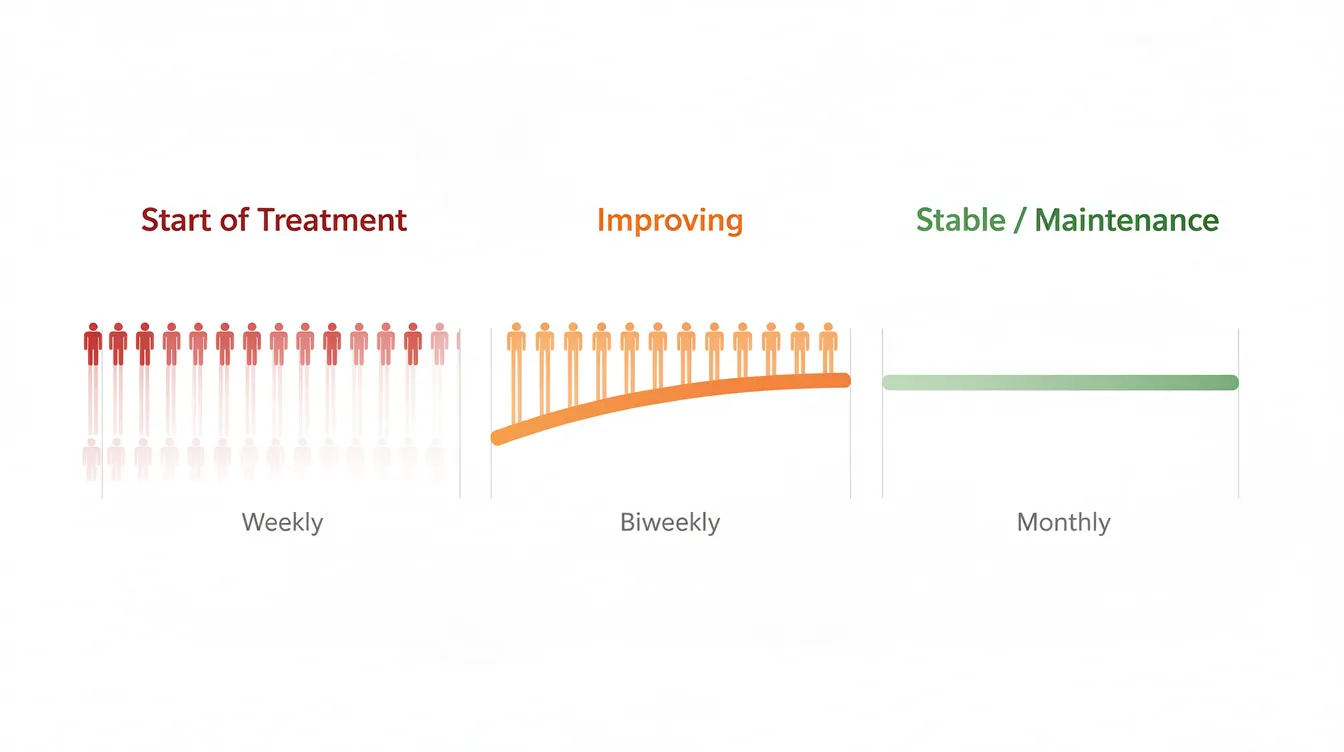
At Everton Chiropractic, recommended visit frequency is based on condition severity, patient goals, and response to care. Patients are not locked into packages. Acute pain may lighten within a few sessions. Long-standing posture problems and chronic low back pain often take weeks to months of corrective work.
The distinction is clear: short-term relief care is goal-directed and finite. Long-term wellness or maintenance care is optional – available for those who want periodic check-ins to preserve spinal health, especially desk-bound workers and older adults. Chiropractic emphasizes the body’s natural ability to heal itself without drugs or surgery, and the aim is always to empower patients to manage their own health, not to create dependency.
“Chiropractic Can Cure Everything”
Some historical claims positioned chiropractic as a treatment for internal diseases like diabetes, asthma, or heart disease. This is misleading.
While improving spinal function and movement can positively influence overall well being and activity levels, chiropractic is not a replacement for necessary medical management of non-musculoskeletal diseases. Chiropractic care is used for neuromusculoskeletal complaints – not as alternative medicine for systemic conditions.
Everton Chiropractic’s stance is clear: realistic claims limited to musculoskeletal and function-related concerns, with appropriate referrals to GPs and specialists when issues fall outside the chiropractic scope. Chiropractors use a conservative, non-invasive approach in patient management, and that approach works best when integrated with broader health care when needed.

Conclusion and Practical Next Steps
The modern chiropractic meaning is this: a hands-on, evidence-informed healthcare profession centred on spinal health, nervous system function, and long-term movement improvement. It is drug free, non invasive, and built on rigorous clinical training. Chiropractic care helps most people with mechanical musculoskeletal pain achieve meaningful relief and improved function when delivered by a qualified practitioner with appropriate screening.
For many Singapore residents dealing with neck pain, back pain, sciatica, posture issues, sports injuries, or mobility decline, chiropractic treatment can be a safe, conservative first-line option before considering more invasive treatment options.
Here are your practical next steps:
-
Reflect on your symptoms: Consider your current movement limits – sitting tolerance, walking distance, sleep comfort, recurring joint pain or muscle tightness.
-
Gather your records: Bring any past imaging, medical reports, or specialist letters related to your spine or joints.
-
Book an initial assessment: Schedule a visit at Everton Chiropractic to clarify whether chiropractic care is appropriate for your situation.
-
Ask questions: During your first visit, ask until you fully understand your diagnosis, proposed treatment plan, expected timeline, and costs.
Related topics to explore next: posture correction strategies for desk workers, exercises to support chiropractic care, and how aging adults can maintain spinal mobility safely.

Additional Resources and FAQs on Chiropractic Meaning
This section serves as a quick-reference area for readers who want extra reassurance or a concise recap. Everton Chiropractic can also provide printed or digital posture guides and exercise sheets during visits.
Frequently Asked Questions
Q: What does “chiropractic” literally mean? A: The word comes from Greek – cheir (“hand”) and praktikos (“done by hand”). It translates to hands-on care, which accurately describes the profession’s focus on manual treatment of the spine, joints, and nervous system.
Q: Do I need a referral to see a chiropractor in Singapore? A: No. Patients in Singapore do not need a referral to see a chiropractor. You can book directly with Everton Chiropractic. According to MOH Singapore, chiropractic services are classified as complementary treatment, and regulation is managed through professional associations rather than statutory boards.
Q: How quickly can I expect results? A: This depends on your condition. Some acute issues – like a recent onset of back pain or joint stiffness – may feel better within a few visits. Long-standing posture problems, chronic low back pain, or complex movement dysfunction often take weeks to months to address meaningfully. Your chiropractor will set realistic expectations during your report of findings.
Q: Is chiropractic covered by insurance in Singapore? A: Chiropractic is generally not Medisave-claimable. However, some private or corporate insurance plans may cover part of the cost depending on your policy. It is advisable to check with both your insurer and the clinic before starting care.
Q: Can children and seniors benefit from chiropractic care? A: Yes, when care is adapted to the patient’s age and health status. Gentle, low-force techniques are used for children and elderly patients. For older adults, chiropractic can help maintain mobility, reduce stiffness, and support daily activities like walking and caregiving. Regular chiropractic treatment enhances overall nervous system function across all age groups.