
Introduction
Active life chiropractic is a proactive approach to spinal health that goes far beyond treating symptoms – it focuses on restoring and maintaining the alignment, posture, and movement patterns your body needs to function at its best every day. At Everton Chiropractic in Singapore, this philosophy drives everything we do: helping adults stay mobile, independent, and pain‑free through structured, non‑surgical care that addresses root causes rather than masking discomfort.
This article is written for adults in Singapore who want to understand how active life chiropractic can help them manage or prevent common musculoskeletal problems – whether that means neck and back pain from desk work, sciatica flaring up during weekend sports, scoliosis affecting posture, shoulder and knee pain from daily activities, or stiffness and balance issues that come with aging. The scope here is non‑surgical, drug‑free chiropractic care combined with lifestyle guidance. Emergency medicine and invasive orthopedic surgery fall outside what we cover.
So what exactly is active life chiropractic? It is chiropractic care deliberately focused on spinal alignment, posture correction, and joint mobility so that people can live an active daily life – walking, working, exercising, caring for family, and aging well – with minimal pain and maximum function.
By reading this article, you will:
-
Understand what active life chiropractic is and how it differs from symptom‑only treatment
-
Learn which conditions Everton Chiropractic commonly treats and why they develop
-
Know exactly what to expect at your first visit, including assessment and diagnosis steps
-
Discover how personalised care plans support long‑term wellness and mobility
-
Gain practical tips for integrating chiropractic guidance into work, exercise, and home routines
Throughout the article, illustrative images – spine alignment diagrams, posture comparisons, clinic photos, and exercise demonstrations – help make each concept easier to visualise.
Understanding activelife chiropractic
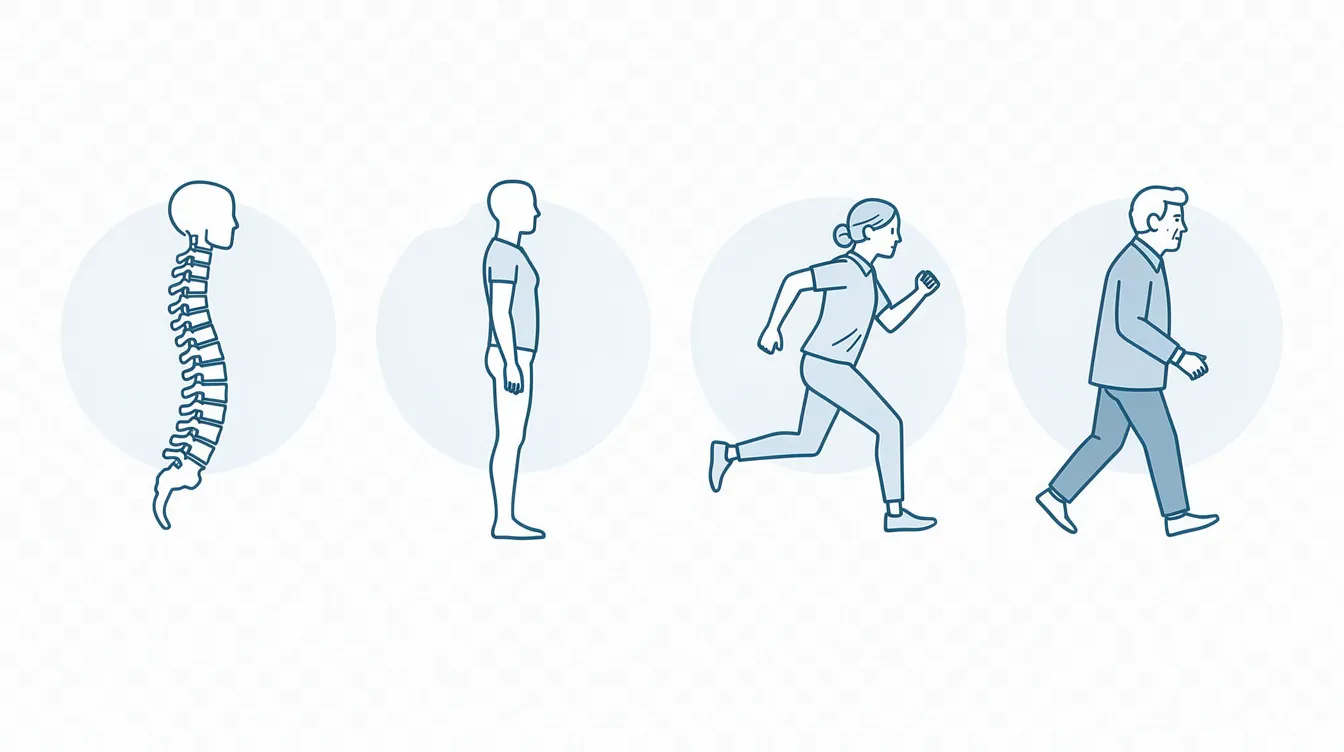
Active life chiropractic connects spinal health directly to everyday movement. Whether you are sitting at a desk for ten hours, carrying groceries up HDB stairs, playing badminton on weekends, or chasing grandchildren around the park, your spine’s alignment and your nervous system’s function determine how well – and how painlessly – you move. Chiropractic care emphasizes improving health to prevent illness, rather than waiting for pain to force you into a clinic.
At Everton Chiropractic, we practice “movement‑first” care. This means every assessment, adjustment, and exercise recommendation is designed with one question in mind: how does this help you move better in your actual life? Chiropractic services are gaining popularity as an alternative to traditional medicine precisely because this approach delivers results that patients can feel in their daily routines – not just on the treatment table.
The Core Principles of activelife chiropractic
Active Life Chiropractic focuses on four core principles that guide every care plan:
-
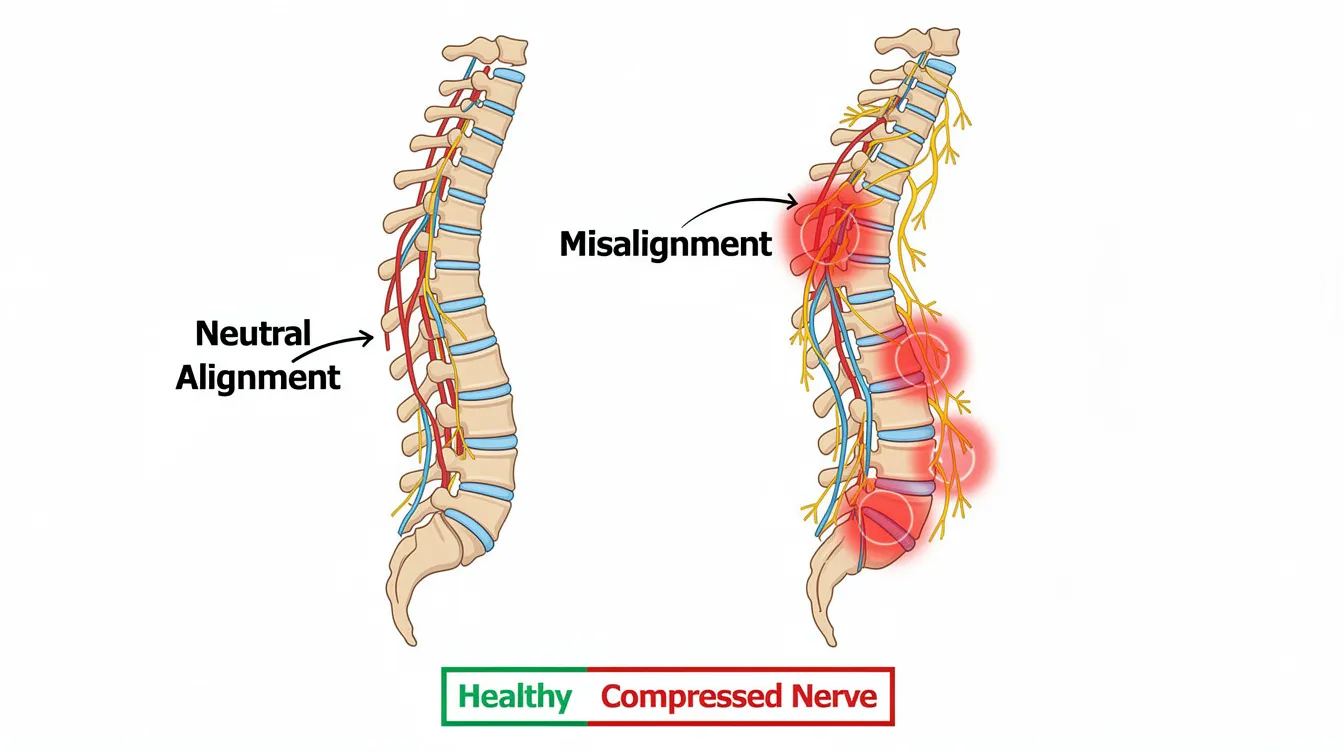
Spinal alignment – Proper stacking of vertebrae in their natural curves (cervical lordosis, thoracic kyphosis, lumbar lordosis) reduces the risk of pain and illness. Misalignment can lead to musculoskeletal disorders that compound over months and years. Proper spinal alignment improves overall health and wellness by reducing mechanical stress on joints, discs, and nerves.
-
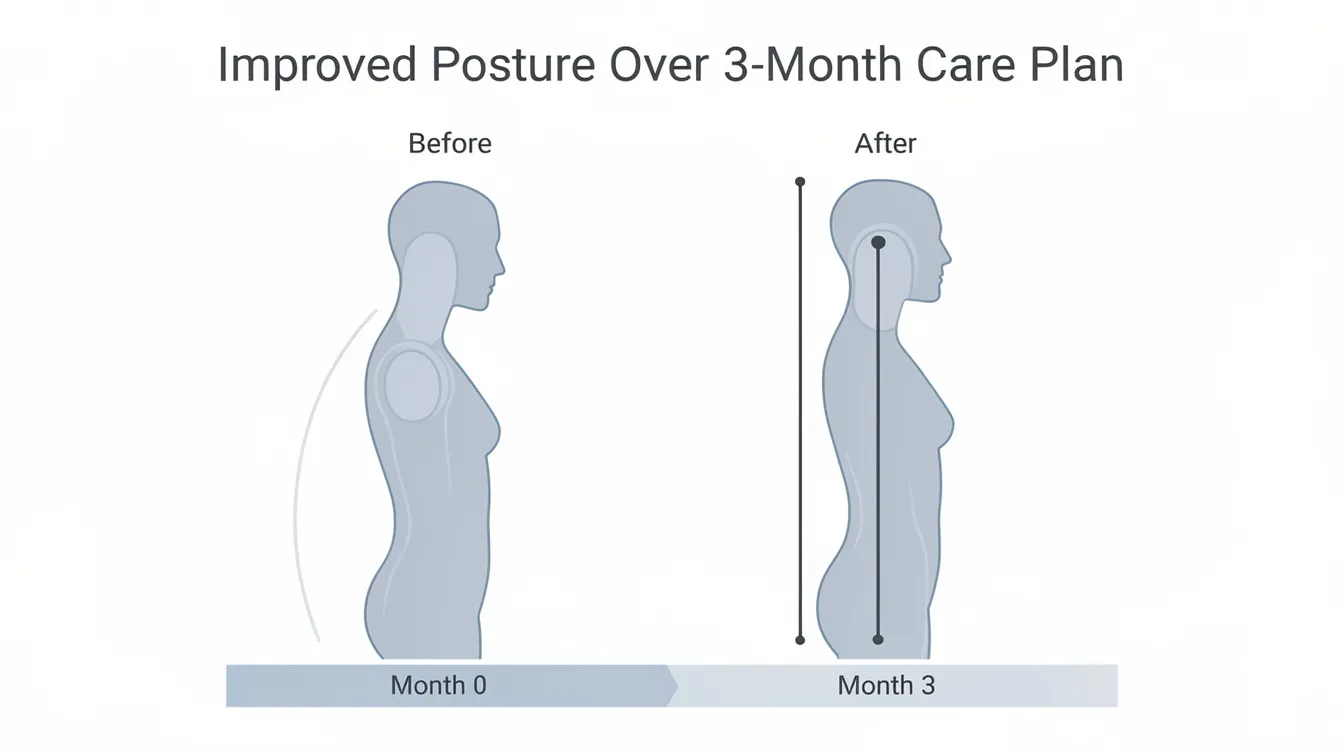
Posture optimization – Aligning the ear‑shoulder‑hip line, maintaining a neutral pelvis, and avoiding forward head or rounded shoulders means your muscles work efficiently rather than fighting gravity. Posture issues can lead to long‑term musculoskeletal disorders if left unaddressed. Active Life Chiropractic focuses on posture correction techniques that translate into real comfort at work and at home.
-
Joint mobility – The capacity of your spine, hips, shoulders, and knees to move through their full range without pain or restriction. Restricted joint mobility causes compensatory stress elsewhere in the kinetic chain. Chiropractic services improve long-term movement and function by restoring this range progressively.
-
Nervous system balance – Your spine houses and protects the spinal cord. Reducing irritation or compression of nerve roots ensures proper sensory and motor function, fewer radiating symptoms, and better overall coordination. Spinal alignment reduces the risk of pain and illness by keeping neural pathways clear.
At Everton Chiropractic, these principles are used to design individualised treatment plans. No two patients receive identical care because no two spines carry the same history of injury, habit, and posture.
How activelife chiropractic Differs from Symptom‑Only Care
Quick symptom relief – painkillers, a 30‑minute massage, a heat pack – can feel good in the moment, but it rarely addresses why the pain appeared in the first place. This is where activelife chiropractic diverges sharply from conventional approaches. Rather than treating the painful spot alone, chiropractors perform detailed consultations to identify the root causes of discomfort across the entire kinetic chain.
For example, a patient presenting with lower back pain may actually have hip stiffness or pelvic misalignment driving the problem. Spinal adjustments restore function at the source, and regular reassessments track posture, mobility, and strength over weeks and months to confirm the care plan is working. Patient-centered chiropractic care emphasizes individualized treatment plans that evolve as your body changes.
A proactive approach to wellness can reduce pain and illness risk far more effectively than reactive symptom chasing. With that foundation clear, the next step is understanding which specific conditions active life chiropractic can help.
Conditions activelife chiropractic Can Help
The principles above apply directly to the everyday problems Singapore adults face – desk‑bound work, long MRT commutes, caring for aging parents, and recreational sports that push the body harder on weekends than it moves during the week. While outcomes vary by person, many patients at Everton Chiropractic seek care for long‑standing mechanical issues rather than acute emergencies. Assessment and diagnosis are crucial in chiropractic treatment to determine the right approach for each condition.
Chiropractic services aim to relieve neck pain, lower back pain, and sciatica, but the scope extends further. Below, we cover the most common conditions we see.
Neck and Back Pain in an Urban, Desk‑Bound Lifestyle
A study of 324 office workers by Singapore General Hospital found that 73.4% reported pain in at least one body region, with neck (46%), shoulders (42%), and lower back (42%) being the most affected areas. Women had even higher prevalence at 78.8% compared to 63.9% for men.
The causes are familiar to anyone working in Singapore’s CBD: prolonged laptop use, smartphone scrolling during commutes, driving in traffic, and stress‑related muscle tension. Misalignment in the cervical and lumbar spine can trigger chronic neck pain, tension headaches, or persistent lower back stiffness. Non-surgical therapies can relieve neck pain effectively when the underlying alignment issues are corrected rather than masked.
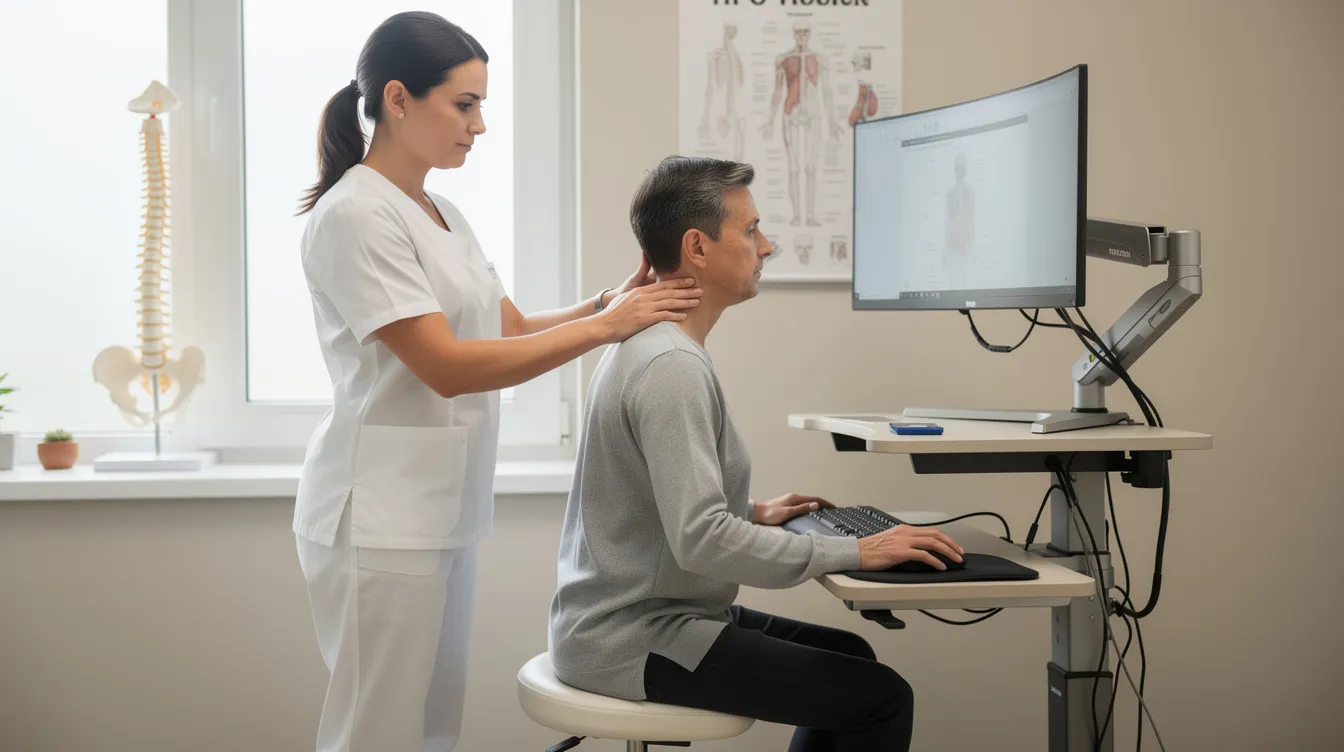
Assessment is crucial for effective neck pain treatment and effective back pain treatment alike. At Everton Chiropractic, typical cases involve adults aged 25–55 with recurring neck or low back pain that flares during busy work periods. Chiropractors offer personalized treatment plans for neck pain that combine adjustments, ergonomic coaching for tech neck, and home mobility work. Chiropractors offer advanced pain-relieving therapies for back pain, including spinal decompression therapy which addresses herniated discs and spinal stenosis.
Sciatica, Shoulder Pain, and Knee Pain in Active Adults
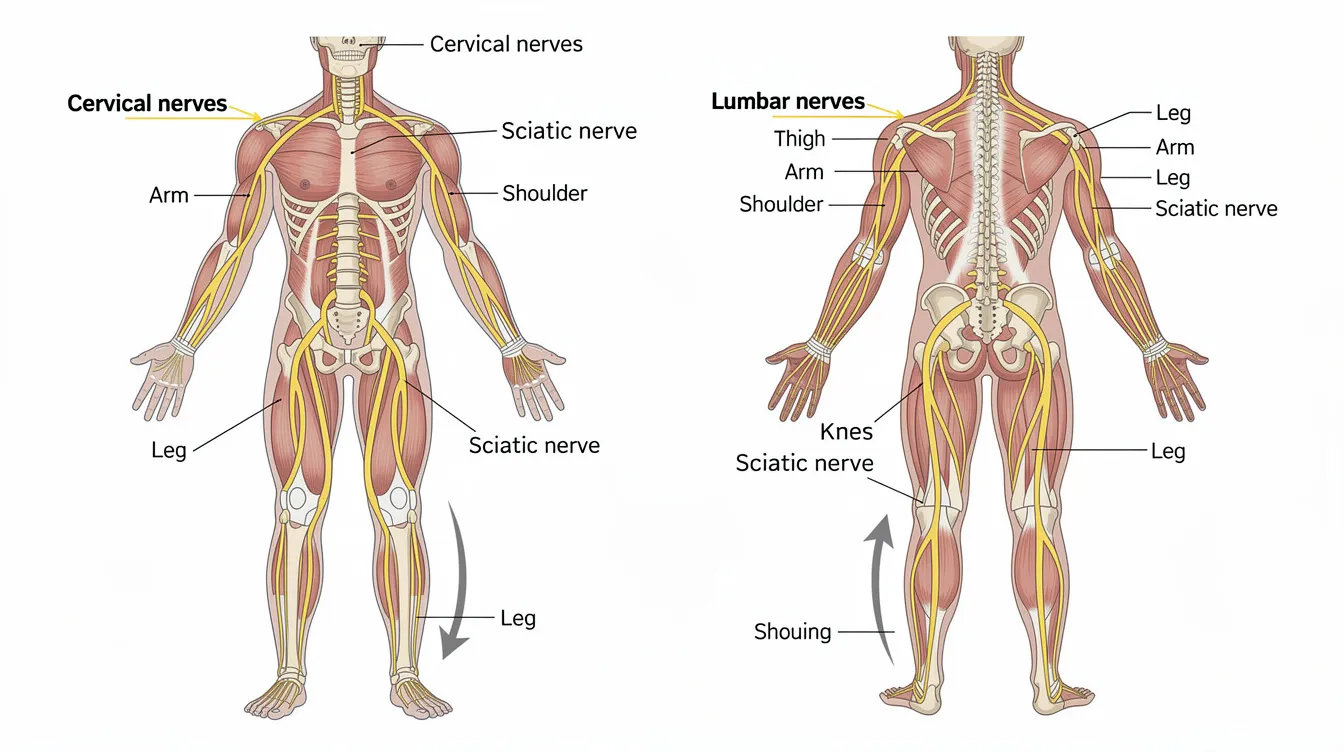
Sciatica is caused by compression of the sciatic nerve, typically from lumbar disc bulges or spinal segment dysfunction. Symptoms include pain, numbness, and weakness in the leg, often radiating from the lower back through the buttock and down one side. Sciatica can result from herniated or bulging discs, and non-surgical spinal decompression treats sciatica effectively alongside chiropractic adjustments. Treatment options include physical therapy and chiropractic care working together.
Shoulder pain can result from musculoskeletal disorders originating not just at the shoulder itself, but from neck misalignment, tight upper back musculature, or scapular dysfunction. Chiropractors offer non-surgical therapies for shoulder pain relief by tracing the problem back through the kinetic chain. Assessment and diagnosis are crucial for effective shoulder pain treatment – the symptomatic joint is not always the source.
Knee pain can result from various musculoskeletal disorders and is common among adults experiencing musculoskeletal issues. Biomechanical chain problems – hip weakness, pelvic tilt, lumbar instability – frequently contribute to knee discomfort, especially in weekend athletes playing badminton, running, or hitting the tennis courts. Non-surgical therapies can effectively relieve knee pain when the root cause higher in the chain is addressed.
Posture Issues and Scoliosis in Teens and Adults
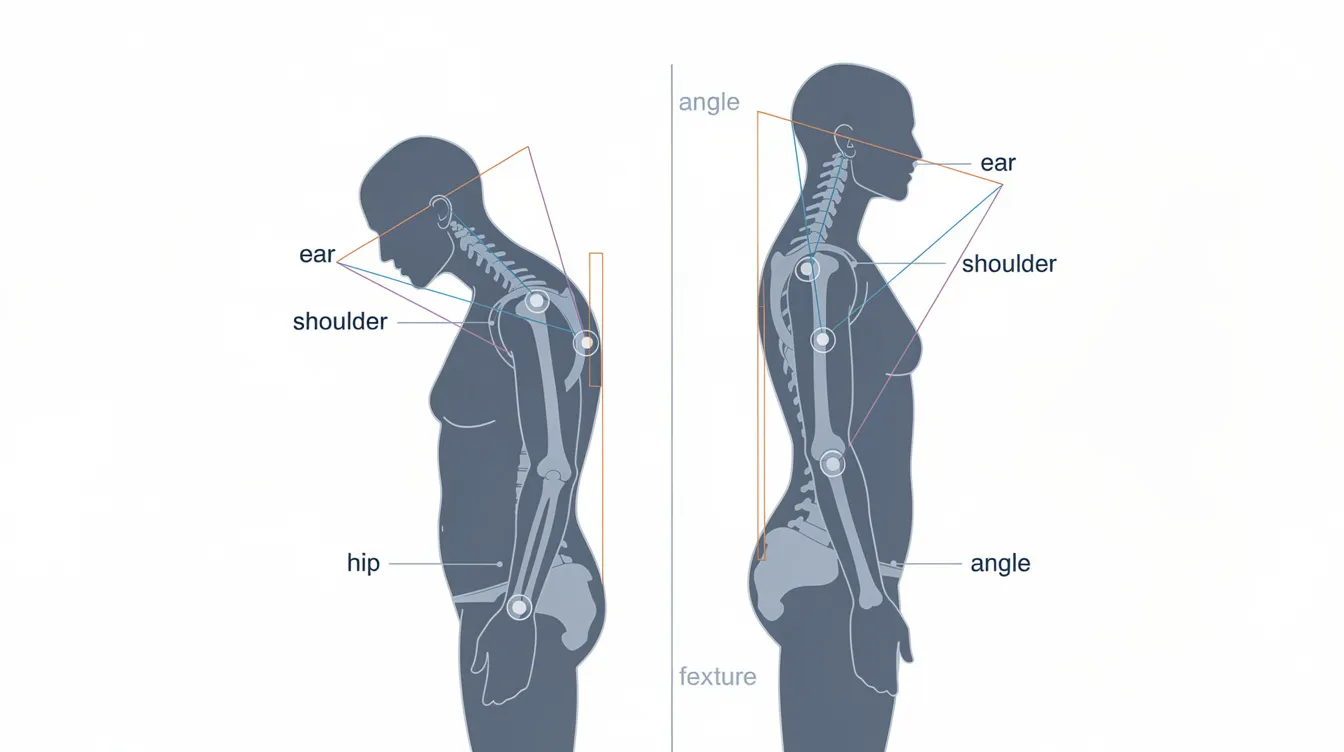
Modern posture problems are epidemic in Singapore: forward head posture from device use, rounded shoulders from hours hunched over laptops, “text neck” from scrolling, and sway back from prolonged sitting. Posture correction improves overall health and reduces pain – but only when the correction is sustained through habit change and structural support.
Scoliosis – a lateral curvature of the spine – ranges from mild to severe. Assessment and diagnosis are crucial for effective scoliosis treatment. Mild to moderate curves may be co‑managed with chiropractic care, posture work, and bracing. Non-surgical spinal decompression treats scoliosis effectively in appropriate cases. Chiropractors create personalized treatment plans for scoliosis that account for curve severity, patient age, and adherence capacity.
At Everton Chiropractic, posture assessments measure forward head position, pelvic tilts, spinal alignment deviations, and movement compensations for both working adults and students. Initial chiropractic assessments typically include posture and spinal evaluations as a baseline against which progress is tracked.
Aging, Mobility, and Staying Independent
Aging adults often experience a decline in mobility – stiffness increases, balance deteriorates, climbing stairs becomes uncertain, and the fear of losing independence grows. Chiropractic care can help improve mobility in aging adults through gentle adjustments, joint mobility work, and simple home exercises tailored to their capacity. Maintaining mobility is crucial for overall health in older adults, affecting everything from cardiovascular fitness to mental wellbeing.
At Everton Chiropractic, typical goals for older patients include walking 30 minutes daily, playing comfortably with grandchildren, and traveling without pain or anxiety about flare‑ups. Techniques are adapted for bone health – screening for osteoporosis and avoiding high‑force adjustments where needed. Wellness-oriented chiropractic care promotes proactive health maintenance rather than waiting for a fall or a fracture to trigger action.

These conditions are all addressed through a structured, step‑by‑step process – and understanding that process is the best way to reduce uncertainty before your first visit.
How Active Life Chiropractic Works at Everton Chiropractic
This section walks you through what happens from first contact to ongoing care at our Singapore clinic. Many first‑time chiropractic patients feel uncertain about what to expect, so we make each step clear and predictable. Chiropractic care offers non-surgical pain relief therapies in a structured framework designed to produce measurable results.
Step‑by‑Step: Your First Visit and Initial Assessment
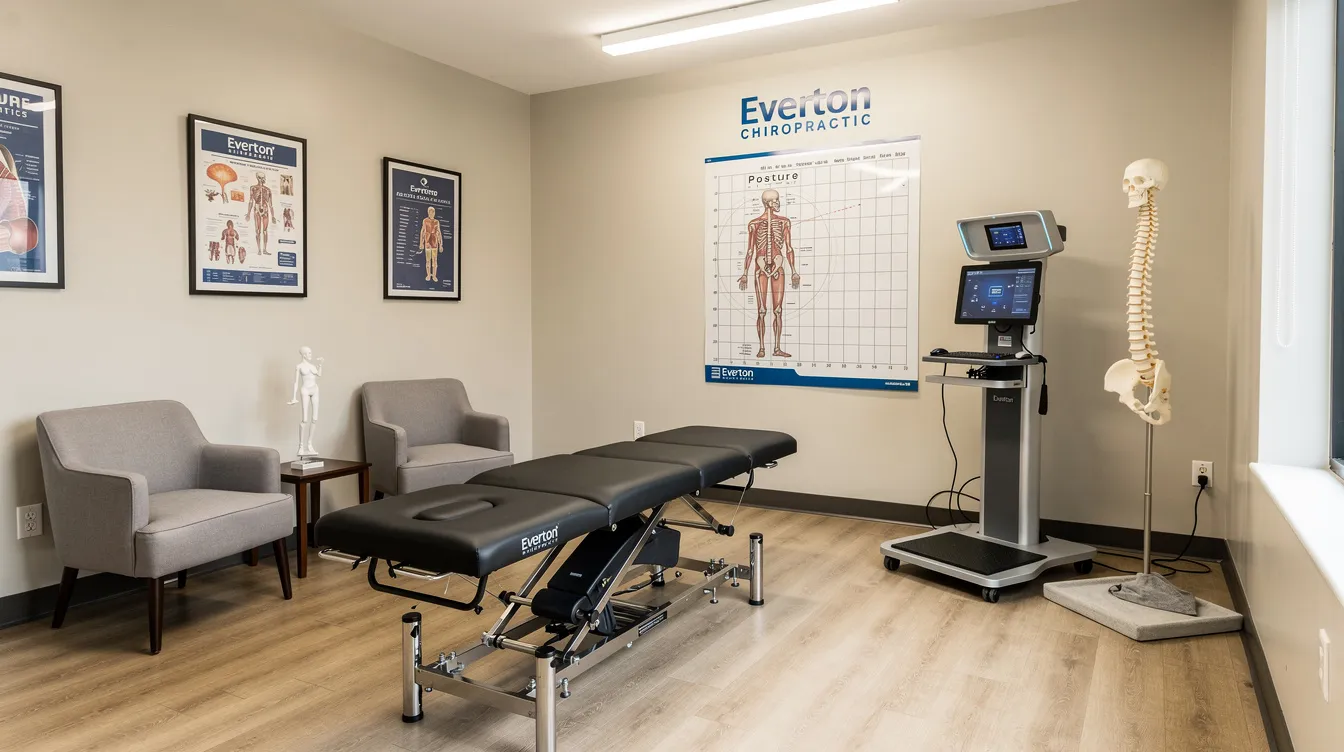
Your first visit at Everton Chiropractic typically lasts 45–60 minutes and follows a clear sequence:
-
Check‑in and health history questionnaire (15–20 minutes) – You will detail your symptoms, their duration, past injuries, surgeries, daily habits, work posture, sleep position, and stress levels.
-
Physical examination – Standing and seated posture assessment, range of motion testing, joint mobility checks, and orthopedic and neurological tests (reflexes, sensory screening where needed).
-
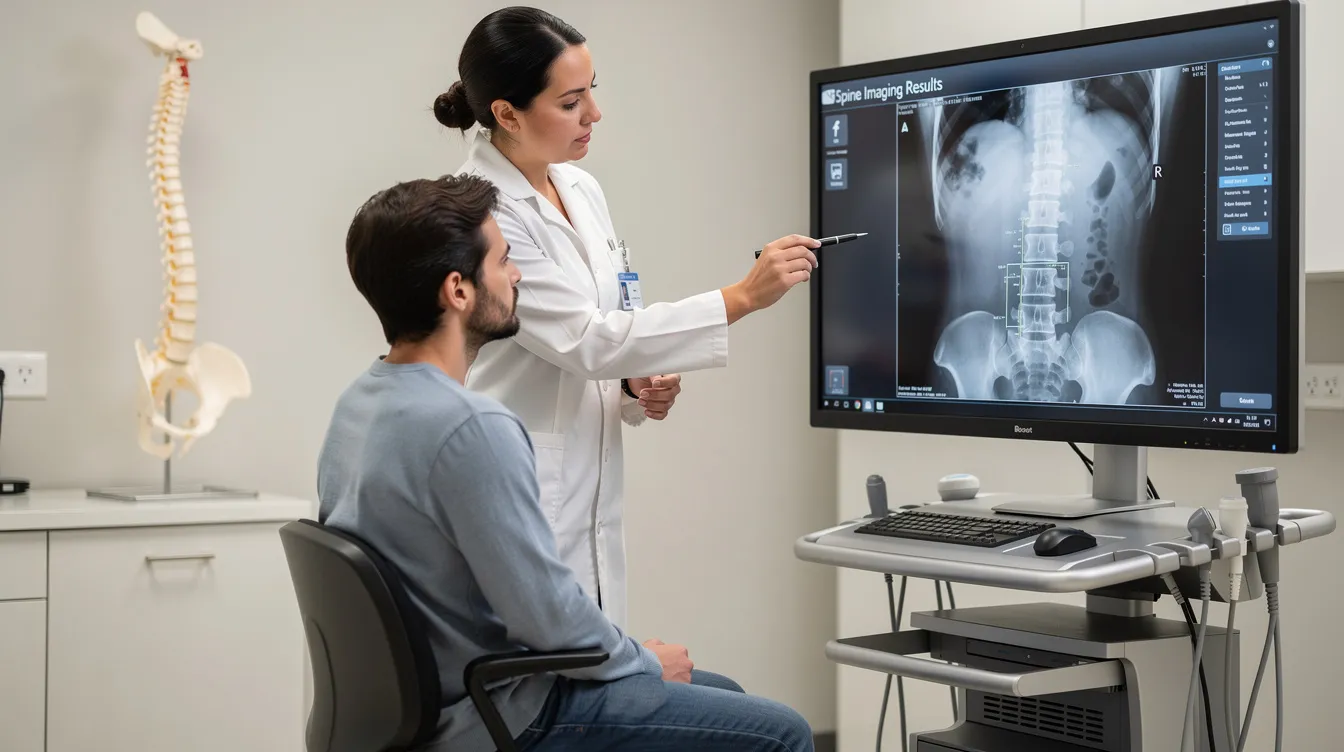
Imaging if indicated – X‑rays or referral for advanced imaging when structural abnormalities are suspected.
-
Explanation of findings – Your chiropractor explains what was found, what is likely driving your symptoms, and outlines a proposed intervention plan including estimated session frequency and home care.
-
Initial adjustment if appropriate – If clinically safe and indicated, a first adjustment may be performed during this visit.
Assessment and diagnosis are crucial in chiropractic treatment because the root cause of pain is frequently not where the pain is felt. A thorough first visit prevents misguided treatment and accelerates meaningful recovery.
Designing a Personalised activelife chiropractic Care Plan
Chiropractors create personalized treatment plans for each patient based on the findings from their initial assessment. At Everton Chiropractic, your care plan is a written document that specifies:
-
Visit frequency based on condition severity and chronicity
-
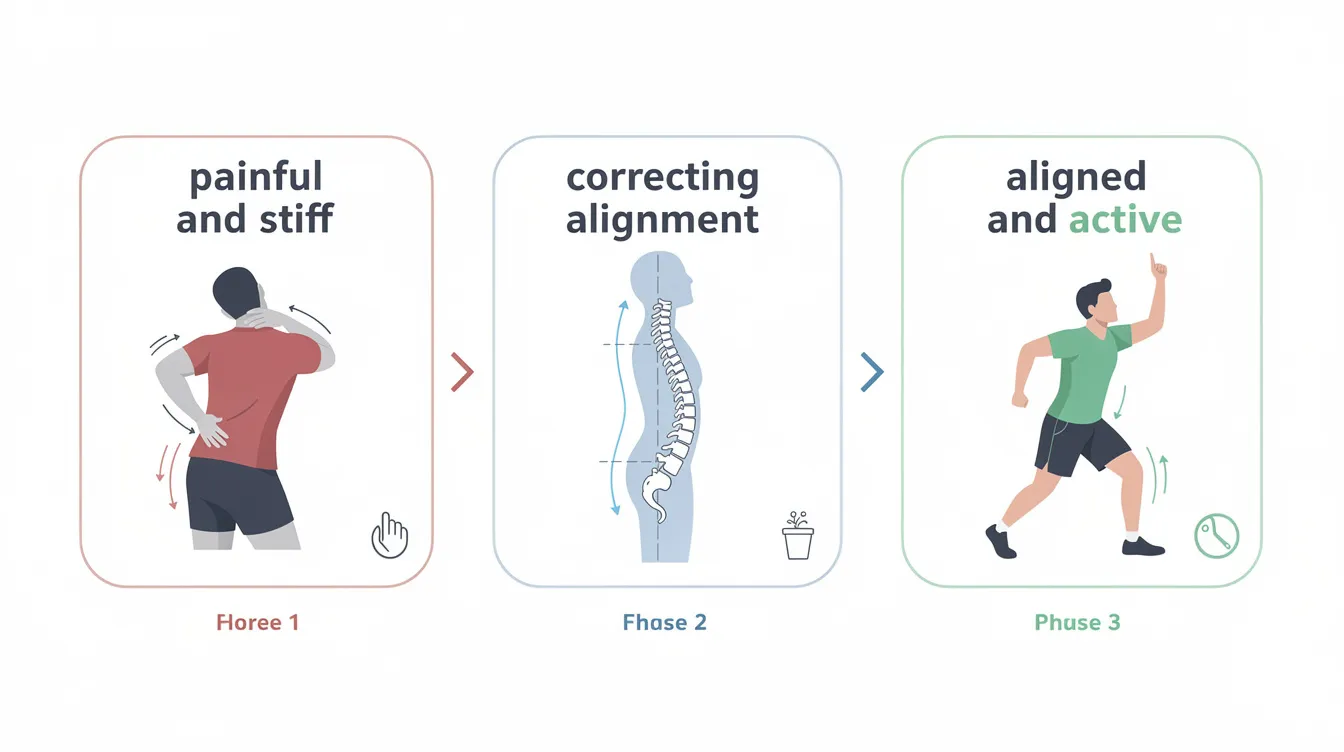
Treatment phases – relief (reducing pain and inflammation), correction (addressing structural and postural issues), and stabilization/maintenance (sustaining gains, preventing relapse)
-
Re‑evaluation dates to objectively measure progress
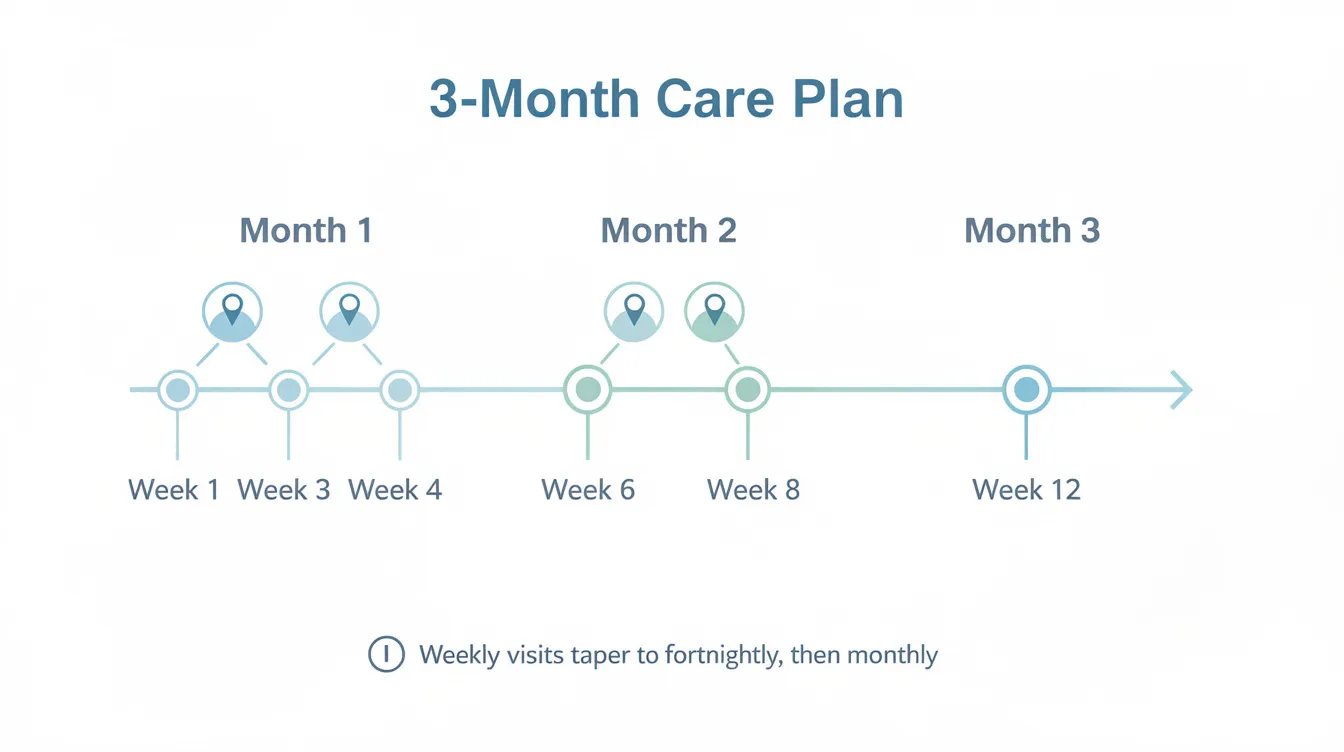
Common plan lengths range from 4–12 weeks initially, with acute conditions often requiring more frequent visits that taper as improvement occurs. Typical components include spinal adjustments, mobility drills, posture coaching, and ergonomic advice for both home and office environments. Chiropractic care may incorporate corrective exercises and lifestyle modifications that patients practice between sessions.
Regular maintenance adjustments can sustain spinal alignment and prevent discomfort from recurring after the active treatment phase concludes. Active Life Chiropractic focuses on optimal health maintenance as a long‑term strategy, not a short‑term fix.
activelife chiropractic Techniques and Complementary Therapies We Use
Everton Chiropractic employs several evidence‑informed techniques, selected based on each patient’s age, condition severity, bone density, and comfort level:
-
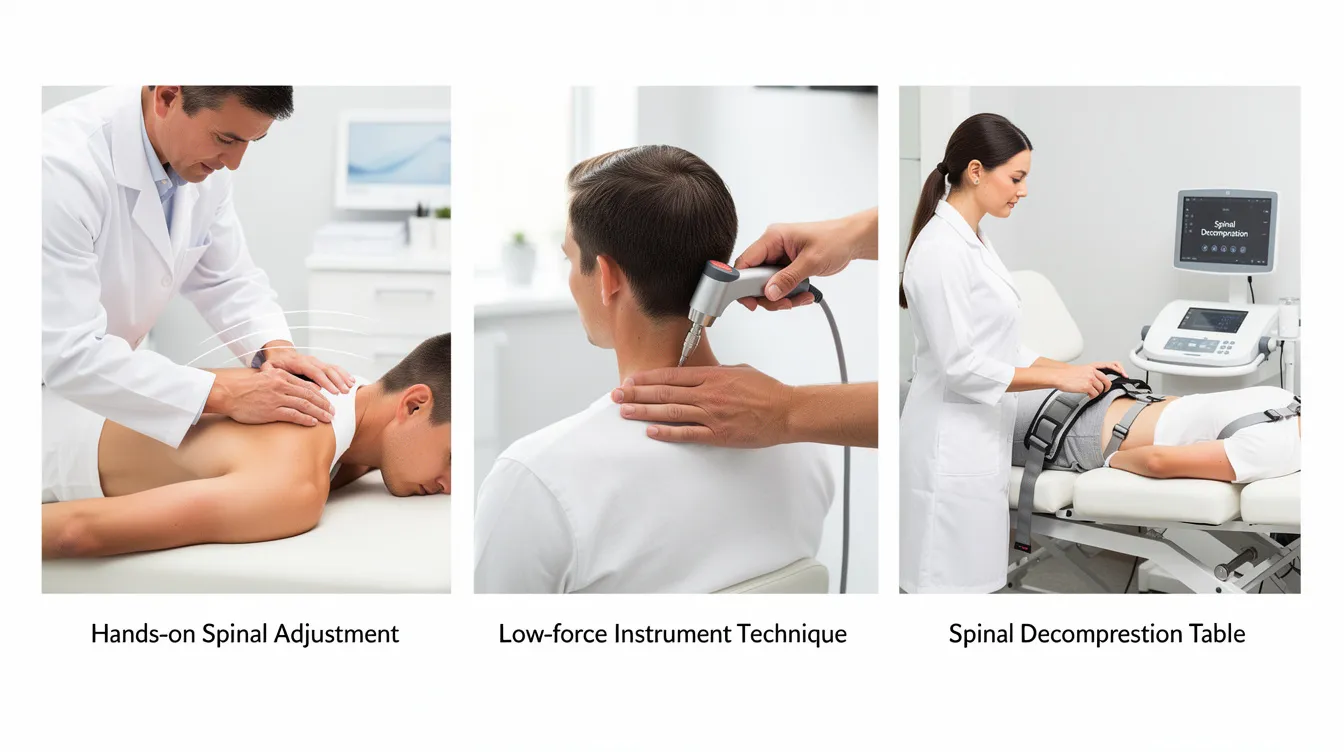
Diversified manual adjustments – Hands‑on spinal manipulation to restore joint motion and reduce nerve irritation. This is the most common technique and produces the “pop” sound some patients associate with chiropractic.
-
Instrument‑assisted techniques – Low‑force adjustments using specialised tools, suitable for patients who prefer gentler approaches or have conditions like osteoporosis.
-
Soft tissue therapy – Massage, trigger point work, and myofascial release to address muscular tension contributing to spinal dysfunction.
-
Spinal decompression – Non-surgical spinal decompression aids in managing painful conditions such as herniated discs, spinal stenosis, and nerve compression. Spinal decompression therapy can help with neck pain, sciatica, and back pain when disc‑related issues are present. Non-surgical spinal decompression treats herniated discs by gently creating negative pressure within the disc space.
-
Mobility and stretching protocols – Guided joint mobilisations and stretching sequences that improve range of motion progressively.
-
Core stability training – Targeted exercises that build the muscular support your spine needs to hold its corrected alignment.
Technique choice is never arbitrary. A 30‑year‑old athlete with a lumbar disc bulge receives very different care from a 65‑year‑old with osteoporotic thoracic stiffness. This structured, personalised approach improves the predictability of results and builds confidence that each session is moving you toward your goals.
Implementing Active Life Chiropractic in Daily Life
Active life chiropractic delivers its strongest results when in‑clinic care is combined with smart daily habits. The adjustments restore alignment; your daily choices determine how well that alignment holds. Lifestyle wellness includes seeking alternatives to traditional medicine – and also committing to the movement, posture, and ergonomic changes that sustain your progress.
Core Routine: From Pain Relief to Performance in activelife chiropractic
Chiropractic care follows a phased model that patients can understand and plan around:
-
Relief phase (weeks 1–3 typically) – Focus is on reducing pain and inflammation. Visits may be 2–3 times per week. Home exercises are gentle: walking, basic stretches, ice or heat as directed.
-
Correction phase (weeks 4–8) – Structural and postural issues are actively corrected. Visit frequency drops to 1–2 times per week. Home exercises expand to include core stability work, posture drills, and light strengthening.
-
Maintenance/performance phase (ongoing) – Less frequent check‑ups (fortnightly to monthly). Patients are independently managing posture, exercise, and ergonomics. The goal shifts from fixing problems to preventing recurrence and optimising function.
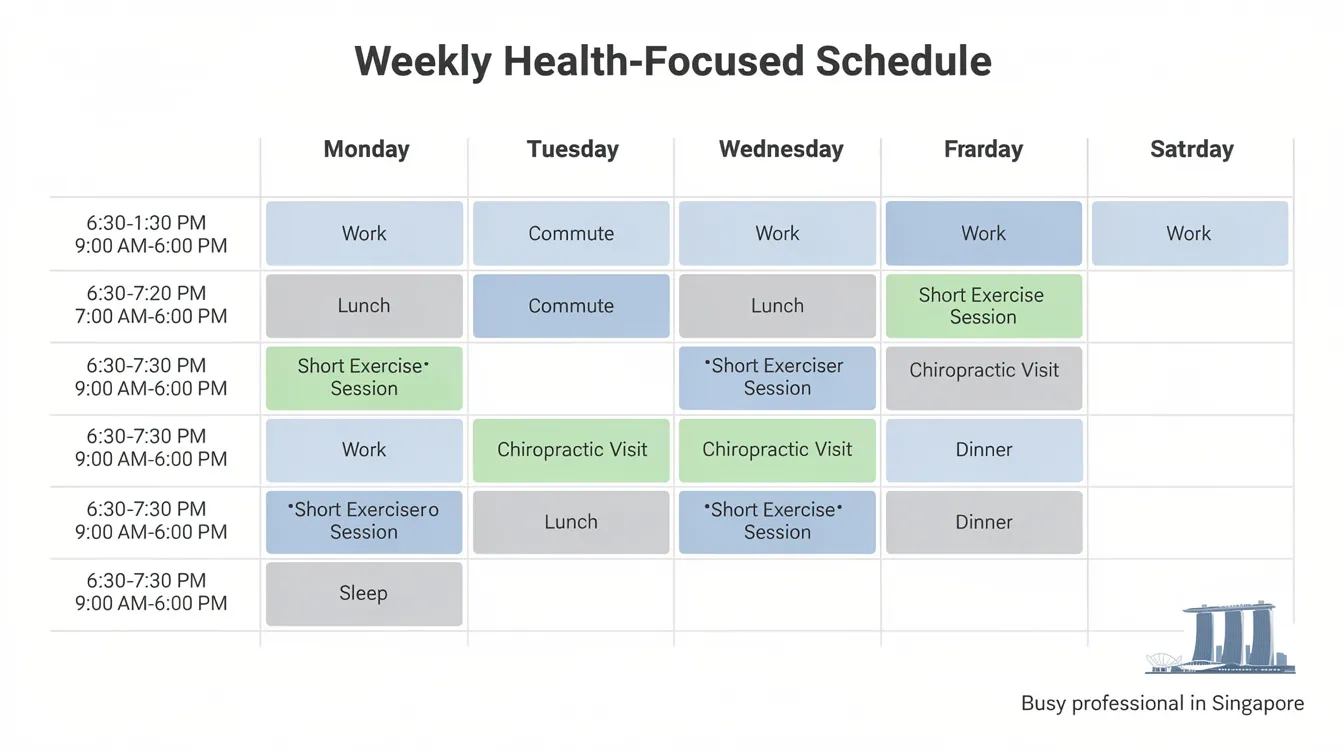
A realistic weekly routine for a Singapore professional might include 1–2 chiropractic visits, three 15‑minute home exercise sessions, and 30 minutes of daily walking. Chiropractic care aims to improve overall health and reduce illness risk over the long term through this progressive model.
activelife chiropractic Workstation and Daily Posture Adjustments
Chiropractic clinics often provide corporate health education on topics like ergonomics, and here are practical, Singapore‑specific tips you can apply immediately:
-
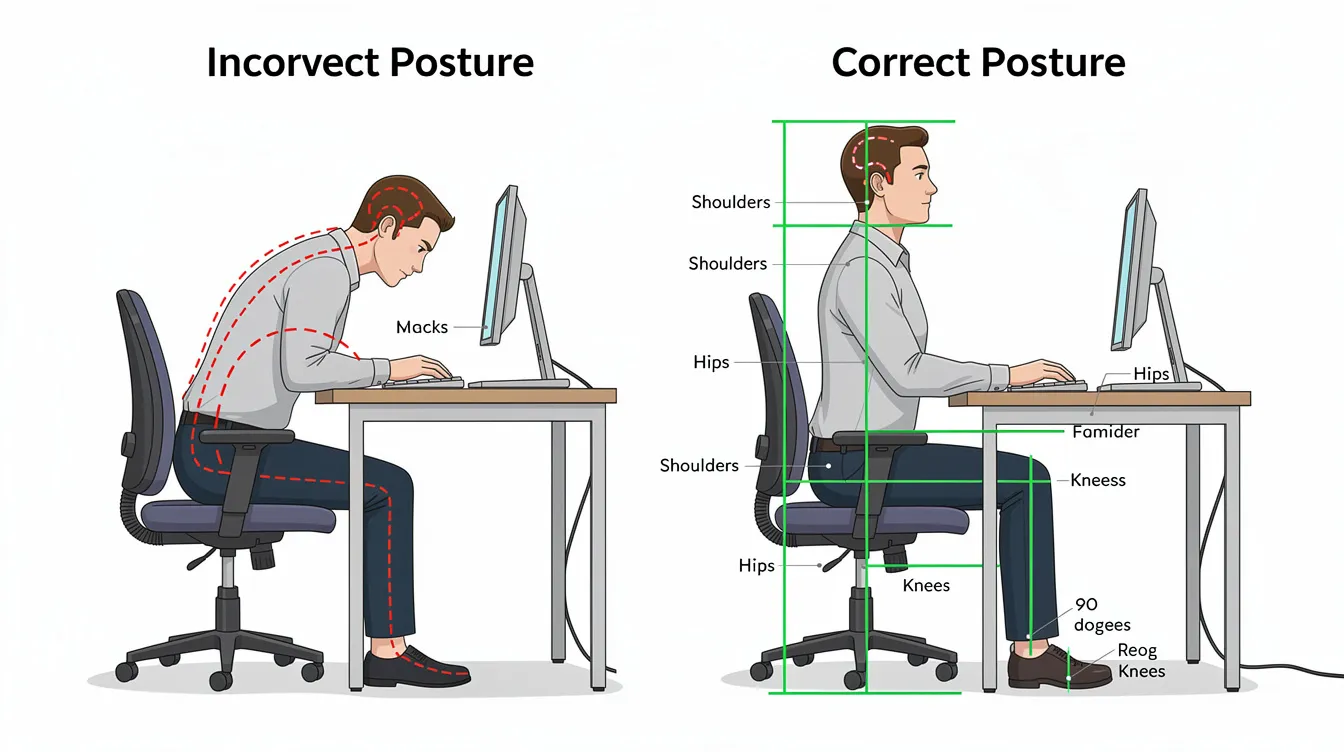
Screen height – Position the top of your monitor at eye level. Use a laptop stand and external keyboard if working from a laptop.
-
Chair settings – Feet flat on the floor, knees at 90 degrees, lumbar support engaging the natural curve of your lower back.
-
Micro‑breaks – Every 30–60 minutes, stand, stretch your hip flexors, roll your shoulders back, and reset your ear‑shoulder‑hip alignment. Singapore’s workplace safety guidelines explicitly recommend evaluating prolonged computer usage and supporting ergonomic behaviour.
-
Standing posture checkpoints – Ears over shoulders, shoulders over hips, weight balanced evenly on both feet, chin gently tucked.
From 2020 to the first half of 2024, an average of approximately 338 cases per year of work‑induced musculoskeletal disorders were officially reported in Singapore, with 91% involving back injuries. Between 2019 and 2021, work‑related musculoskeletal disorders contributed to 60% of all confirmed occupational disease cases. These numbers underscore why ergonomic intervention is not optional – it is essential.
Exercise, Sports, and Safe Progression
Returning to or starting exercise while under chiropractic care should follow a safe progression:
-
Start low‑impact – Walking at East Coast Park, gentle swimming, stationary cycling. These activities build cardiovascular fitness without heavy spinal loading.
-
Progress gradually – Once pain is consistently reduced and alignment is improving, add bodyweight exercises (squats, lunges with proper spinal alignment cues), light resistance training, or jogging at parks like Bishan‑Ang Mo Kio Park.
-
Monitor warning signs – Worsening pain, numbness or tingling in limbs, or night pain should be discussed with your chiropractor before increasing intensity.
Chiropractic care emphasizes reducing the risk of pain and illness during activity progression. The goal is not to restrict movement but to build a body that moves well and tolerates load safely.

Everton Chiropractic vs. Other Active Life Care Options
Understanding how active life chiropractic compares to other common options helps you make informed decisions:
|
Criterion |
Active Life Chiropractic (Everton) |
Pain Medication |
Generic Massage |
Self‑Directed Stretching |
|---|---|---|---|---|
|
Focus |
Root cause – spinal alignment, posture, kinetic chain |
Symptom suppression |
Muscle relaxation |
General flexibility |
|
Duration of benefit |
Long‑term with maintenance |
Hours to days |
Hours to days |
Variable |
|
Assessment depth |
Full biomechanical, neurological, postural |
Minimal or none |
None |
None |
|
Personalisation |
Individualised care plan |
Standard dosing |
General protocol |
Self‑guided |
|
Root cause addressed |
Yes |
No |
Partially |
Partially |
|
Professional guidance |
Ongoing with reassessments |
Prescription‑based |
Session‑based |
None |
Everton Chiropractic’s position is collaborative: when appropriate, we work alongside GPs, physiotherapists, and orthopedic specialists. Chiropractic care focuses on spinal alignment and postural correction as its primary contribution to the broader health ecosystem. The comparison between massage and chiropractic approaches is worth exploring if you are deciding between passive relief and active correction.
With a clear understanding of how active life chiropractic fits into your options, the next step is addressing the real‑world challenges that can derail even the most motivated patients.
Common Challenges and How to Overcome Them
Even motivated patients in Singapore face time pressure, cost considerations, and habit‑change barriers when pursuing activelife chiropractic care. Here are concrete solutions we recommend at Everton Chiropractic to help you stay consistent and see lasting results.
“I’m Too Busy for Regular Visits or Exercises”
Singapore’s work culture is demanding, but scheduling chiropractic care does not have to be impossible. Everton Chiropractic offers morning, after‑work, and Fri slots to accommodate various schedules. Strategies that work:
-
Batch your health appointments – Schedule chiropractic visits alongside other errands in the Tanjong Pagar area to minimise travel time.
-
Micro‑habits – A 3–5 minute posture reset routine beside your work desk, during MRT waits, or at home while watching TV replaces the need for a separate “exercise hour.”
-
Weekly planning – At the start of each week, block two short windows (15 minutes each) for home exercises the way you would block a meeting.
Fear, Myths, and Safety Concerns About Chiropractic
Common fears include the “cracking” sound during adjustments, concerns about safety for older adults or those with osteoporosis, and general skepticism about whether chiropractic works. Here is what to know:
-
The audible “pop” during an adjustment is gas release from joint fluid – not bones breaking. It is painless for most patients.
-
Everton Chiropractic screens for red flag symptoms (unexplained weight loss, night pain, progressive neurological deficits) and adapts techniques for age and bone health. Instrument‑assisted and low‑force options are available when high‑force manual adjustments are not appropriate.
-
Every procedure is explained before it is performed. You will know what is happening and why. This transparency is a core part of the experience at our clinic.
Because chiropractic in Singapore is not statutorily regulated under the Allied Health Professions Council, patients should verify that their chiropractor holds a Doctor of Chiropractic degree from an accredited institution and maintains membership with a recognised professional body. Everton Chiropractic is transparent about qualifications, treatment plans, and pricing – including a $58 introductory visit when the general range for initial consultations in Singapore is SGD $120–$220.

Plateaus and Setbacks During Recovery
Healing is rarely linear. Temporary flare‑ups can occur when you change posture habits or increase activity levels – this is a normal part of the correction process, not a sign of failure. Clear steps to manage setbacks:
-
Communicate early – Contact your chiropractor by email or phone when something feels off rather than waiting for the next scheduled visit.
-
Adjust plan intensity – Your chiropractor can modify visit frequency, technique selection, or home exercise difficulty.
-
Re‑check contributing habits – A flare‑up often traces back to a specific trigger: a weekend of heavy lifting, a week of skipped exercises, or reverting to poor desk posture.
-
Track progress objectively – Use simple tools like a 0–10 pain score, step counts, or range of motion benchmarks recorded weekly. Seeing the overall downward trend in pain – even with occasional spikes – builds confidence.
Chiropractic services help maintain optimal health and wellness through this kind of responsive, adaptive care. The goal is not perfection but consistent, sustainable improvement that keeps you moving toward an active life.
Conclusion and Next Steps
Active life chiropractic is built on a straightforward premise: your spine’s alignment, your posture, and your movement patterns determine how well you live – not just how you feel on any given day. By addressing root causes through structured assessment, personalised care plans, and ongoing lifestyle support, this approach delivers results that outlast any single treatment session.
At Everton Chiropractic in Singapore, we combine evidence‑informed spinal adjustments, soft tissue therapy, posture correction, and ergonomic coaching into a seamless care experience designed around your life – your work schedule, your sports, your family responsibilities, and your long‑term health goals. ActiveLife Chiropractic Pte is committed to helping Singapore adults live, work, and age actively.
Here are your concrete next steps:
-
Reflect – Identify the top one or two movement limitations or pain areas affecting your daily life right now.
-
Book – Schedule an introductory assessment at Everton Chiropractic (4 Everton Park, #01‑50, Singapore 080004). You can book online or by phone.
-
Prepare – Bring any previous scans or medical reports and wear comfortable clothing suitable for movement assessment.
-
Commit – After your first visit, plan how to integrate recommended exercises and posture changes into your weekly routine.
If you want to explore related topics, our guides on TCM vs chiropractic for chronic pain and best pillows for tech neck offer practical next reading.

Additional Resources
For readers who want more detail or visual guidance beyond this article, Everton Chiropractic offers several practical resources:
-
Posture correction guide – Our 8 Best Ways to Correct Posture article provides annotated photos and step‑by‑step instructions for desk workers and active adults.
-
Spinal mobility guide – Learn how to improve spinal mobility safely with progressive exercises you can do at home.
-
Core stability and spine health – Our 2026 guide to core stability covers the exercises that build the muscular foundation your spine needs.
-
Clinic details – Everton Chiropractic is located at 4 Everton Park, #01‑50, Singapore 080004. Consultation hours include weekday and Fri availability. Reach us by email or phone to ask questions before booking.
Each resource includes clear, labelled images and practical instructions to encourage correct self‑practice between clinic visits. Wellness is not achieved in a single appointment – it is built through consistent, informed action over time.