
Key Takeaways
Cervical decompression is not simply a matter of pulling on the neck. The choice between a traditional traction table and a technology-assisted approach depends on the patient, the clinical goal, and the clinician’s ability to control and evaluate treatment.
- Cervical decompression uses carefully selected loading to address pressure, mobility, and symptom-related concerns.
- Traction force, angle, duration, and treatment rhythm all influence the patient’s experience.
- Traditional tables can be useful, but their repeatability often depends heavily on clinician technique.
- Computerized systems may offer more controlled treatment parameters, provided their capabilities are understood and used appropriately.
- Patient screening and meaningful outcome measurement matter more than equipment alone.
Foundations of cervical decompression
Cervical decompression begins with a straightforward clinical question: what is contributing to the patient’s discomfort or restricted movement? The answer may involve joints, discs, muscles, nerves, posture, or several factors at once. For that reason, decompression should be considered as one part of a broader assessment rather than an automatic treatment for every neck complaint.
What cervical decompression is designed to address
Cervical decompression is designed to reduce or modify compressive loading through the neck while supporting comfortable, controlled movement. Depending on the patient’s presentation, treatment may be considered when neck pain, stiffness, radiating symptoms, or restricted mobility are associated with mechanical stress. It is not a universal remedy, and the clinical objective should be established before the table is adjusted.
A careful assessment also helps distinguish symptoms that may respond to conservative care from those requiring a different form of medical evaluation. Patient history, neurological findings, range of motion, and aggravating factors all help shape that decision. The aim is not to force a particular response from the spine, but to apply a measured stimulus that fits the person in front of the clinician.
How traction changes spinal loading
Traction changes spinal loading by applying a pulling force along the long axis of the neck. That force can alter how tissues and joints bear load during the treatment period, although the exact response varies with positioning, force, duration, and individual anatomy. A small change in head or neck position can also change where the load is felt.
The word “decompression” can sound more absolute than the treatment really is. A session does not permanently remove every source of pressure, nor does a temporary mechanical change guarantee symptom relief. It is more accurate to view traction as a controlled intervention whose effects should be judged alongside pain, movement, function, and the patient’s response over time.
The difference between decompression and general neck stretching
General neck stretching usually aims to improve flexibility or reduce the sensation of muscular tightness. Cervical decompression, by contrast, uses a more deliberate loading strategy, often with a defined force, angle, and treatment cycle. The two approaches may feel similar to a patient, but they are not interchangeable in purpose or application.
Stretching is often active or manually guided, while traction may be delivered through a mechanical system. Neither approach is automatically better. The useful distinction is whether the treatment parameter matches the clinical question: muscular mobility, joint movement, tolerance to loading, or a more specific decompression objective.
Why patient-specific treatment parameters matter
Necks differ in size, mobility, posture, sensitivity, and tolerance. A force or angle that feels appropriate for one person may be uncomfortable or poorly suited to another. Patient-specific parameters matter because treatment quality is not measured by force alone; it is measured by how appropriately that force is selected and how the patient responds.
A clinician may consider factors such as symptom irritability, baseline range of motion, previous injuries, age, and the presence of arm symptoms. The treatment can then be introduced conservatively and adjusted as the patient’s tolerance becomes clearer. This approach supports a calmer experience and avoids treating a setting on a machine as though it were a diagnosis.
How traditional traction tables work
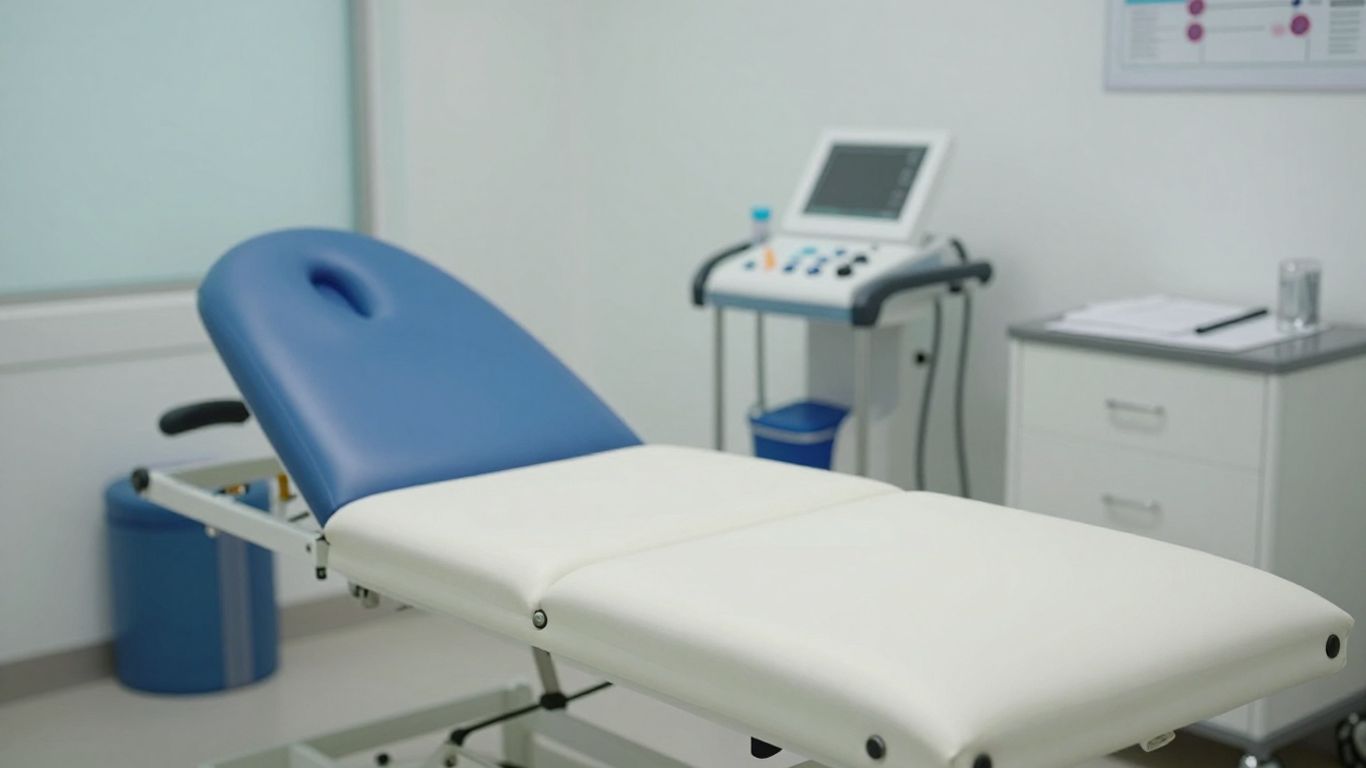
Traditional traction tables use manual or mechanical methods to apply a longitudinal force to the cervical spine. Their design and operation can vary, but the basic clinical process is familiar: position the patient, select a force and duration, deliver traction, and reassess. The quality of the session depends on both the table and the clinician’s decisions before, during, and after treatment.
Manual and mechanical traction approaches
Manual traction is applied by the clinician, who uses their hands to guide and gently distract the patient’s head and neck. This can provide immediate information about resistance, comfort, and symptom response. It also requires a clinician to remain directly involved throughout the maneuver.
Mechanical traction uses a table or traction device to apply force over a selected period. The patient can remain positioned while the system delivers the programmed or manually selected treatment. Traditional mechanical systems may be straightforward to operate, but their practical behavior still depends on setup, calibration, positioning, and clinical supervision.
Common force, angle, and duration settings
Force, angle, and duration are the central settings in cervical traction. Force describes how much pulling load is applied, angle influences the direction of that load, and duration describes how long the treatment is sustained or cycled. Clinicians may also choose intermittent or sustained delivery depending on the intended approach and the patient’s tolerance.
There is no single setting that suits every neck condition or every patient. A cautious starting point allows the clinician to observe whether the patient feels comfortable and whether symptoms change in a desirable direction. Treatment should be adjusted according to examination findings and response, not selected from a number in isolation.
Where conventional systems rely on clinician judgment
Conventional systems often leave important decisions in the hands of the clinician. The clinician determines how the patient is aligned, how the head is supported, what force is appropriate, and whether the treatment should continue unchanged. During the session, comfort and symptom behavior may be assessed through conversation and observation.
This reliance on judgment is not necessarily a weakness. Experienced hands can recognize subtle changes that a device cannot interpret on its own. At the same time, the process can vary between sessions or practitioners when settings are recorded inconsistently or positioning is reproduced only from memory.
Practical limitations in repeatability and customization
Repeatability can be difficult when the treatment depends on several manual steps. Even if the same nominal force is selected, a different neck angle, strap position, or patient posture may change the experience. The table may be capable of a setting, yet the delivered treatment can still feel different from one visit to the next.
A simple way to understand the issue is to separate the intended treatment from the treatment that the patient actually receives. The following factors commonly influence that gap:
- The patient’s exact head and shoulder position on the table.
- The force and angle selected for that particular session.
- Whether loading is sustained or delivered in repeated cycles.
- How clearly the patient’s comfort and symptom response are documented.
These variables do not make traditional traction ineffective. They do mean that consistency requires disciplined setup, careful notes, and repeated reassessment rather than assuming that the same machine setting produces the same clinical experience.
How HillDT applies technology to decompression
The phrase “technology-assisted decompression” can refer to different designs and levels of automation. In a comparison involving HillDT, the responsible approach is to describe the documented device capabilities precisely and avoid treating the product name as proof of a particular clinical outcome. The practical question is how a system’s controls, feedback, and records fit into the clinician’s treatment process.
Computer-guided force and positioning
A computer-guided system may help clinicians define and reproduce selected treatment parameters, but the exact capabilities must be confirmed from the product documentation and clinical workflow. Force and positioning should never be discussed as though a computer removes the need for assessment. The clinician still decides whether cervical decompression is appropriate and how the patient should be positioned.
For patients, the visible benefit of a more structured process may be a clearer explanation of what will happen during treatment. For clinicians, the useful point is control: settings can be selected deliberately, communicated to the patient, and reviewed rather than recalled vaguely after the session.
Dynamic adjustments during treatment
Dynamic adjustment means that treatment can change during a session rather than remaining completely static. Whether a particular system performs such adjustments, and under what conditions, is a product-specific question that should be answered from verified technical information. It should not be assumed simply because a device uses software.
Clinically, the concept matters because tolerance can change after loading begins. A patient may report pulling, pressure, or symptom movement that calls for a pause, reduction, repositioning, or reassessment. Technology can support that process only when it is paired with attentive supervision and clear stop criteria.
Monitoring patient response in real time
Real-time monitoring can include direct patient communication, observation, and any documented device feedback available during treatment. These are related but not identical forms of monitoring. A system should not be described as measuring a clinical outcome unless that measurement is specifically documented and validated for the intended use.
The patient’s own report remains valuable. New arm pain, increasing numbness, dizziness, headache, or unusual discomfort should prompt clinical attention rather than being dismissed as a normal part of decompression. A well-managed session allows the clinician to respond to those signals promptly.
Recording treatment data for consistency
Recording treatment data can make follow-up discussions more concrete. Useful records may include the date, treatment duration, selected parameters, patient position, tolerance, and changes in symptoms or movement. The value is not the presence of a digital record by itself, but whether the information helps the clinician make a better next decision.
When reviewing HillDT in practice, clinicians should distinguish between a feature that records a setting and evidence that the setting improves an outcome. Those are different claims. A careful record supports clinical reasoning, while outcome evidence must come from appropriate assessment and follow-up.
Comparing HillDT with traditional traction tables
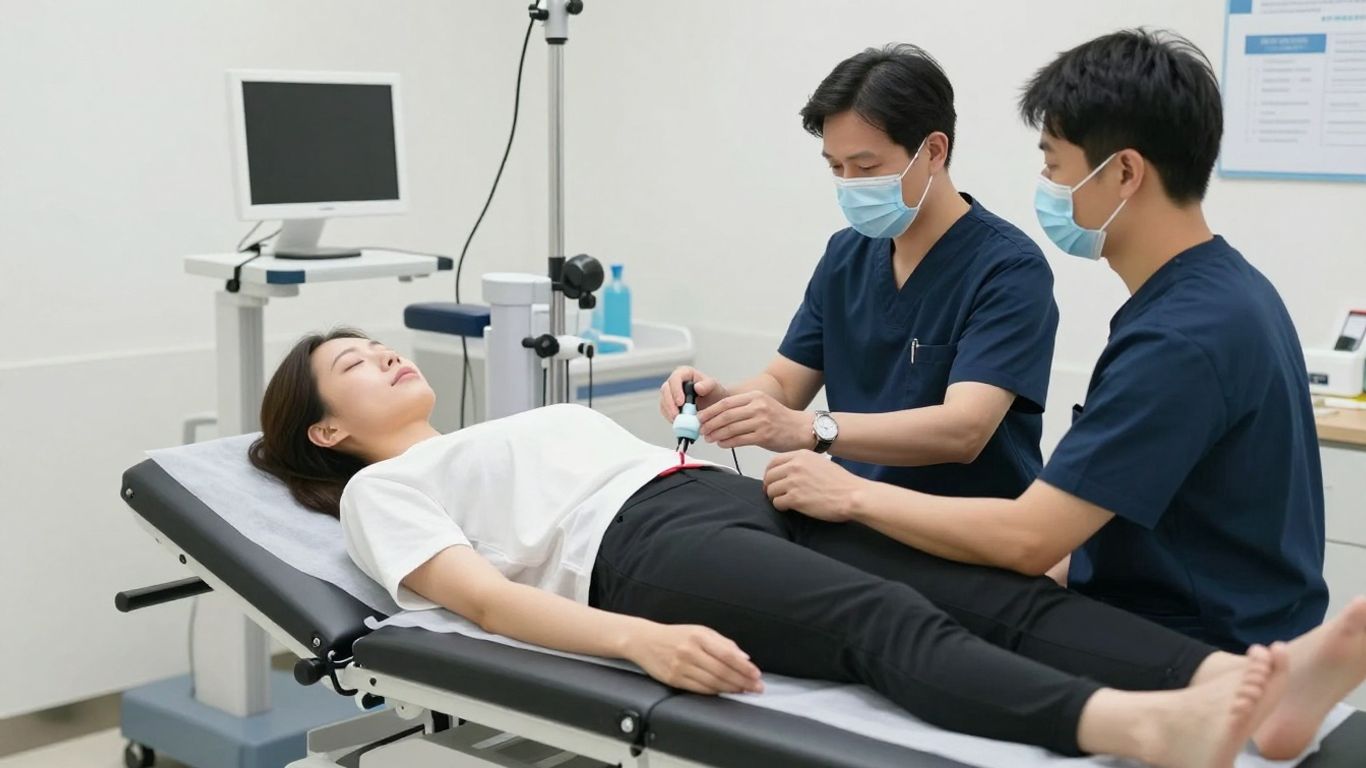
A comparison between HillDT and traditional traction tables should focus on the treatment process rather than on a simple “old versus new” story. Traditional systems can provide useful mechanical traction, while technology-assisted systems may change how parameters are selected, repeated, or documented. The right comparison depends on the patient’s needs and the clinician’s working method.
Precision and repeatability
Precision refers to how closely the intended treatment parameters can be selected and delivered. Repeatability refers to how reliably the same process can be recreated at a later visit. These qualities are related, but a precise setting is not automatically a meaningful clinical result.
Traditional tables may achieve adequate consistency when the same clinician uses a careful protocol. A computerized approach may make some parts of that protocol easier to reproduce, subject to its documented capabilities and correct setup. In either case, patient position and clinical judgment remain central to the quality of the treatment.
Comfort and treatment tolerance
Comfort is more than whether the patient likes the sensation of pulling. It includes the ability to remain relaxed, the absence of unwanted symptom escalation, and the patient’s confidence that the treatment can be stopped or changed when necessary. A comfortable session is more likely to support cooperation and useful feedback.
Technology may offer more ways to structure a session, but no device can guarantee tolerance for every patient. Some people may prefer a simple, closely supervised approach. Others may appreciate a more predictable sequence. The clinician should explain the expected sensation, check in during treatment, and interpret discomfort rather than trying to overcome it.
Range of motion and cervical positioning
Cervical positioning determines the direction in which force is applied and may influence which areas feel the greatest mechanical effect. Range of motion also matters because a stiff, guarded neck may respond differently from a neck that moves freely but becomes painful in a particular direction.
Positioning should therefore be documented in practical terms and reassessed over time. An improvement in range of motion may be useful, but it should be considered alongside symptom behavior and function. More movement is not automatically better if it comes with irritation or loss of control.
Workflow, setup, and clinician control
Workflow includes patient preparation, equipment adjustment, communication, cleaning, documentation, and reassessment. A system that appears efficient may still require training and careful supervision. Conversely, a conventional table may fit smoothly into a practice where the clinician prefers direct control at every step.
The following comparison keeps the distinction clear without assuming that one approach is suitable for everyone:
| Consideration | Traditional traction table | Technology-assisted approach | Clinical question |
|---|---|---|---|
| Parameter selection | Often manually selected | May provide structured digital control | Can the intended setting be reproduced? |
| Patient feedback | Primarily conversation and observation | Conversation plus any verified system feedback | How will tolerance be monitored? |
| Documentation | Depends on the practice protocol | May support more structured records | Will records improve follow-up decisions? |
| Clinician role | Direct setup and active judgment | Setup, supervision, and interpretation remain essential | Does the workflow support safe care? |
The table shows why equipment comparisons should stay practical. A feature matters only when it improves setup, communication, consistency, or decision-making without encouraging the clinician to overlook the patient’s response.
Understanding the mechanics behind cervical decompression
Cervical decompression is easier to understand when its mechanical elements are separated. Force is only one part of the picture; timing, positioning, tissue response, and patient behavior also influence what happens during a session. Readers exploring computerized decompression therapy should look for explanations that connect the device’s mechanics with careful clinical selection rather than promising a uniform effect.
Intermittent versus sustained traction
Sustained traction applies a relatively continuous pull for a defined period. Intermittent traction alternates between periods of loading and unloading. The choice may depend on the clinical objective, the patient’s sensitivity, and how the patient responds when force is introduced.
Neither pattern should be treated as universally superior. A sustained force may feel steady to one patient and tiring to another. Intermittent cycles may feel more manageable for some people, while others may prefer less variation. The clinician’s assessment and the patient’s feedback guide the choice.
The role of loading and unloading cycles
Loading and unloading cycles change the rhythm of treatment. When force is reduced, the patient may experience a different sensation through the neck and surrounding muscles, which can affect relaxation and tolerance. The timing of those cycles is therefore part of the treatment design, not a minor technical detail.
A cycle should be understood as a controlled experiment within the session: apply a selected stimulus, observe the response, and decide whether the pattern remains appropriate. If symptoms spread, intensify, or become unfamiliar, continuing the cycle without reassessment is not a sign of good treatment discipline.
How positioning can influence targeted spinal segments
The angle of the neck and the alignment of the shoulders influence the direction of traction. Small positioning changes may alter how force is distributed through cervical joints, discs, muscles, and supporting tissues. However, it is difficult to claim that a particular setting isolates one spinal segment with perfect accuracy in every patient.
Anatomy, posture, guarding, and table setup all affect the result. Clinicians should use positioning to support a reasonable treatment objective, then evaluate whether the patient’s symptoms and movement respond as expected. Mechanical intention and clinical outcome must remain connected.
Why pressure changes do not tell the whole clinical story
Discussions of decompression sometimes focus heavily on pressure changes inside or around spinal structures. Those mechanical changes may help explain a treatment rationale, but they do not by themselves establish pain relief, restored function, or long-term improvement. The patient’s experience and measurable progress remain essential.
Pain can be influenced by sensitivity, sleep, stress, muscle guarding, activity, and many other factors. A technically consistent session may still produce a limited clinical benefit for a particular person. That is why a sensible evaluation combines mechanical reasoning with functional measures and ongoing professional judgment.
Choosing the right approach for different patients
The choice between a traditional traction table and a technology-assisted system should follow the patient’s presentation, not the appeal of a device. A thorough consultation helps identify whether traction is appropriate, what the treatment should aim to change, and how progress will be judged. This patient-centered approach is consistent with broader explanations of non-surgical spinal decompression, which also place treatment selection within a clinical context.
Factors that influence treatment selection
Treatment selection may be influenced by the location and behavior of symptoms, neurological findings, mobility, irritability, previous treatment, general health, and the patient’s comfort with equipment. Work demands and daily activities can also clarify which functional changes would matter most. Someone who wants to turn their head more easily while driving may have a different priority from someone focused on tolerating desk work.
The clinician should also consider whether the patient can communicate clearly during treatment and remain in the required position. A technically sophisticated system is not useful if the patient cannot tolerate the setup or understand when to report a change. Simplicity can be a strength when it supports safe communication.
When traditional traction may be appropriate
Traditional traction may be appropriate when the clinician wants direct hands-on control, when the treatment protocol is straightforward, or when the practice can reproduce positioning and settings reliably. It may also suit patients who prefer a familiar, closely supervised process. The equipment does not need to be elaborate for the clinical reasoning to be careful.
Appropriateness still depends on examination and response. A conventional table should not be used merely because it is available, and a patient should not be kept in traction when symptoms suggest that the approach is unsuitable. Reassessment remains more important than loyalty to a particular type of table.
Situations that may benefit from computerized control
Computerized control may be useful when the clinician wants a more structured way to select, repeat, or record treatment parameters, provided those functions are documented for the system under consideration. It may also help a practice standardize parts of its workflow while leaving clinical decisions with the practitioner.
That potential benefit is about process, not a promise of superior patient outcomes. HillDT should therefore be evaluated according to the specific capabilities confirmed by the manufacturer or supplier, the training required, and the way the system fits into patient assessment and follow-up.
Screening considerations and contraindications
Screening is essential before cervical traction. The clinician should review the patient’s history, symptoms, neurological status, relevant medical conditions, and any warning signs that call for referral or further investigation. Contraindications and precautions vary according to the individual and the treatment method, so they should be assessed by a qualified professional rather than inferred from a general article.
Patients should report symptoms such as worsening weakness, progressive numbness, severe or unusual headache, dizziness, difficulty with balance, or significant symptom escalation. These signs do not provide a diagnosis, but they do justify pausing treatment and seeking appropriate clinical evaluation. Safety begins before the patient lies on the table.
Evaluating technology beyond the treatment table
A useful evaluation asks whether technology improves care in a way that can be observed, documented, and explained to patients. A polished interface or a long list of settings is not the same as a proven benefit. Practices should look at clinical outcomes, workflow, training, safety procedures, and the quality of evidence supporting any specific claim.
What clinical outcomes should be measured
Outcome measurement should reflect the patient’s goals. Depending on the presentation, this may include pain intensity, frequency of symptoms, range of motion, arm symptoms, sleep, work tolerance, driving, lifting, or other daily activities. Baseline measures are important because improvement cannot be judged clearly without knowing where the patient started.
It is also useful to record how many sessions were completed, whether treatment was modified, and whether other interventions changed at the same time. This does not need to become burdensome paperwork. A small set of consistent measures is often more informative than an impressive collection of unrelated data.
Interpreting comfort, function, and symptom changes
Comfort and symptom change are meaningful, but they should be interpreted carefully. A patient may feel better immediately after a session without showing durable functional improvement, or may experience temporary soreness while gradually moving more freely over time. Neither pattern should be overinterpreted after a single visit.
Function often provides a valuable anchor. Can the patient perform a valued activity more easily? Is movement less guarded? Are symptoms less disruptive during work or sleep? These questions help connect treatment to quality of life rather than reducing success to a momentary sensation on the table.
Distinguishing device features from proven benefits
A device feature describes what a system is designed or documented to do. A proven benefit describes an outcome supported by suitable evidence in an appropriate patient population. The two should not be blended in marketing language or clinical conversations.
For example, repeatable parameter selection may be a useful operational feature, while reduced pain or improved function is a clinical outcome that requires assessment. HillDT can be discussed responsibly only when its specific documented capabilities are kept separate from broader claims about decompression therapy. This distinction protects patient trust and helps clinicians make measured decisions.
Questions clinicians should ask before adopting a system
Before adopting any decompression system, clinicians should ask how it will be used, who will operate it, and how patients will be screened. They should also examine whether the device’s documentation matches the claims made during demonstrations or sales discussions. A practical review should include training, maintenance, workflow, record keeping, and patient communication.
Questions worth putting in writing include:
- Which force, angle, timing, and positioning controls are actually documented?
- How are treatment settings recorded and reproduced at later visits?
- What patient feedback or safety interruptions can the operator use during treatment?
- What training, servicing, and ongoing support does the practice require?
- Which outcomes will be measured to determine whether the system helps patients?
These questions shift the conversation from novelty to accountability. The best choice is the one that supports sound assessment, clear communication, consistent practice, and appropriate follow-up for the people receiving care.
Conclusion
Cervical decompression works best as a carefully selected clinical intervention, not as a promise attached to a table. Traditional traction can provide a practical and closely supervised approach, while technology-assisted systems may help organize treatment parameters and documentation when their capabilities are clearly established. For patients considering care at Everton Chiropractic, a conversation with Dr. Richard Chew can help determine whether decompression fits their symptoms, goals, and overall assessment.
Frequently Asked Questions
What is cervical decompression?
Cervical decompression is a controlled traction-based approach intended to alter loading through the neck. Its suitability depends on the patient’s symptoms, examination findings, and tolerance.
Is cervical decompression the same as neck stretching?
No. Stretching generally focuses on flexibility or muscle comfort, while decompression uses selected force, direction, and timing. The sensations may overlap, but the treatment objectives are different.
Does more traction force produce better results?
Not necessarily. Excessive force may be uncomfortable or inappropriate, and the useful level depends on the individual’s condition and response. Treatment should be selected and monitored by a qualified clinician.
What is the difference between intermittent and sustained traction?
Sustained traction applies a relatively continuous force for a defined period. Intermittent traction alternates loading and unloading cycles, creating a different rhythm and sensation.
How long does a cervical decompression session take?
Session length varies with the treatment plan, patient tolerance, and clinical setting. Duration should be selected as part of an individualized protocol rather than assumed from a general timetable.
What symptoms should be reported during treatment?
Patients should promptly report increasing pain, new or worsening arm symptoms, weakness, numbness, dizziness, unusual headache, or any sensation that feels concerning. The clinician can then pause, adjust, or reassess treatment.
How can someone know whether decompression is helping?
Progress should be judged through consistent measures such as pain, movement, sleep, work tolerance, and daily activities. A single post-treatment sensation is less informative than changes that remain meaningful over time.