
Introduction
The honest answer to how many spinal decompression sessions you need is that most patients require 15–30 sessions spread over four to eight weeks. There is no universal answer because every spine responds differently to treatment, but understanding what shapes your care plan removes the guesswork and helps you commit with confidence.
This article covers typical session ranges, the three treatment phases you will move through, and the individual factors that raise or lower your session count. It does not replace a proper evaluation or constitute medical advice for a specific diagnosis. If you are an adult in Singapore dealing with disc-related back pain, radiating discomfort, or nerve compression and considering spinal decompression therapy at Everton Chiropractic, this guide is written for you.
Direct answer: A standard course of non-surgical spinal decompression therapy typically ranges from 12 to 30 sessions. Typical spinal decompression protocols range from 20 to 28 sessions, and many patients complete treatment in four to eight weeks. Your exact number will vary depending on condition severity, how consistently your body responds, and how well you follow your home-care plan.
By the end of this article you will walk away with:
-
Realistic expectations about how many sessions your spinal decompression program will involve
-
A clear picture of the three treatment phases and what happens in each
-
The specific factors that make your session count go up or down
-
How to recognise signs of progress – and when to raise concerns
-
A framework for maintenance planning once your active care is complete

Understanding Spinal Decompression Care Plans
A comprehensive spinal decompression treatment plan is far more than a number on a receipt. It begins with an initial evaluation – imaging review, strength and mobility testing, pain baseline scoring – and extends through machine calibration, frequency scheduling, adjunct therapies such as ice application and targeted exercises, and a structured tapering strategy. Treatment goals dictate the plan length for spinal decompression therapy: are you chasing pain relief alone, or do you need structural healing such as disc rehydration, herniation regression, and restored spinal alignment?
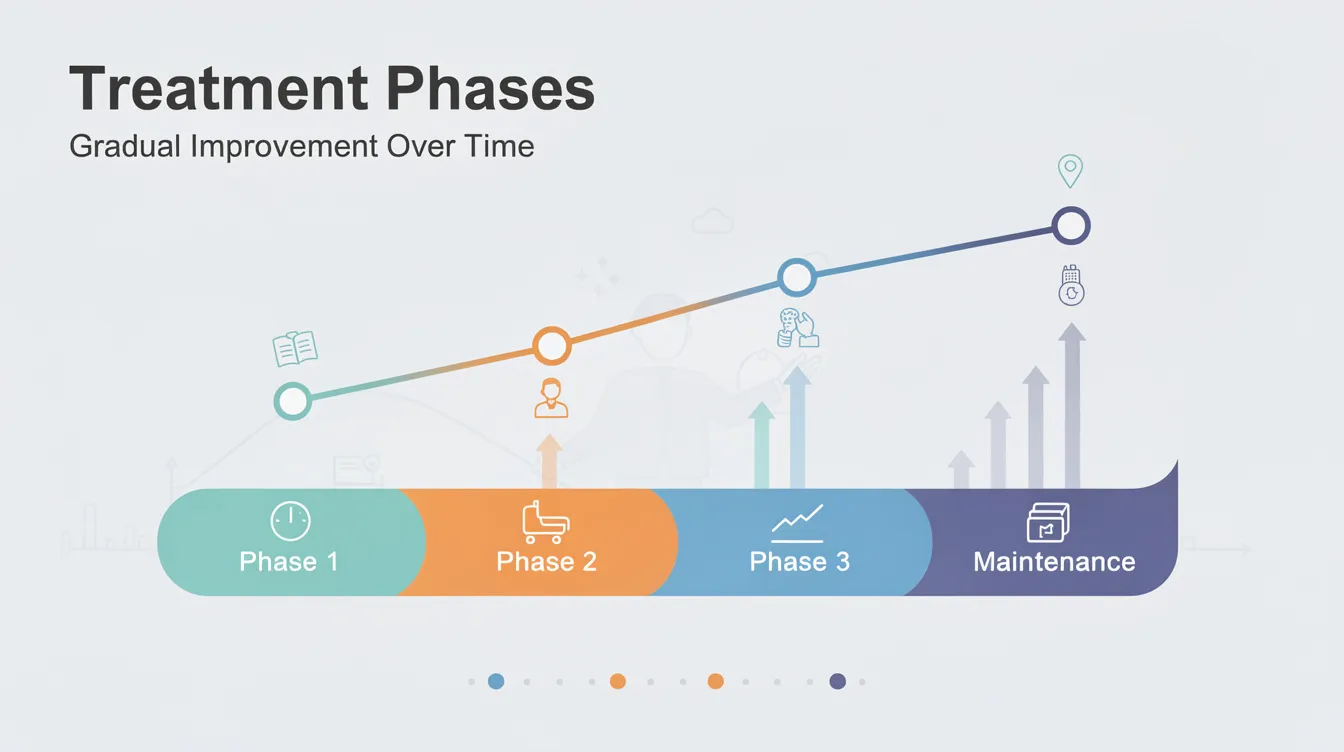
Care plans are structured around healing phases rather than arbitrary session blocks. Each phase has distinct biological objectives, and the transition from one to the next depends on how your body responds – not a calendar date.
The Science Behind Spinal Decompression Session Requirements
Spinal decompression works by creating negative pressure inside the intervertebral disc during repeated pull-hold-release cycles. This negative pressure draws nutrients into the disc, promotes nutrient exchange, and helps relieve pressure on compressed nerves. Spinal decompression therapy aims to reduce intradiscal pressure and facilitate nutrient rehydration of the discs – a process that cannot happen in just a handful of visits.
Spinal discs heal slowly. The annulus fibrosus (the disc’s outer ring) repairs over weeks to months, and nucleus pulposus rehydration – visible on MRI – typically requires four to six weeks of sustained decompression cycles. A study using the DRX9000 system showed that 22 sessions over six weeks produced measurable disc height increases and significant pain reduction. Spinal decompression can increase disc height by 1–2 mm in 20 visits. This is why the body’s natural healing process demands repeated sessions – cellular repair simply cannot be rushed into a single appointment.
Individual vs. Standard Protocols
Standard protocols give you a starting range – typically 20 to 28 sessions across four to eight weeks – but your actual plan should be customised after a thorough assessment. At Everton Chiropractic, initial evaluations shape personalised treatment plans based on your imaging findings, symptom severity, chronicity, and functional goals.
Severity and type of pathology influence the number of spinal decompression sessions needed. Mild disc bulges often require fewer sessions compared to severe herniations. Patients with mild conditions may need 10 to 12 sessions, while more complex cases may require 20 to 40 sessions. A retrospective study of 234 patients confirmed that baseline pain levels, age, and condition chronicity all predicted how many sessions were effective – reinforcing why treatment based on individual assessment outperforms cookie-cutter scheduling.
Building Momentum for Lasting Results
Understanding the science and the personalisation behind your care plan is essential, but so is understanding the specific variables that will push your session count higher or lower. The next section breaks these down so you can set realistic expectations before your first appointment.

Factors That Determine Your Session Count
With the foundation of how spinal decompression therapy works in place, let’s examine the individual variables that shape whether you land closer to 12 sessions or 30-plus.
Condition Severity and Duration
How acute or chronic your condition is exerts the strongest influence on your treatment timeline. Recent injuries and acute disc bulges (symptoms under three months) tend to respond faster – many patients begin to notice reduced pain within the first few sessions. Chronic pain can require more extensive treatment protocols due to long-standing symptoms and established patterns of nerve irritation.
Herniation size and type matter significantly. A contained disc bulge may resolve with 12–15 sessions, whereas a large extruded herniation may need a longer course – in some documented cases, up to 40 sessions over 10 weeks – to achieve anatomical retraction. Patients dealing with degenerative disc disease, spinal stenosis, or multilevel involvement should anticipate landing toward the higher end of the range.
The degree of nerve compression also plays a role. A herniated disc pressing directly on a nerve root, producing radiculopathy or radiating discomfort into the leg, generally requires more sessions than one causing only localised back pain or neck discomfort.
Patient Factors and Lifestyle
Age, overall health, and daily activity levels all influence how quickly the disc responds. Older patients with more degeneration and slower cellular turnover may need additional sessions. Comorbidities such as smoking, obesity, or diabetes can delay the body’s natural healing process and extend your treatment timeline.
Consistency with appointments is critical. Sessions are typically scheduled 3 to 5 times per week initially because high-frequency visits create the cumulative unloading effect that spinal structures need. If you miss sessions or attend sporadically, you will likely need more sessions overall to compensate for lost momentum – consistent care leads to better outcomes.
Home care compliance accelerates progress too. Patients who follow prescribed exercises, practise posture correction, and avoid aggravating loads during treatment consistently reach their goals faster than those who only rely on in-clinic sessions.
Treatment Response Patterns
Response times vary. Patients may notice improvement within the first few sessions – reduced resting pain, fewer muscle spasms, improved sleep. Significant improvement typically occurs after 6 to 12 sessions, as structural changes begin taking hold.
Individual body response to treatment can guide adjustments in the decompression schedule. If progress stalls at any point, your clinician may modify traction force, add additional therapies, or adjust session frequency. Guidelines recommend evaluating symptoms and progress at specific milestones during treatment, ensuring your plan remains responsive rather than rigid.
Your Treatment Journey: What to Expect Phase by Phase
Now that you understand what influences your session count, here is what the actual treatment experience looks like from start to finish. Each spinal decompression visit typically lasts 30 to 45 minutes, and the treatment is non-invasive and requires no recovery time – many patients find the gentle stretch so comfortable they nearly fall asleep on the table.
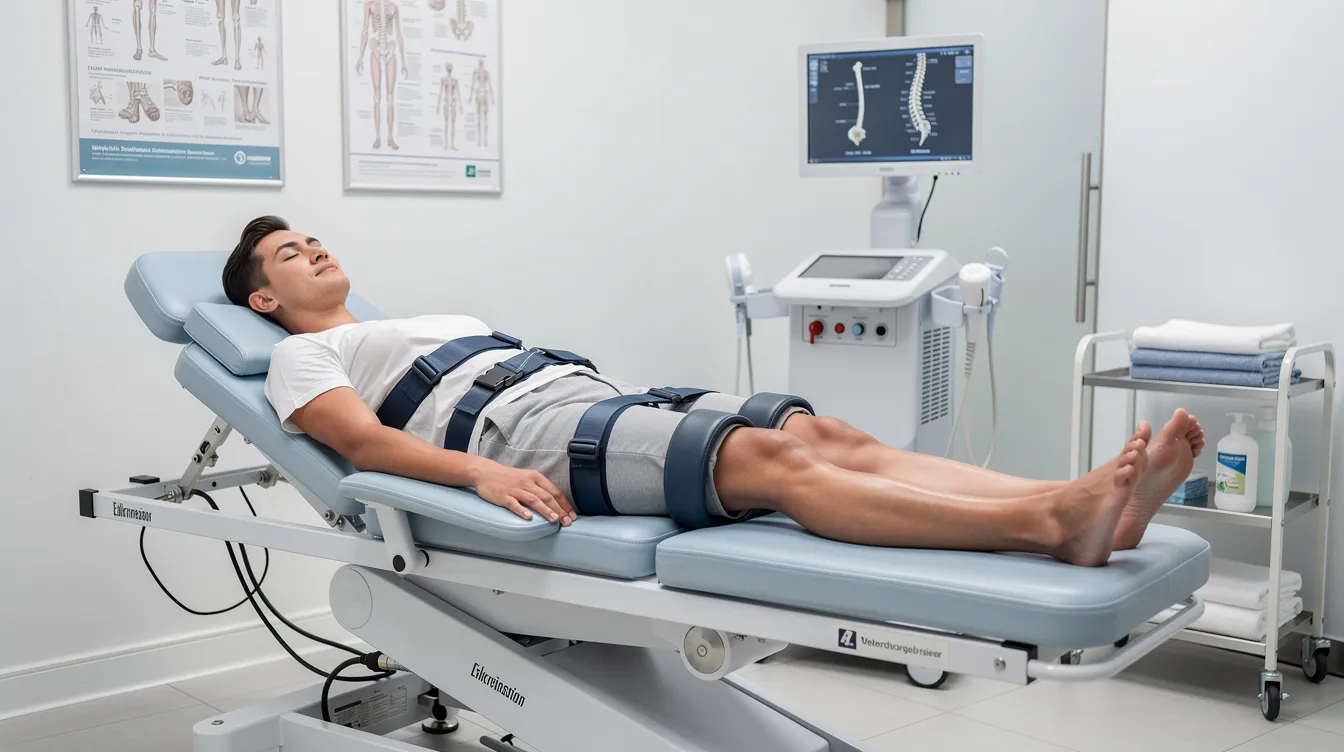
Phase 1: Initial Response (Sessions 1-8)
Early sessions focus on pain reduction and gentle introduction to the decompression forces. This is where the groundwork is laid.
-
Pain reduction begins – patients often experience reduced pain within the first few sessions as the affected area receives relief from sustained compression
-
Body adapts to treatment – session setup is calibrated (traction force, angle, duration) and your tolerance is assessed; any initial soreness fades quickly
-
Baseline measurements established – pain scores, range of motion, and functional capacity are documented to track future progress
-
Early mobility improvements – many patients feel increased flexibility and find standing, sitting, and walking easier; spinal mobility starts improving
-
Sleep and medication changes – night pain often reduces first, and patients begin reducing their reliance on pain medication
Spinal decompression therapy is non-invasive and requires no recovery time, so you can resume normal activities immediately after each visit.
Phase 2: Active Healing (Sessions 9-20)
This is the structural healing phase where the cumulative effect of decompression truly manifests. Active rehabilitation may improve outcomes when combined with spinal decompression therapy during this phase.
-
Disc rehydration accelerates – repeated negative pressure cycles draw fluid and nutrients back into dehydrated spinal discs, restoring disc health and height
-
Nerve pressure reduction – as disc volume normalises and herniations begin retracting, nerve compression lessens and radiating symptoms diminish
-
Functional improvements compound – patients begin returning to normal activities, work tasks, and daily routines with markedly less limitation
-
Symptom pattern shifts – pain becomes intermittent rather than constant; flare-ups become shorter and less intense
-
Strength building integration – adjunct exercises and chiropractic adjustments are layered in to reinforce structural gains and support spinal alignment
Tapering occurs during the transition phase as symptoms improve – session frequency typically drops from 3–5 times weekly down to 2–3 times.
Phase 3: Stabilization (Sessions 21-30)
Not every patient needs this phase. It is most appropriate for those with chronic conditions, degenerative disc disease, or cases that required extended healing.
-
Treatment frequency reduction – visits decrease to once or twice weekly as the spine responds to accumulated treatment
-
Exercise progression – home exercise programs advance to strengthen core musculature and reinforce postural corrections
-
Long-term stability focus – the goal shifts from symptom relief to preventing recurrence; spinal structures are given time to consolidate gains
-
Maintenance planning – a schedule for periodic maintenance sessions is established to protect your well being long-term
-
Lifestyle modification reinforcement – ergonomic adjustments, activity modifications, and ongoing posture habits are cemented into daily life
Monitoring Progress Throughout Treatment
|
Phase |
Early Milestones (Sessions 1–8) |
Mid-Treatment Milestones (Sessions 9–20) |
Late/Extended Milestones (Sessions 21–30+) |
|---|---|---|---|
|
Pain levels |
Resting and night pain reduced |
Pain with movement significantly reduced |
Minimal or occasional pain; flare-ups rare |
|
Mobility |
Slight flexibility increase; sitting and standing easier |
Return to many daily tasks and routine activity |
Full participation; postural issues addressed |
|
Function |
Sleep improves; pain medication needs decrease |
Work and life tasks resumed more normally |
Sustained function; robust sleep and rest |
|
Structural markers |
Baseline MRI or imaging; possible early changes |
Disc height and MRI signal improvements in some cases |
If repeated, imaging verifies stability or improvement |
|
Treatment tolerance |
Adjusting to decompression forces; minimal discomfort |
Better tolerated; shift to fewer weekly visits possible |
Reduced clinic dependence; focus on self-management |
Patients who see steady improvement across at least three of these categories are progressing normally. If pain levels plateau for more than several weeks without any functional gain, your clinician should reassess the treatment plan – this is standard practice, not cause for alarm.
Common Questions About Treatment Duration
Session count questions matter because they affect your budget, schedule, and commitment level. Here are the three questions we hear most often.
Can I Get Results with Fewer Sessions?
Yes – patients with mild conditions may need 10 to 12 sessions, and patients begin noticing reduced pain even in early sessions. Spinal decompression can improve overall comfort and movement relatively quickly when the condition is acute and mild.
However, fewer sessions often provide temporary rather than lasting relief. A study comparing decompression protocols found that abbreviated courses produced clinical improvement, but disc retraction and long-term structural outcomes were superior with full protocols. If you cut treatment short, symptoms are more likely to return within weeks because the spinal discs have not had sufficient time to rehydrate and stabilise. Think of it this way: significant relief requires the disc to actually heal, not merely reduce pressure temporarily.
What If I Need More Than 30 Sessions?
A typical protocol involves 20 to 40 sessions total. Extended care beyond 30 sessions is appropriate for complex cases – large herniations, multilevel disc disease, failed back surgery syndrome, or patients dealing with symptoms that have persisted for years.
At Everton Chiropractic, extended plans involve continued sessions at tapered frequency, greater emphasis on additional therapies and strength training, and scheduled reassessment intervals to ensure continued progress. The maintenance phase may include periodic “tune-up” sessions to preserve gains long after active treatment ends. Overtreatment is avoided by reviewing objective and subjective outcomes at set milestones.
How Does Session Frequency Affect Number of Sessions?
Session frequency typically starts at three to five times per week because high initial frequency creates the cumulative tissue effect faster. A multicenter study protocol used five sessions in week one, tapering gradually over six weeks – this front-loaded approach accelerated structural change.
If your schedule only allows one to two visits per week, you may need more total sessions and a longer overall treatment duration to achieve comparable outcomes. For Singapore patients balancing demanding work schedules, we recommend maintaining at least three sessions per week during the first two to three weeks, then tapering as the spine responds. Planning around your availability from the start – rather than adjusting reactively – produces better outcomes and fewer missed visits.
Conclusion and Next Steps
Most patients require 15 to 30 spinal decompression sessions, with treatment duration usually spanning four to eight weeks. Your exact number depends on condition severity, how consistently you attend, how your body responds, and whether you follow through with home care. The three-phase structure – initial response, active healing, and stabilization – gives both you and your clinician clear milestones to track, so your care plan stays responsive and evidence-based.
Here are your immediate next steps:
-
Schedule a consultation at Everton Chiropractic for a thorough assessment – initial evaluations shape personalised treatment plans and give you a projected session count
-
Prepare your questions – bring a list of factors you want discussed (symptom duration, prior treatments, imaging history, lifestyle constraints)
-
Gather relevant medical history – any MRI reports, specialist letters, or previous chiropractic care records will help calibrate your plan from day one
-
Plan your schedule availability – identify blocks of several weeks where you can commit to three-to-five visits weekly for the best results
If you are also managing neck discomfort alongside your spinal issues, our guide on neck pain and headaches may be a useful companion read. Long-term spinal health depends on ongoing maintenance – including exercise integration, ergonomic adjustments, and posture correction – topics we will continue covering to support your well being beyond active treatment.
Additional Resources
-
Initial consultation process: Your first visit at Everton Chiropractic includes a detailed physical examination, review of any existing imaging, and a discussion of treatment goals before any decompression sessions begin. This proper evaluation ensures your spinal decompression treatment plan is built on accurate data.
-
Preparing for your first decompression appointment: Wear comfortable, loose-fitting clothing. Arrive 10–15 minutes early to complete intake forms. Bring any MRI or X-ray reports from the past 12 months.
-
Contact and scheduling: Everton Chiropractic is located in Singapore’s CBD. Reach out directly to discuss your situation, ask about session frequency options, or book your initial assessment – our team is happy to help you set realistic expectations before you commit.