
Introduction
Chronic pain does far more than hurt-it rewires the brain, erodes emotional resilience, and traps people in a self-reinforcing cycle where physical sensation and mental health deteriorate together. For the millions living with persistent pain, movement is emerging as one of the most powerful forms of medicine available, capable of reversing neurological changes that fuel depression, anxiety, and cognitive decline.
This article covers the psychological impact of chronic pain, the neurological mechanisms that connect pain to mood disorders, and the evidence-based movement interventions that can break the cycle. It is written for adults in Singapore experiencing musculoskeletal pain, those dealing with posture-related issues, and anyone seeking a holistic approach to long-term wellness. While we address the brain science behind pain processing, the focus remains practical: what chronic pain does to your mental health, how movement helps interrupt that pattern, and when professional support is needed as part of a safe long-term plan.
Here is the direct answer: chronic pain alters brain chemistry and disrupts sleep, shifting neural processing away from sensory pathways and into emotional circuits. Chronic pain patients are four times more likely to experience depression, while structured movement therapy-guided by health professionals and, when needed, planned in coordination with a doctor-can reverse maladaptive neuroplasticity and restore both physical and psychological well being.
By the end of this article, you will understand:
-
How chronic pain rewires the brain’s emotional and cognitive centers
-
Why depression, anxiety, and cognitive dysfunction are core features of persistent pain-not secondary complaints
-
How movement produces neurochemical changes that counter pain-induced mental health decline
-
Practical strategies to overcome fear of movement, low motivation, and setbacks
-
When and why to seek professional support for the whole person, not just the symptom
Understanding the Pain-Brain Connection
Acute pain serves a protective purpose-it alerts the body to tissue damage and resolves as healing occurs. Chronic pain operates differently. Defined as pain persisting beyond three months or beyond expected tissue healing time, chronic pain becomes a disease in its own right. The brain processes it not as a temporary warning but as an ongoing threat, fundamentally altering neural pathways, emotional regulation, and stress responses. Understanding this distinction is essential to recognizing why chronic pain affects every dimension of quality of life and why ongoing or unexplained symptoms should be assessed within the broader health care context.
Neuroplasticity and Pain Sensitization
Central sensitization is the process by which the nervous system amplifies pain signals, making the brain and spinal cord hyper-responsive to both painful and non-painful stimuli. Repeated nociceptive input increases excitatory neurotransmitters like glutamate and substance P in the spinal dorsal horn, while NMDA receptor activation drives long-term potentiation of synapses-essentially turning up the volume on future pain signals permanently.
This process involves Brain-Derived Neurotrophic Factor (BDNF), which plays a dual role. While BDNF is necessary for healthy neural plasticity, in chronic pain states it becomes pro-nociceptive: enhancing synaptic transmission in pain pathways, upregulating NMDA receptor activity, and decreasing inhibitory regulation. Elevated BDNF levels in serum have been correlated with pain severity in conditions like fibromyalgia and arthritis.
The result: even when tissue healing has occurred, the sensitized nervous system continues generating pain. Chronic pain acts as a constant stressor, keeping the nervous system in a “fight-or-flight” mode. This rewiring doesn’t stay confined to sensory processing-it spills directly into emotional reactivity, stress responses, and how the brain processes everyday experience.
The Limbic System’s Role
The limbic system-including the amygdala, hippocampus, anterior cingulate cortex (ACC), and insula-governs emotional regulation, fear, memory, and stress. Chronic pain provokes greater activation of these areas, and imaging studies reveal gray matter volume reductions in the ACC and insula among chronic pain patients, mirroring changes seen in depression and anxiety disorders.
As pain persists, a critical shift occurs: the sensory-discriminative pathways that locate and measure pain recede in dominance, while limbic-affective circuits become the primary way the brain processes pain. The amygdala grows more reactive, heightening fear responses. The hippocampus undergoes volumetric changes affecting memory and contextual processing. The ACC drives the suffering dimension of pain-rumination, catastrophizing, avoidance.
These limbic changes are the neurological bridge between a physical sensation in your back and the anxiety, dread, and hopelessness that chronic pain patients experience daily. They explain why persistent pain doesn’t just hurt-it fundamentally changes mood, cognition, and behavior.

Psychological and Mental Health Impact of Chronic Pain
The neurological changes described above manifest as a cascade of measurable mental health issues. These are not secondary complaints or signs of weakness-they are core components of the chronic pain disease process and merit direct clinical attention.
Depression and Mood Disorders
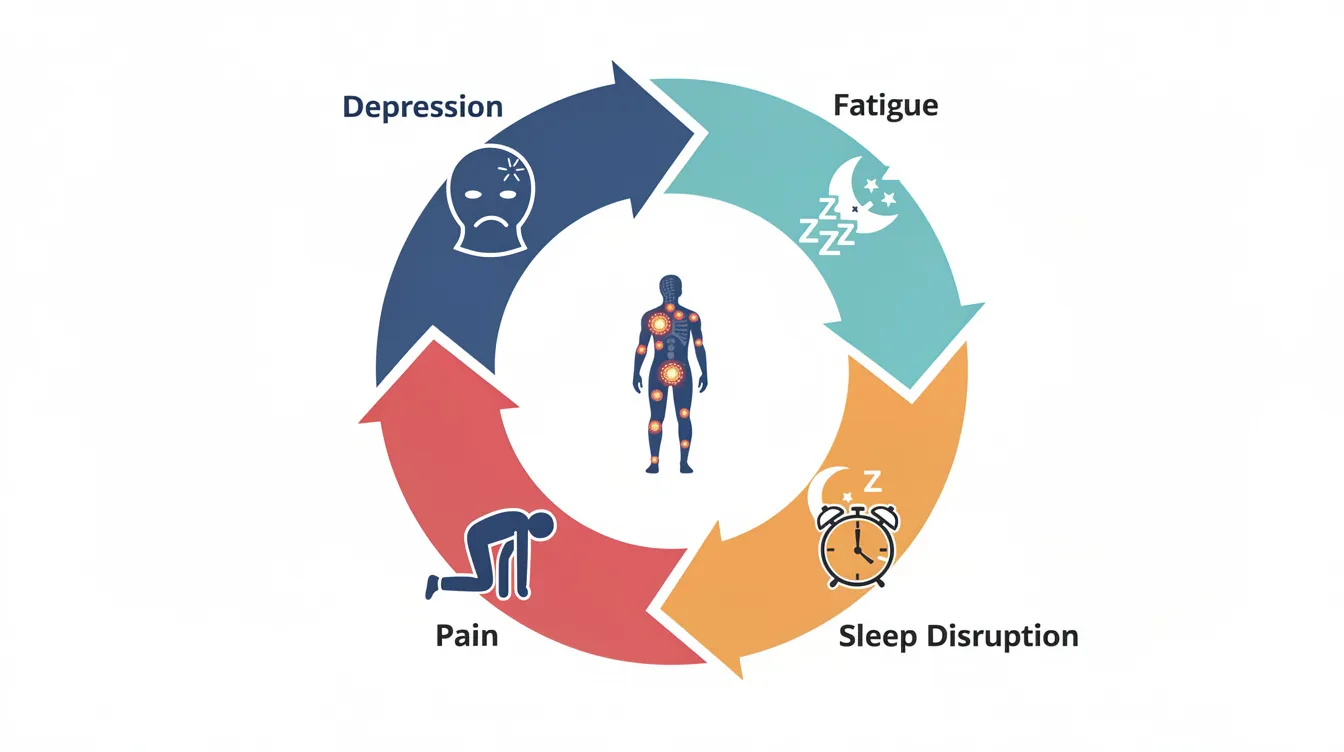
The relationship between chronic pain and depression is bidirectional and devastating. 35% to 45% of people with chronic pain experience depression, and chronic pain increases depression and anxiety risk fourfold. A cross-country meta-analysis of over 237,000 individuals found that those with depressive episodes had more than double the odds of reporting severe pain (adjusted odds ratio ≈2.11). Mental health issues can lower pain thresholds, which can complicate how clinicians treat coexisting pain and depression and reinforce the feedback loop.
Sleep disruption is a major driver. Chronic pain disrupts sleep, worsening emotional instability by fragmenting sleep architecture and reducing restorative deep sleep. Poor sleep amplifies pain sensitivity, which worsens mood further. Chronic pain can lead to social isolation and loneliness, as patients withdraw from social activities due to physical limitations, shame, or fatigue. Social isolation can worsen mental health in chronic pain sufferers, compounding the depression that is already neurologically primed by limbic system changes.
In Singapore, where 20% of U.S. adults experienced chronic pain in 2016 (a figure that mirrors global prevalence patterns), the mental health comorbidity remains underreported, and pain consultations account for approximately 22% of attendances in primary-care settings.
Anxiety and Fear-Avoidance Behaviors
Kinesiophobia-the fear that movement will worsen pain-is one of the most destructive psychological consequences of chronic pain. Patients begin avoiding postures, exercises, and daily activities that they associate with pain flare-ups. This avoidance leads to deconditioning: weakened muscles, stiffened joints, and reduced cardiovascular fitness, which paradoxically increases pain and disability.
Catastrophizing can increase psychological distress and pain sensitivity. When patients believe their pain will never end or will inevitably worsen, anxiety escalates, baseline cortisol rises, and sympathetic nervous system activity increases-fueling more pain. Chronic pain can increase stress levels and contribute to emotional distress in a self-perpetuating cycle that compounds the depression described above.
A qualitative study conducted in Singapore revealed that while some patients were skeptical of psychological treatments for chronic pain, those who engaged with cognitive-behavioral interventions reported improved mood, pain perception, and self-efficacy. This suggests that addressing fear-avoidance behaviors through a holistic health framework can yield meaningful results even in populations initially resistant to psychological approaches.
Cognitive Dysfunction and Pain Brain
Chronic pain can lead to a phenomenon called “pain brain”-a constellation of cognitive symptoms including impaired concentration, memory deficits, and compromised decision-making. Chronic pain affects cognitive functions like memory and concentration, and individuals with chronic pain often report feeling mentally drained. Chronic pain sufferers are four times more likely to have cognitive impairments, with high-impact chronic pain linked to more severe cognitive impairments.
The mechanism involves the same limbic and cortical changes discussed earlier: as emotional and pain circuits consume more neural resources, prefrontal regulation and working memory capacity diminish. Gray matter thinning in the dorsomedial prefrontal cortex, ACC, and insula-regions critical for executive function-has been documented across multiple imaging studies. High-impact chronic pain affects 8% of U.S. adults, and for these individuals, “brain fog” is not imagined-it reflects measurable structural brain changes.
Key cognitive symptoms to recognize:
-
Difficulty sustaining attention on tasks
-
Poor short-term memory and recall
-
Slower processing speed and decision-making fatigue
-
Reduced capacity for empathy and social engagement
-
Impaired work performance and reduced participation in daily activities
These cognitive changes perpetuate the pain cycle by reducing coping skills, increasing emotional reactivity, and diminishing the self-efficacy needed to engage with treatment. Understanding this connection is what makes addressing the whole person-not just the physical symptom-so essential.
Movement as Medicine: Evidence-Based Interventions
Structured movement is among the strongest non-pharmacological tools available for countering pain-induced mental health decline. Exercise can reduce symptoms of psychological distress and depression associated with chronic pain, and the mechanisms extend far beyond simple distraction or fitness improvement-movement produces measurable neurochemical, structural, and psychological changes in the brain.
Neurochemical Benefits of Movement
Movement therapy is appropriate for most chronic pain patients when properly guided and progressively structured. Consistent movement is more beneficial than high-intensity bursts for managing chronic pain. Here is how regular gentle exercise produces its therapeutic effects:
-
Endorphin release: Physical activity triggers endogenous opioid production, reducing pain perception and producing mood elevation. Regular gentle exercise increases endorphins and improves mood.
-
BDNF production: Exercise elevates BDNF levels in ways that support healthy neurogenesis and synaptic plasticity, potentially reversing some maladaptive changes found in chronic pain.
-
Inflammation reduction: Movement downregulates pro-inflammatory cytokines (IL-6, TNF-α), reducing systemic inflammation that contributes to neuroinflammation, supports the immune system, and improves immune function.
-
Sleep improvement: Exercise contributes to deeper, more restorative sleep and helps regulate circadian rhythms disrupted by chronic pain and depression.
-
Confidence building: Mastering movement, regaining mobility, and experiencing reduced pain episodes restores agency, reduces fear, and improves overall well being.
Evidence from systematic reviews shows that exercise interventions-including aerobic training, strength work, yoga as one form of mind-body movement, tai chi, and meditation-based movement-produce small-to-moderate improvements in both pain and function, especially when paired with sleep, stress, and nutrition support. Cognitive Behavioral Therapy reduces pain perception and emotional distress, showing the most consistent evidence across short, intermediate, and long-term outcomes. Mindfulness practices can change how you relate to pain, shifting the brain’s threat interpretation.
Recent clinical guidelines (2024–2025) have placed non-pharmacological interventions as first-line therapy for chronic low back pain, positioning exercise, psychological therapies, and spinal manipulation above medication due to opioid overuse risks.

Chiropractic Movement Protocols vs. General Exercise
The biopsychosocial model addresses biological, psychological, and social factors in chronic pain, and best practice guidelines for chiropractic management recommend integrating spinal manipulation, exercise, mind-body therapy, and psychosocial screening into a unified approach. But how does this compare to general, unguided exercise?
|
Criterion |
General Exercise |
Precision Chiropractic Movement Protocols |
|---|---|---|
|
Safety assessment |
Self-directed; risk of compensatory patterns |
Spine alignment and joint mobility assessed before prescription |
|
Movement quality |
Often performed with poor posture mechanics |
Neuromuscular control and posture correction integrated |
|
Pain education |
Minimal; may reinforce fear of movement |
Pain neuroscience education explains why movement ≠ harm |
|
Progression planning |
Ad hoc; inconsistent loading |
Graduated, individualized based on functional assessment |
|
Mental health integration |
Not addressed |
Psychosocial “yellow flags” screened; referral pathways established |
A Cochrane review (January 2026) found that spinal manipulative therapy for chronic low back pain may result in approximately 14-point improvement on a 0–100 pain scale at one month compared to no treatment, with functional status improving by approximately 12.9 points. Cognitive Functional Therapy trials showed short-term disability reduction with a mean difference of about -9.41 points compared to controls.
When chronic pain has a significant psychological component-and it almost always does-professional chiropractic guidance that addresses unique needs through posture correction, manual therapy, and pain education produces better adherence, more rapid functional improvement, and greater psychological benefit than unguided physical activity alone. Psychological therapies can help develop effective coping strategies for chronic pain management, and a healthcare provider trained in the biopsychosocial model can integrate these into a movement-based treatment plan.
Common Challenges and Solutions
Starting and maintaining a movement practice while living with chronic pain and its mental health consequences presents real obstacles. In Singapore, patients may face cultural stigma around mental health, demanding work schedules, and limited access to multimodal care. Here are the most common barriers and evidence-based strategies to address them.
Fear of Movement Worsening Pain
Central sensitization makes harmless movement feel threatening-the brain interprets normal physical sensation as dangerous. The solution is graduated exposure: beginning with very low-load, safe movements; receiving pain neuroscience education explaining that movement does not signal tissue damage; and undergoing professional movement assessment to tailor appropriate loads. A chiropractor experienced in managing neck pain and spinal conditions can design protocols that progressively challenge the body without triggering the threat response. Persistent neck or back pain with red-flag symptoms should be reviewed promptly so less common but serious causes, including cancer, can be ruled out. Over time, the nervous system learns that movement is safe, and fear diminishes.
Lack of Motivation Due to Depression
Depression saps the drive needed to exercise, creating a catch-22 where the treatment requires the very energy the disease has stolen. Practical solutions include introducing “movement snacks”-brief, manageable activities like a five-minute walk or gentle stretching woven into daily activities. Building a support network can provide emotional validation, and support groups can provide emotional validation for chronic pain patients. Connecting with others can improve relationships for chronic pain patients. Keeping a pain and mood journal helps identify triggers and reveals small improvements that depression makes invisible.
Inconsistent Progress and Setbacks
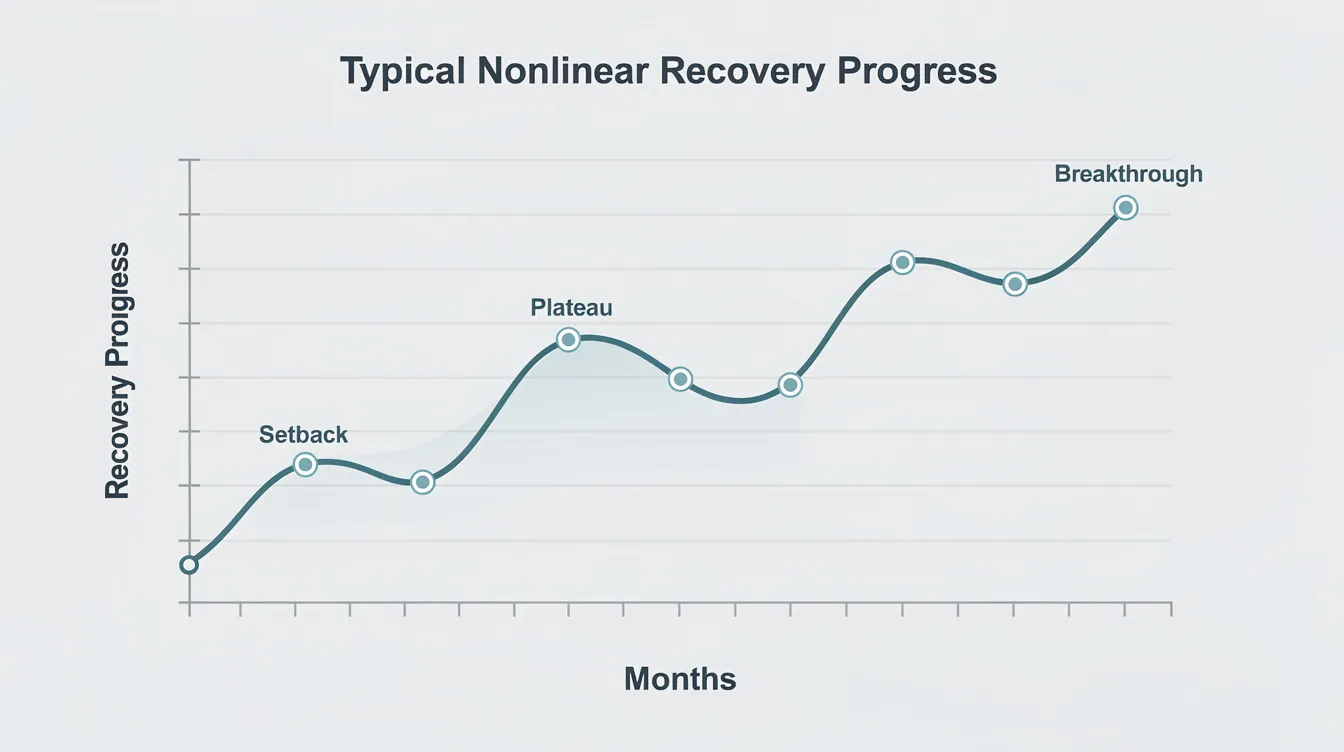
Pain flare-ups are inevitable and do not mean treatment has failed. Setting realistic goals is critical: progress in chronic pain management is nonlinear. Effective flare-up management involves gentle activity rather than complete rest, pain education reinforcing that setbacks are normal, and tracking trends over months rather than day-to-day fluctuations. Understanding how often to see a chiropractor for ongoing support helps maintain consistency and develop healthy behaviours that sustain long-term recovery, while consistent routines also support good health over the long term.
Conclusion and Next Steps
Chronic pain is not merely a physical problem-it is a disease that reshapes the brain’s emotional centers, impairs cognition, and dramatically increases the risk of depression and anxiety. Treating it requires addressing the whole person through a holistic approach that integrates movement, manual therapy, psychological support, and education. The evidence is clear: structured movement, guided by medical knowledge and clinical practice principles, is among the most effective tools available to reverse the neurobiological changes that fuel chronic pain’s mental health burden.
Take these immediate steps:
-
Request a pain-movement assessment with a healthcare provider trained in the biopsychosocial model to evaluate your spine alignment, movement quality, and psychosocial risk factors
-
Begin a mood and pain journal to track the connection between your physical sensation, emotional state, and daily activities
-
Start small: introduce consistent, gentle movement into your routine-even five minutes of walking or stretching counts
-
Seek professional consultation at Everton Chiropractic, where chronic pain management addresses spinal health, posture correction, movement therapy, and mental wellness as an integrated practice
Related topics worth exploring include how posture correction impacts mood and pain management, the role of spinal alignment in nervous system function, and strategies for maintaining balance and overall vitality as you age.
Additional Resources
-
Singapore mental health support: Institute of Mental Health Crisis Helpline (6389 2222); Singapore Association for Mental Health (1800 283 7019)
-
Chronic pain support: Pain Association Singapore provides peer support and education for patients managing persistent pain
-
Movement and mood tracking: Apps such as Manage My Pain and Daylio can help monitor symptoms, identify patterns, and develop coping skills over time
-
Everton Chiropractic programs: Specialized chronic pain management combining spinal manipulation, movement protocols, posture assessment, and wellness strategies tailored for Singapore’s lifestyle and environment-contact the clinic for a comprehensive evaluation addressing your unique needs