
Introduction
Chiropractic care targets balance improvement in seniors by correcting spinal misalignments that interfere with the nervous system’s ability to coordinate posture, proprioception, and movement. For older adults aged 65 and above, this neurological optimization represents a direct, evidence-based pathway to reduce fall risk-the leading cause of injury-related hospitalization in this age group.
This article covers how chiropractic spinal adjustments enhance balance function, the research evidence behind these improvements, specific treatment protocols for aging adults, and practical fall prevention strategies tailored for seniors in Singapore. The target audience includes seniors experiencing mobility decline or unsteadiness, family members concerned about a loved one’s fall risk, and individuals proactively seeking to maintain an independent life through better postural stability.
Direct answer: Chiropractic care improves balance through spinal alignment corrections that restore nervous system function, enhance proprioception (your body’s ability to sense its position in space), and strengthen sensorimotor integration-allowing seniors to react faster and more accurately to balance challenges during everyday activities.
Key outcomes you will gain from this article:
-
How spinal alignment directly impacts proprioception, vestibular function, and dynamic balance in older adults
-
Clinical evidence showing significant improvements in reaction time, joint position sense, and fall rates after chiropractic treatment
-
Specific chiropractic treatment protocols including assessment, adjustment, and proprioceptive training phases
-
Practical solutions for common balance challenges like morning stiffness, nighttime bathroom falls, and fear of falling
-
How to integrate chiropractic care with broader fall prevention strategies for comprehensive protection

Understanding Falls, Risk Factors, and Balance Issues in Seniors
Over 30% of individuals over 65 fall annually-a statistic that holds true both internationally and in Singapore, where approximately one in three community-dwelling seniors experiences at least one fall per year. Falls are the leading cause of hospitalization for injuries in seniors, frequently resulting in hip fractures, head injuries, and prolonged loss of independence. Understanding why falls occur and the risk factors behind them is essential before exploring how chiropractic care can help.
For Singapore’s aging population, these numbers carry particular weight. A primary care clinic survey found that 27.7% of elderly patients had fallen in the past six months, with 60% of those falls caused by a trip or slip and 23.1% attributed to loss of balance. Environmental factors unique to Singapore-wet surfaces during monsoon seasons, stairs in HDB flats, and uneven surfaces outdoors-compound the challenge.
Age-Related Balance Decline in Older Adults
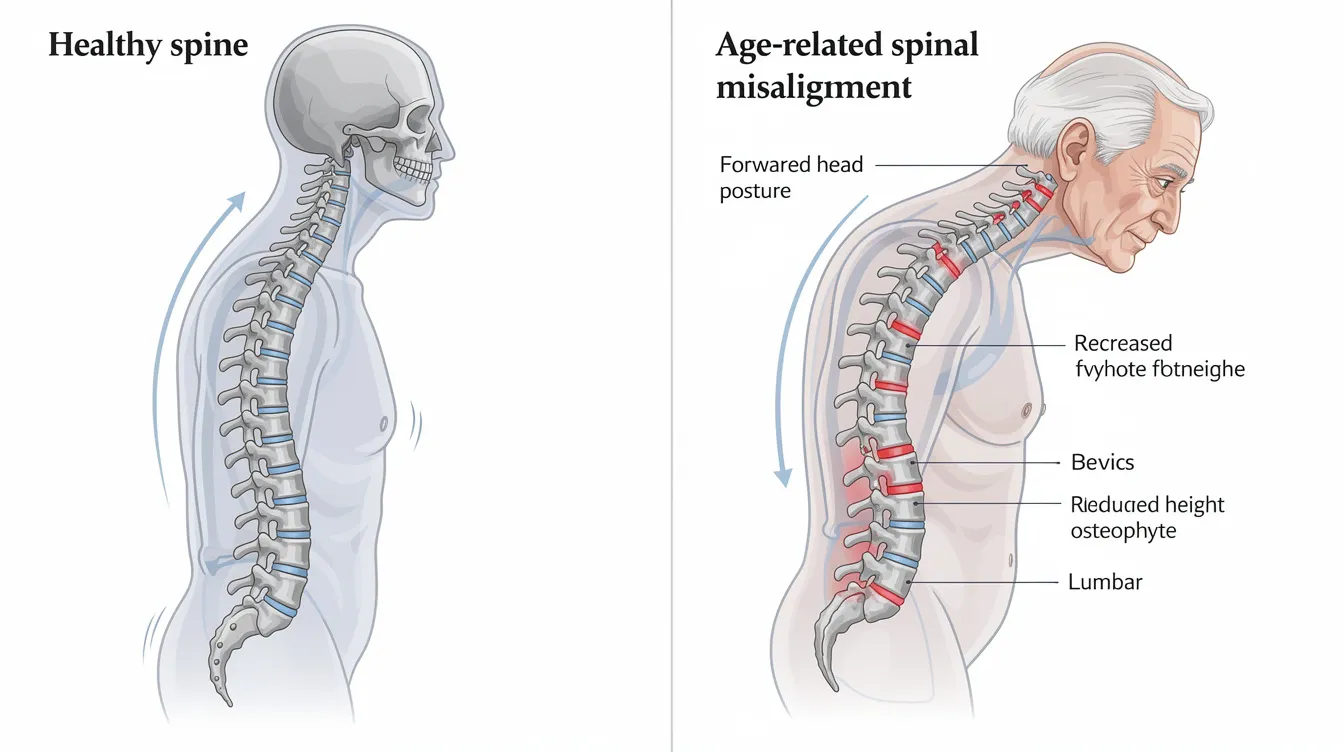
As individuals age, three interconnected systems responsible for maintaining balance undergo progressive decline. The proprioceptive system loses mechanoreceptor density in joints and ligaments, reducing the body’s ability to detect shifts in position. Muscle weakness accelerates through sarcopenia, particularly in the lower limbs and core muscles involved in postural recovery. The vestibular system-inner ear structures that detect head motion relative to gravity-becomes less responsive with age.
Spinal alignment plays a vital role in this equation. Age-related spinal degeneration, disc deterioration, and postural changes like increased thoracic kyphosis alter the biomechanical chain that supports upright balance. Spinal misalignments can compress or irritate nerves, degrading the proprioceptive signals traveling from joints and muscles to the brain. This interference with the nervous system disrupts the rapid, coordinated responses required for both static and dynamic balance. Research into older adult cohorts shows that balance control and tactile/proprioceptive sensation worsen significantly after age 80, with muscle strength becoming the dominant remaining factor for stability.
The risk of falling doubles with each additional risk factor-meaning a senior with muscle weakness, poor vision, chronic pain, and blood pressure irregularities like orthostatic hypotension faces exponentially higher danger than someone with only one of these conditions.
The Cost of Falls in Seniors
The consequences of falls extend far beyond the immediate injury. Physically, falls result in hip fractures, traumatic brain injuries, and chronic pain conditions that may never fully resolve. Many seniors who fall require visits to emergency departments, extended rehabilitation, and ongoing care that significantly diminishes their overall quality of life. Joint pain from fall-related injuries often persists long after the initial event, compounding the challenges of aging.
Emotionally, even a single fall can trigger a devastating fear-of-falling cycle. Seniors who have fallen become cautious to the point of inactivity, avoiding physical activity that would actually strengthen their balance systems. This avoidance leads to further muscle weakness, reduced joint mobility, and accelerated decline-creating a self-reinforcing loop that erodes independence.
Financially, fall-related injuries impose substantial costs on families and healthcare systems. Hospital admissions, rehabilitation programs, home modifications, and potential long-term care represent major expenses. Osteoporosis increases the risk of falls in older adults and simultaneously makes fractures more likely when falls occur, compounding the physical and financial toll.
These cascading consequences make early intervention for balance improvement not just beneficial but essential-which is precisely where chiropractic care becomes increasingly important as a targeted, non-invasive approach to restoring the neural and musculoskeletal foundations of stability.
The Role of Chiropractic Care in Balance Improvement and Fall Prevention
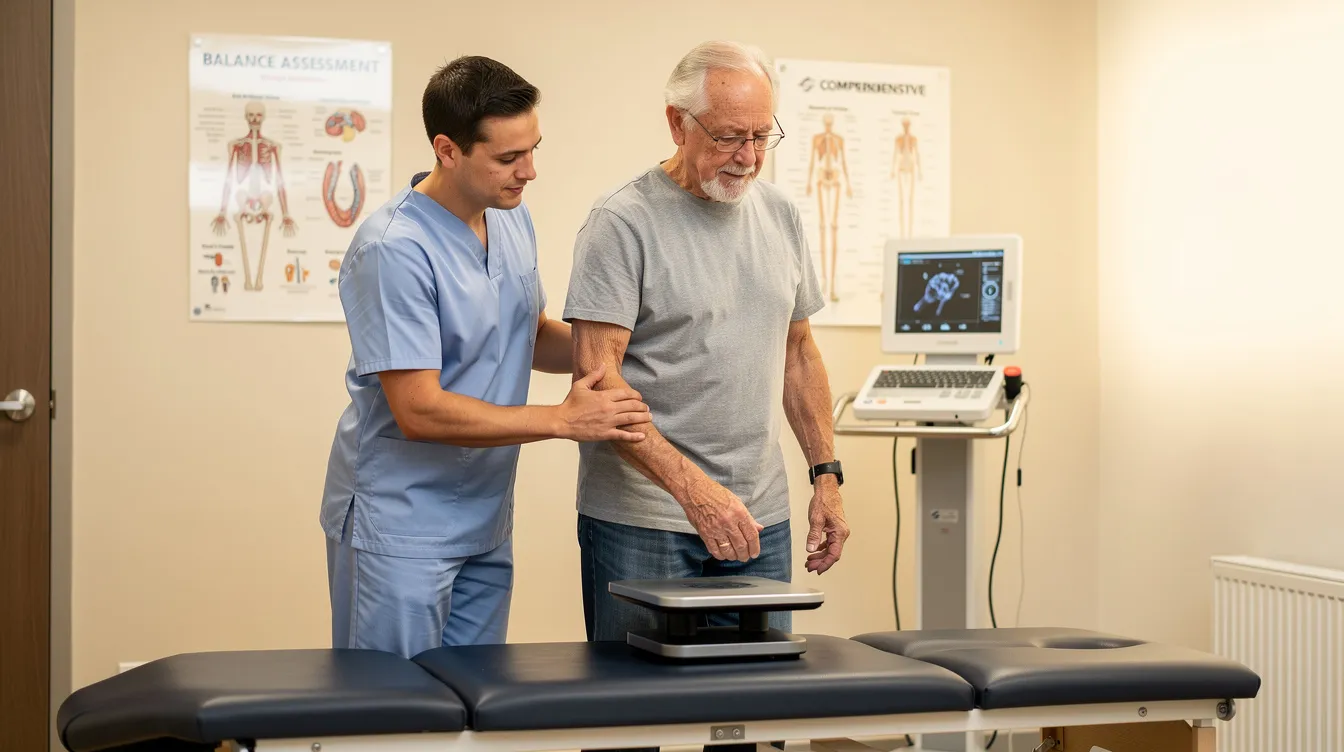
Having established how age-related decline and spinal changes compromise balance, the question becomes: how can chiropractic care specifically address these mechanisms? Chiropractors focus on improving musculoskeletal factors that affect balance by targeting the spinal structures that govern nervous system communication. Chiropractors use a multimodal approach to improve balance in seniors, combining spinal adjustments with sensorimotor training and functional assessment.
Spinal Alignment and Nervous System Function
Spinal adjustments enhance nervous system function in seniors by restoring proper motion to vertebral joints and reducing mechanical interference with nerve pathways. When vertebral segments become restricted or misaligned-referred to as subluxations in chiropractic terminology-they can alter the afferent (sensory) signals traveling from joint receptors to the spinal cord and brain. This disruption affects the body’s ability to process balance information accurately.
Chiropractic adjustments target these dysfunctional segments, particularly in the cervical and lumbar regions, which most strongly influence postural control. The cervical spine is especially significant because its proprioceptors connect directly with head position sense and vestibular function-the inner ear system that detects orientation relative to gravity. By restoring proper cervical joint mechanics, chiropractic adjustments can improve the integration between head position awareness and whole-body balance responses. Chiropractors may use gentle techniques suitable for older adults, modifying force levels to accommodate age-related conditions like osteoporosis or frailty.
Sensorimotor Enhancement
Beyond structural correction, chiropractic adjustments improve balance and coordination in seniors by enhancing sensorimotor integration-the nervous system’s ability to combine visual, vestibular, and proprioceptive inputs into coordinated motor responses. When spinal joint function improves, the quality and speed of proprioceptive feedback increase, allowing the brain to more accurately detect shifts in body position and initiate corrective movements.
This enhancement in joint position sense and spatial awareness translates directly to improved functional balance. Seniors experience better ability to detect when they are shifting weight unexpectedly, faster reflexive responses to perturbations, and greater confidence navigating challenging environments like uneven surfaces or crowded spaces. Proprioception training helps seniors detect if they are losing balance before a fall actually occurs. Regular chiropractic care improves multisensory integration in older adults, strengthening the neural pathways that coordinate all three balance systems simultaneously.
Chiropractic care can also alleviate back and joint pain effectively, and pain management through chiropractic can promote more confident movement. When chronic pain is reduced, seniors move more freely and are less likely to adopt compensatory movement patterns that compromise their postural stability.
Research Evidence for Chiropractic Balance Improvement
Studies demonstrate measurable, clinically meaningful improvements in balance function following chiropractic intervention. A randomized controlled trial involving 60 seniors over 65 in Auckland, New Zealand, found that 12 weeks of chiropractic care produced significant improvements in choice stepping reaction time (approximately 119 milliseconds faster), multisensory integration (13.5% improvement), and ankle joint position sense (approximately 0.20° more accurate), along with improved physical quality of life scores. Notably, proprioceptive improvements appeared at the 4-week mark and continued strengthening through 12 weeks, indicating that alignment and sensorimotor benefits emerge early and compound over time.
A pilot feasibility study comparing chiropractic manipulative therapy with supervised balance exercise in older patients with impaired balance found improvements in Berg Balance Scale scores, one-leg stand time, and reduced dizziness in the chiropractic group.
Perhaps most compellingly, a recent observational matched cohort study using the TriNetX database (USA, 2013–2023) compared seniors aged 65 and older with spinal pain receiving spinal manipulative therapy versus those who did not. The SMT group showed a fall rate of 3.8% compared to 5.4% in controls over 13 months-a 29% relative risk reduction. While observational data cannot confirm causality, this reduced risk pattern aligns with the mechanistic improvements documented in controlled trials.
Balance and strength training reduces fall rates by 20–30%, and combining chiropractic care with exercise can enhance fall prevention outcomes beyond what either approach achieves alone. Exercise programs emphasizing balance have strong evidence for reducing falls, and chiropractic care is best viewed as one part of a broader fall-prevention plan.
These findings support chiropractic’s role not merely as pain relief but as a targeted intervention for the neurological and proprioceptive foundations of balance-making it a logical next step to understand how treatment protocols work in practice.
Chiropractic Treatment Methods for Balance Enhancement
Translating research evidence into clinical practice requires structured treatment protocols that systematically address each component of balance decline. The following approach reflects how chiropractic care for balance improvement typically unfolds, from initial evaluation through long-term maintenance.
Assessment and Treatment Protocol
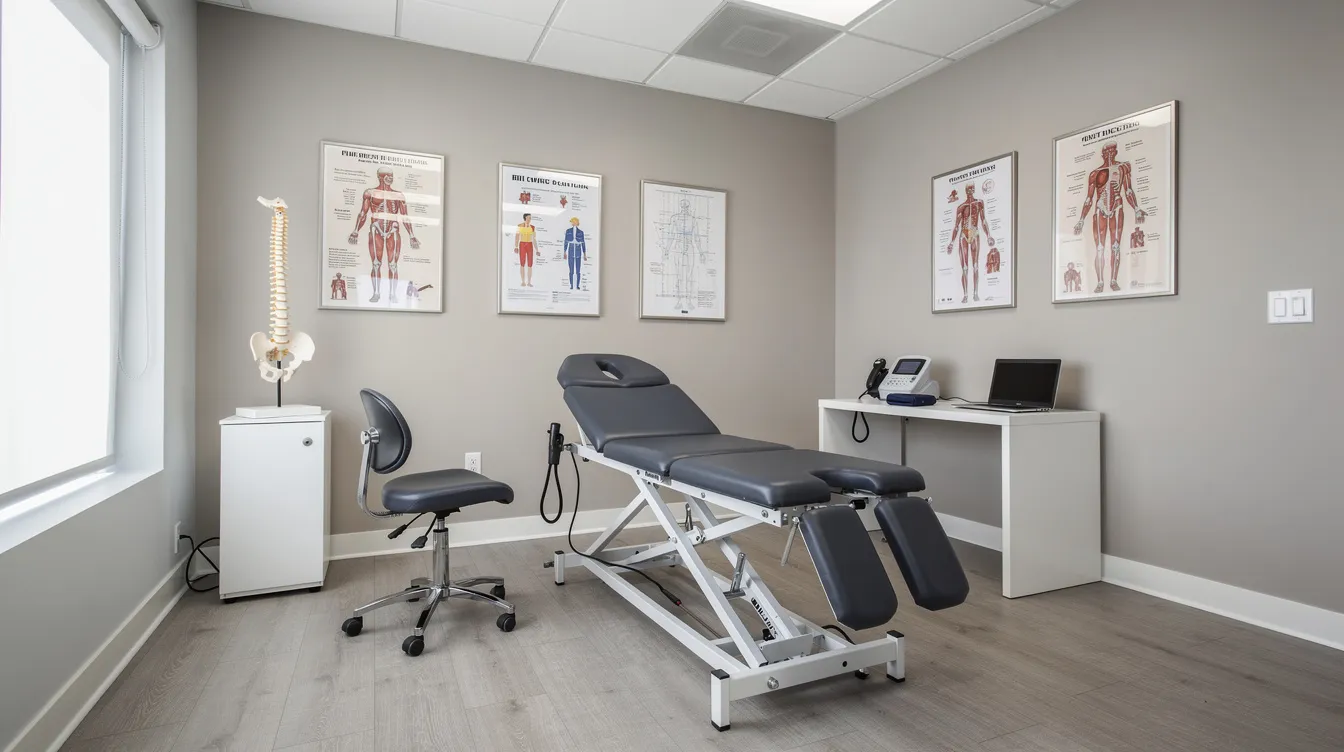
Seniors should seek chiropractic balance evaluation when they notice early warning signs: unsteadiness while walking, dizziness, difficulty navigating stairs, morning stiffness that affects first steps, or after any fall-even one without injury. Fall risk screening includes evaluating balance and home hazards, and gait assessment can reveal issues that affect walking patterns that might otherwise go unnoticed. A healthcare professional trained in balance assessment can identify deficits before they lead to injury.
-
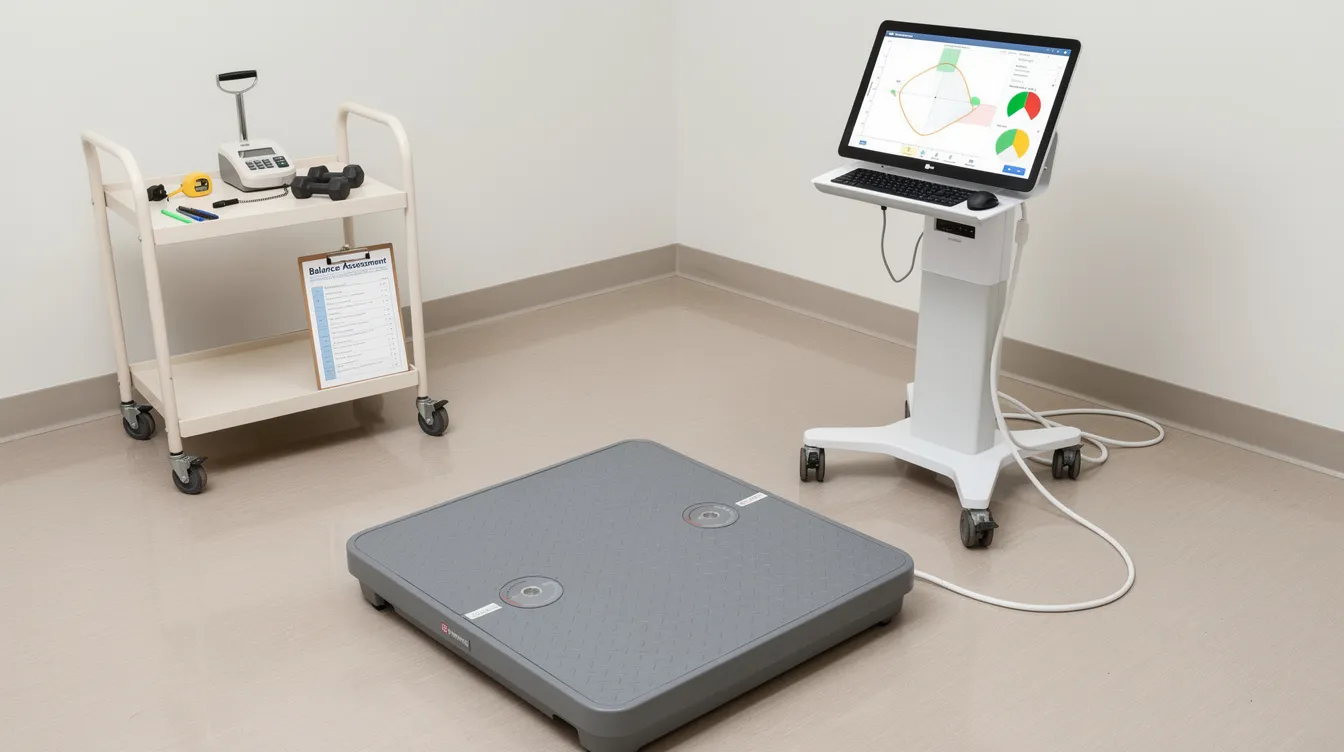
Initial balance and spinal alignment assessment with posture analysis – This includes sagittal and coronal posture evaluation, spinal mobility testing, neurological screening (sensory function, reflexes), balance testing using the Berg Balance Scale or one-leg stand, gait analysis, and proprioceptive assessment such as ankle joint position sense. This comprehensive baseline identifies the specific mechanisms contributing to each senior’s fall risk.
-
Targeted spinal adjustments to correct misalignments affecting the nervous system – Chiropractic adjustments restore motion to restricted vertebral segments, particularly in cervical and lumbar regions. Correcting abnormal curvatures and improving overall posture optimizes load distribution and neural transmission. For older adults, gentle low-force techniques are selected to accommodate conditions like osteoporosis or existing joint degeneration.
-
Proprioceptive training exercises to enhance joint position awareness – Following adjustments, balance training using unstable surfaces, eyes-closed tasks, and stepping reaction drills reinforces the improved neural pathways. Balance exercises should be performed two times a day for best results. These exercises progressively challenge the sensorimotor system while supporting proprioceptive training and strengthening muscles involved in postural recovery. Sit-to-stand exercises build leg strength and improve balance as part of this training phase.
-
Progress monitoring through balance testing and functional movement evaluation – Re-assessment at 4-week and 12-week intervals tracks objective measures including reaction time, joint position sense, quality of life scores, and fall incidence. This data-driven approach ensures treatment is producing measurable results and allows protocol adjustments as needed.
After the initial intensive phase, ongoing maintenance through periodic adjustments and continuous balance training sustains results. Strengthening exercises should target major muscle groups like legs and core as part of the long-term balance goal, and engaging in 150–300 minutes of aerobic activity weekly improves balance over the long term.
Comparison of Chiropractic vs Traditional Balance Training
|
Approach Factor |
Chiropractic Care |
Traditional Physical Therapy |
|---|---|---|
|
Primary Focus |
Spinal alignment and nervous system optimization |
Muscle strengthening and exercise training |
|
Treatment Duration |
4–12 weeks with ongoing maintenance |
6–8 weeks intensive training |
|
Fall Prevention Mechanism |
Enhanced proprioception through improved nerve function |
Improved strength, endurance, and coordination |
|
Key Techniques |
Spinal adjustments, sensorimotor retraining |
Strength training, gait exercises, functional drills |
|
Best For |
Neural and proprioceptive deficits |
Muscle weakness and range of motion limitations |
The most effective approach for most seniors combines both disciplines. A chiropractor addresses the neural interference and proprioceptive deficits that a physical therapist’s strength training alone cannot correct, while a physical therapist or occupational therapist builds the muscular foundation and functional capacity that chiropractic adjustments alone cannot provide. This comprehensive approach to fall prevention efforts maximizes outcomes for older persons at risk.
Effective strategies for fall prevention combine exercise with education-an integrated model that recognizes no single intervention addresses all risk factors simultaneously.
Common Balance Challenges and Chiropractic Solutions
Singapore seniors face specific balance challenges shaped by daily routines, home environments, and climate conditions. Understanding how chiropractic solutions address each scenario helps translate general principles into practical fall prevention.
Morning Stiffness and Unsteadiness
Spinal stiffness that accumulates overnight-particularly in thoracic and lumbar joints-reduces postural muscle activation and proprioceptive feedback during the first steps of the day. This is when many falls occur: getting out of bed, walking to the bathroom, navigating through dim rooms. Chiropractic adjustments targeting these spinal segments increase joint mobility, reduce stiffness and chronic pain, and restore the neural signaling needed for stable movement in the critical first minutes after rising. Chiropractic care can alleviate common pain complaints in older adults that contribute to guarded, unsteady movement patterns. Combined with simple morning stretching routines beside a sturdy chair, spinal care creates a safer start to each day.
Nighttime Bathroom Falls
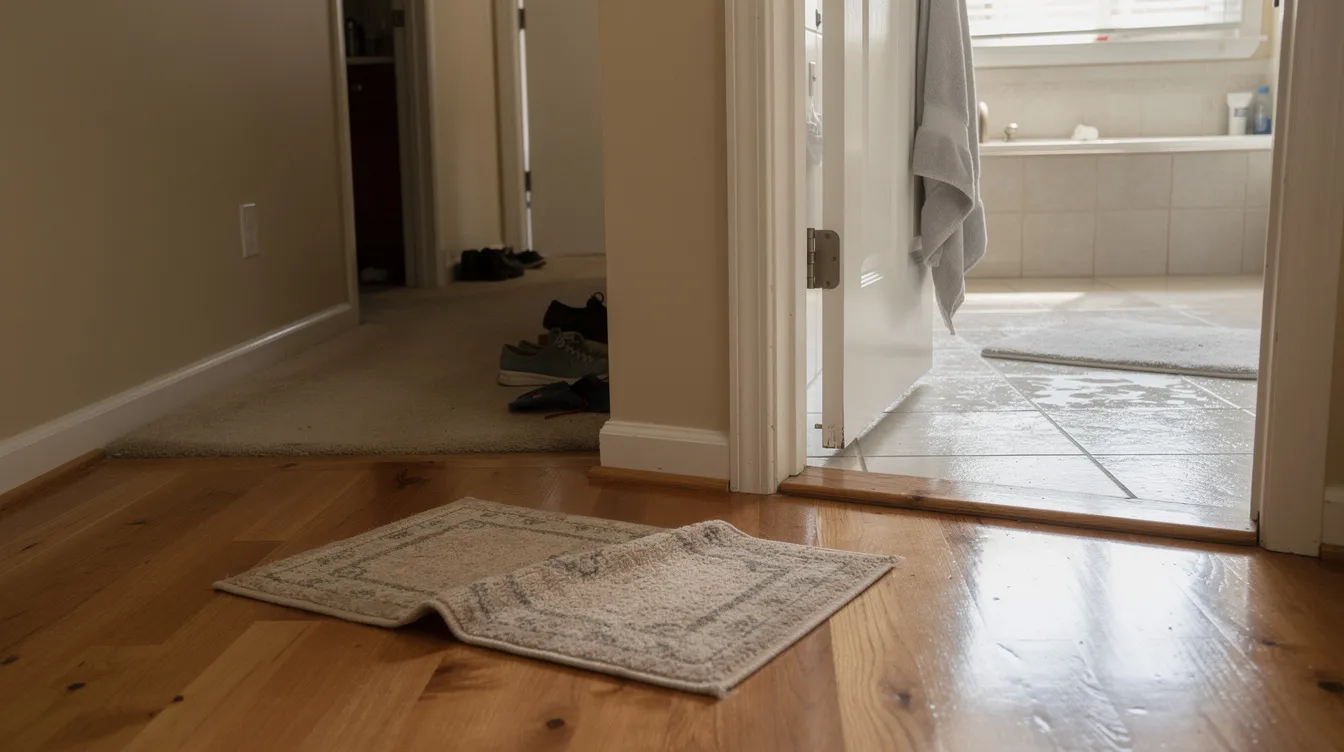
Low visibility, slippery bathroom surfaces, and sensory disorientation make nighttime trips to the bathroom one of the highest-risk everyday activities for seniors. When visual cues are absent, the body relies almost entirely on proprioception and vestibular function to maintain balance. Enhanced proprioceptive capacity through chiropractic care enables seniors to better sense limb position even in darkness. Improved balance reduces the likelihood of missteps when shifting weight on wet tile or navigating around obstacles. This neurological benefit should be paired with environmental modifications: installing grab bars near toilets and showers, using non slip mats on bathroom floors, ensuring adequate night lighting, and removing loose rugs and trip hazards from pathways.
Home safety education includes removing tripping hazards and improving lighting throughout the home. Reducing home hazards addresses environmental factors while chiropractic care addresses the physiological ones-together, they significantly reduce nighttime fall risk.
Fear of Falling Leading to Inactivity
Perhaps the most insidious balance challenge is psychological. After a fall-or even a near-miss-many seniors restrict their physical activity out of fear. This self-imposed limitation accelerates muscle weakness, reduces dynamic balance capacity, and paradoxically increases the very fall risk they are trying to avoid. Chiropractic treatments that reliably improve balance metrics and nervous system function restore confidence by giving seniors measurable evidence of their improved stability.
The graduated approach matters: as improved balance allows seniors to attempt more challenging tasks safely-standing on one foot, walking on uneven surfaces, navigating stairs with confidence-they rebuild both physical capacity and psychological security. Tai Chi improves postural stability more than other exercises and serves as an excellent complementary practice, as the practice involves slow, controlled movements that challenge balance while building strength and confidence simultaneously. Vitamin D supplementation can reduce falls by 19% in seniors, offering another evidence-based tool to address this challenge. The goal is breaking the fear-inactivity cycle, allowing seniors to return to the everyday activities and physical activity levels that support their overall well being and independence.
These practical scenarios illustrate why addressing balance requires attention to both the body’s internal mechanisms and the external environment-a principle that guides every step of a comprehensive fall prevention plan.
Conclusion and Next Steps
Chiropractic care occupies a specific and evidence-supported role in fall prevention for seniors: it targets the spinal alignment and nervous system pathways that underpin proprioception, sensorimotor integration, and postural stability. Clinical research shows significant improvements in reaction time, joint position sense, and multisensory processing within 4 to 12 weeks of treatment, with observational data suggesting a meaningful reduction in actual fall incidence. When integrated with strength training, environmental modifications, and ongoing physical activity, chiropractic adjustments become a powerful component of a comprehensive strategy to prevent falls and protect overall health in older adults.

-
Schedule an initial chiropractic balance assessment at Everton Chiropractic to identify specific spinal and proprioceptive factors contributing to your fall risk
-
Commit to a 4-week treatment protocol with progress monitoring – research shows proprioceptive improvements begin within this timeframe, with continued gains through 12 weeks of care
-
Combine chiropractic care with home safety modifications – remove loose rugs, install grab bars, improve lighting, wear appropriate footwear, and address foot problems that affect stability
-
Maintain regular chiropractic visits for ongoing balance optimization alongside exercise programs that include balance exercises, strength training targeting legs and core, and activities like tai chi that enhance postural stability
For those looking to deepen their understanding of how spinal health affects daily function, exploring posture correction strategies and understanding optimal chiropractic visit frequency provides valuable context for building a long-term wellness approach that supports a better quality independent life as people age.
Additional Resources
-
Everton Chiropractic balance assessment services – Contact the clinic to schedule an introductory visit focused on fall risk evaluation and balance improvement planning
-
Singapore Ministry of Health fall prevention programs – Government initiatives including HPB’s “Steady Lah” and SportSG’s CALM have served over 25,000 seniors with targeted fall prevention programmes, with plans to expand to another 10,000 seniors by end of 2026
-
Home balance exercise guidance – Engaging in 150–300 minutes of exercise weekly is recommended for older adults; balance exercises should be performed twice daily alongside strengthening exercises targeting major muscle groups for best results
-
Disease control and fall prevention resources – Consult your healthcare professional about comprehensive fall risk screening that evaluates balance, medication interactions, blood pressure management, vision, and vitamin D levels for a complete prevention strategy