Introduction
Holistic management for mild scoliosis preventing progression in adulthood in Singapore means using non-surgical care—typically chiropractic spinal correction, scoliosis-specific exercises, ergonomic changes, and lifestyle modification—to slow or prevent curve progression, reduce pain, and improve posture and quality of life. For adults with a spinal curvature of about 10 to 25 degrees, this conservative approach targets the factors that commonly drive symptoms and worsening over time, without defaulting to surgery. Scoliosis is a condition in which the spine curves sideways, and in adulthood, early management often matters most when desk work, aging, and long periods of sitting add strain to an already asymmetrical spine.
This article is written for adults in Singapore, especially those aged 25–65 who have been newly diagnosed with mild scoliosis or who still have a mild curve from adolescent idiopathic scoliosis. If you are dealing with back pain at your desk, noticing uneven shoulders, with one shoulder appearing higher than the other, or trying to avoid progression as you age, you will find a practical, local roadmap here. The focus is on non-surgical adult scoliosis management in Singapore: chiropractic care, scoliosis-specific exercise methods such as Schroth and SEAS, ergonomic and lifestyle adjustments, a phased treatment approach, common adherence challenges, and realistic next steps. Surgical options such as spinal fusion, and severe curves above 40 degrees, are only mentioned briefly for context rather than covered in depth.
In short: holistic care for mild adult scoliosis can help prevent further progression when applied early and consistently, while also reducing discomfort, improving alignment, and supporting long-term spinal health without surgery. That is increasingly relevant in Singapore, where more desk-bound and aging adults are trying to protect mobility, posture, and daily function before mild scoliosis becomes a bigger problem.
By reading this article, you will understand:
-
How adult scoliosis differs from adolescent scoliosis and why classification matters for treatment
-
Which holistic treatment modalities have the strongest evidence for mild curves
-
A practical, phased treatment protocol you can follow in Singapore
-
How to overcome common challenges like workplace posture and exercise consistency
-
Actionable next steps to begin managing scoliosis effectively
Understanding Adult Scoliosis in Singapore
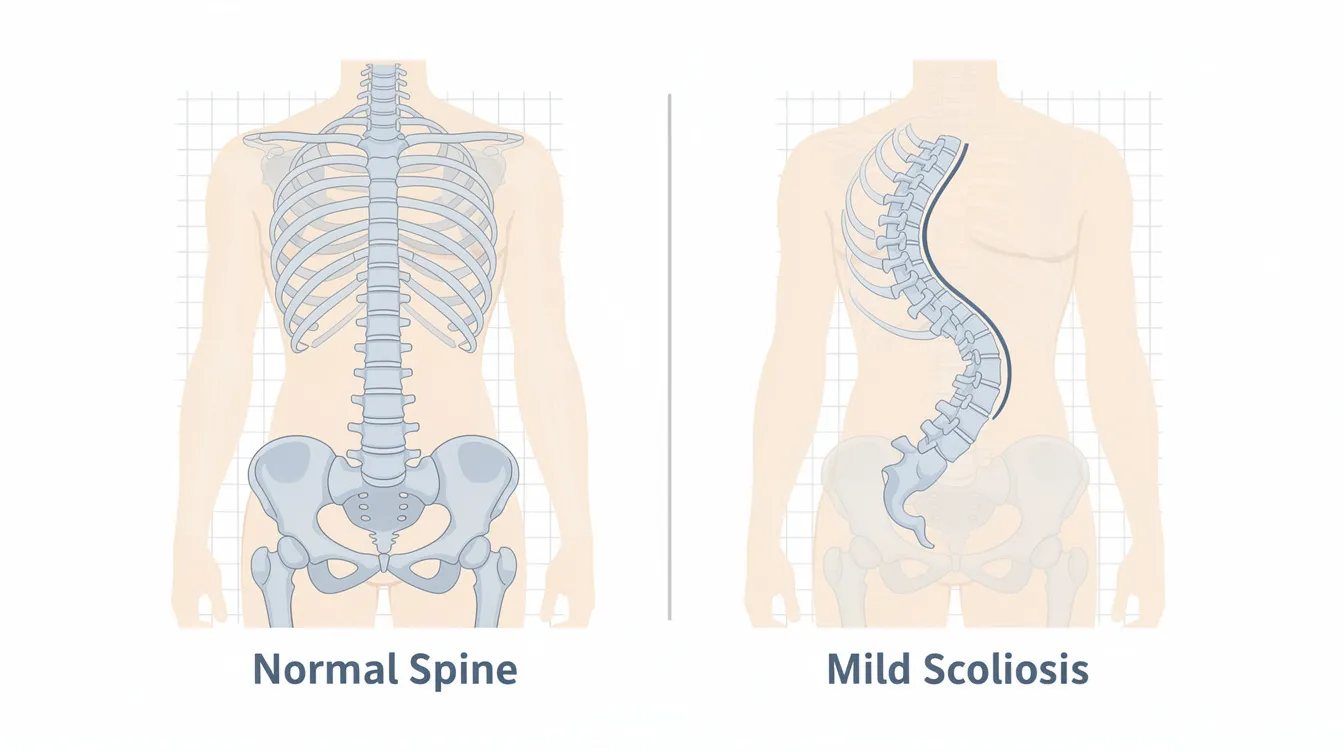
Adult scoliosis is defined as a condition in which the spine curves sideways after skeletal maturity – specifically a Cobb angle of 10 degrees or greater – whether that abnormal curvature persisted from adolescence or developed later in life. Unlike scoliosis in growing children, adult scoliosis typically presents with pain, stiffness, and functional limitations rather than rapid curve progression. Scoliosis can be classified into four main types, and understanding which type you have is essential for effective scoliosis treatment.
Singapore’s aging population and desk-heavy work culture make this condition increasingly relevant. The University Spine Centre at NUH estimates scoliosis incidence at approximately 2.3% of the population, and adult scoliosis clinic visits saw an 8% increase between 2016 and 2017. Scoliosis affects 1.4% of schoolgirls aged 11 to 12 in Singapore, and many of these cases carry forward into adulthood. Epidemiological data shows adult scoliosis prevalence rises to approximately 68% in individuals over 60, largely driven by degenerative changes.
Types of Adult Scoliosis: Including Degenerative Scoliosis
Degenerative scoliosis is the most common form of adult onset scoliosis. This condition develops due to age-related wear on spinal discs, asymmetric facet joint degeneration, and vertebral changes. Degenerative scoliosis occurs in older individuals due to aging – scoliosis can develop after age 40 due to degeneration – and these progressive curves tend to worsen over time if left untreated, potentially leading to nerve compression and difficulty standing upright.
The second major type involves adolescent idiopathic scoliosis that continues or becomes symptomatic in adulthood. Idiopathic scoliosis has no identifiable cause, yet scoliosis progression is usually slower after skeletal maturity. However, larger curves – particularly those exceeding 30 degrees at skeletal maturity – may worsen over time. Many patients with adolescent scoliosis only seek treatment when pain or postural changes become noticeable in their 30s, 40s, or beyond.
Other less common forms include congenital scoliosis, which results from bone malformation at birth, and neuromuscular scoliosis, which develops from conditions like spina bifida, cerebral palsy, or muscular dystrophy. These types typically require treatment tailored to the underlying condition and often present across multiple age groups.
Understanding your scoliosis type matters because it determines progression risk and guides the holistic treatment approach. Degenerative curves tend to progress more aggressively and may benefit from stronger emphasis on bone health and joint mobility, while stable idiopathic curves often respond well to exercise-based management and postural correction.
Risk Factors in Singapore Adults
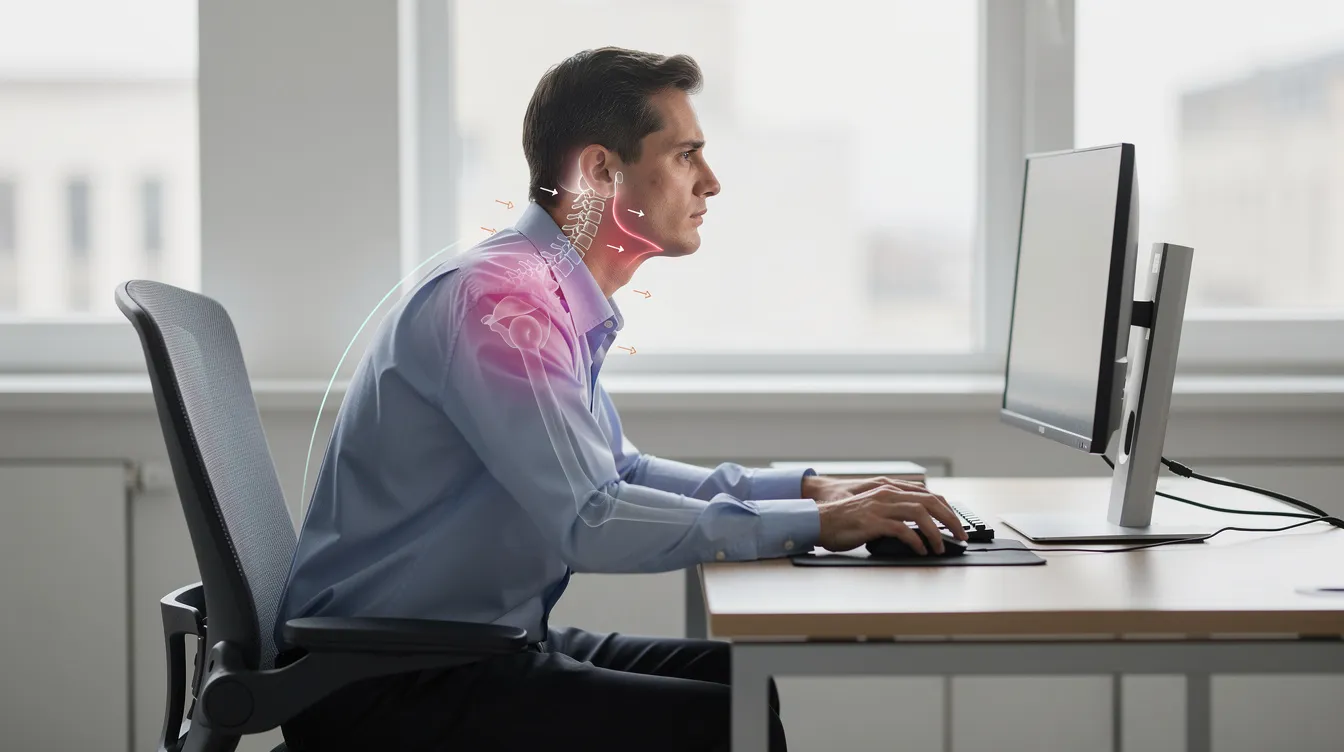
Singapore’s work culture presents specific risk factors for scoliosis patients. Sedentary office work is strongly associated with musculoskeletal symptoms – SingHealth research documents widespread neck, shoulder, and low back pain arising from poor ergonomics and sustained desk-bound postures. For adults with a mild spinal curve, these conditions can accelerate muscle imbalances and compensatory patterns that worsen the curvature of the spine over time.
Age-related spinal changes compound the problem. As Singapore’s demographic profile shifts older, bone density loss – especially in postmenopausal women – becomes a significant contributor to curve progression. Scoliosis can cause joint stiffness and muscle imbalances, and when combined with low physical activity and poor spinal awareness, even a mild curve can become symptomatic and progressive.
Lifestyle factors such as weight management and nutritional support are important for scoliosis care, yet many Singapore adults overlook these elements. Nutrition plays a critical role in maintaining bone health and managing scoliosis progression. Without early intervention, these compounding risk factors can transform a stable mild curve into a moderate or severe condition that may eventually require treatment beyond conservative care, with potential complications including worsening pain, functional limitation, or nerve-related symptoms.
Comprehensive Holistic Management Approaches
With a clear understanding of how scoliosis affects Singapore adults and what drives progression, the next step is exploring the integrated treatment modalities that form a holistic scoliosis management plan. Holistic management for mild adult scoliosis focuses on preventing progression and reducing pain through a combination of hands-on care, active rehabilitation, and daily habit modification. This approach focuses on treating the whole person rather than the curve measurement alone.
Chiropractic Spinal Correction
Precision spinal adjustments form one pillar of holistic scoliosis treatment. Chiropractic care targets specific spinal segments to improve joint mobility, correct alignment issues, and reduce compensatory distortions that develop around the primary curve. Manual techniques address the back muscles and soft tissues surrounding the spine, helping to restore more balanced movement patterns.
Case studies using Chiropractic BioPhysics (CBP) protocols have demonstrated that adults with mild to moderate thoracic curves of 17–26 degrees achieved modest Cobb angle reductions alongside meaningful improvements in pain, sleep quality, and quality of life. A separate 24-month retrospective study found that a combined chiropractic and exercise-based programme produced improvements in pain, disability, and respiratory function that were maintained at two years – even after active clinic treatment ended.
It is worth noting that systematic reviews indicate no high-quality randomized controlled trials currently prove that manual chiropractic manipulation alone prevents curvature progression. The strongest evidence supports chiropractic care as part of a multi-modal programme rather than a standalone intervention. Understanding how often to see a chiropractor for optimal health helps patients plan realistic treatment schedules.
Targeted Exercise Rehabilitation and Physical Therapy
Scoliosis specific exercises represent perhaps the most well-supported conservative intervention for managing scoliosis in adults. Physiotherapy, or physical therapy, can reduce pain and improve function in scoliosis patients, and physiotherapy can slow the progression of scoliosis curves when performed consistently.
The Schroth Method is a recognized physiotherapy approach for scoliosis, developed in Germany for scoliosis treatment. Schroth exercises aim to improve posture and reduce pain through three-dimensional corrective movements. The method includes breathing techniques to enhance lung capacity, and Schroth Method exercises are personalized based on individual curves. Regular practice can help halt curve progression in scoliosis patients.
SEAS (Scientific Exercises Approach to Scoliosis) exercises emphasize active self-correction of the spine in daily life, teaching patients to recognize and correct their curve pattern during everyday activities. Core stabilization exercises like Pilates are crucial for supporting the spine and strengthening the muscles supporting the vertebral column.
Scoliosis-specific exercises can help improve posture and reduce discomfort. A balanced routine for scoliosis management includes strength training and cardiovascular fitness activities. Mobility work should complement strengthening exercises in scoliosis management – addressing both muscle strength and flexibility creates a comprehensive rehabilitation framework that supports lasting change.
In Singapore, clinics such as BREMJ offer Schroth-based intensive programmes with scoliosis-specific exercise instruction, and the ISST Schroth Camp Singapore allows adults with spinal deformities to learn personalized corrective exercises over four-day intensives and then maintain progress at home.
Lifestyle and Ergonomic Modifications
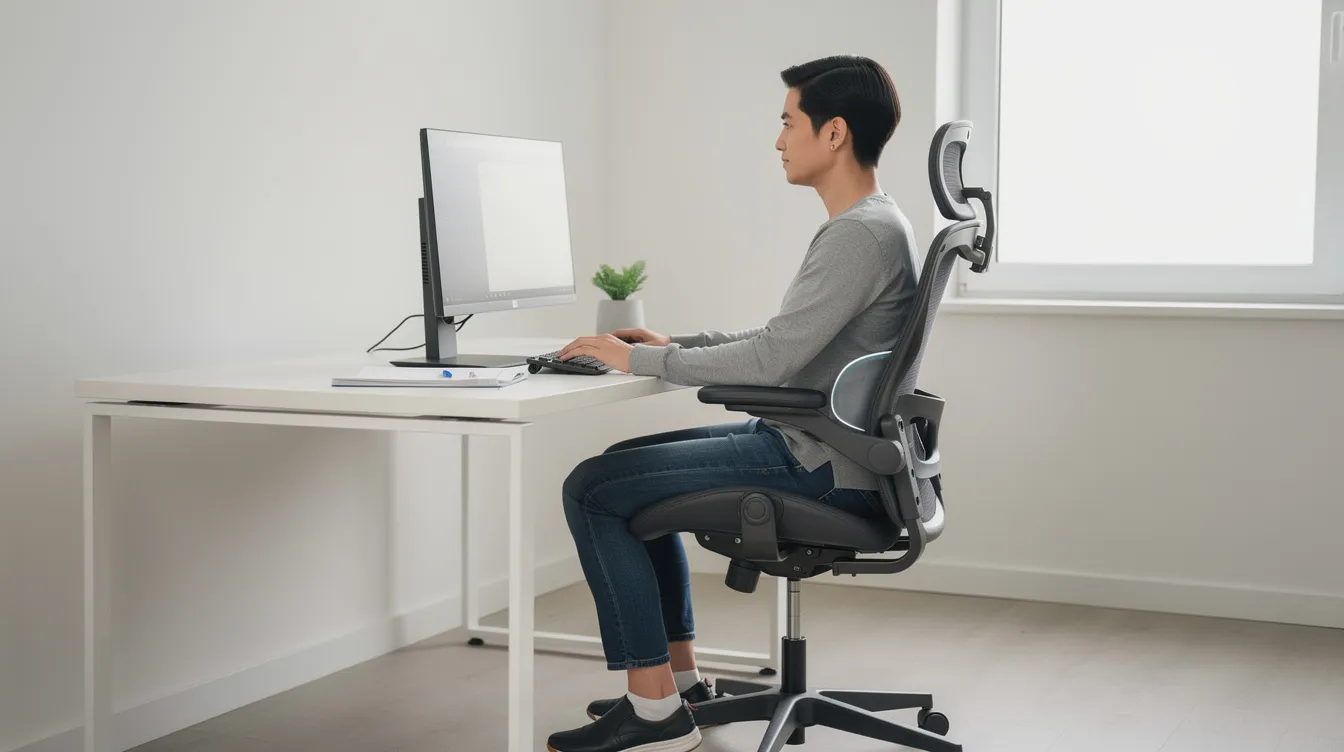
Ergonomic adjustments at work can help prevent musculoskeletal strain for desk workers – and for scoliosis patients, proper workplace setup is essential for preventing regression of treatment gains. Key modifications include optimizing seat height and monitor position, ensuring adequate lumbar support, and incorporating frequent movement breaks to avoid sustained postures that load the spine asymmetrically.
Postural awareness includes correcting posture while sitting or standing to reduce strain. Learning the best ways to correct posture in daily life creates a foundation that supports all other treatment modalities.
Beyond the workplace, sleep positioning matters. Side-lying with a pillow between the knees can reduce overnight spinal stress. Proper nutrition should include adequate calcium and Vitamin D for bone health – a factor that becomes increasingly important for preventing degenerative changes that could accelerate curve progression.
Exercise is generally encouraged for adults with mild scoliosis to improve fitness and spinal support. Activities such as swimming, walking, and yoga complement clinical treatment by maintaining cardiovascular health and overall well being.
Practical Implementation of Holistic Scoliosis Management
Moving from understanding treatment modalities to applying them systematically is where many patients struggle. A structured, phased approach ensures that each element of holistic care builds upon the previous one, creating sustainable improvements in spinal health.
Progressive Scoliosis Treatment Protocol
This systematic approach is most effective when initiated at the point of diagnosis or when symptoms first appear – early intervention can reduce scoliosis impact and support health. Scoliosis treatment may include observation, bracing, or physiotherapy, but for mild curves, the following protocol represents best-practice conservative management:
-
Comprehensive spinal assessment and postural analysis – A thorough assessment includes radiographic evaluation (Cobb angle measurement, sagittal balance), postural analysis examining trunk tilt, shoulder and hip height asymmetry, muscle strength and flexibility testing, and a review of functional limitations and lifestyle factors. Regular monitoring is essential for detecting scoliosis progression.
-
Customized chiropractic treatment plan development – Based on assessment findings, a personalised plan addresses specific spinal segments, compensatory patterns, and symptom priorities. The plan maps out session frequency, expected milestones, and integration with exercise rehabilitation.
-
Progressive exercise programme introduction – Scoliosis specific exercises (Schroth, SEAS, Pilates-based core work) are introduced gradually, beginning with postural awareness and progressing to active self-correction, strengthening, and breathing work. Physiotherapy, as structured physical therapy for adult scoliosis management, is crucial for managing adult scoliosis effectively.
-
Lifestyle modification implementation – Ergonomic workstation setup, sleep position optimization, nutrition guidance, weight management, and daily movement habits are systematically addressed. Non-steroidal anti-inflammatory drugs can help manage pain associated with scoliosis during the initial phase if needed.
-
Regular monitoring and plan adjustments – Clinical reviews every 6–12 months (including radiographic assessment where appropriate) track outcomes across pain scales, postural measurements, and functional capacity. Monitoring spinal health through periodic medical reviews is advisable for adults with scoliosis. Regular reviews help detect progression early and reduce the risk of potential complications.
Treatment Frequency and Duration Comparison
|
Phase |
Frequency |
Duration |
Primary Focus |
|---|---|---|---|
|
Acute Phase |
2–3 sessions per week |
4–6 weeks |
Pain relief, inflammation reduction, initial spinal alignment correction |
|
Stabilization Phase |
1–2 sessions per week |
6–12 weeks |
Muscle strength building, neuromuscular re-education, postural habit formation |
|
Maintenance Phase |
Monthly sessions |
Ongoing |
Progression prevention, self-management reinforcement, periodic assessment |
The acute phase prioritises reducing symptoms and establishing baseline improvements. Many patients experience meaningful pain reduction within the first few weeks, which builds motivation for the more demanding stabilization phase. During stabilization, the focus shifts toward strengthening the muscles supporting the spine, consolidating postural habits, and developing exercise independence.
The maintenance phase is where long-term success is determined. Scoliosis-specific exercises can help improve posture and reduce pain only when performed consistently over months and years. This phase ensures that gains are preserved and that any early signs of curve progression are caught and addressed promptly.
Adults with scoliosis often experience back pain and stiffness, and understanding that treatment is a progressive journey – rather than a quick fix – helps set appropriate expectations. Symptoms include uneven shoulders and postural imbalance, but these can measurably improve with sustained effort. Severe scoliosis may lead to respiratory difficulties, making prevention of progression from mild to moderate curves all the more important.
Common Challenges and Solutions in Adult Scoliosis Management
Even with a well-structured treatment plan, Singapore adults face practical obstacles when treating scoliosis through conservative means. Addressing these challenges proactively improves outcomes and long-term compliance.
Workplace Posture Maintenance
Singapore’s long working hours and desk-heavy culture make maintaining good spinal alignment throughout the day difficult. Many office workers default to slouched or asymmetric sitting positions that reinforce the muscle imbalances driving curve progression.
Solution: Implement an ergonomic workstation setup with adjustable chair height, a monitor at eye level, and adequate lumbar support. Set micro-break reminders every 30–45 minutes to stand, stretch, and perform brief postural correction exercises. Consider a sit-stand desk to vary spinal loading throughout the day. Workers experiencing related neck discomfort may also benefit from understanding tech neck relief strategies.
Exercise Consistency and Motivation
Scoliosis specific exercises require sustained commitment, yet adherence typically drops significantly after the first few months. Without consistent practice, treatment gains reverse.
Solution: A graduated exercise programme with clear, measurable milestones maintains motivation. Regular progress assessments – including posture photographs and functional capacity measurements – provide tangible evidence of improvement. Integrating corrective exercises into daily routines (such as performing self-correction during commute standing or at the office) reduces the perceived burden.
Managing Initial Treatment Discomfort
Some patients experience mild soreness or stiffness after initial chiropractic adjustments or when beginning new exercise protocols. This can discourage continued treatment.
Solution: Gentle progression protocols that gradually increase intensity prevent excessive post-treatment discomfort. Clear communication about expected adjustment periods – typically resolving within 24–48 hours – helps patients distinguish normal adaptation from concerning symptoms. Lifestyle factors such as weight management and nutritional support are important for scoliosis care and can reduce baseline inflammation that contributes to discomfort.
Long-term Compliance with Lifestyle Changes
Sustaining ergonomic habits, exercise routines, and nutritional priorities over years is the most challenging aspect of managing scoliosis holistically. Initial motivation fades, and without structure, many patients revert to previous habits.
Solution: Scheduled follow-up appointments create accountability checkpoints. Setting goals tied to functional outcomes – such as reduced discomfort during specific activities, improved quality of life scores, or maintained Cobb angle measurements – keeps the focus practical rather than abstract. Building a support network through structured programmes and periodic intensive workshops, similar to the Schroth camps available in Singapore, refreshes technique and motivation.
Conclusion and Next Steps
Holistic management offers Singapore adults with mild scoliosis an effective, evidence-based strategy for preventing further progression, reducing pain, and achieving improved quality of life – without resorting to surgery. By combining chiropractic spinal correction, scoliosis specific exercises like the Schroth Method, ergonomic workplace modifications, and attention to nutrition and bone health, many patients can stabilise or even modestly improve their spinal curve while significantly enhancing daily function and well being.
The evidence is clear that early intervention, consistent exercise, and a structured treatment protocol produce the best outcomes. While dramatic curve correction in adults remains unlikely, preventing a mild curve from becoming a moderate or severe one is both achievable and profoundly impactful.
Your immediate next steps:
-
Schedule a comprehensive spinal assessment – Obtain a thorough assessment including Cobb angle measurement and postural analysis to establish your baseline
-
Implement basic postural awareness today – Begin correcting your sitting and standing posture using the principles outlined in this guide, and explore practical posture correction strategies
-
Start gentle mobility exercises – Begin with basic core engagement and stretching while awaiting your professional assessment
-
Review your workstation ergonomics – Make immediate adjustments to chair height, monitor position, and break frequency
If your scoliosis is accompanied by persistent neck pain or headaches, you may also want to explore chiropractic care for neck pain and headaches as part of your overall spinal health strategy.
Related topics worth exploring include advanced posture rehabilitation techniques, workplace wellness programmes for corporate teams, and bone density screening for adults at risk of degenerative spinal changes.
Additional Resources
-
Home exercise guidance: Scoliosis-specific exercises should be learned under professional supervision before practising independently. Ask your practitioner for a personalised home programme that includes core stabilisation, breathing work, and postural correction drills.
-
Nutritional support: Ensure daily intake of calcium (800–1,000 mg) and Vitamin D (600–800 IU) to support bone health. Consult your healthcare provider about bone density screening if you are over 50 or have additional risk factors.
-
Ergonomic checklist: Monitor at eye level, feet flat on the floor, lumbar support in place, elbows at 90 degrees, and a micro-break every 30–45 minutes. Review a comprehensive posture corrector guide for additional support options.
-
Singapore-based resources: Subsidised physiotherapy and rehabilitation services are available through NTUC Health centres for eligible Singapore citizens.