
Introduction
Physical decline is not a normal part of aging in Singapore’s active ageing context; in many cases, it is preventable when mobility issues, poor movement patterns, spinal misalignment, and other musculoskeletal problems are addressed early. In Singapore, where the ageing population is expanding rapidly and one in five residents will be elderly by 2030, mistaking stiffness, back pain, poor balance, or slower movement for “just old age” can lead to avoidable loss of independence and quality of life.
This article is written for Singaporeans over 50, including proactive adults who want to stay mobile and independent as well as those already dealing with neck pain, back pain, shoulder pain, knee pain, sciatica, scoliosis, posture changes, or declining function. It focuses on musculoskeletal health, movement quality, spinal alignment, posture correction, preventive care, and the active ageing policies, infrastructure, and healthcare resources available in Singapore. It does not cover emergency medical conditions or surgical treatment; the focus here is how to reduce preventable physical decline before it becomes a lasting limitation.
The core answer: Physical decline is largely preventable through proactive care, proper movement patterns, spinal health maintenance, and early treatment of musculoskeletal dysfunction rather than accepting pain and reduced function as inevitable aging.
By reading this article, you will gain:
-
A clear understanding of what separates normal aging from preventable physical decline
-
Knowledge of Singapore’s active ageing framework and how it supports healthier movement and function
-
Actionable strategies for protecting mobility through spinal health, posture, and movement quality
-
Practical guidance on using Singapore’s healthcare resources for preventive musculoskeletal care
-
Solutions to common barriers that stop older adults from aging actively
Understanding Active Aging and the Ageing Population in Singapore
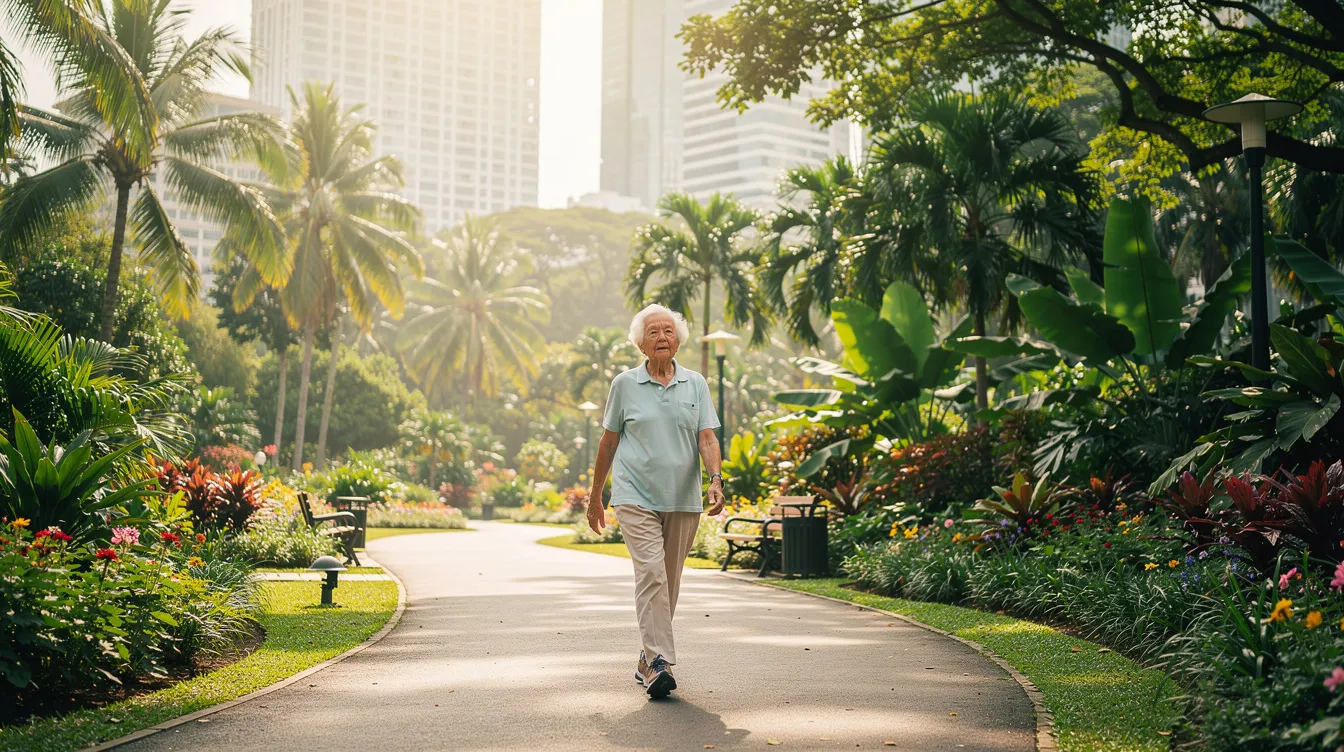
Active ageing is not simply about exercising more-it is a comprehensive approach to maintaining physical function, independence, quality of life, and the functional ability to live well throughout the aging process. It means treating the body as a system that requires ongoing maintenance, not one destined to break down.
Singapore’s demographic context makes this understanding urgent, in step with broader global efforts to support healthy aging. The nation is projected to become a “super-aged” society, with one in four citizens aged 65 and above by 2026. This shift has prompted significant government investment: over S$3.5 billion allocated through the Age Well SG initiative to help seniors stay active, socially connected, and able to age in place. The development of this infrastructure signals a national recognition that decline is not destiny.
The Difference Between Normal Aging and Pathological Decline
Normal aging involves gradual, natural cellular changes-mitochondrial shifts, slower nerve conduction, some reduction in peak performance and flexibility. These are biological realities. But they do not dictate whether a person can walk independently, climb stairs, or live without chronic pain.
Pathological decline-severe joint degeneration, spinal misalignment, disc disease, nerve compression, recurrent falls-is a different category entirely. Rather than a fixed outcome, it is often a gradual progression that can be influenced, treated, and in many cases slowed. Many declines in physical function are linked to lifestyle choices, not age alone: sedentary behaviour, poor posture, untreated musculoskeletal dysfunction, inadequate nutrition, and social isolation.
Consider the data: 97.5% of Singaporeans aged 65–74 can walk independently. Even among those aged 75 and above, only 9.5% require mobility aids. These numbers demonstrate that the vast majority of older people retain physical capability-pathological decline is the exception, not the rule.
|
Sign |
Normal Aging |
Pathological Decline |
|---|---|---|
|
Joint flexibility |
Mild, gradual reduction |
Severe stiffness limiting daily activities |
|
Pain |
Occasional mild discomfort |
Persistent pain interfering with function |
|
Balance |
Slightly slower reactions |
Frequent falls or near-falls |
|
Posture |
Minor postural shifts |
Pronounced kyphosis, forward head, pelvic tilt |
|
Strength |
Gradual decrease in peak strength |
Muscle weakness affecting walking, rising from chair |
|
Mobility |
Can walk and move independently |
Requires walking aids or assistive devices |
Singapore’s Active Aging Framework
Singapore distinguishes between policies that promote healthy aging-encouraging physical activity, preventing frailty, strengthening community support-and models that treat physical decline as inevitable, funnelling seniors toward institutional care like a nursing home.
The Action Plan for Successful Ageing emphasizes physical health as foundational for independence. Healthier SG promotes preventive health measures and regular physical activity. Active ageing centres-now numbering over 230 touchpoints across the island-offer movement classes, falls prevention programmes, and community strength-and-balance sessions. More than 80% of senior citizens live near one, improving accessibility to these crucial programmes.
Singapore’s urban infrastructure supports aging in place. Age Well Neighbourhoods are rolling out in towns like Bedok, Bukit Panjang, and Tiong Bahru-Redhill, bringing senior-friendly housing modifications, sheltered walkways, and community health posts closer to residents. Over 110,000 seniors will benefit from these developments. Active aging is influenced by supportive environments and infrastructure-and Singapore is building exactly that.
The goal of active aging is prevention rather than waiting for disability. This philosophy connects directly to the individual health strategies that make prevention real.
Key Factors That Maintain Physical Function with Age
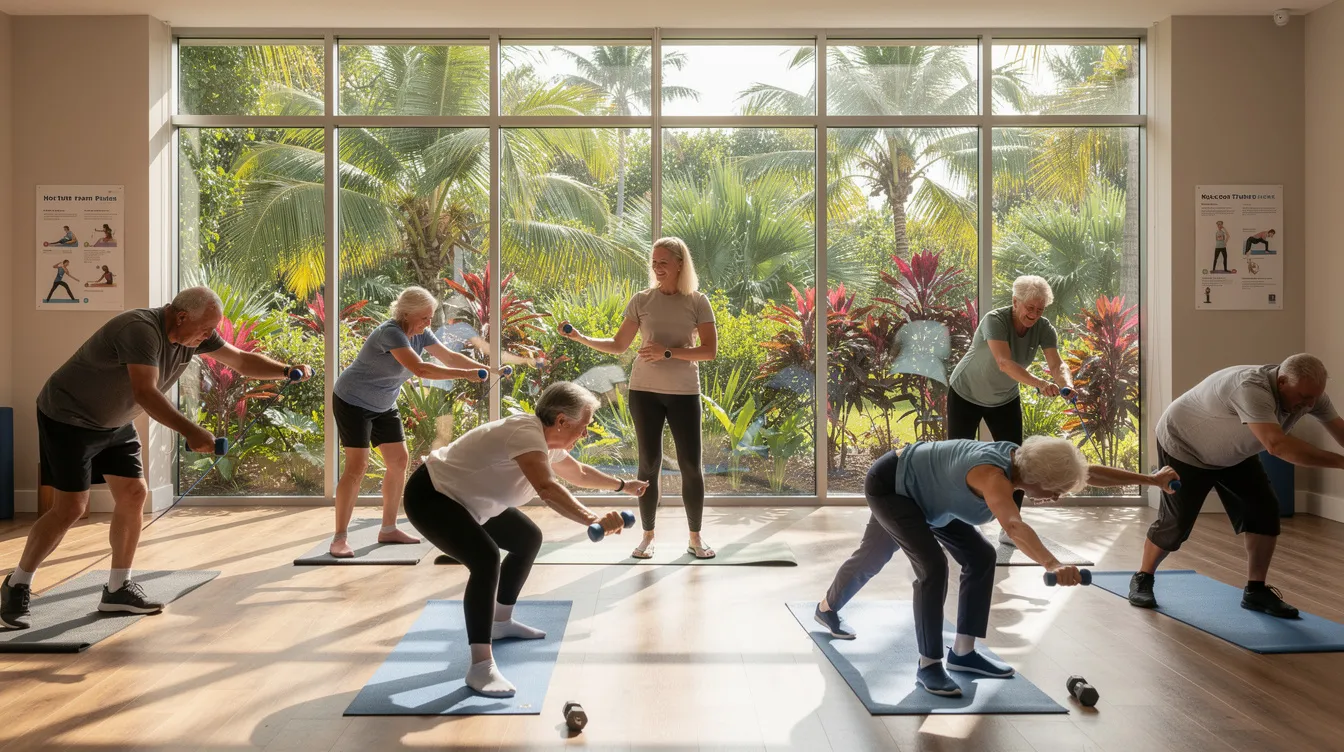
Government programmes and community infrastructure create the conditions for healthy aging, but individual health strategies determine whether a person actually maintains their physical function. Three factors play a crucial role: spinal health, movement quality, and preventive musculoskeletal care.
Spinal Health and Posture Maintenance
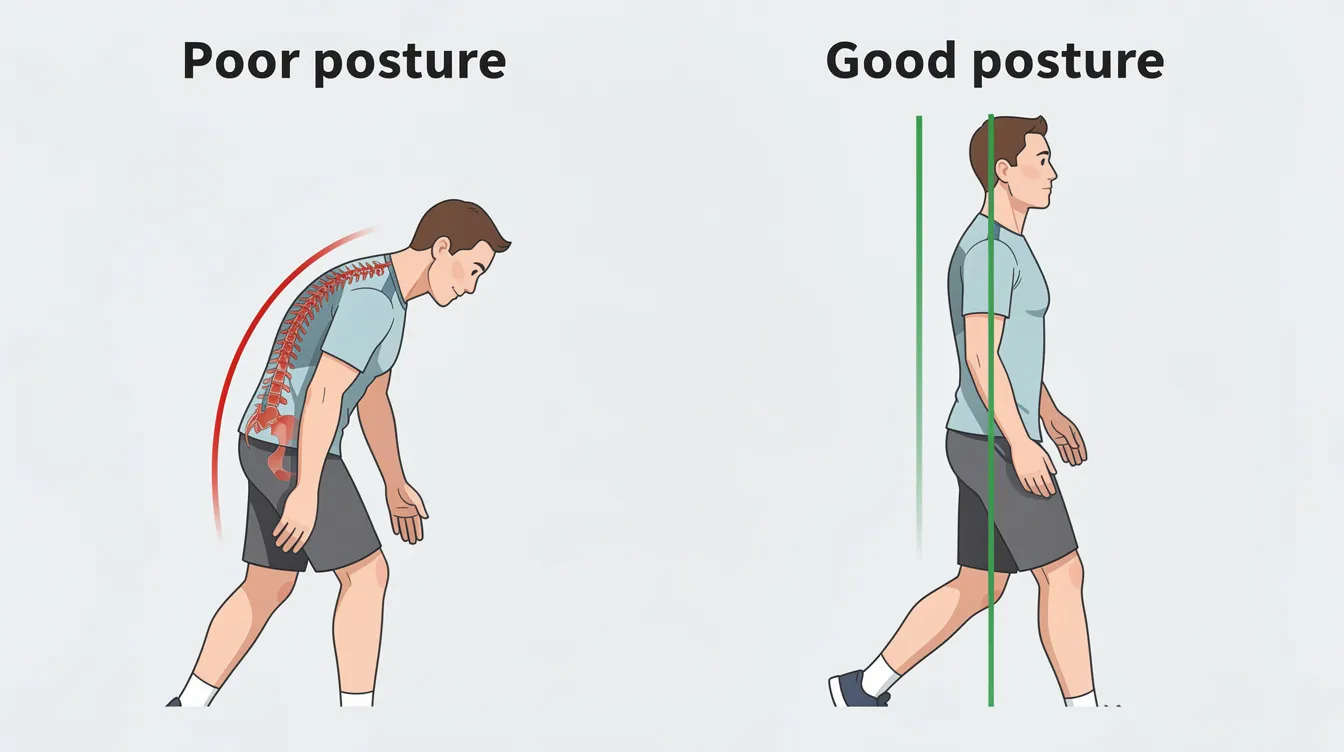
Spinal alignment affects joint loading, muscular balance, nerve integrity, and overall mobility in aging adults. Proper spinal alignment can reduce the risk of falls in seniors, while misalignment can lead to chronic pain and mobility issues. Spinal health is crucial for maintaining independence in older adults.
Singapore’s modern lifestyle accelerates postural problems. Prolonged sitting at desks, commuting on public transport, and the near-universal habit of looking down at smartphones all contribute to forward head posture, thoracic kyphosis, and pelvic tilting. These aren’t minor cosmetic issues-they create compensatory movement patterns that overload joints, compress nerves, and restrict range of motion.
Neck pain affects approximately 30% of adults annually, and chronic neck pain can lead to significant disability. Much of this is preventable: neck pain can result from poor posture during daily activities, and strengthening exercises combined with postural correction can significantly reduce risk. Back pain affects 80% of adults at some point in their life, and chronic back pain can lead to mobility issues in seniors-making it a leading cause of lost independence, not just missed workdays.
Chiropractic care can improve musculoskeletal health and may enhance overall physical function. Chiropractic adjustments support spinal alignment, which plays a closely related role in nerve function, balance, and pain management. For older adults, gentle low-force techniques are available that account for conditions like osteoporosis while still delivering meaningful improvements in posture and alignment.
Movement Quality Over Quantity for Seniors Mobility
Exercise is beneficial for aging adults, but movement quality matters more than movement quantity. The World Health Organization recommends 150–300 minutes of moderate-intensity aerobic activity weekly, and older adults should engage in muscle strengthening activities at least twice a week. Yet these guidelines only help if the movements are performed correctly.
Poor movement patterns-squatting without proper knee tracking, hip hinging incorrectly, walking with compensatory trunk lean-create chronic overuse injuries. These injuries cause pain, which discourages further activity, which accelerates decline. It is a vicious cycle that can be broken with professional guidance.
Functional movement metrics tell the real story of aging. Gait speed, postural stability, functional reach, and sit-to-stand time are strong predictors of frailty and fall risk. Singapore’s CALM programme (Combat Age-related Loss of Muscle) demonstrated that 85% of participating seniors improved in at least three out of five measurements: skeletal muscle index, handgrip strength, gait speed, sit-to-stand time, and functional reach. Regular exercise helps seniors maintain strength and reduce risks of falls.
Elderly fallers experience lower mobility levels and walking duration compared to non-fallers, reinforcing that exercise alone isn’t enough-movement quality and balance training are essential components of any active aging programme.
Preventive Musculoskeletal Care
Addressing minor joint pain, stiffness, and misalignments early prevents them from becoming major limitations. This principle applies across the musculoskeletal system:
-
Shoulder pain affects approximately 18% of adults annually. Rotator cuff injuries are a common cause, and shoulder pain can result from overuse or injury during physical activities. Physical therapy is often recommended for shoulder pain relief, and injections may be used to treat severe cases.
-
Knee pain affects 25% of adults aged 50 and older-a significant population that often accepts this pain as “normal.”
-
Sciatica is caused by compression of the sciatic nerve, with symptoms including pain, numbness, and weakness. Treatment options include physical therapy and medications.
-
Scoliosis affects about 2–3% of the population, and chiropractic care can help manage scoliosis symptoms. Early detection of scoliosis improves treatment outcomes significantly.
The scope of chiropractic practice in Singapore includes diagnosis, adjustment and manipulation of spinal articulations, and management of neuromusculoskeletal issues. Chiropractic care is beneficial for pain relief in adults and serves as an important step in a preventive health strategy rather than a last resort.
Muscle weakness and frailty can be prevented through lifestyle changes. Resistance exercise improves muscle strength and physical performance, and sarcopenia-the age-associated loss of muscle mass-affects 9% to 86.5% of older adults depending on the diagnostic criteria used, including older men and other aging adults. While medicine is being studied alongside other emerging therapies, lifestyle-based care remains central. This wide range itself illustrates how much lifestyle and intervention affect outcomes.
Practical Strategies for Active Aging in Singapore
Understanding why decline is preventable is the first step. Building a concrete plan is the next.
Creating a Proactive Health Plan
The ideal time to begin preventive musculoskeletal care is before problems develop-in your 40s or 50s-to build a robust physical reserve. But it is never too late. Even for adults already experiencing symptoms, intervention produces measurable results. Physical decline is influenced by lifestyle, disease management, and community support, and all three can be optimized at any age.
Here is a practical timeline:
-
Baseline assessment (Month 1): Screen for grip strength, gait speed, and balance. A Berg Balance Scale score at or below 40 indicates increased risk of falls. Get a posture and spinal health assessment from a qualified chiropractor or physiotherapist. Proper posture can reduce the risk of falls in older adults.
-
Movement programme (Months 1–3): Begin functional training-hip hinges, squats, single-leg stance, core stabilization-2–3 sessions per week. Focus on form over intensity. Exercise can enhance posture and mobility in older adults.
-
Progressive strength training (Months 2–6): Add resistance training to counter sarcopenia. Target lower limb and core strength. The CALM programme demonstrated that 70% of participants improved in strength, flexibility, and gait speed within this timeframe.
-
Spinal and postural maintenance (Ongoing): Daily posture awareness, ergonomic adjustments at work and home, and regular chiropractic visits as needed to maintain alignment and address developing dysfunction.
-
Nutrition and recovery: Adequate protein intake, anti-inflammatory dietary choices, and sufficient sleep to support tissue repair and muscle maintenance.
-
Ongoing monitoring (Every 3–6 months): Repeat functional tests. Adjust the plan based on progress. Track pain levels, mobility, and balance scores.
Utilizing Singapore’s Healthcare Resources and Mobility Aids
Singapore offers multiple pathways for aging adults seeking to maintain physical function. Understanding the options helps readers choose suitable care, including support for seniors mobility needs.
|
Criteria |
Active Ageing Centres |
Public Polyclinics/Hospitals |
Chiropractic Care |
Private Physiotherapy |
|---|---|---|---|---|
|
Cost |
Free or heavily subsidised |
Subsidised (MediSave eligible) |
Out-of-pocket (limited subsidies) |
Out-of-pocket or insurance |
|
Accessibility |
230+ locations island-wide |
Multiple locations |
Private clinics (select areas) |
Private clinics |
|
Focus |
Group exercise, falls prevention, social engagement |
Diagnosis, medications, surgery referral |
Spinal alignment, posture, pain management |
Rehabilitation, mobility training |
|
Best for |
Ongoing community support, maintaining activity |
Acute issues, chronic disease management |
Preventive spinal care, postural correction |
Post-injury rehabilitation |
|
Programmes |
CALM, Steady Lah, strength & balance classes |
Healthier SG screenings |
Individualised treatment plans |
Individualised exercise programmes |
Over 25,000 seniors have participated in HPB and SportSG fall prevention programmes in the past five years, with targets to reach another 10,000 by end-2026. Singapore’s initiatives focus on preventing frailty rather than just treatment.
For home modifications, the EASE scheme provides subsidies for grab bars, ramps, and slip-resistant flooring-practical supports that complement physical health efforts and help seniors manage daily activities safely. Depending on function and safety needs, some people may also require a manual wheelchair or other mobility aids, and these support pathways can be just as important for those living with disabilities.
Chiropractic care in Singapore is recognised through the Chiropractic Association (Singapore), though regulation is voluntary rather than statutory. Patients should verify practitioner credentials, experience with older populations, and familiarity with gentle techniques suitable for elderly patients.
Community and Lifestyle Integration
Active aging extends beyond formal exercise sessions. Walking is crucial for maintaining elderly health and mobility, and elderly walking duration is linked to neighbourhood infrastructure and safety. Singapore’s investment in sheltered walkways, improved footpaths, and park connectors directly supports this.
Daily habits contribute significantly: choosing stairs over lifts, walking to the market, gardening, and doing housework all build and maintain strength. Physically active older adults are more likely to engage in social activities, and social participation is essential for preventing health decline. This creates a positive cycle-physical capability enables community engagement, which in turn supports continued physical activity.
Active community care helps seniors manage daily activities for routine exercise. Encouraging seniors to participate in work or volunteering requires physical capability, further reinforcing why maintaining musculoskeletal health is not optional but foundational.
Environmental factors also matter. Research shows that thermal comfort, shade, and sheltered routes are strong facilitators of outdoor mobility in Singapore’s tropical climate. Walking aids can help improve posture and stability for seniors who need additional support, enabling continued outdoor activity rather than confinement indoors.
Common Challenges and Solutions for Active Aging
Despite strong national support, several barriers prevent older adults from aging actively. Addressing these directly can significantly improve outcomes.
Addressing Chronic Pain Without Accepting It as “Normal”
Pain in older adults is frequently dismissed-by the individuals themselves and sometimes by their families-as an unavoidable part of aging. But pain is a signal, not a sentence. Back pain is a common reason for missed workdays and reduced activity across all ages. Chronic pain correlates strongly with increased vulnerability to falls: Singapore research shows that pain experienced in the past 30 days is a significant predictor of fall risk, with approximately 17.2% of adults aged 60+ experiencing at least one fall per year.
The consequences of untreated falls are severe. After hip fractures, mean hospital stays average 17 days, one-year mortality reaches approximately 26%, and only about 28% of patients return to walking unaided. These are not acceptable outcomes when the underlying risk factors-pain, poor balance, reduced mobility-are treatable.
What to do: If you experience persistent pain lasting more than two weeks, changes in gait or balance, or increasing difficulty with daily activities like rising from a chair, seek professional assessment. Physical therapy is a common treatment for neck pain, and chiropractic care addresses spinal alignment issues that may be contributing to pain and dysfunction. Do not wait for a fall to take action.
Overcoming Cultural Beliefs About Aging
In many Asian cultures, there is a deeply held belief that pain, stiffness, and reduced function should simply be endured as part of growing old. This “accept and endure” mindset leads to delayed treatment, accelerated decline, and unnecessary loss of independence. A loved one may resist seeking help because they don’t want to be a burden.
Positive attitudes toward aging correlate with healthier behaviours and outcomes. Reframing aging as an active process-one that requires maintenance just as any well-functioning system does-changes behaviour. High levels of independence define successful aging beyond the absence of disease.
What to do: Raise awareness within families that early intervention preserves function. Physical therapy, chiropractic care, and structured exercise programmes are not signs of weakness-they are the same kind of preventive maintenance that keeps any complex system running well.
Navigating Singapore’s Healthcare System for Preventive and Integrated Care
Accessing preventive musculoskeletal care in Singapore can be confusing. Public healthcare subsidies through MediSave and MediShield generally cover polyclinic visits and hospital care, but chiropractic services are typically out-of-pocket expenses. Understanding this helps with planning.
What to do: For subsidised options, start with your polyclinic for screening and referral. For chiropractic care, verify the practitioner’s credentials through the Chiropractic Association of Singapore, confirm their experience with elderly patients, and discuss treatment frequency, expected outcomes, and costs upfront. Many clinics offer initial assessments that help determine whether ongoing care is suitable for your specific situation. Integrated care-combining medical oversight with chiropractic and exercise support-often produces the best results.
The enabling fund and various community subsidies may help offset costs for certain assistive devices and home modifications, even if they don’t directly cover chiropractic treatment.
Conclusion and Next Steps
Physical decline is not a normal part of aging. In Singapore, where the population is rapidly aging and the government is investing billions in active ageing infrastructure, the tools and support for maintaining physical function are more accessible than ever. The science is clear: muscle weakness and frailty can be prevented through lifestyle changes, spinal health maintenance, quality movement, and timely professional care.
The distinction between normal aging and preventable decline is not academic-it determines whether you spend your later decades independently and actively, or dependent on mobility aids, wheelchairs, or institutional care.
Your next steps:
-
Schedule a baseline assessment of your posture, spinal alignment, and functional capacity. If you haven’t had your spine assessed, consider a chiropractic evaluation at Everton Chiropractic to identify postural issues before they create limitations.
-
Begin structured movement this week-even daily walking counts. Aim for the recommended 150–300 minutes of moderate-intensity activity weekly, with strength training at least twice per week.
-
Visit your nearest Active Ageing Centre to connect with community programmes, falls prevention classes, and social engagement opportunities.
-
Address any current pain or stiffness with a qualified professional rather than accepting it as inevitable. Early intervention produces significantly better outcomes than waiting.
Related topics worth exploring include specific strengthening exercises for fall prevention, nutritional strategies for maintaining muscle mass, and long-term mobility planning for aging in place in Singapore.
Additional Resources
-
Age Well SG – Ministry of Health’s comprehensive resource on community programmes, policies, and support for aging in place
-
Falls Prevention Programmes & CALM – Details on participation, outcomes, and expansion plans for HPB/SportSG senior fitness programmes
-
Age Well Neighbourhoods – Information on senior-friendly infrastructure developments across Singapore towns
-
Chiropractic Association (Singapore) – Scope of practice, practitioner credentials, and guidance on choosing a qualified chiropractor
-
EASE Scheme & Senior Support – Home modification subsidies and senior-specific facilities and support programmes
Physical function monitoring checklist:
-
Can you rise from a chair without using your hands?
-
Can you walk 400 metres without stopping?
-
Have you experienced any falls or near-falls in the past 6 months?
-
Do you have persistent pain lasting more than 2 weeks?
-
Has your walking speed or stride length decreased noticeably?
If you answered “yes” to any concern, it is an important step to seek professional assessment. Contact Everton Chiropractic to discuss how spinal alignment and posture care can support your active aging journey in Singapore.