Introduction
Spinal decompression therapy is a non-surgical treatment that relieves herniated discs and sciatica by gently stretching the spine to reduce pressure on compressed discs and nerves. For anyone living with shooting pain down the leg, persistent back pain, or the numbness and tingling that accompany nerve compression, this therapy offers a structured, evidence-based path toward recovery without the risks of spinal surgery.
This article covers the complete mechanism behind how spinal decompression works, what the treatment process looks like from first assessment to final session, expected outcomes supported by clinical research, and how decompression therapy integrates with chiropractic care for long term relief. The focus is on lumbar disc herniation and sciatic nerve compression – the two conditions where decompression has demonstrated the strongest clinical results. If you’re a Singapore resident dealing with chronic back pain, sciatica symptoms, or degenerative disc disease and weighing your options between conservative care and surgical intervention, this guide is written for you.
In short: Spinal decompression therapy relieves herniated discs and sciatica by creating negative pressure within spinal discs, which draws bulging disc material back toward center, reduces nerve compression, and restores nutrient flow that promotes natural healing. 86% of patients report good to excellent results from therapy, and many patients notice improvements after just a few sessions.
After reading this article, you will understand:
-
The science behind negative pressure and how spinal decompression works at the disc level
-
How decompression specifically addresses sciatic nerve compression and radiating leg pain
-
What a typical treatment session involves, including duration, frequency, and what to expect physically
-
Who is a good candidate for decompression therapy and who should consider alternative treatments
-
How spinal adjustments, posture correction, and movement education complement decompression for lasting results
Understanding Spinal Decompression Therapy
Spinal decompression is a form of computer-controlled traction therapy that uses specialized motorized tables to apply precise, cyclical stretching forces along the spinal column. Unlike basic traction devices that pull uniformly, modern decompression systems vary force, angle, and timing to target specific disc levels – most commonly L4–L5 and L5–S1 – where bulging or herniated discs most frequently cause painful symptoms.
The relevance of this therapy to herniated discs and sciatica is fundamental: rather than masking pain caused by nerve compression, spinal decompression therapy addresses the root cause by physically reducing the mechanical pressure that spinal discs exert on nerve roots. Spinal decompression therapy uses motorized traction to stretch the spine in a controlled, repeatable way that creates measurable changes in intradiscal pressure.
The Science Behind Negative Pressure
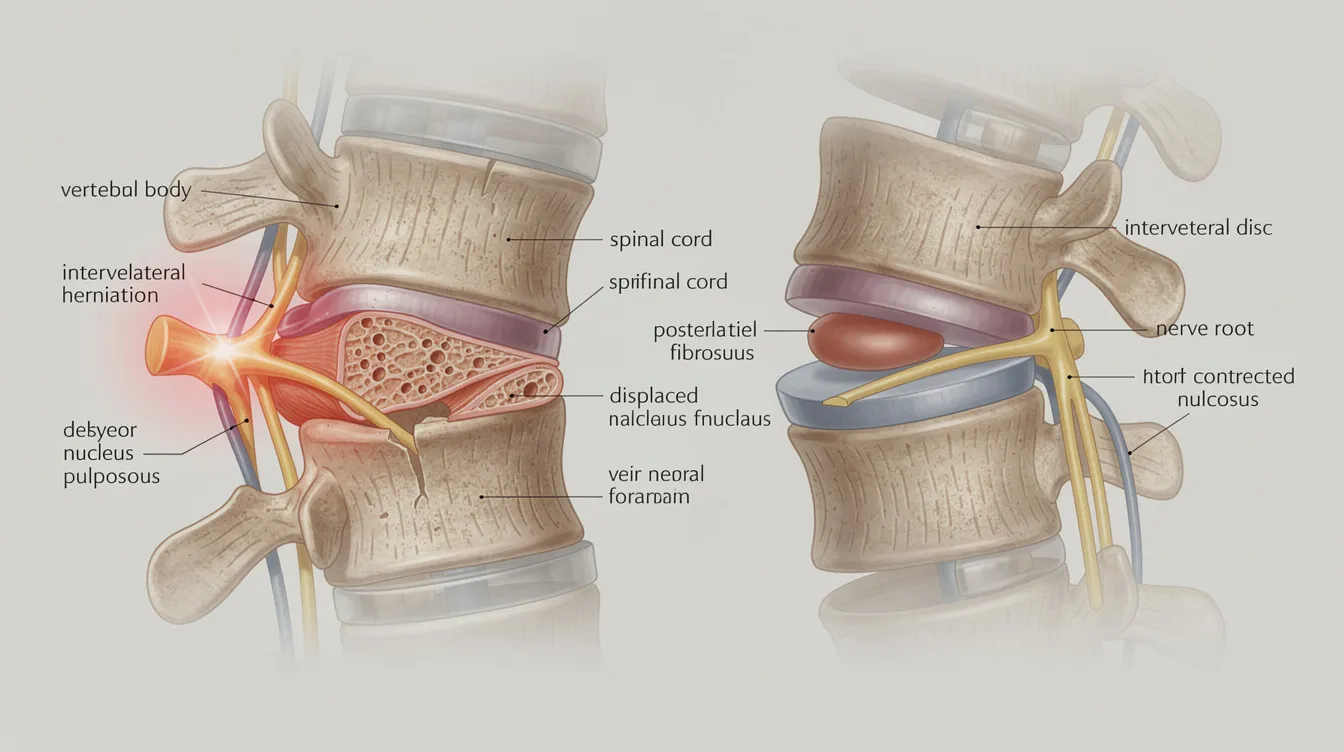
The core mechanism of the spinal decompression procedure involves controlled axial distraction – gently stretching the spine to increase the space between vertebrae. This increase in intervertebral space reduces intradiscal pressure, and when the pressure drops low enough, it creates a vacuum-like effect within the disc itself.
This negative pressure serves two critical functions. First, it draws herniated or protruding nucleus pulposus (the gel-like center of the disc) back toward the center of the disc, reducing the bulge that compresses nearby nerve roots. Successful spinal decompression can encourage herniated material to retract and rehydrate, restoring disc height and resilience. Second, creating negative pressure within the disc enhances diffusion of water, oxygen, and healing nutrients into the disc tissue. Since spinal discs are largely avascular – they lack their own blood supply – this improved nutrient exchange is essential for the healing process.
The result is a reduction in both the mechanical and inflammatory components of nerve compression. As the disc retracts from the nerve pathway, venous return improves, edema decreases, and inflammatory mediators around the nerve roots diminish – reducing both spinal pain and the radiating leg pain characteristic of sciatica.
Types of Spinal Decompression Technology
Not all spinal decompression treatment is equal. Computerized decompression tables – including systems like the DRX-9000, VAX-D, and DTS – represent the most advanced approach. These devices allow practitioners to customize force levels, hold-and-relax cycles, treatment angles, and segment targeting through software-controlled feedback loops. This precision matters because effectively relieving pressure on a specific disc level at L5–S1 requires different parameters than treating a herniation at L4–L5.
Conventional motorized traction applies a more generic pulling force without the same degree of angle variation or real-time feedback. While this can provide temporary relief, it lacks the specificity to isolate individual disc levels. Manual traction and flexion-distraction techniques rely entirely on the practitioner’s hands and skill – useful as complementary manual therapy, but less reproducible and precise than computerized systems.
The distinction is clinically meaningful: a randomized trial comparing the DRX-9000 to conventional traction over 20 sessions found that while both groups improved in pain and disability scores, the computerized system’s ability to customize parameters offers advantages in targeting specific spinal conditions like contained disc herniations.
How Spinal Decompression Treats Herniated Discs and Sciatica
With the foundational science established, we can examine exactly how spinal decompression therapy translates into relief for the two conditions it treats most effectively: herniated discs and sciatic nerve compression. The mechanisms are interconnected – sciatica is most commonly a consequence of disc herniation – but understanding each pathway clarifies why decompression therapy is effective for both.
Relieving Herniated Disc Pressure
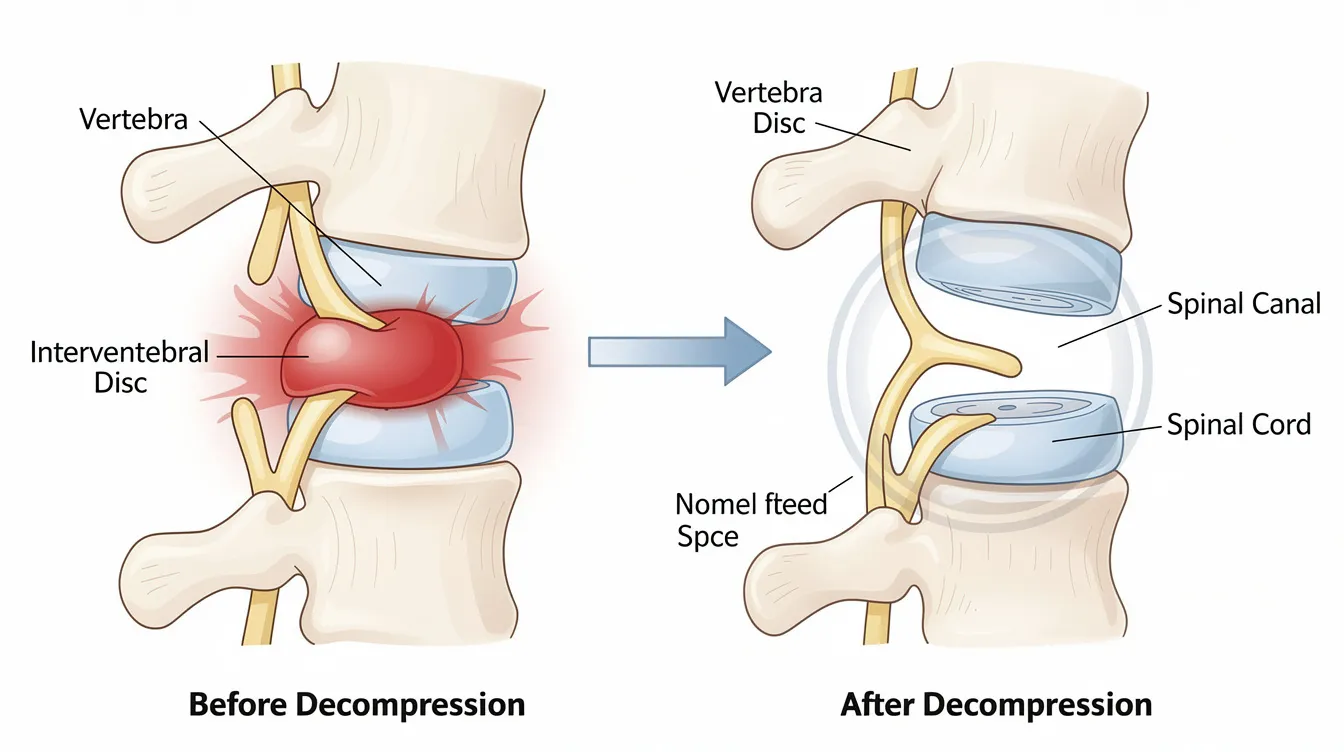
When a disc herniates, the inner nucleus pulposus pushes through weakened areas of the outer annulus fibrosus, creating a bulge that can press against the spinal cord, nerve roots, or both. Spinal decompression works by reversing this process mechanically.
The negative pressure generated during treatment draws the herniated material back toward the center of the disc. Clinical evidence supports this mechanism: a randomized controlled trial on non-surgical spinal decompression for subacute lumbar disc herniation involving 60 patients demonstrated that 10 decompression sessions over eight weeks produced significant reductions in disc herniation size on MRI at three months, compared to a pseudodecompression control group. The vacuum effect also improves disc hydration – the disc absorbs water and nutrients that restore its height and shock-absorbing capacity, reducing the likelihood of re-herniation.
Additionally, therapy improves circulation and nutrient flow to spinal discs, which is critical because the avascular nature of disc tissue means healing depends entirely on diffusion. By relieving pressure and restoring intervertebral spacing, decompression creates the optimal environment for the disc to heal itself.
Addressing Sciatic Nerve Compression
Sciatica is caused by compression of the sciatic nerve, typically at the L4–L5 or L5–S1 disc levels where nerve roots exit the spinal canal. Common causes of sciatica include herniated discs and spinal stenosis – conditions where the space around nerve roots narrows and produces mechanical irritation. Sciatica pain can range from a mild ache to excruciating discomfort, and symptoms of sciatica include pain, numbness, and tingling in the leg. Patients may experience pain radiating down their arms or legs depending on the level of spinal compression involved.
Spinal decompression therapy can effectively relieve sciatica symptoms by targeting the specific disc level responsible for nerve root compression. As the herniated material retracts and disc height increases, the physical pressure on the sciatic nerve decreases. In the subacute disc herniation trial, leg pain was significantly lower at two months in the decompression group compared to the sham group, and patients demonstrated improved straight-leg raise results – a direct clinical indicator of reduced sciatic nerve tension.
Beyond mechanical relief, decompression reduces inflammation around nerve roots. When spinal compression is relieved, venous return improves and the hypoxic environment that drives inflammatory cytokine production (IL-6, TNF-α) normalizes. This dual action – reducing both nerve pressure and inflammation – explains why many patients undergoing spinal decompression therapy report not just reduced pain but improved sensation and function in the affected leg.
Promoting Natural Healing
The benefits of spinal decompression extend beyond immediate pain relief. By increasing intervertebral space and improving blood flow to compromised disc tissue, decompression therapy creates conditions that promote healing at the cellular level.
Enhanced diffusion of oxygen, water, and nutrients into the disc supports repair of the damaged annulus fibrosus. Improved circulation to surrounding muscles and tissues reduces muscle spasms that often accompany disc herniation – spasms that can themselves perpetuate nerve compression by tightening the spinal column. Therapy improves circulation to damaged spinal areas, creating a positive feedback loop: less compression leads to better blood flow, which leads to reduced inflammation, which supports tissue repair. Spinal decompression improves circulation and nutrient flow to spinal discs, and this restorative cycle is what distinguishes decompression from treatments that only provide temporary relief.
The Treatment Process and What to Expect
At Everton Chiropractic, every spinal decompression treatment plan begins with a thorough individual assessment. Because the therapy’s effectiveness depends heavily on accurate diagnosis and precise targeting, the initial evaluation is as important as the treatment itself. Spinal decompression therapy is considered non-invasive and generally comfortable, but achieving optimal results requires a structured, personalized approach.
Initial Assessment and Treatment Planning
A comprehensive evaluation ensures that decompression is appropriate for your specific condition and determines the parameters that will produce the best results.
-
Detailed health history and symptom assessment – Duration and pattern of pain (back versus leg, constant versus intermittent), aggravating and relieving factors, previous treatments including physical therapy or epidural injections, and screening for red flags such as bladder or bowel changes or progressive motor weakness
-
Physical examination focusing on neurological function – Lumbar spine range of motion, reflexes, motor strength, sensory testing, straight-leg raise, and other provocative tests that identify the specific nerve roots involved
-
Review of imaging studies (MRI/CT scans) when available – MRI is the gold standard for identifying herniation type (protruded, extruded, or sequestrated), the affected disc level, herniation size, and degree of nerve root impingement. X-rays help rule out fractures, bone spurs, or significant facet joints degeneration
-
Development of personalized decompression protocol – Selection of treatment parameters including force levels, hold-and-relax cycles, table angle targeting the specific disc level, session frequency, and total treatment course based on the patient’s age, symptom severity, chronicity, and overall spinal health
Treatment Session Experience
Understanding what a typical treatment session involves helps reduce anxiety and set realistic expectations. A full treatment course typically involves 15 to 30 sessions over 4 to 6 weeks, though patients typically require 10 to 12 sessions for optimal results depending on the severity and chronicity of their condition.
|
Session Aspect |
Details |
Patient Experience |
|---|---|---|
|
Duration |
Each session lasts about 15 to 30 minutes |
Comfortable, often relaxing; the patient lies on a specialized table |
|
Frequency |
3–5 times per week initially |
Gradual symptom improvement over weeks |
|
Total Sessions |
15–25 treatments over 4–6 weeks |
Progressive pain reduction and functional gains |
|
Positioning |
Supine on computerized table with pelvic harness |
Fully clothed, secure harness system; angle adjusted for target disc |
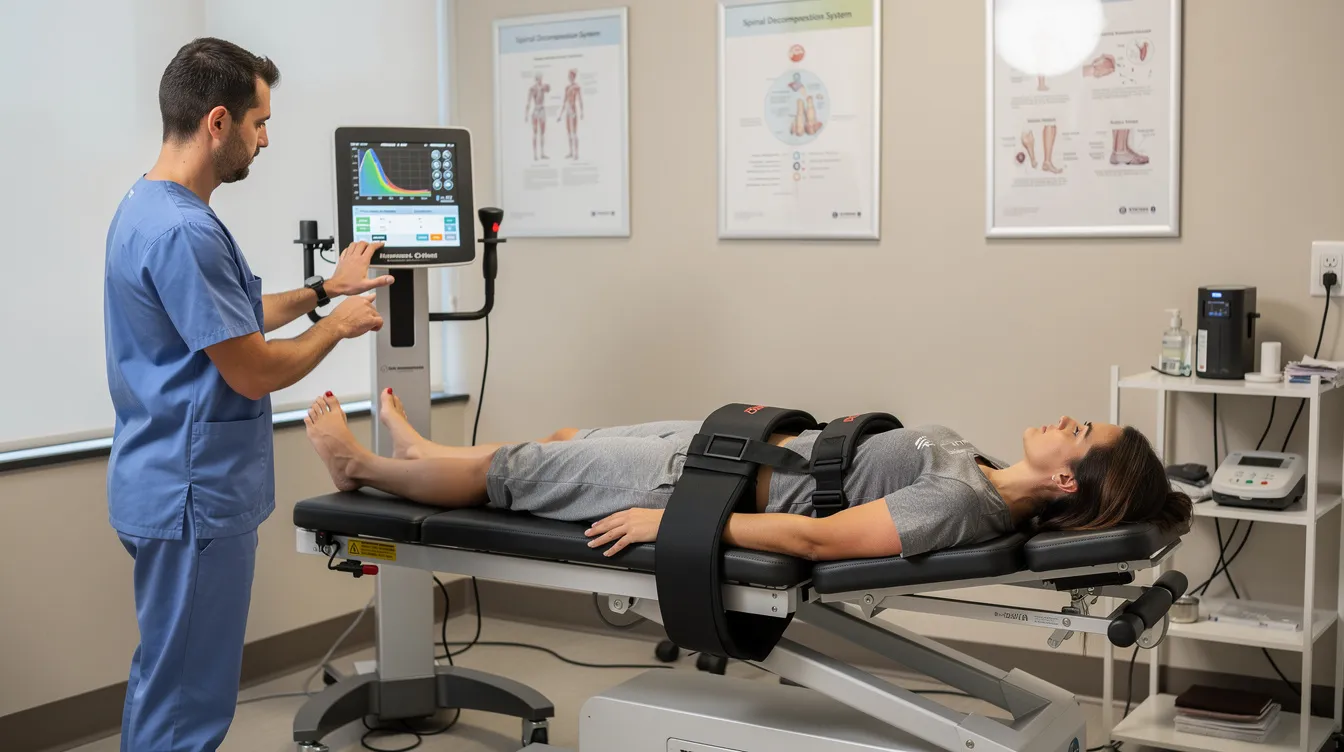
During each session, the patient lies on the decompression table with harnesses secured around the pelvis and possibly the chest. The system applies controlled cycles of gentle stretching and relaxation, targeting the specific disc level identified during assessment. Most patients report a comfortable pulling sensation. Some may experience a mild ache or slight discomfort during the first few sessions as the body adjusts, but the therapy should never cause severe pain. Patients may experience noticeable relief after only 3 to 5 therapy sessions, though complete symptom resolution typically requires a full treatment course.
Integration with Chiropractic Care
Spinal decompression is most effective when integrated into a comprehensive chiropractic care plan. Spinal adjustments complement decompression by correcting vertebral alignment, reducing joint dysfunction, and improving mobility – all of which reduce the mechanical stress on discs and nerves that contributed to the herniation in the first place.
Posture correction plays a critical role in sustaining treatment gains. Poor seated posture, improper lifting mechanics, and inadequate core stability are among the most common factors that cause disc herniations to recur. Movement education – including core strengthening exercises, extension and flexion protocols, and ergonomic adjustments for workplace and home – helps patients maintain spinal health well beyond their treatment course.
Soft tissue work, including massage and myofascial release of the surrounding muscles, addresses muscle spasms and tension in the paraspinal muscles that can perpetuate nerve root compression. This multi-modal approach at Everton Chiropractic ensures that decompression therapy isn’t delivered in isolation, but as part of a coordinated strategy to relieve pain, restore function, and prevent recurrence.
Common Challenges and Solutions
While spinal decompression therapy produces positive results for most patients, understanding common obstacles helps set realistic expectations and ensures the best possible outcomes. Spinal decompression therapy is not a universal solution for all spinal conditions, and individual responses vary.
Initial Symptom Flare-Up
Some patients experience a temporary increase in painful symptoms during the first few sessions. This is a normal response as herniated disc material shifts and the body adjusts to changes in spinal loading. Spinal decompression therapy may cause temporary muscle soreness, particularly in the surrounding muscles that have been compensating for the compromised disc.
Solution: Apply ice therapy for 15–20 minutes after sessions, avoid aggravating activities (heavy lifting, prolonged sitting), and communicate any significant increase in symptoms to your chiropractor so treatment parameters can be adjusted. The flare-up typically resolves within the first week of treatment.
Plateau in Improvement
After initial improvement – which many patients experience within the first two to four weeks – further progress may slow. This plateau can occur as the “easy gains” in disc retraction and inflammation reduction are achieved, and deeper structural healing takes time.
Solution: Treatment parameters including force levels, cycle timing, and session frequency can be adjusted based on individual response. Incorporating additional therapies such as targeted physical therapy exercises, manual therapy, or postural correction programs often helps break through plateaus. A study from Hacettepe University involving 177 patients found that combining decompression with physiotherapy produced significantly better outcomes at 12 months than physiotherapy alone – underscoring the value of a multi-modal approach.
Lifestyle Factors Affecting Results
Singapore’s urban work environment presents specific challenges that can counteract the benefits of decompression. Prolonged sitting during long commutes and desk-bound work, poor posture habits reinforced by screen time, heavy lifting, and inadequate ergonomic setups all increase chronic pain and spinal compression throughout the day.
Solution: Implement ergonomic adjustments immediately – proper desk height, lumbar support, and regular movement breaks every 30–45 minutes. Avoid sustained spinal flexion (slouching) and heavy lifting during your treatment program. Core stability exercises prescribed by your chiropractor strengthen the muscles that protect spinal discs and maintain the gains achieved during decompression sessions. An active life with regular low-impact movement supports long-term spinal health far more effectively than passive treatment alone.
It is important to note that candidates for spinal decompression therapy include those with herniated discs and chronic low back pain, and it is commonly used for treating degenerative disc disease and spinal stenosis as well. However, patients with severe osteoporosis may not be suitable candidates. Spinal decompression is not recommended for pregnant women, and individuals with spinal tumors should avoid spinal decompression therapy. Cases involving severe or progressive motor deficits, cauda equina syndrome, spinal fractures, or blood clots may also contraindicate decompression, and surgical spinal decompression or spinal fusion may be more appropriate in these situations. Clinical guidelines recommend conservative care such as physical therapy before considering surgery, and decompression therapy fits within this conservative framework as a non surgical treatment option.
Conclusion and Next Steps
Spinal decompression therapy offers a clinically supported, non-invasive approach to relieving herniated discs and sciatica. By creating negative pressure within spinal discs, the therapy addresses the root cause of nerve compression – drawing herniated material back toward center, restoring disc height and hydration, and reducing the inflammation that drives chronic pain. Research demonstrates measurable improvements in leg pain, disability scores, and disc herniation size, with 86% of patients reporting good to excellent results from therapy. When integrated with spinal adjustments, posture correction, and movement education, decompression provides a comprehensive path toward long term relief and restored function. Spinal decompression can alleviate nerve compression and pain for many patients who might otherwise face surgical intervention.
Your next steps:
-
Schedule a consultation at Everton Chiropractic for a thorough assessment of your herniated disc or sciatica symptoms
-
Gather your records – bring any existing MRI or CT imaging, previous treatment history, and a list of current medications to your first appointment
-
Begin tracking your symptoms – note pain patterns, intensity levels, and activities that aggravate or relieve pain to help design your personalized treatment plan
If you’re also dealing with postural issues that may be contributing to your spinal conditions, explore our guides on correcting posture and optimal chiropractic visit frequency for a more complete picture of how chiropractic care supports lasting spinal health. Conditions treated include degenerative disc disease, spinal stenosis, and spondylolisthesis, among other spinal conditions – and many of these respond well to the same conservative, whole-spine approach.
Frequently Asked Questions
How quickly can I expect relief from herniated disc pain with spinal decompression? Many patients notice improvements after just a few sessions, with meaningful leg pain and back pain reduction often occurring within the first 2–4 weeks. Patients may experience noticeable relief after only 3 to 5 therapy sessions. However, nerve-related symptoms like numbness and tingling may take 6–8 weeks or longer to fully resolve. The therapy can improve mobility and function for patients experiencing pain throughout the treatment course, with continued improvement often observed after the final session.
Is spinal decompression therapy painful during treatment? Spinal decompression therapy is considered non-invasive and generally comfortable. Most patients describe the sensation as a gentle stretching or pulling. Some mild discomfort may occur during the first few sessions as the body adjusts, but the treatment should never cause severe physical pain. Your practitioner will adjust force levels to your comfort threshold throughout each session.
Can sciatica symptoms return after completing decompression therapy? Yes – recurrence is possible if the underlying factors that contributed to disc herniation are not addressed. Poor posture, sedentary habits, repetitive loading, and excess body weight can all contribute to re-herniation. This is why integrating decompression with posture correction, core strengthening, and lifestyle modification is essential for preventing relapse. Periodic maintenance sessions may also be recommended for some patients.
How does spinal decompression compare to epidural injections for disc problems? Epidural steroid injections act faster to reduce inflammation and can provide temporary relief within days, but they do not address the mechanical cause of nerve compression. Spinal decompression therapy works more gradually but targets the structural problem – reducing disc herniation size and restoring disc height. Injections may need to be repeated and carry their own risks, while decompression aims for longer-lasting, structural improvement. Some treatment plans combine both approaches for optimal results.
What activities should I avoid during my decompression treatment program? Avoid heavy lifting, high-impact exercise, prolonged sitting without breaks, and any activity that increases spinal compression or flexion loading. Your chiropractor will provide specific guidance based on your condition. Light walking and prescribed therapeutic exercises are typically encouraged, as maintaining an active life supports the healing process.
Does spinal decompression work for all types of herniated discs? Spinal decompression is most effective for contained or protruded herniations – where the disc material bulges but hasn’t fully broken through the outer disc wall. Extruded or sequestrated herniations, particularly those causing severe neurological deficits, may require surgical intervention such as discectomy or spinal fusion. Spinal decompression therapy is not a universal solution for all spinal conditions, and a thorough assessment is essential to determine whether you are a suitable candidate. It may not be suitable for individuals with severe osteoporosis or spinal tumors, and alternative treatments should be discussed for these populations.