
Key Takeaways
Transitioning to a remote work arrangement within the compact confines of an HDB flat creates specific physical stressors that often go overlooked. Understanding how your home environment impacts your spine is the first step toward long-term relief.
- Small living spaces often lead to non-ergonomic desk setups that strain the spine.
- Prolonged static sitting without proper support is a primary driver of lower back pain.
- Environmental triggers like poor lighting and high humidity contribute to physical tension.
- Strategic adjustments to your home office can significantly improve your daily comfort levels.
- Seeking professional support from experts like Dr. Richard Chew at Everton Chiropractic helps address complex musculoskeletal issues.
The unique ergonomic challenges of HDB living
Living in Singapore’s HDB flats forces us to balance limited floor area with the functional requirements of a modern home office. Many residents find that the standard furniture designed for lounging is fundamentally ill-equipped to serve as a workstation for eight hours a day. Without a balanced setup, the transition from commuting to working from the living room introduces significant risks to musculoskeletal health.
Space constraints and office furniture compatibility
The architectural layout of smaller HDB units often limits the ability to place traditional office furniture in a way that promotes healthy posture. When you cannot position your equipment properly, your body is forced into awkward angles to accommodate the environment. This lack of space often leads to rounded shoulders and cervical strain as you compensate for cramped surroundings.
The common reliance on dining tables as makeshift desks
Dining tables are frequently drafted into service as temporary home office solutions, yet they rarely provide the correct elevation for productive screen time. Because these tables are typically higher than a standard workstation, they cause the shoulders to hunch upward, leading to tension throughout the trapezius and lower cervical spine. Using a chair that does not offer adjustable height further complicates these alignment issues.
Challenges of establishing dedicated home office zones
Creating a psychological and physical partition between your resting space and your labor space is notoriously difficult in a small unit. By failing to segment these zones, individuals often find themselves spending excessive time in chairs that were never intended for long-term sedentary work. Establishing a clear territorial boundary is essential for preventing the physical fatigue that follows a blurred workday.
Physical manifestations of poor posture in small spaces
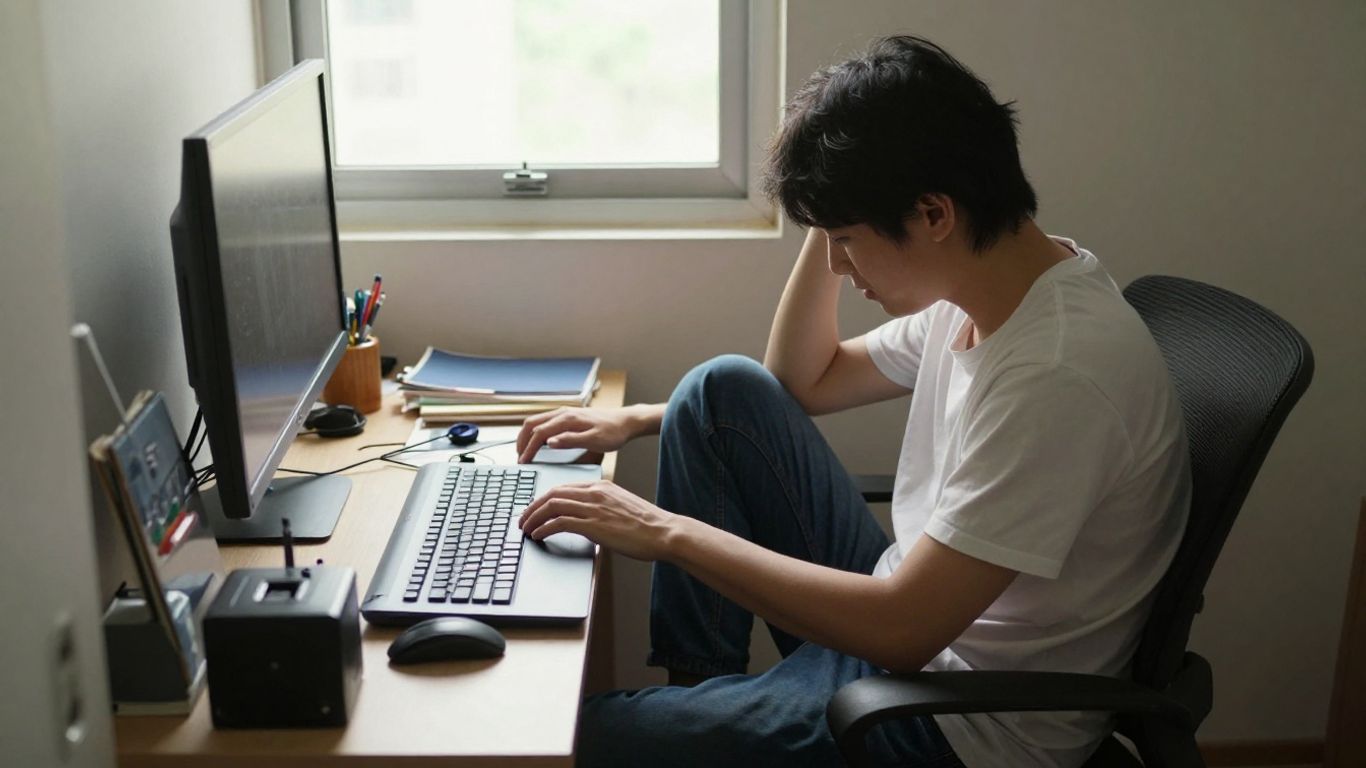
Maintaining a neutral spine while working in confined spaces is rarely prioritized, leading to a host of emerging physical symptoms. As we become accustomed to the lack of space, our body adjusts in ways that ultimately serve our discomfort. Addressing these postural habits is why many patients seek the professional services of Everton Chiropractic to regain their range of motion.
Understanding the mechanics of cumulative lumbar strain
When we sit for long periods, the discs in our lower back bear the full brunt of gravity, particularly if our lumbar curve is not supported. Cumulative strain occurs when the supporting muscles are fatigued and fail to maintain the natural "S" curve of the spine. This often results in the common WFH back pain Singapore residents report after years of remote work.
Muscle imbalances resulting from sedentary WFH sessions
Prolonged sitting causes the hip flexors in the front of your body to tighten while the gluteal muscles weaken, creating a conflict in your pelvis. This imbalance tilts the pelvis forward, which increases the load on the lower back vertebrae significantly during daily activities. Strengthening core support is essential to mitigating these imbalances.
Early warning signs of chronic WFH back pain in Singapore
Common markers such as localized aching in the hips, tingling sensations upon standing, or stiffness after sleep indicate that your postural habits require correction. If you find persistent discomfort near your pelvis after a long day of meetings, it is a clear indicator that your current setup is no longer sustainable. Early professional assessment can prevent minor aches from spiraling into chronic musculoskeletal syndromes.
Environmental factors exacerbating discomfort at home
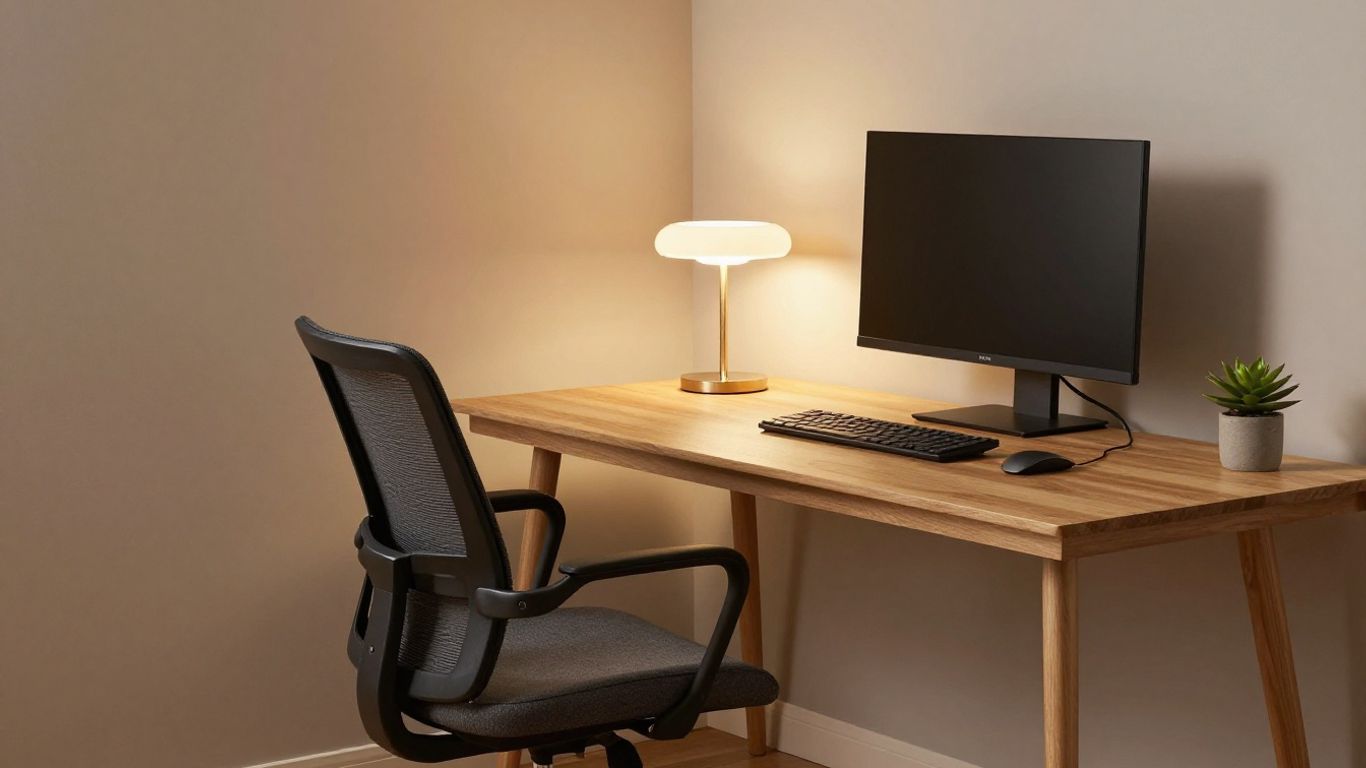
It is often the unseen variables in your home that influence how your body reacts to stress throughout the working day. Managing your workspace environment is just as critical as selecting the right chair when it comes to long-term pain management. Everton Chiropractic emphasizes that external stressors are often internalized as muscle tension.
The impact of inadequate lighting on body alignment
When working in a poorly lit space, the eyes struggle to focus, causing you to unconsciously lean forward. This forward-head posture shifts the weight of your skull, placing excessive stress on your neck and upper back. Proper illumination ensures your body remains upright and engaged rather than slumped over in search of clarity.
High indoor humidity and its effect on muscle tension
Singapore’s humid climate can lead to physical sluggishness and an increased prevalence of muscle tightness. High humidity levels can affect your comfort, making it easier for muscles that are already strained from poor posture to reach a state of spasm. Maintaining a cool, dry environment is a subtle but effective way to ensure your muscles remain pliable.
Noise pollution, mental stress, and physical rigidity
Environmental noise can contribute to involuntary muscle clenching as your nervous system reacts to consistent auditory distractions. This mental stress translates into physical rigidity, particularly in the shoulders and jaw. By creating a calm, quiet work area, you reduce the underlying cortisol levels that encourage muscles to stay in a state of chronic defensive tension.
Practical ergonomic adjustments for compact apartments
Making incremental changes to how you work can yield substantial improvements for your physical comfort. Everton Chiropractic suggests focusing on foundational support items that don’t consume excessive floor space. These manageable adjustments lead to better outcomes over time.
Choosing affordable lumbar support and chair modifications
If you find your current chair lacking, small changes can bridge the gap toward better ergonomics. Consider these specific interventions to enhance your existing setup during the workday.
| Adjustment Type | Benefit for Posture | Difficulty to Implement |
|---|---|---|
| Lumbar Pillow | Maintains spinal curve | Low |
| Seat Cushion | Distributes hip weight | Low |
| Footrest | Prevents leg dangling | Medium |
Using these tools helps to improve core alignment throughout the day, ensuring that even in a small office, you can maintain support. You should focus on:
- Ensuring your feet are flat on the floor or a provided surface.
- Using a back support that forces the lower spine to arch naturally.
- Checking that your elbows remain at a ninety-degree angle.
- Avoiding any equipment that forces your legs into a crossed position.
These modifications provide immediate stability and reduce the strain on your lower lumbar discs, allowing for a more sustainable workday.
Optimizing monitor height within limited desk space
Raising your monitor to eye level is potentially the most significant change you can make for your neck health. By lifting the screen, you alleviate the need to tilt your head downward, which reduces the effective weight your neck muscles must support. Books or a small stand can serve this purpose effectively.
Implementing space-saving standing desk converters
Standing desk converters are an ideal solution for HDB living as they can be placed atop existing surfaces. Alternating between sitting and standing is a powerful strategy to shift the burden of weight away from the spine and engage your legs. This dynamic movement pattern is essential for long-term health.
Strategies for long-term spinal health in a WFH world
Long-term wellness relies on how we treat our bodies during the hours we aren’t even at our desks. Dr. Richard Chew frequently advises that movement is the best medicine for the body, especially when recovering from sedentary stress. Small habits sustained over time produce the best results for your spinal alignment.
Creating boundaries between work and personal time
Psychologically, leaving your workspace signifies that your day has ended, allowing your body to exit a state of constant work-related tension. When the desk stays in the living space, use a cover or a divider to hide it from view after hours. This sensory separation helps your nervous system understand when to stop bracing for performance tasks.
Integrating micro-breaks and mobility stretches into the workday
Frequent movement is vital for managing overall pain and muscle health. Even simple stretches performed every hour release the built-up tension in your glutes and lower back. Incorporating a few minutes of motion into your routine prevents the creeping stiffness that inevitably develops after hours at a desk.
Conclusion
Managing your physical health while working in a Singaporean HDB environment requires a proactive approach to your home setup and daily habits. By adjusting your workstation for better posture and prioritizing regular movement throughout your day, you can successfully mitigate the risks of chronic back pain. Consistency in these small ergonomic shifts will ensure you maintain your productivity and comfort long into the future.
Frequently Asked Questions
Should I use a specialized office chair in my HDB?
While an ergonomic chair is ideal for long-term health, you can achieve significant comfort improvements by adding lumbar supports and footrests to existing furniture. Focus on maintaining a neutral spine rather than assuming a chair’s brand will provide a total solution.
Why does my pain get worse in the late afternoon?
Pain often intensifies as the day progresses because your supporting core and back muscles become fatigued, causing you to lose your posture. Frequent micro-breaks can help replenish muscle capacity and prevent this end-of-day slump.
How often should I perform stretches at work?
It is recommended to integrate moderate stretching every sixty to ninety minutes to prevent muscle stiffness and allow your connective tissues to reset their resting length.
Does high humidity really affect my lumbar health?
Humidity influences your comfort and muscle state; it can lead to increased muscle tension and lethargy. Maintaining an indoor climate that feels cool and dry is a sensible way to improve your physical resilience during working hours.
Can I work while lying on my sofa?
Working from a sofa is generally discouraged as it promotes slouching and places extreme stress on your lumbar discs. It is far better to configure a proper chair and desk station, even if it requires minimal equipment.
Does monitor height matter for lower back pain?
Yes, because poor screen height causes the upper body to compensate with a rounded posture, which disrupts the natural alignment of your spine all the way down to the lumbar region.
How do I know if my WFH pain is serious?
Persistent ache that interferes with daily tasks, shooting sensations, or pain that does not improve with simple adjustments should be assessed by a professional. Early intervention is always the most effective way to ensure long-term spinal health.