
Key Takeaways
Deciding between various treatment options for chronic pain requires an understanding of how distinct therapeutic philosophies align with your personal health goals. Here are the central points for consideration:
- TCM and chiropractic care represent two divergent approaches to internal and mechanical health systems.
- Chiropractic care focuses on spinal alignment to address underlying neuromusculoskeletal root causes.
- TCM often employs acupuncture and herbal therapies to influence systemic energy pathways.
- Regulatory bodies in Singapore ensure that practitioners maintain professional standards for patient safety.
- Choosing the right path often depends on whether your pain stems from chronic muscular tension or structural misalignment.
Understanding the philosophy of TCM and chiropractic care
Navigating the landscape of alternative medicine can feel overwhelming for anyone living in busy urban areas like the CBD or near HDB estates. While both disciplines offer non-invasive routes to relief, their foundations rest on different historical and scientific tenets that change how they perceive the human body. Understanding TCM vs Chiropractor Singapore, a highly searched local comparison helps define which approach might better suit your lifestyle and current physical condition.
The holistic energy-based approach of TCM
TCM operates on the premise that health depends on the smooth flow of vital energy throughout the body’s meridians. Practitioners often view discomfort as a sign of blocked energy or systemic imbalance rather than a isolated structural flaw.
The mechanical focus of chiropractic spinal adjustments
Chiropractic care emphasizes the relationship between the spine and the nervous system. At Everton Chiropractic, the approach focuses primarily on correcting subluxations through precise, manual movements that restore the body’s natural ability to function correctly. By addressing these structural barriers, patients can often see improvements in their mobility and overall quality of life.
Key differences in the perception of body systems
While one view prioritizes systemic energy balance, the other focuses on physical realignment. Recognizing these distinctions is essential for those curious about chiropractic care vs osteopathy and how specific therapies targeted at the spine differ from those balancing broad bodily systems.
How these modalities manage chronic pain

Finding a path forward often involves selecting a practitioner who understands your pain’s specific history. For many, consistent care is essential for long-term health rather than just a quick fix for flare-ups.
TCM interventions such as acupuncture and cupping
Practitioners of TCM frequently use tools like needles on specific meridian points to alleviate discomfort. This method is often chosen for its long-standing tradition of addressing deep-seated lethargy or stress-related aches that do not originate from clear physical trauma.
Chiropractic manipulation for musculoskeletal realignment
For those suffering from structural issues, controlled manual adjustments are standard practice. Practitioners at Everton Chiropractic utilize their expertise to perform adjustments that target the specific joints causing you distress.
Evidence-based outcomes for common back and neck pain
Managing chronic issues successfully usually involves a structured routine suited to your physical activity levels. When treating back and neck pain, consider the following common care elements:
- Regular digital postural assessments to track progress
- Consistent manual manipulation sessions for spine efficiency
- Targeted stretches to maintain muscular flexibility
- Periodic physical exams to adjust treatment protocols
These practices collectively ensure that your body remains in optimal condition despite the stresses of modern Singaporean life.
Diagnostic methods in Singaporean clinics
Diagnostic clarity is the first step in any successful medical journey. Clinics typically contrast traditional observational techniques with high-tech imaging tools to reach an accurate diagnosis of your condition.
The TCM pulse and tongue examination process
Consultations in TCM often involve a detailed assessment of the pulse and visual inspection of the tongue to map out how energy is flowing. This diagnostic tradition has been refined over centuries and serves as the primary method for identifying internal dysfunctions.
Chiropractic physical assessments and digital imaging
Modern clinics employ a rigorous physical examination process. By evaluating range of motion and employing digital imaging, professionals can visualize the exact state of your spine, allowing them to formulate a plan that is scientifically grounded.
Integrating conventional medical reports with alternative care
Sharing existing medical records is encouraged to ensure any ongoing treatment is safe and effective. Transparency helps the practitioner provide the best possible care by understanding the full medical picture.
Regulatory standards and safety protocols
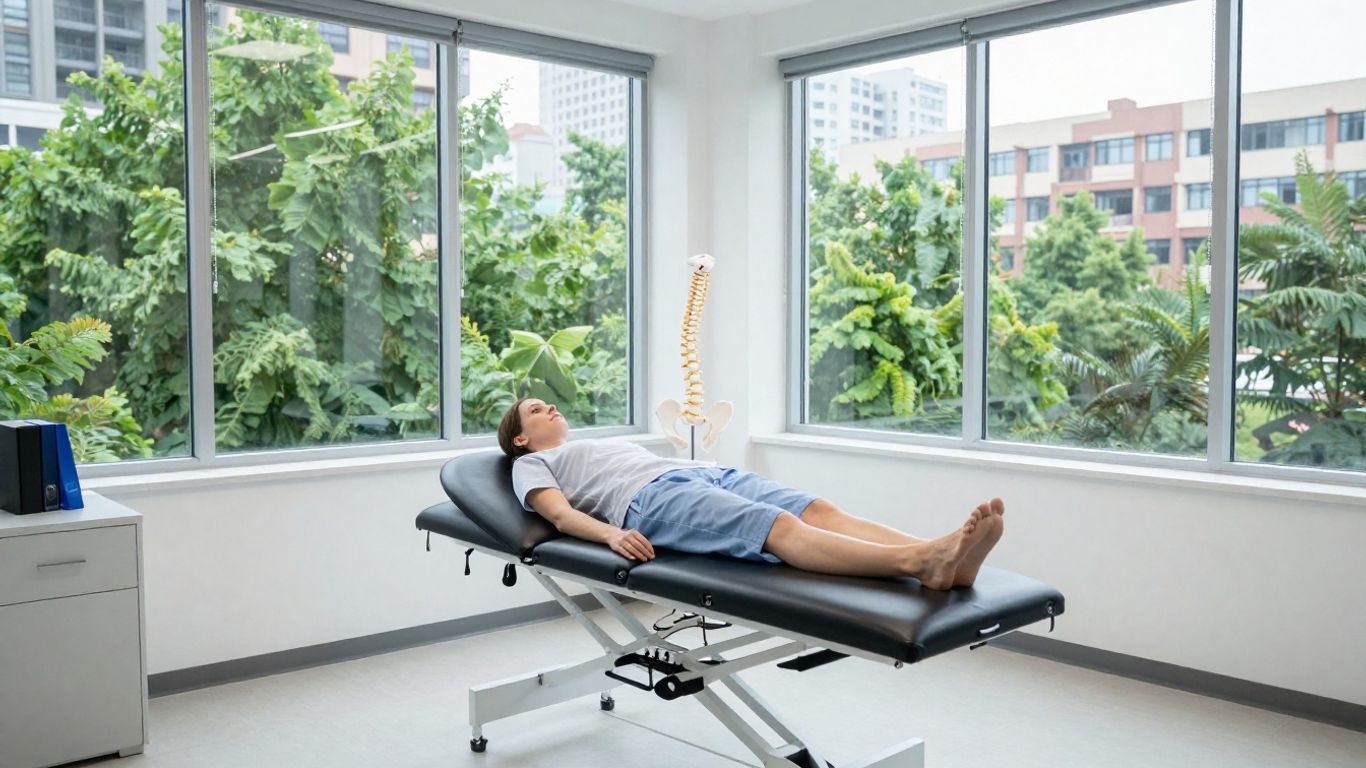
Safety is a primary concern for patients seeking long-term relief from chronic discomfort. In Singapore, the regulatory landscape is designed to protect public health through strict practitioner oversight.
TCM registration under the Traditional Chinese Medicine Practitioners Board
All legitimate TCM practitioners must be registered under the governing board to ensure they hold the necessary qualifications. This ensures that the acupuncture or herbal advice provided meets the required national standards.
Certification requirements for chiropractors in Singapore
Chiropractors undergo rigorous academic training and must maintain certifications to practice legally. Dr. Richard Chew at Everton Chiropractic maintains a high level of practice compliance, ensuring safe, professional services for every patient who visits for corrective spinal adjustments.
Assessing potential risks and contraindications for each therapy
It is important to discuss your health history before starting any treatment. While side effects are rare, learning about chiropractic care safety helps manage expectations and confirms that your chosen path is appropriate for your specific health situation.
Comparing cost, frequency, and treatment duration
Budgeting for wellness involves looking at how often you need to visit the clinic. The following table highlights common differences in care structures found across Singaporean practices.
| Feature | TCM Clinic | Chiropractic Clinic |
|---|---|---|
| Typical Pricing | Per Session | Package Plans |
| Frequency | Weekly/Bi-weekly | Scheduled Intervals |
| Duration | Short Term | Long Term |
These structures vary depending on the complexity of your recovery goals and the intensity of the treatment needed for your symptoms.
Typical pricing structures for local TCM sessions
Most TCM visits are priced on a per-session basis, making them flexible for those who want to try out the therapy without signing up for long-term packages. This is helpful if you are testing the efficacy of the treatment for a newer ailment.
Planning long-term chiropractic adjustment schedules
Because spinal health often requires cumulative correction, many chiropractic clinics suggest dedicated schedules. This allows for a steady progress curve, ensuring that each adjustment builds on the success of the previous one.
Evaluating the value of treatment for long-term injury recovery
Value is determined by your long-term outcome rather than the cost of a single visit. Investing in consistent care from a skilled practitioner can help avoid more invasive procedures in the future.
Determining the best path for your specific pain
Choosing the right modality is a personal process that should involve honest communication with your practitioner about your recovery goals and daily physical demands.
Identifying conditions that respond well to TCM
TCM excels at helping with systemic issues or conditions that are often linked to stress and energy imbalances. Many patients find it highly effective for chronic fatigue or general stiffness.
Recognizing when mechanical spinal correction is necessary
If you experience sharp pain associated with specific movements, it likely points to a biomechanical origin. Seeking help from a chiropractor ensures these structural imbalances are addressed effectively.
Seeking a hybrid approach through multidisciplinary clinics in Singapore
Some individuals find that combining therapies provides the best results for their healing journey. By working with different specialists, you can address both systemic wellness and specific spinal health needs in one comprehensive plan.
Conclusion
Whether you select TCM for its holistic balancing benefits or chiropractic care for structural alignment, your recovery depends on selecting a reputable practitioner who understands your life in Singapore. By conducting thorough research, checking local registrations, and staying consistent with your appointments, you can find the relief you need move toward a healthier future.
Frequently Asked Questions
Is it possible to receive acupuncture and chiropractic care at the same time?
Many patients choose to integrate both forms of care, provided each practitioner is aware of the other’s work to ensure a coordinated and safe approach to your overall pain management.
How many sessions are typically required to feel relief from chronic back pain?
Individual results vary significantly based on your health history, but a personalized plan will usually outline an expected timeline after your initial evaluation and diagnostic testing.
Does age impact the suitability of chiropractic treatment?
Chiropractic adjustments are tailored to the individual, meaning techniques are modified to accommodate different age groups and physical conditions to maintain safety and effectiveness.
Are the risks of manual therapy high for someone with a sedentary lifestyle?
While every treatment carries some risk, working with a highly trained professional who conducts a complete history and physical exam can effectively mitigate most concerns for individuals with limited mobility.
Can TCM help with sports injuries?
TCM is often used to treat various sports-related injuries by managing inflammation and supporting the body’s natural recovery processes through targeted acupuncture or herbal methods.
Do I need a doctor’s referral to visit a chiropractor in Singapore?
You do not typically require a referral to schedule an initial consultation, although sharing your history with your primary physician is always a recommended practice for better health coordination.
How does the cost of these therapies compare to pharmaceutical treatments?
While initial costs may appear higher than a quick prescription, non-invasive therapies often prioritize structural correction, potentially reducing the long-term need for dependency on pain medications.