
Key Takeaways
Frequent travel demands significant physical resilience, often placing unintended strain on your spinal health through sustained inactivity and heavy load-bearing. Understanding these stressors is vital for maintaining comfort and long-term mobility.
- Prolonged seating in cramped conditions significantly increases intradiscal pressure.
- Integrating mindful movement within transit hubs aids in mitigating travel-induced stiffness.
- Ergonomic adjustments in-flight protect against chronic postural fatigue.
- Aging travelers benefit from proactive management of spinal degeneration and hydration.
- Early professional assessment helps prevent temporary discomfort from becoming chronic pain.
The physiological toll of frequent air travel
Frequent air travel disrupts the natural rhythm of spinal support, especially when crossing multiple time zones. Many patients visiting Everton Chiropractic report feeling increased tension after landing, which stems from the body reacting to prolonged duration in fixed positions. Understanding these biological demands is the first step toward effective mitigation.
The impact of prolonged sitting on spinal discs
When we sit for several hours, the natural curvature of the spine often relaxes into a hunched posture, shifting weight onto the lumbar discs. This compression reduces the fluid-like movement necessary to keep discs nourished, leading to localized stiffness that can persist long after leaving the aircraft cabin.
Effects of cabin pressure and reduced hydration on soft tissue
Changes in cabin pressure influence how soft tissues, including spinal discs, retain moisture. If you fail to stay adequately hydrated during a flight, these tissues lose volume and become less efficient at absorbing mechanical shock, increasing the likelihood of discomfort.
Managing the cumulative physical stress of heavy luggage
Lifting heavy suitcases in and out of overhead compartments requires more than just arm strength; it engages your entire posterior chain. Poor mechanics here often lead to acute strain that compounds other travel-related fatigue. You can evaluate your lifting load and technique using the assessment criteria below.
| Luggage Type | Lifting Risk | Recommended Strategy |
|---|---|---|
| Cabin Roller Bag | Moderate | Use momentum and handle height |
| Full-sized Check-in | High | Employ a two-handed, squat-based lift |
| Laptop Briefcase | Low | Switch shoulders frequently to balance weight |
By keeping these weight thresholds in mind, travelers can better protect the delicate alignment of their spine while navigating the busy terminal.
Navigating Changi Airport with spinal health in mind
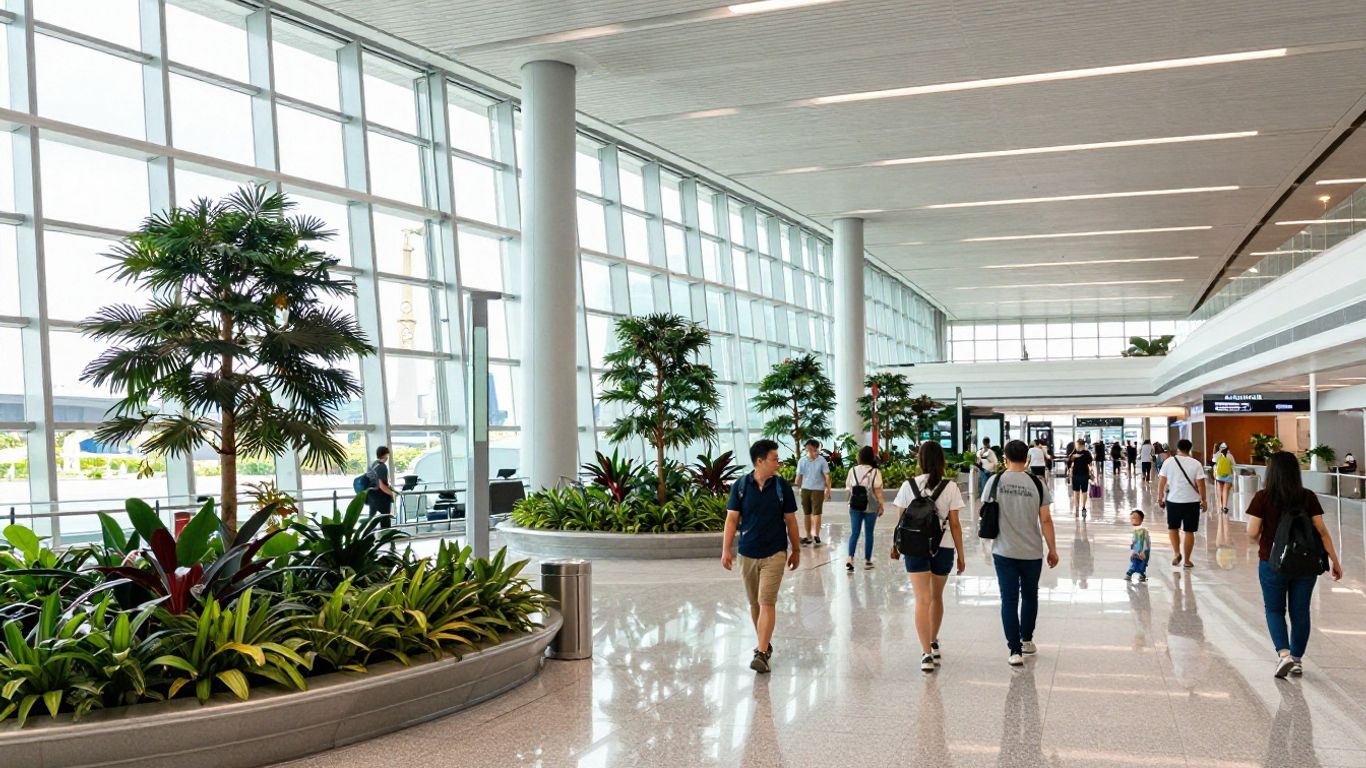
Changi Airport offers superior walkability, which stands as a significant advantage for spinal health if utilized correctly. Moving your body, rather than remaining stationary while waiting for boarding, keeps the joints lubricated and prevents the onset of stiffness before you have even boarded the plane. For residents returning from a long break at a HDB unit or finishing a business trip in the CBD, treating the terminal as a therapeutic space for active recovery is a great way to prime the spine.
Maximizing the benefits of terminal layout for active movement
Rather than sitting at the gate, try to walk the length of the transit area at a steady pace. This active approach encourages blood flow and spinal alignment.
- Incorporate gentle side-to-side torso twists while walking.
- Keep your chin level to maintain a neutral cervical spine.
- Use the incline of moving walkways to engage your core muscles.
- Periodically switch your walking foot to maintain balance.
Integrating these movements ensures that you reach your gate feeling limber and ready for the flight ahead.
Strategies for minimizing wait times at security and boarding
Extended standing in security queues often leads to subtle, harmful slumping as fatigue sets in. Practice shifting your weight between feet to prevent overloading one side of your lower back, or lean gently against supportive structures when possible to preserve your energy.
Why terminal choice and gate distance matter for mobility
Choosing a gate that requires a moderate walk can actually be beneficial, acting as a natural warm-up for your joints. However, if you are prone to injury, prioritizing gates closer to amenities allows you to balance walking with necessary rest periods.
Unique risks for aging travelers
As we age, the spinal structure loses some of its inherent elasticity, making the impact of frequent flights more pronounced. Dr. Richard Chew often explains that aging requires a more deliberate approach to transit, particularly regarding how your body handles the static environment of an airplane cabin.
Managing progressive lumbar disc degeneration in flight
For those managing age-related changes, the goal is to prevent sudden movements that could catch the spine off guard. Utilizing a supportive cushion to maintain the lumbar curve can assist in managing progressive lumbar disc degeneration while seated for extended periods.
Balancing medication schedules during long-haul transit
Staying consistent with prescribed routines is critical for joint health, especially when crossing time zones. Coordinating your intake with the flight schedule ensures that your system receives steady support against inflammatory responses, much like traveling with back pain advice recommends.
Addressing bone density and joint inflammation concerns
Reduced mobility during transit can exacerbate concerns related to bone density and inflammation. Maintaining good joint health often requires 8 exercises for lower back pain routines that emphasize gentle range-of-motion to keep the skeleton supported.
Ergonomic strategies for in-flight comfort
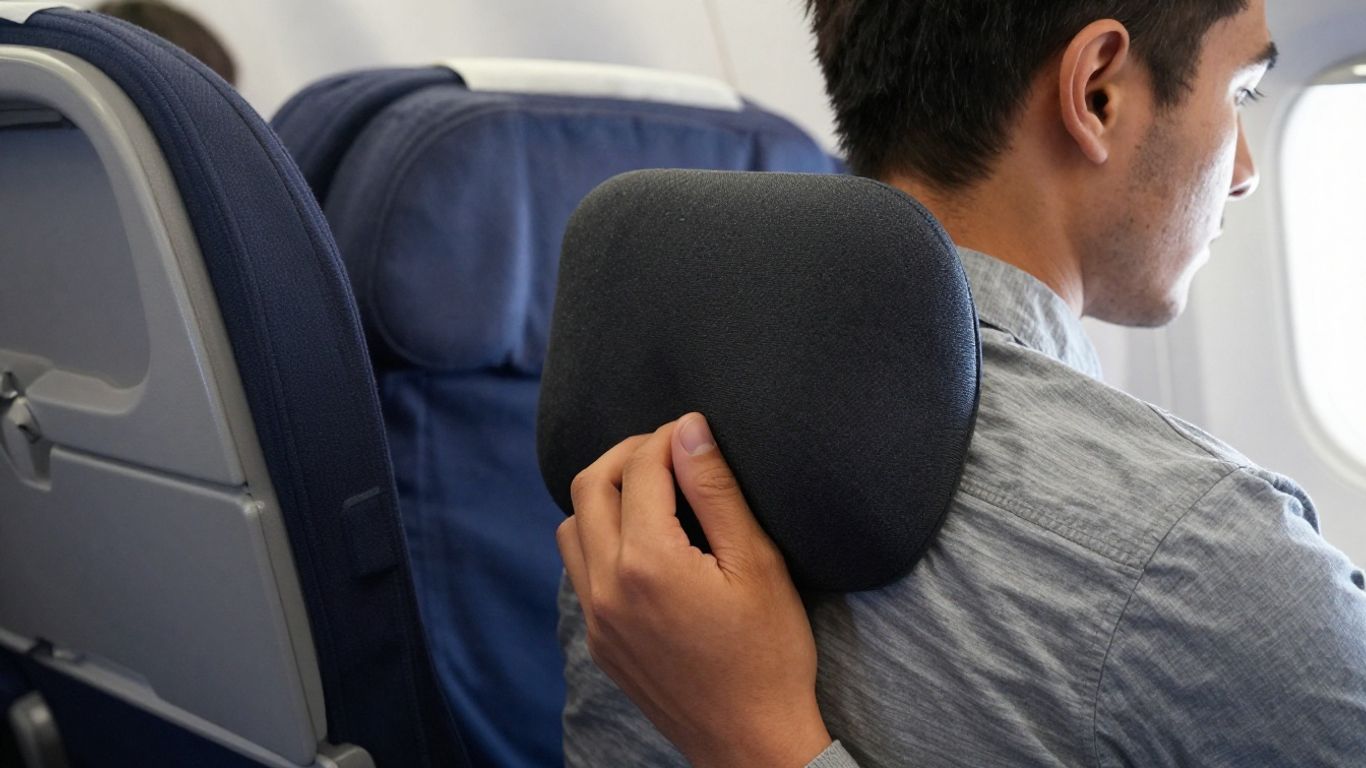
Creating an ergonomic environment at 30,000 feet requires preparation. It involves adjusting your immediate space to replicate the support you have at home, which prevents the build-up of chronic postural fatigue and muscle tension during your journey.
Proper seating posture and lumbar support techniques
Most airline seats lack sufficient structural support, but you can build your own using pillows or a small travel blanket. Placing this padding in the small of your back helps you maintain the natural inward curve of the lumbar spine, preventing the slump that typically triggers pain.
Simple in-seat stretches to maintain spinal flexibility
Even in a restricted space, you can perform small-scale movements to maintain spinal flexibility. Gentle shoulder rolls, neck tilts, and even tightening your abdominal muscles while seated can help keep the supporting musculature of your spine active and engaged throughout the voyage.
Implementing movement protocols for long-haul flights
If the cabin allows, standing up periodically to perform full-body reaches can reset your posture. These brief interruptions to sedentary time prevent the hardening of tissues that leads to the familiar, achy stiffness associated with sitting in one spot for too long.
Post-travel spinal care and maintenance
Returning home after a long journey is the perfect time to address the residual tension from your travels. If you spend time in the Outram area, consider how a quick transition to your home routine can assist in recovering your physical alignment.
Implementing light mobility routines immediately upon arrival
Once you arrive, perform light movements to reverse the compression of the flight. Simple walks around your neighborhood or gentle yoga poses can help re-establish your normal range of motion before you settle into the rhythm of your home life.
Targeted treatments for managing travel-induced inflammation
If you find yourself feeling inflamed, applying focused heat or cold therapy to the affected areas can work wonders. This approach, often used by specialists to manage joint inflammation, helps your muscles relax after the structural strain of extended travel.
When to seek professional assessment for chronic or persistent pain
Sometimes, travel-related soreness does not fade on its own. For those seeking professional chiropractic care, getting an assessment is the best way to determine if your travel symptoms are a sign of underlying issues that need specialized care from Dr. Richard Chew.
Lifestyle investments to support a travel-ready spine
Strength and resilience are built long before you reach the airport. Committing to a consistent wellness routine ensures that your body is prepared for the inevitable rigors of modern long-haul transit.
Core strengthening exercises to build resilience for transit
Your core acts as an internal corset that protects your spine under any load. A chiropractic services roadmap often includes developing deep abdominal strength to ensure you can support your own frame throughout extended journeys of all kinds.
Selecting travel-friendly footwear to improve physical alignment
Footwear is foundational to your entire spinal health. Choosing shoes that offer excellent arch support and shock absorption prevents the chain-reaction of alignment issues that often start at the feet and travel up to the lower back.
Nutritional habits that support joint and disc health
Staying hydrated and eating nutrient-rich foods supports the soft tissues in your spine. When these structures are well-nourished, they are better equipped to handle the stresses of gravity and long-term travel, ensuring you stay mobile and pain-free.
Conclusion
Protecting your spine during and after frequent travel is a proactive endeavor that combines mindful movement, environmental adjustments, and professional support. By taking charge of your ergonomics in the terminal and aircraft, and maintaining a solid foundation of strength, you can ensure that your passion for travel remains a source of joy rather than physical strain.
Frequently Asked Questions
Why does flying cause back pain in many travelers?
Flying forces the body into prolonged, static seating positions that lack natural lumbar support, leading to increased spinal disc pressure and muscle stiffness.
Is walking around an airport terminal actually bad for my back?
Walking is generally beneficial, provided you are mindful of your posture and do not lug heavy bags that disrupt your natural spinal alignment.
What should I look for when buying a travel lumbar pillow?
Look for firm, portable options that match the hollow of your lower back, providing consistent support that prevents slouching during long-haul transit.
Should I avoid all travel if I have chronic back pain?
Not necessarily, but you should prepare ahead with ergonomic seating, regular movement protocols, and a consultation with a professional to tailor your approach to your specific condition.
How soon should I start moving after landing from a flight?
It is best to begin your mobility routine immediately upon arrival, using gentle walking or stretching to help your body readjust to the change in posture.
Can hydration really help my spinal discs?
Yes, adequate hydration helps maintain the fluid content and cushioning capacity of spinal discs, which allows them to better absorb shock during sitting and walking.
Why is core strength so important for frequent travelers?
A strong core provides internal stabilization that protects your spine from sudden movements and the fatigue associated with carrying heavy luggage or sitting for long hours.