
Chiropractic care is defined as a structured, hands-on approach to restoring spinal alignment, joint mobility, and muscle function. The role of chiropractic in desk worker care goes well beyond cracking backs. It addresses the root causes of neck stiffness, lower back pain, and tension headaches that build up from hours of sitting in front of a screen. At Evertonchiropractic, the treatment model combines spinal adjustments, soft tissue therapy, and rehabilitative exercises into a single, coordinated plan. Research confirms that office workers receiving chiropractic care report less pain, better sleep, and improved focus. That is not a coincidence. It is what happens when care targets the whole movement system, not just the symptom.
What musculoskeletal problems do desk workers actually face?
Prolonged sitting is the primary driver of musculoskeletal breakdown in desk workers. When you sit for hours with your head tilted forward and your shoulders rounded, your spine absorbs load in positions it was never designed to hold for long. The result is predictable: neck pain, upper back tightness, lower back ache, and shoulder pain from desk work that creeps in after weeks or months.
The physical damage goes deeper than surface tension. Prolonged sedentary postures create joint restrictions in the cervical and thoracic spine, trigger muscle imbalances between overworked and underused muscle groups, and irritate the nervous system pathways running through those compressed areas. Chiropractors call this pattern “upper crossed syndrome” when the neck and chest muscles tighten while the deep neck flexors and mid-back muscles weaken. Left untreated, it progresses.
Common conditions desk workers present with include:
- Cervicogenic headaches: Tension headaches originating from restricted joints and tight muscles in the upper neck
- Thoracic outlet syndrome: Nerve compression between the collarbone and first rib, causing arm tingling
- Lower back pain: Disc loading and hip flexor tightness from sustained sitting
- Rotator cuff strain: Shoulder impingement from rounded posture and weak scapular stabilizers
- Jaw tension: Often linked to poor shoulder and neck mechanics, not just stress
Chiropractic adjustments reduce muscle tension and improve blood flow in the neck and upper back, directly easing the tension headaches and shoulder tightness that desk workers report most often. That mechanism matters because it explains why adjustments work, not just that they do.
How does multimodal chiropractic care work for desk workers?
A single adjustment does not fix a problem built over months of poor posture. Effective chiropractic care for desk workers uses a multimodal approach, meaning it combines several treatment types into one coordinated plan. Comprehensive chiropractic care includes spinal manipulation, soft tissue therapies, and tailored rehabilitative exercises lasting 30–45 minutes per session. Each component targets a different layer of the problem.
Here is how a well-structured treatment plan typically unfolds:
- Movement assessment: The chiropractor identifies posture-related triggers and movement deficits before any hands-on treatment begins. This step prevents generic care and ensures the plan fits your specific pattern of dysfunction.
- Spinal and joint adjustments: Targeted manipulation restores motion to restricted joints in the cervical, thoracic, and lumbar spine. Restored joint motion reduces nerve irritation and muscle guarding almost immediately.
- Soft tissue therapy: Myofascial release and trigger point work address the tight muscles that pull joints back out of alignment between visits. Without this step, adjustments lose their effect faster.
- Rehabilitative exercises: Sessions include targeted work on deep neck flexors, mid-back extensors, and core endurance muscles. Motor control exercises combined with adjustments are critical because passive treatment alone cannot fix the muscle imbalance patterns that prolonged sitting creates.
- Ergonomic education: Chiropractors provide personalized ergonomic guidance on monitor height, keyboard placement, and chair positioning. These adjustments reduce spinal load during the hours you spend at your desk between appointments.
The goal of each step is to build on the last. Adjustments restore mobility. Soft tissue work reduces tension. Exercises train the muscles to hold the corrected position. Ergonomic changes reduce the daily strain that caused the problem in the first place.
Pro Tip: Set your monitor so the top of the screen sits at eye level. This single change reduces forward head posture by removing the need to look down, which is the most common driver of cervicogenic headaches in desk workers.

What measurable benefits do desk workers report from chiropractic care?
The benefits of chiropractic care for desk workers are well documented across physical, mental, and functional outcomes. Research shows that office workers receiving chiropractic care report significantly less neck, shoulder, and back pain alongside reduced reliance on pain medications. That last point matters more than it sounds. Reducing medication dependence means the body is actually healing, not just being numbed.
“Chiropractic care treats the body as an integrated system, addressing underlying movement dysfunctions caused by prolonged sedentary work rather than focusing solely on symptoms. Clinicians see the best results when rehab-style therapy is integrated to lock in adjustment gains through patient movement literacy.”
The table below summarizes the key benefit categories desk workers experience with consistent chiropractic care:
| Benefit area | What desk workers report |
|---|---|
| Pain reduction | Less neck, shoulder, and lower back pain after a structured care plan |
| Physical function | Improved mobility, easier daily movement, and reduced stiffness |
| Mental well-being | Better sleep quality, improved mood, and sharper concentration |
| Headache relief | Reduced frequency and severity of tension headaches linked to desk posture |
| Medication use | Decreased reliance on over-the-counter pain relievers |
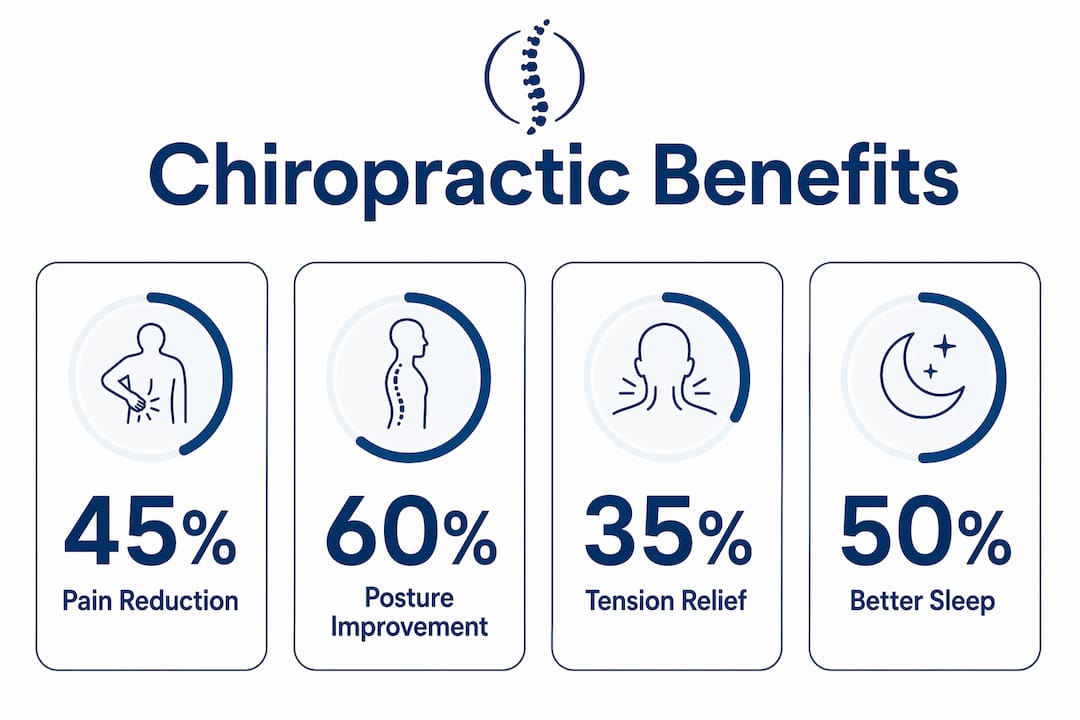
The mental well-being improvements are the most underappreciated outcome. When your neck stops aching and you sleep through the night, your cognitive performance at work improves. Pain is a constant background drain on attention. Removing it frees up mental capacity that desk workers often do not realize they were losing.
Why does your active participation determine long-term results?
Chiropractic care is not a passive fix. The adjustment restores joint motion, but your muscles and movement patterns determine whether that motion holds. Chiropractic care treats the body as an integrated system focused on movement dysfunction, not just pain relief. That means your role in the process is not optional.
The most common reason desk workers plateau or relapse is that they treat chiropractic visits like oil changes. They come in when something hurts, get relief, and stop. Then the same posture habits and muscle imbalances rebuild the same problem. Patient empowerment through rehab exercises is what locks in the gains from adjustments and prevents that cycle.
Active participation looks like this in practice:
- Doing your home exercises daily: Deep neck flexor holds, thoracic extensions over a foam roller, and dead bug core exercises are not optional extras. They retrain the muscles that hold your spine in the corrected position.
- Applying ergonomic changes immediately: Adjusting your chair height, monitor position, and keyboard angle the same week your chiropractor recommends it. Waiting reduces the benefit of the adjustment you just received.
- Attending visits before pain returns: Early intervention that catches subclinical stiffness before it becomes a pain flare prevents the development of major issues. Waiting until you cannot turn your head means you need more visits to recover the same ground.
- Tracking your symptoms between visits: Noting when pain spikes, what you were doing, and how long you sat helps your chiropractor refine the plan faster.
Pro Tip: Schedule your chiropractic visits on a recurring basis rather than booking reactively. Preventive visits every 3–4 weeks cost far less time and money than recovery visits after a flare-up.
The office posture habits you build between visits determine 80% of your outcome. The adjustment is the catalyst. Your daily behavior is the treatment.
Key Takeaways
Chiropractic care for desk workers works best when spinal adjustments, soft tissue therapy, rehabilitative exercises, and ergonomic changes are combined into one consistent plan.
| Point | Details |
|---|---|
| Multimodal care outperforms adjustments alone | Combining adjustments, soft tissue work, and rehab exercises produces lasting results. |
| Rehab exercises are non-negotiable | Deep neck flexor and core exercises lock in adjustment gains and prevent relapse. |
| Ergonomics reduce daily strain | Monitor height, keyboard placement, and chair setup directly affect spinal load. |
| Early intervention prevents major flares | Treating subclinical stiffness before pain peaks reduces recovery time and cost. |
| Mental well-being improves with pain relief | Better sleep, mood, and focus follow when neck and back pain are consistently managed. |
What I have learned treating desk workers over years of practice
Most desk workers arrive at a chiropractic clinic with the same misconception: they believe the adjustment is the treatment. They expect to lie down, hear a pop, and leave fixed. That expectation sets them up for disappointment, and it is the first thing I address in an initial consultation.
The adjustment is a tool, not a cure. It opens a window of improved mobility. What you do in that window determines whether the improvement sticks. The patients who get the best results are the ones who treat their rehab exercises with the same seriousness they give their work deadlines. They do their deep neck flexor holds before their morning coffee. They stand up every 45 minutes. They actually move their monitor.
The patients who struggle are the ones who want a passive solution to an active problem. Sitting eight hours a day is an active stressor on your spine. Reversing it requires active effort. That is not a criticism. It is just physics.
What surprises most people is how quickly they feel different when they commit to the full plan. Not just less pain, but better energy, clearer thinking, and a sense of physical confidence they had forgotten. The workday spinal care practices that seem small, like a chin tuck or a thoracic stretch, compound over weeks into real structural change. That is the part no one tells you in a 10-minute appointment.
— Aman
Evertonchiropractic’s approach to desk worker pain and posture
Desk workers dealing with chronic neck pain, lower back ache, or tension headaches do not need generic treatment. They need a plan built around how they actually move and sit.

Evertonchiropractic, led by Dr. Richard, delivers evidence-informed care that combines spinal adjustments for pain relief with personalized rehabilitative exercise programs and workstation ergonomic guidance. Every plan is built around your specific movement deficits and lifestyle demands, not a template. Whether you are dealing with a recurring stiff neck, persistent lower back pain, or headaches that follow you through the workday, the clinic’s multimodal approach targets the cause, not just the symptom. Booking a movement assessment is the first step toward building a spine that holds up to the demands of desk work long term.
FAQ
What does chiropractic care actually do for desk workers?
Chiropractic care restores joint mobility, reduces muscle tension, and corrects movement patterns disrupted by prolonged sitting. It combines spinal adjustments, soft tissue therapy, and rehabilitative exercises to address both pain and its underlying causes.
How often should a desk worker see a chiropractor?
The frequency depends on the severity of dysfunction, but preventive visits every 3–4 weeks are more effective than reactive visits after pain flares. Early and consistent care reduces recovery time and prevents minor stiffness from becoming a major injury.
Can chiropractic care help with tension headaches from desk work?
Yes. Chiropractic adjustments reduce muscle tension and improve blood flow in the neck and upper back, directly reducing the frequency and severity of tension headaches linked to poor desk posture.
Does chiropractic care work for remote workers too?
Remote workers face the same postural stressors as office workers, often with worse ergonomic setups. Chiropractic care combined with ergonomic workstation guidance applies equally to anyone who sits for extended periods, regardless of where they work.
Is chiropractic care safe for long-term use?
Evidence-informed chiropractic care is safe for ongoing use when delivered by a qualified practitioner. The goal of long-term care is to shift from reactive pain management to proactive maintenance, catching subclinical dysfunction before it becomes a clinical problem.