
Gentle spinal care for seniors is defined as a set of low-force, age-adapted techniques designed to reduce back pain, restore mobility, and protect fragile spinal structures without surgery or heavy medication. Chronic spinal pain affects approximately 80% of adults over 65, making it the single most common physical complaint in aging populations. The good news is that the industry term for this field, geriatric spinal care, has advanced considerably. Methods like the Activator Method, instrument-assisted adjustments, and structured home exercise programs now give seniors real options that are both safe and effective. This article covers the best techniques, step-by-step exercises, professional care protocols, and the mistakes most seniors make before they find what actually works.
What gentle spinal care techniques are best suited for seniors?
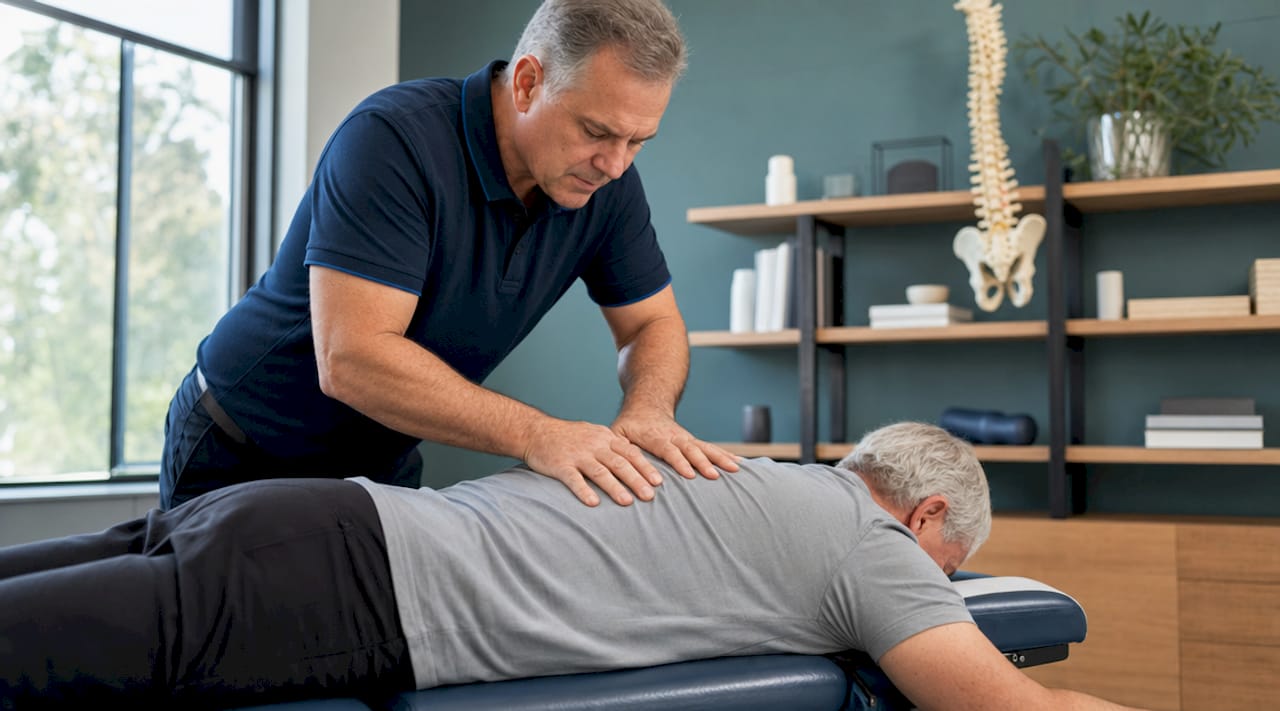
Geriatric spinal care prioritizes gentle mobilization and passive modalities over high-velocity manipulation, specifically to protect tissues that have become more fragile with age. Instrument-assisted techniques deliver controlled, low-amplitude impulses that are safe for seniors living with osteoporosis or arthritis, because they allow treatment without risky positioning or high force. This is a meaningful distinction. A standard chiropractic thrust that works well for a 35-year-old can cause a compression fracture in a senior with reduced bone density.
The two most widely used professional techniques adapted for seniors are:
- Activator Method: A handheld spring-loaded instrument delivers a precise, gentle impulse to specific spinal joints. Low-force, instrument-assisted techniques like this avoid the manual high-velocity thrusts that carry the most risk for elderly patients.
- Drop-table technique: The treatment table has sections that drop slightly as the chiropractor applies pressure, reducing the force needed to mobilize a joint. Seniors with hip or shoulder stiffness often tolerate this better than traditional side-lying adjustments.
- Gentle soft-tissue mobilization: Targeted massage and myofascial release around the paraspinal muscles reduces protective muscle guarding, which is a major driver of chronic stiffness in seniors.
- Postural education and ergonomic guidance: Correcting how you sit, stand, and sleep addresses the mechanical causes of pain, not just the symptoms.
At home, gentle exercise performed 3 to 5 times weekly with stretches held 15 to 30 seconds is the evidence-based standard for managing chronic back pain in seniors. Consistency across weeks and months produces better results than any single intense session.
Pro Tip: If a stretch or movement causes sharp, shooting, or radiating pain, stop immediately. Mild muscle fatigue or a gentle pulling sensation is normal. Pain that travels down your leg or arm is not.
How can seniors perform safe home-based spinal exercises?
Gentle exercise is preferred over prolonged rest, which accelerates muscle atrophy and weakens the spine over time. Supported movement is the most effective evidence-based approach for maintaining mobility with chronic back pain. The following sequence is designed for seniors with no acute injury or undiagnosed pain. If you have had recent spinal surgery or a fracture, consult your provider before starting.
-
Seated cat-cow stretch. Sit upright in a firm chair with feet flat on the floor. Inhale and gently arch your lower back, lifting your chest. Exhale and round your spine forward, tucking your chin slightly. Repeat 8 to 10 times. This mobilizes the entire thoracic and lumbar spine without any floor work.
-
Pelvic tilt (lying down). Lie on your back with knees bent and feet flat. Gently press your lower back into the floor by tightening your abdominal muscles. Hold for 5 seconds, then release. Perform 10 repetitions. This activates the deep stabilizing muscles that support the lumbar spine.
-
Knee-to-chest stretch. From the same position, slowly draw one knee toward your chest using both hands. Hold for 20 to 30 seconds, breathing steadily. Switch sides. This decompresses the lumbar facet joints and relieves the morning stiffness that many seniors describe as their worst symptom.
-
Glute bridge. With knees bent and feet flat, slowly lift your hips off the floor until your body forms a straight line from shoulders to knees. Hold for 3 to 5 seconds, then lower slowly. Aim for 8 repetitions. Strong glutes directly reduce the load on the lumbar spine during walking and standing.
-
Standing wall stretch. Stand facing a wall, place both hands on it at shoulder height, and gently step back until you feel a stretch through your upper back and shoulders. Hold for 15 to 20 seconds. This counteracts the forward-rounded posture that develops from prolonged sitting.
Progress gradually. Add one repetition per week rather than doubling your effort after a good day. Spinal tissues in seniors adapt more slowly, and the most common cause of a setback is doing too much too soon.
Pair these exercises with posture correction strategies to address the structural habits that drive recurring pain. Form matters more than volume. A single well-executed pelvic tilt does more than ten sloppy ones.
When should seniors seek professional chiropractic care?
The primary goal in geriatric spinal care is to improve function and prevent falls, not to reverse age-related degeneration, which is a critical reframe for most seniors. Many people arrive at a clinic believing their X-ray findings explain all their pain. They do not. Disc degeneration is nearly universal in seniors and does not alone determine pain levels. Clinical correlation, meaning how your spine actually moves and functions, matters far more than imaging.
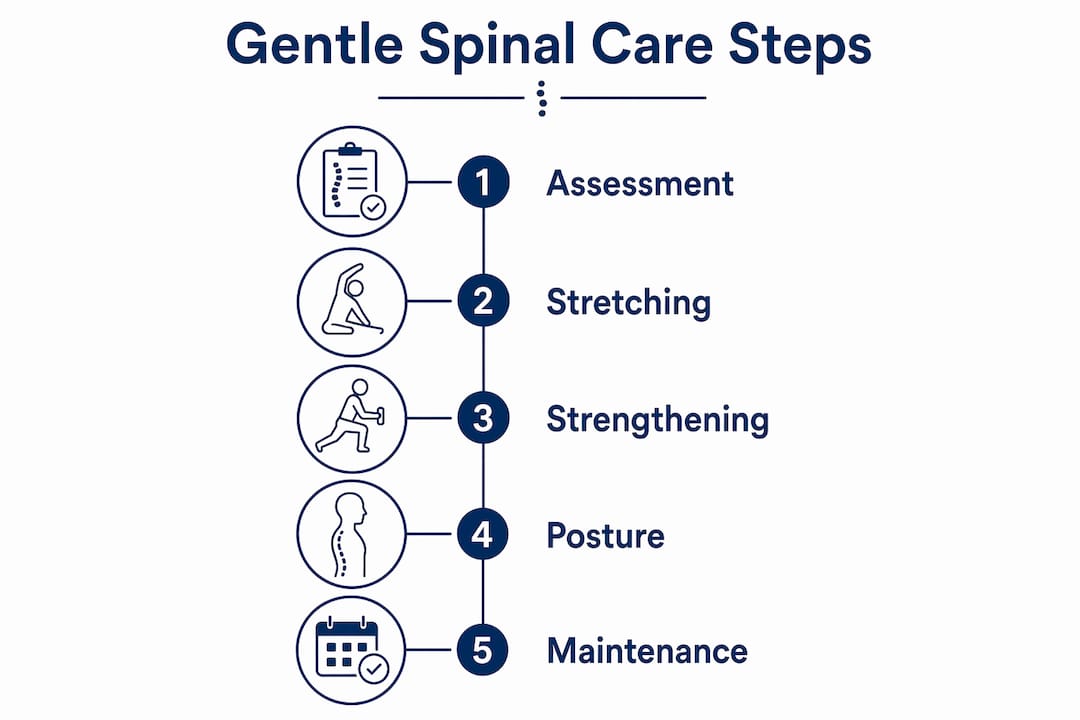
A professional consultation at a clinic like Evertonchiropractic begins with a full history and physical assessment to identify contraindications such as severe osteoporosis, anticoagulant use, or vascular risk factors. This step is non-negotiable. It determines which techniques are appropriate and which must be avoided entirely.
| Condition | Recommended approach |
|---|---|
| Lumbar osteoarthritis | Gentle mobilization, soft-tissue work, and movement coaching |
| Spinal stenosis | Non-surgical decompression and mechanical traction combined with gentle manual therapies |
| Osteoporosis | Instrument-assisted techniques only; no rotational thrusts |
| Peripheral neuropathy | Neuromuscular re-education and low-load stabilization exercises |
Multidisciplinary spinal care that integrates manual therapy, exercise, and postural education produces better functional outcomes for elderly patients than any single modality alone. This means the best professional care does not stop at the adjustment table. It includes a home program, lifestyle guidance, and regular reassessment of your functional goals.
Pro Tip: Bring a written list of all medications to your first chiropractic appointment. Blood thinners, corticosteroids, and certain osteoporosis drugs directly affect which techniques are safe for your spine.
How does gentle spinal care improve mobility and quality of life?
Spinal alignment and neuromuscular coordination are directly connected to balance and fall risk, two of the most serious concerns in senior health. Gentle spinal care improves functional capacity, proprioception, and reduces fall risks in seniors, which means the benefits extend well beyond pain relief. When your spine moves better, your body’s position-sensing system works better, and that translates to steadier walking and safer daily movement.
The functional benefits seniors report most consistently include:
- Reduced morning stiffness, allowing easier transitions from lying to standing without gripping furniture for support
- Improved walking distance and pace, because lumbar mobility directly affects stride length and hip extension
- Better sleep quality, since spinal pain is a primary cause of nighttime waking in adults over 65
- Greater independence in daily tasks such as bending to pick up objects, reaching overhead, and getting in and out of a car
- Reduced reliance on pain medication, which carries its own risks in seniors including gastrointestinal damage and increased fall risk from drowsiness
Pain neuroscience education combined with graded movement reduces fear-avoidance behavior, which is the tendency to stop moving because you expect pain. This is one of the most underappreciated barriers to recovery in seniors. When you understand that movement is safe and therapeutic, you engage with your care program more consistently, and consistency is what produces lasting results.
For seniors deciding between professional care options, understanding chiropractic versus physiotherapy helps clarify which approach fits your specific condition and goals.
What are common mistakes in senior spinal care and how to fix them?
The most frequent mistake seniors make is treating pain as a signal to stop moving entirely. Rest has its place in acute injury management, but prolonged inactivity is one of the fastest routes to permanent mobility loss in older adults. The second most common mistake is progressing too aggressively once pain improves, which triggers a flare and reinforces the fear-avoidance cycle described above.
-
Skipping the warm-up. Cold muscles and stiff joints are far more vulnerable to strain. Spend five minutes walking slowly or doing gentle seated movements before any spinal exercise.
-
Holding your breath during effort. Breath-holding spikes intra-abdominal pressure and increases spinal load. Exhale during the exertion phase of every exercise.
-
Ignoring red flags. Bowel or bladder changes, progressive leg weakness, or night pain require immediate clinical evaluation, not more home stretching. These symptoms can indicate cauda equina syndrome or spinal cord compression, both of which are medical emergencies.
-
Choosing intensity over consistency. A 10-minute daily routine produces better long-term outcomes than a 60-minute session once a week. Spinal stabilizing muscles respond to frequency, not volume.
-
Failing to communicate with your provider. If an exercise causes new or worsening symptoms, tell your chiropractor or physician at your next visit. Treatment plans for spinal health in elderly patients require regular adjustment based on your response.
Knowing when to see a chiropractor versus a doctor for back pain is a practical skill that saves time and prevents delayed treatment of serious conditions.
Key takeaways
Gentle spinal care for seniors works best when low-force professional techniques, consistent home exercise, and clear safety boundaries are combined into a single, personalized plan.
| Point | Details |
|---|---|
| Start with professional assessment | A full evaluation identifies contraindications before any technique is applied. |
| Use instrument-assisted adjustments | The Activator Method and drop-table techniques are safer than high-velocity thrusts for aging spines. |
| Exercise 3 to 5 times weekly | Short, consistent sessions outperform occasional intense workouts for chronic spinal pain. |
| Recognize red flags immediately | Night pain, leg weakness, and bowel or bladder changes require medical evaluation, not home care. |
| Target function, not just pain relief | Improved proprioception and balance reduce fall risk and support long-term independence. |
Why I stopped accepting “that’s just aging” as an answer
I have worked with enough seniors to know that the single most damaging belief in this space is the idea that back pain and stiffness are simply what getting older feels like. That belief keeps people sedentary, dependent on medication, and increasingly isolated from the activities they love. It is not accurate, and it is not inevitable.
What I have seen change the trajectory for seniors is not a single treatment or a miracle exercise. It is the shift from passive acceptance to active participation. The seniors who maintain real mobility into their 70s and 80s are not the ones who avoided all discomfort. They are the ones who learned to distinguish productive effort from harmful strain, and who showed up consistently for both their home program and their professional care.
The advances in geriatric spinal care over the past decade are genuinely significant. Instrument-assisted techniques have made chiropractic care accessible to people who were previously considered too fragile to treat. Neuroscience-informed approaches have replaced the old “rest and wait” model with graded movement protocols that actually rebuild function. These are not marginal improvements. They represent a fundamentally different standard of care.
My honest recommendation is this: do not wait until the pain is severe enough to limit your daily life before seeking help. The earlier you address spinal stiffness and muscle weakness, the more options you have and the faster you respond to treatment. Proactive care is not a luxury. For seniors, it is the most practical investment in independence you can make.
— Aman
How Evertonchiropractic supports gentle spinal care for seniors
Evertonchiropractic, led by Dr. Richard, specializes in low-force, instrument-assisted chiropractic techniques specifically suited to seniors managing conditions like lumbar osteoarthritis, spinal stenosis, and age-related stiffness. Every treatment plan begins with a thorough consultation to identify what is safe, what is driving your pain, and what functional goals matter most to you.
Whether you are dealing with persistent lower back pain, reduced walking tolerance, or morning stiffness that limits your day, Evertonchiropractic builds a personalized care plan that combines in-clinic treatment with a structured home exercise program. The clinic’s approach to neck and spinal pain relief reflects the same evidence-informed, function-first philosophy that defines quality geriatric spinal care. Contact Evertonchiropractic to schedule your initial assessment and take the first concrete step toward moving better.
FAQ
What is the safest chiropractic technique for seniors?
The Activator Method is widely considered the safest chiropractic technique for seniors because it uses a handheld instrument to deliver a precise, low-force impulse without manual thrusting or risky positioning. It is particularly appropriate for seniors with osteoporosis, arthritis, or joint hypersensitivity.
How often should seniors do spinal exercises at home?
Seniors should perform gentle spinal exercises 3 to 5 times per week, with stretches held for 15 to 30 seconds each. Consistency over months produces better outcomes than occasional high-intensity sessions.
Can chiropractic care help seniors with spinal stenosis?
Yes. Non-surgical decompression and mechanical traction combined with gentle manual therapies are a recognized conservative approach for spinal stenosis in seniors. Conservative care is typically the first-line treatment before any surgical evaluation is considered.
What symptoms mean a senior should stop home exercises and see a doctor?
Bowel or bladder changes, progressive leg or arm weakness, and pain that wakes you from sleep are red flags that require immediate clinical evaluation. These symptoms can indicate serious spinal conditions that home care cannot address safely.
Is gentle spinal care different from standard chiropractic care?
Yes. Geriatric spinal care modifies technique selection, force levels, and patient positioning to accommodate age-related tissue fragility. Standard high-velocity adjustments are replaced with instrument-assisted methods, soft-tissue work, and graded exercise protocols tailored to each senior’s health status.