Lower back pain. It’s something a lot of us deal with, right? It can really put a damper on your day, making simple things feel like a huge chore. You might be wondering if there’s a way to get some relief without popping pills. Well, you’re in the right place. This guide is all about finding comfort and getting your back feeling better, using methods that don’t involve medication. We’ll look at what might be causing the ache and explore different ways to help your back heal and stay strong.
Key Takeaways
- Understanding the root cause of your lower back pain is the first step to finding effective relief.
- Simple lifestyle changes, like improving sleep posture and managing weight, can make a big difference for your back.
- Mind-body practices such as mindfulness and gentle exercise can help reduce pain and stress.
- Incorporating low-impact exercises and core strengthening is vital for a healthier back.
- Exploring options like hot/cold therapy, massage, acupuncture, and consulting with a lower back pain chiropractor in Singapore can provide non-medication relief.
Understanding Your Lower Back Pain
Lower back pain. It’s one of those things that can really throw a wrench in your day, right? One minute you’re fine, the next you’re wondering how you’re going to get through the afternoon. It’s super common, affecting tons of people, and it can show up in all sorts of ways, from a dull ache that just won’t quit to a sharp, sudden pain that makes you freeze up.
What Constitutes Lower Back Pain?
Basically, lower back pain is any discomfort you feel in the lumbar region – that’s the part of your spine below your waist. This area is a complex setup of bones (vertebrae), discs that act like cushions, and a whole network of muscles, ligaments, and nerves. It’s designed to let you bend, twist, and carry things, all while supporting your upper body. When something goes wrong here, it can really throw things off balance. The pain can feel different for everyone; it might be a constant throb, a sharp jab, or even a burning sensation. Sometimes, it’s just stiffness that makes it hard to move, especially after sitting for a while. You might also notice muscle spasms that feel like your back is seizing up.
Identifying the Source of Discomfort
Figuring out why your back hurts is the first step to feeling better. A lot of the time, it’s something simple like a muscle strain from lifting something too heavy or twisting the wrong way. But it can also be more involved. Think about things like:
- Muscle or Ligament Strain: This is probably the most frequent culprit. Overdoing it at the gym, a sudden awkward movement, or even just repetitive actions can lead to this.
- Disc Issues: The discs between your vertebrae can bulge or herniate, meaning the soft center pushes out and can press on nerves. This is often linked to aging but can also happen from injury.
- Nerve Irritation: When a nerve gets pinched, like with a herniated disc or spinal stenosis (a narrowing of the spinal canal), you might feel pain that shoots down your leg. This is often called sciatica.
- Wear and Tear: Conditions like osteoarthritis can affect the joints in your spine, causing pain and stiffness over time.
It’s not always about the physical stuff, either. Lifestyle plays a big role. Spending too much time sitting, not moving enough, carrying extra weight, or even stress can all contribute to back pain. It’s a whole system, you know?
Recognizing Signs of a Back Injury
While a little soreness might just be a temporary annoyance, some signs mean you should pay closer attention and maybe seek out some help. Sudden, severe pain that doesn’t get better with rest is a big one. Also, if you notice numbness or tingling that spreads down your leg, or if you feel weakness in your leg or foot, that’s a signal that a nerve might be involved.
Sometimes, back pain can be a symptom of something more serious, though it’s rare. If you experience loss of bowel or bladder control, or if the pain is accompanied by fever or unexplained weight loss, it’s really important to get it checked out by a doctor right away. Don’t just tough it out in those situations.
Other things to watch for include pain that gets worse when you move or stand, and pain that doesn’t improve even when you lie down. If your back feels unusually stiff, especially in the morning, or if you’re having trouble with everyday movements, it’s worth investigating. Understanding these signals can help you decide when it’s time to look into professional guidance or when simple home care might do the trick. It’s all about listening to your body and knowing when it’s trying to tell you something important about your back health.
Lifestyle Adjustments for Back Health
Sometimes, the simplest changes to your daily routine can make a surprisingly big difference when it comes to lower back pain. It’s not always about intense workouts or fancy treatments; often, it’s about being more mindful of how you move, sleep, and even what you eat. Making these adjustments can help prevent pain from starting or keep existing pain from getting worse.
Optimizing Your Sleep Posture
Think about it – you spend a good chunk of your life asleep. So, how you position yourself during those hours really matters for your back. Sleeping on your stomach is generally a no-go because it twists your neck and strains your spine. If you’re a back sleeper, try putting a pillow under your knees. This helps keep the natural curve of your spine. For side sleepers, a pillow between your knees is a game-changer. It keeps your hips, pelvis, and spine lined up nicely, preventing that awkward twist. A supportive mattress and pillow are also key players here. Getting enough quality sleep, around 7-8 hours, is super important for your body to repair itself.
The Role of Diet in Inflammation Management
What you eat can either help or hurt your back. Foods that cause inflammation can make back pain feel worse. So, what should you be loading up on? Think leafy greens like spinach and kale, colorful berries, and healthy fats found in avocados, nuts, and olive oil. Spices like turmeric and ginger are also known for their anti-inflammatory properties. On the flip side, try to cut back on processed foods, sugary drinks, and unhealthy fats. These can all contribute to inflammation throughout your body. Managing your weight is also a big part of this; carrying extra pounds puts more pressure on your spine. Even a little bit of weight loss can bring significant relief.
Weight Management for Spinal Support
Carrying extra weight, especially around your midsection, puts a constant strain on your lower back. It’s like carrying a heavy backpack all day, every day. When you shed those extra pounds, you’re essentially taking some of that load off your spine. This can lead to less pain and better overall mobility. It’s not about drastic diets, but rather making sustainable changes to eat healthier and move more. Even a modest reduction in weight can make a noticeable difference in how your back feels. Remember, a healthier weight means a happier spine. For more on how to manage your weight and its impact on your back, you might find strategies for back pain relief helpful.
Small, consistent changes in your daily habits can have a profound impact on your lower back health. Paying attention to how you sleep, what you eat, and maintaining a healthy weight are powerful, non-medicinal ways to support your spine and reduce discomfort.
Mind-Body Techniques for Relief
Sometimes, the best way to deal with back pain isn’t about brute force or quick fixes. It’s about getting your head in the game, so to speak. Our minds and bodies are way more connected than we often realize, and tapping into that connection can make a real difference for your lower back. These techniques aren’t about ignoring the pain, but rather changing how you experience it and reducing the stress that often makes it worse.
Stress Reduction Through Mindfulness
Stress is a sneaky culprit when it comes to back pain. When you’re stressed, your muscles tense up, and that tension can easily settle into your lower back, making existing pain feel worse or even triggering new aches. Mindfulness is all about paying attention to the present moment without judgment. It sounds simple, but practicing it can actually help you notice when you’re tensing up and give you a chance to consciously relax those muscles. Even just a few minutes of focused breathing can shift how your brain processes pain signals. It’s like giving your nervous system a little break.
- Focus on your breath: Notice the sensation of air entering and leaving your body.
- Body scan: Gently bring your attention to different parts of your body, noticing any sensations without trying to change them.
- Mindful movement: Pay attention to the sensations in your body as you move, whether you’re walking or doing a gentle stretch.
The Benefits of Yoga and Tai Chi
These ancient practices are fantastic for back health because they combine gentle movement with focused breathing and mental awareness. Yoga, with its various poses, can help improve flexibility and build strength, especially in your core muscles, which are super important for supporting your spine. Tai Chi, often described as ‘meditation in motion,’ involves slow, flowing movements that can help improve balance and reduce stiffness. Both are great for de-stressing, too, which, as we’ve talked about, is a big win for your back.
These practices are not about pushing yourself to the limit, but rather about finding a comfortable range of motion and listening to your body’s signals. Consistency is key here; regular practice yields the best results.
Practicing Progressive Muscle Relaxation
This technique is pretty straightforward and can be done anywhere. The idea is to systematically tense and then release different muscle groups in your body. You start with your toes, then move up your legs, your torso, your arms, and your neck and face. By consciously tensing a muscle group for a few seconds and then letting go, you become more aware of what muscle tension feels like and how good it feels to release it. It’s a great way to identify and let go of that built-up tension that often contributes to back pain. You can find guided progressive muscle relaxation audio tracks online to help you get started with this mind-body technique.
Here’s a basic rundown:
- Find a comfortable position, either sitting or lying down.
- Start with your feet: Curl your toes tightly for about 5 seconds, then release completely, noticing the difference.
- Move up your body: Tense and release your calf muscles, then your thighs, buttocks, abdomen, chest, arms, hands, neck, and face.
- Focus on the feeling of relaxation after each release.
By incorporating these mind-body approaches, you’re not just treating the symptom of pain; you’re addressing some of the underlying factors that can contribute to it, like stress and muscle tension. It’s a gentler, more holistic way to work towards lasting relief. Remember, these methods can help alter your perception of pain, making it more manageable without medication.
Movement and Exercise for a Stronger Back
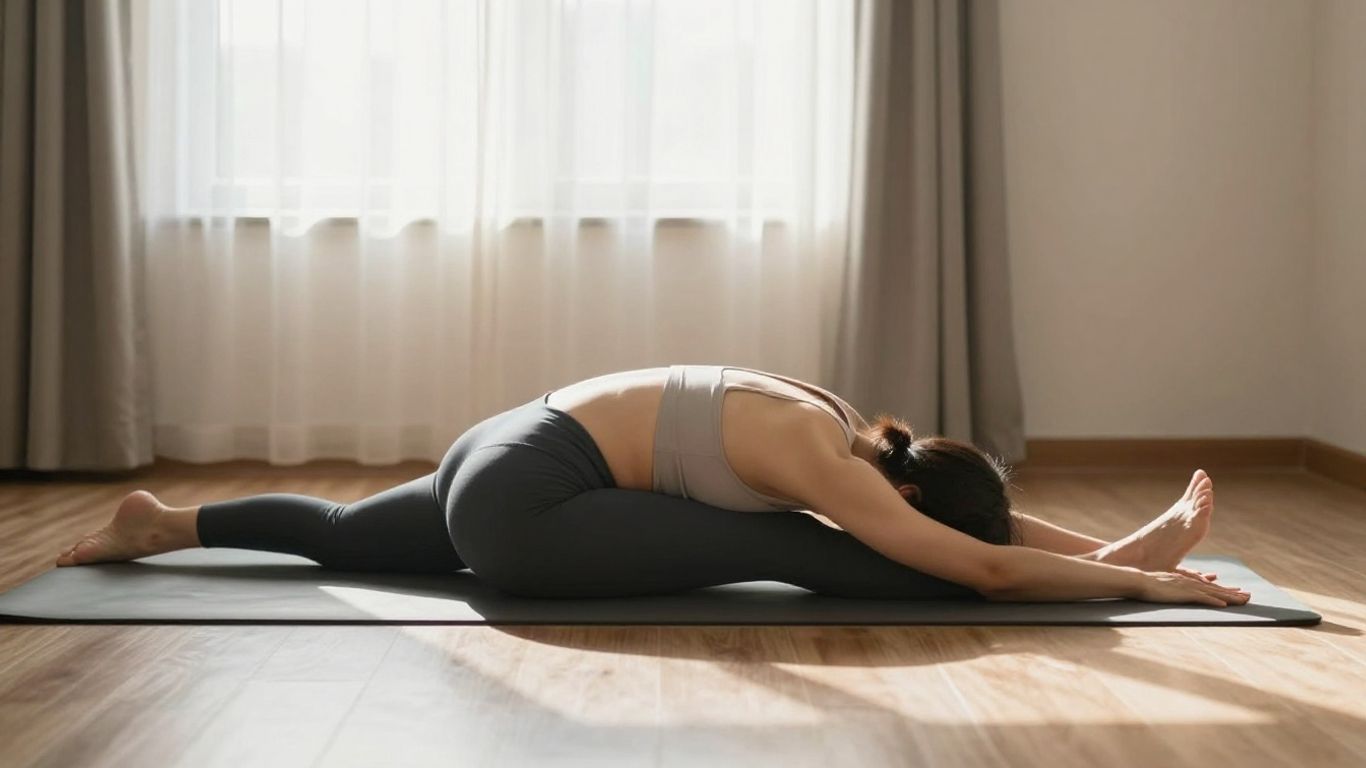
It might seem counterintuitive when your back is hurting, but staying active is often the best way to get better. When you move, you keep your back from getting stiff and help build up the muscles that support your spine. It’s all about finding the right kind of movement that helps, not hurts.
Low-Impact Exercises for Pain Management
Gentle exercises are your friend when dealing with back pain. These activities get your body moving without putting too much stress on your spine. Think of it as waking up your back muscles in a kind way. Things like walking, swimming, or using an elliptical machine are great starting points. They get your blood flowing and can help ease discomfort. Even just a short, brisk walk around the block can make a difference. For more ideas on gentle movement, check out low-impact activities like walking or yoga.
The Importance of Core Strengthening
Your core muscles – that’s your abs, back, and pelvic muscles – act like a natural corset for your spine. When they’re strong, they take a lot of the load off your lower back, helping to prevent pain. Building a strong core doesn’t mean doing endless crunches. It involves exercises that engage these deep muscles.
Here are a few to get you started:
- Bird-Dog: Start on your hands and knees. Extend one arm straight forward and the opposite leg straight back, keeping your core tight and back flat. Hold for a few seconds, then switch sides.
- Plank: Lie face down, then push up onto your forearms and toes, keeping your body in a straight line from head to heels. Engage your abs and hold. Start with short holds and build up.
- Glute Bridges: Lie on your back with knees bent and feet flat on the floor. Lift your hips off the ground, squeezing your glutes. Hold briefly, then lower.
Strengthening your core is like giving your spine a built-in support system. It helps stabilize your entire midsection, reducing the strain on your lower back during everyday activities.
When to Consult a Chiropractor in Singapore
While many back issues can be managed with exercise and lifestyle changes, sometimes you need a professional touch. If your pain is severe, doesn’t improve with home care, or if you experience numbness or weakness, it’s time to seek help. A chiropractor can assess your spine and provide targeted adjustments and advice. They can help identify the root cause of your discomfort and create a plan to get you moving better. Don’t hesitate to reach out if you’re struggling to find relief on your own. For those in Singapore, seeking out a chiropractor’s expertise can be a good step in your recovery journey.
Therapeutic Approaches Beyond Medication

Sometimes, you need a little extra help to get your back feeling right, and thankfully, there are plenty of ways to tackle lower back pain without reaching for pills. These methods often work by addressing the physical tension, inflammation, or even the mental stress that can contribute to your discomfort.
The Application of Hot and Cold Therapy
Temperature therapy is a straightforward yet surprisingly effective tool for managing back pain. It’s all about knowing when to use which temperature.
- For acute injuries (the first 48-72 hours): Reach for cold. Ice packs help reduce swelling and inflammation, acting like a natural pain reliever. Just remember to wrap the ice pack in a towel to protect your skin and apply it for about 15-20 minutes at a time, a few times a day.
- For chronic aches or muscle stiffness: Heat is your friend. A heating pad, warm compress, or even a hot shower can increase blood flow to the area. This helps relax tight muscles and can make you feel much more comfortable. Use heat for 15-20 minutes at a time.
It’s a simple switch that can make a big difference in how your back feels.
Exploring the Benefits of Massage Therapy
Getting a massage might seem like a luxury, but for back pain, it can be a genuine therapeutic intervention. A good massage therapist can work out those tight knots and tense muscles that often contribute to aches and pains. They focus on improving blood flow to the sore areas, which helps with healing and can significantly ease discomfort. It’s not just about feeling good in the moment; regular massage can help keep muscles more relaxed and less prone to injury over time. Think of it as a way to actively release physical stress that’s built up in your back.
Considering Acupuncture for Relief
Acupuncture is an ancient practice that involves inserting very thin needles into specific points on the body. While it might sound a bit intimidating, many people find it quite relaxing and effective for managing chronic pain. The idea is that stimulating these points can help your body release its natural pain-relieving chemicals and improve energy flow. It’s a different approach that works with your body’s own systems to find relief. If you’re looking for something outside the usual, acupuncture can be a good option to explore for your back discomfort.
Sometimes, the best way to get relief is by combining different approaches. Don’t be afraid to try a few things to see what works best for your specific situation. What helps one person might not be the perfect fit for another, and that’s perfectly okay.
Seeking Professional Guidance
Sometimes, even with the best home care and lifestyle changes, your back pain might need a little extra help. It’s totally normal to reach a point where you need to consult with a professional. They can help figure out what’s really going on and guide you toward the best path for relief.
The Role of Physical Therapy
Physical therapy is a big one when it comes to back pain. A physical therapist is like a movement specialist. They’ll look at how you move, where you’re stiff, and what muscles might be weak. Then, they create a plan just for you. This usually involves specific exercises to build strength and flexibility, and they’ll teach you how to move better in your daily life to avoid making things worse. It’s all about getting you back to doing the things you love without pain. You can learn more about how physical therapy helps back pain.
When to Seek a Chiropractor’s Expertise
Chiropractors focus on the alignment of your spine and how it affects your nervous system. If you’re experiencing pain that seems related to joint restriction or misalignment, a chiropractor might be a good option. They use hands-on techniques, like adjustments, to help restore proper movement and function. It’s a hands-on approach that many people find very effective for relieving discomfort and improving overall mobility.
Understanding Surgical Interventions
Surgery is usually the last resort for back pain, reserved for specific conditions that haven’t responded to other treatments or when there’s a serious underlying issue. Things like severe nerve compression or significant spinal instability might require surgical attention. It’s a big step, and it’s important to have a thorough discussion with your doctor about the risks, benefits, and what recovery would look like. They can explain if this is a necessary path for your specific situation.
It’s important to know when to get help. If your pain is severe, doesn’t get better after a few weeks of home care, or if you notice any of these ‘red flag’ symptoms, it’s time to see a doctor:
- Sudden loss of bladder or bowel control.
- Increasing weakness or numbness in your legs.
- Fever or unexplained weight loss along with back pain.
- Pain that started after a significant injury or fall.
Don’t hesitate to reach out to a healthcare provider if your pain is concerning or persistent. They are there to help you get back to feeling your best.
Putting It All Together for a Healthier Back
So, we’ve talked a lot about different ways to help your lower back feel better without reaching for pills. It’s not just about one magic fix, you know? It’s more about building a routine that works for you, mixing in some movement, maybe trying out some relaxation tricks, and just paying attention to how you live day-to-day. Remember those exercises we discussed? Or how about making sure you’re sleeping in a way that actually helps your back? It all adds up. Taking these steps might seem small at first, but over time, they can really make a big difference in how your back feels. Don’t get discouraged if it takes a little while. The goal is to find what helps you feel better and stick with it. Your back will thank you for it.
Frequently Asked Questions
What are the main causes of lower back pain?
Lower back pain can pop up for many reasons. Sometimes it’s a simple muscle strain from lifting something too heavy or twisting the wrong way. Other times, it could be a problem with the discs between your spine bones, or issues with the nerves, bones, or ligaments in your back. Even stress can make your back muscles tense up and hurt.
How can I improve my sleep posture to help my back?
Sleeping positions really matter for your back! If you sleep on your back, try putting a pillow under your knees to keep your spine’s natural curve. If you’re a side sleeper, a pillow between your knees helps keep your hips and spine lined up. It’s best to avoid sleeping on your stomach because it can strain your neck and back.
What kind of foods can help reduce back pain?
You can fight inflammation in your body by eating certain foods. Think leafy greens like spinach, colorful berries, and healthy fats from avocados and nuts. Spices like turmeric and ginger are also great. It’s also helpful to cut back on processed foods, sugary snacks, and unhealthy fats, which can make inflammation worse.
Is exercise really good for back pain, or can it make it worse?
Gentle exercise is usually very helpful! Once your pain isn’t super bad, low-impact activities like walking, swimming, or cycling can strengthen your back and core muscles. These muscles are like a natural support system for your spine. Always check with a doctor before starting a new exercise plan, though.
How do mind-body techniques like yoga or mindfulness help with back pain?
These practices help in a couple of ways. They can teach you how to relax and reduce stress, which often makes muscle tension and pain worse. They also help you become more aware of your body, so you can notice when you’re holding tension and learn to let it go. Some studies show they can actually change how your brain feels pain.
When should I think about seeing a doctor or chiropractor for my back pain?
If your pain is really bad, doesn’t get better after a week or two, or if you have other symptoms like numbness, weakness in your legs, or changes in bowel or bladder control, it’s important to see a doctor. A chiropractor can also be a great help for many types of back pain, especially if it’s related to how your spine is aligned.