Dealing with a sports injury can really put a damper on things, right? You’re trying to stay active, maybe in a league here in Singapore, or just keeping fit, and then bam – a muscle tear or some nagging pain. It feels like you’re sidelined indefinitely. While rest is part of it, there’s a treatment that’s been making waves, literally, for helping athletes get back in the game faster. It’s called shockwave therapy, and it’s becoming a go-to option for many.
Key Takeaways
- Shockwave therapy uses sound waves to kickstart your body’s natural healing process for muscle injuries.
- It helps reduce pain and inflammation, so you feel better sooner.
- This treatment can speed up tissue repair and get you back to training and playing quicker than some other methods.
- Unlike some treatments, shockwave therapy is non-invasive and usually means less time off from your usual activities.
- Many athletes in Singapore are finding shockwave therapy a good way to recover from common sports issues and prevent future ones.
Understanding Shockwave Therapy For Muscle Recovery
What is Extracorporeal Shockwave Therapy?
So, you’ve pushed yourself a little too hard, and now your muscles are screaming. It happens to the best of us, whether you’re a seasoned athlete or just trying to keep up with life. Extracorporeal Shockwave Therapy, or ESWT, is a pretty neat non-surgical option that’s been making waves in helping muscles bounce back. Think of it as a way to give your body’s natural repair systems a serious nudge. It uses acoustic waves, which are basically sound waves, to get things moving in the injured tissue. It’s not some futuristic magic; it’s a science-backed approach that’s been around for a while, originally used for other medical issues but now a go-to for sports injuries and muscle recovery.
The Science Behind Acoustic Wave Stimulation
Alright, let’s get a little technical, but I promise to keep it simple. When these acoustic waves hit your sore muscles, they create tiny, controlled disruptions in the tissue. This might sound a bit harsh, but it’s actually what kicks off the healing process. Your body sees these micro-injuries and ramps up its natural response. This means more blood flow to the area, which brings in all the good stuff your muscles need to repair themselves, like oxygen and nutrients. It also encourages the growth of new blood vessels and helps break down any scar tissue that might be slowing things down. The goal is to stimulate your body’s own regenerative powers. It’s like sending out an SOS to your cells, telling them it’s time to get to work and rebuild.
Shockwave Therapy’s Role in Sports Medicine
In the world of sports, every second counts, and getting back in the game quickly is key. That’s where shockwave therapy really shines. For athletes in Singapore and around the globe, it offers a way to speed up recovery from common issues like muscle tears, strains, and tendinitis. It’s a non-invasive treatment, which is a big plus because it means less risk and usually no need for anesthesia. This translates to less downtime, allowing athletes to get back to training and competing faster than with some other methods. It’s becoming a standard part of the toolkit for many sports medicine professionals looking to help their athletes recover efficiently and safely. It’s all about getting you back to performing at your best, without the long waits.
Here’s a quick look at what it helps with:
- Accelerated tissue repair
- Reduced inflammation and pain
- Improved blood circulation
- Breakdown of scar tissue
- Stimulation of natural healing factors
This therapy works by creating a controlled biological response within the body, essentially tricking it into thinking it needs to heal an injury more aggressively. This leads to faster regeneration and a quicker return to normal function.
Accelerating Healing and Reducing Pain
Stimulating Natural Healing Mechanisms
Shockwave therapy works by sending acoustic waves into the injured area. These waves create tiny, controlled injuries at a cellular level. Don’t worry, this sounds worse than it is! This controlled microtrauma actually kickstarts your body’s own repair systems. It’s like giving your body a nudge to say, "Hey, something needs fixing here!" This process encourages the release of growth factors, which are like little construction workers for your tissues, helping to rebuild damaged cells and speed up the healing process. This is a key reason why shockwave therapy is so effective for stubborn injuries.
Enhancing Blood Circulation and Tissue Regeneration
When those acoustic waves hit the target area, they do more than just signal for repair. They also help to break down scar tissue and calcifications that might be blocking proper healing. Plus, the therapy increases blood flow to the injured spot. More blood means more oxygen and nutrients get delivered right where they’re needed, which is super important for rebuilding healthy tissue. This improved circulation and the breakdown of old, damaged tissue pave the way for new, healthy cells to grow, leading to better overall tissue regeneration. It’s a pretty neat way to get things moving again.
Alleviating Pain Through Desensitization
Beyond just fixing the underlying issue, shockwave therapy also helps with pain relief in a couple of ways. The acoustic waves can actually desensitize the nerve endings in the treated area. Think of it like gently numbing the pain signals that are being sent to your brain. This effect can provide relief pretty quickly, sometimes even after the first session. It’s not just masking the pain; it’s helping to calm down those overactive pain receptors. This makes it a great option for chronic pain conditions where the pain signals just don’t seem to switch off. You can find out more about shockwave treatment offers for pain relief and tissue remodeling.
- Stimulates cellular repair mechanisms.
- Increases blood flow and nutrient delivery.
- Reduces inflammation and scar tissue.
- Desensitizes nerve endings for pain relief.
The body has an amazing capacity to heal itself. Shockwave therapy acts as a catalyst, amplifying these natural processes to overcome injuries and chronic pain more effectively than many traditional methods.
Benefits for Athletes in Singapore
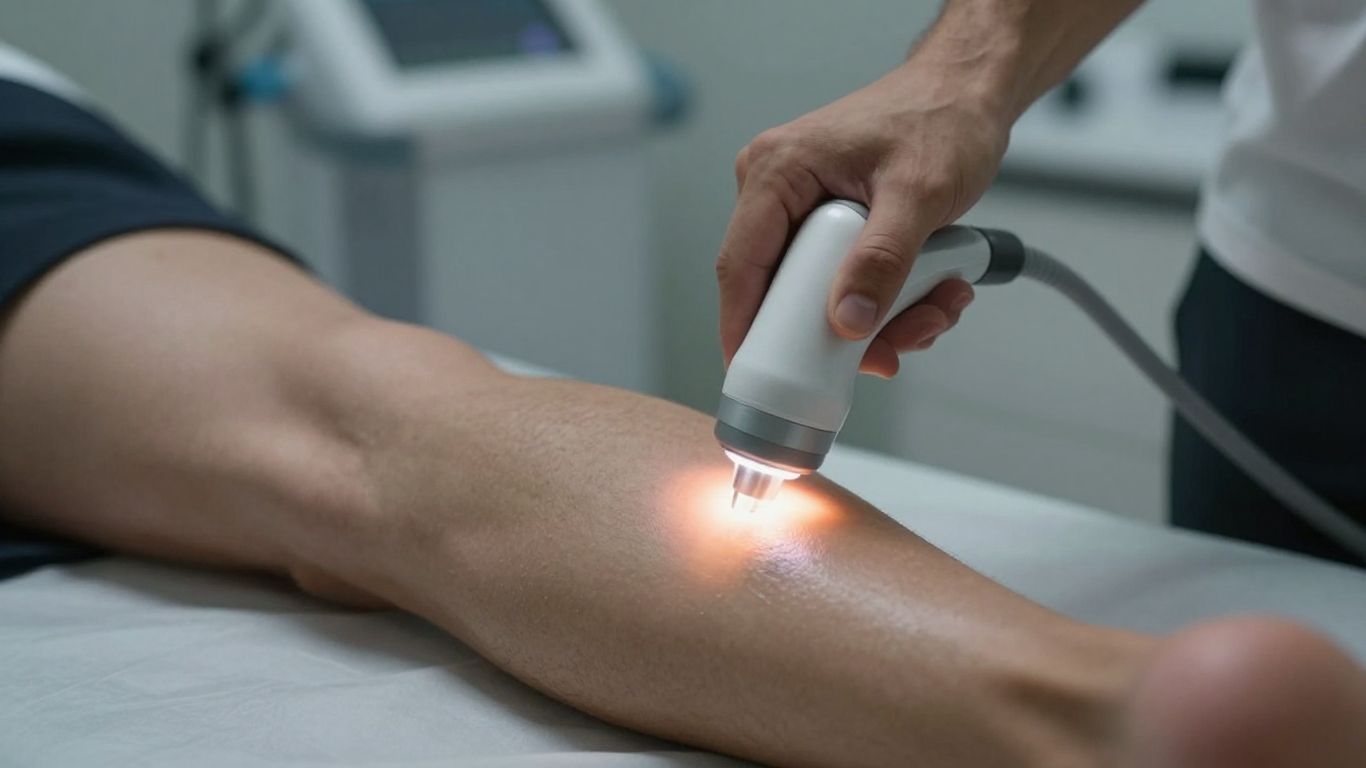
For athletes in Singapore, staying at the top of their game means bouncing back from injuries quickly. Shockwave therapy is becoming a go-to for many, offering a way to speed up recovery without a lot of fuss. It’s all about getting you back to training and competing sooner rather than later.
Faster Return to Training and Competition
When you’re injured, every day off feels like a setback. Shockwave therapy helps cut down that downtime significantly. By stimulating your body’s natural healing processes, it works to repair damaged tissues more efficiently. This means you can often get back to your regular training schedule and even competitions much faster than with some other methods. This accelerated recovery is a game-changer for athletes who can’t afford long breaks. It’s about minimizing the time you spend on the sidelines and maximizing your time performing.
Improving Range of Motion and Functionality
Injuries don’t just cause pain; they can also make it hard to move properly. Scar tissue can build up, limiting how far you can stretch or bend, which really affects your performance. Shockwave therapy helps to break down this scar tissue and improve the elasticity of your muscles and tendons. This leads to a better range of motion and helps restore your full functionality, so you can move with less restriction and perform at your best.
Non-Invasive Treatment with Minimal Downtime
One of the biggest pluses of shockwave therapy is that it’s non-invasive. You don’t need surgery or injections, which means fewer risks and a much smoother recovery. Most athletes can go back to their daily activities, including light training, right after a session. While it’s wise to avoid intense workouts for a day or two, the overall downtime is minimal compared to more invasive treatments. This makes it a practical choice for athletes who need to stay active and can’t afford extended periods of rest. It’s a smart way to address injuries and keep your athletic journey moving forward in Singapore.
Shockwave therapy works by sending acoustic waves into the injured area. These waves trigger a healing response in your body, increasing blood flow and encouraging new tissue growth. It’s like giving your body a targeted boost to speed up the natural repair process, helping you recover from common sports injuries more effectively.
Shockwave Therapy vs. Alternative Treatments
When you’re dealing with an injury, especially as an athlete, you want the quickest and most effective way back to your game. Shockwave therapy has really started to stand out compared to some of the older methods. Let’s break down how it stacks up.
Comparison with Steroid Injections
Steroid injections can offer fast pain relief, and that’s definitely appealing when you’re sidelined. However, they come with a list of potential downsides. There’s a higher risk of infection, and repeated use can lead to muscle atrophy or even tendon rupture. Plus, steroids don’t really fix the underlying issue; they just mask the pain temporarily. Shockwave therapy, on the other hand, works by stimulating your body’s natural healing processes. It addresses the root cause of the pain rather than just suppressing symptoms. Most athletes can actually keep training, albeit lightly, while undergoing shockwave treatments, which is a huge plus for in-season players. It’s a non-invasive approach that avoids the toxicity associated with steroid use.
Shockwave Therapy Versus Orthobiologics
Orthobiologics, like Platelet-Rich Plasma (PRP) injections, are also popular in sports medicine for their ability to promote healing. They use your own body’s components to kickstart recovery. While effective, a significant drawback is that they often require a period of reduced activity or even complete rest for several weeks post-treatment. This can mean significant time away from training and competition. Shockwave therapy generally allows for a much faster return to sport and ongoing training with minimal restrictions. While both aim to heal, shockwave therapy’s advantage lies in its minimal downtime, letting you stay active during your recovery.
Advantages Over Traditional Therapies
Traditional therapies often involve rest, ice, compression, and elevation (RICE), and sometimes physical therapy exercises. While these have their place, they can be slow. Shockwave therapy offers a more active approach. It’s known for its high success rate, often cited around 82%, and can help athletes return to play significantly faster, sometimes up to 40% quicker. It works by triggering a cascade of biological effects that promote tissue regeneration and increase blood flow. This means you’re not just waiting for things to heal; you’re actively helping your body repair itself more efficiently. It’s a modern solution for modern athletes looking for accelerated recovery.
Here’s a quick look at how shockwave therapy compares:
| Treatment Type | Pain Relief Mechanism | Downtime/Activity Restrictions | Addresses Root Cause | Potential Side Effects |
|---|---|---|---|---|
| Steroid Injections | Anti-inflammatory (masking) | Moderate to High | No | Infection, muscle atrophy, tendon rupture, etc. |
| Orthobiologics (e.g. PRP) | Natural healing stimulation | Moderate to High | Yes | Pain, swelling at injection site, potential infection |
| Shockwave Therapy | Natural healing stimulation | Minimal | Yes | Mild soreness, swelling, bruising (temporary) |
What to Expect During Shockwave Therapy
So, you’re curious about what actually happens when you go in for shockwave therapy? It’s a pretty straightforward process, and honestly, most people find it quite manageable. The main goal is to get those natural healing processes in your body kicked into high gear without a lot of fuss.
The Treatment Process
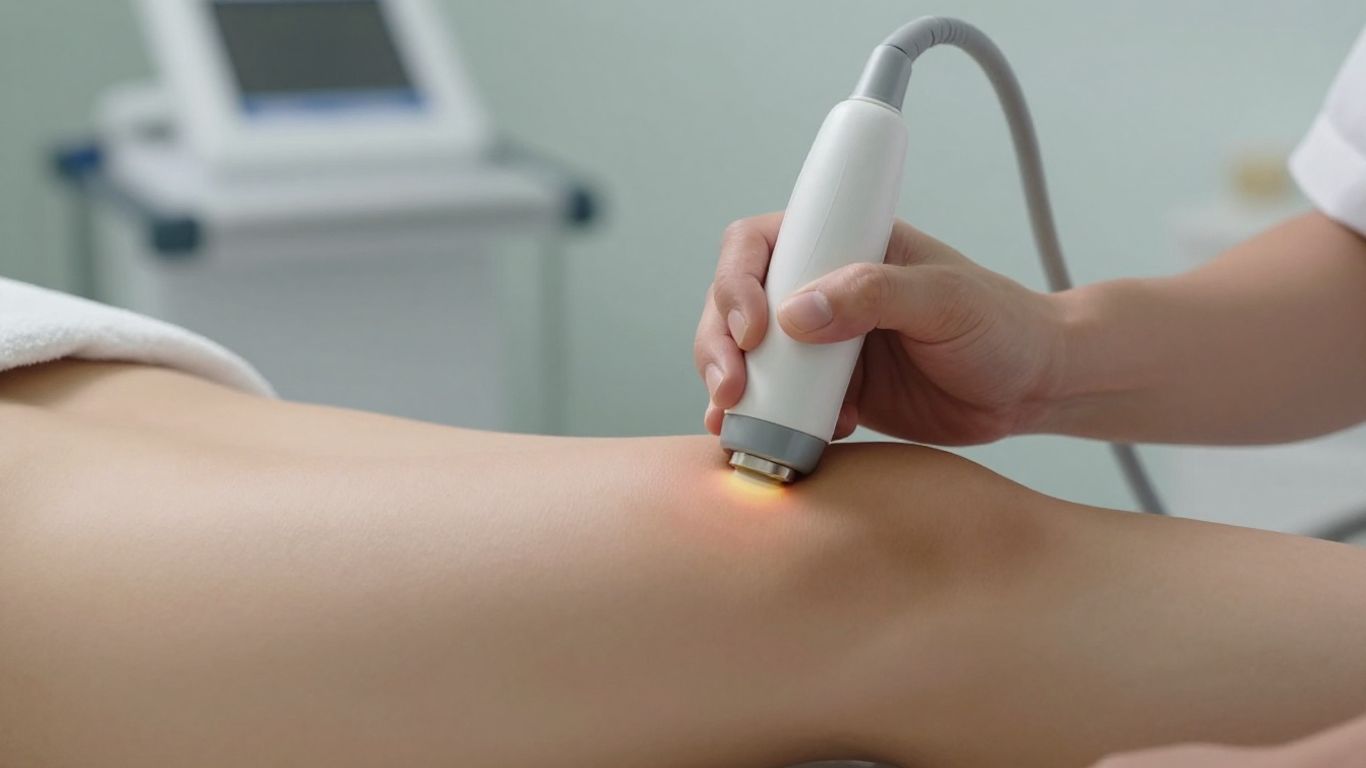
When you arrive for your session, the first thing that usually happens is the therapist will identify the specific area that needs treatment. They’ll likely apply a gel to your skin, kind of like what they do for ultrasounds. This gel helps the acoustic waves travel smoothly from the device to your body. The device itself emits these acoustic pulses, which feel like a tapping sensation. It’s not usually painful, though some people describe it as a bit intense or like a strong vibration. The therapist moves the applicator over the affected area for a set amount of time, typically around 5 to 10 minutes per spot. The number of sessions needed can vary, but often it’s a series of treatments spaced a week or two apart.
Post-Treatment Recovery and Activity
One of the really great things about shockwave therapy is that you don’t usually have to take a lot of time off. For most people, you can get back to your regular daily activities pretty much right away. Think of it like this:
- Return to normal routines: Most patients can go back to work or their usual day-to-day tasks immediately.
- Light activity: Gentle movement is often encouraged to keep blood flowing.
- Strenuous exercise: It’s generally advised to hold off on intense workouts for about 24 to 48 hours after a session. This gives your body a chance to start healing without being put under too much stress.
This approach means you can often keep training or stay active, which is a big plus for athletes. You’re not typically looking at weeks of being sidelined.
Potential Side Effects and Management
While shockwave therapy is considered very safe and non-invasive, like any treatment, there can be some minor reactions. These are usually temporary and not a cause for major concern.
- Mild soreness: The treated area might feel a bit tender for a day or two.
- Slight swelling: Some minor swelling can occur.
- Bruising: In rare cases, a little bruising might show up.
These effects typically resolve on their own within a few days. If you experience anything more significant or concerning, it’s always best to check in with your therapist or doctor. They can offer advice on managing any discomfort and confirm that everything is progressing as expected. The overall aim is to stimulate healing, and these minor responses are often just signs that the body is responding to the treatment. It’s a way to get your body to heal itself with Shockwave Therapy.
The therapy works by sending focused acoustic waves into the injured tissue. This isn’t like a surgical cut or anything invasive; it’s more about using sound energy to encourage your body’s own repair mechanisms. The pulses help break down scar tissue and stimulate blood flow, which is key for bringing in the nutrients and cells needed for healing.
Therapeutic Indications for Shockwave Therapy
Treating Tendinitis and Overuse Injuries
Shockwave therapy is a go-to for dealing with those nagging tendinitis issues and other injuries that pop up from doing too much, too soon. Think tennis elbow, golfer’s elbow, or even pain in your kneecap from running. The acoustic waves get right in there, breaking down scar tissue and kickstarting the body’s own repair system. It’s not just about masking the pain; it’s about fixing the underlying problem. This approach can really speed things up compared to just resting.
Addressing Chronic Pain Conditions
For folks dealing with pain that just won’t quit, shockwave therapy offers a real chance at relief. It’s been shown to help with things like chronic back pain, neck pain, and even that sharp pain in your heel from plantar fasciitis. The therapy works by stimulating nerves and increasing blood flow to the area, which helps reduce inflammation and pain over time. It’s a non-invasive way to tackle pain that might have been bothering you for months or even years. Many find it helps them get back to their daily lives with less discomfort. It’s a solid option for sports injuries that just won’t quit.
Enhancing Sports Recovery and Injury Prevention
Athletes, listen up. Shockwave therapy isn’t just for fixing injuries; it’s also a smart move for recovery and even preventing future problems. After a tough workout or a game, your muscles and tendons can get tight and sore. A few sessions of shockwave therapy can help loosen things up, reduce that post-exercise soreness, and get you ready for your next training session faster. It promotes better blood flow and tissue regeneration, which are key for keeping your body in top shape. This therapy can be a game-changer for athletes looking to minimize downtime and stay competitive.
Here’s a quick look at what it can help with:
- Tendinitis (e.g., Achilles, patellar, rotator cuff)
- Plantar fasciitis
- Chronic muscle pain
- Scar tissue reduction
- Joint stiffness
The goal is to get you back to feeling good and performing at your best, using your body’s natural healing power. It’s about getting to the root of the problem, not just covering it up.
Shockwave therapy is a powerful tool in the recovery arsenal, offering a way to address a variety of painful conditions and speed up healing. It’s a great option for anyone looking for effective, non-invasive treatment for musculoskeletal issues, and you can learn more about how it works to stimulate healing.
Wrapping It Up
So, if you’re dealing with sore muscles or a nagging injury that’s keeping you from doing what you love, shockwave therapy is definitely something to look into. It’s not some magic bullet, but it really seems to help your body heal itself faster. It’s non-invasive, which is a big plus, and many people find it cuts down on pain and gets them back to their activities quicker than other methods. Think of it as giving your body a helpful nudge to get back on track. It’s a pretty neat tool in the world of sports medicine and recovery.
Frequently Asked Questions
What exactly is shockwave therapy?
Think of shockwave therapy as a way to send special sound waves, like tiny energy pulses, into injured parts of your body. It’s like giving your body a little wake-up call to help it heal faster. It was first used to break up kidney stones, but now doctors use it to help muscles and other body parts get better.
How does this therapy help muscles recover?
When these sound waves hit the injured area, they create tiny, controlled damage. This sounds scary, but it actually tricks your body into thinking it needs to heal itself more strongly. It boosts blood flow, helps build new tissue, and tells your body to make more healing stuff, all of which speeds up recovery.
Will shockwave therapy help with my sports injuries?
Absolutely! Athletes often get hurt because of the hard work they do. Shockwave therapy can help fix those injuries faster. It helps muscles heal quicker, reduces pain so you can move better, and can even help break down scar tissue that might be making things stiff.
Is shockwave therapy better than getting a shot for pain?
Sometimes shots, like steroid injections, can help with pain, but they can also have side effects or make tendons weaker. Shockwave therapy is different because it helps your body heal itself without those risks. Plus, you can often keep training with shockwave therapy, which isn’t always possible with other treatments.
What happens during a shockwave therapy session?
During a session, a special device will be placed on the sore spot. It will send out those energy pulses. It might feel a bit uncomfortable, but it’s usually not too painful. After the session, you can usually go back to your normal activities, but it’s good to take it easy for a day or two to let your body start healing.
How quickly can I get back to my sport after shockwave therapy?
The good news is that shockwave therapy often means less time on the sidelines! Many athletes can return to training pretty quickly, sometimes even the next day, though it’s best to avoid super intense workouts for a short while. It helps you heal faster so you can get back in the game sooner.