You know how sometimes your head feels like it’s just floating in front of your body? That’s often called forward head posture, and it’s a super common thing these days, especially with all the screens we look at. It can really mess with your neck and spine over time, leading to all sorts of aches and pains. The good news is, it’s not a lost cause. There are ways to fix it and get your posture back on track. We’ll look at what’s going on, why it’s a problem, and what you can do about it, including options for posture correction Singapore.
Key Takeaways
- Forward head posture means your head juts forward, putting extra strain on your neck and spine, which can lead to degeneration.
- This posture can cause pain, headaches, muscle spasms, and even affect your breathing.
- Exercises like chin tucks and chest stretches, along with scapular stabilization, are key to correcting posture.
- Manual therapies, cervical traction, and using supportive tools like corrective pillows can also help.
- Making lifestyle changes, like improving your workspace ergonomics and being mindful of technology use, is vital for long-term posture improvement.
Understanding Forward Head Posture

You know that feeling when your head feels like it’s a bowling ball perched precariously on your shoulders? That’s often the start of what we call forward head posture. It’s super common these days, especially with how much we’re all glued to our phones and computers. Basically, it means your head is jutting forward past your shoulders, instead of sitting directly on top of them. This seemingly small shift puts a surprising amount of extra stress on your neck and spine.
What Constitutes Forward Head Posture?
So, what exactly makes it ‘forward head posture’? It’s when the natural curve of your neck, which should be a gentle inward curve (lordosis), starts to flatten or even reverse. Your head then drifts forward, often by several centimeters. Think about it: for every inch your head moves forward, the weight it effectively puts on your neck doubles. That’s a lot of extra load!
The Impact on Your Cervical Spine
Your cervical spine, that’s your neck, is designed to support your head’s weight efficiently. When your head is in the right place, the muscles and ligaments work together to keep things stable. But with forward head posture, this whole system gets thrown off. The muscles in the front of your neck have to work overtime to keep your head from just flopping forward, while the muscles in the back get stretched and weakened. This imbalance can lead to all sorts of problems down the line, including pain and stiffness. It’s a big reason why so many people experience neck discomfort.
Common Causes and Contributing Factors
What causes this posture problem? A lot of it comes down to our modern lifestyles. Spending hours hunched over a desk, looking down at a phone (often called ‘text neck’), or even sitting in poorly designed chairs can all contribute. Even things like weak upper back muscles or tight chest muscles can pull your shoulders forward, which in turn pulls your head forward. It’s like a domino effect.
Here are some common culprits:
- Prolonged computer and desk work
- Excessive smartphone and tablet use
- Poor workstation ergonomics
- Weakness in the upper back and shoulder blade muscles
- Tightness in the chest and front of the neck muscles
It’s not just about how you look; this posture can actually change the way your spine functions and even affect how well you breathe. The body tries to compensate, which can lead to issues in other areas, like your lower back, to try and keep you balanced.
Understanding these basics is the first step toward fixing it. Recognizing the signs and knowing what’s causing it helps us figure out the best way to get your head back where it belongs. This is a common issue, with estimates suggesting a significant portion of the population experiences it, impacting their overall neck health.
Consequences of Poor Head Alignment
When your head starts drifting forward, it’s not just a minor aesthetic issue; it’s a signal that your body is out of balance. This common postural problem, often called ‘text neck’ or ‘tech neck,’ puts a surprising amount of stress on your neck and spine. Think of your head like a bowling ball – it’s heavy! When it’s balanced directly over your spine, the load is manageable. But when it shifts forward, even by a few inches, the forces acting on your cervical spine multiply dramatically.
Increased Strain and Spinal Degeneration
This forward shift means your neck muscles and ligaments have to work overtime just to keep your head level and your vision forward. Over time, this constant strain can lead to significant wear and tear on your cervical facet joints. It’s like constantly pulling on a rubber band; eventually, it stretches out and loses its ability to snap back. This can contribute to conditions like degenerative arthritis in the neck and a loss of normal spinal motion. The ligaments supporting your cervical spine can become stretched, leading to instability. This instability is a major factor in the progression of spinal degeneration, affecting not just your neck but potentially the entire spinal column as your body tries to compensate. This can lead to a cascade of issues, impacting everything from your lower back to your pelvis.
Effects on Breathing and Airways
It might seem strange, but your head posture can even affect how well you breathe. When your head is pushed forward, it can compress structures in the front of your neck, including parts of your airway and the vagus nerve. The vagus nerve plays a role in many bodily functions, including regulating breathing and heart rate. This compression and altered neck alignment can lead to shallower breathing patterns, making it harder for your body to get enough oxygen. Some research suggests a link between poor head posture and issues with the autonomic nervous system, which controls involuntary functions like breathing.
Headaches, Neck Pain, and Muscle Spasms
One of the most common complaints from people with forward head posture is persistent neck pain and headaches. The muscles at the back of your neck, like the suboccipital muscles, have to constantly contract to pull your head back and keep your eyes level. This chronic overwork can lead to muscle fatigue, tightness, and painful spasms. These spasms can refer pain to your head, scalp, and face, often starting in the suboccipital region. The upper cervical spine might also go into an exaggerated curve (hyperlordosis) to compensate, further stretching ligaments and irritating nerves, which can lead to occipital neuralgia. It’s a cycle where poor posture creates pain, and pain can make it harder to correct the posture.
Targeted Exercises for Posture Correction Singapore
So, you’ve been told you have a bit of a forward head posture? It’s super common these days, especially with all the time we spend looking at screens. The good news is, there are specific exercises you can do to help fix it. These aren’t just random stretches; they’re designed to strengthen the muscles that pull your head back into a better position and loosen up the ones that are pulling it forward.
Chin Tucks for Upper Thoracic Extensor Strength
This is a foundational move. Think of it as teaching your neck to retract properly. It directly targets the deep neck flexors and helps build strength in the muscles at the back of your upper spine.
Here’s how to do it:
- Sit or stand tall, looking straight ahead.
- Gently glide your chin straight back, as if you’re trying to make a double chin. You should feel a slight stretch at the base of your skull and engagement in the front of your neck.
- Avoid tilting your head up or down. It’s a straight backward movement.
- Hold for a few seconds, then relax.
Try to do this several times a day. It’s a subtle movement, but it makes a big difference over time. Consistent practice is key to retraining your neck muscles.
Chest Stretches to Counteract Rounded Shoulders
Forward head posture often goes hand-in-hand with rounded shoulders. This happens because the muscles in your chest (pectorals) get tight, pulling your shoulders forward. Stretching these out helps bring your shoulders back where they belong.
- Doorway Stretch: Stand in a doorway and place your forearms on the doorframe, elbows bent at about 90 degrees. Step forward gently until you feel a stretch across your chest. Hold for 20-30 seconds.
- Wall Angels: Stand with your back against a wall, feet a few inches away. Try to keep your lower back, upper back, and head touching the wall. Raise your arms to shoulder height, bent at the elbows, and slide them up the wall as far as you can while maintaining contact. Slowly slide them back down.
These stretches help open up your chest and improve your thoracic mobility, which is super important for overall posture.
Scapular Stabilization for Improved Alignment
Your shoulder blades (scapulae) are like the foundation for your upper back and neck. When they aren’t positioned correctly, it throws everything else off. Exercises that focus on scapular stabilization help ensure your shoulder blades are sitting properly against your rib cage, which in turn supports better head alignment. This can be a game-changer for reducing neck pain.
- Scapular Squeezes: Sit or stand tall. Gently squeeze your shoulder blades together as if you’re trying to hold a pencil between them. Keep your shoulders down, not shrugged up towards your ears. Hold for a few seconds and release.
- Rows (with resistance band): Anchor a resistance band at chest height. Stand facing the band, holding the ends. Pull the band towards your chest, squeezing your shoulder blades together. Control the movement as you return to the start.
These exercises are all about building awareness and strength in the muscles that control your shoulder blade position. It’s a vital part of a good posture correction program.
Remember, consistency is more important than intensity when it comes to these exercises. Aim for daily practice, even if it’s just for a few minutes. Your neck and spine will thank you for it.
Manual Therapies and Additional Support
The Role of Manual Therapy
Manual therapy can be a really helpful part of fixing forward head posture. Think of it as getting a tune-up for your neck and upper back. Studies show that techniques like chiropractic adjustments can help get your joints moving better. This means less strain on your muscles and a better overall alignment. It’s not a magic fix on its own, but it can definitely make a difference, especially when combined with exercises. It’s been shown to help reduce forward head posture and improve alignment in the short to medium term.
Cervical Traction and Extension Therapy
Cervical traction and extension therapy are methods aimed at gently decompressing the neck and encouraging a more natural curve. These techniques can help to lengthen tight muscles and ligaments that have adapted to the forward head position. Sometimes, specialized equipment is used, or it might be incorporated into a broader treatment plan. This approach focuses on reversing the effects of prolonged poor posture, like that often seen with excessive screen time. It’s about creating space and encouraging the cervical spine to return to a healthier alignment.
Exploring Corrective Pillows and Taping
Beyond hands-on treatments, there are also tools that can help. Corrective pillows are designed to support your neck in a more neutral position while you sleep, which is a significant chunk of your day. They aim to counteract the forward head posture that might develop overnight. Kinesiology taping, often seen on athletes, can also be used to provide gentle support and proprioceptive feedback, reminding you to maintain better posture throughout the day. These are supplementary aids, not replacements for active correction, but they can certainly contribute to your recovery efforts.
Restoring Natural Cervical Curves
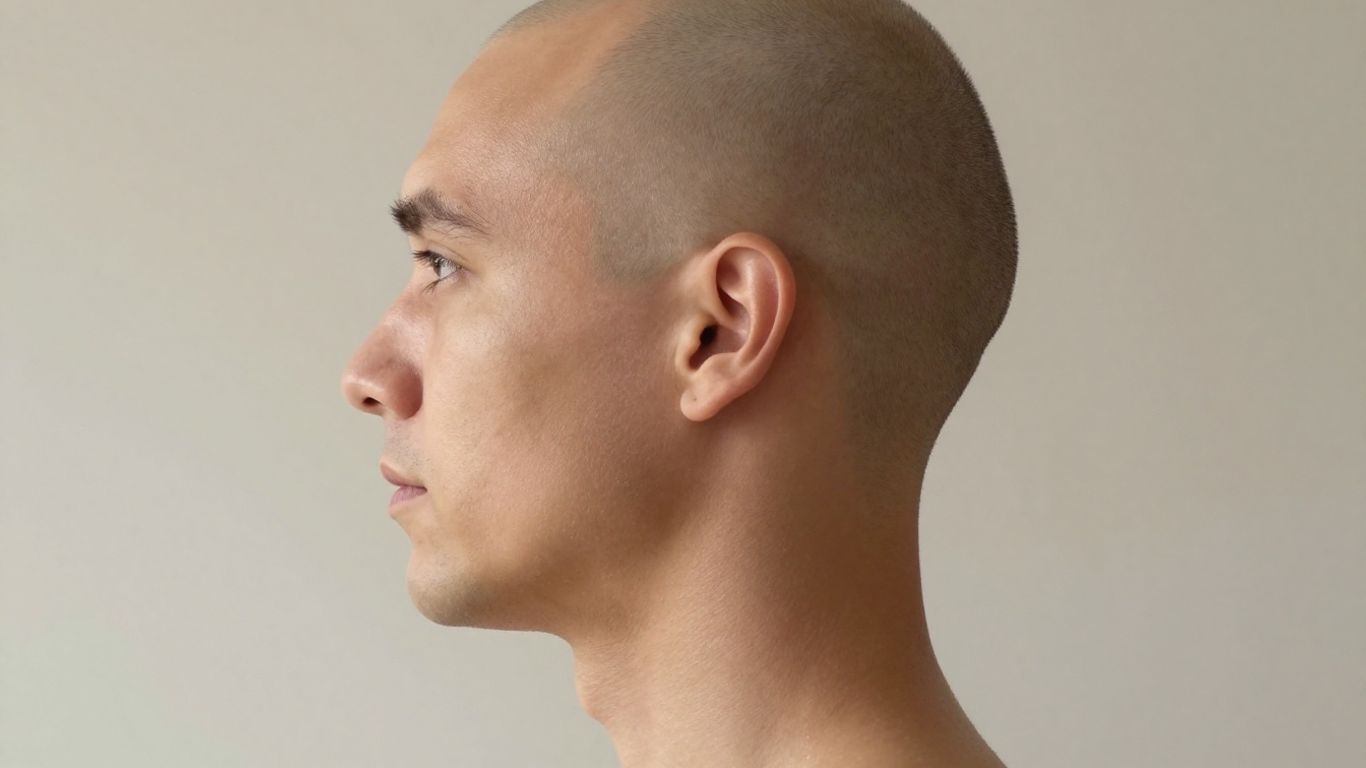
So, you’ve been working on those chin tucks and chest stretches, which is great! But to really get your neck back in shape, we need to talk about bringing back that natural, gentle forward curve, known as the cervical lordosis. Think of it like rebuilding the foundation of a house; if the foundation isn’t right, nothing else will sit properly.
Addressing Cervical Ligament Weakness
Over time, especially with that forward head posture, the ligaments in your neck can get stretched out and lose their tone. They’re like old rubber bands that have been pulled too tight for too long – they don’t snap back like they used to. This weakness contributes to instability and makes it harder for your neck muscles to hold your head up correctly. Restoring these ligaments involves consistent, gentle stretching and exercises that encourage them to return to their normal length and tension. It’s a slow process, but important for long-term stability.
The Importance of Craniovertebral Angle
Ever heard of the craniovertebral angle? It’s basically a measurement that tells us how well your head is balanced on top of your neck. A good angle means your head is sitting pretty much directly over your shoulders. When you have forward head posture, this angle gets thrown off, putting extra stress on the very top part of your spine, right where your skull meets your neck. Improving this angle is key to reducing strain and preventing further issues. It’s a good indicator of how your head posture is progressing.
Balancing the Entire Spinal Column
It’s easy to get fixated on just the neck, but your spine is one connected unit. What happens in your neck affects your upper back, and what happens in your lower back can even influence your neck. To truly restore balance, we need to look at the whole picture. This means making sure your thoracic spine (mid-back) has a healthy curve and that your lumbar spine (lower back) is also in good alignment. Think of it like a chain – a weak link anywhere can compromise the whole thing. Addressing issues in other parts of the spine can actually help your neck find its natural position again. Sometimes, specific exercises or manual therapy techniques are used to help realign the entire spinal column.
Restoring the natural curves of your spine isn’t just about looking better; it’s about how your body functions. When the curves are right, your spine can absorb shock better, move more freely, and reduce the wear and tear on your joints. It’s about getting your body back to its intended design.
Lifestyle Adjustments for Lasting Change
Making lasting changes to your daily habits is key to keeping forward head posture at bay. It’s not just about doing exercises; it’s about integrating better posture into everything you do. Think of it as a marathon, not a sprint.
Ergonomic Modifications for Daily Life
Your workspace and how you set it up can make a huge difference. If you spend a lot of time at a desk, pay attention to your chair height, monitor position, and keyboard placement. The goal is to keep your screen at eye level so you’re not craning your neck down. Your feet should be flat on the floor, and your elbows at about a 90-degree angle. Even small adjustments can reduce the strain on your neck and shoulders. Consider a standing desk if possible, and alternate between sitting and standing throughout the day. This variety helps prevent stiffness and encourages better alignment. For those who work on laptops frequently, using an external keyboard and mouse, along with a laptop stand, can significantly improve your setup. This is a simple way to make your computer use more posture-friendly.
Mindful Technology Use
We all love our gadgets, but they can be posture’s worst enemy. When you’re using your phone, try to bring it up to eye level rather than looking down at it. This might feel a bit awkward at first, but it’s much better for your neck. The same goes for tablets. Be conscious of how long you’re spending in these positions. Set reminders to take breaks, stretch, and readjust your posture. Think about it: how many times do you find yourself scrolling through social media with your head jutted forward? It adds up. Reducing screen time, especially before bed, can also improve sleep quality and reduce morning neck stiffness. This mindful approach to technology use is a big step towards better neck health.
Maintaining Good Posture During Activities
It’s not just about sitting at a desk. Think about other daily activities like driving, cooking, or even walking. When driving, adjust your seat so you can reach the pedals comfortably without leaning forward. Try to keep your head back against the headrest. When standing, imagine a string pulling you up from the crown of your head. Keep your shoulders relaxed and your core gently engaged. Even simple tasks like washing dishes can be modified. Instead of hunching over the sink, try standing up straighter and bringing the dishes closer to you.
Making these small adjustments consistently throughout your day can prevent the re-emergence of forward head posture. It’s about building new habits that support your spine’s natural alignment, rather than fighting against it.
Here’s a quick checklist to help you integrate these changes:
- Workstation Check: Ensure your monitor is at eye level and your chair supports your lower back.
- Phone Habits: Bring your phone up to your face instead of dropping your head down.
- Movement Breaks: Take short breaks every 30-60 minutes to stand, stretch, and move.
- Driving Posture: Adjust your seat and headrest to maintain a neutral spine position.
- Mindful Awareness: Periodically check in with your posture throughout the day, especially during prolonged activities. Corrective exercises can complement these lifestyle changes.
Wrapping It Up
So, we’ve talked a lot about how that forward head posture can really mess with your body, from neck pain to breathing issues and even affecting your whole spine. It’s not just about looking a certain way; it’s about how your body functions. The good news is, it’s not a lost cause. By doing those simple exercises, paying attention to how you sit and stand, and maybe even making a few tweaks to your workspace or how you use your phone, you can start to make a real difference. It takes a bit of effort and consistency, sure, but fixing your posture is totally doable and worth it for feeling better and keeping your spine healthy long-term. Don’t let that head posture win!
Frequently Asked Questions
What exactly is forward head posture?
Forward head posture, often called ‘tech neck’ or ‘nerd neck,’ happens when your head juts forward past your shoulders, instead of being balanced right on top of your spine. Think of your head like a bowling ball on a string – it’s meant to hang straight down. When it tilts forward, it puts a lot of extra stress on your neck.
Why is forward head posture bad for my spine?
When your head is forward, it’s like adding extra weight to your neck. For every inch your head moves forward, it can add about 10 pounds of pressure to your neck! This constant strain can wear down your spine over time, leading to problems like pain, stiffness, and even long-term damage.
What are the main causes of this posture problem?
The biggest culprits are usually things we do every day. Spending hours looking down at phones, computers, or tablets is a major cause. Also, sitting for long periods with poor posture, weak neck and upper back muscles, and tight chest muscles can all contribute to your head drifting forward.
Can forward head posture affect more than just my neck?
Absolutely! This posture can throw off your whole body’s balance. It can lead to rounded shoulders, a hunched upper back, and even affect how well you breathe because it can compress your chest and airways. Some people even get headaches and jaw pain from it.
What kind of exercises can help fix forward head posture?
Simple exercises can make a big difference. ‘Chin tucks’ help strengthen the muscles at the back of your neck. Stretching your chest muscles can help open up your shoulders. Exercises that strengthen your upper back and shoulder blades are also key to pulling your head back into alignment.
Besides exercises, what else can I do to improve my posture?
Making changes to your daily habits is super important. Set up your workspace so your screen is at eye level. Take breaks from sitting and looking at screens. Be mindful of your posture when you’re standing, walking, or even sleeping. Sometimes, special pillows or taping techniques can offer extra support, and professional help like physical therapy can guide you.