You know, sometimes our bodies just need a little extra help to get back on track. We often hear about chiropractic adjustments for alignment and pain relief, and they’re great. But what if there was a way to speed things up, to help your body heal even faster? Turns out, there is. Red light therapy is showing some real promise, and when you put it together with chiropractic care, it’s like giving your body a supercharge. We’re talking about getting you feeling better, moving easier, and recovering quicker.
Key Takeaways
- Red light therapy helps cells make more energy, which speeds up healing and tissue repair.
- It’s really good at lowering inflammation, which is a big part of why we feel pain.
- Using red light before an adjustment can loosen up tight muscles, making the adjustment easier and more effective.
- After seeing your chiropractor, red light therapy can help reduce soreness and get your tissues healing faster.
- Combining red light therapy with chiropractic care can improve blood flow, relax muscles, and help you feel better overall, especially for chronic pain.
Understanding Red Light Therapy’s Role in Pain Relief
Enhanced Cellular Energy Production for Faster Healing
Think of your cells like tiny batteries. Red light therapy, specifically using certain wavelengths of red and near-infrared light, helps to recharge these batteries, which are called mitochondria. When your mitochondria are working better, they produce more ATP, the main energy source for your cells. This extra energy means your cells can do their jobs more efficiently, like repairing damage and rebuilding tissue. This boost in cellular energy is a big reason why red light therapy can speed up healing processes. It’s not magic; it’s just giving your body’s natural repair systems a bit of a jumpstart. This improved cellular function is key for anyone dealing with injuries or just feeling run down.
Reducing Inflammation for Targeted Pain Relief
Inflammation is often the body’s first response to injury, but when it sticks around too long, it can become a major source of pain. Red light therapy has a knack for calming down this overactive inflammatory response. It does this partly by improving blood flow to the area, which helps clear out inflammatory substances and bring in helpful nutrients. Less inflammation often means less pain. It’s like turning down the volume on your body’s alarm system when the danger has passed. This targeted approach can make a real difference for sore joints and muscles.
Stimulating Cellular Repair and Tissue Regeneration
Beyond just energy and inflammation, red light therapy actively encourages your cells to repair themselves and build new, healthy tissue. It can stimulate fibroblasts, which are cells responsible for producing collagen – a vital protein for skin, tendons, and ligaments. This means that damaged tissues can be rebuilt more effectively. For injuries, this translates to faster recovery and potentially better quality healing, reducing the chances of scar tissue buildup. It’s a way to support your body’s natural ability to fix itself, making recovery smoother and quicker. The science behind this involves how light energy is absorbed by cells, triggering these repair mechanisms Red light therapy utilizes specific red and near-infrared wavelengths to enhance cellular energy production by recharging mitochondria and boosting ATP. This process also helps to decrease inflammation and improve blood circulation, offering a therapeutic approach to various conditions.
Synergistic Benefits of Combining Therapies
Maximizing Therapeutic Effects for Comprehensive Healing
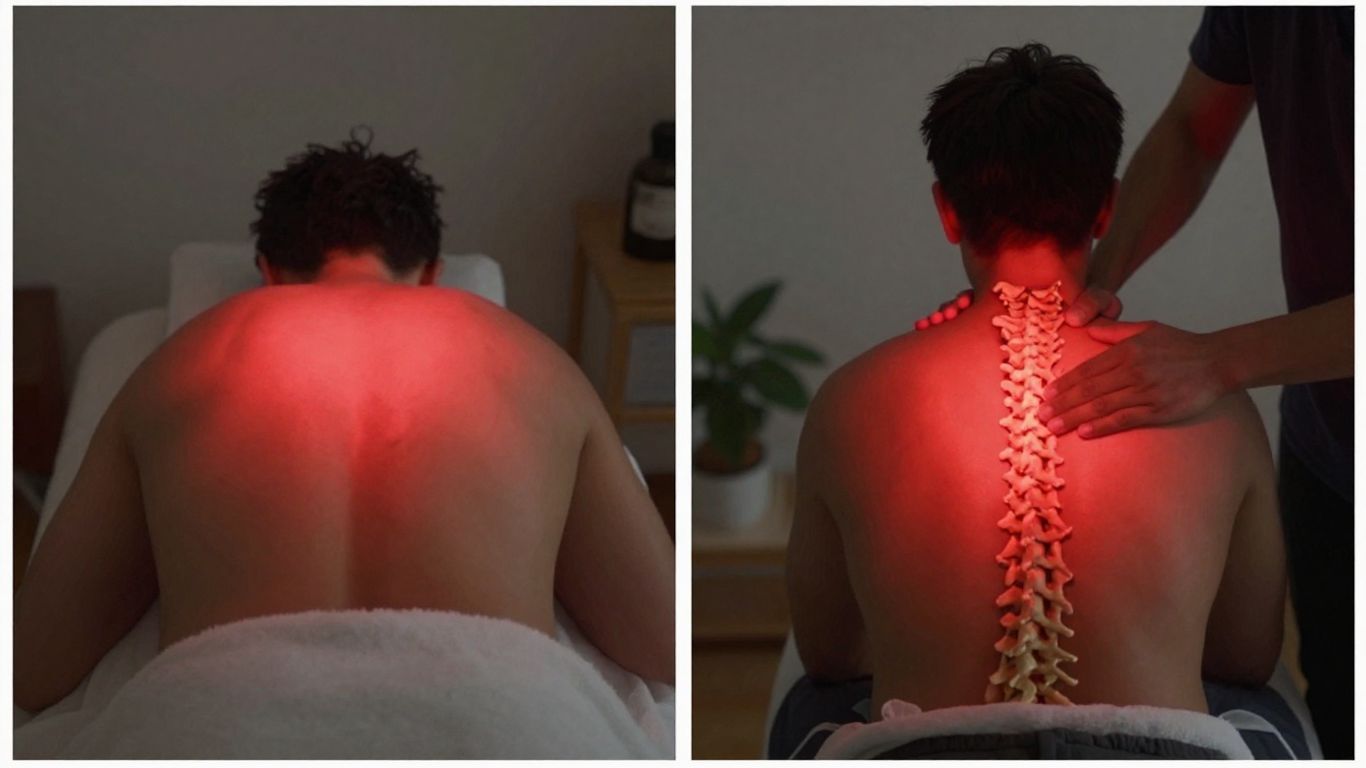
So, you’ve heard about red light therapy and chiropractic adjustments separately, right? They both do good things on their own. But when you put them together, it’s like they high-five each other and make the healing process way better. Chiropractic care gets your body aligned, making sure everything’s in the right place so your nerves can do their job. Red light therapy, on the other hand, works on a cellular level, telling your cells to chill out with the inflammation and get to work repairing themselves. This combo means you’re not just treating a symptom; you’re addressing the whole picture for a more complete recovery.
Achieving Greater Flexibility and Mobility
Ever feel like you’re moving through molasses? Tight muscles can really put a damper on your flexibility and make those chiropractic adjustments feel a bit rough. Red light therapy is pretty neat because it helps relax those tense muscles. It gets more blood flowing to them, which helps clear out stuff that makes them feel stiff. When your muscles are more relaxed, the chiropractor can do their work more easily, and you’ll likely find you can move more freely afterward. It’s a win-win for getting you back to feeling limber.
Enhancing Localized Pain Relief Through Combined Modalities
Sometimes, you’ve got that one spot that just won’t quit hurting. While a chiropractic adjustment can help with the overall alignment that might be contributing to the pain, red light therapy can be used to target that specific sore area. Think of it as a double-pronged attack on discomfort. The adjustment helps fix the bigger issue, and the light therapy zeroes in on that nagging pain, helping to calm down inflammation and speed up healing right where you need it most. It’s about getting you relief faster and more effectively, especially for things like joint pain or muscle aches. This approach can be particularly helpful for conditions like arthritis, where inflammation plays a big role. You can learn more about how these therapies work together for tissue healing.
When you combine chiropractic care with red light therapy, you’re essentially creating an environment where your body can heal more efficiently. It’s not just about feeling better temporarily; it’s about supporting your body’s natural ability to recover and function at its best. This synergy helps to reduce inflammation, promote cellular repair, and improve overall musculoskeletal health, leading to more sustained relief and improved mobility.
Preparing Your Body for Chiropractic Care
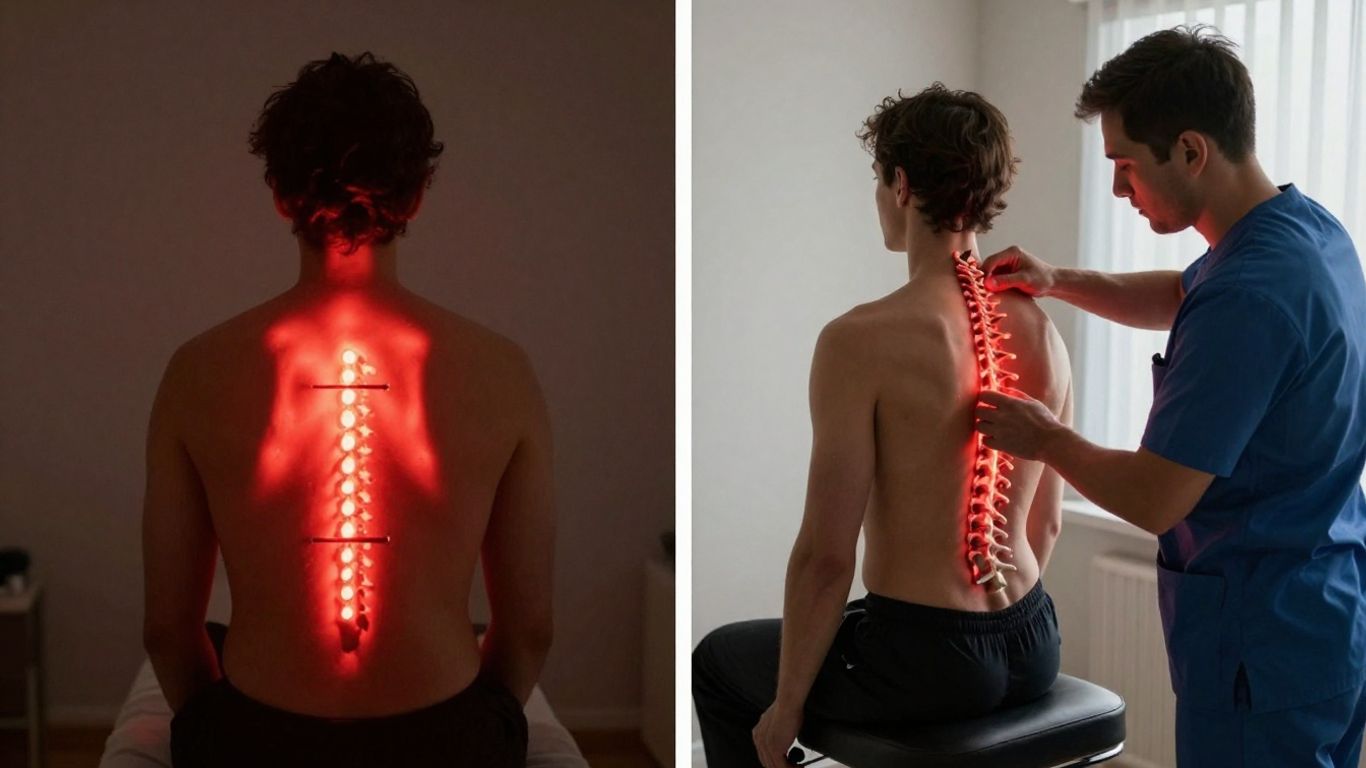
Getting ready for a chiropractic adjustment is more than just showing up. Think of it like prepping a garden before planting – you want the soil just right for the best growth. Using red light therapy before your session can really make a difference in how well the adjustment works and how you feel afterward. It’s about making sure your body is in the best possible state to receive the benefits of the chiropractor’s work.
Pre-Treatment Warm-Up with Red Light Therapy
Applying red light therapy before you see your chiropractor acts like a gentle warm-up for your muscles. It helps to increase blood flow to the area, which can make your muscles more pliable and less tense. This means the chiropractor can work more effectively, and you might find the adjustment feels smoother. It’s a simple step that can prepare your body for a more receptive experience.
Reducing Muscle Tension for Effective Adjustments
Tight, knotted muscles can sometimes get in the way of a good chiropractic adjustment. They can resist the movement and make the process less comfortable. Red light therapy is known for its ability to help relax these tense muscles. By penetrating the tissue, it can encourage blood flow and reduce that feeling of stiffness. This allows the chiropractor to access the joints more easily and make the necessary corrections with greater ease. This preparation can lead to more significant and lasting results from your chiropractic session.
Alleviating Stiffness Before Chiropractic Sessions
If you wake up feeling stiff or have been sitting for a long time, that stiffness can make chiropractic care feel a bit more challenging. Red light therapy can help ease that discomfort. It’s not about forcing movement, but rather about encouraging your body to loosen up naturally. This can make a big difference in your overall comfort level during and after the adjustment. For those looking to get the most out of their visits, preparing your body this way is a smart move. It’s a good idea to arrive a few minutes early to allow for this preparation, as suggested for your first chiropractic visit.
Think of red light therapy as a gentle invitation to your body to relax and prepare for healing. It’s not a forceful intervention, but a supportive one, creating a more harmonious environment for the chiropractic work to take place.
Accelerating Recovery Post-Adjustment
So, you’ve just had a chiropractic adjustment, and you’re feeling a bit… worked on. That’s totally normal. But what if I told you there’s a way to help your body bounce back even faster and feel even better? That’s where red light therapy comes in, especially right after your chiropractor has done their thing.
Post-Treatment Application for Reduced Soreness
Think of red light therapy as a gentle nudge to your cells, telling them to chill out and get to work repairing. After an adjustment, some muscles might feel a little tender or sore. Applying red light therapy to the treated areas can help calm down any inflammation that might have flared up during the adjustment. It’s like giving your muscles a warm, soothing hug that also speeds up healing. This targeted approach can significantly cut down on that post-adjustment stiffness you sometimes feel. It helps your body process waste products more efficiently, which is a big part of why you feel sore after a good adjustment.
Promoting Faster Tissue Repair and Recovery
Red light therapy is known for its ability to get cells working overtime, in a good way. It boosts something called ATP production, which is basically the energy currency for your cells. When your cells have more energy, they can repair themselves and rebuild tissue much quicker. This means that any minor stress on your tissues from the adjustment is addressed faster. It’s not just about feeling better; it’s about your body actually healing at an accelerated rate. This is particularly helpful if you’re dealing with an old injury or just have a body that takes its sweet time to recover. You can learn more about how red light therapy works on a cellular level here.
Supporting the Body’s Natural Healing Processes
Ultimately, red light therapy isn’t doing anything your body can’t do on its own. It’s just giving it a significant boost. It works by stimulating your body’s own natural repair mechanisms. By improving circulation to the area, it brings in more oxygen and nutrients that your cells need to heal. It also helps to clear out any cellular debris that might be slowing things down. So, after your chiropractor has put your body back into better alignment, red light therapy helps ensure that the surrounding muscles and tissues are supported in their recovery. It’s a fantastic way to make sure the benefits of your adjustment last longer and that you get back to feeling your best, faster. It’s all about working with your body, not against it, to achieve optimal results. This therapy can be a great addition to your recovery toolkit, especially when combined with other beneficial practices like improving blood flow.
Optimizing Chiropractic Outcomes with Red Light Therapy
So, you’re getting adjusted, which is great for getting your body back in line. But what if you could make those adjustments work even better for you? That’s where red light therapy comes in. It’s not just about feeling good after a session; it’s about making the whole chiropractic experience more effective.
Improving Circulation for Enhanced Healing
Think of your blood like a delivery service for your body. It brings oxygen and nutrients to where they’re needed and hauls away waste. Red light therapy helps this service run smoother. By encouraging blood vessels to open up a bit more, it means more good stuff gets to your muscles and tissues, and the junk gets cleared out faster. This improved flow is a big deal for healing, especially after a chiropractic adjustment that might have stirred things up.
Facilitating Muscle Relaxation and Tension Relief
Chiropractors often deal with tight muscles. These can make adjustments harder to do and less effective. Red light therapy is pretty good at telling those tense muscles to chill out. It helps them relax, which means your chiropractor can work more easily and get better results from the adjustment. It’s like prepping the stage so the main act can perform perfectly.
Boosting Overall Wellness and Comfort
When you combine these two therapies, you’re not just fixing one problem. You’re helping your body heal better overall. Less inflammation, better circulation, and relaxed muscles all add up to you feeling better, moving easier, and recovering faster. It’s a way to get more out of your chiropractic visits and feel more comfortable in your own skin.
- Reduced inflammation: Less swelling means less pain and quicker recovery.
- Better nutrient delivery: Tissues get what they need to repair.
- Muscle relaxation: Makes adjustments easier and more effective.
This combination approach helps your body not just recover from the adjustment itself, but also build resilience for the future. It’s about supporting your body’s natural ability to heal and function at its best.
If you’re looking to get the most out of your chiropractic care, adding red light therapy could be a smart move. It’s a gentle way to support your body’s healing processes and make sure those adjustments stick. You can explore how this therapy works for back pain relief here. It really helps to relax those muscles that are often the source of discomfort.
Red Light Therapy for Chronic Pain Management
Dealing with long-term pain can really wear you down, right? It affects everything. That’s where red light therapy steps in as a real game-changer, especially when you’re also seeing a chiropractor. It’s not just about feeling a bit better for a little while; this therapy gets down to the cellular level to help your body heal itself. It works by using specific wavelengths of light to encourage your cells to produce more energy and reduce inflammation. This can make a big difference for conditions that just won’t quit.
Addressing Chronic Pain with Red Light Therapy
Chronic pain often stems from ongoing inflammation or slow tissue repair. Red light therapy, also known as photobiomodulation, uses red and near-infrared light to penetrate the skin. This light energy gets absorbed by your cells, particularly the mitochondria, which are like the powerhouses of your cells. When these mitochondria get a boost, they can produce more ATP, the energy currency your body needs to function and repair itself. This increased cellular energy helps speed up healing processes that might be stuck in chronic pain sufferers. Plus, it helps calm down that persistent inflammation that keeps you hurting. It’s a gentle way to support your body’s natural healing capabilities.
Complementary Approach for Arthritis and Fibromyalgia
For folks dealing with arthritis or fibromyalgia, pain can be a daily battle. Chiropractic adjustments can help improve alignment and reduce nerve pressure, offering some relief. But when you add red light therapy into the mix, you get an extra layer of support. It can help reduce the inflammation in joints affected by arthritis, making movement a little easier. For fibromyalgia, which involves widespread pain and tenderness, the therapy’s ability to calm inflammation and support tissue repair can be quite beneficial. It’s about tackling the pain from multiple angles.
Here’s a quick look at how it helps:
- Reduces Joint Inflammation: Helps calm swelling in arthritic joints.
- Soothes Muscle Pain: Eases the widespread muscle tenderness common in fibromyalgia.
- Boosts Cellular Repair: Encourages damaged tissues to heal more effectively.
- Improves Circulation: Brings more oxygen and nutrients to painful areas.
The goal isn’t to replace chiropractic care but to work alongside it, creating a more effective treatment plan for persistent pain. It’s about giving your body the best possible environment to heal and feel better long-term.
Supporting Nerve-Related Pain Relief
Nerve pain, like sciatica or tingling sensations, can be incredibly disruptive. Sometimes, this pain is linked to inflammation pressing on nerves or damage to the nerve tissue itself. Red light therapy can help by reducing that inflammation, which might be the root cause of the nerve irritation. By promoting better blood flow, it also helps deliver more oxygen and nutrients to the affected nerves, aiding in their repair and function. This can lead to a noticeable decrease in nerve-related discomfort and improve your overall sense of well-being. It’s a promising tool for managing pain that often feels hard to treat [b4e5].
Wrapping It Up
So, we’ve talked about how red light therapy can really help out when you’re getting chiropractic adjustments. It seems like using the light before or after your adjustment can make a big difference in how quickly you feel better and how much less sore you are. It’s not some magic bullet, but it looks like a pretty solid way to help your body heal up faster and feel more comfortable. If you’re curious about giving it a try alongside your chiropractic care, it’s definitely worth looking into. Chat with your chiropractor about it; they can help you figure out if it’s a good fit for what you need.
Frequently Asked Questions
How does red light therapy help with chiropractic care?
Red light therapy can make chiropractic adjustments work better. It helps relax your muscles, ease pain, and improve blood flow. This helps your body heal more smoothly after an adjustment, leading to better flexibility and comfort.
Is red light therapy safe to use with chiropractic adjustments?
Yes, red light therapy is very safe when used alongside chiropractic care. It’s a gentle treatment that uses light to help your body heal without any bad side effects. It’s a great way to support your recovery.
Can red light therapy help with long-term pain?
Absolutely! Red light therapy is really good at reducing long-term pain and helping injuries heal faster. It boosts your body’s natural healing powers, cuts down on swelling, and helps rebuild tissues. When you combine it with chiropractic care, it can ease ongoing pain from things like arthritis or muscle aches.
How long does a red light therapy session usually last?
A typical red light therapy session takes about 10 to 20 minutes, depending on the area being treated. For the best results, it’s often recommended to have these sessions a few times a week along with your chiropractic visits. Your doctor will help you figure out the best plan for you.
Can red light therapy help me move better after an adjustment?
Yes! Chiropractic care helps align your body, which improves how you move. Red light therapy helps by relaxing the muscles around the adjusted areas and reducing swelling. This allows your body to move more freely and easily, which is great for improving flexibility.
What’s the main benefit of using red light therapy before an adjustment?
Using red light therapy before your chiropractic adjustment helps warm up your muscles. This makes them less stiff and more ready for the adjustment. It can also help reduce any muscle tightness, making the adjustment more comfortable and effective.