Dealing with scoliosis can feel like a lot, especially when you hear about surgery. But honestly, there are ways to manage it without going under the knife. We’re talking about treatments that can help with the pain, maybe even straighten things up a bit, and just make life easier. It’s all about finding what works for you, and thankfully, there are options out there. If you’re in Singapore and looking into scoliosis treatment, you’ve got choices to explore.
Key Takeaways
- Non-surgical methods like physical therapy and specific exercises can really help manage scoliosis symptoms and improve posture.
- Corrective bracing, especially modern types, can be very effective in slowing down how much the spine curves, particularly for younger people.
- A personalized treatment plan is super important, and getting advice from scoliosis specialists is a good idea.
- Home exercise programs are key to keeping up the progress made with other treatments.
- Focusing on managing pain and making lifestyle adjustments goes hand-in-hand with other scoliosis treatments.
Understanding Non-Surgical Scoliosis Treatment Options
When you’re dealing with scoliosis, the idea of surgery can feel pretty overwhelming. Luckily, there are a bunch of ways to manage it without going under the knife. These non-surgical approaches focus on helping your spine feel better and work more efficiently. It’s all about finding what works best for your specific situation.
Physical Therapy and Scoliosis-Specific Exercises
Physical therapy is a big one when it comes to non-surgical scoliosis care. Therapists create custom exercise plans to help strengthen the muscles that support your spine. Think of it like building a stronger frame for your body. These exercises aren’t just random movements; they’re designed to target specific weaknesses and imbalances caused by the curve. You’ll likely work on things like core stability, posture correction, and breathing techniques. The goal is to improve how your spine moves and reduce any discomfort you might be feeling. Regular practice is key here, and many people find that specific exercises make a real difference in their daily lives.
The Role of Chiropractic Care and Manual Therapy
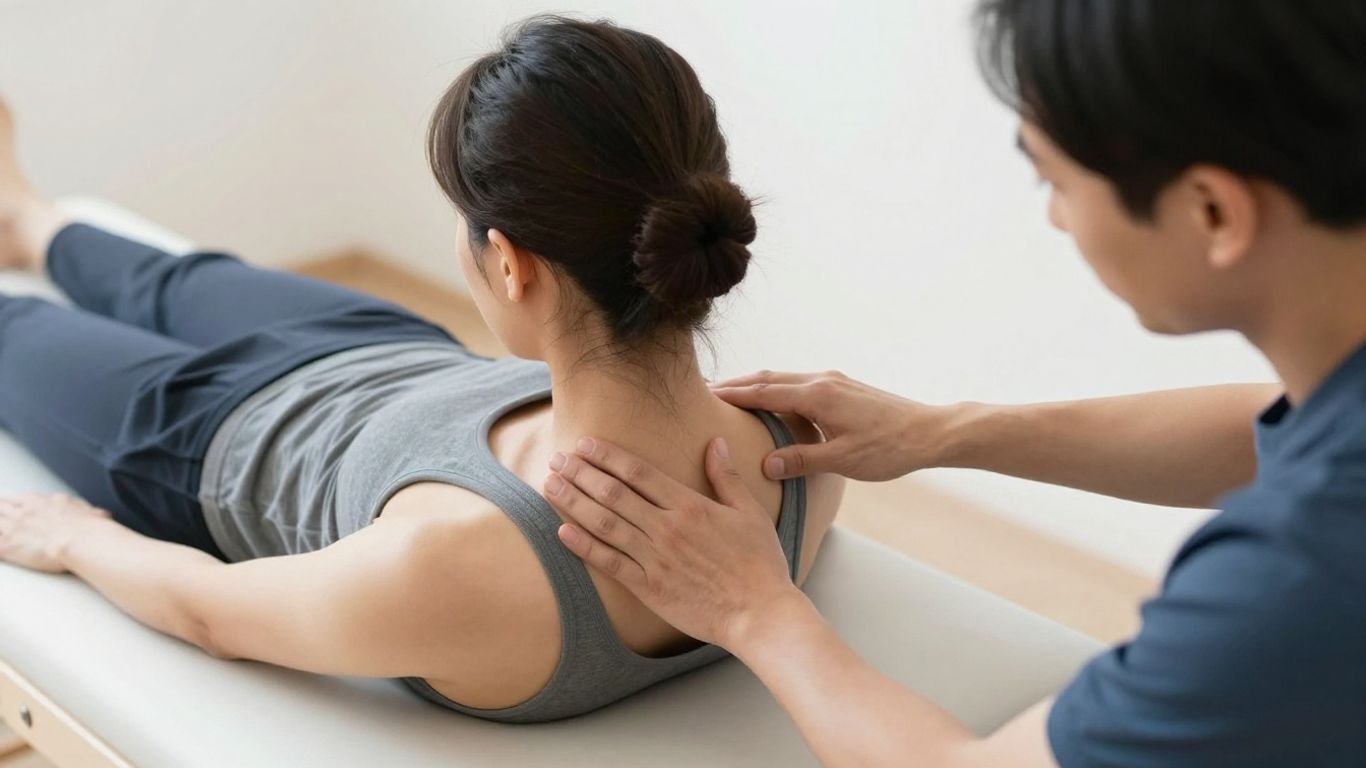
Chiropractic care and manual therapy can also be really helpful. Chiropractors focus on the alignment of your spine. Through adjustments and other hands-on techniques, they aim to reduce muscle tension and improve how your spine functions. It’s not about forcing your spine into a perfect shape overnight, but rather about gently encouraging better alignment and easing any stiffness or pain. This can complement other treatments, helping you feel more comfortable and mobile.
Pain Management and Lifestyle Adjustments
Managing pain is a huge part of living with scoliosis, and there are several ways to tackle it without surgery. Simple things like applying heat or cold packs can offer relief. Low-impact exercises, like swimming or walking, are also great for keeping your body moving without putting too much stress on your spine. Beyond that, making some lifestyle tweaks can help too. Paying attention to your posture throughout the day, maintaining a healthy weight, and being mindful of activities that might strain your back are all smart moves. These adjustments, combined with targeted therapies, can significantly improve your quality of life.
It’s important to remember that non-surgical treatments are about managing the condition and improving function, not necessarily ‘curing’ the curve itself. The focus is on preventing progression and maximizing your body’s ability to cope with the curve.
The Benefits of Conservative Scoliosis Management
When you’re dealing with scoliosis, the idea of managing it without surgery can feel like a huge relief. And honestly, it often is. Conservative treatments aren’t just about putting a band-aid on things; they’re about actively working to improve your spine’s health and your overall well-being. The primary goal is to manage the condition effectively, aiming to prevent the curve from getting worse and to help you feel better day-to-day.
Slowing Curvature Progression
One of the biggest wins with non-surgical approaches is the potential to slow down or even halt the worsening of the spinal curve. This is especially important for younger individuals whose spines are still developing. Think of it like this: if you catch a small crack in a wall early, you can often fix it before it becomes a major structural problem. Similarly, early intervention with methods like specialized exercises or corrective bracing can make a significant difference in preventing the scoliosis from advancing.
- Monitoring is Key: Regular check-ups and imaging are vital to track any changes in the curve. This helps your doctor or therapist know if the current treatment plan is working or needs adjustment.
- Bracing’s Role: For growing spines, modern braces are designed to apply gentle pressure, guiding the spine to grow straighter. Compliance with wearing schedules is super important here.
- Exercise Support: Specific exercises strengthen the muscles that support your spine, providing a more stable foundation and potentially counteracting the forces that cause the curve to worsen.
Improving Posture and Alignment
Scoliosis doesn’t just affect the spine itself; it can throw off your whole body’s alignment, leading to posture issues and sometimes pain. Conservative treatments focus on correcting these imbalances. Physical therapy, for instance, works on strengthening weak muscles and stretching tight ones, which can help bring your shoulders, hips, and head back into a more neutral position. This isn’t just about looking better; it’s about how your body functions.
A more aligned spine means your body works more efficiently. This can reduce strain on muscles and joints, leading to less fatigue and discomfort throughout the day. It’s about helping your body find its natural balance again.
Enhancing Mobility and Quality of Life
Living with scoliosis can sometimes feel limiting. You might avoid certain activities or feel self-conscious. The good news is that conservative management can really boost your mobility and, by extension, your overall quality of life. By reducing pain, improving posture, and strengthening your body, you’re often able to get back to doing the things you enjoy. This might include sports, hobbies, or simply moving through your day with more ease and less discomfort. It’s about regaining confidence and freedom in your body. For some, this might involve exploring options like physical therapy and exercises designed specifically for spinal health.
Advanced Non-Surgical Interventions
When it comes to managing scoliosis without surgery, there are some really interesting and effective methods available today. These aren’t just basic stretches; they’re more involved approaches designed to make a real difference. The goal is to actively work with your spine’s natural structure to improve its alignment and function.
Modern Corrective Bracing Techniques
Bracing for scoliosis has come a long way. Forget those bulky, uncomfortable braces of the past. Today’s corrective braces are often custom-made using 3D scanning technology, fitting your body precisely. This personalized fit means they can be more effective at applying gentle, consistent pressure to guide the spine’s growth or prevent further curving. Some modern braces are designed to be worn for specific periods, allowing for movement and activity, which can improve patient compliance. The idea is to provide support where it’s needed most, helping to manage the curvature without restricting your life too much. For many, especially younger individuals with growing spines, these advanced braces are a key part of a non-surgical plan, aiming to avoid the need for surgery down the line. Finding the right brace is a big step in conservative scoliosis treatment.
Home Rehabilitation Programs for Spinal Health
Once you’ve worked with a therapist or a chiropractor, the work doesn’t stop when you leave the clinic. Home rehabilitation programs are super important for keeping your spine on the right track. These are usually a set of specific exercises tailored just for you, based on your unique curve and needs. Think of it like a personalized workout plan for your back. These exercises focus on strengthening the muscles that support your spine, improving flexibility, and teaching your body how to hold itself in a better alignment. Doing these regularly at home helps maintain the progress you’ve made and can prevent the curve from worsening. It’s about building a stronger, more stable spine from the inside out.
Here’s what a typical home program might include:
- Core Strengthening: Exercises to build up the muscles around your abdomen and back.
- Postural Correction: Movements designed to retrain your body awareness and improve how you stand and sit.
- Flexibility and Mobility: Stretches to keep your spine and surrounding muscles from getting stiff.
- Breathing Exercises: Specific techniques that can help with rib cage expansion and spinal alignment.
The Importance of Early Intervention
Honestly, the sooner you address scoliosis, the better your chances are of managing it effectively without surgery. When a curve is detected early, especially in children and adolescents during their growth spurts, there’s a greater opportunity to influence its direction. Early intervention means starting treatments like specific exercises or bracing when the spine is more adaptable. This proactive approach can significantly slow down or even halt the progression of the curve. It’s much easier to guide a spine that’s still developing than one that has already reached its adult form. Waiting too long can mean the curve becomes more rigid and harder to manage with non-surgical methods, potentially leading to a situation where surgery might be the only option left. This is why regular check-ups, especially during teenage years, are so vital for spotting any changes early on.
Addressing scoliosis early is key. It allows for more adaptable treatment options and can significantly improve long-term outcomes, often preventing the need for more invasive procedures later in life. This proactive stance is fundamental to successful management.
For adults, non-surgical approaches are also very common and effective for managing symptoms and improving alignment, as detailed in adult scoliosis management.
Personalized Care for Scoliosis in Singapore
Tailored Treatment Plans for All Ages
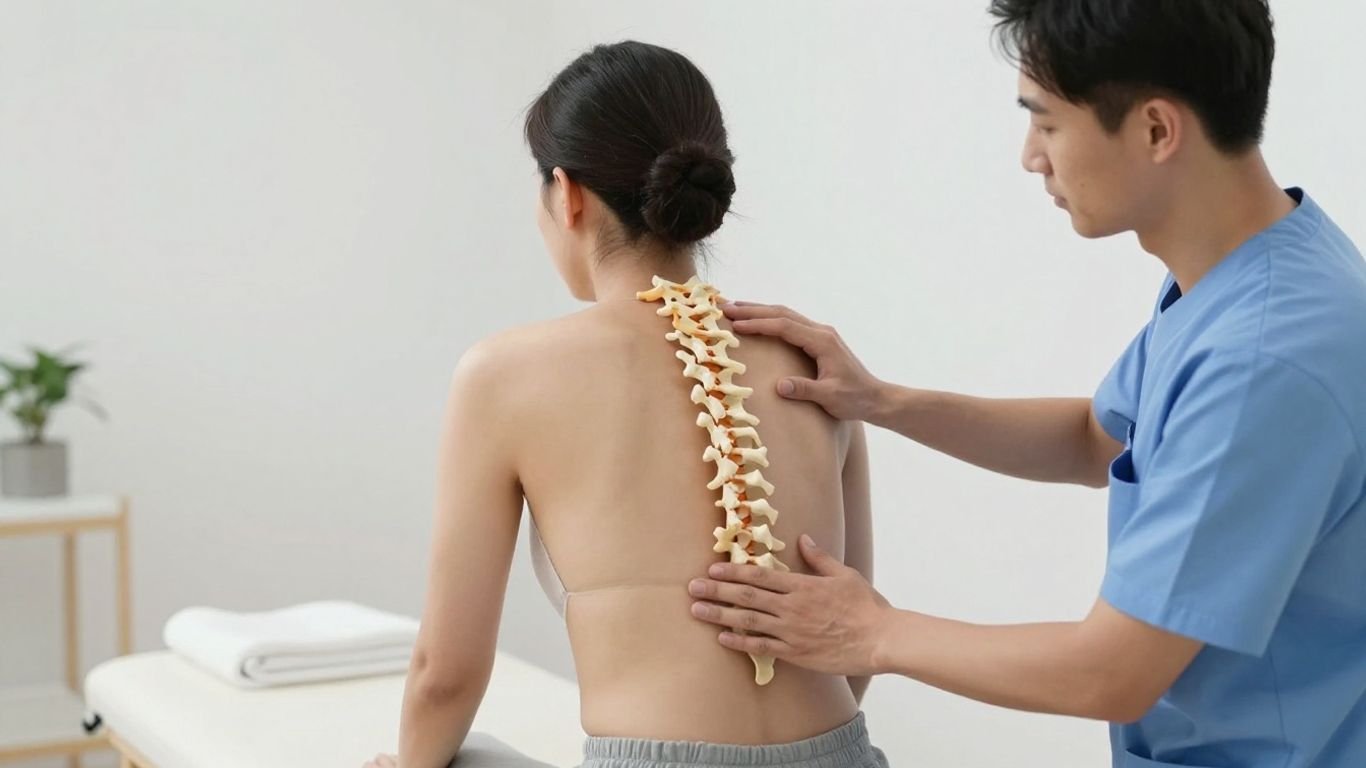
When it comes to scoliosis, there’s no one-size-fits-all solution. What works for a growing teenager might not be the best approach for an adult experiencing discomfort. That’s where personalized care comes in. In Singapore, specialists focus on creating treatment plans that fit each individual’s unique spinal curve, age, and lifestyle. This means looking at the specific angle of the curve, whether it’s progressing, and how it’s affecting daily life. The goal is always to manage symptoms and improve alignment in a way that makes sense for you.
Consulting Specialists for Scoliosis Treatment Singapore
Finding the right help is key. If you’re in Singapore and dealing with scoliosis, seeking out professionals who specialize in this condition is a smart move. These specialists can offer a range of non-surgical options, from specific exercises to modern bracing techniques. They’ll conduct thorough assessments to understand your situation fully. This might involve physical examinations and imaging studies to get a clear picture of your spine. They can also discuss the benefits of non-surgical scoliosis care for adults if that’s relevant to your situation.
Navigating Your Scoliosis Treatment Journey
Managing scoliosis is often a journey, not a quick fix. It involves a combination of therapies and consistent effort. Here’s a look at what that might involve:
- Physical Therapy and Exercises: Targeted movements designed to strengthen supporting muscles and improve posture.
- Corrective Bracing: Modern braces are often more comfortable and discreet, helping to manage curvature, especially in younger patients.
- Lifestyle Adjustments: Simple changes in daily habits can make a difference in managing discomfort and supporting spinal health.
It’s important to remember that early detection and intervention can significantly impact the effectiveness of treatment. Don’t hesitate to seek professional advice if you suspect scoliosis, either in yourself or a loved one.
Working closely with your healthcare provider ensures that your treatment plan stays on track and adapts as needed. For those looking for specialized support, clinics in Singapore offer personalized chiropractic care for scoliosis, focusing on improving spinal alignment and reducing pain through non-invasive methods.
Wrapping Up: Your Path to Better Spinal Health
So, we’ve talked a lot about scoliosis and how it doesn’t always mean surgery. It’s pretty clear that there are many ways to help manage the symptoms and even improve how your spine looks and feels without going under the knife. Things like specific exercises, wearing a brace if needed, and even just paying attention to your posture can make a real difference. Remember, finding the right approach is key, and it’s usually a team effort with your doctor or therapist. Don’t get discouraged; taking these steps can really help you feel better and keep your spine healthier for the long haul.
Frequently Asked Questions
Can scoliosis be treated without surgery?
Yes, absolutely! Many people with scoliosis can manage their condition without surgery. Treatments like special exercises, physical therapy, and wearing a brace can help improve posture, reduce pain, and keep the spinal curve from getting worse. These methods work best when started early.
What are the main non-surgical treatments for scoliosis?
The most common non-surgical treatments include physical therapy with specific exercises to strengthen your back and core muscles, wearing a corrective brace to help guide your spine, and sometimes chiropractic care or manual therapy to help with alignment and muscle tension. Lifestyle changes and pain management techniques are also important parts of treatment.
How does physical therapy help with scoliosis?
Physical therapy uses targeted exercises to make the muscles around your spine stronger and more flexible. This helps support your spine better, can improve your posture, and may help reduce pain. Therapists create special plans just for you, often including stretching, strengthening, and breathing exercises.
What is a scoliosis brace, and how does it work?
A scoliosis brace is a device worn around your torso. It doesn’t fix the curve completely, but it helps to stop it from getting worse, especially in growing kids and teens. Modern braces are usually made of lightweight plastic and are designed to be worn under clothes, allowing you to continue with your daily activities.
How can I tell if my scoliosis is getting worse?
Sometimes, scoliosis gets worse slowly, and you might not notice it right away. Signs can include clothes not hanging evenly, one shoulder or hip appearing higher than the other, or a noticeable curve or tilt when you bend over. Regular check-ups with a doctor or specialist are the best way to monitor any changes in your spinal curve.
Are non-surgical treatments a lifelong commitment?
While some treatments, like wearing a brace, might be for a specific period, many aspects of non-surgical scoliosis management are about long-term spinal health. This often includes continuing with exercises at home, maintaining good posture, and staying active to keep your spine strong and flexible for years to come.